Last fall, I spent half an hour beside the outbound line of an electronics contract manufacturer in Dongguan, watching protective packaging fail in real time. Workers were stuffing kraft paper into cartons while a returned box of ceramic ornaments sat nearby, shattered into three pieces. The job of protective packaging comes down to two things: keep the product still, and absorb the shock. Simple on paper, expensive when you get it wrong. Pick the wrong fill for a shipment and breakage, returns, and claims follow in a chain.
Protective Packaging Is Not About Thickness
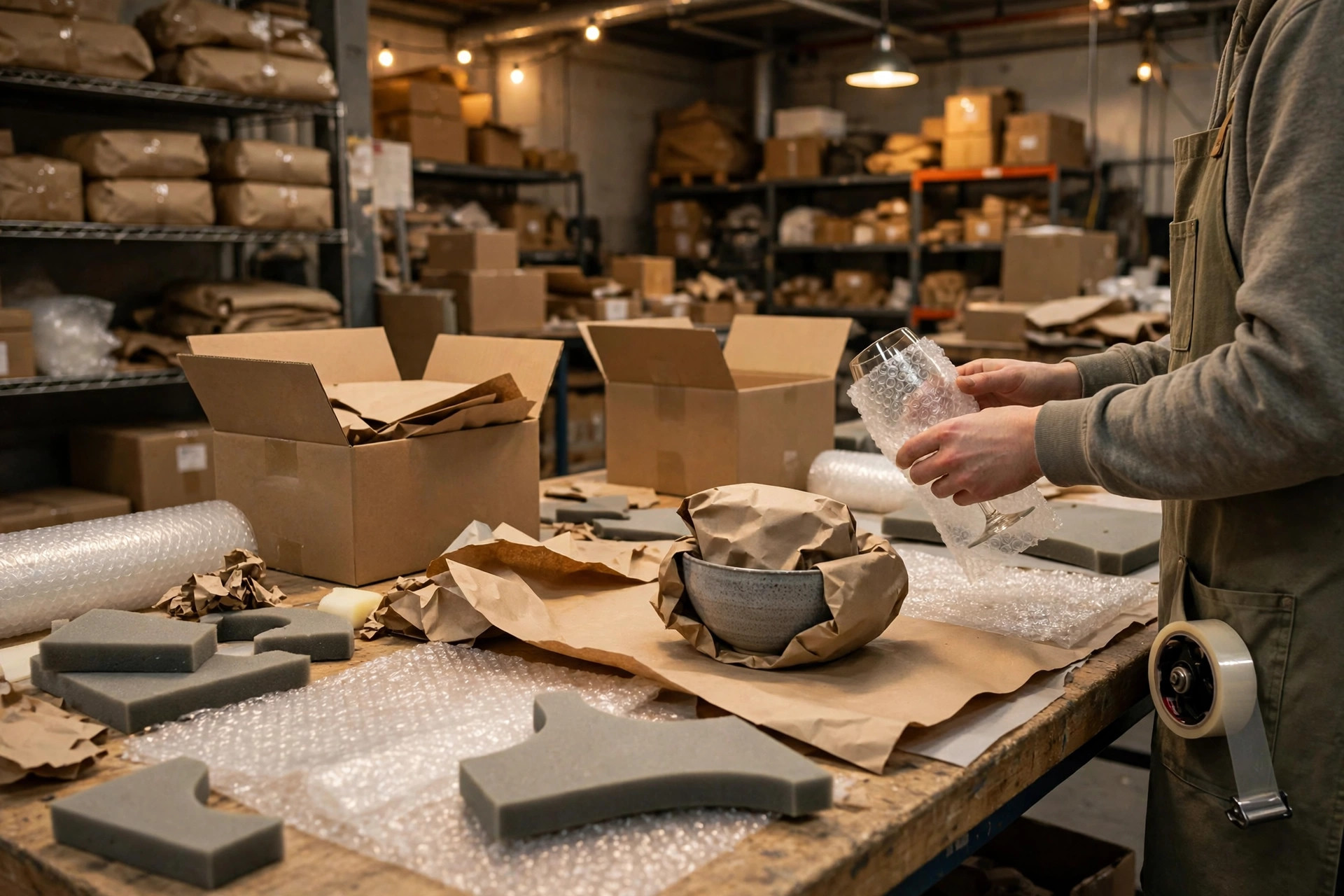
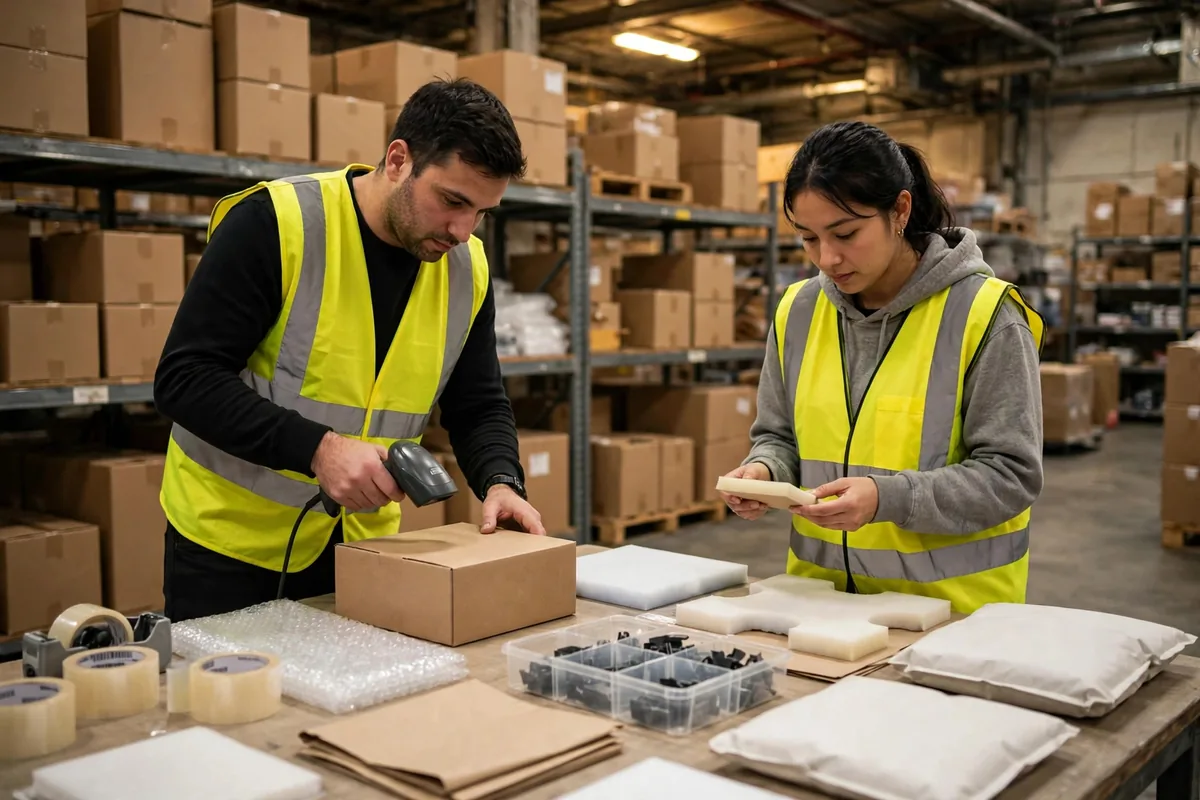
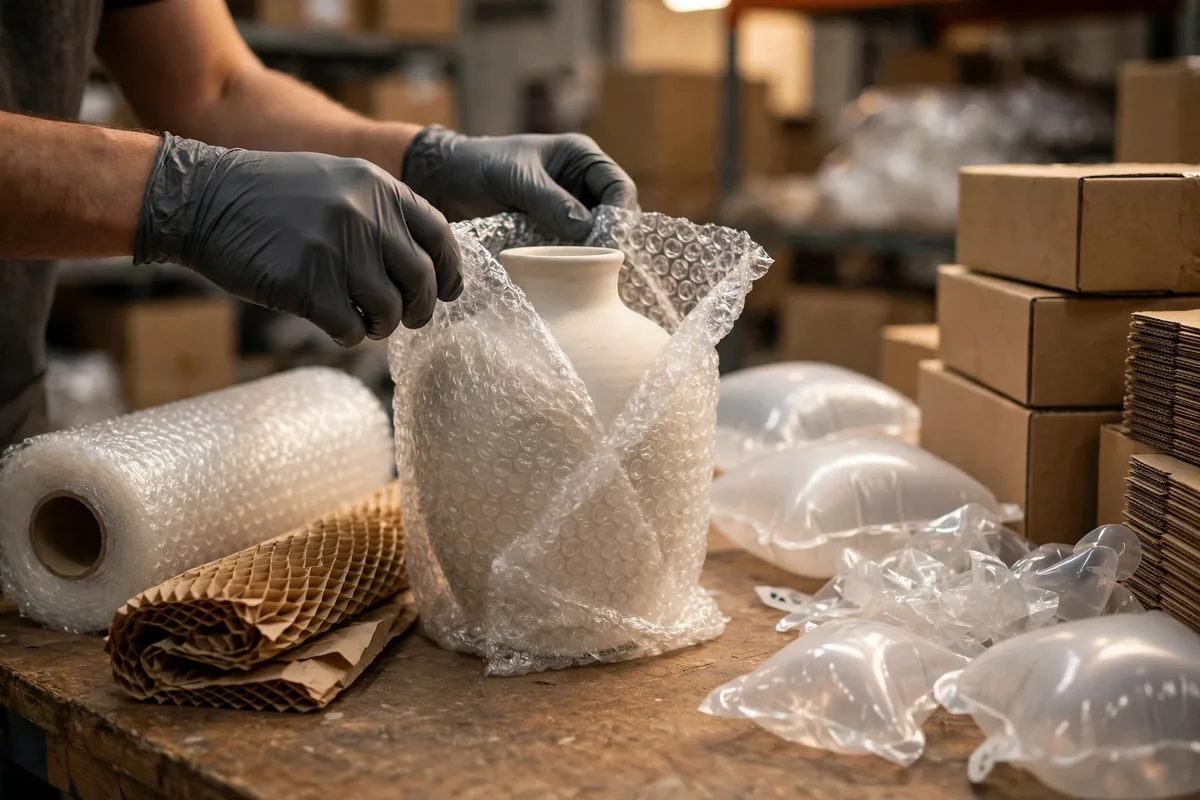
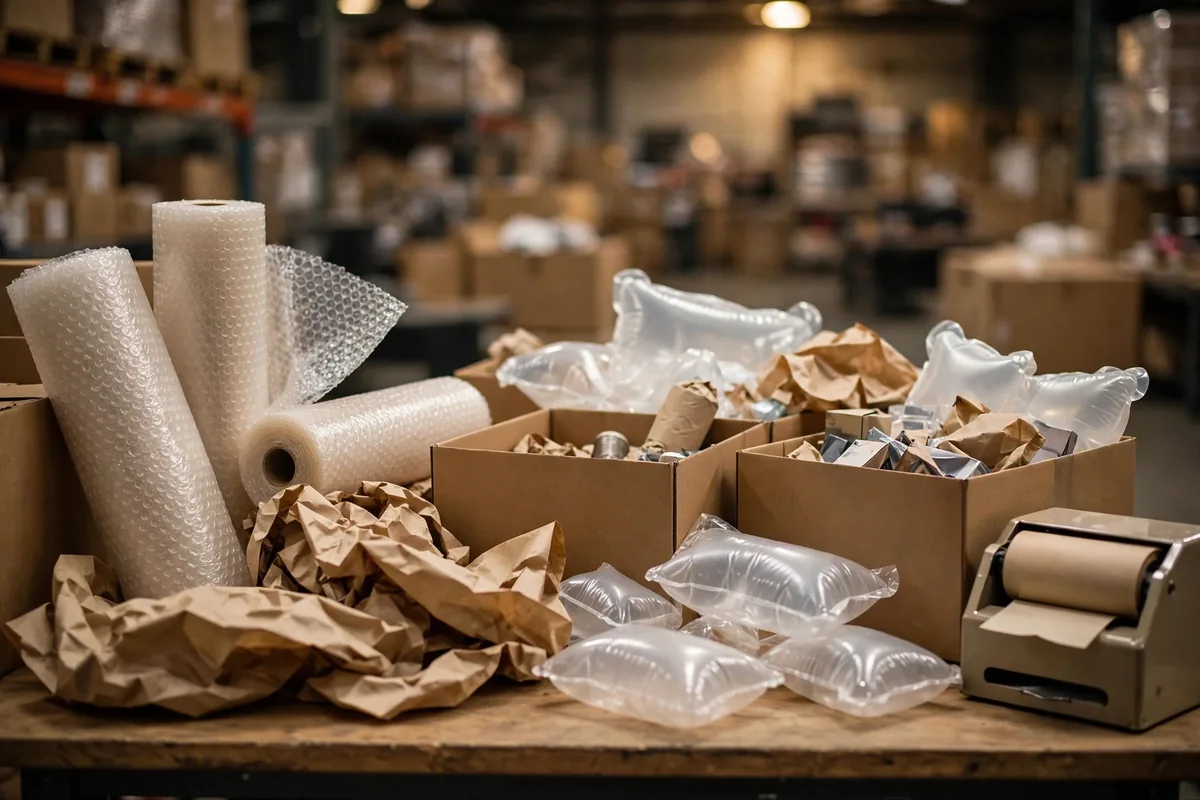
Most people assume thicker fill means safer freight. It usually does not. If the void inside a carton is not filled tight, the product rattles around in transit, and no amount of extra padding saves it. What actually works comes down to two things: the product cannot move, and something absorbs the impact. Bubble wrap hugs surfaces and handles scratches and light knocks. Paper pads, crumpled into voids, hold products in place at low cost. Air pillows fill large voids quickly and weigh almost nothing, but a sharp edge punctures them. Foam, cut to shape, fits best and suits high-value single items. Honeycomb paperboard is strong and recyclable, and works well as dividers and liners. No single material does everything. Selection starts with how the product actually fails, then how far it travels.
In March 2026, a small-appliance exporter in Ningbo switched to honeycomb paperboard dividers. Its robot vacuum shells, previously lined with foam, kept arriving from long ocean voyages with scuff marks, and customer complaints kept coming. After the switch to honeycomb dividers, scuff complaints dropped by more than half. The paperboard was not better than foam in general. It fixed the real failure mode for that product: not drops, but friction inside the box. Get the failure mode wrong and no material change helps.
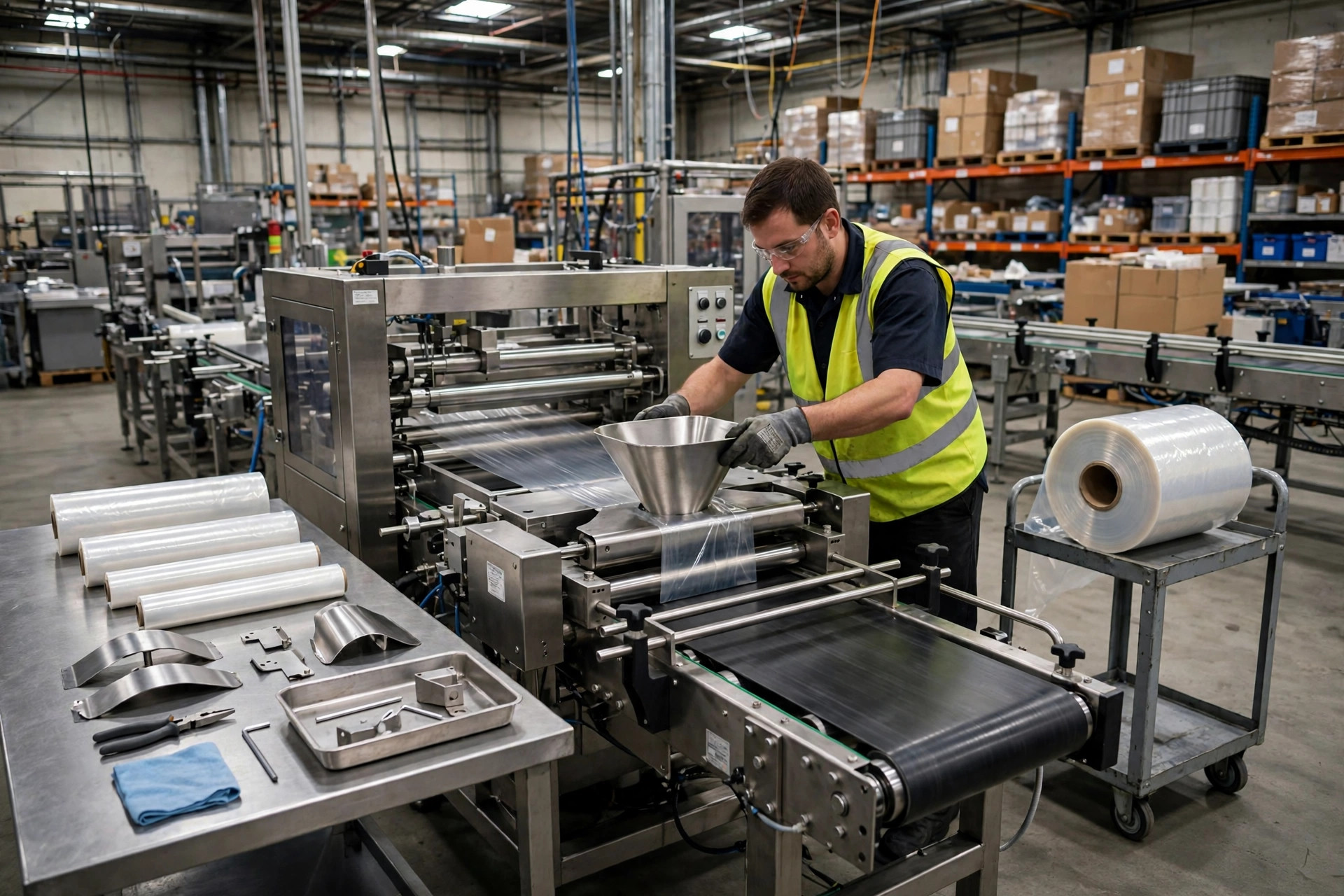
Automated packing lines are another dividing line. Air pillows and paper pads both have automatic dispensing equipment, and once installed, one operator can do the work of two. Bubble wrap and cut foam still mostly need hands, so throughput stalls. For a warehouse shipping more than ten thousand orders a month, the cheapest material per unit is not the cheapest total cost. Labor and line speed belong in the same calculation. Ask suppliers for a compatibility note for your own packing line before comparing unit prices.
There is also a step warehouses skip too often: reviewing damage by cause. Most teams process the return and move on without recording why it broke. My suggestion is to sort damage claims into three buckets each month: movement inside the box, surface scuffs, and crushed cartons. When one bucket dominates for two months running, go back and adjust the fill setup. The Dongguan manufacturer did exactly this and found that seventy percent of its damage came from movement inside oversized boxes. Tightening the box size cut fill usage by a fifth. Without that review loop, selection stays guesswork.
Negotiating with suppliers matters too. Fill materials are consumables, and once monthly volume is stable, prices can be locked quarterly. Paper pads and bubble wrap track raw material markets, so locking a price before peak season saves real money. Negotiate more than unit price: waste rate, lead time, and minimum order quantity all belong in the conversation. Dispensers for paper pads and air pillows can usually be rented, and below a certain monthly volume, renting beats buying. Only when equipment depreciation is folded into the per-order cost do you see the true unit price.
Doing the Math on Protective Packaging: Protection, Cost, and Sustainability
| Material | Strength | Weakness | Best for | | Bubble wrap | Hugs surfaces, stops scratches | Bulky, film plastic is hard to recycle | Wrapping fragile goods | | Paper pads | Holds products firmly, low cost | No moisture protection | Filling voids for light to medium goods | | Air pillows | Light, fills large voids fast | Punctures easily | Large boxes with light goods | | Foam | Best fit, strong cushioning | Hard to dispose of, sustainability pressure | High-value single items | | Honeycomb paperboard | Strong, recyclable | Fails when wet | Dividers, liners, heavy-goods separation |
Illustrative example: a home-goods seller shipping 8,000 orders a month switches fill from 0.8 yuan per order to 0.5 yuan paper pads, saving 2,400 yuan a month, close to 30,000 a year. That looks like a win. But if the damage rate rises from 0.5% to 1.2% as a result, that is 56 extra returns a month, and at 40 yuan per return for handling and reshipping, the extra cost is 2,240 yuan a month, which eats almost all the savings. The number that matters is not unit price. It is what one point of damage rate is worth. Without that figure, switching materials is a gamble.
The sustainability side is moving too. Bubble wrap is low-density polyethylene film. It is recyclable in theory, but most curbside collections do not take plastic film. Kraft paper pads are curbside recyclable and are the default choice for most small and mid-size e-commerce sellers today. Under the EU Packaging and Packaging Waste Regulation, e-commerce, transport, and grouped packaging must keep empty space to no more than 50% of internal volume. The regulation applies from August 2026, with the 50% cap enforced from January 2030. Bring the void ratio down and fill usage falls with it. For specific rates and compliance details, refer to the latest supplier documentation and the regulation itself.
Fragile Goods, Electronics, and Heavy Freight Need Different Setups
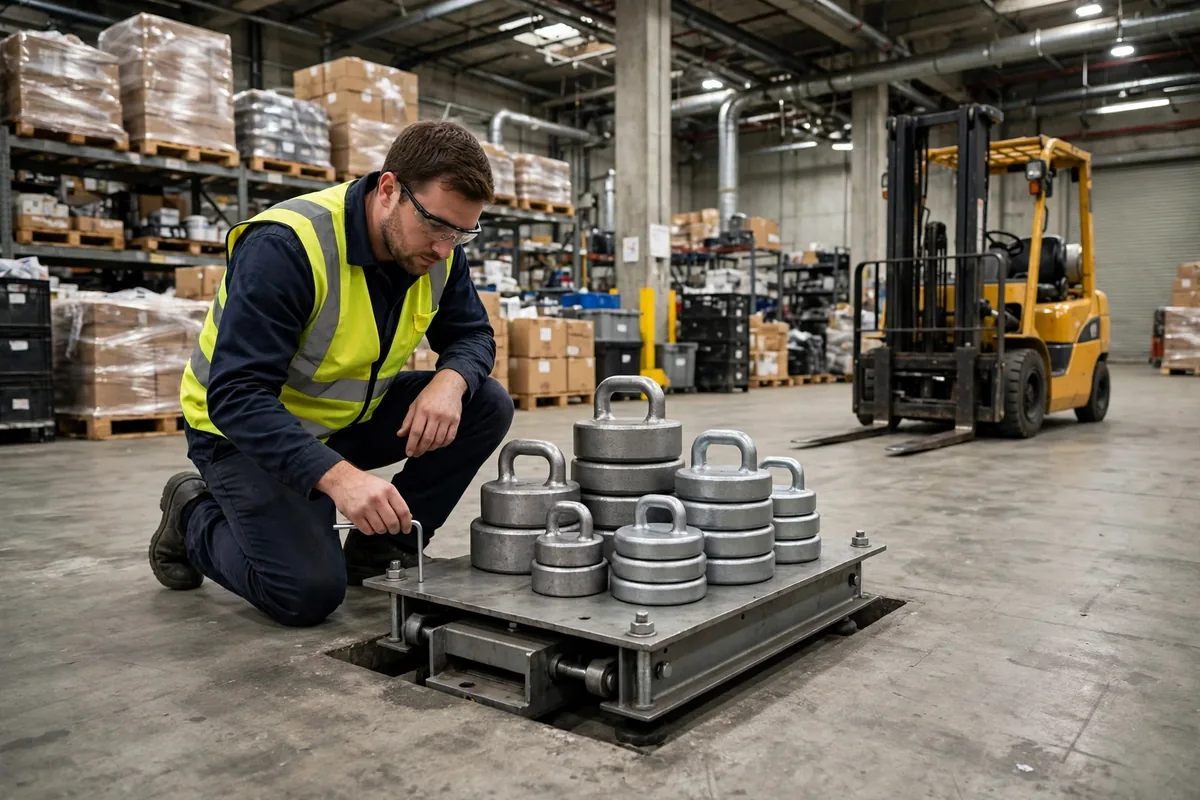
Fragile goods get wrapped first, then filled: bubble wrap or honeycomb paper around the surface, paper pads filling every gap, no room left to move. Electronics add another layer: static and moisture. Anti-static bags plus desiccant are standard practice, and no fill material protects against static on its own. Heavy freight reverses the logic. Fill is not the main actor. Box strength and dividers are. Switch to double-wall corrugated boxes before debating fill. Warehouses that want evidence can run drop and vibration simulations under ASTM D4169 before locking in a setup.
Here is the counterintuitive part: the greenest option is often not a different material, but less material. Tighten the box size to match the product and fill usage can drop by more than half, while the damage rate may fall too, because there is less room for the product to move. Many warehouses spend money switching to compostable fill while refusing to spend one week re-checking box sizes. The order is backwards.
Protective packaging is a three-way trade-off between protection, cost, and sustainability, and there is no perfect score. The real variables sit with the product itself: how it breaks, how far it travels, and what it is worth. Those answers change every year as material prices, regulations, and customer expectations move. When did your warehouse last re-check its box sizes and fill setup?
By Dr. Chen, Supply Chain Researcher