Let me tell you about warehouse pre-peak equipment maintenance the hard way. Last fall, I pulled into a 3PL warehouse in Ontario at seven in the morning, and the dock door jammed halfway up. It would not go up, it would not come down. My truck sat crossways in the doorway, three trucks queued up behind me, and warehouse guys were prying at the door with a crowbar. Forty minutes later they got it down. That warehouse's whole outbound shift went sideways that day — drivers complaining in the group chat, shippers calling nonstop, and the site manager looking like he had aged a year before lunch. Later I learned the door's torsion spring should have been replaced months earlier. It had been squeaking for two months. Nobody did anything about it.
After all these years on the road, I have seen this story too many times: whatever maintenance you skip in the quiet weeks, peak season makes you pay back double. The weeks before peak are the only window to get the whole warehouse's equipment in shape. Miss it, and for the next two months you are just hoping the machines are in a good mood.
Warehouse pre-peak equipment maintenance starts with four things
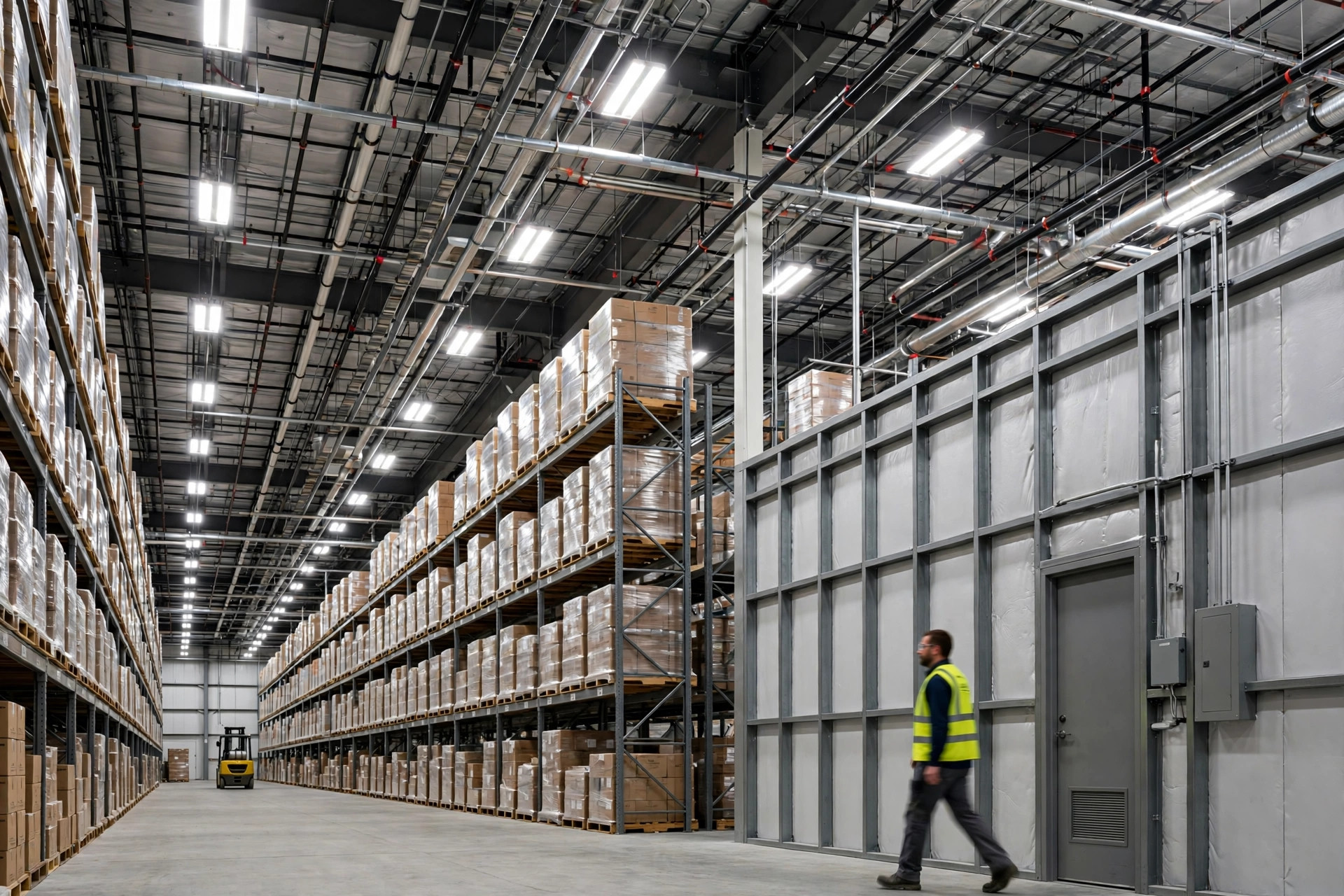
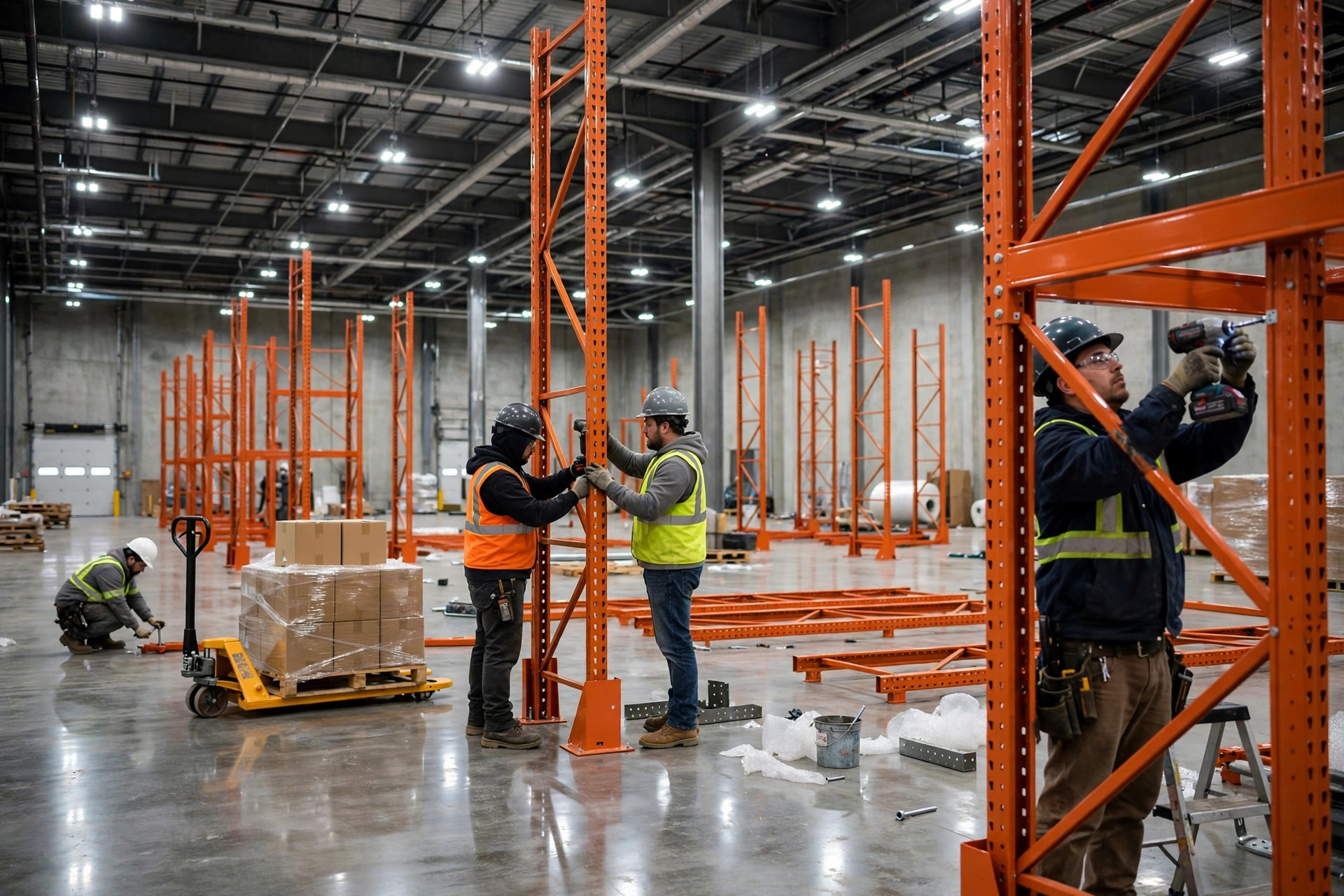
A warehouse has a lot of equipment, and a full equipment maintenance list could run two pages. But the stuff that actually quits on you during peak comes down to four things, over and over: conveyors, forklifts, dock doors, and scanners and printers.
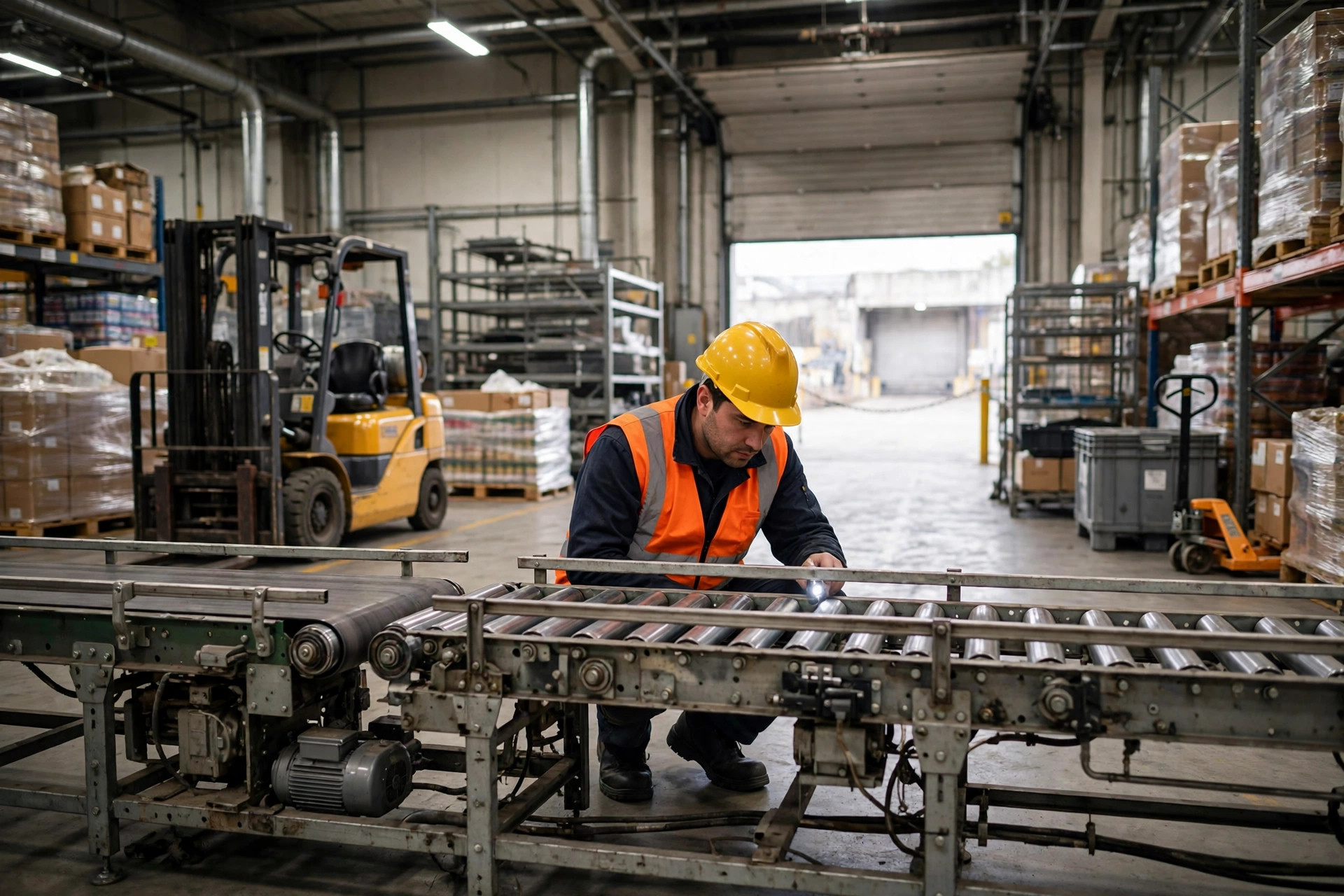
Conveyors first: belts and rollers. A belt that drifts, a splice that is cracking, a roller that turns stiff — these hide fine at normal volume and show up the moment volume spikes. A friend of mine runs an e-commerce warehouse in Fontana, and the week before peak two years ago, his main conveyor motor burned out. The whole line stopped for six hours, and parcels piled up until they nearly blocked the aisles. The cause turned out to be dust clogging the motor vents for the better part of a year. Nobody had cleaned them. When you do maintenance, do not just look at the surface. Walk the motors, gearboxes, and idlers. Listen for strange noises, feel for hot spots. Ten minutes of that can save you six hours.
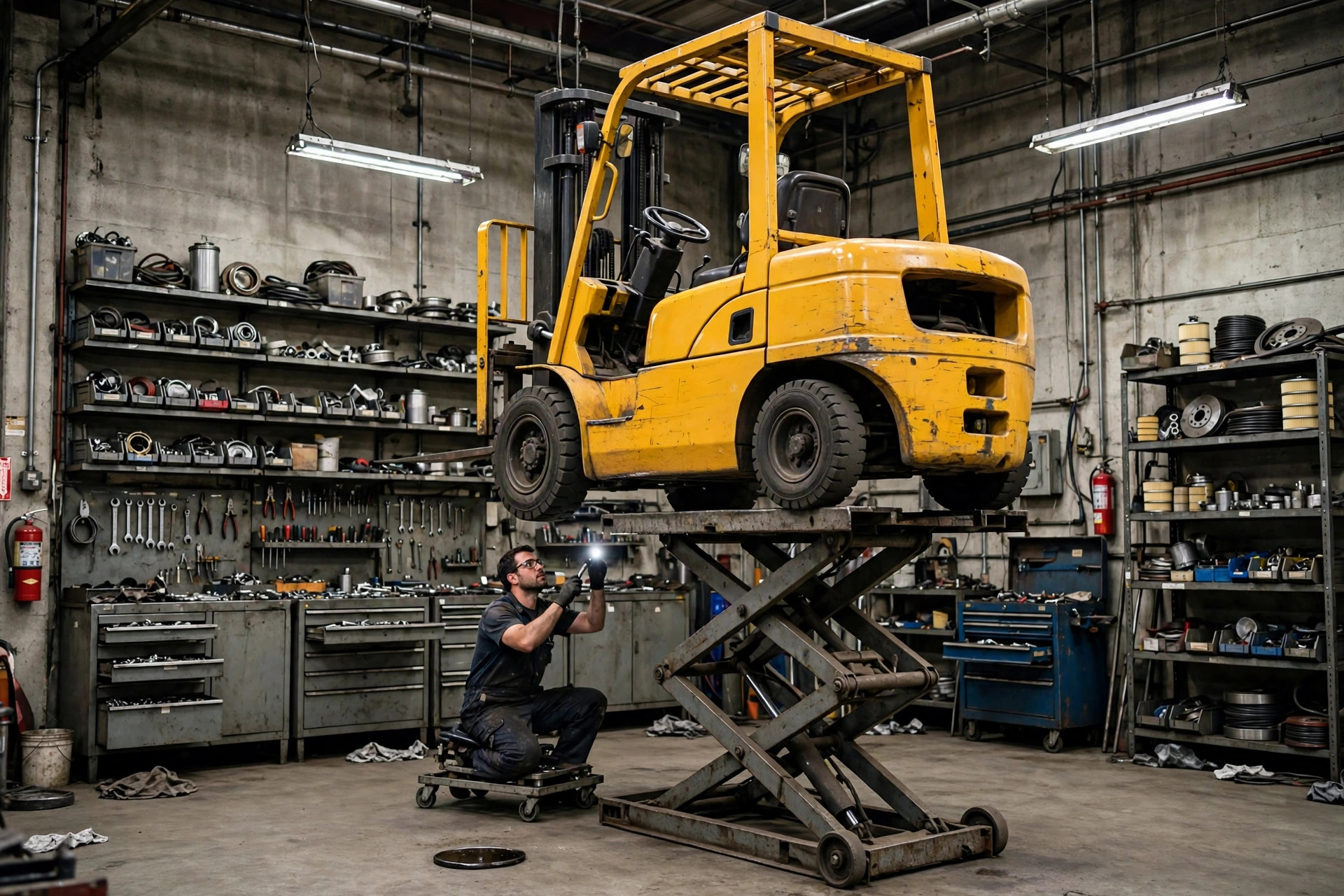
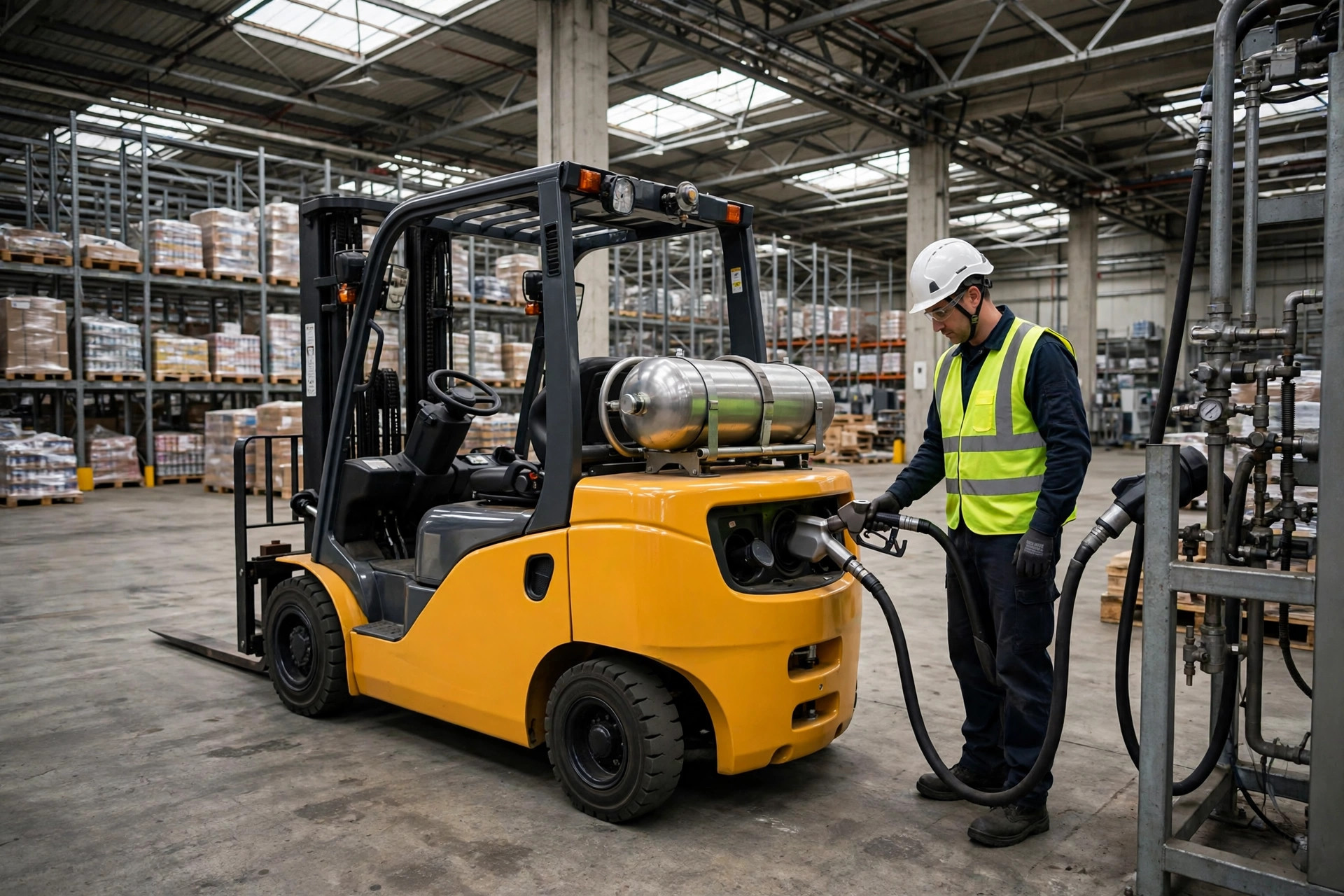
Forklifts come down to three things: batteries, tires, and forks. A weak battery looks fine until you take a load up a ramp. Worn tires slip on smooth concrete, and during peak, when everyone is rushing, that is when accidents happen. Cracked forks are the worst of all — hard to spot with the naked eye, so shine a flashlight on the fork heels during maintenance and look properly. And one thing people forget: maintain the backup forklifts too. When your main truck dies in peak and the backup will not start either, that is a special kind of misery.
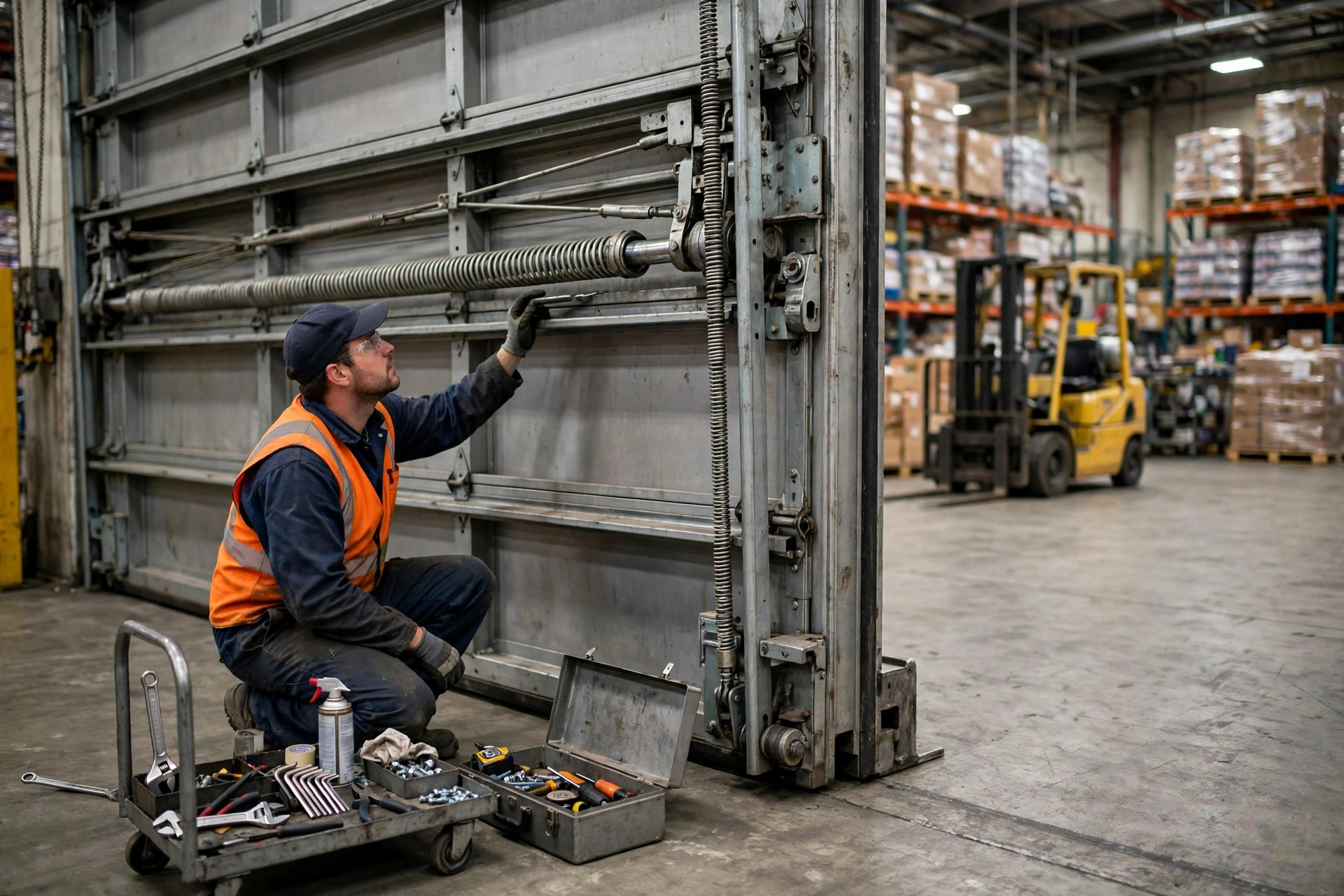
Dock doors need springs, tracks, and seals checked. A torsion spring's life is measured in open-and-close cycles, so for doors that cycle hard every day, measure and do the math before peak instead of waiting for the spring to snap in the doorway. Clear the grit out of the tracks. Replace seals that have gone hard and cracked — drafts are the least of it, because dust and pests getting in are exactly what a shipper notices during an inspection.
Scanners and printers are the easiest to forget, and the most annoying when they fail. A dirty scanner lens means missed reads, missed reads mean hand-keying, and hand-keying means errors. Printer ribbons, printheads, and cutters should all be fresh before peak. It costs little, and it buys you an outbound line that does not stop. I watched a warehouse on the first day of peak last year where a dull cutter left every label half-torn, the packing crew cursing and the queue growing longer by the minute.
Scheduling maintenance without stopping outbound
The most dangerous sentence in maintenance is "we will do it when things slow down." Things never slow down. You have to put the plan on the calendar 4 to 6 weeks before peak, and the method is simple: use the low valleys, and do it zone by zone.
List every piece of equipment and sort it into two buckets: "if this breaks, does the line stop?" The ones that stop the line — main conveyors, primary forklifts, the dock doors you use every day — go into night or weekend windows, one zone at a time, while the rest of the warehouse keeps shipping. The ones that do not stop the line — backup equipment, scanners, printers — can be done during the day without a shutdown.
Sit down with the operations lead and go through the calendar together: which days are light, which shifts have spare hands, which zone can go dark first. Before the maintenance crew arrives, clear the zone the day before — do not make them wait while pallets get moved out of their way. The smoothest job I ever saw had the crew in at ten at night and out by four in the morning, not a toolbox left on the floor when the day shift took over.
One more rule: do not leave maintenance to the last week before peak. If you find a real problem that needs parts, the last week gives you no time to get them. Starting 4 to 6 weeks out is what makes the window a window — it leaves room to actually fix what you find.
Do the downtime math before you skip the work
People think maintenance costs money. Skipping maintenance is what costs money. You do not need a precise model — run your own daily volume through a simple formula and the picture gets clear fast:
| Downtime scenario | What it hits | How to estimate it |
|---|---|---|
| Main conveyor down 1 hour | Picking and outbound stop | One hour of orders × margin per order is the direct loss |
| Dock door jammed half a day | Trucks queuing, driver waiting time | Waiting trucks × driver detention cost, plus shipper claim risk |
| One forklift down | Replenishment and putaway slow down | Cover labor and overtime, and overtime only gets pricier in peak |
| Scanners failing | Hand-keying and mis-shipments rise | One mis-shipment's rework and refund buys several scanners |
Peak downtime carries one more cost you cannot put in a spreadsheet: the shipper's trust. One big delay, and the shipper may say nothing at the time — but it all comes back up at renewal. Maintenance money is visible. A lost customer is not.
After the work, leave yourself a safety net
When the maintenance is done, three small things are worth doing while you are at it. First, keep the records: which machine, which part, who changed it, when. Next time you will not start from zero. Second, stock the wear parts: belt splices, rollers, seals, printheads. They look trivial until one fails in peak and the replacement takes two or three days to arrive. Third, run a full-load test after the work, not on the first day of peak — that is when you discover a new part does not fit.
Here is the old saying, and it holds up: sharpen the axe before you cut the wood. Get the equipment right before peak, and you will sleep fine during it. Machines treat you the way you treat them.
By Shifu Zhao, Trucking Veteran (15 yrs)