Small warehouses do not die from a lack of orders. Pallet stacker trouble kills them instead: goods that cannot get up high pile up on the floor, pickers walk around them, and peak season turns the whole place into a traffic jam. Choosing the right stacker sounds like a big-warehouse problem until your own small warehouse chokes on it for one peak season. Mine did, and that is why I am writing this down.
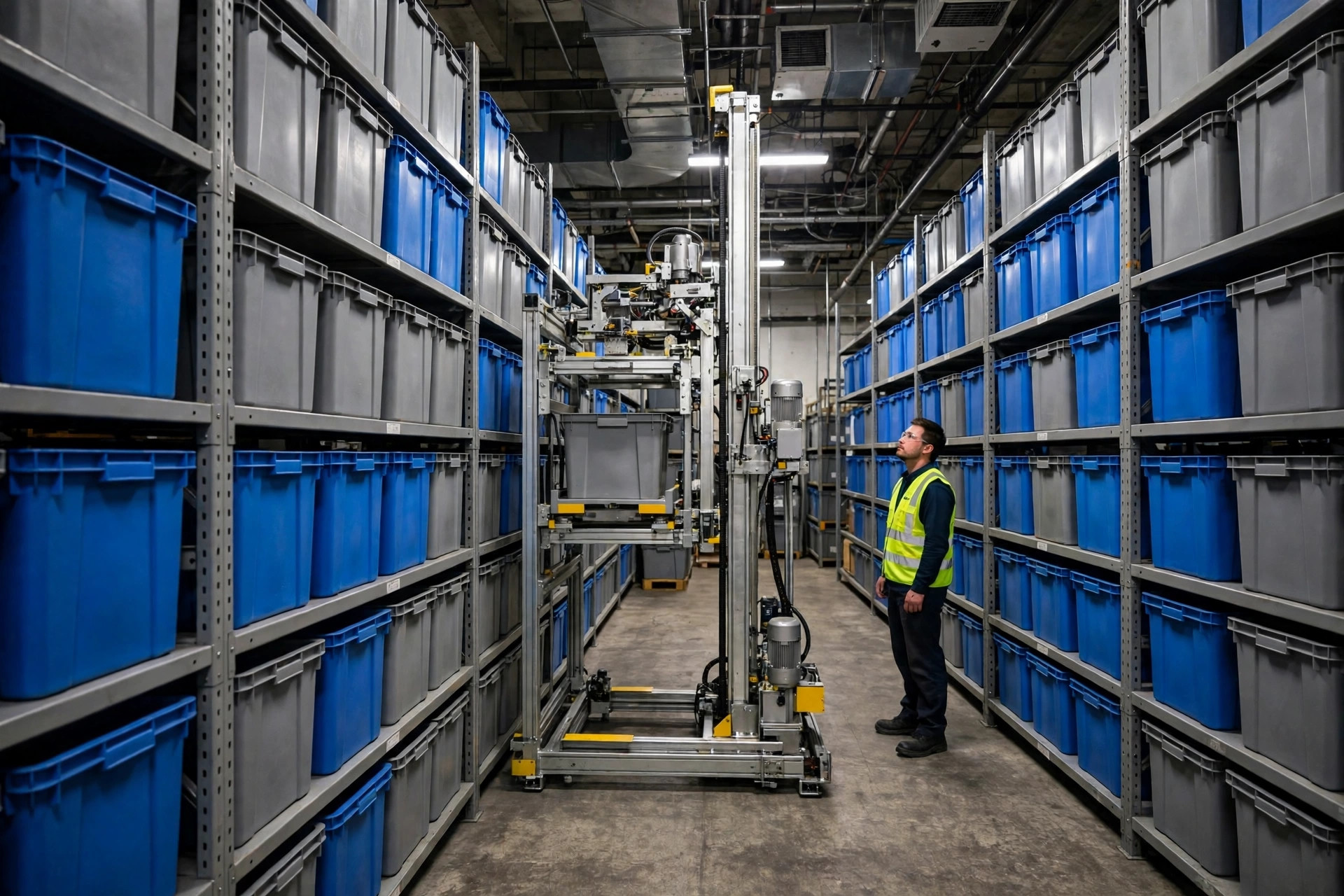
Here is my setup so you can compare it with yours. In 2024 I rented a warehouse of roughly 300 square meters in Longgang, Shenzhen, with three levels of beam racking. On a normal day we shipped twenty to thirty pallets. At first I tried to save money by doing everything by hand: light boxes went up ladders, heavy pallets stayed on the ground floor. The floor filled up fast. Picking meant moving the pallet in front before you could reach the one behind it, and two people burned more than an hour a day just shifting goods around. That quarter, slow picking caused several wrong and missed shipments, and I paid for the reshipping out of my own pocket plus two bad reviews.
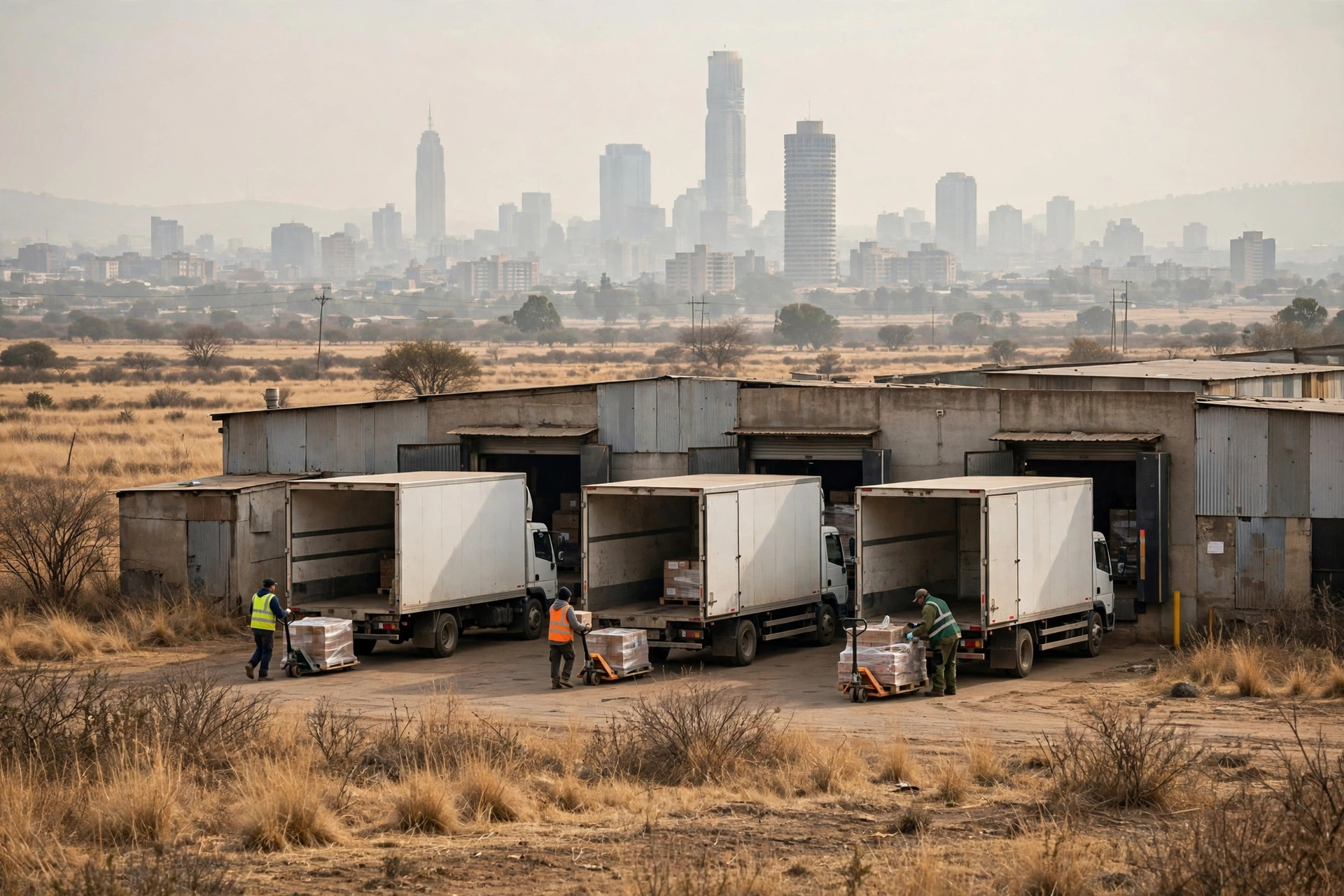
A friend of mine, Lao Chen, runs a similar-sized warehouse in Yiwu and went the other way. He bought an electric model right away, one that lifts a full pallet straight to the third level. His words: "It hurt to pay for it, and a month later I wished I had bought it sooner." His daily pallet count is about double mine, and two people now do the work that used to take three. His ground floor holds only fast-moving stock, and picking routes got much shorter. Put the two warehouses side by side and the conclusion is simple: the question is not whether the equipment is expensive. It is whether your pallet count and rack height match what you buy.
Manual Pallet Stacker: Cheap, but Only for One Kind of Small Warehouse
A manual model costs the least, roughly in the low thousands in local currency terms. No battery, no fuel, push it wherever you need it. The downside is just as direct: you pump the handle by hand for every lift, and the lifting height is limited, usually enough for low racks up to about three levels.
So it fits exactly one kind of small warehouse: low daily volume, around ten pallets or fewer going up high, goods that are not too heavy, racks that are not too tall. If that is you, a manual model is plenty, and the money stays where it matters. But if you push twenty or thirty pallets a day through a manual lift, your workers' arms and backs will complain first, and speed will follow. Money saved on equipment comes back as labor cost and staff turnover. I learned that the hard way, so you do not have to.
Electric Pallet Stacker: Pricier, but It Pays for Backs and Hours
An electric model sits one price tier higher, roughly in the low five figures. You pay for the motor and the battery. Lifting is a button press, one person handles the putaway volume that used to take two, and the lift covers three or four rack levels in most small warehouses.
The real saving is not the machine. It is headcount. Small warehouses rarely suffer from a lack of equipment. They suffer from a lack of people, especially in peak season when nobody is hiring. With an electric unit on the floor, two people can carry the load that normally takes three, and that is the difference between shipping on time and apologizing to customers.
Electric models have their own headaches, though. Batteries need charging and care, and a battery left idle for months will degrade. The machine is heavier than a manual one, so tight aisles turn worse. Measure your aisle width and rack height before you order, or you will own an expensive machine that cannot turn a corner. After I switched to an electric pallet stacker, the biggest change was picking rhythm: pallets waited at their proper levels instead of sitting on the floor, pickers walked one smooth route, and doubled volume did not force me to hire. That is what a right purchase looks like. Check a week of shipping data and the answer is right there.
Do Not Rush to a Forklift: Run These Three Numbers First
Many people jump straight to a forklift when high putaway comes up. Slow down. A forklift lifts higher and carries more, but it demands wide aisles, a big turning radius, and a floor that can take the weight. None of that comes free in a small warehouse. I measured my own floor: a forklift turning in my aisle would have forced me to give up a full row of racking. Add the operator license, training, and insurance, and the cost keeps growing after the purchase.
Here is the counterintuitive part: in a small warehouse, agility beats muscle. A nimble machine making a dozen extra trips a day outperforms a heavy forklift that cannot turn. My rule is simple: if a stacker still covers your height and your volume, do not buy a forklift yet. A forklift is heavy-asset thinking. A small warehouse needs light-asset thinking. Do not solve a small-warehouse problem with a big-warehouse answer.
| Option | Rough cost | Fits daily putaway | Fits rack height | Biggest trap | | Manual | Low thousands | Around ten pallets or fewer | Low racks, up to three levels | Breaks your people when volume grows | | Semi-electric | Around ten thousand | Ten to thirty pallets | Around three levels | Stuck in the middle, best at nothing | | Electric | Low five figures | Thirty pallets or more | Three to four levels | Battery care, needs wide enough aisles | | Forklift | Six figures and up | High volume, heavy goods | High racks | Aisles, license, insurance all cost extra |
How to use this table: check your daily putaway count first, then your rack height, then your aisle width. If two of the three point to the same row, buy that row, and ignore whatever the salesperson pushes. The semi-electric option sits in the middle and fits a warehouse in transition: powered lifting, manual travel, priced just above manual. If your volume is climbing but has not reached thirty pallets a day, a semi-electric unit can carry you for six months. When volume truly arrives, upgrade to full electric. That keeps the cost of a wrong guess low.
Pitfalls to Check Before You Pay
First, do not trust the rated load at face value. That number assumes ideal conditions. A load that sits off-center, or lifted to full height, performs worse than the spec sheet promises. Before buying a pallet stacker, test it with your heaviest real pallet and lift it to the level you actually use. If it cannot do that smoothly, walk away.
Second, measure the narrowest turn before you order. Bring that measurement to the seller and ask whether the machine turns there. A machine that cannot enter your aisle is furniture, no matter how cheap it was.
Third, ask about the battery and after-sales service up front. Batteries are consumables. Ask what a replacement costs and who repairs the machine locally. I know a seller who bought a no-name brand to save money, waited two weeks for a battery part in peak season, and watched orders stall.
Fourth, used machines are fine to look at, but do not buy a bargain with an unknown history. Leaking hydraulics and worn chains are hard for a non-expert to spot. Bring someone who knows machines to inspect it with you before you pay.
One last honest word: equipment is either a helper or a burden, and the difference is whether it fits your volume, height, and aisles. I started manual, switched to electric when volume grew, and I will only look at a forklift when the warehouse truly outgrows stackers. This approach worked for me, and it kept both my budget and my team's backs intact.
By Ah K, E-commerce Seller (5 yrs)