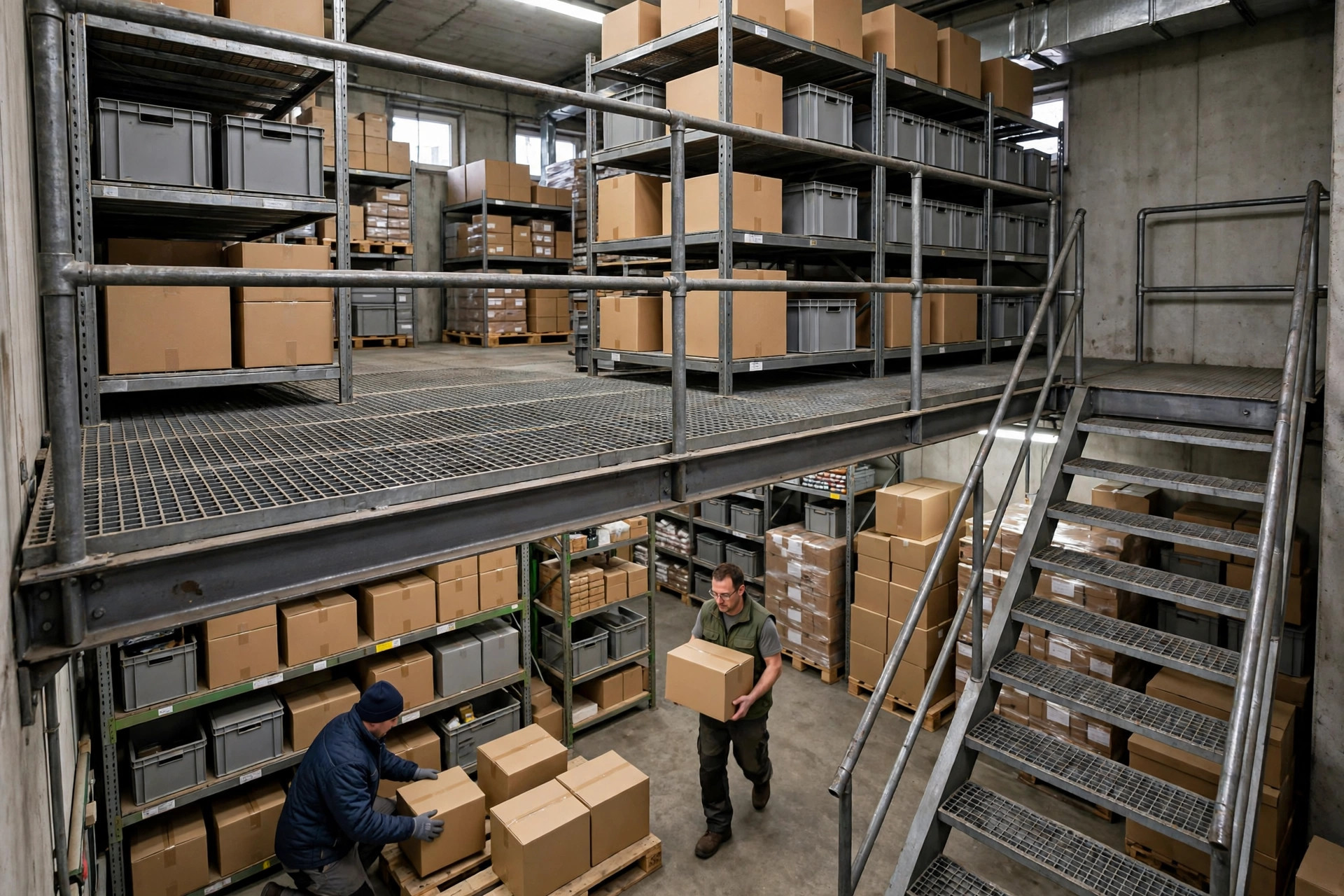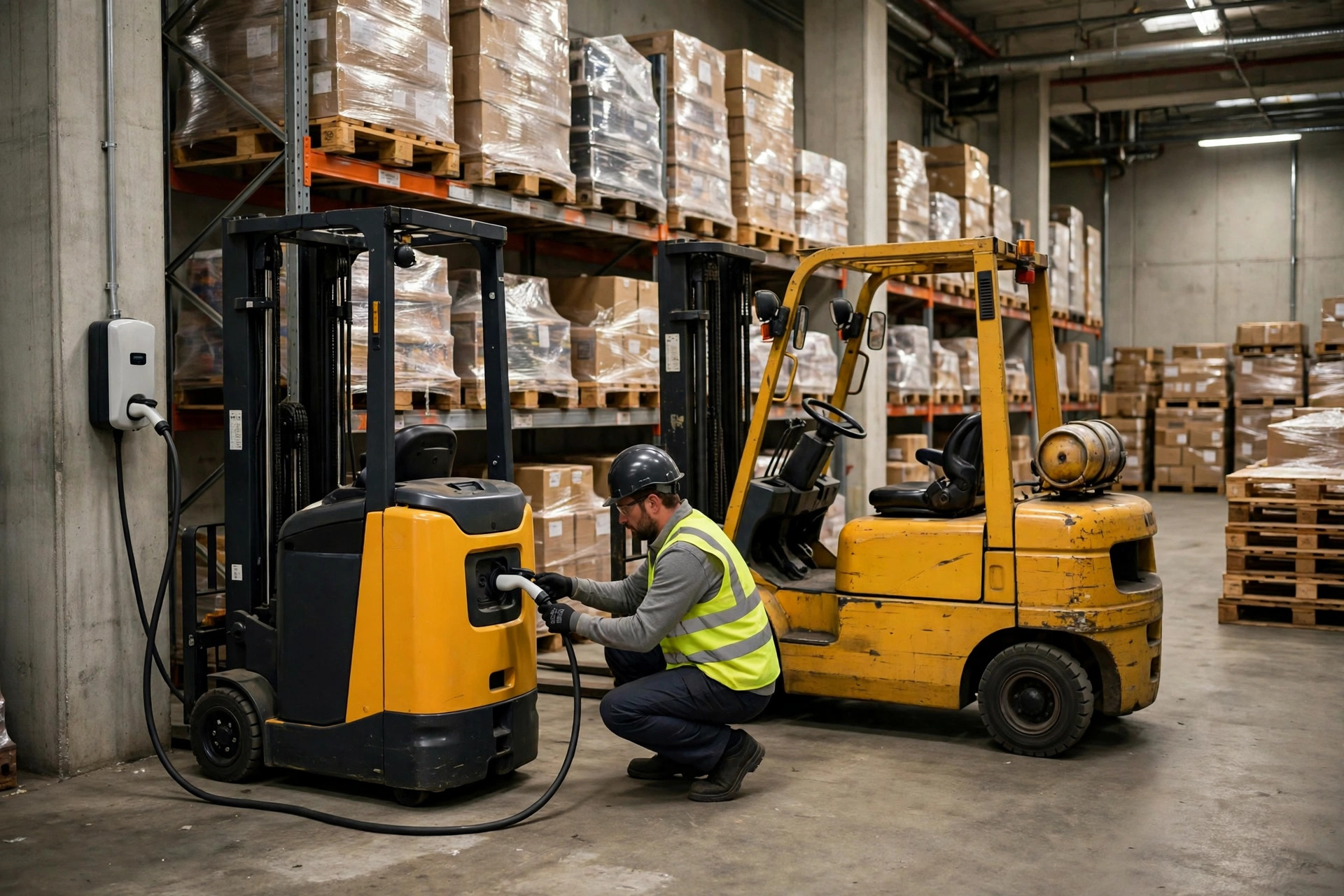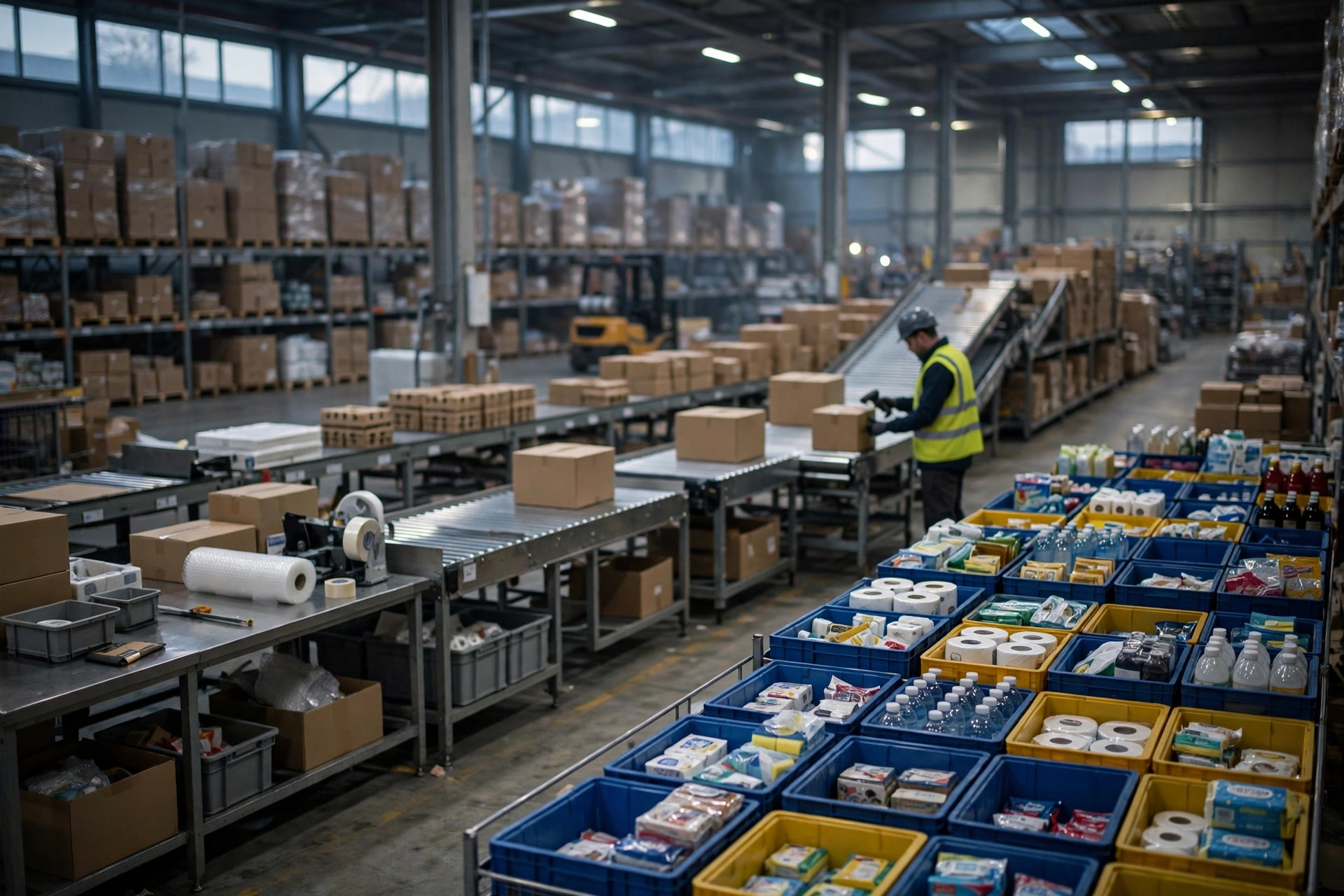
Let me tell you about a night shift during peak season, caused by the wrong pallet size, that still gets under my skin. It was past two in the morning, a truck had arrived, and the driver was in a hurry to unload. My crew tried to put the pallets into the racks, and one after another they jammed. The beam spacing had been set for one pallet size, and the incoming pallets were a few centimeters wider. Forcing them in was not an option, and setting them at an angle was unsafe. That load sat on the dock until daylight, and the morning shift had to restack it all over again. To be honest, what we lost that night was not a few hours. It was the rhythm of the whole next day.
Pallet size is the kind of thing nobody takes seriously until it goes wrong. Purchasing buys whatever is cheap, suppliers send whatever size they have, and customer-owned pallets arrive without anyone checking. Then the racks, the forklifts, and the trucks all complain at once, and the bill turns out to be much bigger than the pallets themselves.
The first bill: pallet size and a few centimeters on the rack
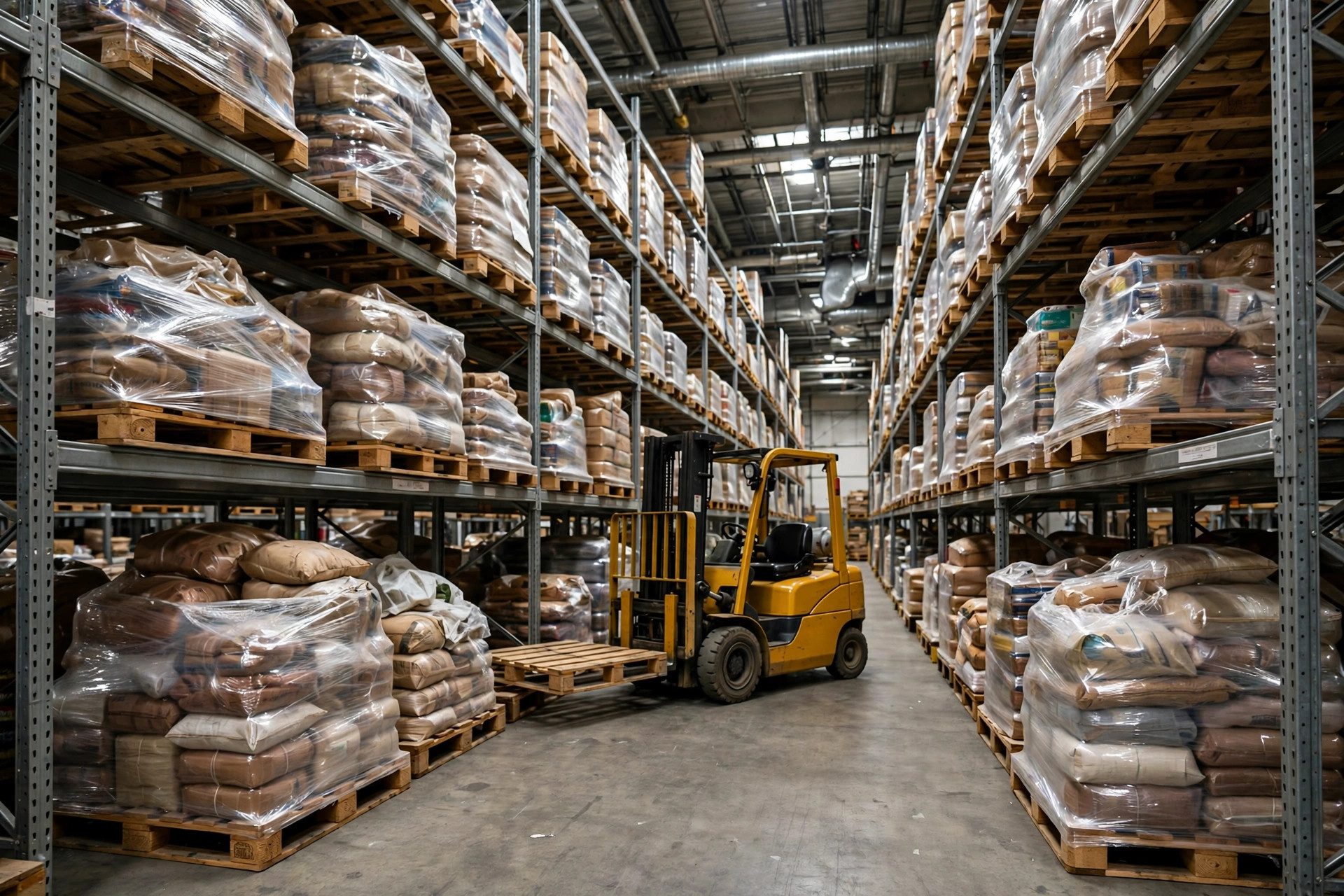
Once rack beam spacing is fixed, pallet size is basically locked in. A pallet too wide will not fit. A pallet too narrow sits unsupported at the edges and wobbles when a forklift touches it. A pallet with the wrong length either hits the back stop or sticks out into the aisle. These sound like small problems. On the floor, they are constant trouble.
We learned this the hard way when a client changed packaging and moved to a slightly larger pallet without telling the warehouse first. On putaway day, pickers found that half the locations would not take the new size, so the crew had to restack goods onto another pallet type on the spot. Restacking alone would have been manageable, but it happened during an outbound peak, with picking, putaway, and restacking crews all jammed into the same aisle. The aisle nearly locked up completely.
After that, we made a rule: before any new client or new product enters the warehouse, measure the pallet. Length, width, and loaded height, then check them against the rack layout. Mark in advance which locations can take the pallet and which cannot. Do not discover a mismatch at the dock, because by then every fix costs overtime.
There is another detail crews often miss: pallet size is not only about the footprint. It is also about whether the forklift forks can get in. Some pallets have narrow bottom-board gaps, so the forks go in hard and can crack the boards. Once a board cracks, that pallet cannot go up high anymore. It has to stay on the floor, and floor locations are always the most contested. A difference of a few centimeters turns into a whole chain of workarounds.
The second bill: picking and putaway speed
When sizes are mixed, picking and putaway pay the price in speed.
A picker arrives at a location expecting to grab the goods, but the pallet sticks out and blocks the neighboring stock, or it sits too deep and the innermost cartons cannot be reached without pulling the pallet out and pushing it back. An extra ten or fifteen seconds per move does not sound like much, until you multiply it by hundreds of moves in a shift. That is how time leaks away.
Putaway is even clearer. A forklift driver lifting a pallet has to think first: how deep is this location, is the beam spacing enough, will this pallet hit the one next to it? Slow thinking means queued trucks. Wrong thinking means putting a pallet in and taking it straight back out, which is work done twice. One of our veteran drivers put it in a way I still remember: in a warehouse with one pallet size, the forklifts run smooth; in a warehouse with mixed sizes, every driver is driving nervous.
We once compared the same goods in two areas, one with a single pallet size and one with mixed sizes. Putaway in the uniform area was noticeably faster per pallet, with fewer errors. I will not dress that up with a precise percentage, because the crew felt it more directly than any report could show: on uniform-size nights, the night shift finished early; on mixed-size nights, the crew was still restacking at daylight. What we saved was not abstract efficiency. It was whether people got home on time.
The third bill: pallet size and the gaps inside the truck
After the racks and picking, the truck has its own bill to present.
Trailer width is fixed. With the wrong pallet size, loading either leaves large gaps or forces pallets together. Gaps let goods shift on the road, so cartons arrive tilted and corners crushed, and the customer sends photos and complaints back to us. Forcing pallets together is worse, because the edges lock against each other and will not come apart at unloading. Then the driver argues with my crew on the dock, and what they are really arguing about is size, not attitude.
We had a regular-route client whose mixed pallet sizes meant every load was puzzled together on the spot by the driver. Later we agreed with the client on a single pallet size and drew the loading plan in advance: how many pallets per truck, how they sit, and how much clearance to leave, all written on the loading sheet. From then on, loading time stabilized and transit damage complaints fell. Drivers no longer had to solve a puzzle at the dock, the crew loaded to the plan, took a photo, and responsibility was clear.
Here is the counterintuitive part: a bigger pallet does not always carry more. Some people think a larger pallet must be better because it holds a few more cartons. But if it does not fit the racks, does not fill the trailer cleanly, and does not sit steady on the forks, those extra cartons get eaten up by all the trouble that follows. The right size is the one that lets racks, forklifts, and trucks all work without compromise. It is not simply the size that holds the most on one pallet.
Standardizing size: what to do during the messy transition
Everyone agrees on the principle. The hard part is the transition. Old pallets are still everywhere, new pallets are already coming in, and you cannot swap everything overnight. This is the approach we have settled on, in three steps.
First, set the standard. Calculate it from rack beam spacing, forklift fork dimensions, and the trailers you use most, together, and name one main size. List the other sizes as transitional, with an inventory and an end date. Without a named standard and a deadline, the transition period never ends.
Second, separate the storage. Main-size pallets go to the main rack areas. Transitional sizes go together to floor locations or a dedicated transition area. Never mix two sizes in the same rack aisle. Mixed aisles are the worst, because the picker has to rejudge every location, and speed and errors suffer together.
Third, restack on the way out. When transitional goods ship, move them onto main-size pallets as part of outbound work, rather than scheduling a massive restacking project. A dedicated restacking project eats labor and disrupts normal work. Restacking on outbound is slower, but it does not break the day's rhythm. Retired pallets should then be repaired or scrapped, not stacked back in the warehouse to take up space.
One reminder for fellow managers: when you talk pallet size with a client, do not only talk about purchase price. Before client-owned pallets enter the warehouse, ask whether they match our racks and trucks. If they do not, agree the restacking cost and responsibility in advance and write it into the operating agreement. That is far better than arguing after the goods arrive. One question asked early can save a lot of night shifts later.
Guys, pallet size looks like a small thing, but it is the base everything else stands on. When the base size is consistent, racks, forklifts, and trucks can each do their own job without getting in each other's way. Next time new goods come in, measure the pallet first, and talk about everything else after.
By Chen Feng, Warehouse Operations Manager