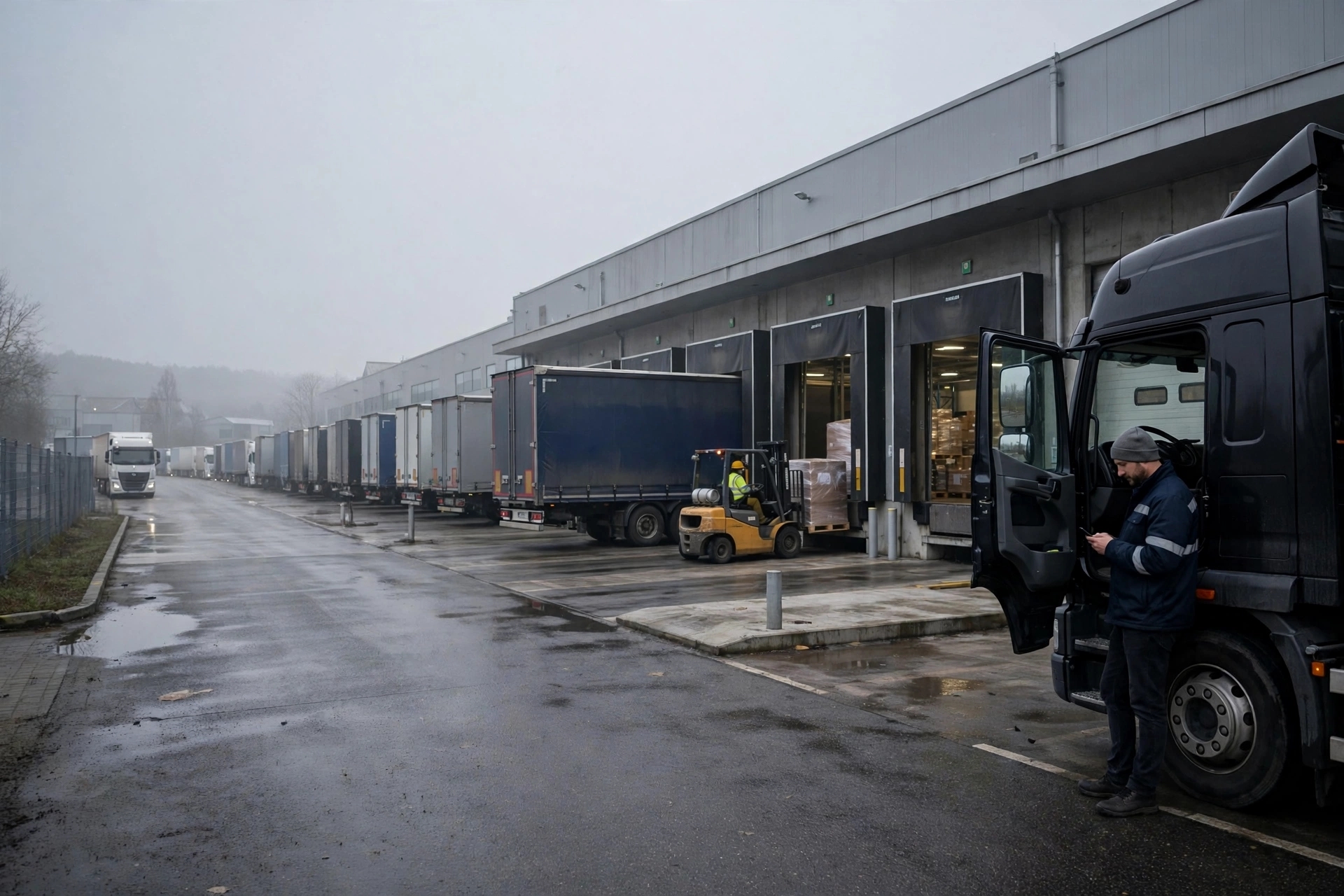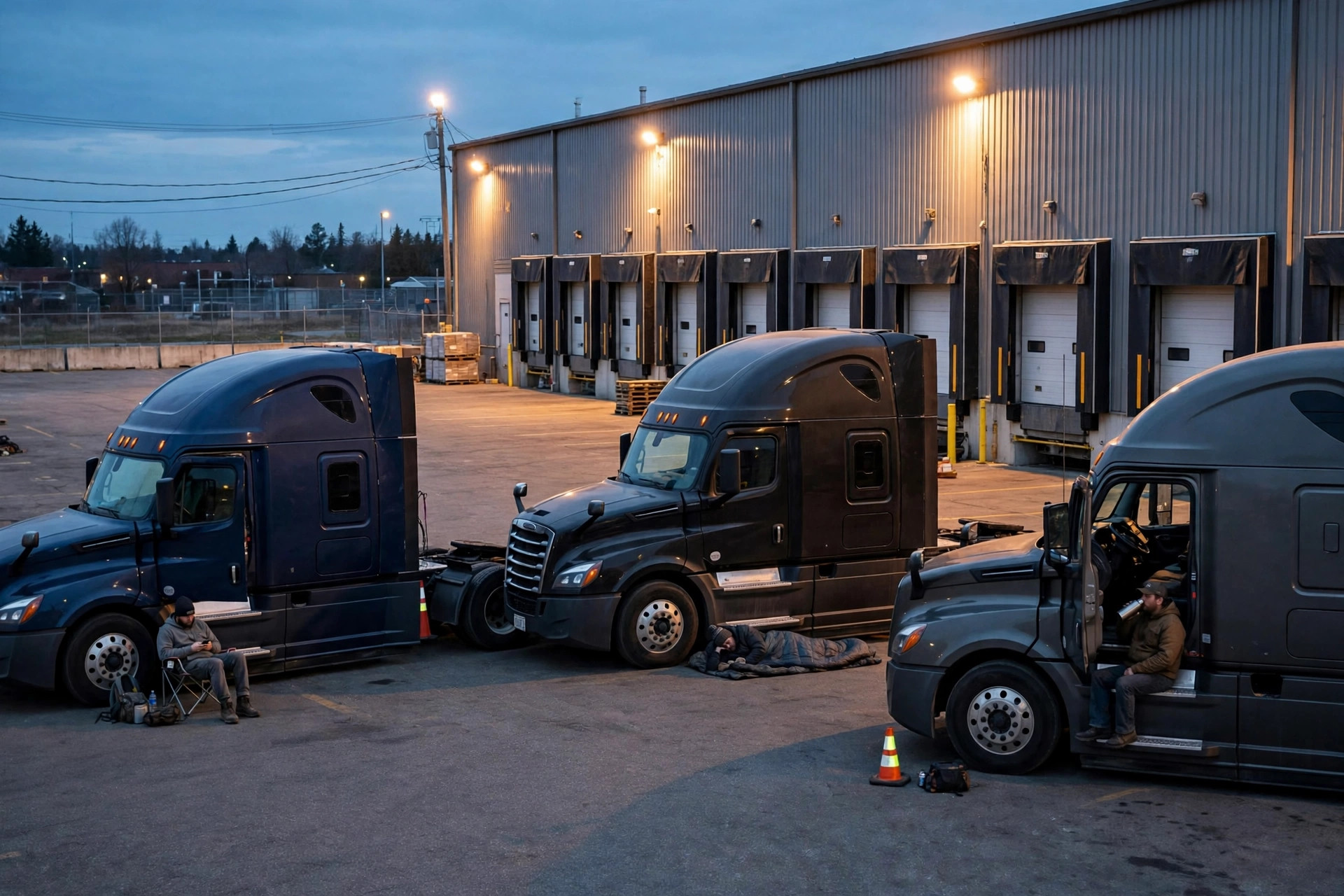
Overnight driver parking warehouse trouble, let me tell you, is something you only understand after you have lived it. I have been driving for fifteen years, and the thing I dread most is not a long haul. It is arriving at a warehouse gate at night and finding nowhere to park. One winter night in 2024, I hauled a load into a warehouse in California's Inland Empire with an appointment for eleven at night. By the time I got there, the roadside outside the gate was already full, the guard told me overnight parking inside the yard was not allowed, and there was no proper truck parking nearby. I sat in the cab until morning with my legs cramped, and when unloading started I was running on fumes. I was not the only one. At least three other trucks spent that night on the same roadside, making do.
A lot of people inside warehouses think parking is the driver's own problem, and the warehouse only has to worry about receiving. That math is wrong. A driver can only drive so many hours before a legal rest is required, and that is not a matter of preference. When a driver arrives at night and has nowhere legal to park, the choices are both bad: keep driving to find parking past the legal limit, or spend the night somewhere unsuitable. Either way the warehouse can end up paying for it. In the first case the driver may arrive late the next day, or worse. In the second case the driver starts unloading tired, and tired people miscount, misread paperwork and argue more. There is also a slower cost that does not show up on any single day's report: drivers remember which warehouses left them on the street, and the next time they have a choice of loads, they steer around those places. A warehouse that saves one parking space can quietly lose reliable capacity.
In the summer of 2025, a consumer-goods warehouse near Dallas, Texas, showed how different the same night can go. Its appointment note said plainly that night arrivals could enter the yard early, and it had set aside roughly a dozen overnight spaces, with a restroom, drinking water and a lit waiting area nearby. A driver arriving at night checked in, parked, and slept. In the morning, unloading ran in check-in order. A driver I know who unloaded there twice put it simply: a full night's sleep changes how the next day's work goes. That warehouse did not spend a fortune. It marked off a piece of yard it already had and wrote the rules into the appointment note. The payoff was practical: fewer arguments on the night shift, and a steadier start in the morning.
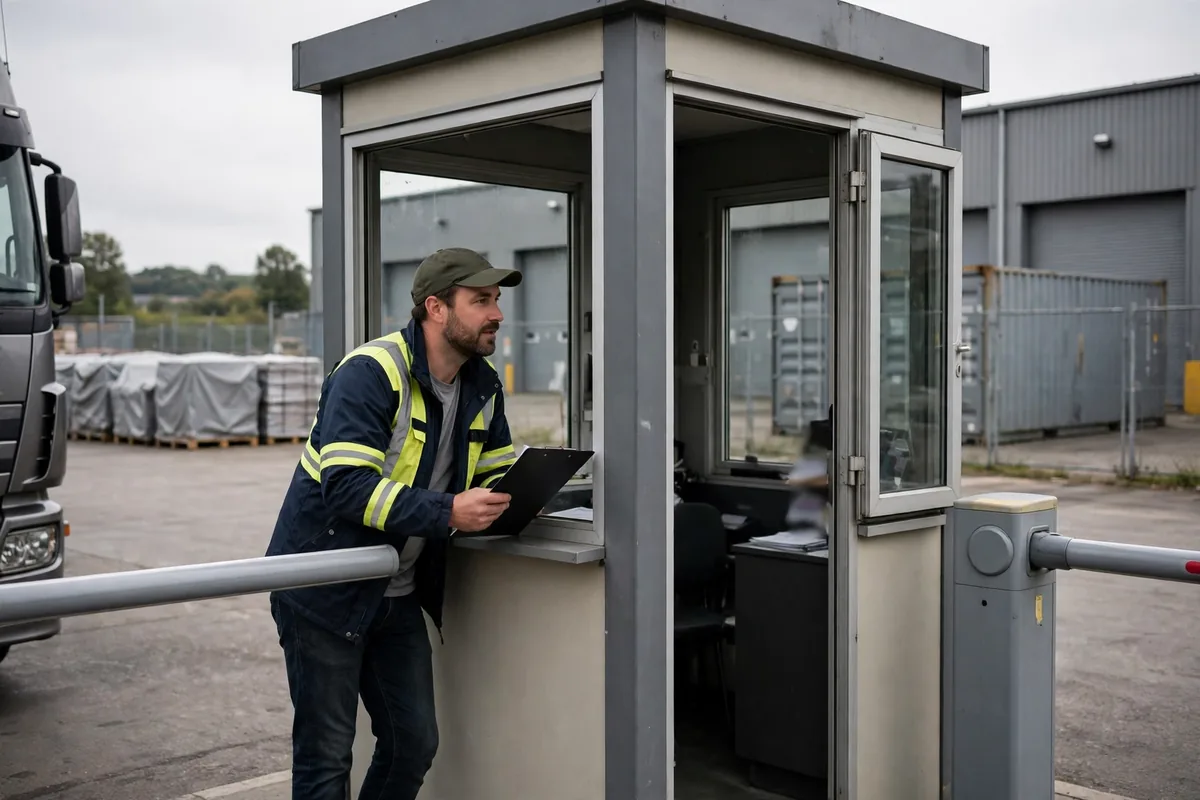
There is another common case worth naming, because it shows the problem is often not space at all. A driver arrives at night, the yard actually has room, but nobody on duty has been told what to do, so the guard will not let the truck in. The space exists and the process is broken. If the night crew holds a sheet that says how many trucks are expected, where each one parks, and when morning unloading starts, the guard can wave trucks in with confidence. With no sheet at all, the safest choice for the guard is to say no. Writing night arrivals into the shift handover costs almost nothing, and it fixes a surprising number of these nights on its own.
Overnight Driver Parking Is a Precondition, Not a Perk
The shift in thinking that matters here is to stop treating overnight parking as a kindness and start treating it as preparation for the next morning's work. A driver who has not rested properly will slow receiving down, make more mistakes, and cooperate less, no matter how good the warehouse's own processes are. If a warehouse counts only the floor space a parking bay takes, and never counts the rework, disputes and lost capacity that a tired driver brings, the calculation was tilted from the start.
The real question for a warehouse is not whether to offer parking, but how it intends to receive night arrivals at all. A warehouse that has thought it through can answer in one breath: what time trucks may enter at night, where they park, who they check in with, and how morning unloading is sequenced. A warehouse that has not thought it through leaves all of that to be improvised at the gate, usually in an argument between a tired driver and a guard who has no instructions. If night arrivals happen once or twice a month, improvising may pass. If they happen several times a week, that is not an occasional problem. It is a fixed part of the operation missing a fixed process.
What Warehouses That Handle Overnight Parking Well Actually Do
The warehouses that handle this well do not do anything exotic. They do a handful of small things in advance, rather than patching things up after the driver arrives:
| Small thing | What it looks like | What the warehouse gets |
|---|---|---|
| Say it on the appointment | Night entry time, parking area, check-in contact | Drivers stop asking at the gate; the entrance stops jamming |
| Mark an overnight area | Spaces in the yard or nearby, lit and covered by cameras | Drivers are willing to park and can actually sleep |
| Cover the basics | Restroom, water, a waiting area, clear no-go signs | Drivers do not wander into work areas looking for a restroom |
| Call numbers in order | Morning unloading follows check-in order, no queue-jumping | Drivers accept the wait; the unloading rhythm holds |
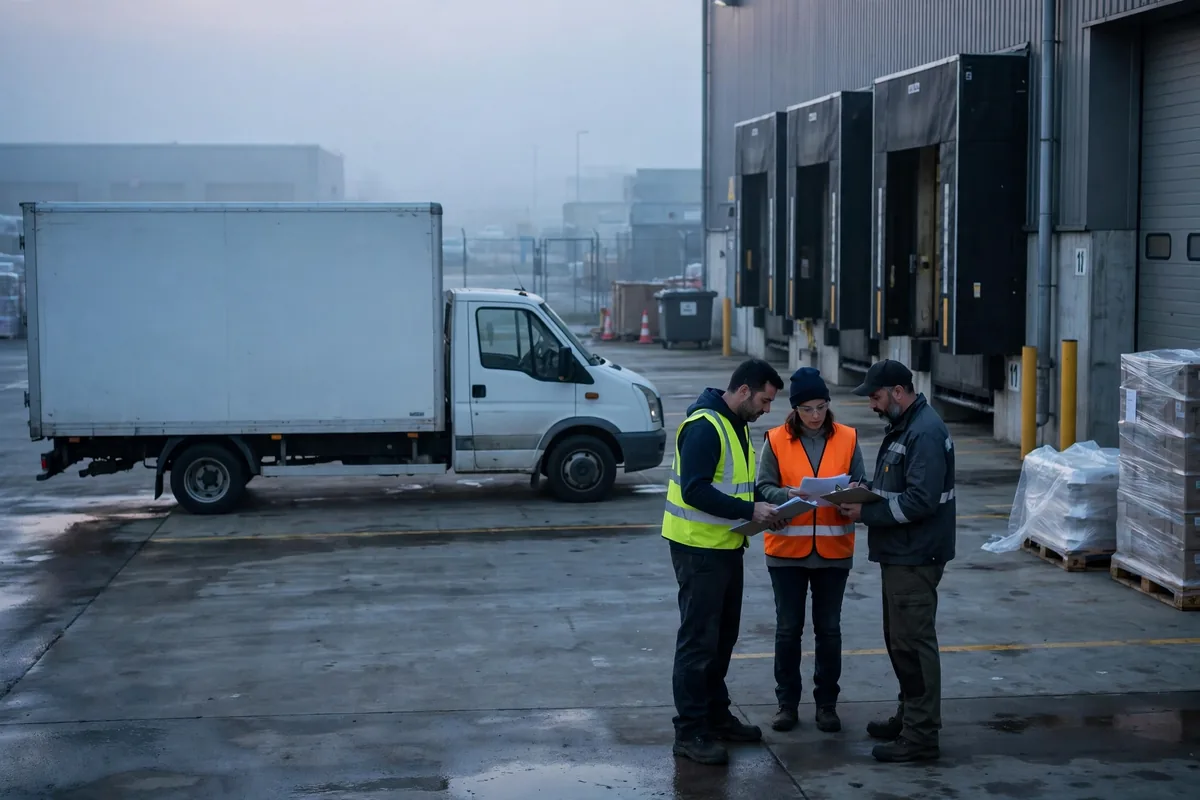
Shippers can help from their side too, and this is where many nights go wrong before the truck even leaves. An appointment that only states an unloading time, without saying whether early night arrival is allowed, where to park, or who to call, sends the driver out blind. Adding three lines to the appointment note, namely the earliest night arrival time, the parking area, and a contact number, lets the driver plan a rest stop before departure instead of gambling at the gate. Those three lines cost nothing, and they can save a string of midnight phone calls.
Here is a counter-intuitive point that surprises people inside warehouses: the strictest-looking night policy is not always the hardest to deal with, and the warehouse with no night policy at all is often where the most trouble happens. Some warehouses, worried about liability, ban overnight parking outright, which only pushes every truck onto the roadside, where it is less safe and harder to manage. The approach that actually reduces hassle is the opposite: set aside a defined area, post clear rules, and keep a check-in record. The clearer the rules, the fewer decisions have to be improvised at midnight. Trying to avoid trouble by refusing to manage it usually creates a larger trouble.
At the end of the day, what a driver arriving at night wants is simple: a legal place to park, a few hours of sleep, and a fair turn to unload in the morning. When a warehouse arranges those three things, the driver works better the next day and receiving runs more smoothly. That is not one side doing the other a favour. It is both sides getting their own work done properly. There is an old saying among drivers that fits here: make things easy for others on the road, and the road makes things easy for you. Leave a driver a parking space at night, and you will feel the difference by morning.
By Shifu Zhao, Trucking Veteran (15 yrs)