A bill of lading that almost cost us a client
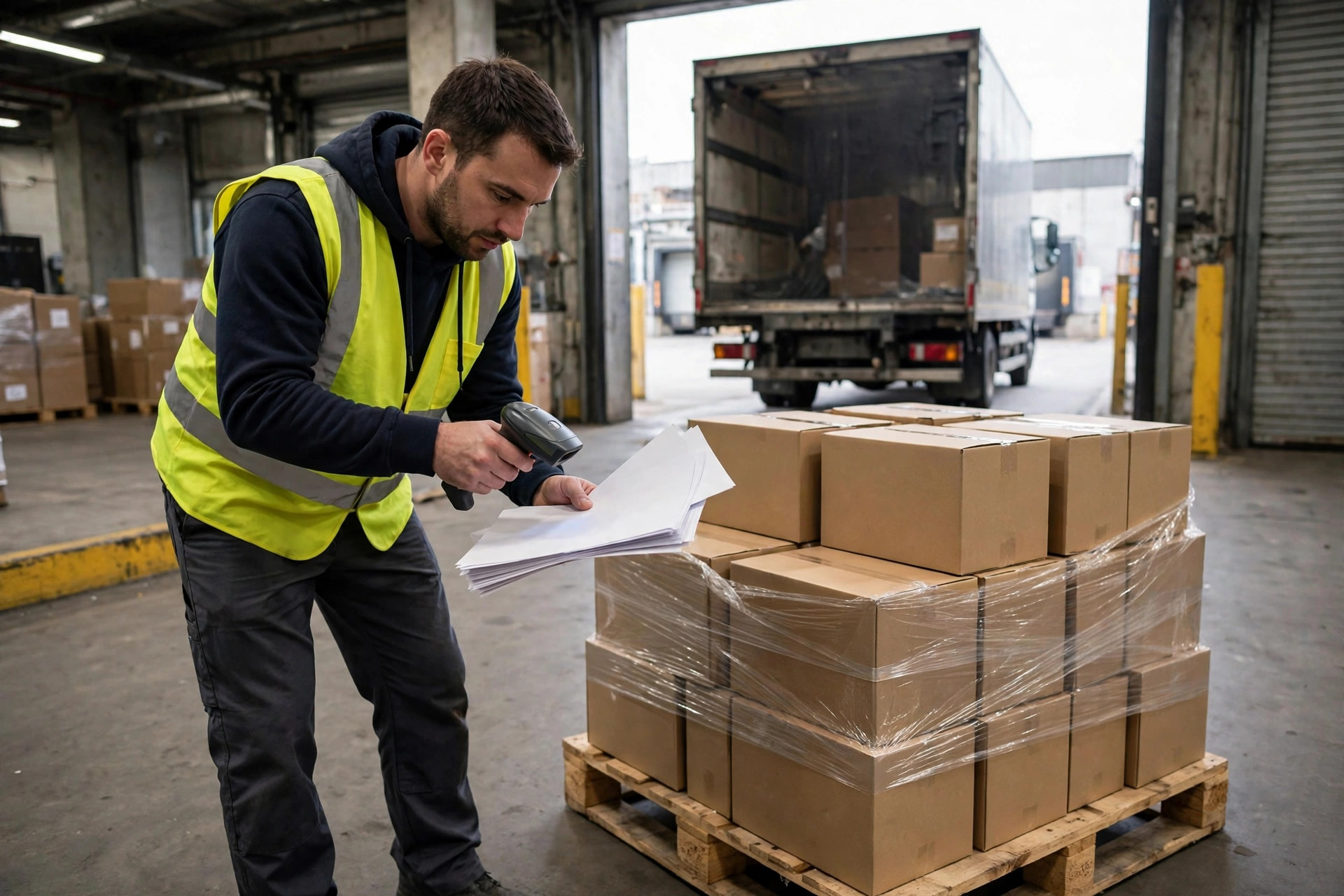
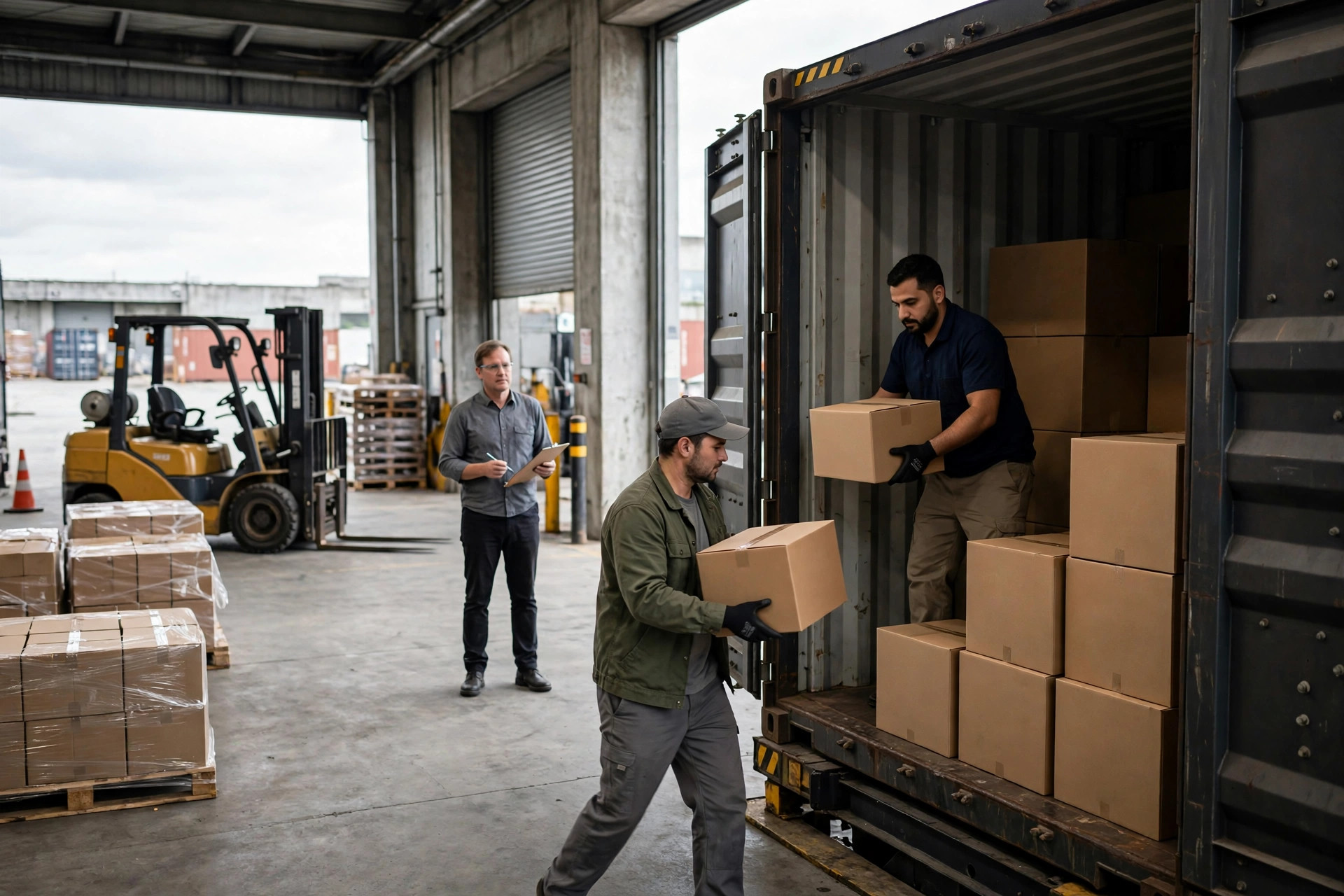
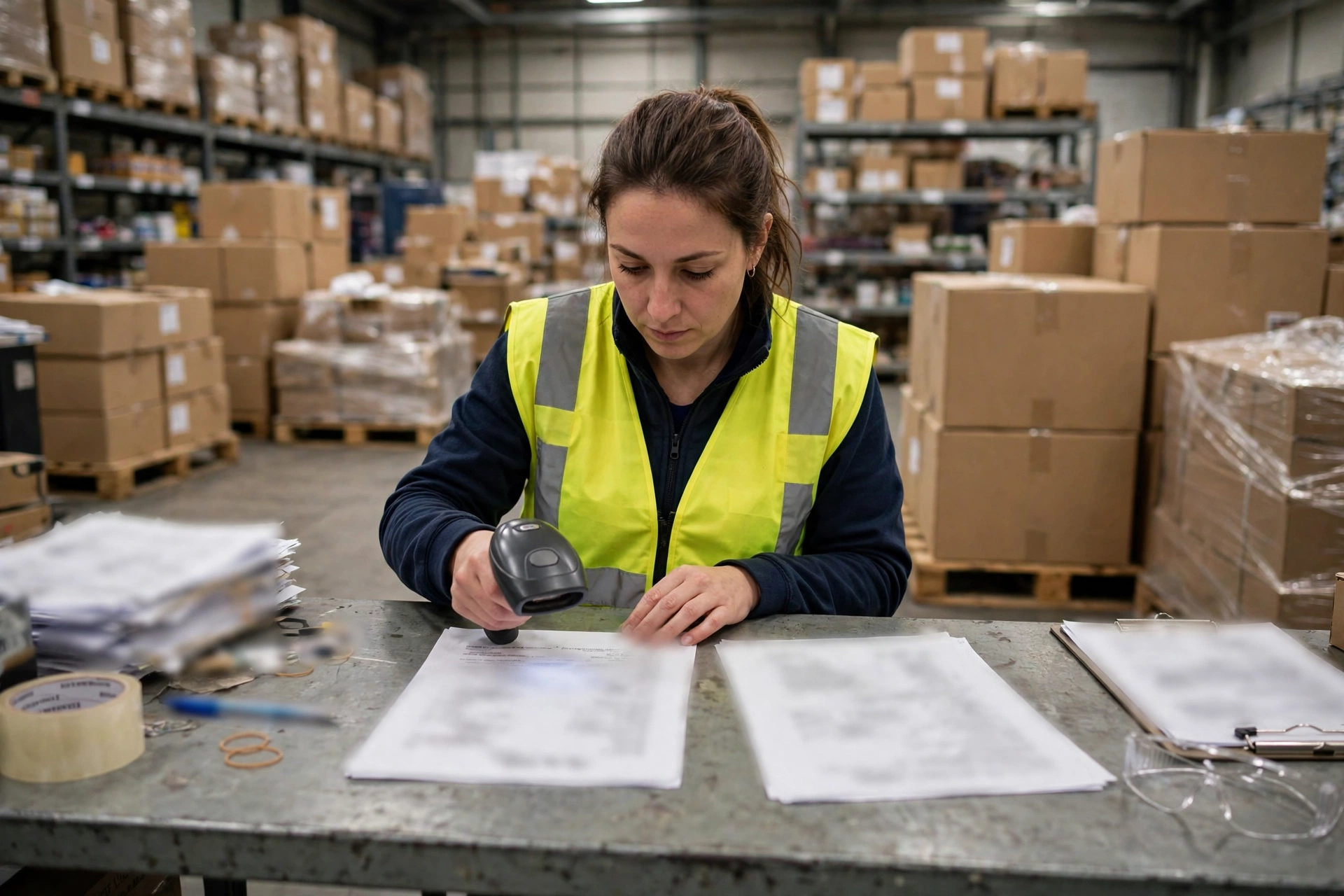
Last summer, a driver showed up at our dock at 6:40 in the morning with a full truck and a bill of lading that had been corrected by hand three times. The carton count on the paper said 120, the packing list said 118, and the driver swore he had loaded 120. My two guys counted by hand while the truck idled, and we burned 50 minutes before we found the truth. That was the morning I started wondering whether warehouse OCR could work for a warehouse our size.: two cartons had been left on the supplier's dock, and the handwriting had turned a "7" into a "1" somewhere along the way. That morning I did the math in my head. We run a 3,000-square-meter warehouse with six people. We cannot afford to burn an hour on every inbound shipment, and we definitely cannot afford a scanner system priced for a company ten times our size.
Where warehouse OCR actually reads right
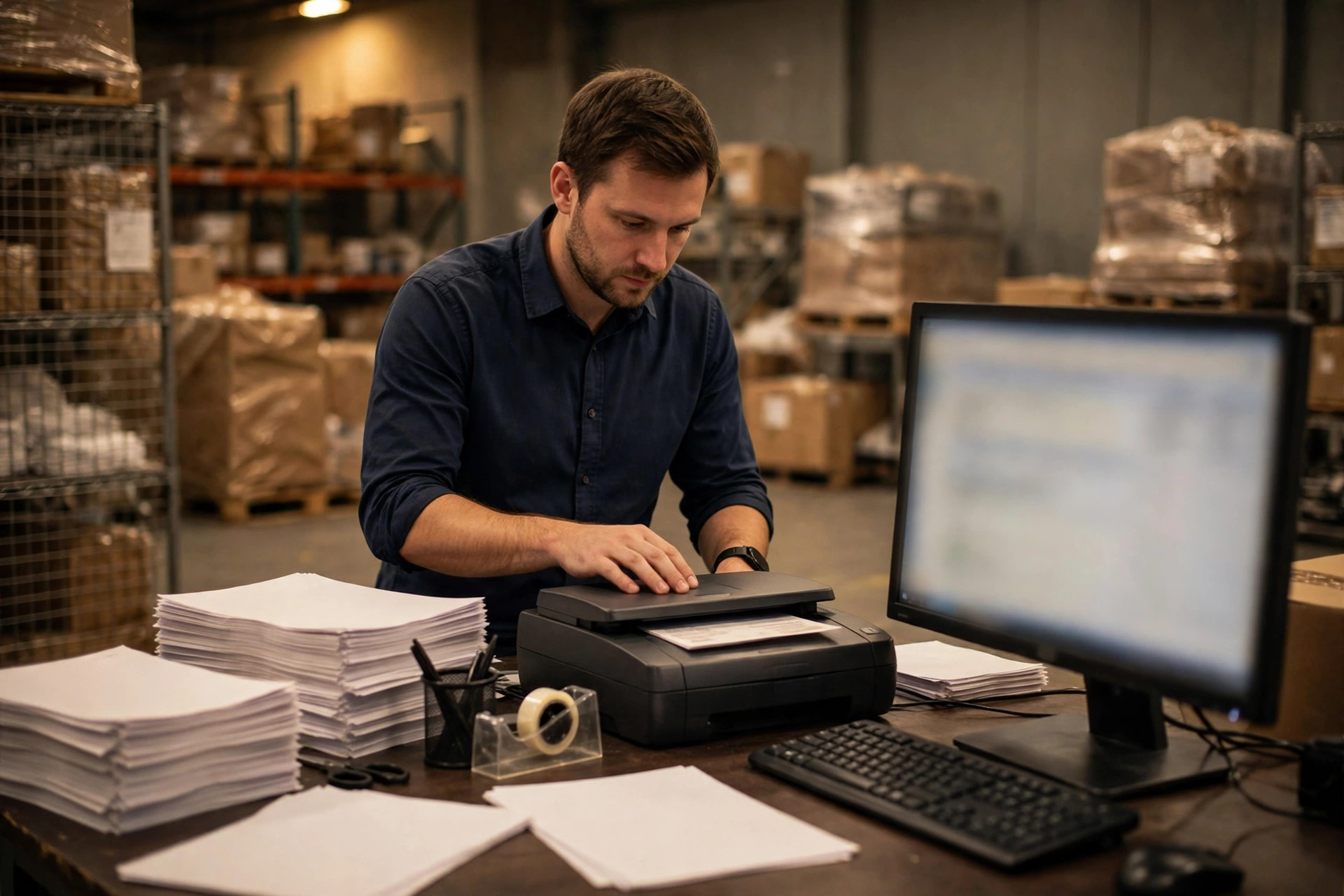
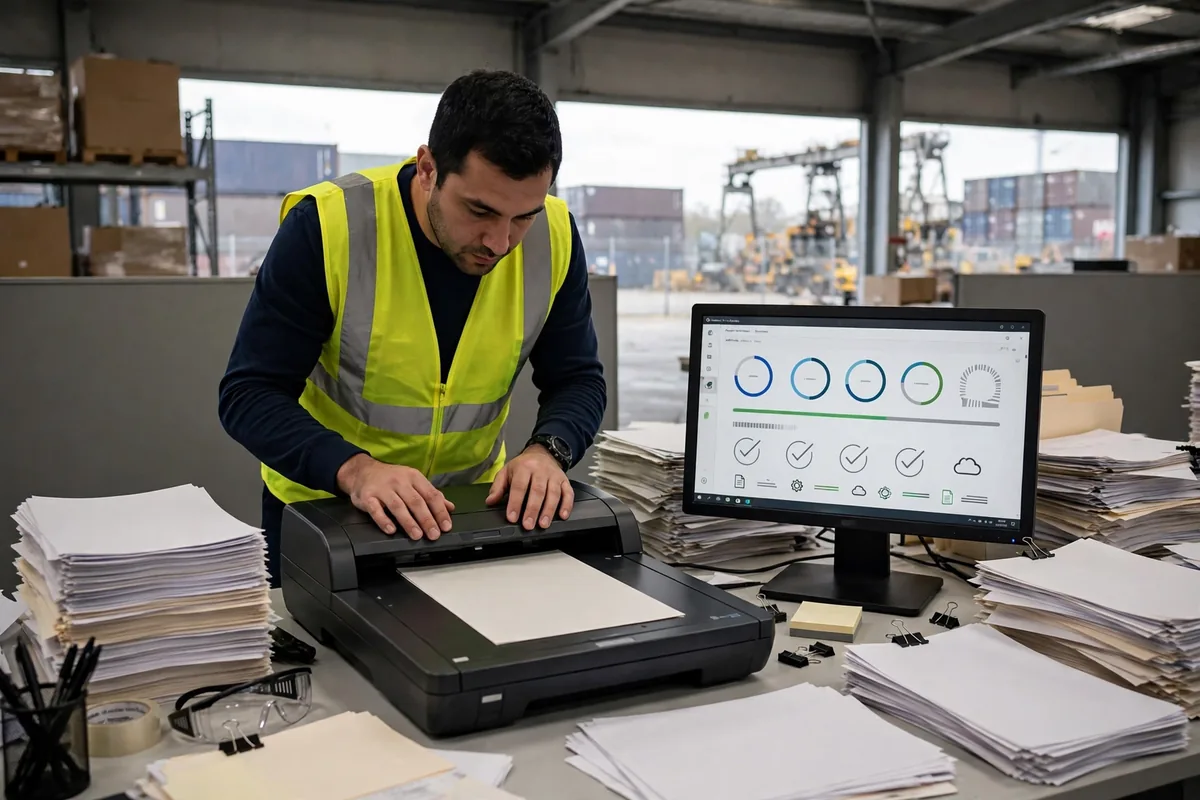
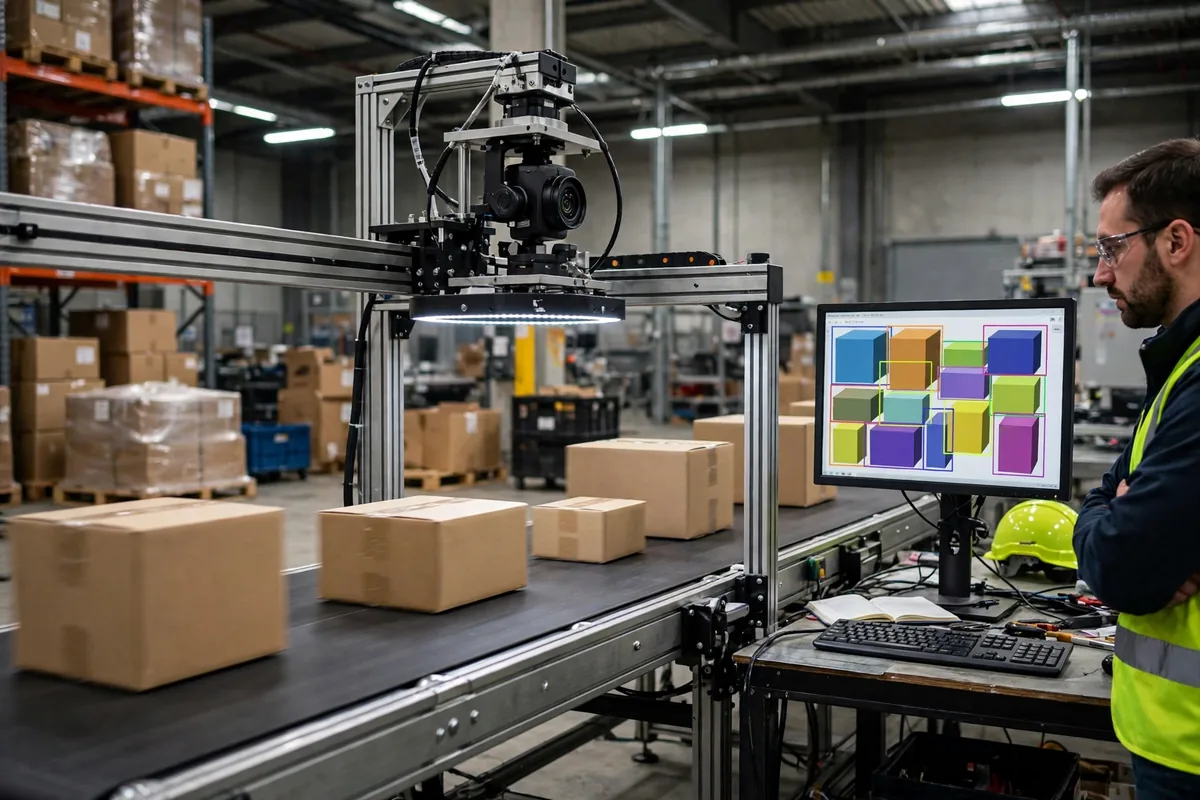
So we tried the cheap version first. A phone on a stand, a ten-dollar-a-month OCR app, and a rule: photograph every bill of lading and packing list before anything gets unloaded. The app reads the printed fields — shipper, consignee, carton count, weights, marks — and drops them into a spreadsheet we already use.
Here is what surprised me. On clean, printed documents, warehouse OCR is genuinely good. Our hit rate on typed bills of lading is somewhere around 95 percent on the fields that matter: carton counts, weights, and order numbers. One afternoon last autumn, a batch of returned e-commerce goods came in with a packing list of 48 cartons. The OCR read 48, the driver said 48, and we found 46 on the truck. Because the read was already in the spreadsheet, we spotted the gap in four minutes instead of discovering it at putaway, when it would have taken an hour of hunting through aisles. That is the real win for a small warehouse: not speed for its own sake, but catching the mismatch while the truck is still at the dock.
The second case taught me where the boundary sits. A supplier in another province sends us packing lists printed on a dot-matrix printer that is clearly older than my warehouse. The OCR read the carton count as 80 when the paper said 30 — a faded "3" became an "8." We only caught it because the weight on the same page did not add up. The lesson was not that the tool failed. The lesson was that warehouse OCR is only as honest as the paper you feed it.
Setting up warehouse OCR for under fifty dollars
The cheap version only works if you nail it to the routine. We screwed a phone stand to the wall in the receiving area, facing a whiteboard. Every document goes on the whiteboard before it gets photographed, so the angle and the light are the same every single day. OCR hates glare and crooked pages more than anything else, and fixing those two things cut our misreads in half before we changed any software.
The spreadsheet has six columns: date, supplier, document number, OCR carton count, hand-counted carton count, and a difference column with the name of whoever received the goods. Whoever unloads fills it in. The difference column turns red when the numbers disagree, and I spend ten minutes every Friday reading it.
The misread log is the most valuable part of the whole setup. One line per error: date, supplier, which field, what it read versus what the paper said. After a month, the pattern wrote itself. Half the errors came from one supplier's hand corrections. The rest were faded print and stamps over numbers. Without that log I would still be blaming the software. With it, I knew exactly who to call.
The honest comparison: three ways to check a document
| Method | Cost for a small warehouse | Where it breaks |
|---|---|---|
| Manual checking, line by line | Your staff's time, every shipment | Tired eyes at the end of a shift; handwriting |
| Phone photo plus OCR app | A few dollars a month | Faded print, handwriting, stamps over text |
| Full document system with verification | Real money, plus setup | Nothing, except your budget |
The counterintuitive part is this: a 95 percent read rate does not save 95 percent of your time. It saves the easy 95 percent and concentrates all your attention on the hard 5 percent — the handwritten correction, the stamp across a number, the faded copy. That is actually a good trade, because the hard 5 percent is exactly where the expensive mistakes live. But if you buy OCR expecting to stop checking documents entirely, you will be disappointed in the worst possible way: quietly, weeks later, when a customer asks where their two cartons went.
The third mistake: the one we found at month-end
One lesson arrived too late to fix cleanly. During our year-end reconciliation, a shipment showed 1,200 kilograms in our system and 2,100 kilograms on the supplier's statement — nearly double. We pulled up the original photo and found the OCR had read a "2" as a "1." That shipment was billed by weight, so the difference went straight into our costs. The truck was long gone and the goods were already on the shelves, which left us with nothing but an awkward phone call. After that I added one more rule: the weight field always gets cross-checked against the freight bill before anything moves. If the two numbers disagree, the goods stay put.
What I would tell another small warehouse
First, start with the cheapest tool and one rule: photograph before unloading, no exceptions. Second, never let the OCR result be the final word — pair it with one human check on the two fields that cost money when wrong: carton count and weight. Third, keep a simple log of every misread for a month. Ours showed that one supplier caused half our errors, and a single phone call asking them to stop hand-correcting documents cut our misreads more than any software upgrade would have.
One more thing: grade your suppliers. The two with the worst misread rates now get an extra human check at receiving. The ones whose documents are always clean, we mostly trust the read. Grading is not about punishing anyone. It is about pointing six people at the places where mistakes actually happen.
Small warehouses have their own way of surviving. We do not need the fanciest system in the industry. We need the mistake caught while the truck is still here, and a tool that costs less than the hour it saves.
By Xiao Ma, Small Warehouse Owner