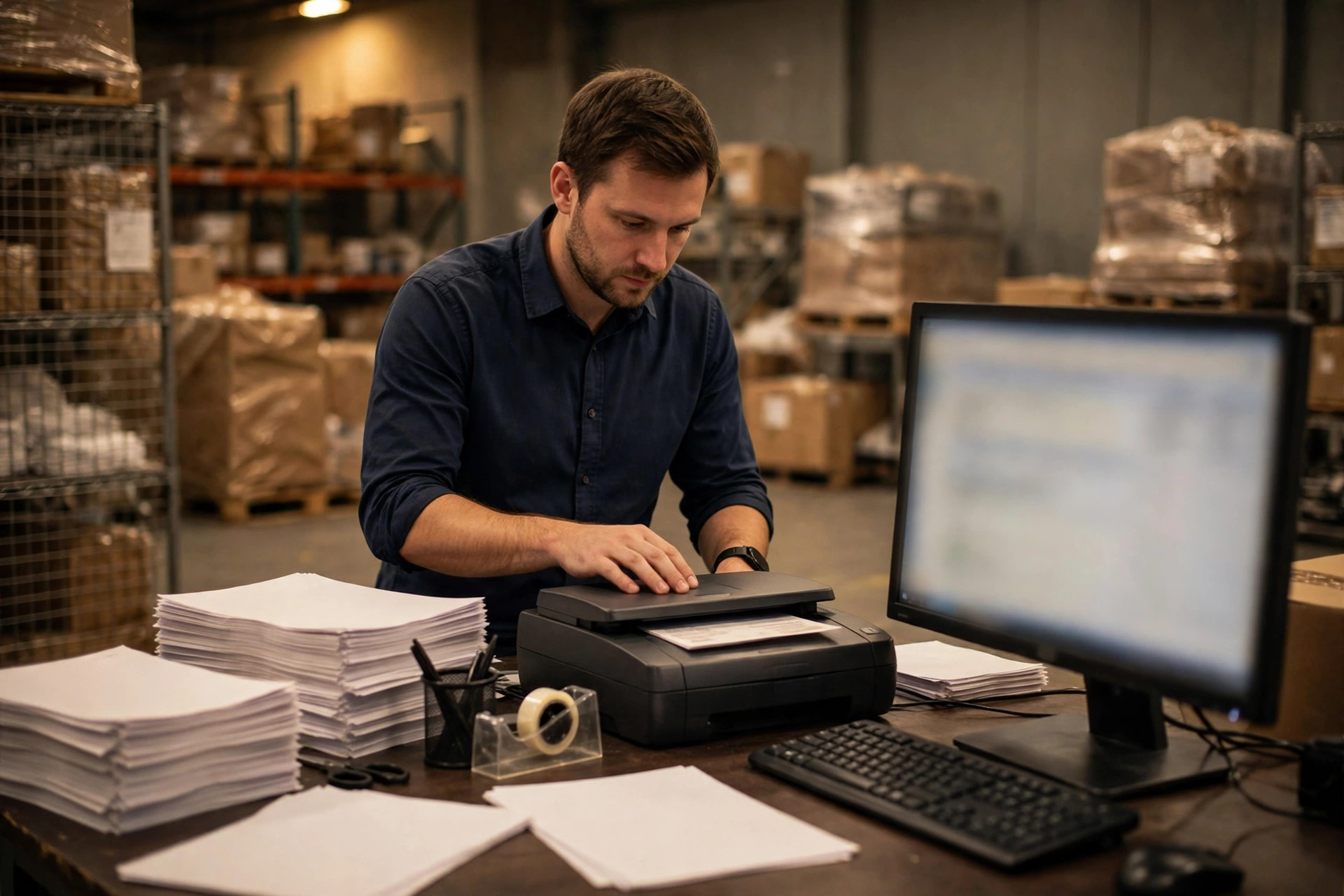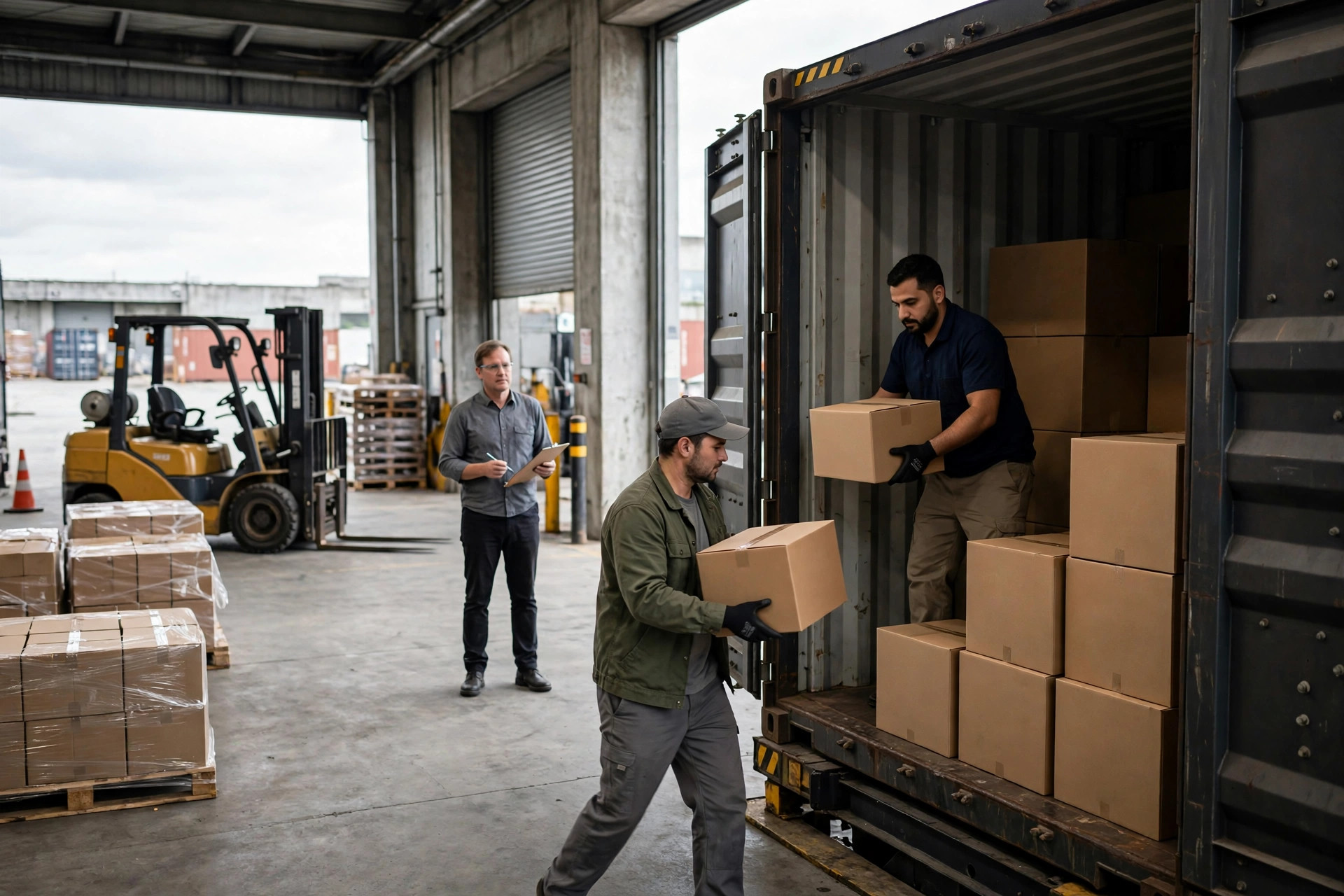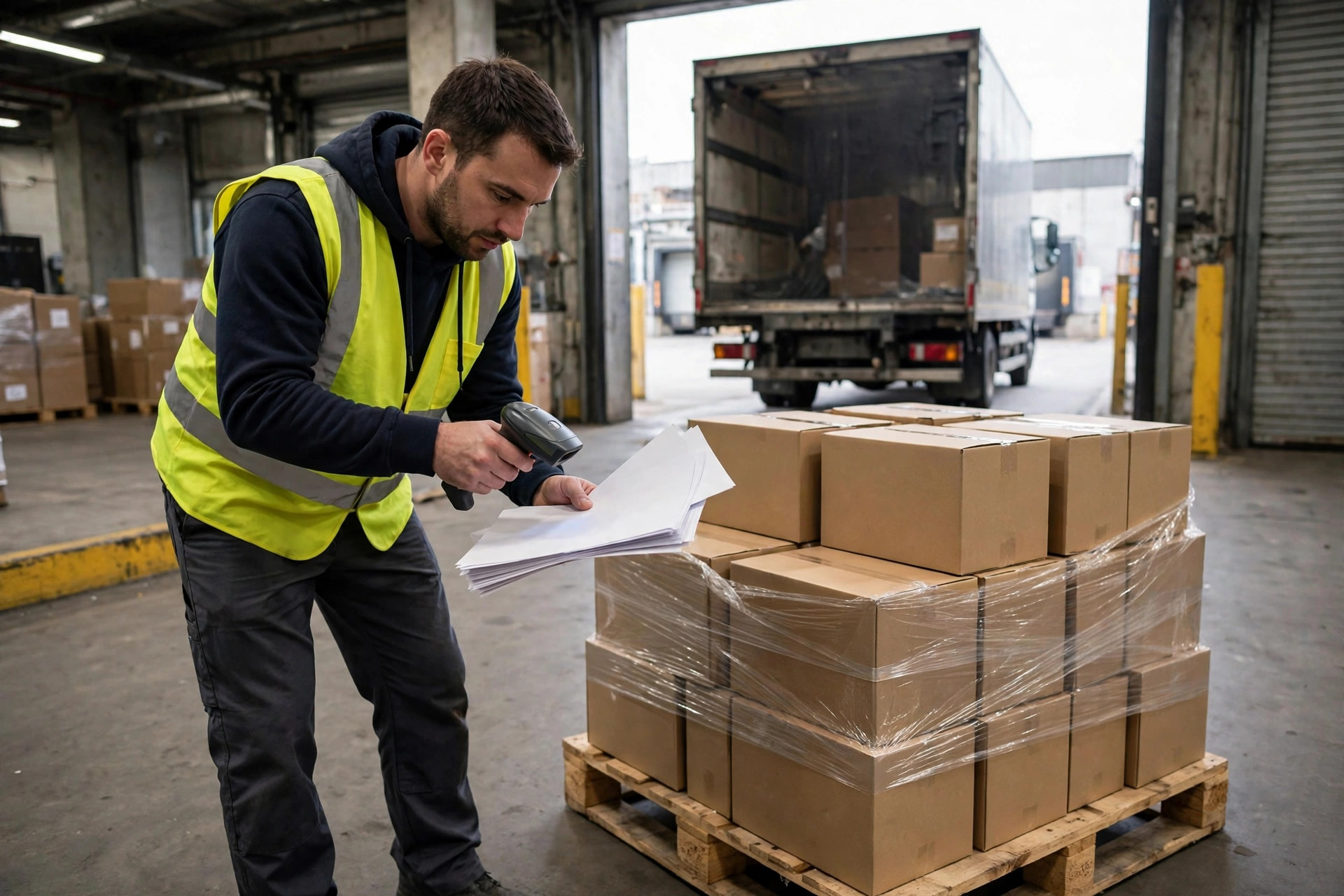
Let me tell you something. After all these years on the road, warehouse OCR document recognition was something I did not believe in at first. What I dreaded most was not traffic. It was arriving at a warehouse gate and watching the receiving team work through a stack of papers one sheet at a time. One autumn morning outside Ningbo, I waited while the truck ahead of me sat at the gate from eight o'clock until half past ten, just for document checks. The driver was impatient, the warehouse staff were under pressure, and the freight sat in the trailer doing nothing. Sitting in my cab, I thought: if a machine could read these papers first, and people only had to look at the ones the machine was unsure about, how much waiting would that save?
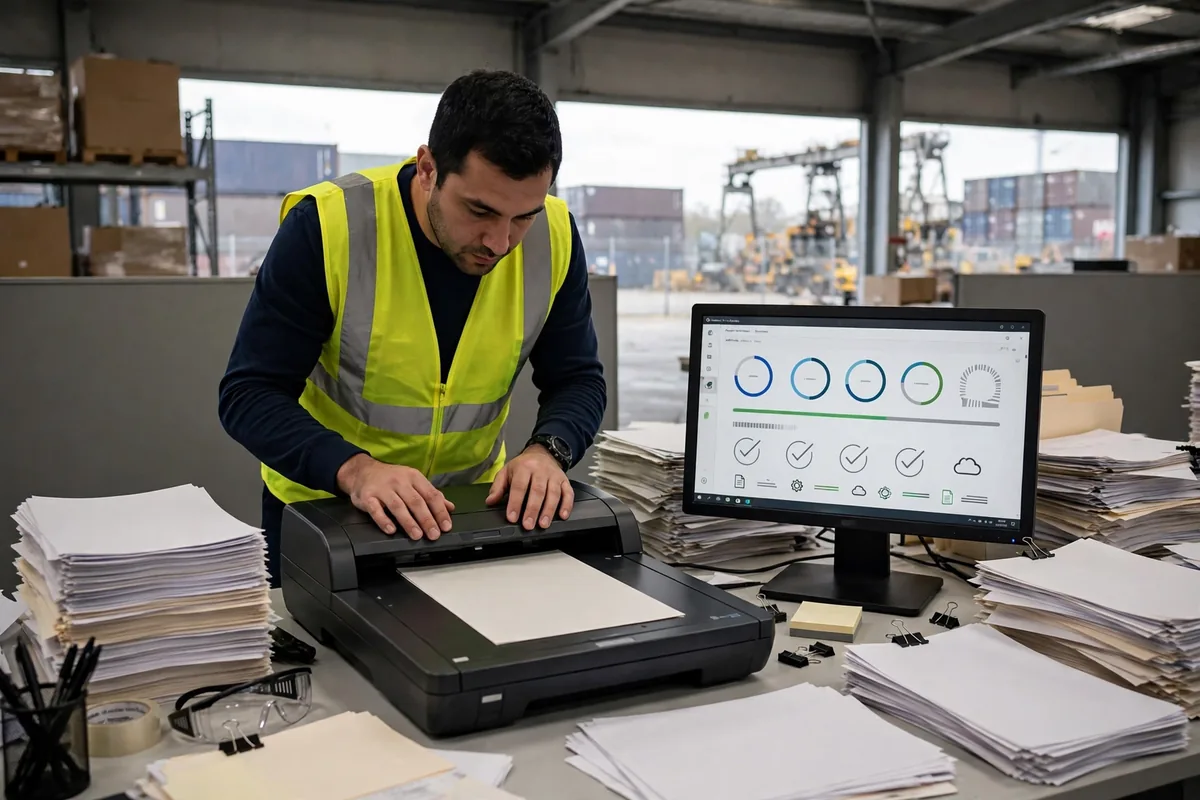
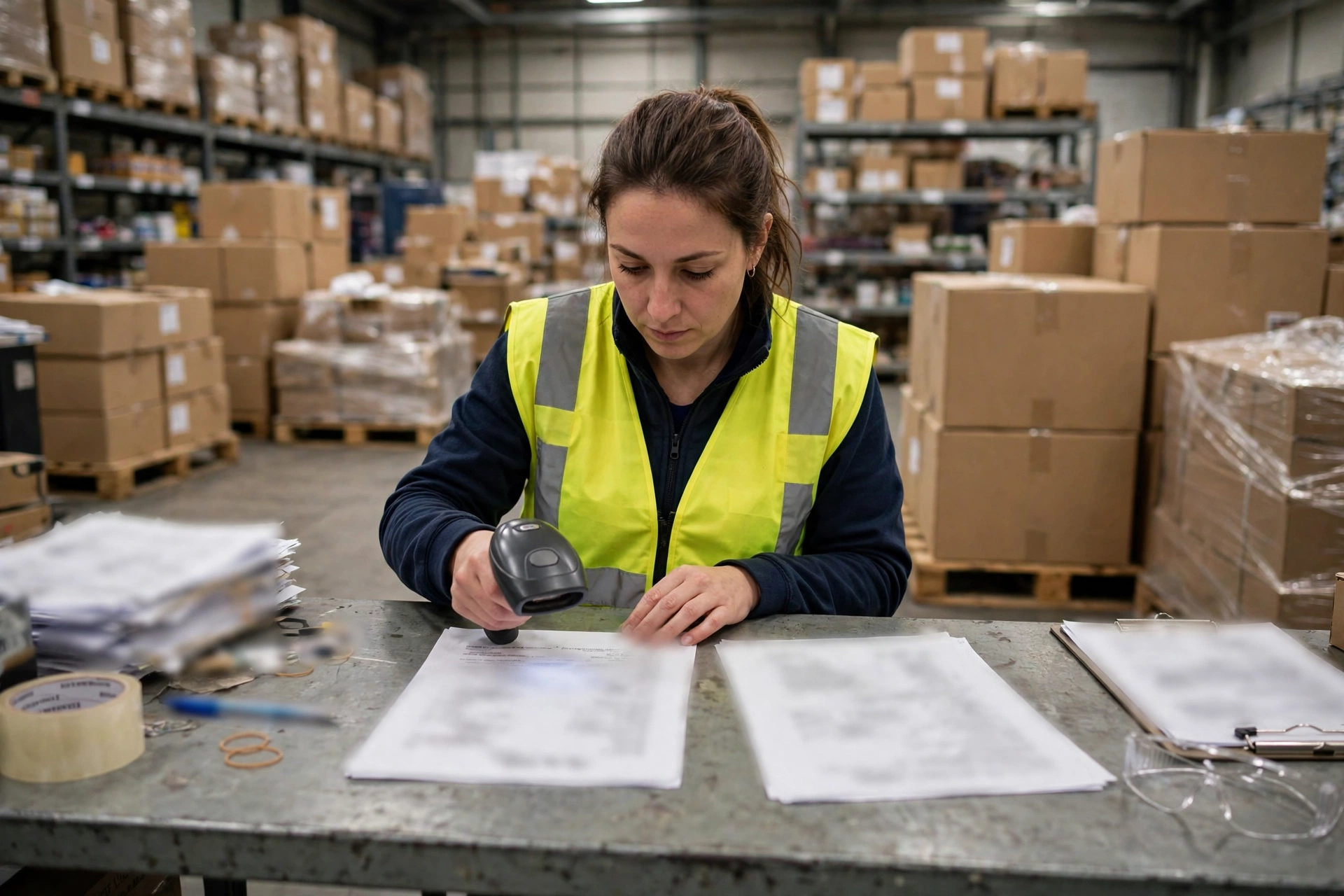
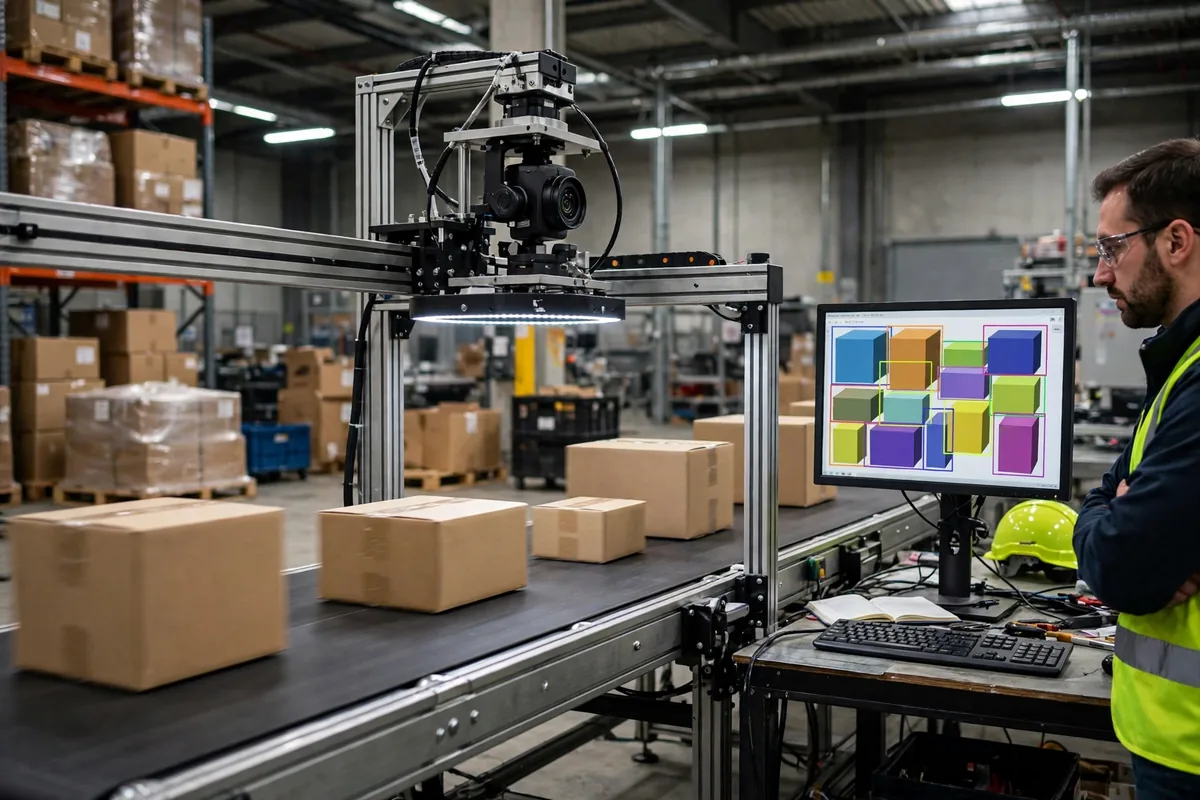
Later I saw such a system running for real. Nothing mysterious about it: a camera photographs the bill of lading and the packing list, and software pulls out the document number, product names, quantities, and carton counts into the warehouse system. It sounds simple. In practice, it flies when the paperwork is clean, and it stumbles badly when the paperwork is not.
What Warehouse OCR Document Recognition Actually Does at Receiving
Start with what it does well. Clean, printed bills of lading and packing lists, with neat type and regular tables, are easy for it. Document numbers, dates, carton counts, and total weights sitting in fixed positions come out fast and steady. A receiving lead told me his old routine took two people more than forty minutes to check one truckload of paperwork. With the machine reading first and people checking only the flagged items, the same truck was cleared in under twenty minutes. That saved time is real money in a different form: two or three more trucks through the gate in a day, drivers waiting less, and fewer vehicles backed up outside.
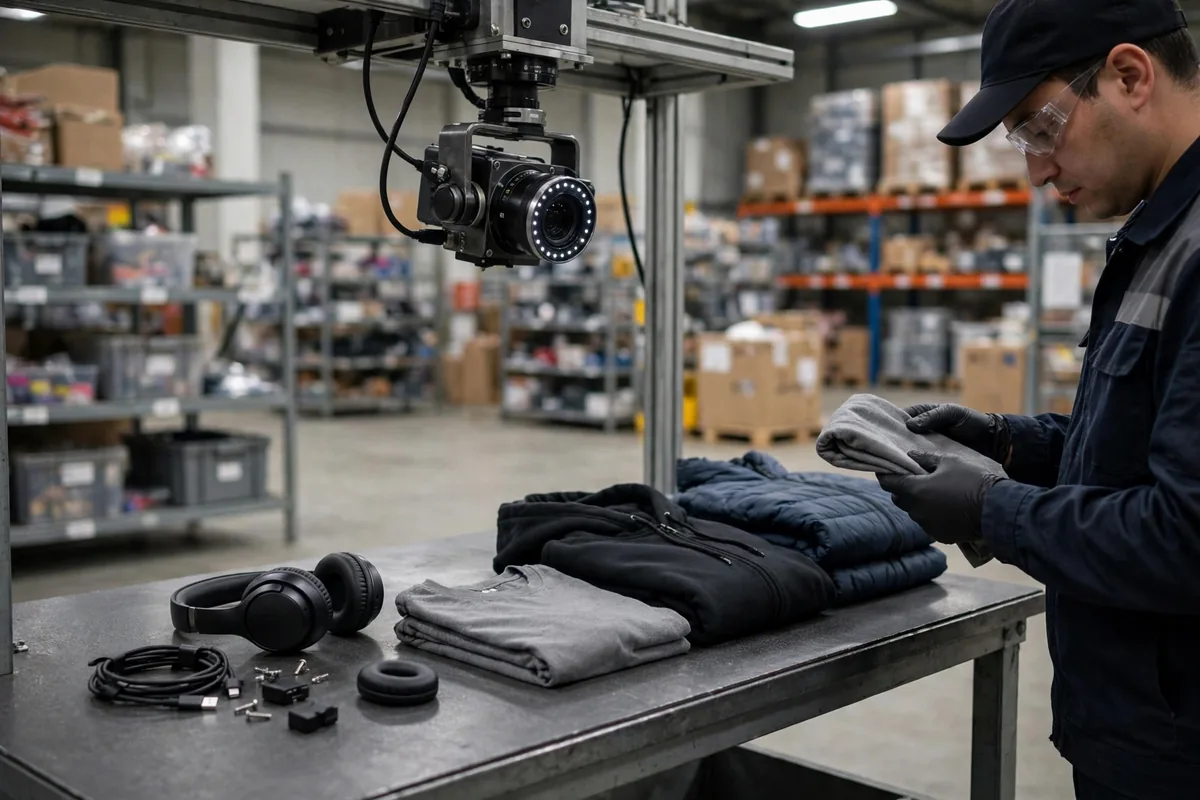
Then there are the cases where it fails, and any warehouse thinking about this should hear them before buying. Handwritten corrections are the most common problem. Someone changes a quantity by hand and stamps next to it, and the machine often merges the old and new numbers or skips the line altogether. Creases and stains cause their own trouble: a document that has bounced around in a cab all day may have a fold right across one digit of a document number, and the number comes out one digit short. Carbon copies are worse again, with faded print that forces the software to guess, and it guesses with full confidence.
The clearest example I saw was at a small warehouse near Yiwu. A packing list had one corner soaked by rain, and the machine misread the carton count. The receiver signed off on the system number without looking closely. At stocktake, two cartons appeared to be missing, and it took a full search to learn that the goods were never missing at all. The document had simply been misread. After that, the warehouse made a rule: any field the machine marked as low confidence had to be checked against the original paper. No clicking through allowed.
How to Check Warehouse OCR Document Recognition Accuracy Before You Trust It
People ask me what accuracy figure they should expect, and my answer is always the same: do not trust the number on a vendor brochure, because that number was measured on clean documents. Measure it on your own documents instead. We ran a two-week trial at one warehouse, and the method was deliberately plain. For 312 consecutive inbound documents, the machine read them first, but nothing went into stock on the machine's word alone. A person checked every document, and every wrong field was written down. Printed documents came through almost clean. Documents with handwritten changes had the most errors, and documents where a stamp covered key print came second. The value of that trial was not a single percentage. It was a picture of our own paperwork, warts and all.
Record the errors separately, because not all errors hurt equally. A wrong document number can hang freight on the wrong order. A wrong quantity changes the stock record directly. I suggest three buckets: critical fields, ordinary fields, and notes that do not affect operations. Critical fields must be right every time. Ordinary fields can tolerate a little slack. Once you have sorted the trial that way, you know where the system can be trusted, where it needs help, and where it should not be used at all.
Here is the counter-intuitive part: the faster the machine gets, the more you need experienced reviewers, not fewer. The machine clears the easy eighty percent quickly, and everything left over is the hard stuff: the smudged, corrected, stamped, folded documents. Put a newcomer on that review desk and you have handed the hardest work to the least experienced person. The right setup is the machine handling volume and a veteran handling exceptions, and that review job deserves proper pay. It is cheap insurance compared with a stock error.
Do the cost comparison honestly. A receiver's monthly wage is one number. A truck held at the gate for an extra half day because of a document dispute costs driver time, dock space, and a queue of vehicles behind it, and that total often exceeds half a day of labor. The machine-plus-reviewer combination is not about replacing people. It moves people off copying, which anyone can do, and onto judging exceptions, which takes experience. That is where a person's time is actually worth something.
I now use a simple three-way rule that any warehouse can pin to the wall. First, clean printed documents with no handwriting: let the machine read them, spot-check one in ten, and release if the sample is clean. Second, documents with handwriting, stamps, or faded print: the machine reads, but a person checks every field against the original paper, not a screen image. Third, rain-damaged, folded, or illegible documents: treat the machine output as a hint only, photograph the original, and require two people to sign off before the goods go into stock. It looks slow on paper, but it sorts risk properly: good documents move fast, bad documents get attention, and nobody releases everything at one speed just to look efficient.
A few plain words for shippers and warehouses. Shippers: if you must change a document, reprint it rather than correcting it by hand. Keep stamps off the critical numbers, and bag the papers so rain cannot reach them. The minute you save at dispatch can cost half an hour at receiving. Warehouses: before adopting any system, run two weeks of your own real documents through it, record errors by field, look at the results by document condition, keep veterans on the review desk, and give exceptions their own process instead of deleting the review step to save time.
Machine reading is a good helper, but it is not a judge. On clean paper it runs fast. On dirty paper it misreads, just like a tired person would. Keep the machine where it is strong and keep judgment with experienced people, and it will genuinely help.
After all these years on the road, I trust one old saying here: haste makes waste. At receiving, ten careful minutes beats a month of chasing an error you signed for in a hurry. By Shifu Zhao, Trucking Veteran (15 yrs)