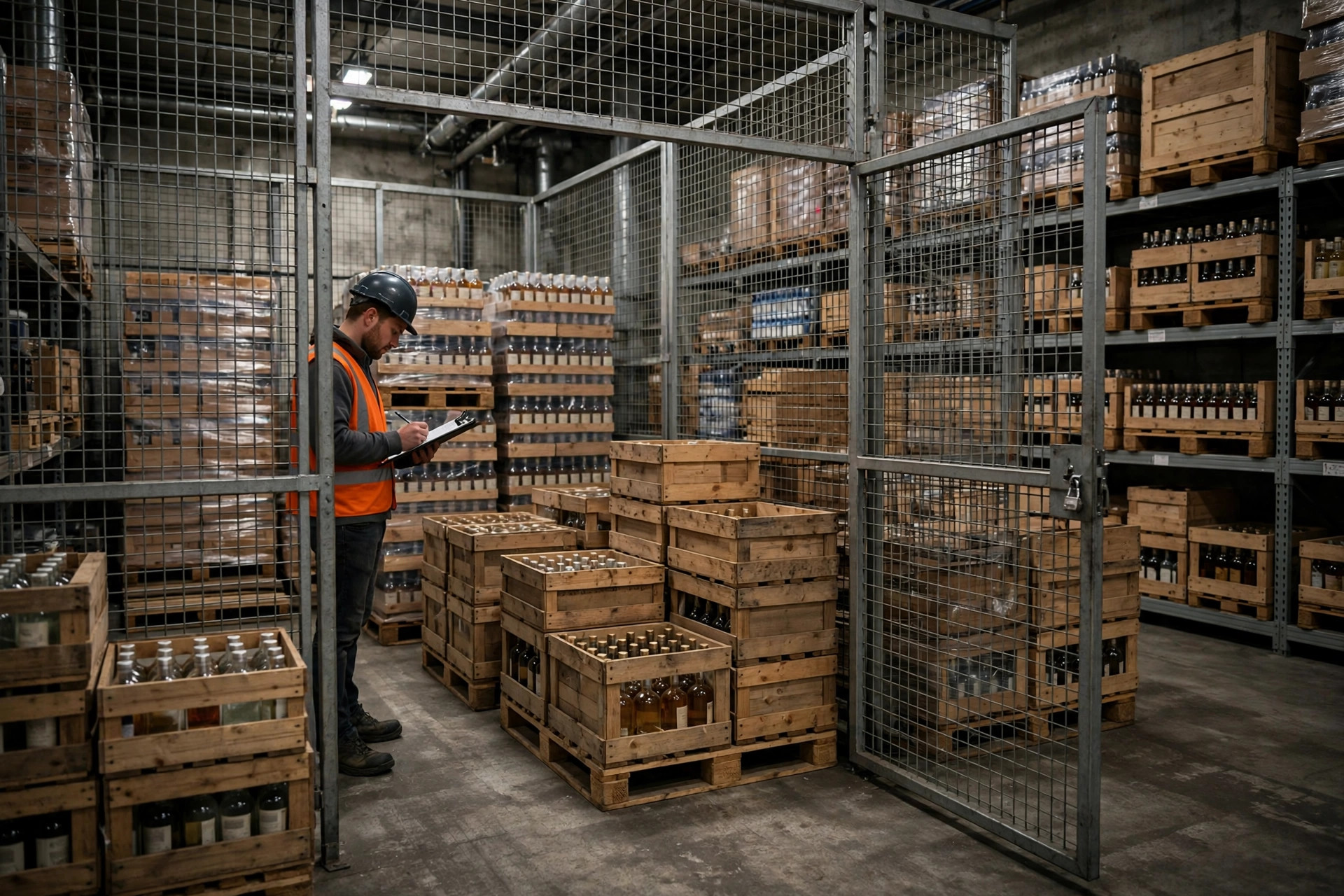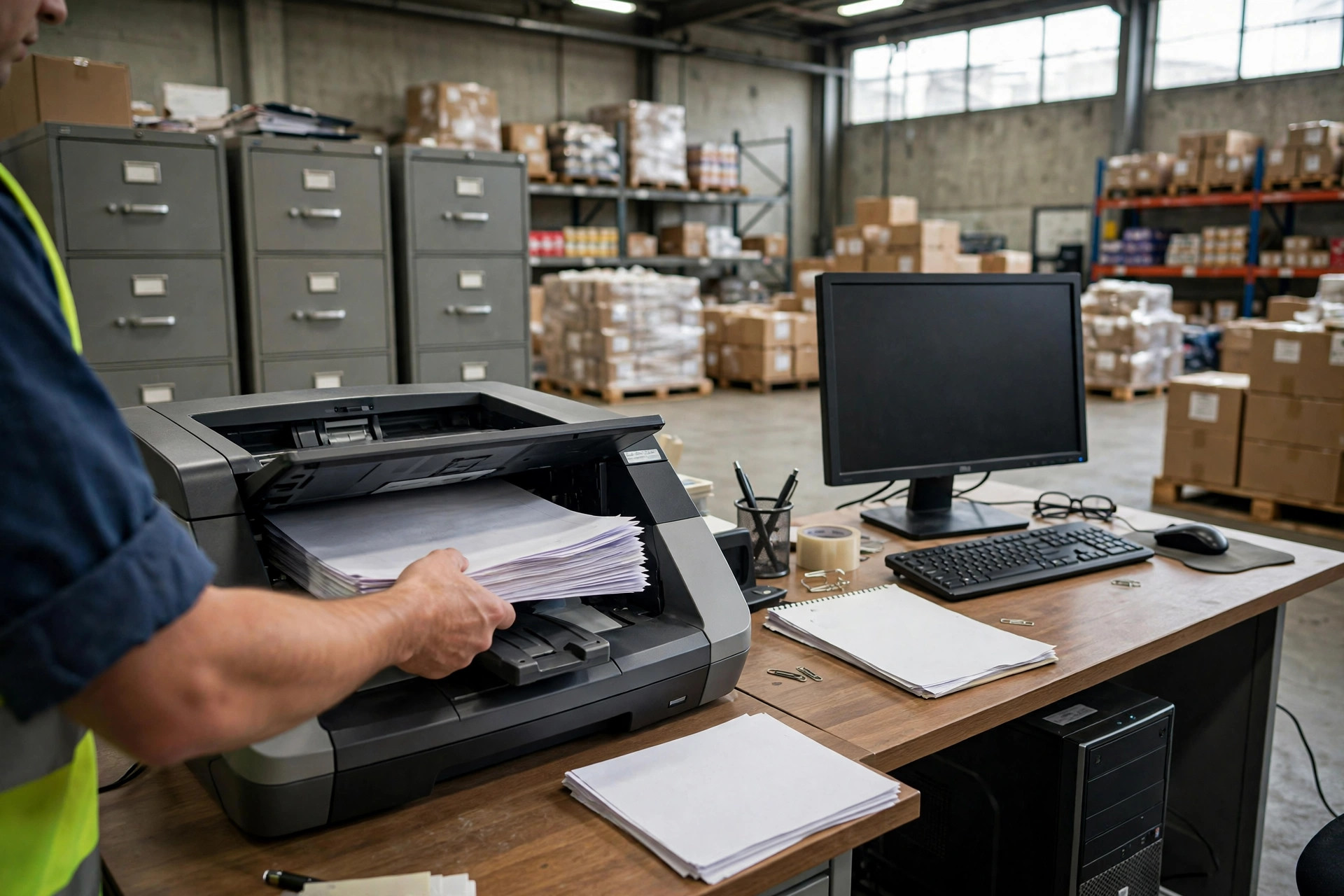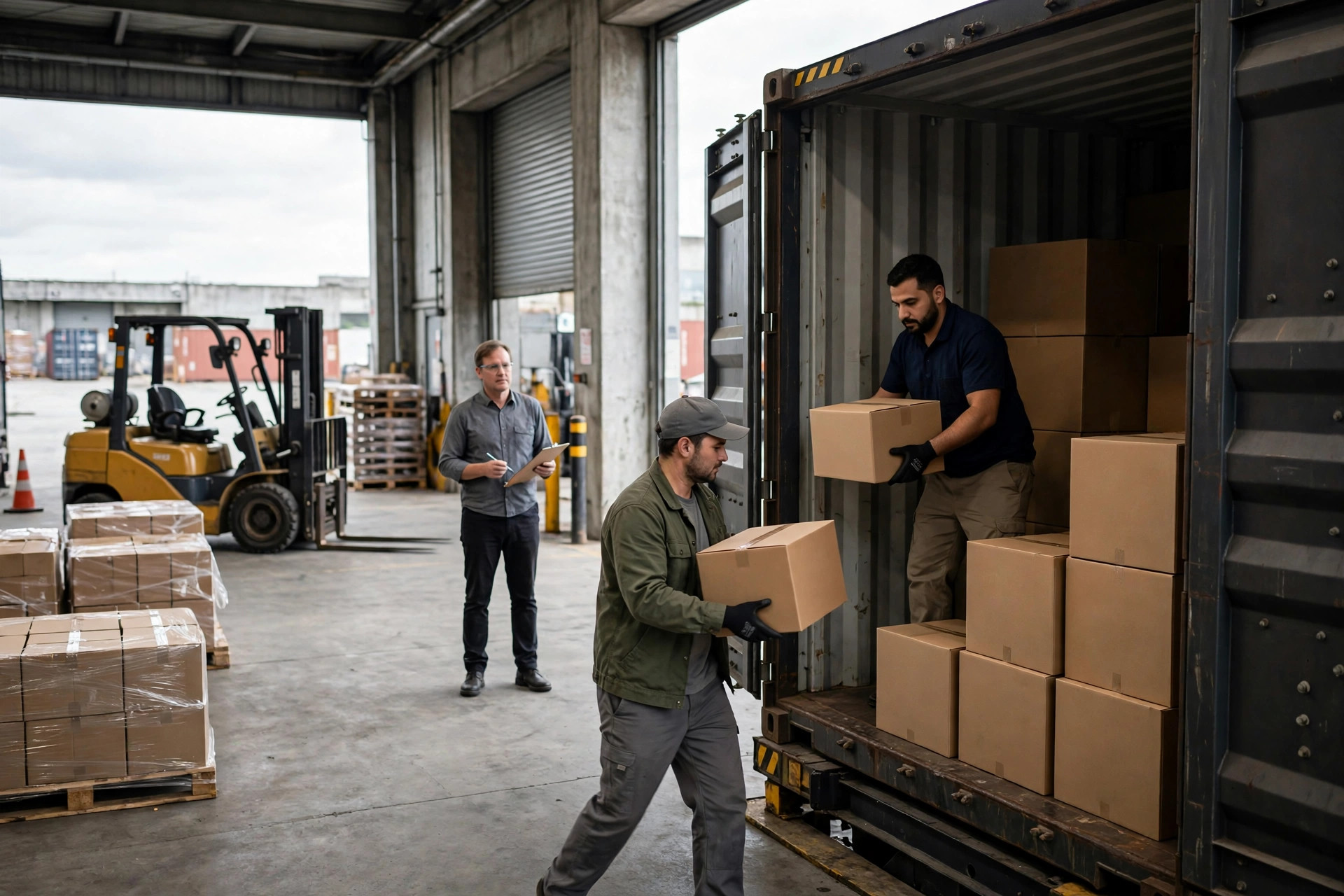
Let me be blunt: in export shipping, the paperwork moves before the freight does. If the papers are not ready, the freight might as well not move. I have seen too many warehouses treat documentation as a last-day chore, only to watch a truck sit at the port gate while detention charges tick upward by the day.
In the fall of 2019, a California outdoor-gear client had more than 2,000 cartons of tents headed out through the Port of Los Angeles. The goods were loaded, the truck was booked, and then, right before sailing, someone noticed the packing list did not match the draft bill of lading — off by 40 cartons. Nothing was missing. A batch had been split twice in the warehouse system, and the packing list had been printed from the older version. The carrier would not accept a verbal explanation. It only accepts a corrected document. Amending the documents, getting them re-confirmed, and catching the next sailing took six extra days, and the detention and amendment charges together came to more than the freight bill for that shipment. The client asked me whether the carrier was being difficult on purpose. It was not. The carrier just works from the documents, and our documents were wrong first.
There are two sides to this. On one side, export documents are not complicated. On the other, they are most dangerous precisely when everyone assumes they are done. The warehouse, the forwarder, the customs broker, and the customer each hold a piece of the information. If any one of them is half a day late, the whole chain breaks at the final step. Unlike freight, a missing document is invisible — a missing carton you can see, a missing line on a form only shows up at the port.
Where the Money Actually Gets Stuck
Most people price an export shipment by the freight rate. That is the first trap. The cost of a documentation error almost never sits on the freight line. It hides in detention charges, amendment fees, extended warehouse storage, and expedited rebooking. Each item looks small on its own. Added together, they routinely exceed the freight itself. And the time cost is worse: missing one sailing is not just a few days late. It can mean a stockout at the customer end, a penalty clause, or a lost order, one knock-on effect after another.
Here is a very practical bit of math. Keep a 40-foot container waiting at the port for five extra days, and the detention charges, truck rescheduling, and warehouse replanning together can easily eat more than 15 percent of that shipment's gross margin. The way to avoid that bill costs almost nothing: put the full document set on the table three days before shipping and walk through it item by item with all four parties. Put plainly, documentation is not a cost center. It is the cheapest way to save money in the whole shipment — you just never see the savings as a separate line item.
Here is a counterintuitive judgment I will stand behind: the cheapest forwarder often becomes the most expensive one when the documents go wrong. A low-price forwarder makes money on volume. Chasing amendments, calling carriers at midnight, and babysitting a broker through a correction are not in that business model. When your documents have a problem, that forwarder has neither the incentive nor the staff to run after it for you. The few dollars you saved on the freight rate end up paid out in detention and amendment fees. Judge a forwarder first by how fast it responds when something goes wrong, and only second by its quote. That order matters, and it should not be reversed.
Who Prepares What, and When
The method I give clients is deliberately crude, and it works: one table, four columns — who prepares it, by when, for whom, and what to check against. Hold the first review seven days before shipping. Lock the documents three days before shipping. On shipping day, you only re-verify; you do not revise. After the lock, every change triggers a fresh round of review, and the cost of changing is written on the table in advance so everyone sees it before they ask for a change.
| Document | Prepared by | Latest deadline | Check against |
|---|---|---|---|
| Commercial invoice | Seller / warehouse from customer data | 3 days before shipping | Product names, quantities, and values match the contract |
| Packing list | Warehouse | Day loading is completed | Carton count, gross weight, and volume checked against actual goods |
| Draft bill of lading | Forwarder issues, customer confirms | 3 days before shipping | Shipper, consignee, port of destination, and carton count match the packing list |
| Certificate of origin | Chamber of commerce / authorized body | 5 days before shipping | Format matches the destination country's requirements, confirmed early |
| Customs declaration and broker package | Customs broker | 3 days before shipping | Product information consistent across invoice, packing list, and declaration |
| Special documents (fumigation, quarantine, permits) | Seller or designated authority | 7 days before shipping | First confirm whether one is needed at all, then whether it can be obtained in time |
The row most often skipped is the last one. Most shipments need no special document at all — but the moment the destination country or the product category touches a requirement, it has to be confirmed early. In 2022 I handled a shipment of garden tools to Southeast Asia where everything was ready before anyone remembered the destination's treatment requirement for wooden packaging. Getting the fumigation certificate done at the last minute cost four more days. Nobody was ignorant. Nobody had simply asked the question early enough. So my rule now is: for every shipment, ask about special requirements at the start, and if there are none, write "none" on the table. A blank space does not count as a confirmation.
One more scenario deserves its own mention. When the customer supplies the data, the warehouse should never just copy it through. In 2023, a home-goods client sent an invoice template with vague product descriptions, and the warehouse printed it as-is. The broker sent it back — the descriptions could not be classified. Two rounds of back-and-forth, and another sailing was missed. Since then, my rule is that customer data passes a "can this clear customs?" screen first. Unclear product names, ambiguous units, or inconsistent value bases get sent back the same day they arrive. Never wait until loading day to discover them.
On compliance specifics, my line is firm: tariff rates, classification codes, and permit requirements must always be checked against the official source's latest policy. Policies change, and what was correct on the last shipment is not necessarily correct on this one. The warehouse's job is to make the document set complete, accurate, and on time — not to carry the compliance judgment for the customer. If something is uncertain, write it down, ask the broker and the official channels, and only issue the document once it is clear.
Three more working habits round this out. First, put the version number in the file name — v1, v2, v3 — with a record of who changed what. Never use "latest version" as a file name; there is always a newer one. Second, the packing list must be signed off by the person on the loading floor, matching system data against physical goods, and not a single carton of difference gets waved through. Third, confirmation of the draft bill of lading must be in writing — email or system confirmation both work. A spoken "looks fine" counts for nothing when something goes wrong.
I also insist on one small discipline: one folder per shipment's document package, with one copy each of the invoice, packing list, draft bill of lading, broker package, and any special certificates, so a missing item is visible at a glance. Do not scatter documents across a dozen people's inboxes. Time spent hunting for a document is also a cost, and in a rush, finding the wrong version is more dangerous than missing a document entirely.
When the papers are ready, the freight can move with confidence. When they are not, the cheapest freight rate and the tidiest sailing schedule are a house built on sand. Before your next shipment, print that table, pin it on the warehouse office wall, and do not release the load until every item is ticked off. You will find that most so-called surprises were already written on the table in advance.
By Lao Mi, Supply Chain Veteran (20 yrs)