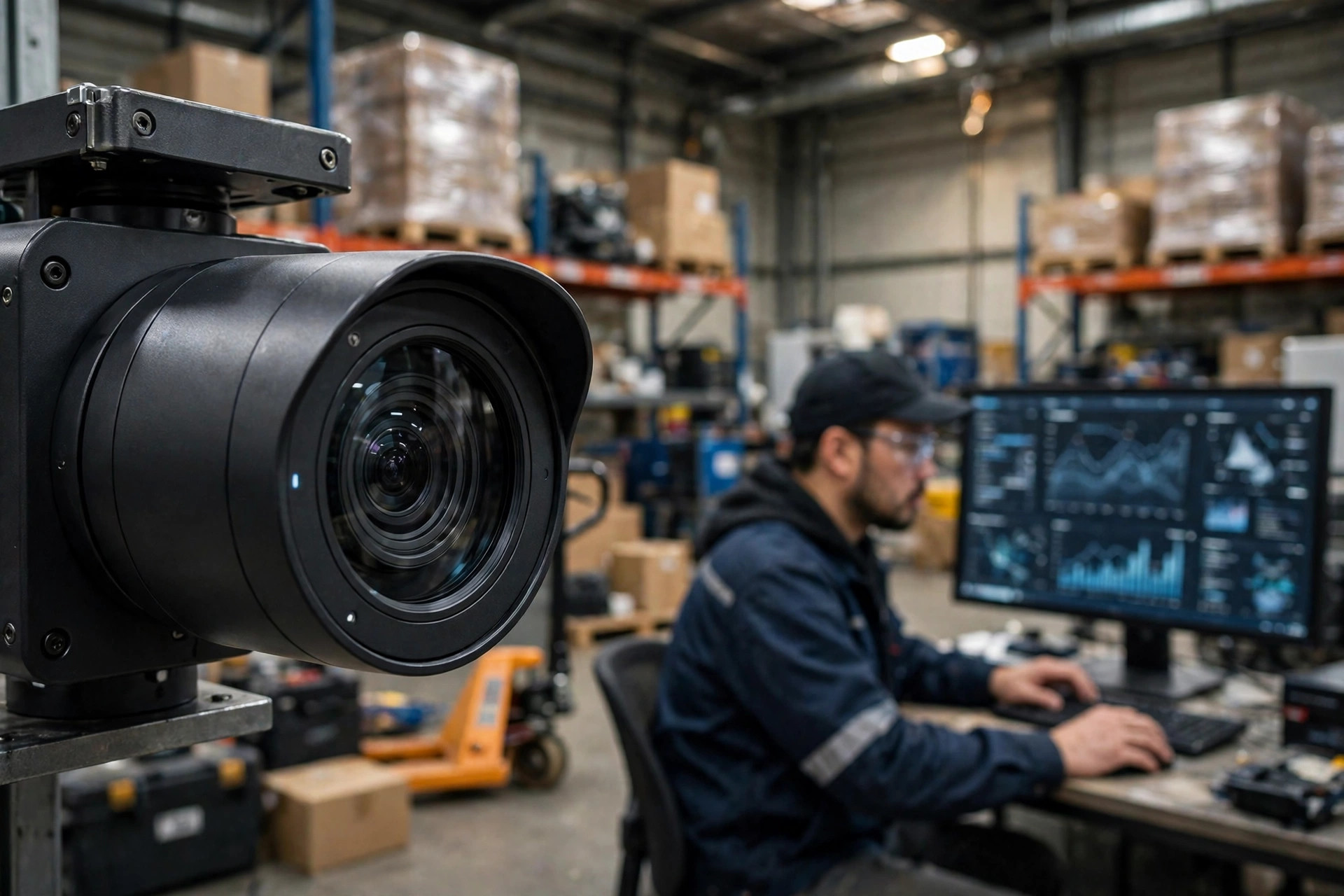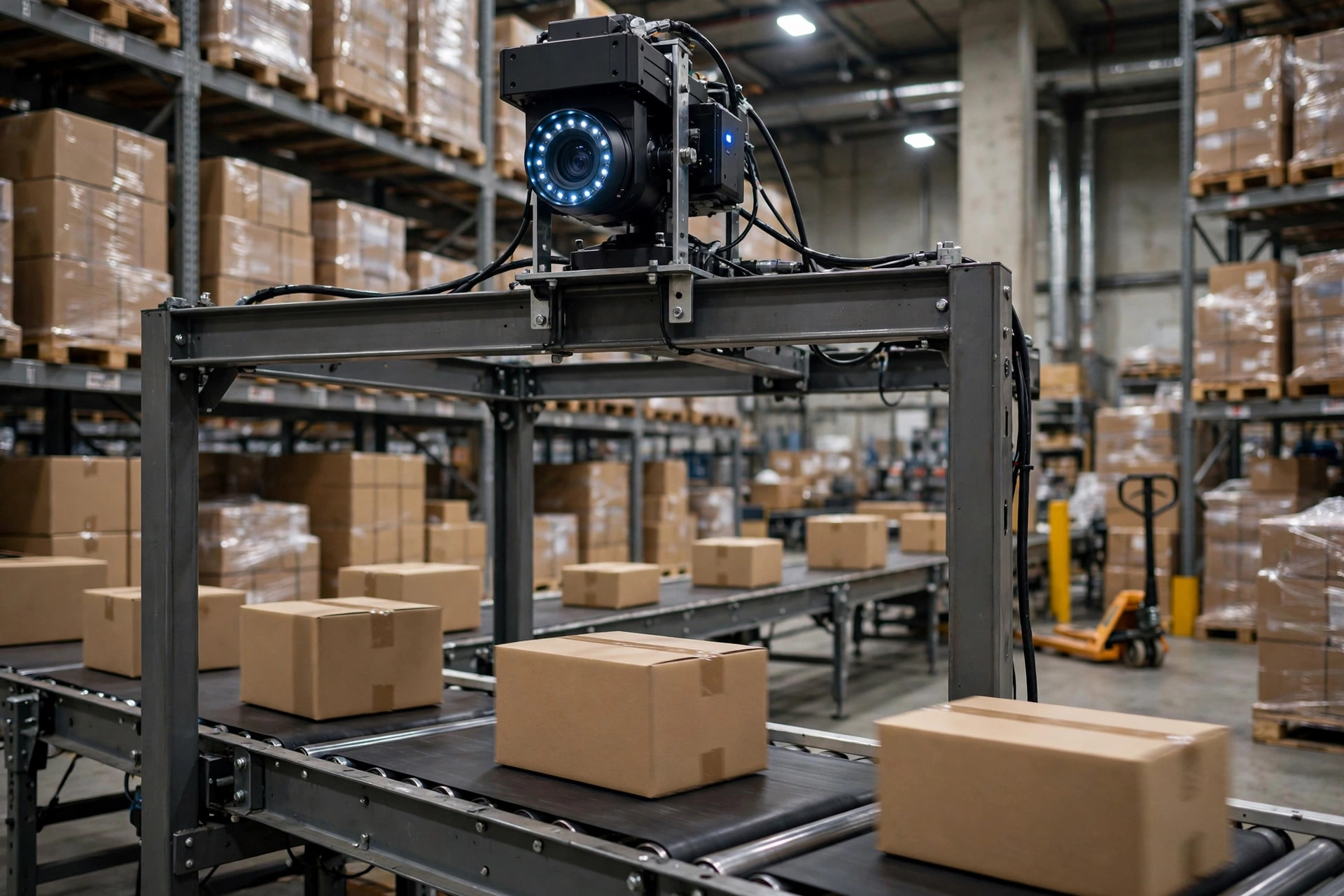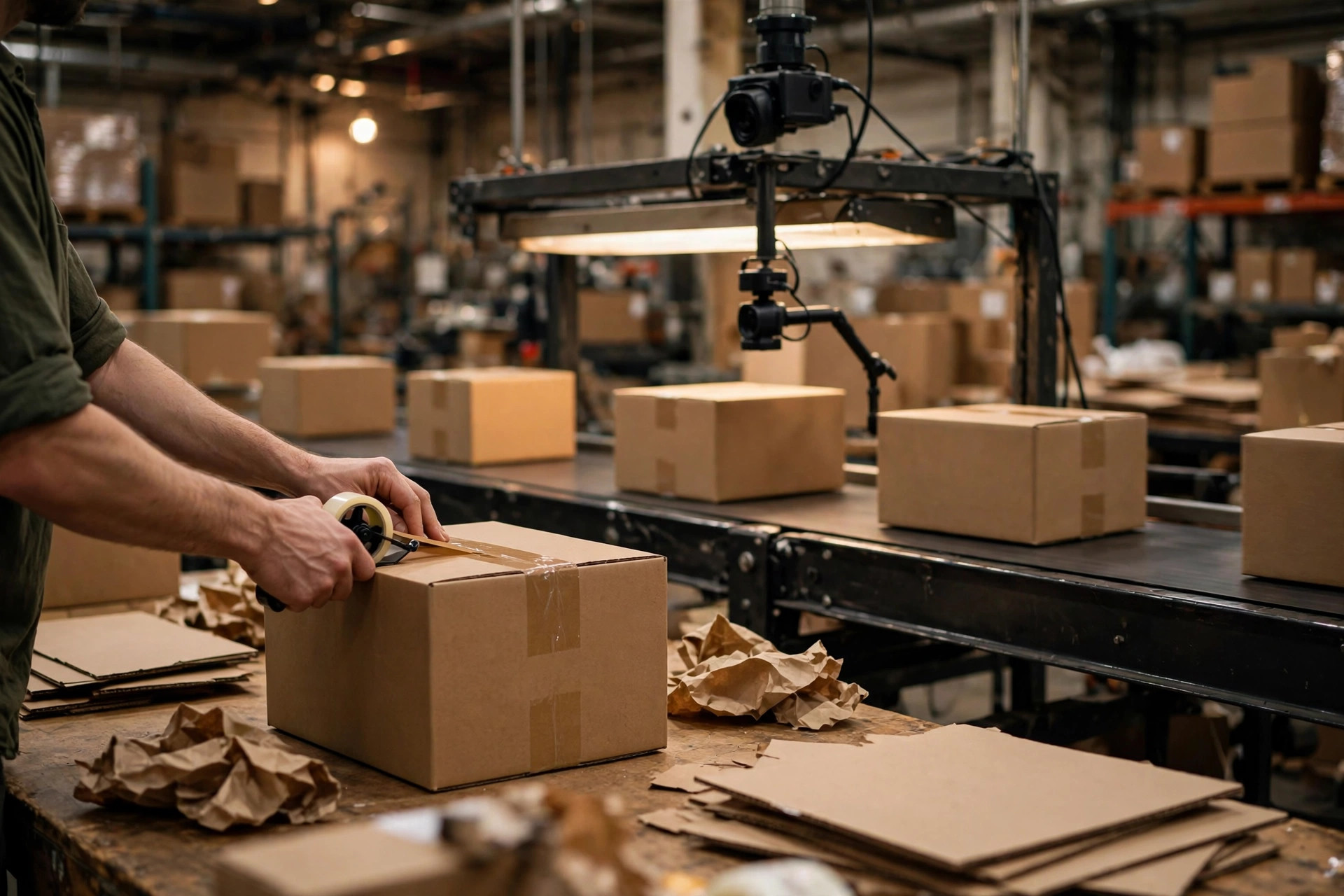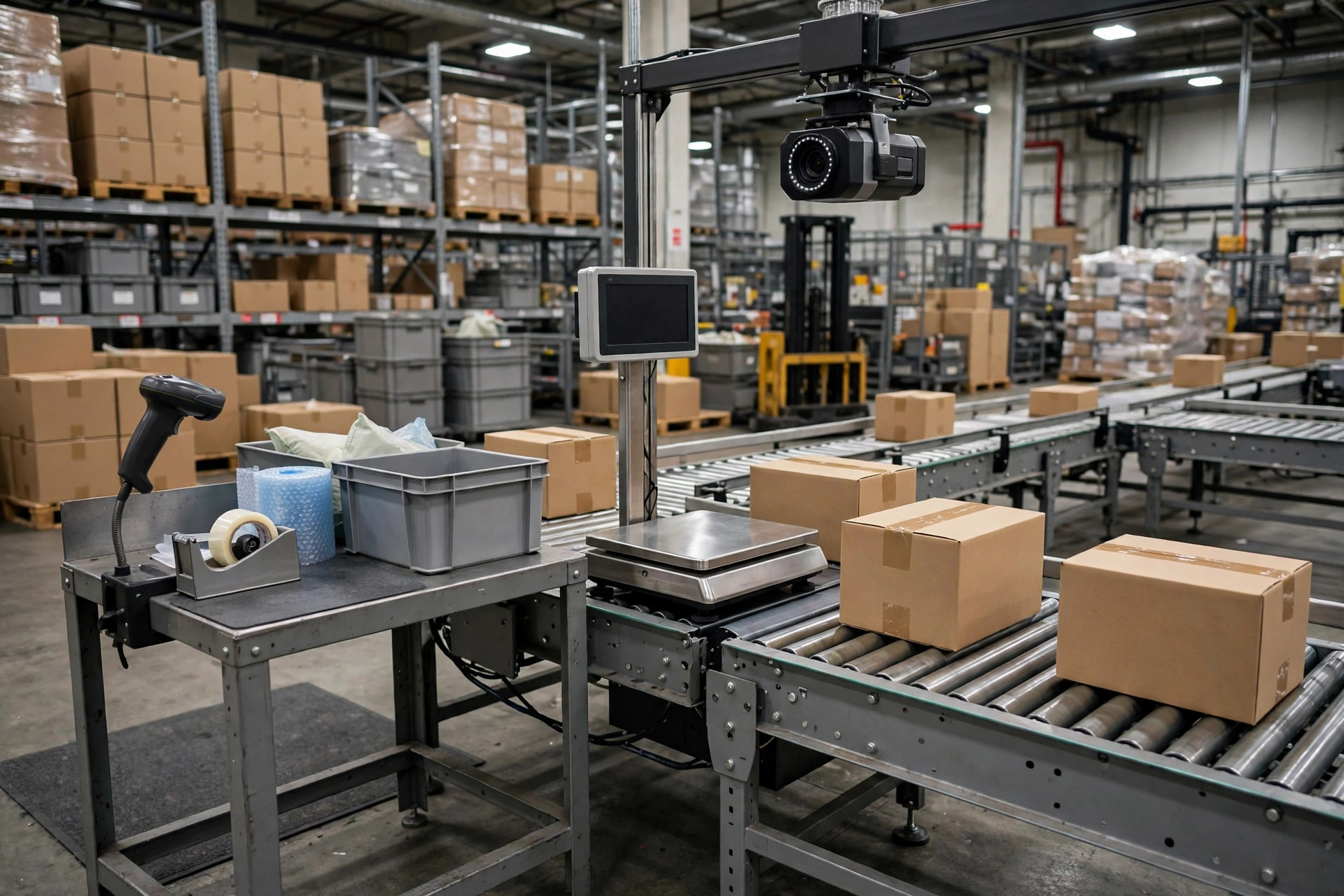
Let me tell you something I learned the hard way after years behind the wheel: multi-sensor picking verification is not fancy warehouse technology, it is the difference between a load that sails through delivery and a load that comes back to bite you. I used to think a green light on the scanner meant the carton was right. Then I learned that a scan only checks the outside of the box. It never looks inside, it never weighs anything, and it never notices a torn seal or a label stuck on the wrong carton. What actually works is three checks that each mind their own business and cover for each other.
Last autumn I picked up a load of small appliances in Dongguan, one hundred and twenty cartons, every barcode scanning green. When the customer opened the cartons, one of them held the wrong model. The outer label was perfectly correct; the packing crew had simply mixed up two products that look almost identical. The scanner had checked the carton, not the goods inside it. I had to drive back, swap the carton, and burn most of a day, while the customer's line stood waiting and my phone kept ringing. That trip taught me a plain lesson: a scan alone is like checking a driver's license without looking in the trunk. It tells you who the carton claims to be, not what it actually carries.
This spring, in Jiaxing, I saw the other two checks earn their keep. The scans were all correct and the carton count matched, but one carton came up noticeably light on the scale, and when the crew opened it, two pieces were missing. Another carton weighed fine, yet the camera caught a broken seal and a shipping label sliding halfway off, nearly onto the next carton. The scale catches what is missing inside; the camera catches what is wrong outside. Neither job belongs to the scanner. The warehouse held both cartons back for rework, and my truck left twenty minutes late. Twenty minutes late is nothing. A wrong delivery, a return trip, and a second round of arguing at the customer's dock, that is the real cost.
What Multi-Sensor Checks Actually Catch
The division of labor is simple once you see it on a packing line. Scanning answers one question: does this carton belong to this order? Weighing answers another: does the carton hold what it is supposed to hold, no more and no less? Vision answers a third: is the label right, is the seal closed, is the carton crushed or wet? Because each check looks at something different, each one can catch what the others miss. One check slips, the next one still has a chance to stop the mistake before it leaves the building.
| Check | What it verifies | What scanning alone misses |
|---|---|---|
| Scan | Carton number matches the order | Mixed models, short packs, overpacks |
| Weigh | Carton weight matches expectations | Wrong labels, damaged cartons |
| Vision | Label, seal, and carton condition | Short packs, mixed models |
Equipment alone does not fix anything, though. What matters is what happens when a carton fails a check. I have watched warehouses where a weight alarm sounds and the worker just waves the carton through to keep the line moving, which makes the whole checkpoint pointless. The setup that works is blunt: a flagged carton comes off the line, someone opens it and looks, and the decision to release it is recorded. That sounds slow, but the rework station needs to sit close to the conveyor, so a flagged carton costs minutes, not a missed departure. If the checkpoint is far away or the paperwork is heavy, people will find a way around it, and drivers will end up paying for the shortcut at the delivery dock.
I have talked with warehouse crews about this, and the most common failure is not bad hardware. A multi-sensor setup only works when its results come together: the scanner does its thing, the scale does its thing, and the camera takes pictures nobody reviews, and that is a system that has already failed. A carton should only leave when all three checks clear, and when one check flags it, the carton should stop right there until someone clears it. If the results never come together in one place, the sensors are just expensive decorations bolted to a conveyor.
Why More Multi-Sensor Gear Is Not Always Better
Here is the counterintuitive part: adding more sensors does not always mean fewer mistakes. Every extra check adds seconds on the line, and at high volume those seconds pile up into queues and backed-up trucks. Worse, too many sensors mean too many false alarms. When the alarm cries wolf all day, workers stop believing it and start waving cartons through, which is worse than having one fewer check. The skill is not in stacking hardware; it is in making sure each check looks at something different. Scan for identity, weigh for contents, look for appearance. Three checks on three different things is coverage. Three checks on the same thing is waste.
So before buying anything, ask what kind of mistake your warehouse makes most often, because a multi-sensor purchase should start from the mistake, not from the catalog. If models get mixed up or cartons ship short, get the weighing right first. If labels go on the wrong carton or cartons arrive damaged, get the vision right first. If carton numbers and orders keep mismatching, then look at the scanning step. Pick the check that matches the mistake, and false alarms stay low. My own view, after years of hauling other people's errors, is that the humble scale does the most work first. It is not glamorous, but a carton that weighs wrong is a carton that is wrong, and that simple fact catches more short packs and mix-ups than a lot of showier equipment.
There is also maintenance, which nobody puts on the brochure. Scales drift and need calibration, camera lenses get dusty, scanner batteries die. If nobody owns those small jobs, the checkpoints quietly go blind, and nobody notices until a customer complains. Equipment is like a truck in that way: skip the upkeep, and even good machinery will let you down at the worst moment.
Three Questions to Ask Before Your Freight Leaves
First, ask the warehouse three questions before your freight ships: besides scanning, do you weigh cartons, do you photograph them, and who reviews a flagged carton? If they cannot answer the third question, their multi-sensor story is probably for show. Second, when a wrong carton does arrive, keep the weight record and the photo before arguing about it. Once you can point to which check failed, the argument gets short. Third, when you pick up a load yourself, walk around and look at the seals and labels. It takes less than a minute, and it stops a surprising number of problems that would otherwise surface at the customer's door.
I have built this into my own routine now. When I get the paperwork, I match the trip and the carton count. Before loading, I walk around the truck and look at the seals, and I flag a lifted tape edge or a crushed corner on the spot. The warehouse crew used to think I was being fussy, until they realized the cartons I flagged often did have something wrong with them. A driver is not a quality inspector, but once the freight is on my truck, I am the first person blamed when something goes wrong, so one extra look is just looking after myself.
In the end, warehouse accuracy does not come from one brilliant checkpoint. It comes from three ordinary checks that refuse to slack off: the scan knows the identity, the scale knows the contents, the camera knows the condition, and when one misses, the next one is still standing there. Better to wait three extra minutes at the warehouse door than to make an extra trip to the customer's door. Any driver who has run that return trip knows exactly what that trade is worth.
By Shifu Zhao, Trucking Veteran (15 yrs)