slug: ai-vision-outbound-qc-mispick-prevention-guide lang: en title: AI Outbound QC: Catching Mispicks with Vision, and the Labor Math excerpt: One mispick costs more than you think. We mounted AI outbound QC cameras over our pack lines—vision AI comparing orders against parcels, 92% catch rate, 3% false alarms, QC headcount cut from three to one, eight-month payback. Here is how we piloted it, how we set the catch-rate trade-off, and the five rules now in our SOP. section: ai subcategory: usecases region: common tags: ['ai-qc','vision-inspection','outbound-quality','mispick-prevention','pack-station','labor-cost'] author: 陈峰
Last Singles' Day, day three of the sale, 2:40 in the morning—back when we didn't have AI outbound QC yet.
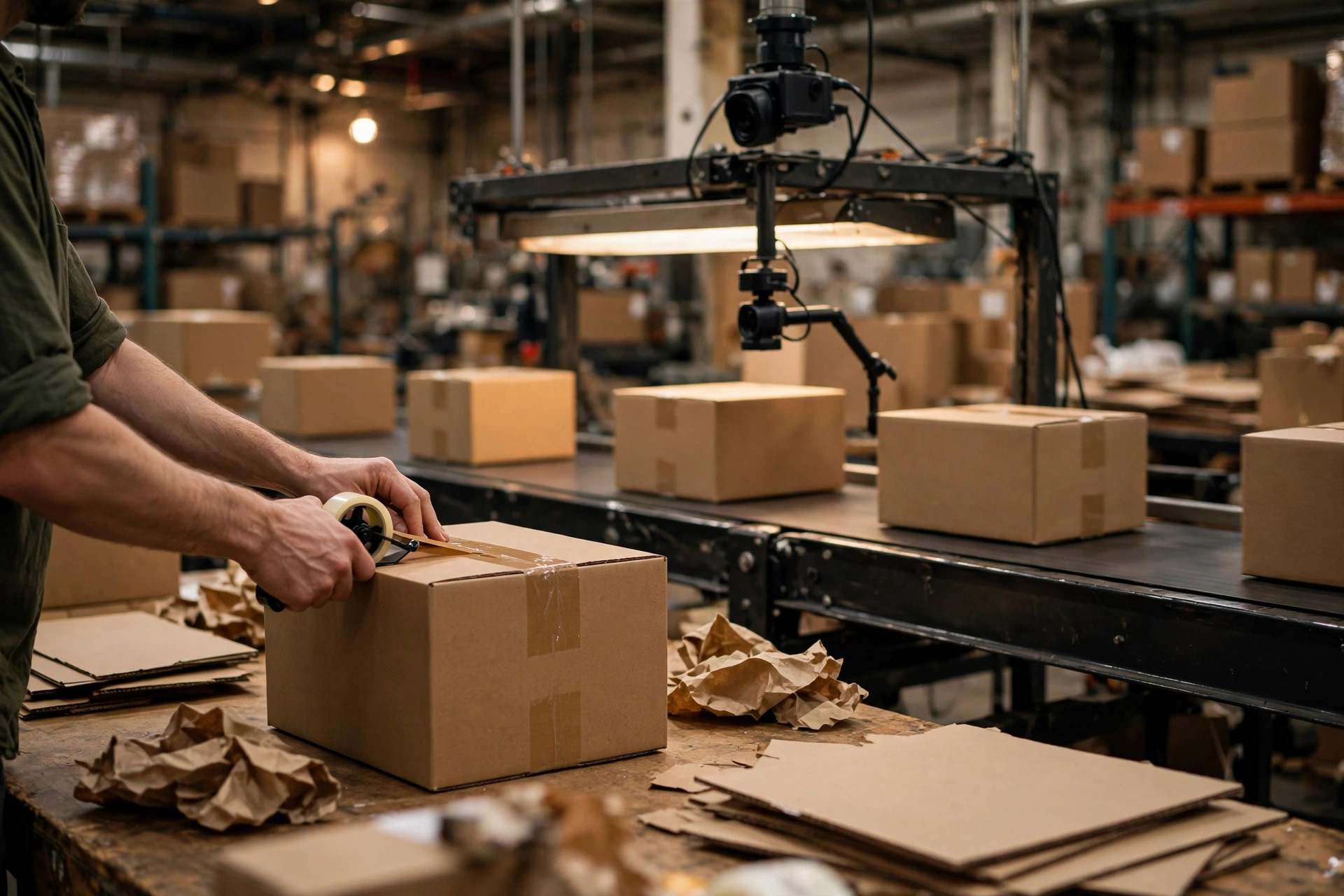
Xiao Zhang at the pack station rubbed his eyes, and his hand slipped—a package for customer A got customer B's shipping label. It went out. The customer opened it, took photos, left a one-star review. Customer service ate the return shipping, and the returned box ate half a day of labor. That peak season, mispicks and short-ships like that cost us 47 orders.
I'll be straight with you: mispicks happen. What's not okay is pretending you can't do anything about them.
What one mispick actually costs
Let's do the math. One mispick in our warehouse breaks down like this: $8–12 in return shipping both ways (check your carrier's latest rates), about 30 minutes of customer service time, a bad review that tanks your rating, and platform penalties. One order looks small. Twenty a month, and you're looking at close to $30,000 a year walking out the door. Worse is the people side: the three guys on QC duty, staring at packages all day until their eyes glaze over—and the mistakes still slip through.
| Cost item | Amount / time | Note |
|---|---|---|
| Return shipping | $8–12 per order | Check carrier's latest rates |
| Customer service | about 30 min per order | Calming down, reshipping, follow-up |
| Bad review damage | Hard to quantify | One bad review needs ten good ones to bury |
| Platform penalties | Score deductions | Stricter during peak season |
We used to run QC with three full-time people standing at the end of the pack line, checking every single order. Straight talk: humans can't do this job. Eight thousand orders a day, five seconds a look—eyes don't have to go blind to start missing things.
How we piloted AI outbound QC: an "electronic eye" over the pack station
We looked at three vendors. The big international name quoted a number with two commas; we went with a domestic vision integrator at a third of the price. Straight talk: for parcel-vs-order matching, you don't need the fanciest model—you need a vendor who'll come back and tune it. Write the tuning response time into the contract, not the accuracy number on the brochure.
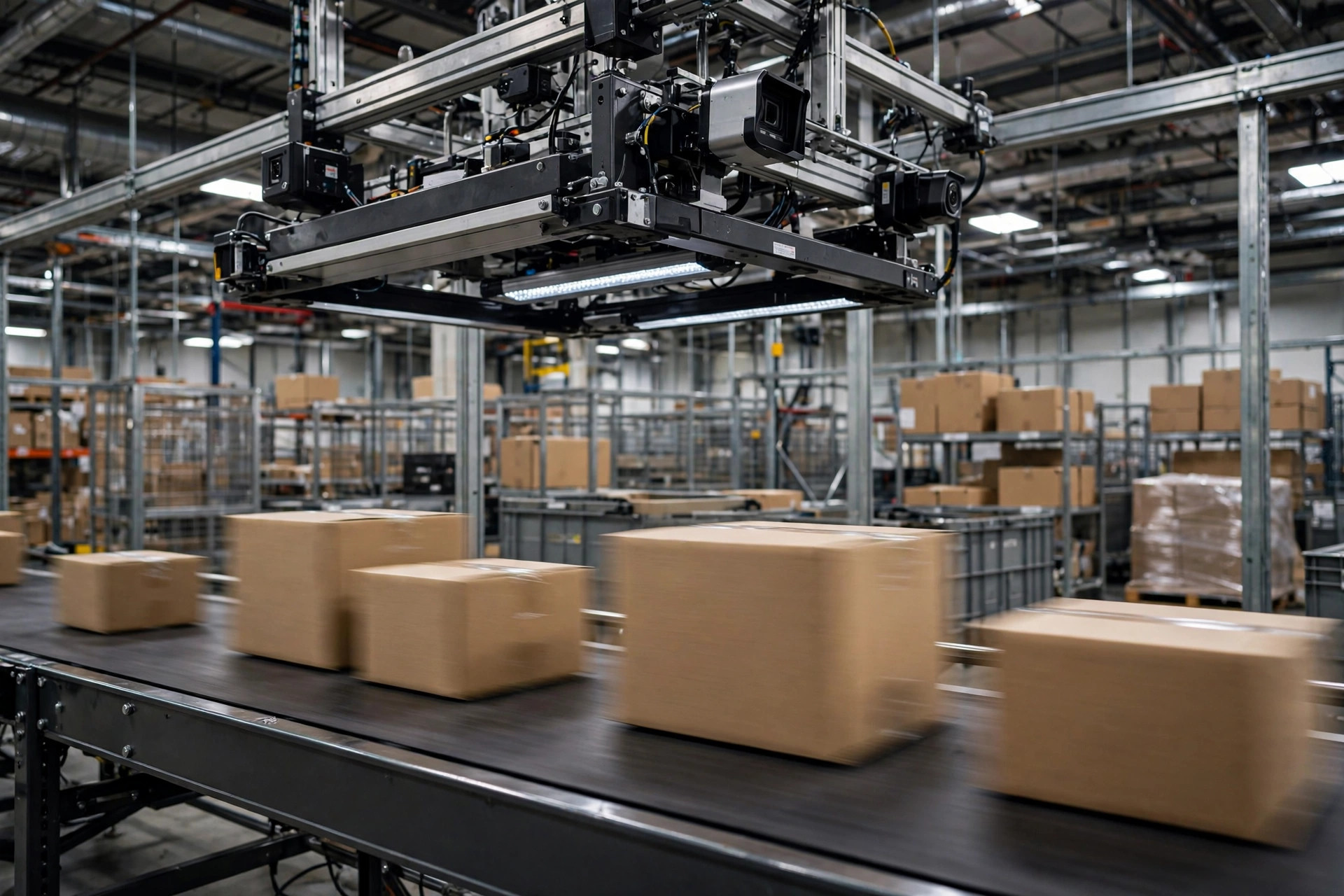
This March, we mounted an industrial camera over each of our four pack lines, pointing down. The idea is dead simple: the order says 3 units of A and 1 unit of B, the camera photographs the parcel before the box seals, and the AI compares quantity, appearance, and barcodes. Mismatch? Red light, and the parcel gets diverted to the exception bin.
The first month was chaos. False alarms everywhere: reflective poly bags read as empty boxes, black products invisible under dim light, the free gift cards from the promo flagged as extra items. Listen—AI is never good on day one. The question is whether you tune it. We spent three weeks swapping the lighting, adjusting the camera angle, and writing in a rule that gift inserts don't count. False alarms dropped from 200+ a day to under 30.
Here's the trade-off I have to spell out: catch rate and false-alarm rate are a seesaw. Crank up sensitivity and you catch nearly every mispick—but the false alarms pile up, and by day three of handling 200 false alarms, the guy watching the screen stops looking. The boy who cried wolf, warehouse edition. We settled at about 92% catch rate and 3% false alarms. The remaining 8%? That's what the human is for.
Oh, and the people part. Lao Li, our senior QC guy of six years, went quiet for a week when the cameras went up. I knew what he was thinking: this machine is here to replace me. I sat him down and told him straight: the camera doesn't get tired, but it also doesn't know that the Johnson account always wants the fragile sticker on top. We made him the exception-bin lead—higher pay grade, by the way. Three months later he told me his back finally stopped hurting. When you bring in AI, bring the people with you, or you'll lose both.
The labor math: three people down to one
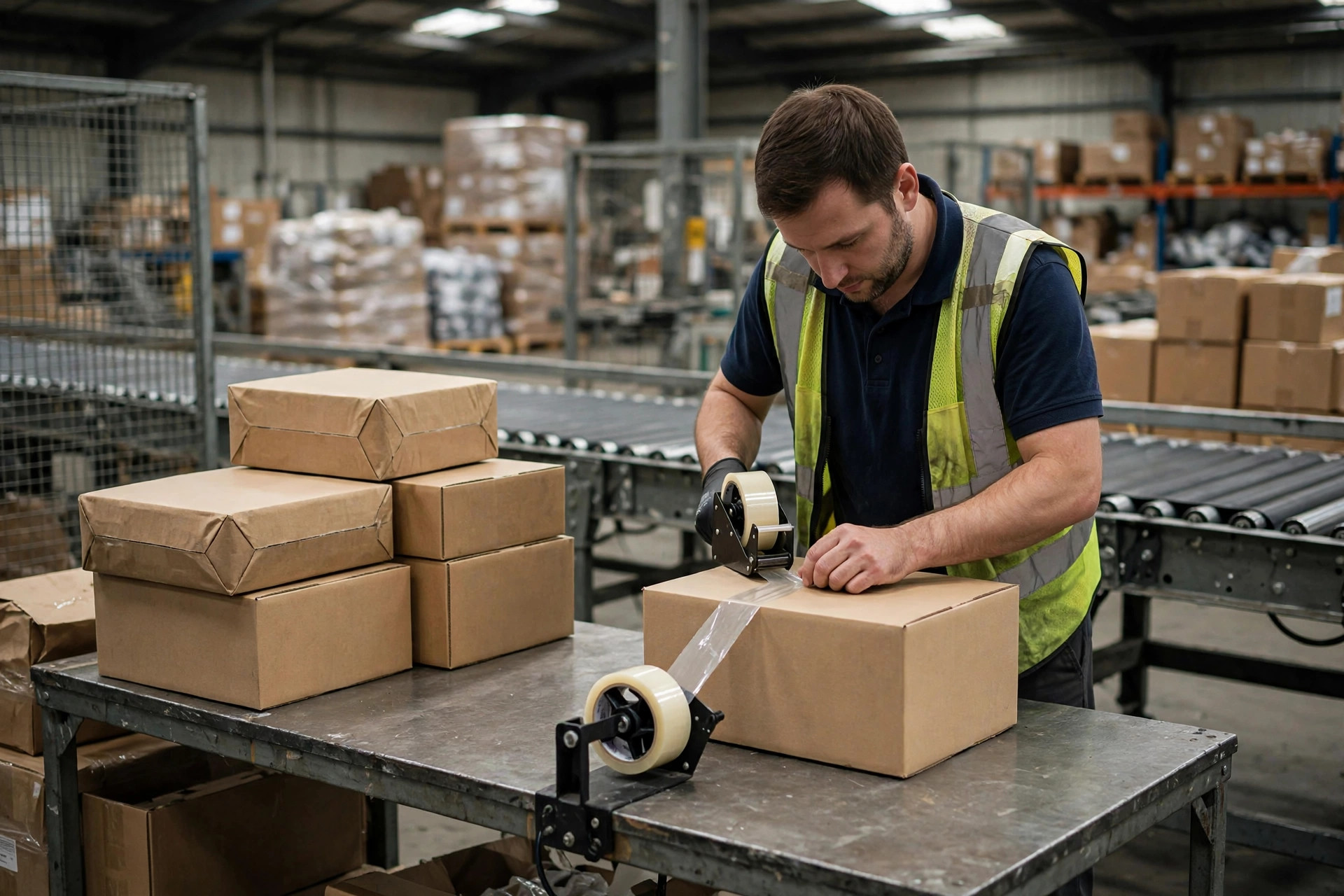
After the system went live, QC went from three people to one. That one person doesn't look at parcels anymore—they watch the screen and handle alarms and the exception bin. The math:
| Before | After | |
|---|---|---|
| QC headcount | 3 full-time | 1 watching the screen |
| Mispick rate | about 0.8% | about 0.12% |
| Cost per order checked | High | Down about 60% |
| Peak-season temp hires | Needed 2 temps | None |
Equipment plus installation ran a few thousand dollars per line—under $20,000 for all four. Between the labor saved and the shipping we stopped eating, payback took eight months. Straight talk: that math works for us. Under 3,000 orders a day, manual QC is cheaper and the AI never pays for itself.
And here's the contrarian bit: pack quality actually went up after the AI went live. Why? The screen shows real-time stats, and the shift lead can see exactly whose packs trigger the most alarms. People have pride. Once the numbers were public, the sloppy packing mostly stopped.
What we do now: the AI outbound QC rules in our SOP
Six months in, here's how we run it. Five rules, written into the SOP:
First, the AI only flags—it never judges. Flagged parcels go to the exception bin, a human opens the box and clears it. For parcels the AI passes, we still hand-check 50 random orders a day—100 during peak.
Second, if false alarms pass 50 in a day, we tune the same day, never overnight. False alarms kill trust. Better to run slightly less sensitive than to have the crew go numb to the screen.
Third, feed the AI before a new product launches. Every new SKU gets 20 photos of the standard pack shot before it goes live—all done two months before peak. Show up last-minute and the false alarms will teach you a lesson.
Fourth, fix your labels and barcodes before you buy vision. Crooked barcodes, wrinkled labels—the best AI in the world can't read those. We spent a week training everyone on how to stick a barcode. Money well spent.
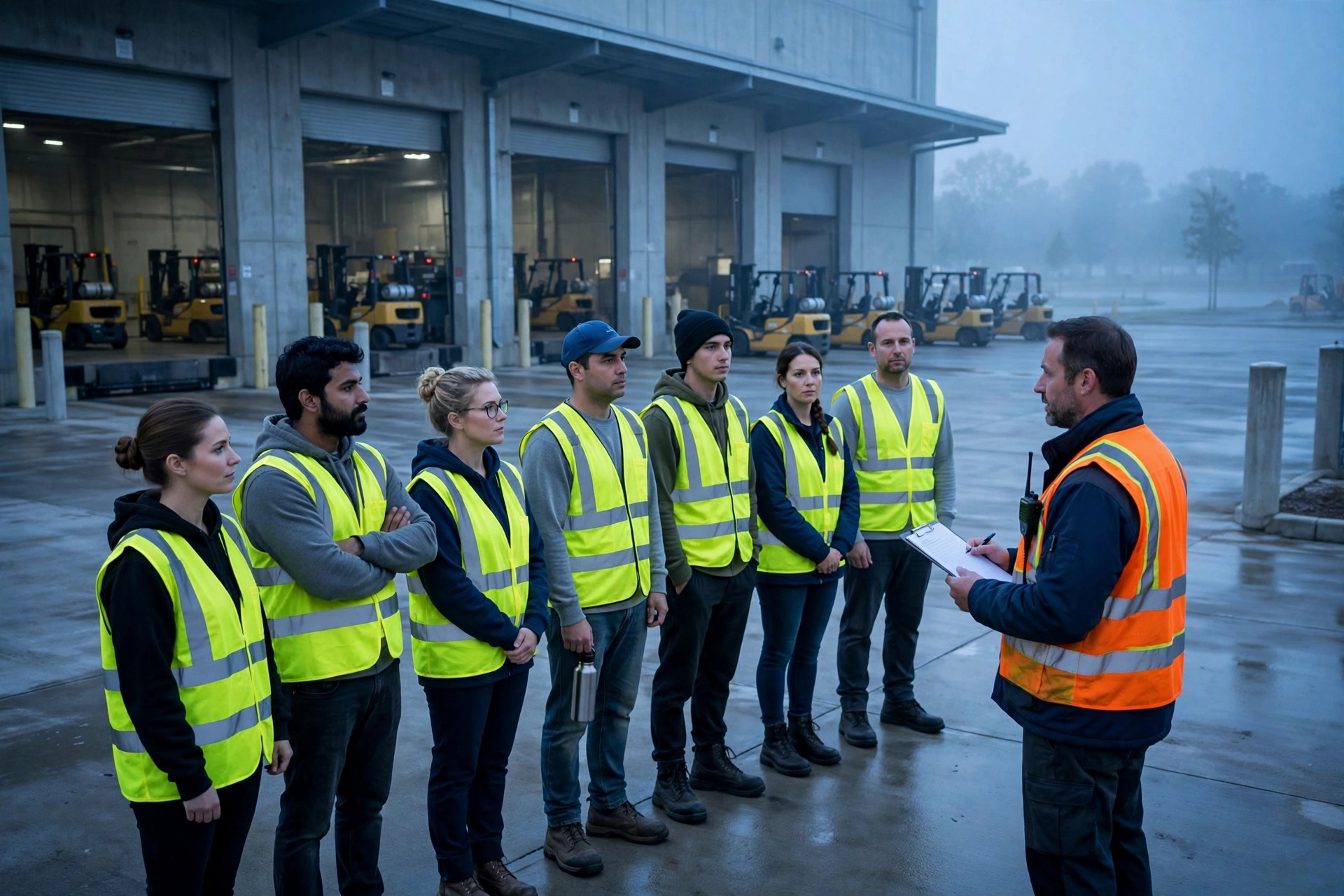
Fifth, look at the data every day. How many caught, how many false alarms, which packer triggers most—the shift lead covers it in three sentences at the morning huddle.
A few reminders for fellow operators
A few honest words to close.
One: don't expect AI to replace people 100%. We still have one person watching the screen, still a human opening the exception bin. If you think a camera lets you cut everyone, drop that idea now.
Two: get the basics right first. Barcodes all over the place, SKU master data a mess—all you'll buy is false alarms and a wasted budget.
Three: install and tune two months before peak. Going live a week before the big sale means the false alarms will bury your QC crew, and you'd have been better off without it.
Four: do your own math. Daily volume, mispick rate, labor cost—every warehouse is different. Our eight-month payback could be two years at your place, or three months. Run your own numbers, not the vendor's slide deck.
Mispicks are ultimately a people problem; the AI is just a pair of eyes. Mounted well, it means fewer all-nighters for the crew and fewer angry customers. Mounted badly, it's a decoration on the wall. How to mount it—it's all written above. Take it and use it.
By Chen Feng, Warehouse Operations Manager