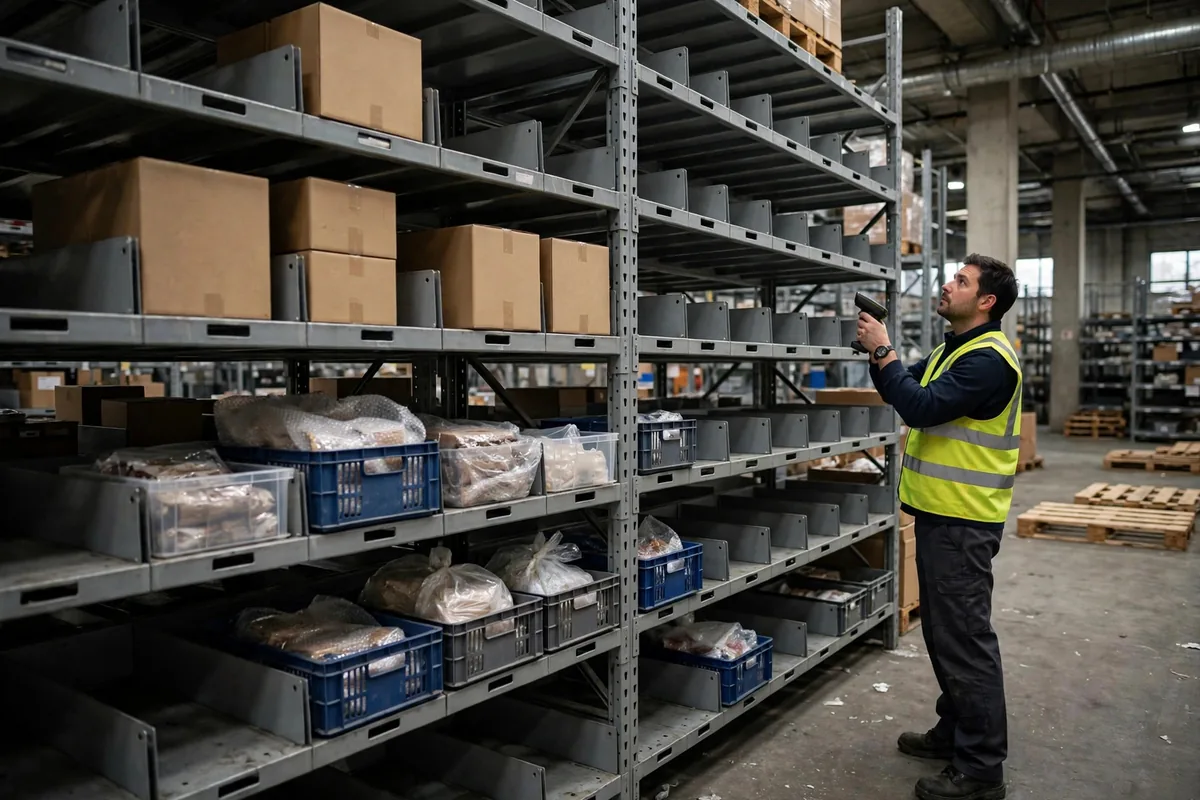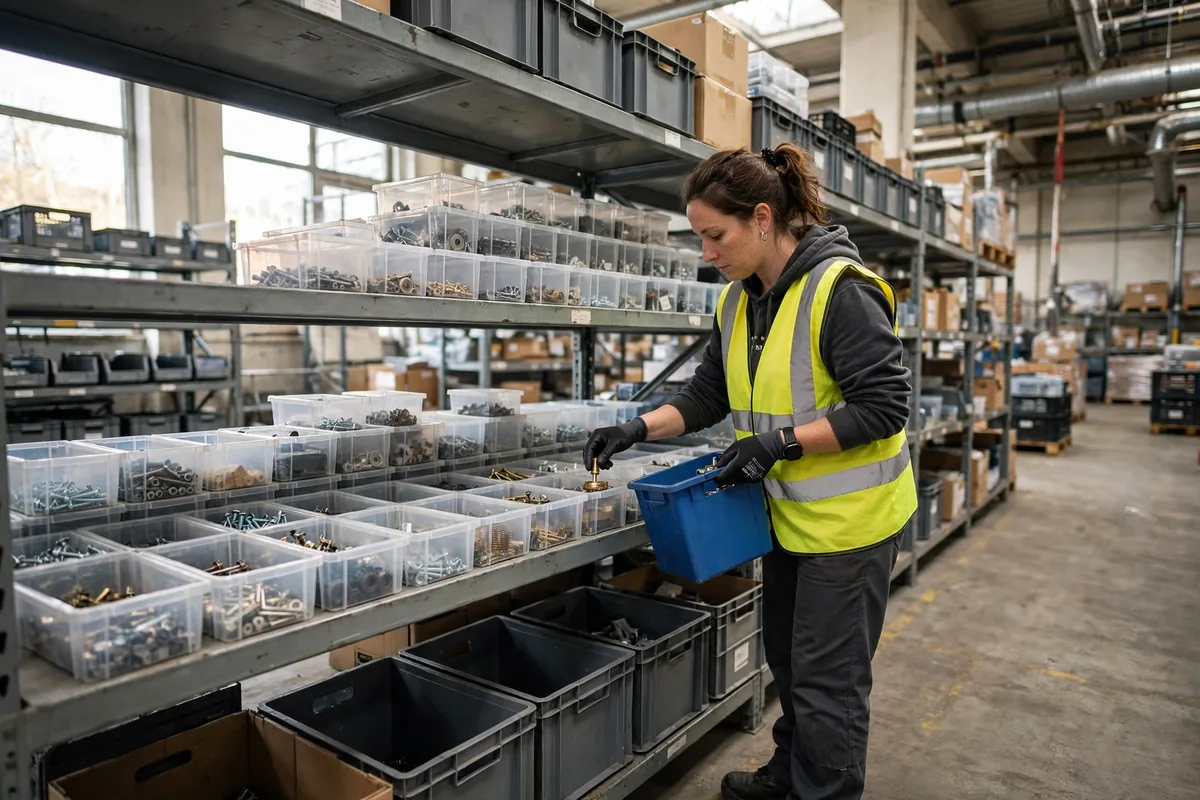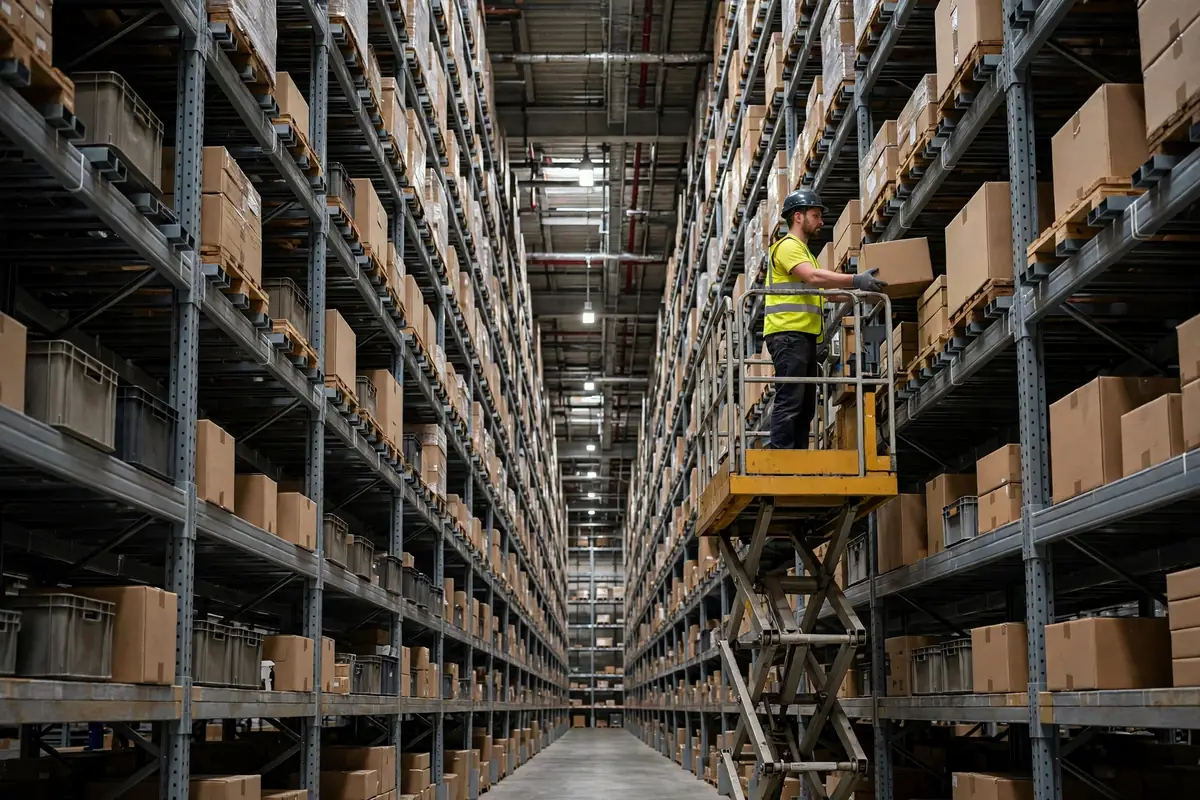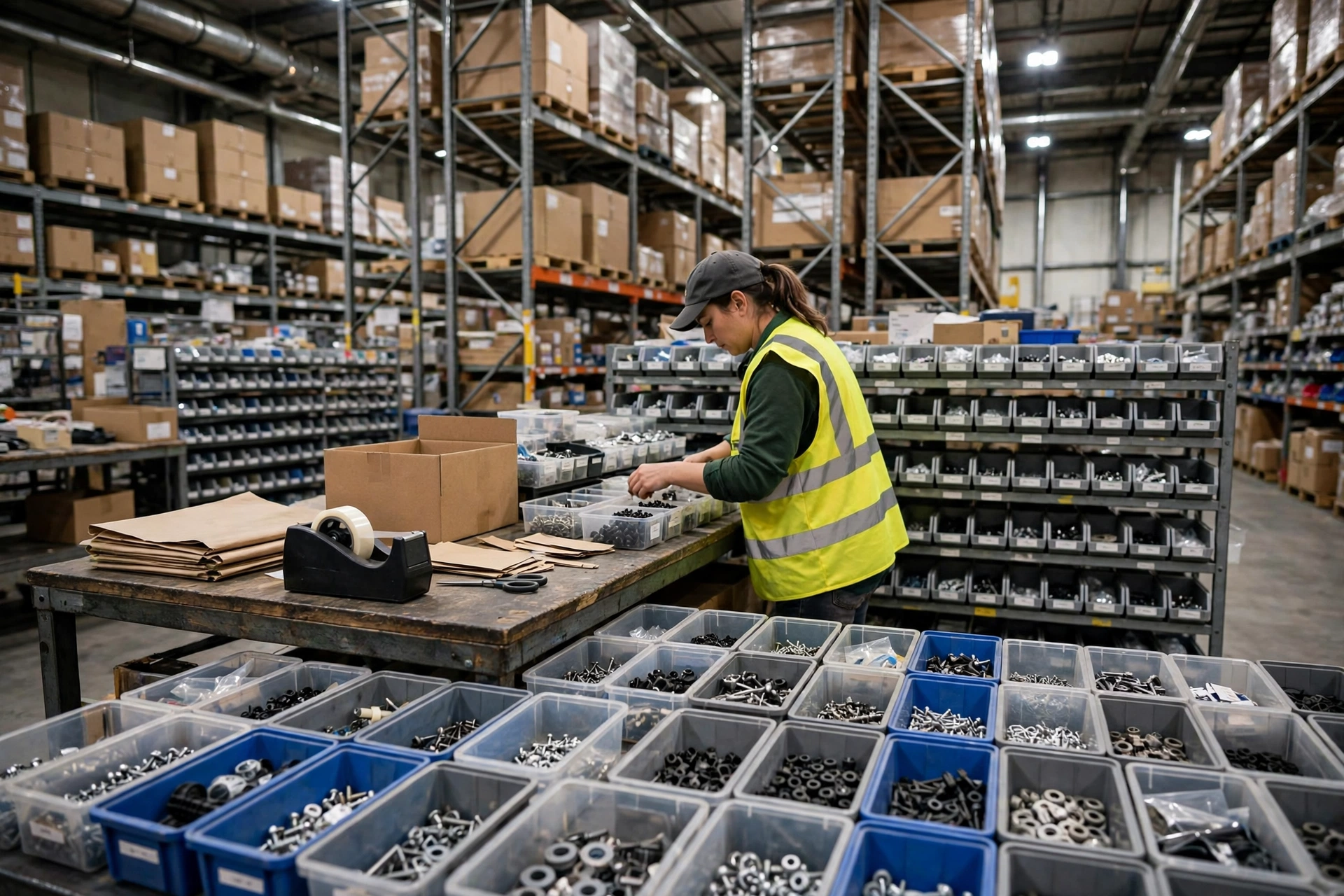
A location code is a warehouse's street address. When the addresses are wrong, couriers cannot find the door, pickers cannot find the product, and the system cannot find stock. In plenty of older warehouses the codes were made up on the fly a decade ago: Zone A is called A, Zone B is called B, rack numbers skip around, and a few handwritten overflow spots sit deep in aisles. That works when the warehouse is small. Once the building expands and order volume climbs, those improvised addresses become a cost.
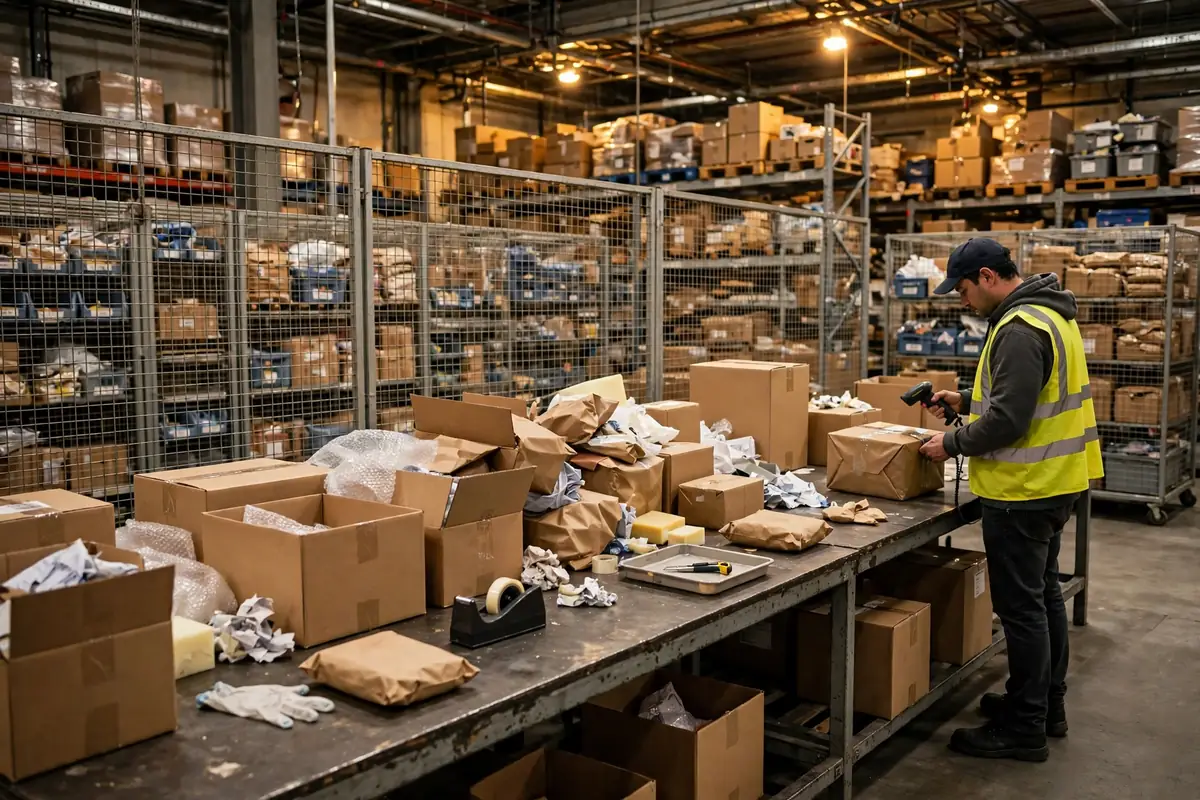
I visited a warehouse in Dongguan last year. Not a huge building, but peak season pushed close to ten thousand orders a day. The extra walking the pickers did daily added up to roughly two full-time salaries wasted. The problem was not the people. It was the codes: fast-moving goods sat at the back of the deepest aisles, slow movers occupied the prime spots by the door, and the codes themselves had no logic at all. Picking routes lived entirely in veteran workers' muscle memory. A new hire needed two weeks to get up to speed, and every time a veteran took a day off, productivity dropped.
Redesigning the codes is not the hard part. The hard part is that the old warehouse cannot stop. Goods flow in and out every day, orders keep getting picked, and you cannot tell the boss, "Let's shut down for three days to change the door numbers." So the whole migration comes down to one question: how do you change the tires while the car is moving?
Dual-Code Parallel Running: Let the System Read Both Location Codes
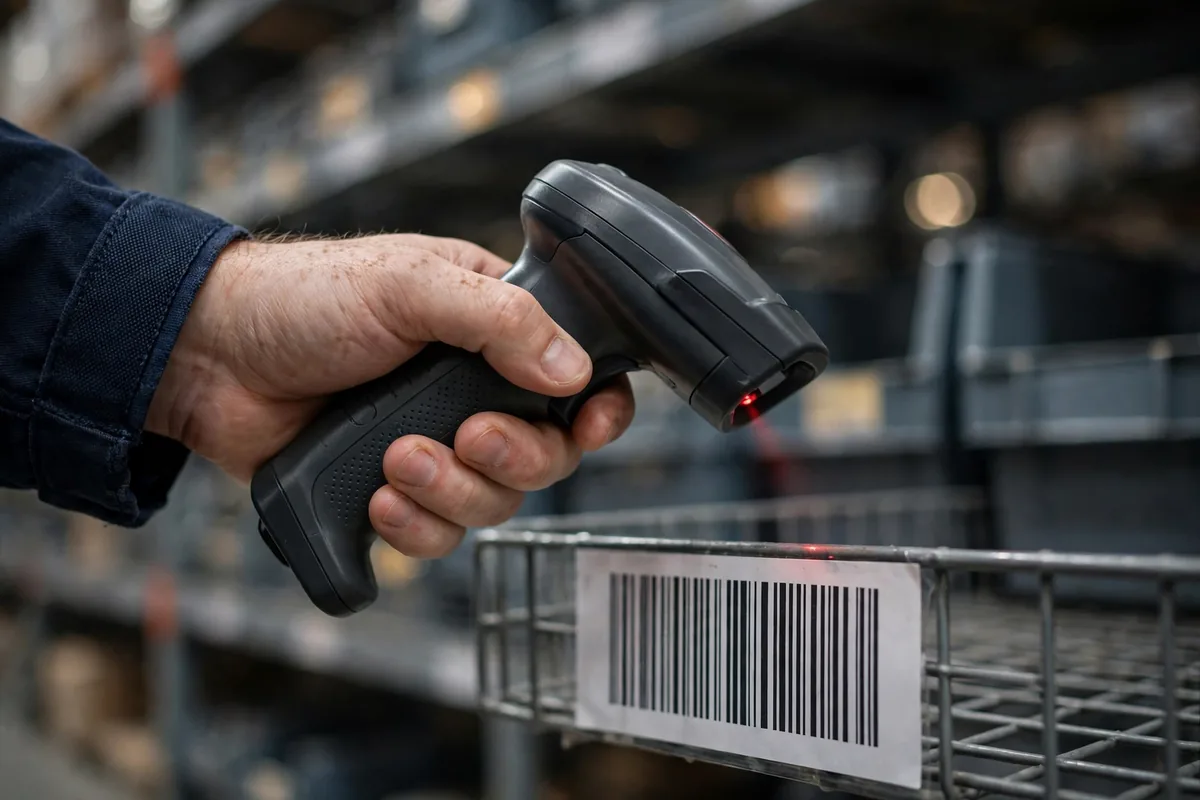
The first move is dual-code parallel running. Think of it as giving every location two ID cards: the old code and the new code are both valid, the system accepts either one, and the rack carries both labels.
Here is how it works. First, add a new-code field for every location in the system. The old code stays untouched; the new code gets filled in gradually. Once filled, the pick list prints both codes, and the picker can find the goods with either one. Scan the old code, the system accepts it. Scan the new code, the system accepts it too. Inventory records behind the scenes carry both codes, so the books always reconcile.
How long should this phase last? In my experience, at least one full operating cycle — long enough to cover a peak promotion or month-end count. Too short, and the problems never surface. During parallel running, the system should produce a daily reconciliation report: does the stock pointed to by the old code match the stock pointed to by the new code? Any red line on that report gets someone sent to the floor to verify it the same day.
The biggest advantage of parallel running is that it is reversible. If the new coding design turns out to have a problem — say, a numbering rule in one zone conflicts with a forklift aisle — you simply switch off the new codes. The old codes are still there, and operations do not skip a beat.
Zone-by-Zone Cutover of Location Codes: One Zone at a Time, Never All at Once
Once the dual codes run smoothly, the second move is zone-by-zone cutover. The warehouse switches one physical zone at a time: the quietest zone first, verify it, then the next, and the core zone last. Each zone switch does only three things: remove the old labels, stick on the new labels, and mark the old codes in that zone as retired in the system.
One detail is easy to miss: the switch order has to follow the work rhythm. A zone that picks hard during the day gets switched after the evening wind-down; a zone with light weekend volume gets switched on a Saturday morning. Before switching a zone, clear out its pending tasks. A picking task in flight either finishes or gets reassigned — no task is allowed to straddle the cutover. The moment a zone is switched, spot-count at least twenty percent of its locations; a variance beyond the allowed range means an immediate rollback of that zone.
Here is a counterintuitive judgment: faster is not better for zone cutover. Plenty of project managers love to promise "the whole warehouse in three days," as if dragging it out were inefficiency. The opposite is true. The most expensive thing in a migration is rework. One zone switched wrong — goods unfindable, orders unshippable, customers complaining — and the firefighting costs ten times what a slow cutover would have. The steadiest migration I have seen switched one zone at a time and took three weeks for the whole building, with zero incidents. The worst one I saw tried to flip the entire warehouse overnight; the next morning pickers stood in front of the racks staring at each other, the warehouse stopped for half a day, and the boss's shouting could be heard down the whole aisle.
Zone-by-zone switching has another benefit: each zone teaches the team something. The first zone is slow, and that is fine. Once the process runs smoothly, the later zones get faster. It is like tightening screws — the first one takes care, and after that it is muscle memory.
Count and Reconcile: A Zone Without a Count Is Not Done
The third move is counting and reconciliation, and it is the one most often quietly skipped. After every zone switches, it must be counted — not spot-counted, fully counted. A spot count can only tell you "probably fine." A full count tells you "definitely fine." A full count of one zone usually takes half a day. Skipping that half day is planting a bomb in the books.
A count has to verify three things. First, physical versus system: does the stock on the shelf match the quantity in the system? Second, new code versus old code: does the location the new code points to match the location the old code used to point to? Third, system versus finance: did the inventory value move abnormally because of the switch? When all three line up, the zone is done.
The most absurd failure I ever saw came from skipping the count. A project team, rushing to hit a deadline, spot-checked a few locations after the switch, found nothing wrong, and declared the job done. Three months later, the quarterly count found an entire zone in chaos: the system said the goods were in aisle A, the physical stock was in aisle C. It took days to trace the cause: two locations' new labels had been swapped on switch day. For three months every order was picked by experience while the system books were wrong. The full re-count took two weeks, and the labor lost was dozens of times more than the half day they had saved.
So my rule is absolute: a zone without a count report is not a finished zone. The report states how many locations were counted, how many variances there were, what caused them, and how each was resolved. No signature on the report, no green light for the next zone.
Is the Money Worth It? Watch One Number
Finally, the money question. The costs are visible: new label materials, the labor to stick them on, the system development for the code change, and the extra reconciliation work during parallel running. For a mid-size warehouse, all of that usually lands in the tens of thousands of dollars. It is not an astronomical figure.
How do you measure the return? Watch one number: the average walking distance per picker per day — or, more directly, the number of picks per picker per hour. Measure it before the redesign, measure it after. If picking productivity rises by more than ten percent, the money was well spent. If it rises by less than that, the new coding design itself has a problem. Do not celebrate yet; go back and check whether the code logic genuinely matches the picking paths.
One more number is worth tracking: how long a new hire takes to get up to speed. Good codes have logic. A new hire can look at a rack label and infer roughly which direction the goods are in, without memorizing a map. Cutting onboarding from two weeks to three days saves real labor cost — and during peak season, when you are hiring temporary workers, that gap multiplies several times over.
Changing location codes, in the end, is not a technical job. It is a patience job. Dual-code running leaves you a way back, zone-by-zone cutover controls the pace, and counting after every zone proves the result. Do all three and the old warehouse changes codes without stopping, without losing goods, without breaking the books. Skip any one of the three and you are gambling. And in this business, when a project gambles, the boss pays.
By Da Liu, Automation Engineer