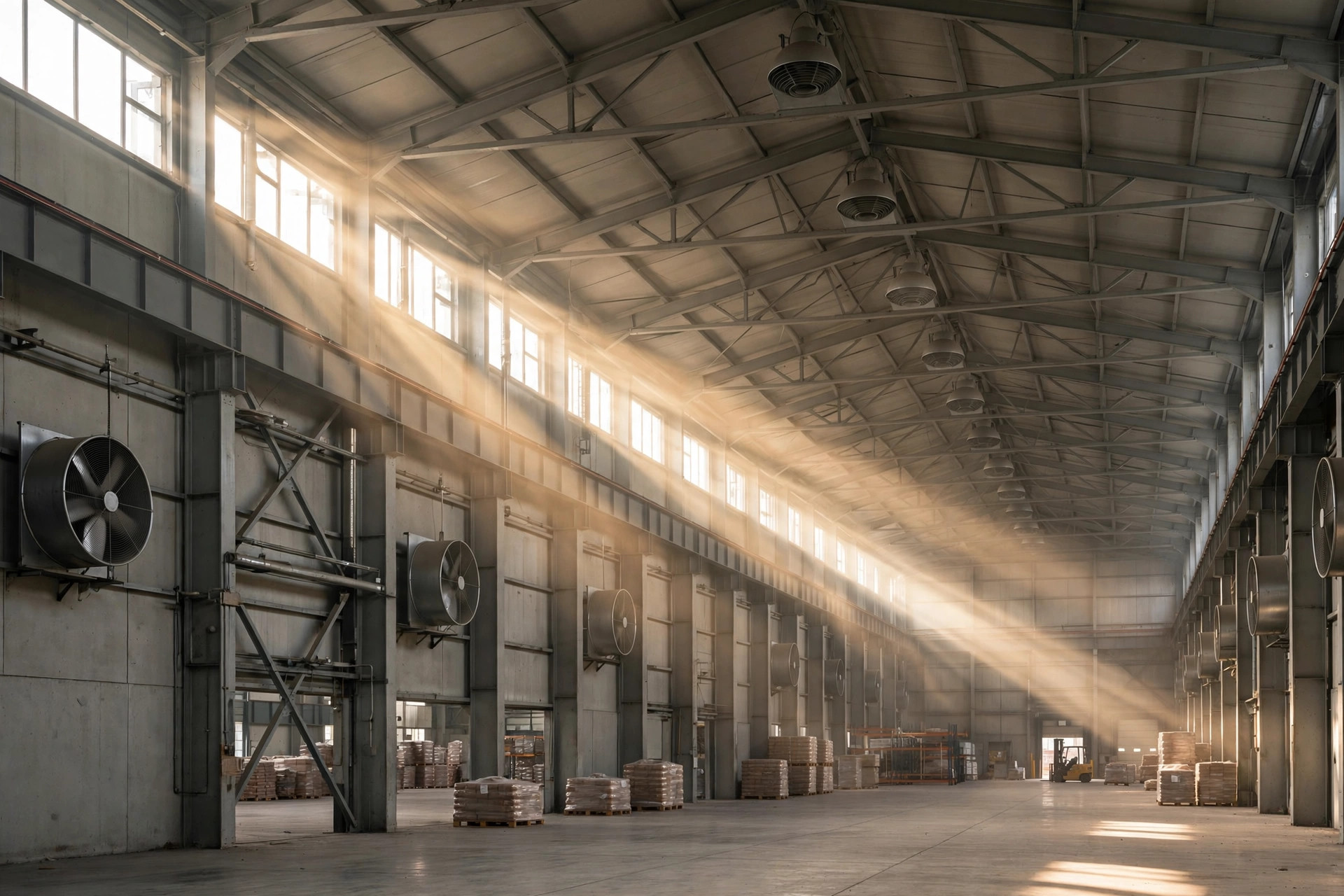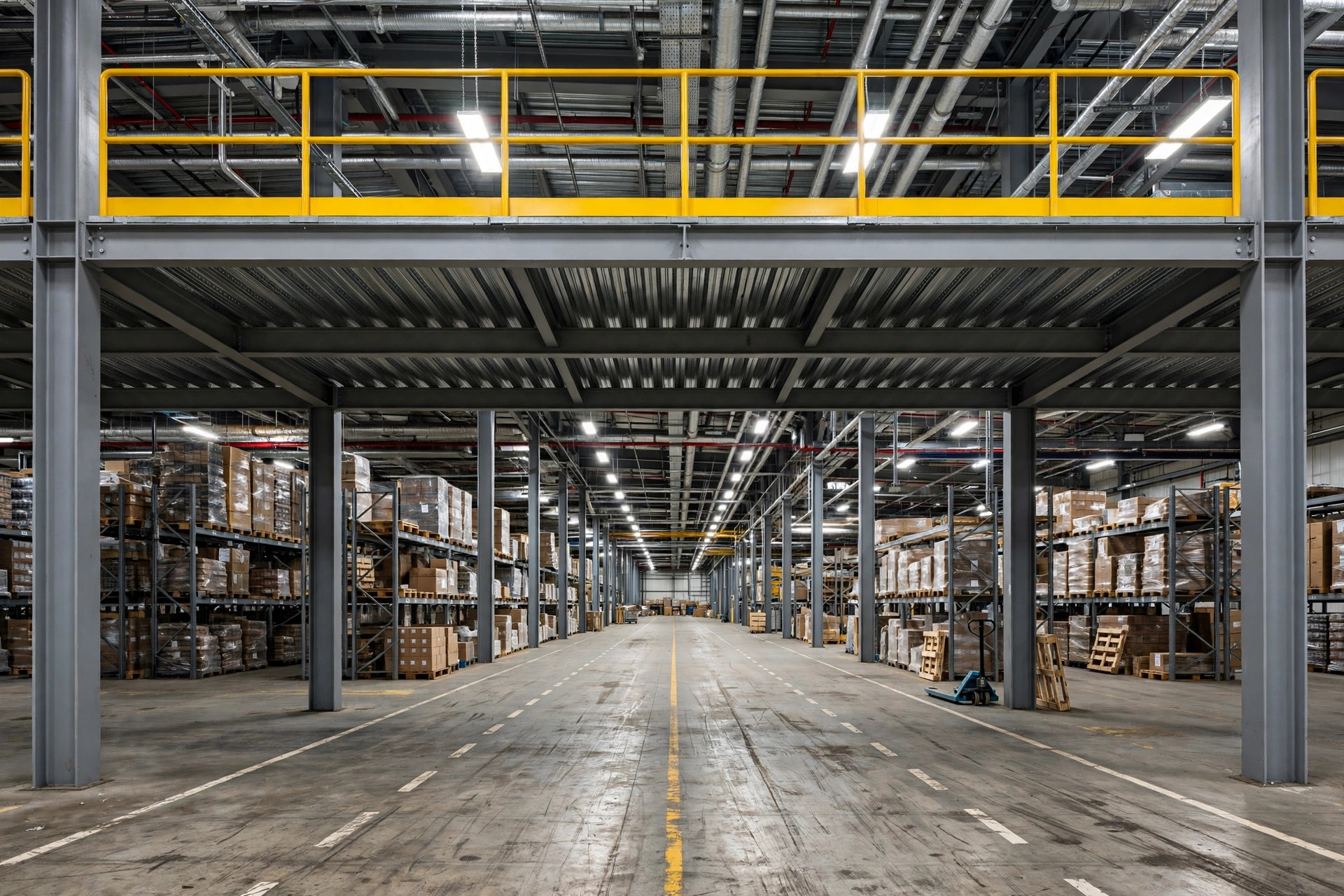
In the spring of 2022, an operator I know in Dallas moved out of a 45,000-square-foot warehouse after a five-year term. The landlord's final settlement included a line item he had never priced: restoration, $212,000. Tear out the steel mezzanine his team had built for pick operations. Grind off the epoxy coating. Demolish the office partitions. Fill several thousand anchor bolt holes in the slab. He had negotiated hard on base rent back in 2017 and won. He lost it all, plus more, on a clause everyone treated as boilerplate.
I have spent twenty years in American warehousing, and I keep watching smart operators lose money the same way: they fight over fifty cents a square foot on rent and ignore the clause that decides what move-out actually costs. Let me walk you through it.
What the clause actually says
In US industrial leases, the restoration language looks nearly identical everywhere, and it does two things. First, it requires the tenant to surrender the premises in the same condition as at commencement, ordinary wear and tear excepted. Second, it gives the landlord the right to require the tenant to remove some or all alterations at the tenant's sole cost.
Two traps hide in those two sentences.
Trap one: what counts as an "alteration." You might think it means knocking down walls. To a landlord, your steel mezzanine counts. Your demising office partitions count. The epoxy floor coating counts. The thousands of anchor bolt holes from your racking count. Anything that was not there on day one counts.
Trap two is subtler. Many tenants believe that because the landlord approved the alteration in writing, it can stay. Wrong. Approval to build is not approval to keep. Unless the written consent explicitly says the improvement may remain at lease end, the default is removal. I have seen tenants wave that approval letter like a shield at move-out, and the landlord answers with one sentence: per the lease. End of discussion.
There is also the half-sentence everyone skips: "ordinary wear and tear excepted." The lease never defines it. Is a slab chewed up by five years of forklift traffic ordinary wear? The landlord says no, calls it excessive use, and hands you the repair bill. Without a definition, the party with more documentation wins.
Where the money goes
That $212,000 was not invented. The contractor's quote broke it down line by line, and the unit prices behind it are public market data.
Demolition is usually the biggest chunk. Interior demolition runs $2 to $8 per square foot, per a 2026 industry comparison guide. That is an average; tearing out a structural steel mezzanine lands at the top of the range. An 8,000-square-foot mezzanine means cutting steel, crane work, hauling, and disposal, easily tens of thousands of dollars before you touch anything else. For reference, installing that mezzanine cost $50 to $150 per square foot. Demolition is cheaper than installation, but structural teardown, permits, and heavy equipment are never cheap.
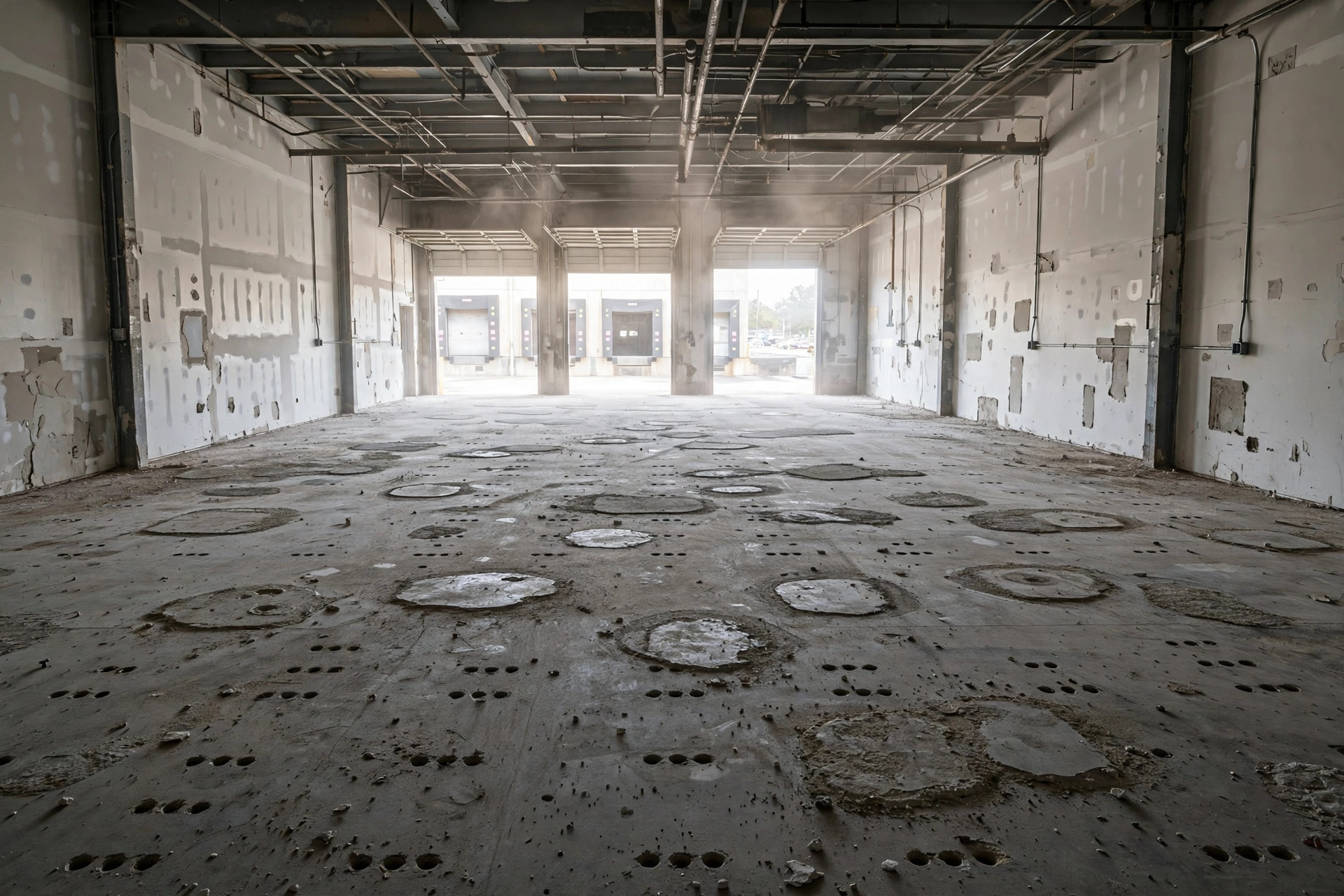
The floor is the most underestimated line item. Epoxy removal costs $2 to $6 per square foot. After the coating comes off, the slab still has to be brought back to a deliverable condition, and re-polishing runs $6 to $12 per square foot. On a 45,000-square-foot warehouse, touching even half the floor puts these two items near $200,000 combined. Then come the anchor bolt holes: thousands of them, each one filled, grouted, and ground flush by hand. Trivial per hole, brutal in aggregate.
Partitions and offices are the third bucket. Drywall, drop ceilings, door frames, wiring: demolishing a 2,000-square-foot office, debris hauling included, runs well into five figures. As a sanity check, the City of Long Beach construction valuation tables peg office remodeling at $116.25 per square foot and warehouse racking at $158 per lineal foot. Those are official valuations. A landlord's contractor quote will be at least that aggressive.
Do not forget hauling and permits. Debris hauling is priced per truckload, and structural demolition needs building permits that can take weeks to clear. Every week of delay risks holdover rent. That is how the number snowballs. In the Dallas case, the floor work was nearly half the bill, the mezzanine about a third, and partitions, hauling, and permits made up the rest. Each line item looked reasonable. The total was a punch in the gut.
Three things to negotiate before you sign
Once you know where the money goes, you have leverage at the negotiating table. Next to base rent, these three items belong in every lease negotiation, in writing.
First, push for as-is surrender. If your mezzanine and offices were built to industrial standard, the next tenant will probably want them. Tell the landlord straight: these improvements stay with the building, no teardown at move-out. Landlords often prefer this; demolition costs them money too, and a fitted-out space leases faster. The key is documentation. List every retained improvement in a lease exhibit, signed by both sides. A verbal promise dies the day the asset manager changes.
Second, if as-is is off the table, negotiate a cap or a fixed scope. Landlords resist a hard dollar cap, so try the stronger move: define the restoration scope line by line. What gets removed, what stays, and to what standard. I worked on a deal where the tenant defined the floor standard as "coating removed, anchor holes filled, slab in usable industrial condition." That one sentence eliminated the landlord's demand for a full re-polish at move-out. The difference was about $100,000.
Third, document the baseline on day one. Photograph and video every corner at move-in: slab cracks, wall stains, old anchor holes, dock door scratches. Put it in writing, both sides sign. At move-out, inspection follows that record, not the landlord's memory. Without it, "same condition as at commencement" is whatever the landlord says it was.
Here is a line you can use verbatim: "This mezzanine was built to industrial spec. The next 3PL tenant will likely use it as-is. Tearing it out wastes money for both of us. Let's put it in the exhibit and I'll leave it for you." Landlords think in dollars. Do their math for them and they will often agree faster than you expect.
A restoration clause does not test your luck. It tests the homework you did on signing day. Before your next lease, get a demolition contractor to price the restoration, and bring that number to the table. You will find that the fifty cents a square foot you fought over on rent looks like pocket change next to the move-out bill. Pull out your lease tonight and read that clause. There is still time.