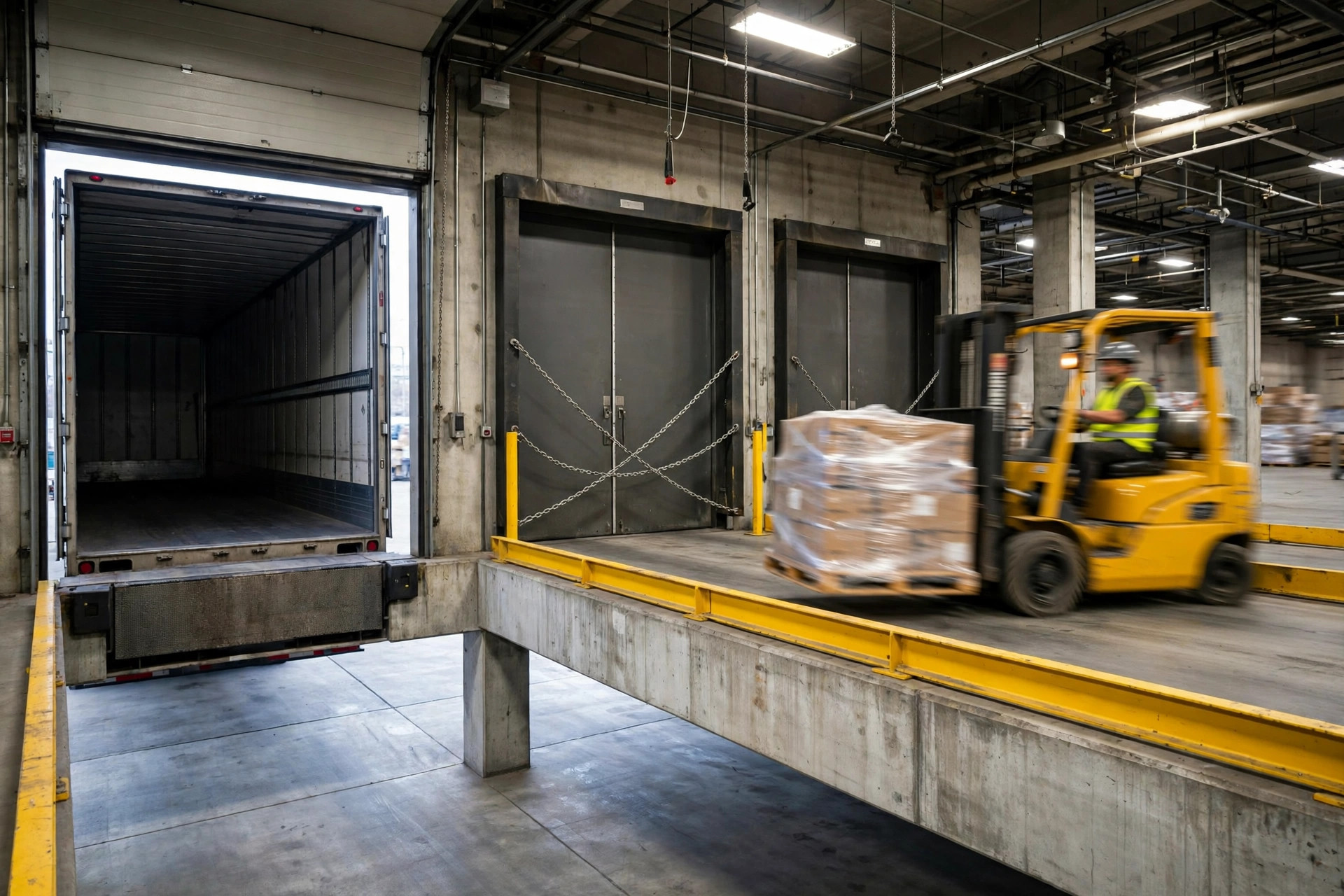
Let's start with the math. You're leasing a 5,000 sqm warehouse at ¥18 per sqm per month, and the landlord wants three months' rent as a deposit: ¥270,000 sitting in someone else's account. If it comes back, it's your asset. If it doesn't, it's a cost. In the lease exits I've handled, deposits docked by 30% or more are not unusual. That's money thrown away — and the waste happened the day you signed, when you celebrated shaving ¥0.5 off the rent and never looked at the deposit clause.
Trap one: four vague words worth ¥120,000
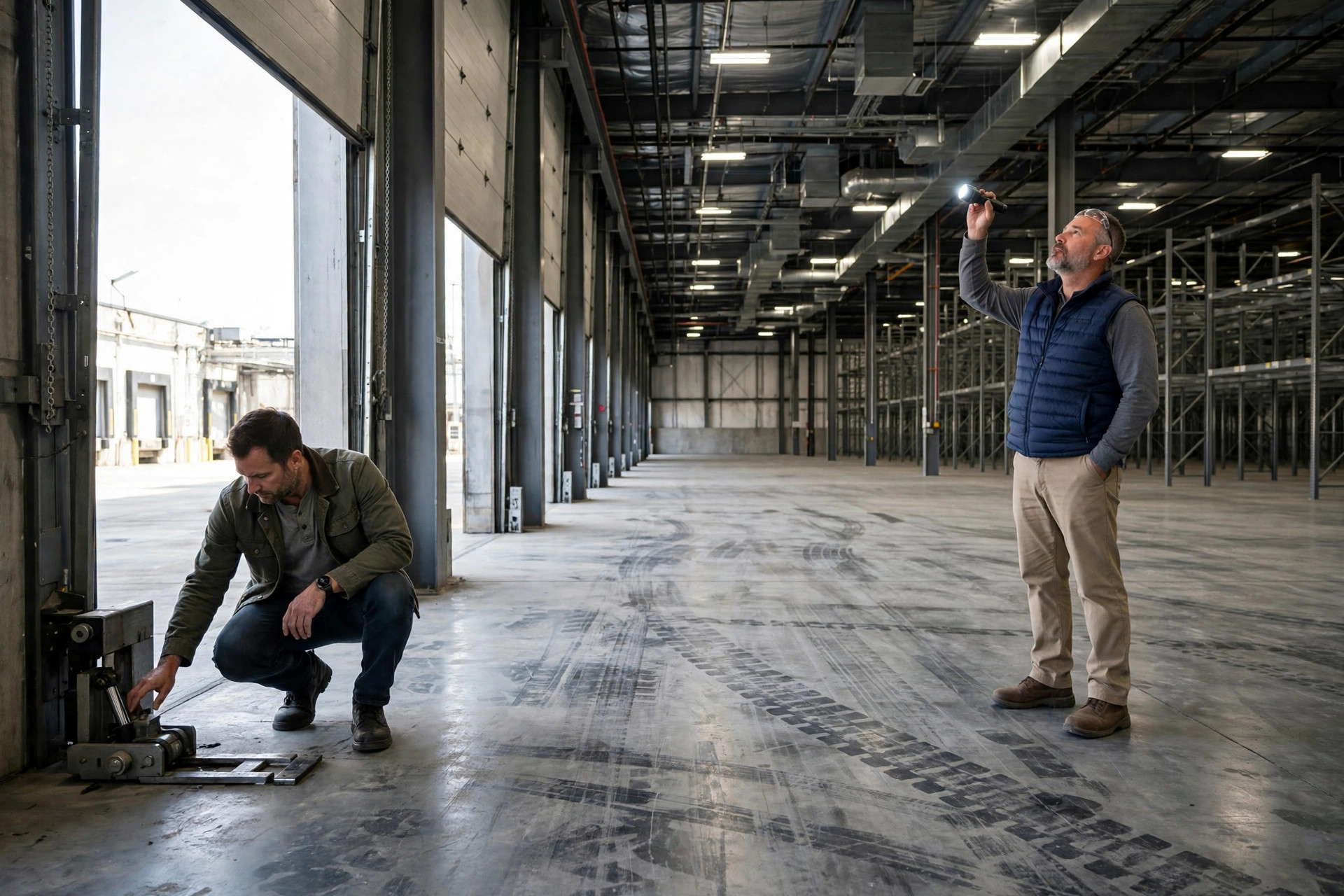
In 2023, a logistics company in Suzhou exited its lease and the landlord invoked the "restore to original condition" clause, withholding ¥120,000 for "floor restoration." What was wrong with the floor? Normal forklift wear — five years of it, some marks, nothing more. The contract never defined what "original condition" meant. Does wear count as damage? With no definition, the landlord holds all the interpretive power.
The cost structure of that single line item: ¥120,000 ÷ ¥270,000 deposit = 44% of the deposit, gone in one sentence. The expensive part was the time: three months of arguing, six rounds of meetings across finance, legal, and operations, ending in surrender. That ¥120,000 wasn't a repair bill. It was a vagueness tax.
Define "original condition" at signing, line by line — run through this checklist:
| Item to pin down | How to write it | What it blocks |
|---|---|---|
| Floor standard | Normal forklift wear is not damage; attach move-in photos | Blocks "floor restoration" charges |
| Walls, doors, windows | List existing scratches and stains; file as attachment | Blocks "wall refurbishment" charges |
| Demolition scope | Remove only what you installed; existing fixtures stay | Blocks inflated "demolition and cleanup" fees |
| Acceptance method | Joint walk-through at exit, signed by both sides | Blocks one-sided verdicts |
Get this table into the contract attachments and the Suzhou ¥120,000 case withholds exactly zero. Cost of defining the standard: one extra hour at signing. Payoff at exit: ¥120,000 saved — a 1:12,000 return on that hour. Take the deal with your eyes closed.
Trap two: the deposit becomes an all-purpose deduction pool
In 2024, an e-commerce company in Guangzhou exited two months early and watched 40% of its deposit withheld against an "early termination penalty." The contract said the deposit could cover "all unpaid amounts due from the tenant" — nine words that let the landlord deduct whatever fit: utility arrears, management fees, penalties, even "re-letting vacancy loss," all drawn from the deposit.
| Landlord's version | What you should push for |
|---|---|
| Deduct "all unpaid amounts due" | Deduct rent, utilities, and management fees only |
| Penalties drawn straight from the deposit | Penalties settled separately; deposit untouched |
| Deductions without tenant confirmation | Any single deduction over ¥5,000 needs written confirmation |
Every item you let into the deduction scope turns more of your deposit into the landlord's spare cash. Ten extra minutes confirming each line at signing saves three months of fighting at exit.
Trap three: no refund deadline — ¥270,000 naps for eight months
The third trap is the quietest and the most expensive. Many contracts say only "deposit refunded after lease expiry" — no timeline at all. The landlord sits on your money for six, eight months, and you have no leverage. The cash is in their account, and don't even think about interest.
Run the numbers: ¥270,000 at a 6% annualized cost of capital, idle for 8 months: 270,000 × 6% × 8/12 = ¥10,800. That's an interest-free loan you made to your landlord — no interest collected, and you have to beg for the principal back.
Tear down the deposit's true cost
| Cost item | How to compute it | This example |
|---|---|---|
| Capital lock-up | ¥270k × cost of capital × 3-year term | At 6%: ¥48,600 |
| Withholding risk | Case reference: 10%–40% withheld | ¥27,000–¥108,000 |
| Dispute cost | Finance/legal hours × time | Hard to quantify, painfully real |
Add the three lines and the deposit's true cost is far more than "¥270k parked over there." Most tenants negotiate rent hard while the deposit clause is the cheapest concession on the table — a landlord who won't budge ¥0.5 on rent will often give up a month of deposit, because it never touches their P&L directly.
Four levers — pick any one
Work the four levers in order of negotiation difficulty, easiest first — don't start with the hardest one:
Lever one: negotiate the months down, from three to one or two. Each month you shave off frees ¥90,000 in cash. At 6% annualized over a three-year term, that's ¥16,200 saved: 90,000 × 6% × 3. The math is ironclad — put it on the table. This is the easiest concession to win — deposit months never touch the landlord's P&L, so giving one up doesn't hurt.
Lever two: replace cash with a bank guarantee. Annual guarantee fee = deposit × annual rate (get a quote from your bank; actual pricing applies) — usually far below your cost of capital. Landlord says no? That's an opening position, not a verdict — big landlords' finance teams often prefer guarantees; cash deposits sitting on their books are a liability-management headache too.
Lever three: document the handover. Photograph and video the entire unit at move-in, both sides sign off on its condition, attach it to the contract. In a dispute, that attachment is worth ¥120,000 — in the Suzhou case, it would have blocked every yuan of the deduction.
Lever four: write the refund terms in stone. Refund within 30 days, late interest at the contract rate. No deadline means handing your landlord a ¥270,000 interest-free loan.
The counterintuitive call: a deposit is not a "rent accessory." It's a standalone capital-cost line. Rent negotiation saves P&L money; deposit negotiation saves cash-flow money — and for a logistics company that lives on cash flow, the second one bites harder.
Before you sign, fill in this formula: total deposit cost = deposit × cost of capital × lease years + expected withholding. Score expected withholding on how vague the "restore to original condition" clause is: no specifics, provision at least 20% of the deposit. If the total tops 5% of total rent, go back and renegotiate the deposit terms. Don't sign.
By Lao Zhou, Logistics Cost Analyst