We have a client — a small-appliance brand selling cross-border — who asked me last month: "We've got a batch of busted cartons sitting in the warehouse for half a year. What's the right way to handle this?" Fair question. It's the kind of question clients are embarrassed to ask, and the kind your 3PL will never volunteer an answer to. Because that bill? We charge it fair and square, and we sleep just fine. So today I'm pulling back the curtain on how to handle damaged goods in warehouse the way insiders actually think about it.
The Blender Pallet That Sat for Nine Months
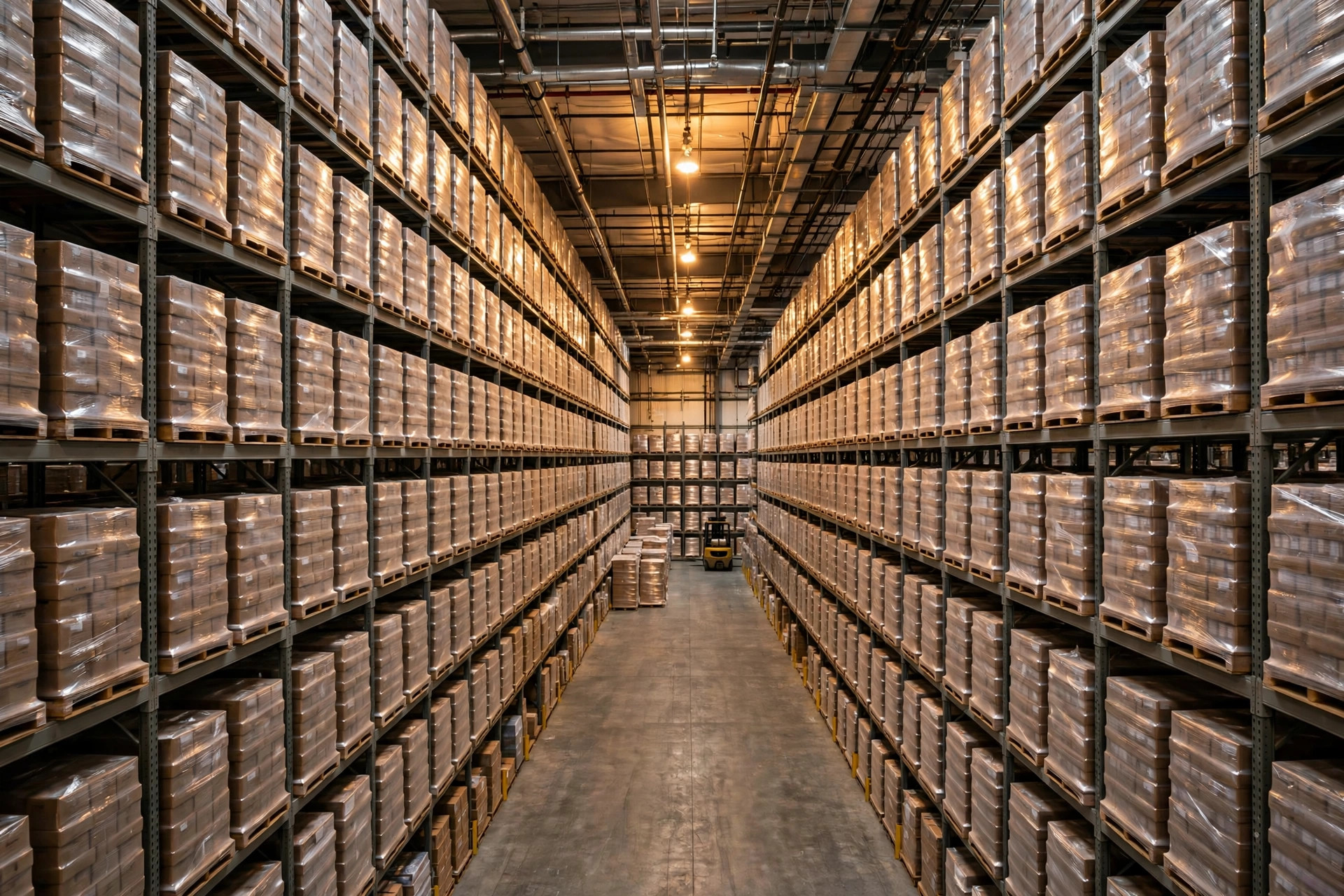
Two years ago, one of our clients had a full pallet of blenders clipped by a forklift during outbound staging — side of the pallet torn open, two dozen units with crushed outer cartons. Standard procedure: the pallet went into our damage hold area, and I sent the damage notice email the same day, photos attached — pallet ID, close-ups of the damage, wide shot, all of it. The client replied: "Hold it there. We'll figure out what to do."
That "figuring out" took nine months.
In month ten, their finance team called me, not happy: "Susan, why is there a damage hold storage line on the invoice, and why is the rate so much higher than our normal pallet rate?" I pulled up page 14 of their contract and read it back to them: damage hold storage is billed separately. That's industry standard — nearly every 3PL contract is written this way, though the exact rate varies contract to contract. In many contracts it's a multiple of the standard rate. Nine months in, the storage bill for that pallet of busted blenders had exceeded the pallet's salvage value.
Three seconds of silence. Then: "Tuition well paid." He later wrote the whole episode into his company's vendor management playbook.
Here's the thing most people miss: the real cost of damaged goods is never "what's that pallet worth." It's "how long has it been sitting in my warehouse." How to handle damaged goods in warehouse comes down to one rule: don't let it sit. Every day it sits, it burns storage money and occupies a slot someone else could use.
How to Handle Damaged Goods in Warehouse: The Three Bills You're Actually Paying
Whenever a client asks me what to do with damaged inventory, I tell them to run three numbers first. Once the math is clear, the right path picks itself.
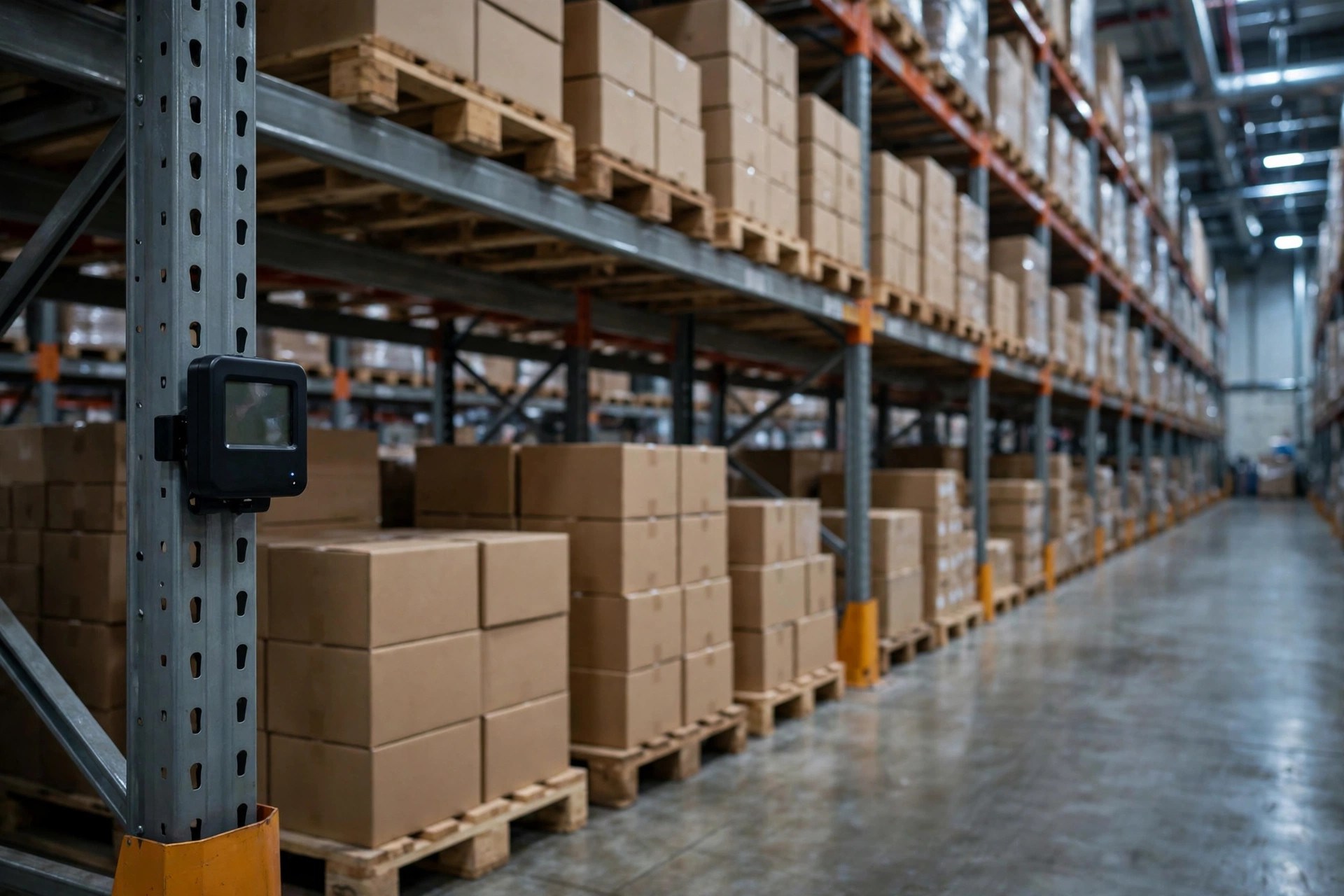
Bill one: damage hold storage. Damaged goods can't sit in regular inventory locations — compliance and insurance both require segregation — so they go into a separate hold area. That hold area is almost always billed on its own line item in the contract. And here's the part nobody reads during negotiations: 99% of clients skip right past it. "Damaged goods? Our damage rate is tiny, we'll never need this." Then they need it, the invoice arrives, and the shock sets in. Rates vary — check your own contract — but don't discover them after the fact.
Bill two: the cost of time. "Just leave it for now" is the most expensive sentence in warehousing. Sitting still costs you three ways: storage fees burn daily; hold-area slots are limited, and a full hold area gums up your whole damage process; and the goods keep losing value — leave consumer electronics for six months and the model has been replaced, so rework isn't even worth discussing anymore.
Bill three: the liability question. This is where the fights start. Who broke it? Three scenarios: broke while in our care — we own it, but only if you can prove it arrived intact; discovered broken during unloading — the unloading photos decide; arrived already broken — that's a freight claim, not a warehouse claim. And most disputes die on the same hill: who took the photos, when, and was there written notice? "I told your guy Xiao Wang about it" counts for nothing.
How to Handle Damaged Goods in Warehouse: The Four-Way Fork (Rework, Discount, Destroy, Donate)
When damaged goods reach the fork in the road, there are four exits. Here's what each one really costs:
| Option | Best for | What it costs | Paper trail required | The trap |
|---|---|---|---|---|
| Rework | Cartons crushed, units fine | Labor + parts + re-testing + repack | Before/after photos, test reports | Rework cost exceeds salvage value — busywork |
| Discount channel | Works fine, packaging damaged | Channel commission + after-sales cost | Sales records, buyer sign-off | Cheap buyers come back: missing parts, returns, brand damage |
| Destroy | Can't fix, can't sell | Destruction fee + supervised labor | Destruction photos/video, certificate of destruction | Some categories need licensed destruction — you can't just burn it somewhere |
| Donate | Still usable, not sellable | Logistics + paperwork | Acceptance letter, donation agreement | Slowest process, but sometimes the lowest total cost |
Now the counterintuitive one: destruction is sometimes cheaper than discounting. Last year, another client cleared a batch of dented-box humidifiers through a discount channel at 30% of retail. The recovery looked decent. Two months later: three complaints — buyers claiming missing accessories, demanding returns. The discount channel pushed all after-sales back to the brand. Once customer service costs were tallied, the clearance profit was gone, and their marketplace rating had dropped 0.2 stars. If they'd destroyed the batch outright, it would have been over and done — and cheaper. The real cost of the discount route isn't the price cut. It's the after-sales and the brand.
And here's an insider track most people never consider: the donation route actually works. Units that function fine but can't be sold at full price can go to nonprofits — get the acceptance letter and donation agreement, and there may be a tax angle (check with your accountant and local tax rules). It's the slowest of the four paths, but on total cost it's often the cheapest, and you get goodwill out of it. One caveat: check your brand agreements first — some brands explicitly prohibit donation and discount sales in writing.

The Paper Trail That Decides Who Pays
Nine out of ten damaged-goods disputes die on the paper trail. Here's the standard we use internally — steal it:
- Four photos minimum: wide shot with pallet/carton ID, close-up of the damage, label/markings shot, and a timestamped shot (turn on your camera watermark — no editing afterward).
- Written notice, not a phone call. Email, with a subject line like "Damage Notice – [Pallet/Carton ID] – [Date]." Most contracts I sign require written notice within 48 to 72 hours — check yours. Miss the window and you've implicitly accepted it.
- The three-segment liability rule: broken before arrival → freight insurance; found broken at unloading → unloading photos rule; broke after putaway → the warehouse owns it, but you have to prove it arrived intact — which is why receiving inspection photos should be thorough as a matter of habit.
- Document the disposition. Whichever path you choose — rework logs, sales records, destruction certificates, donation agreements — keep all of it. Three years from now, when the tax authority or the insurer comes asking, "I think so" doesn't count.
Before You Sign: Three Questions for Your Next Contract Negotiation
It all comes down to the negotiating table. Three questions. Ask them before you sign a 3PL contract and you'll save yourself years of arguments:
One: "How is damage hold storage billed — same as the standard rate?" Make them point to the rate and put it in the body of the contract, not buried in an appendix.
Two: "How long can damaged goods sit in the hold area? After that, who has the right to dispose of them, and who pays?" Without this clause, goods can sit there burning your money indefinitely. With it, the warehouse can dispose of them per the agreed process at the deadline — which is actually a relief.
Three: "What's the damage claim process — who photographs, what's the written notice deadline, and who eats it if notice is late?" An unclear process means unclear liability.
Damaged goods are a management problem, not a technical one. Product getting damaged is unavoidable. What's avoidable is damaged product sitting in a hold area with nobody making a decision — depreciating and burning cash at the same time. In all my years on the 3PL side, I've watched clients pay this tuition over and over. Hopefully this piece saves you the fee.
By Susan, 3PL Sales Director