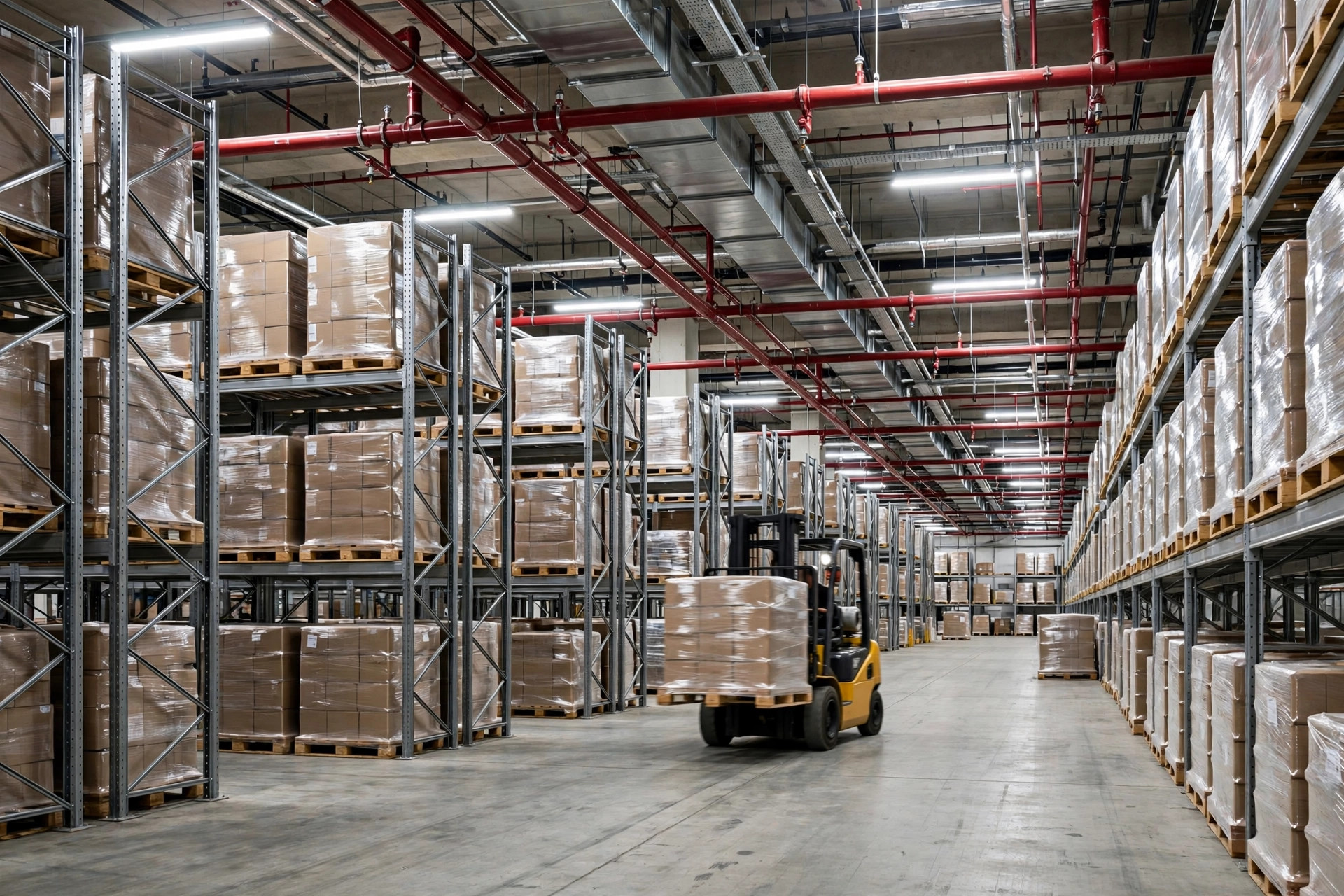
Start with the bill. A warehouse carrying tens of millions in annual rent, labor, and equipment depreciation can lose a sum in the hundreds of thousands from one bad night: a power outage warms a cold room, or a key machine fails and orders stop for days. Warehouse insurance endorsements and add-on coverage look like a cost when you buy them. They look like a missing floor when one incident lands and nobody pays for it. The question is never whether to buy add-ons in general. It is which ones earn their keep and which ones quietly waste money year after year.
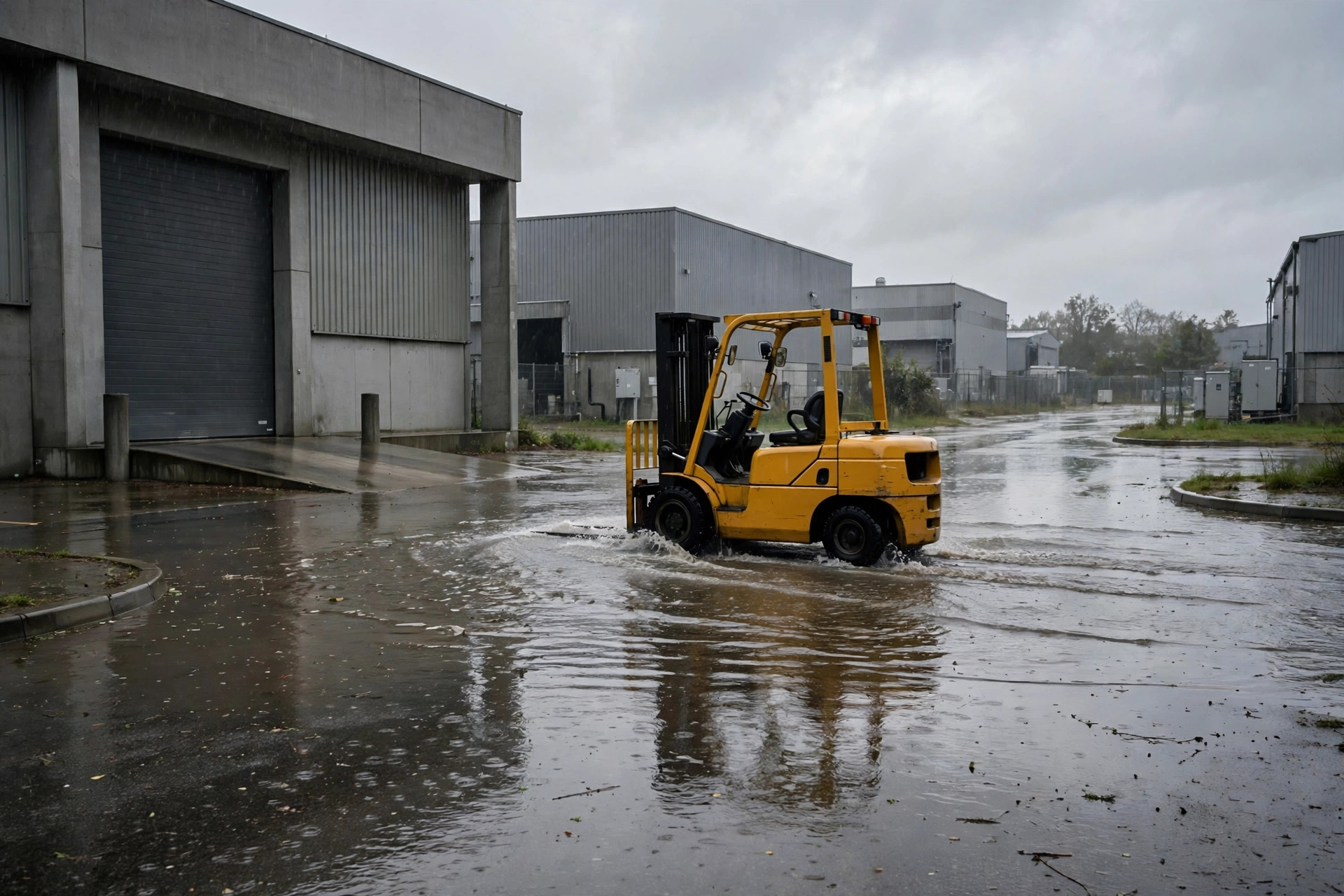
I have seen both mistakes up close. In the American Midwest, a food distribution warehouse lost power on a summer night. The backup generator lasted under two hours, cold-room temperatures climbed, and by morning a batch of temperature-sensitive goods could no longer ship to standard. The base policy covered part of the goods loss, but spoilage from the outage and two days of downtime fell outside the base wording, because the matching endorsements had never been added. The customer claims and lost accounts cost more than the spoiled goods themselves. In a coastal port warehouse, the main motor on an automated sortation line failed and the line stood still for nearly four days. Temporary manual sorting cost several times the normal labor bill, and two large customers moved orders elsewhere after missing delivery deadlines. Equipment repair was partly covered. The business interruption loss was not, because that endorsement had been skipped to save premium.
The Cost Structure of Warehouse Insurance Endorsements: Premium, Deductible, and Limit
Break every endorsement into three numbers before talking about price: the annual premium, the deductible you pay first after an incident, and the payout limit that caps what the insurer pays. Premium alone tells half the story. A deductible set too high turns the endorsement into decoration, because small incidents stay entirely on your books. A limit set too low caps a large loss halfway and leaves the rest with you. Treat any specific premium or limit figure as subject to the insurer's latest quote: location, goods value, and equipment age move quotes widely, and another warehouse's policy is not your price.
My method is mechanical, and it is the discipline behind warehouse insurance endorsements and add-on coverage done properly. List each candidate endorsement on its own row with its premium range, deductible, limit, and covered incident type, then check it against three years of incident records. A risk that never occurred in three years goes on a watch list, not into the policy. A risk that occurred once and cost more than three years of premiums for that endorsement goes to the top of the buy list. Insurance is a probability business. Buying endorsements on gut feeling is the fastest way to spend money for nothing.
Power Outage, Equipment Breakdown, and Strikes: Warehouse Insurance Endorsements Compared
| Endorsement | Buying it wastes money when | Skipping it hurts when | Decision rule |
|---|---|---|---|
| Power outage spoilage | Dry goods only, no temperature-sensitive stock | Cold storage or food and pharma, where hours of outage mean spoilage | Temperature-controlled stock makes it a priority |
| Equipment breakdown | New equipment, full vendor maintenance, manual fallback works | Highly automated, one day of downtime breaks delivery promises | Buy when downtime cost exceeds the premium range |
| Business interruption | Orders can slip, customers tolerate delays | Strict delivery contracts, downtime triggers penalties | Judge by contract penalties, not by warehouse size |
| Strike and civil commotion | Stable labor relations, no local history of stoppages | Port areas or regions with a history of stoppages | Judge by local incident frequency, not by fear |
The endorsement most often bought for nothing is strike coverage. The word alone scares buyers into adding it, even in regions with no relevant incidents for years, so the premium gets paid annually and never used. That money is wasted. The endorsement most often underestimated is power outage spoilage. Warehouses assume a backup generator settles the question, but generator runtime, switchover reliability, and fuel reserves are all variables. A generator that cannot survive a full night makes outage coverage a requirement, not an option.
The Real Leverage in Warehouse Insurance Endorsements: Deductible and Limit Beat Premium
Here is the counterintuitive point: the best way to cut premium is often not to drop endorsements, but to set the deductible and the limit correctly. Raising the deductible usually lowers premium, yet leaves small incidents entirely on your books. Pushing the deductible too low raises premium every year, and filing a small claim can push next year's premium up again. My rule is to set the deductible near an amount the warehouse can absorb without pain, and set the limit near the worst single-incident loss. Get those two numbers right and the premium usually lands in a reasonable range.
The second leverage point is the incident record itself. Take a three-year table of outages, breakdowns, and stoppages into the quoting conversation. Insurers respond to data, not to assurances. A complete record creates negotiating room that a bare assurance never will. One more check matters before signing: read the endorsement wording line by line. Does the outage endorsement cover both grid failure and your own equipment failure? Does business interruption start on day one of downtime or after a waiting period? Those details decide whether a claim pays at all, and discovering an exclusion during a claim is the most expensive way to learn it.
The calculable conclusion is this, and it sums up warehouse insurance endorsements and add-on coverage as a buying decision rather than a checklist: for each candidate endorsement, compare three years of premiums against the self-borne loss of a single incident. A ratio below one means buy first; a ratio far above one means watch list. Set the deductible by what the warehouse can absorb in one incident, and set the limit by the worst single-incident loss. Use the insurer's latest quote for the actual figures, run the table, and only then sign. That is what it means to buy add-on coverage properly.
By Lao Zhou, Logistics Cost Analyst