Amazon changed the rules again? Not today. Today we're talking about something more painful: insurance.
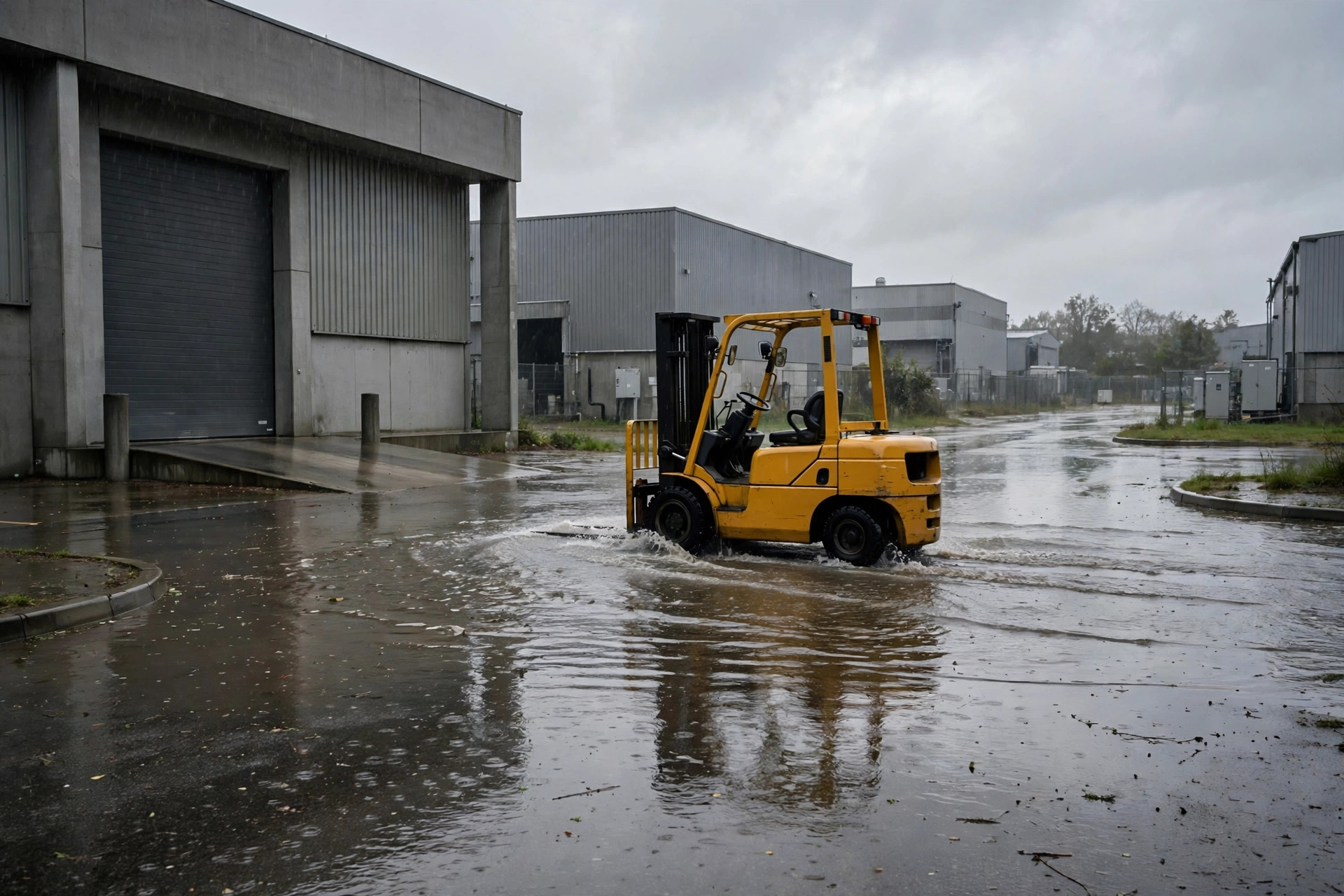
Last year a friend of mine selling home goods rented a 20,000-square-foot warehouse in Texas. Before signing he asked the landlord: "Has this place ever flooded?" The landlord thumped his chest: "Not in twenty years, don't worry." Then hurricane season brought one big storm, 8 inches of water inside, hundreds of nightstands soaked. He called his insurer, and the adjuster said calmly: "Your policy doesn't cover flood."
Hundreds of thousands of dollars of inventory, gone. A flood policy would have cost a few thousand a year.
After that I dug into flood insurance for US warehouses, and the rabbit holes run deeper than Amazon's storage fees. Today, one topic: how to actually read the FEMA flood map.
The Four Zones That Matter
FEMA publishes a free Flood Map for the whole country. Type in an address, and it tells you the zone. That zone decides whether you need flood insurance and what you'll pay.
The four you'll see most:
- Zone X: low risk. Congrats, you're probably not required to buy flood insurance, and premiums are cheapest.
- Zone A: high risk, but FEMA hasn't published a base flood elevation. Plenty of warehouses sit here.
- Zone AE: high risk, with a published Base Flood Elevation (BFE). Your premium is priced off the gap between your floor elevation and the BFE; the bigger the gap, the cheaper the policy.
- Zone VE: coastal high risk with wave action. Priciest. You know why.
Here's the counterintuitive part: Zone X doesn't mean it can't flood. More than twenty percent of US flood claims come from X zones, because buildings there never bought flood insurance in the first place. My friend's warehouse was Zone X.
What the Premium Gap Looks Like
Two markets: the federal NFIP (National Flood Insurance Program) and commercial carriers.
On NFIP, the same warehouse might run a couple thousand a year in Zone X versus ten or twenty thousand in Zone AE. The difference is one line on that map.
The painful part: plenty of landlords lease AE-zone warehouses without ever mentioning it. The tenant signs, the water comes, and then learns the landlord's policy covers the building, not the inventory. Flood coverage for your goods is on you.
My battle-tested routine, three things before signing any lease:
- Pull the FEMA Flood Map for the warehouse address and save a screenshot. Attach the zone to the lease. The landlord's verbal "never flooded" counts for nothing.
- Ask the landlord for the Elevation Certificate. With it, AE-zone premiums drop a lot; without it, the carrier prices you at worst case.
- If inventory tops $500K, get commercial quotes, not just NFIP. NFIP caps commercial property coverage; for high-value stock, a commercial policy often pencils out better.
Specific premium figures move with carrier and year, so treat any number you see online as directional and get a current quote from your broker.
Three Traps, Each Paid For in Real Money
Trap 1: "The landlord has insurance, so I'm covered." Wrong. The landlord's policy covers his building. Your inventory, your improvements, your equipment are not on it. Separate policies, separate coverage.
Trap 2: "I'll buy it when a hurricane is forecast." Too late. NFIP has a 30-day waiting period; commercial policies usually 15. The carrier saw the forecast before you did.
Trap 3: "Premiums are too expensive, I'll roll the dice." Do the math: a few thousand a year in premium against a warehouse of goods. A fifth-grader can do this arithmetic. One flood pays for 50 years of premiums.
The Honest Bottom Line
We sellers obsess over ad ROI and storage fees and never price risk. Flood is low probability, but multiply it by a warehouse of inventory and the expected loss is astronomical.
Spend one afternoon: look up your warehouse's FEMA zone, and ask your broker point blank whether your policy covers flood. Do both before this hurricane season.
Don't wait until the water's inside to remember this article. This one's battle-tested; at minimum, you'll sleep better.
By Ah K, E-commerce Seller (5 yrs)