The call came at 2:30 in the morning, and it forced me to rethink warehouse fire suppression system types from scratch.
"Chen, the smoke alarm in the electrical room went off. Fire's out, the night crew handled it with an extinguisher. But the fire department is on its way. You should get down here."
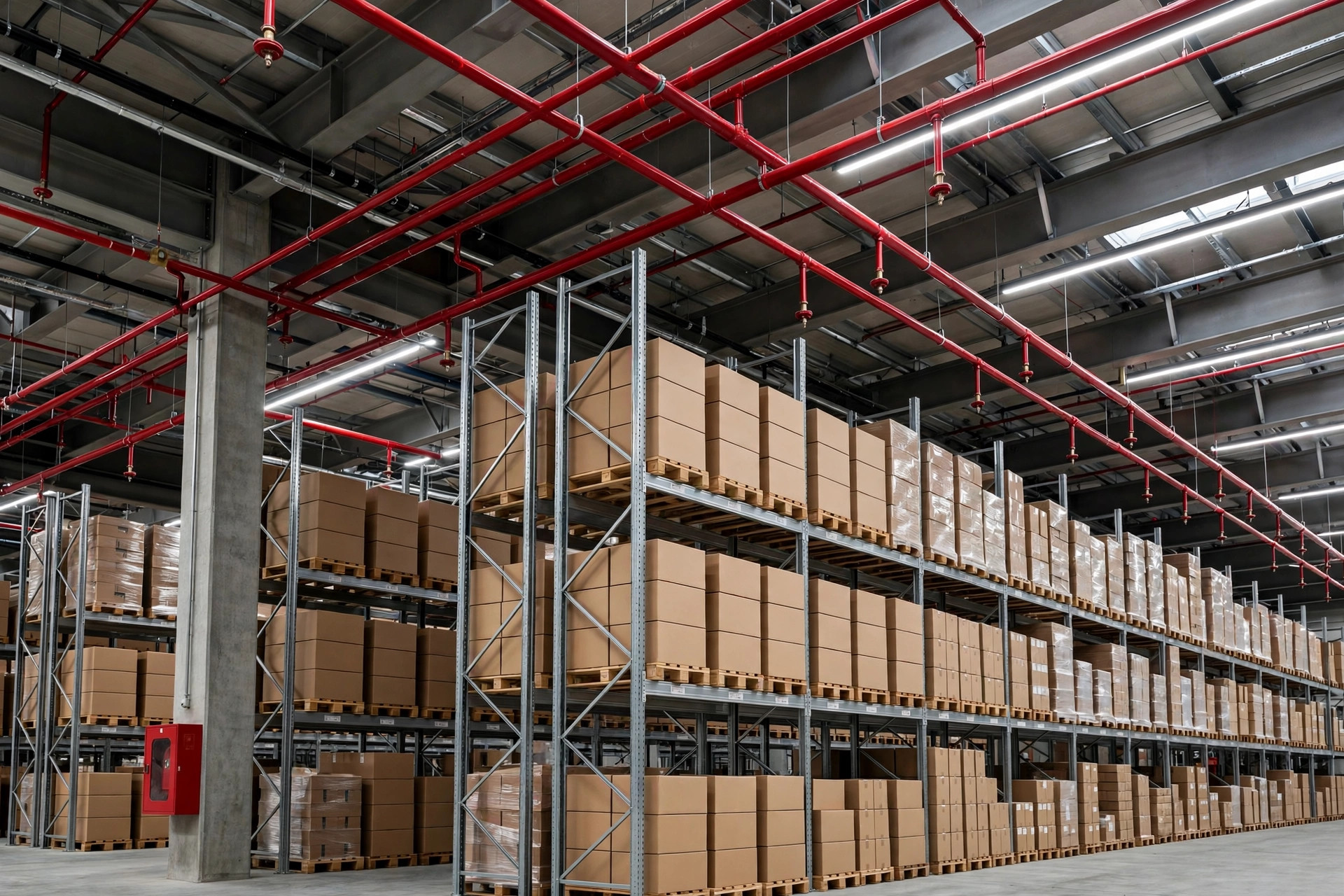
I got to the warehouse and the fire was nothing. A contactor burned out inside a panel. One blackened corner. But the fire captain walked around the electrical room, looked up at our wet-pipe sprinklers, and asked me a question that made my stomach drop: "This is all you've got in here? If this room really goes, the water will kill every panel before the fire does."
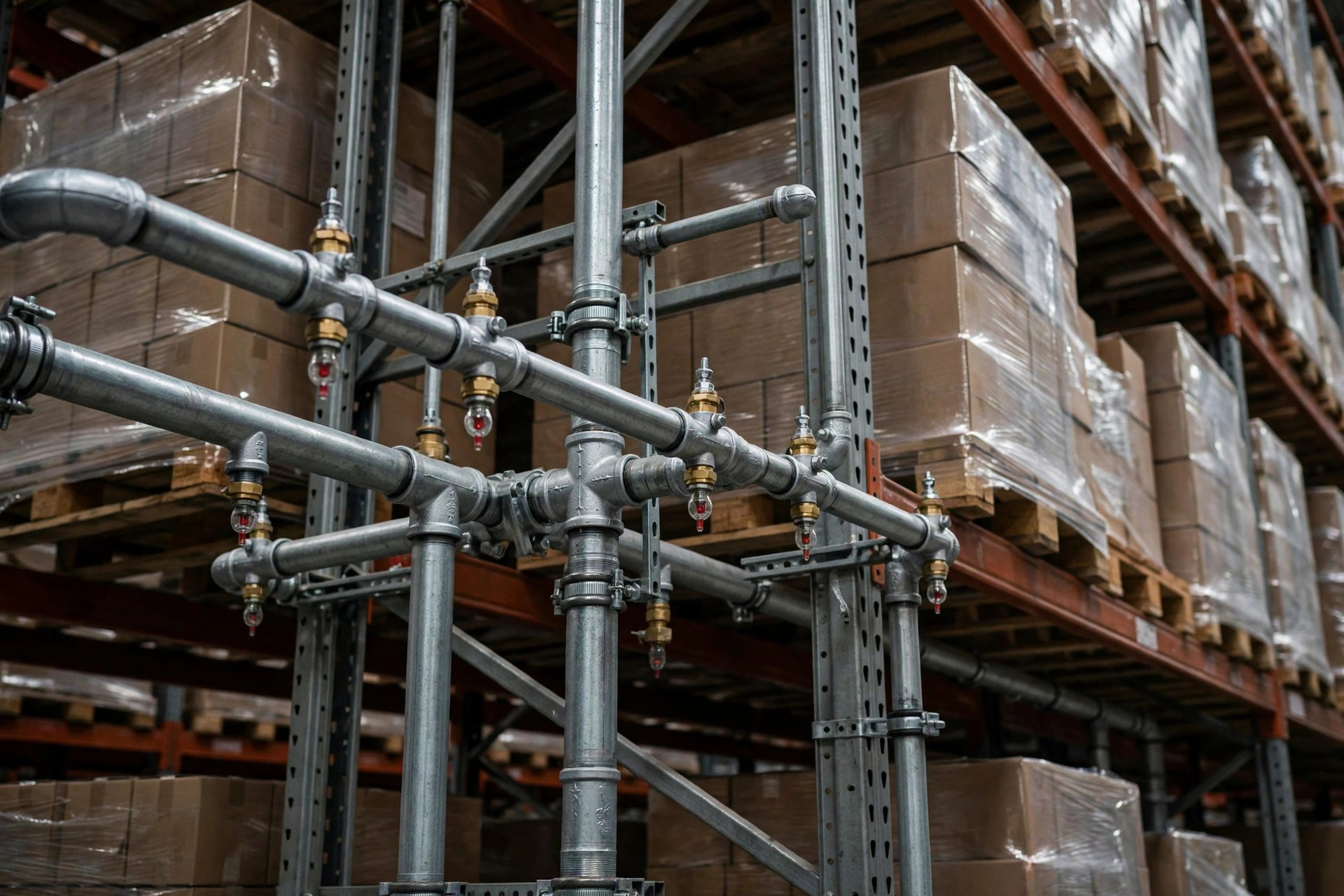
Let me be straight with you. I ran warehouses for over a decade, and I used to think fire protection meant sprinklers. Passed inspection. Annual test passed. Done. That night changed my mind. Sprinklers are just the entry level of warehouse fire suppression system types. In some rooms, the water does more damage than the fire.
The three rooms where sprinklers don't cut it
Room one: electrical rooms, panel rooms, UPS rooms, server rooms. These rooms aren't afraid of fire. They're afraid of water. Water hits energized equipment and you get short circuits, fried panels, a whole building without power. We ran the numbers at our site: replacing one main distribution panel, counting equipment plus downtime, costs dozens of times what a gas suppression system costs. Last August, a peer operation in Ontario had a panel short out and start smoking during the day shift. Lucky timing. At 2 AM, the sprinklers would have opened and the whole room would have been scrap.
Room two: high-value finished goods and records rooms. We had a client storing medical devices, tens of thousands of dollars per pallet. A small fire started near the edge of the storage area. The fire itself took less than two pallets. But the sprinklers soaked an entire row of high-value product. The insurer classified it as water damage, and the claim dragged on for six months. Remember this: water damage is often more expensive than fire damage.
Room three: freezers. A minus-20-degree room with a wet-pipe sprinkler system is a row of ticking time bombs in the ceiling. Water freezes in the pipe, the pipe splits, and on the day it thaws, it rains inside your freezer. Cold storage needs dry systems, pre-action systems, or water mist. Totally different game. Don't bring ambient-warehouse habits into a freezer.
The four warehouse fire suppression system types, and how to choose
Picking among warehouse fire suppression system types comes down to three questions: does the protected asset fear water, can the room be sealed, and what's the budget. This table covers it:
| System | How it works | Best for | Cost and catches |
|---|---|---|---|
| Automatic sprinklers (ESFR mostly) | Water cooling | General high-bay storage | The default, cheapest; designed per NFPA 13, but your local AHJ has the final word |
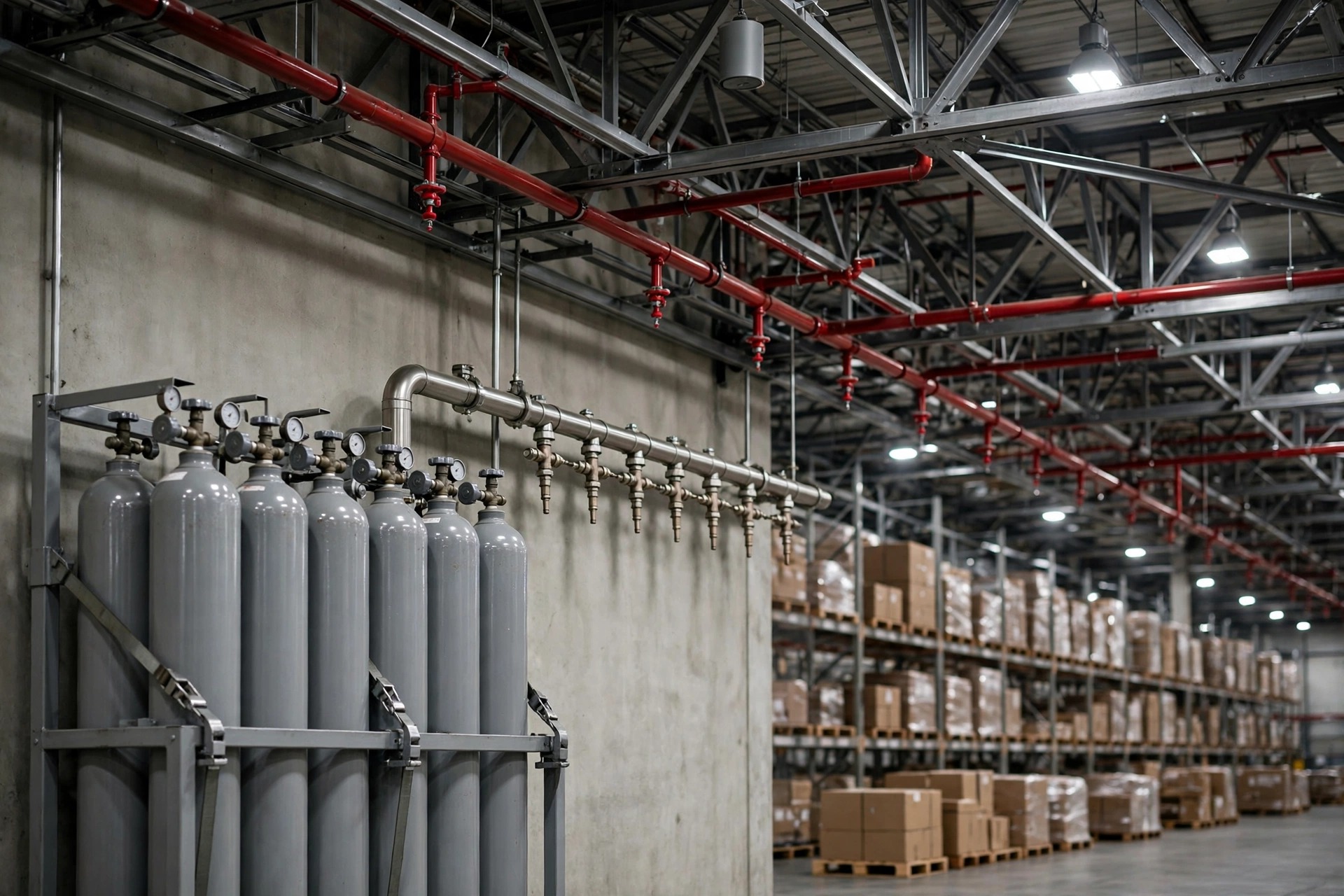
| Clean agents (FM-200, Novec 1230, inert gas like Inergen) | Chemical inhibition or oxygen reduction | Electrical rooms, server rooms, records, high-value goods | Non-conductive, no residue, wipe down and keep working; expensive, a small system starts in the tens of thousands; the room must pass an airtightness test |
| Foam | Blanket that smothers | Chemical warehouses, oils, solvents | The answer for flammable liquids; the cleanup after a discharge is miserable and maintenance is fiddly |
| Water mist | Micro-droplets absorb heat and displace oxygen | Freezers, enclosed spaces, archives | Uses a fraction of sprinkler water, relatively friendly to electrical gear; high cost, piping has to be precise |
One heads-up on Novec 1230: 3M announced in 2022 that it is exiting manufacturing of this class of fluorinated products. The agent is still available today, but before you spec it, ask hard questions about long-term supply and price trajectory. You don't want a system installed that you can't recharge in five years.
The retrofit math: what a second suppression system really costs
Our electrical room, a bit over 200 square meters: a clean-agent system, design, cylinder bank, piping, and alarm integration, all-in, landed in the tens of thousands of dollars. Sounds like real money. Now run the other side of the ledger. A real fire takes out the panels. That's the small part. The big part is the whole building dark for a day: orders not shipping, customer claims piling up. That number is dozens of times the suppression system.
There's a hidden line item too: insurance. Walk into your carrier with active protection like a gas system and you have leverage on the premium (exact discounts depend on the carrier's policy). Insurers read fire investment as risk reduction. Risk down, premium should follow. A lot of warehouse managers never run this math.
Fire suppression inspection: the three traps
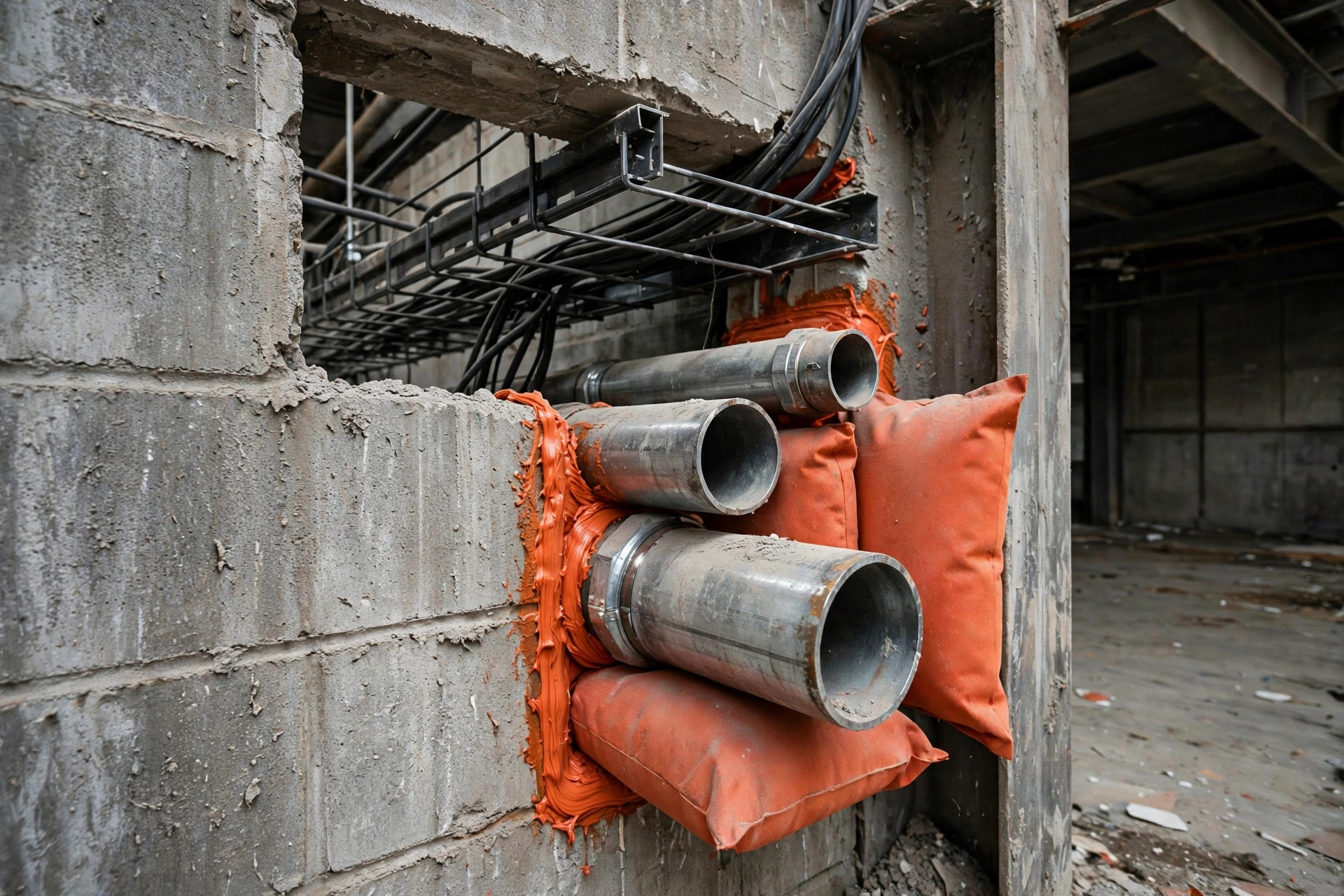
Trap one: airtightness. A clean-agent room has to pass a door fan test. If the room leaks, the agent concentration won't hold, and the system is decoration. Plenty of buildings skipped this during construction and discover during retrofit that door gaps and cable penetrations leak everywhere. Rework is brutal. My advice: write the airtightness requirement into the construction spec for a new build. Don't learn this during retrofit.
Trap two: people. Nobody can be in the room when the gas discharges, especially with oxygen-displacing inert gases. You need audible and visual alarms plus a time delay, and confirmed evacuation before release. This is the thing the fire inspector watches closest. A sprinkler false discharge gives everyone a shower. A gas discharge done wrong can kill. No negotiating on this one.
Trap three: accidental discharge. A dirty smoke detector trips, and a roomful of agent dumps in minutes. Money gone. So use dual-loop cross-zoned detection, not a single lonely detector to save a few bucks. We learned this one the hard way: one dusty detector false-alarmed, half the cylinder bank discharged, and the recharge bill hurt.
One last reminder for fellow operators: picking the right warehouse fire suppression system types saves money; picking wrong is tuition. Before you spec anything, read your local fire code yourself, don't guess. Every AHJ reads things a little differently. NFPA is the floor, and your local authority may be stricter. Sprinklers are the baseline, but the baseline isn't enough everywhere. Your electrical room, your high-value goods, your freezer deserve their own math.
By Chen Feng, Warehouse Operations Manager