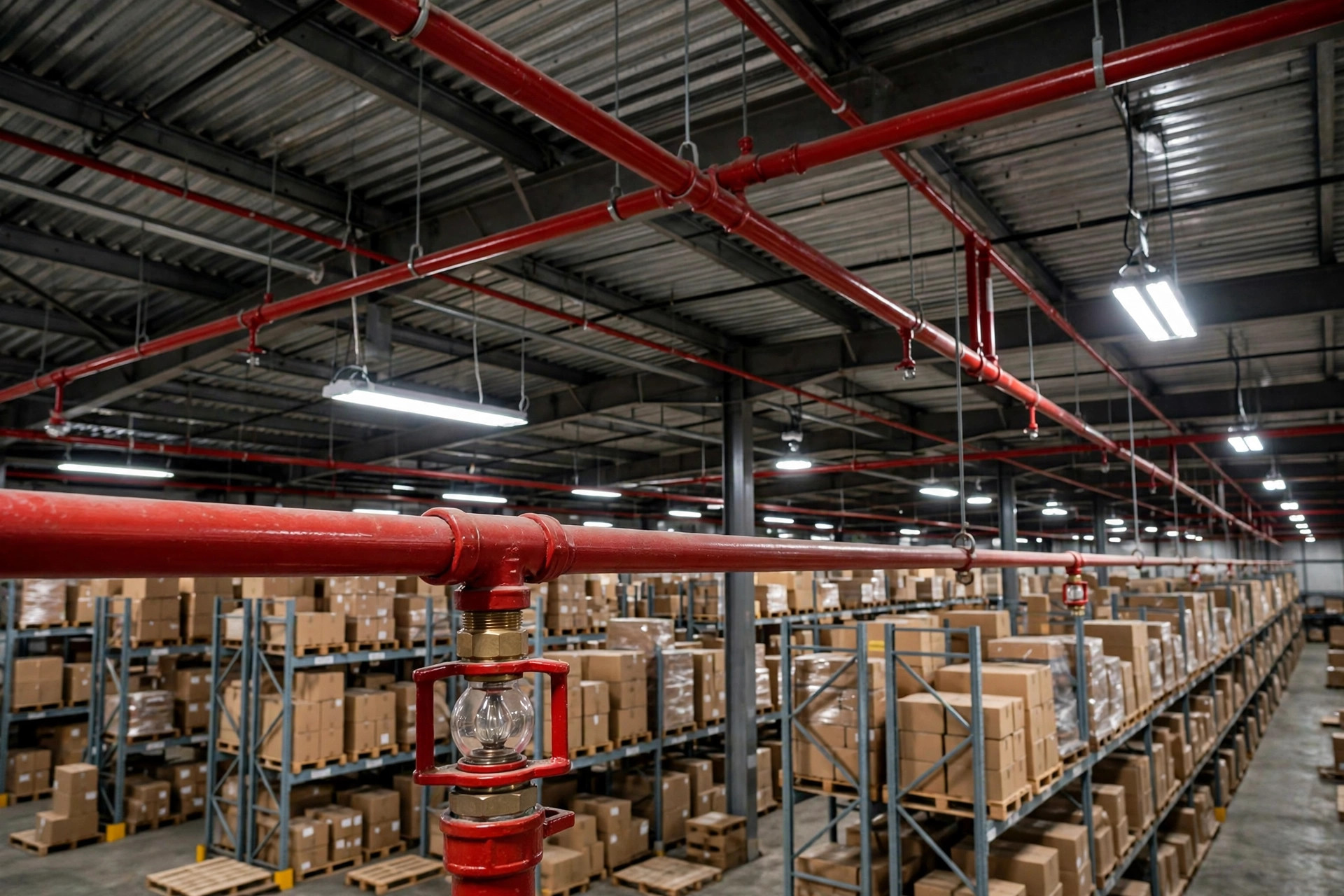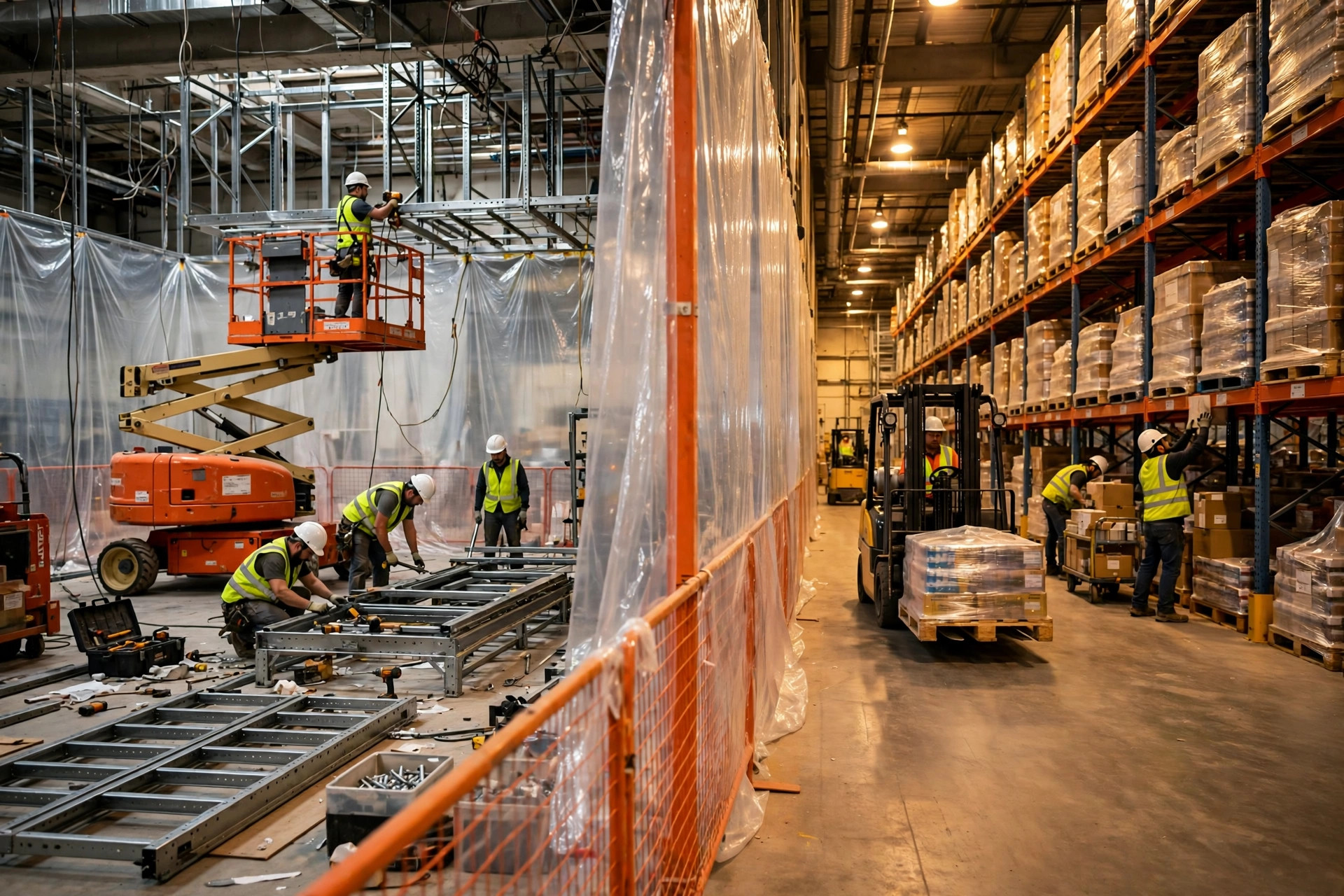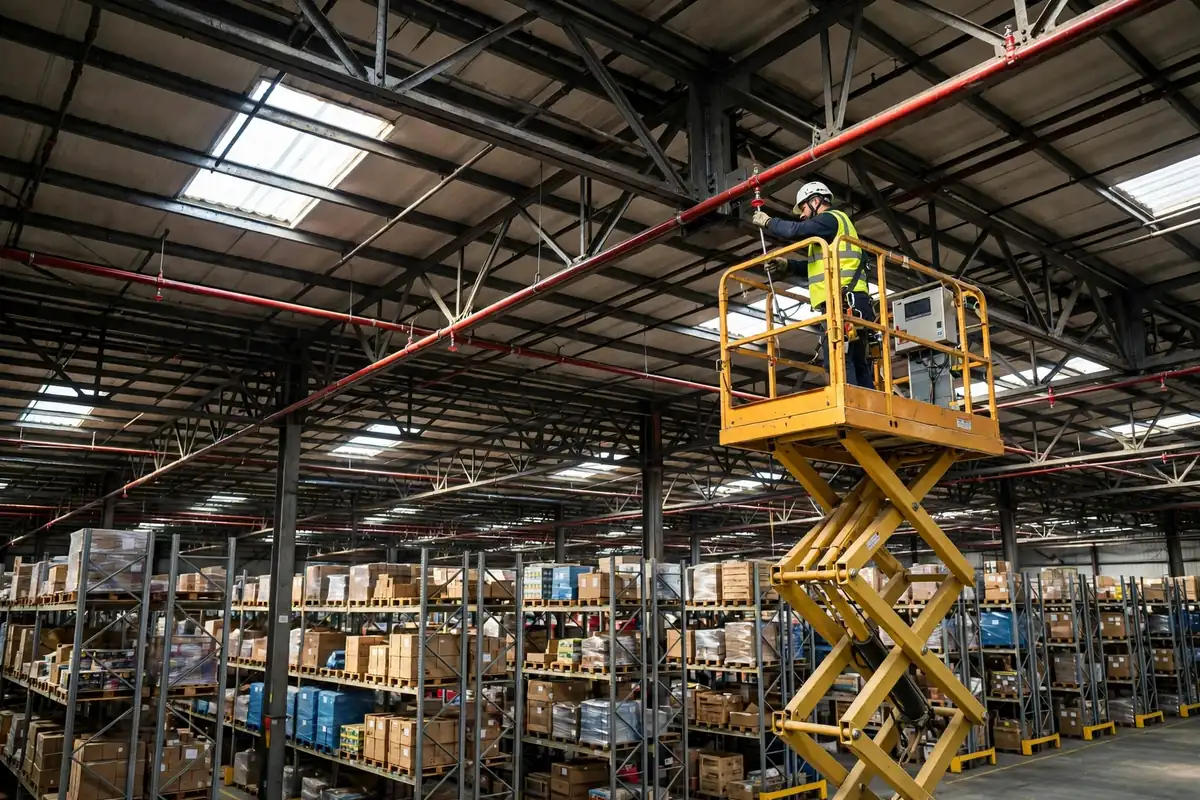
The warehouse fire sprinkler retrofit lease cost question is never really about pipes and sprinkler heads. It is about one missing sentence in the lease. The day the bill lands on the table, whoever signed pays, and arguing will not change that.
Last fall I walked a warehouse in California's Inland Empire, a building put up more than a decade ago. The tenant was a third-party logistics operator storing home goods, occupying most of the building with under two years left on the lease. The fire department came through, found the sprinkler coverage inadequate, and ordered a retrofit. The tenant dug out the lease. All it said was that the tenant was responsible for routine maintenance. Was a retrofit routine maintenance? Both sides read that sentence their own way. They argued for three months while peak season closed in, and in the end the tenant paid up front and took the cost back as rent credits. The bill got settled. The relationship did not survive it. That money could have been assigned on signing day for the price of one sentence. Left until the correction notice arrived, it cost three months and a great deal of ill will.
Who actually pays for a sprinkler retrofit
Start with the logic, because the logic decides the money. A retrofit has two beneficiaries. The landlord benefits in the building itself: once sprinklers are in, the asset is worth more and easier to lease next time. The tenant benefits in being able to operate: pass fire inspection, keep the business running. If you cannot split the benefit, you cannot split the bill. What really decides the split is how much lease term is left.
With under two years remaining, a tenant paying the full cost is throwing money away. The cost is nowhere near amortized before move-out, and the system stays in the landlord's building. With five years or more left, the picture flips, and the tenant taking a share is defensible. Then there is the third pattern, the one that sounds fairest: the landlord pays, and the rent goes up. That one needs the closest look.
A couple of years ago I saw a warehouse in Texas done exactly that way. The landlord paid, hired the cheapest crew available, and installed to the bare minimum that would pass inspection. After move-in, the tenant learned the insurer had its own requirements for the sprinkler system, and the premium did not fall just because sprinklers were now present. How much it moves depends on the insurer's latest quote, so check that before assuming anything. The landlord saved on construction. The tenant ended up paying more in higher rent plus the unchanged premium than a self-funded retrofit would have cost. That is the counterintuitive part: the landlord paying is not always the good outcome. Whoever pays has the incentive to cut cost, and the party cutting cost is not necessarily the party who ends up carrying it. That is the warehouse fire sprinkler retrofit lease cost trap in one line: the party choosing the cheapest work is rarely the party paying for it in the end.
So there is no standard answer, only three routes: landlord pays in full, tenant pays in full, or split by lease term. Which one fits depends on the remaining term, the rent, and who keeps the equipment at move-out. Until all three have been discussed, the negotiation is not finished.
Three lease clauses that decide the retrofit cost
First, who owns the retrofit obligation. The lease needs a line stating plainly who is responsible for major work of this kind, the sort that is plainly not routine maintenance. "Routine maintenance is the tenant's responsibility" on its own says nothing. The moment a correction notice arrives, each side will read that line in its own favor.
Second, how the cost is divided. A split needs a ratio and a method written down: by floor area, by remaining lease term, or as a fixed lump sum. Splitting by remaining term is the most common, and the most argued over: what date does the clock start from, and is rent reduced while work shuts the building down? A few weeks of lost rent during construction often costs more than the pipe itself. Leave that out and you have left a hole in the deal.
Third, who keeps the system at move-out. Sprinklers are fixed to the landlord's building and cannot be removed, so the residual value belongs to the landlord, and that is fair. But if the tenant paid, that value has to come back through the rent, or through an agreed payment at move-out. Without that line, every dollar the tenant spends is a renovation of the landlord's property.
One clause is easy to forget: insurance. Whether the insurer must be notified after the retrofit, and how the premium changes, belongs in a lease exhibit. Whether the insurer recognizes the work at all depends on the insurer's latest requirements. Do not guess.
Run the numbers before you sign
Before signing, fill in the table below. The figures do not need to be exact to the dollar; the order of magnitude is what matters, and precise quotes should come from the contractor and the insurer.
| Cost item | Size | Who should pay |
|---|---|---|
| Design and permits | Small | Landlord: the building is theirs, and the drawings stay with it |
| Pipe and sprinkler heads | Large | Depends on term: share it on a long lease, landlord on a short one |
| Pump room and water supply upgrade | Large | Landlord: this is the building's infrastructure |
| Lost rent during shutdown | Large | Put it in the lease: so many weeks shut, so many weeks of rent cut |
| Inspection and insurance review | Small | Tenant initiates, landlord cooperates, agree the split first |
The table alone is not enough. Put all three routes through the same formula and compare. True monthly cost equals monthly rent plus total retrofit cost divided by months of remaining term. Run it three ways: landlord pays in full but rent rises by how much, tenant pays in full but offsets how many months of rent, and a term-based split costs how much a month. The smallest number wins. Once the numbers are on the table, the answer is obvious, and nobody has to negotiate on gut feeling.
Under two years left, push for the landlord to pay, or take the retrofit cost back as rent credits with the credit period written into the lease. Five years or more, a split is workable, but pin down the start date and the shutdown rent. Lease nearly up, negotiate the renewal before the retrofit, and if the renewal fails, do not spend a dollar.
Before signing, calculate three numbers: total retrofit cost, months of term remaining, and who keeps the equipment at move-out. True monthly cost equals monthly rent plus total retrofit cost divided by months of remaining term. Run all three routes, take the smallest. Get the warehouse fire sprinkler retrofit lease cost split in writing before you sign, and the day the bill arrives, you will not panic.
By Lao Zhou, Logistics Cost Analyst