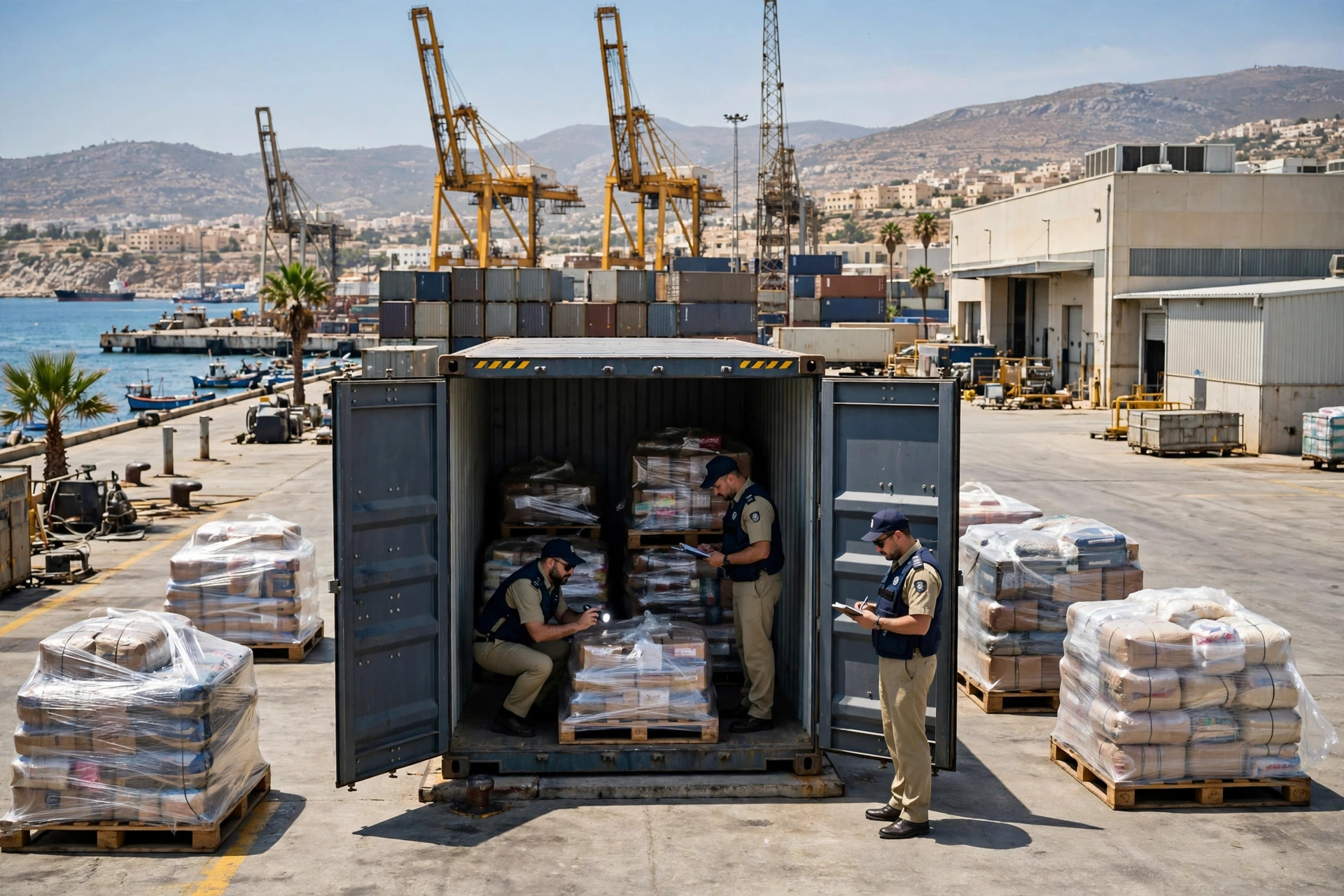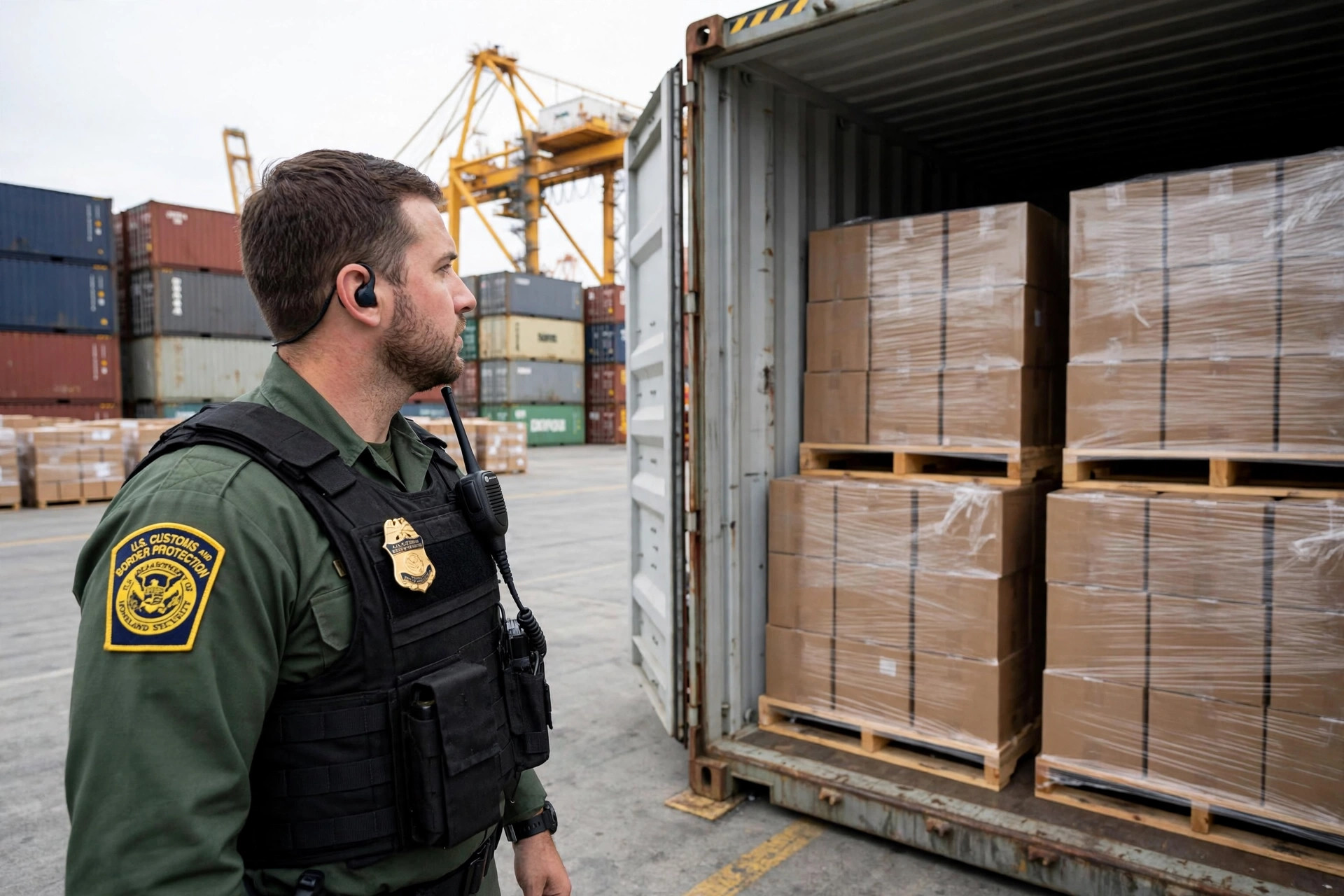
For an importer, the most expensive form of a classification dispute is not a penalty notice. It is a container already on the water while the tariff code is still undecided. Learning how to request a CBP binding ruling, and doing it before shipment, moves that dispute to where it is cheapest: on paper, before money is committed. This is an operator's playbook for the process, not a law firm's advertisement.
A familiar pre-shipment dilemma
Consider a California importer preparing a first order of lighting accessories with a control module. The sample looks like an ordinary lighting part, but the circuitry adds a measure of smart control. The broker offers two candidate classifications with different duty and regulatory consequences, and neither feels certain. The value of one container is not trivial, and a wrong code can turn into amended entries, back duties, and demurrage that quickly exceed whatever time was saved by skipping the question.
A second pattern is just as common. An importer runs a product line that ships dozens of containers a year, and the design changes a little each season. Last year's classification reasoning does not automatically carry over to this year's revised model, because customs classification turns on function, material, and use, and a single added sensor can change the analysis. In both patterns, such a ruling is best understood as a lock on the price quote: one written answer that later shipments can follow, provided the facts stay the same.
Start with CROSS: the most valuable step in a CBP binding ruling classification request
Before writing anything, search CBP's public ruling database, CROSS. The search terms should track the product's defining features, meaning material, function, use, and structure, rather than its trade name. Once a close ruling turns up, compare facts line by line: does the published product carry a function yours lacks, and does yours carry a component the published product lacks? Those differences are the whole ballgame.
This step pays twice. First, a ruling that closely covers your goods gives your own application a ready-made analytical starting point and shortens the argument. Second, when similar goods have produced different outcomes, the differences almost always sit in the fact descriptions, which tells you exactly what your application must describe with extra care. Skipping the search and going straight to drafting throws away the best free reference material in the system.
Filling the eRulings template, item by item
The binding ruling procedure sits in 19 CFR Part 177, and applications go through CBP's eRulings portal; the current form and instructions on CBP's official pages govern, so check them before filing rather than relying on a template copied from a blog. A solid application generally contains the following skeleton, and a gap in any item invites a request for more information.
First, product identity: common name, model, full material composition, diagrams or photographs, a functional description, and the intended use and sales channel. The description should be precise enough that a stranger could reproduce the classification judgment from it alone; vague adjectives help no one. Second, your own classification analysis and proposed code, including why you rejected the other candidate codes. An application that states a conclusion without reasoning hands the entire analytical job to CBP and usually waits longer. Third, sample strategy: whether a sample accompanies the request, whether it fully represents the commercial goods, and how it will be handled afterward. A sample that differs from the shipped goods is a classic reason for a ruling to come back narrowly drawn.
Finally, the statement of facts must be true and complete. A material function or use left out of the application undermines the ruling built on it. Before submitting, have the broker and the product engineer each read the draft: the broker checks the classification logic, the engineer checks the technical description. Both gates should pass before filing.
Timelines: targets, not promises
On timing, the honest framing matters. CBP's internal handling has target windows for the national classification specialists and for headquarters-level review, and the figures often quoted in the trade, roughly 30 days and roughly 90 days, are targets, not guarantees. Complex goods, requests for additional information, and laboratory testing all stretch the clock. Writing a target window into a purchase contract as a delivery commitment is a mistake importers keep making.
The right way to use the waiting period is in parallel, not idle. Purchasing can be negotiated and contracts drafted, but quotations should carry a flexibility clause stating that the final duty treatment follows the ruling outcome or the latest official policy. Goods already in transit should not be entered on the assumption that the applied-for code will be granted; until the ruling issues, entries follow the importer's existing compliance judgment. Keep the two tracks separate.
| Route | When it applies | Effect | Who it suits |
|---|---|---|---|
| Binding ruling | Before shipment, before large-scale importation | Binds future transactions on identical facts | Long-running lines with a doubtful code |
| Protest | After entry, against a decision already made | Challenges a decision that already happened | Post-entry disputes, a different angle from this guide |
| Informal advice | Early exploration | No binding effect, directional only | Testing the waters before committing |
The trade-off: a ruling binds you, too
Here is the counterintuitive part, and the one most often skipped in casual advice. A binding ruling binds the applicant as well as CBP. Once it issues, transactions matching the described facts must be entered under the ruling's classification, even if another code would have been cheaper. An unfavorable ruling is a real cost, and it must be priced into the decision to apply at all.
The scope limit is the companion point. A ruling covers only the facts described in the application. A redesign, a material substitution, or an added function can take the goods outside it. The practical discipline is an internal rule: every product revision gets one question first, namely whether the change touches a fact the ruling relies on, and if it does, whether a new request is needed. File the ruling number, the covered product list, and a summary of the key facts in the company's classification archive, so a successor inherits the same position rather than reinventing it.
The ruling-versus-protest distinction is worth stating plainly, because the two tools are often confused. A protest challenges a customs decision already made; a ruling asks customs to state its position on future transactions. Different moments, different objects, different procedures. As for the legal consequences of non-compliant entry, those are governed by the statute text itself, and this guide does not repeat percentage figures sourced from law-firm blogs.
A checklist you can actually run
When the decision is to apply before shipment, work in this order: search CROSS for closely similar published rulings; write the product facts precisely and have them double-checked by the engineer and the broker; file through eRulings on the current official template, keeping the sample identical to the commercial goods; manage quotations with flexible duty language during the wait, without treating target windows as promises; and on receipt, archive the ruling and install the revision-review rule. A ruling settles classification certainty. It does not settle origin, valuation, or licensing requirements, each of which runs on its own track.
The broader trend points one way. As products pack more functions into a single article, classification by first glance gets harder, and the value of a pre-shipment ruling rises rather than falls. But the value of the tool depends entirely on the quality of the application: the more accurate the facts, the more solid the certainty it buys. The open question worth watching is whether, as more importers make rulings routine, CBP's demand for completeness in the fact statement tightens further, and whether importers' internal product files are organized well enough to keep up.
By Dr. Chen, Supply Chain Researcher