Last year I walked a client's warehouse with him. He pointed at a forklift and asked, "Lao Mi, how much is that?" About forty grand, I said. Then he pointed at a shuttle in the racking: "And that?" Eighteen to thirty grand per shuttle — but the full system runs close to a million. He paused. "That big a difference?"
That's why I'm writing this. Warehouse equipment ranges from a ten-cent label to a multi-million-dollar AS/RS — four orders of magnitude. If you're new to the industry or planning a facility, here's the full picture: 46 types of equipment I've worked with over 20 years, what each one does, where it fits, and what it costs in the US market.
Two notes before we start. First, prices are 2026 US-market reference ranges — brand, configuration, and volume change them a lot, so treat these as budgeting ballparks and get real quotes from vendors. Second, every photo in this article is a real photograph, not AI-generated.
1. Data Capture & Identification: The Eyes and Mouth of the Warehouse
1. Ring Scanner
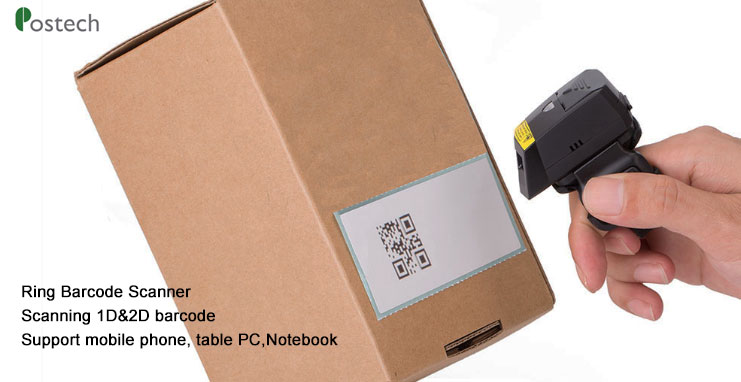
A scanner worn on the finger or back of the hand — pickers scan without putting anything down. It's a game-changer for piece picking. I watched a cosmetics e-commerce warehouse cut pick time from 11 seconds to 8 per unit after switching to ring scanners.
Price range: $800–$1,500 per unit.
2. Handheld Scanner
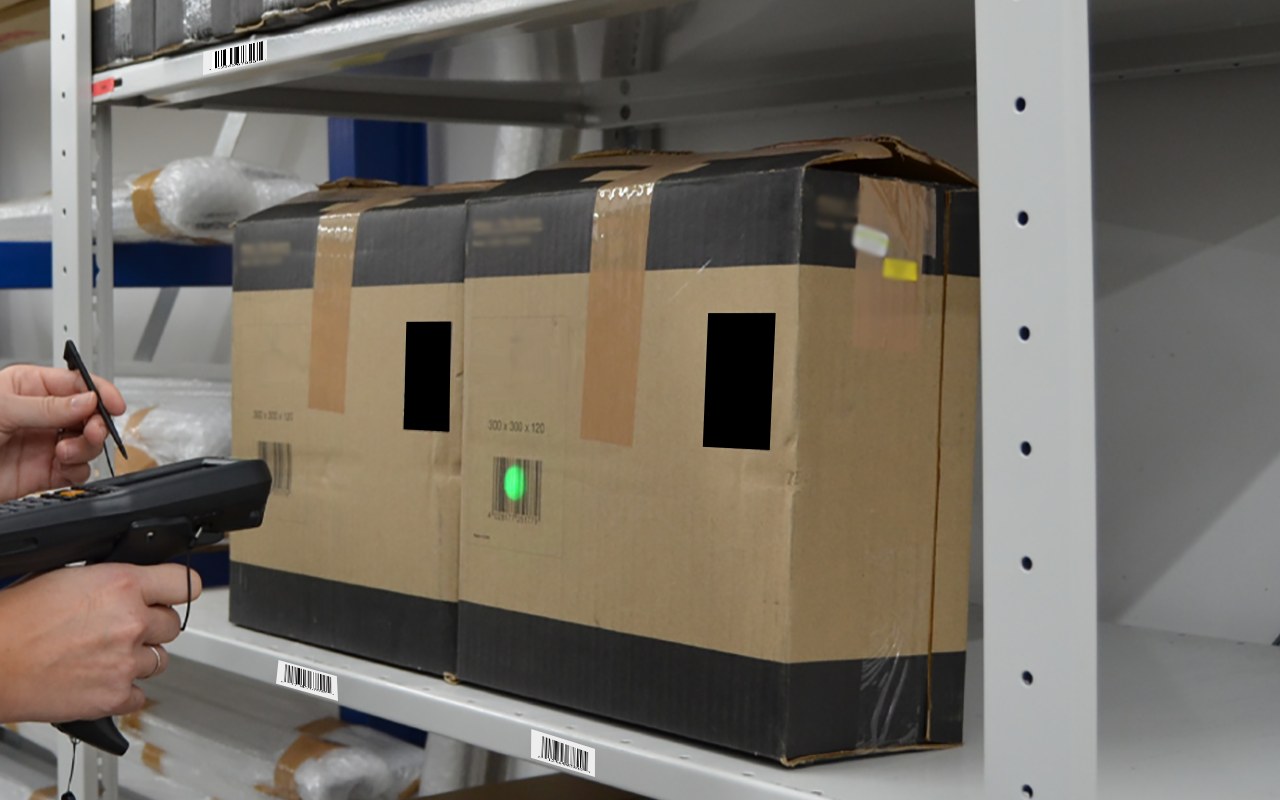
The classic gun-style scanner, used across receiving, putaway, cycle counts, and shipping. An industrial handheld is a different animal from an office one — drops on concrete are a daily event, so don't cheap out. IP65 sealing is the starting point.
Price range: $400–$900 per unit.
3. Long-range Scanner
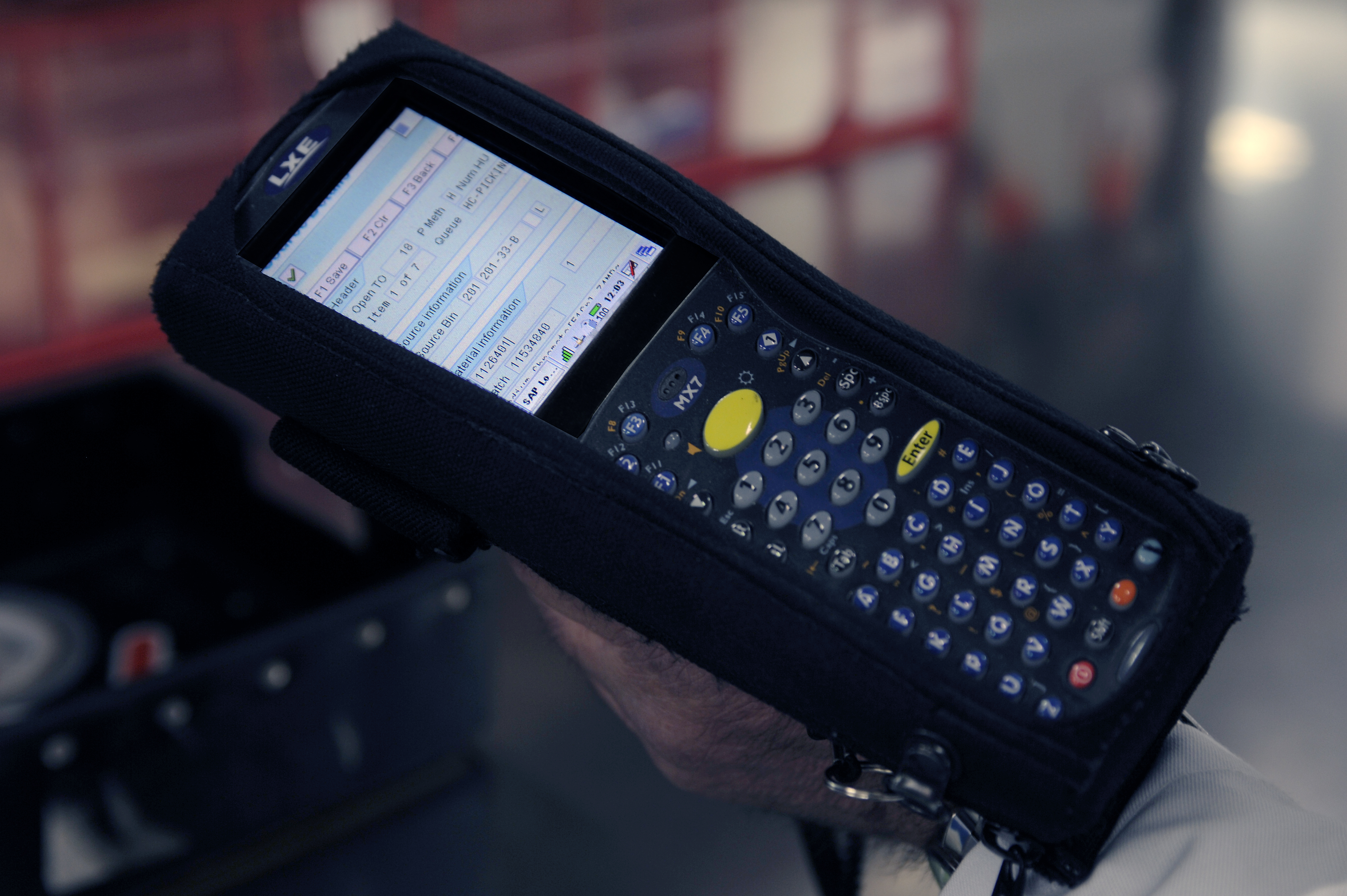
Lets a forklift driver scan a barcode 30 feet up on a high rack without leaving the seat. A standard scanner dies past 3 feet. Mandatory for high-bay and VNA warehouses — otherwise every scan means climbing down, and productivity gets cut in half.
Price range: $700–$1,500 per unit.
4. PDA / Mobile Computer
A handheld terminal with a screen that runs your WMS app. A scanner only scans; a PDA confirms receipts, reports exceptions, and does cycle counts. Check three things when buying: screen readability in bright light, battery life for a full shift, and drop survival. A good industrial unit lasts 3–5 years.
Price range: $1,500–$2,800 per unit.
5. Handheld RFID Reader
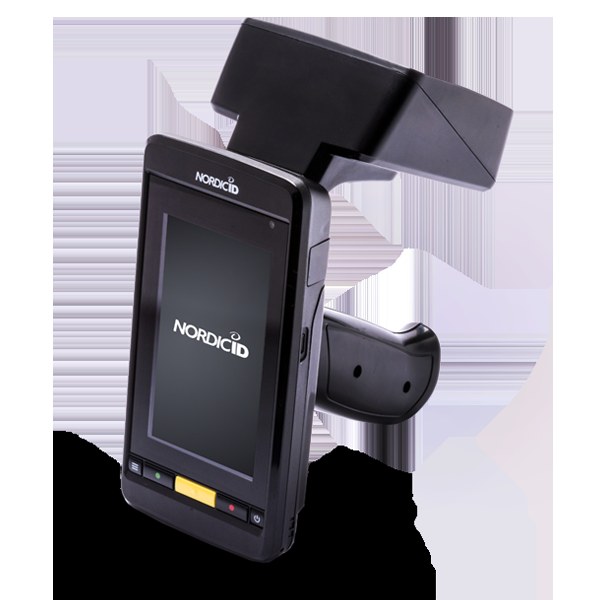
Reads dozens of tags with a wave — no aiming at barcodes. Apparel and footwear warehouses love it: a fashion-DC cycle count that used to take hours now takes minutes. Caveat: metal and liquids interfere with the signal, so hardware and beverage warehouses should test first.
Price range: $2,000–$4,000 per unit.
6. Fixed RFID Reader / Portal

A gate installed at inbound/outbound doors that automatically reads an entire pallet's tags as it passes through — "scan by walking past." Paired with conveyors or dock doors, it transforms receiving speed. A full portal with readers, antennas, and installation isn't cheap, but it pays off for DCs moving hundreds of pallets a day.
Price range: $1,500–$3,000 per reader; $5,000–$15,000 for a complete portal.
7. RFID Tags
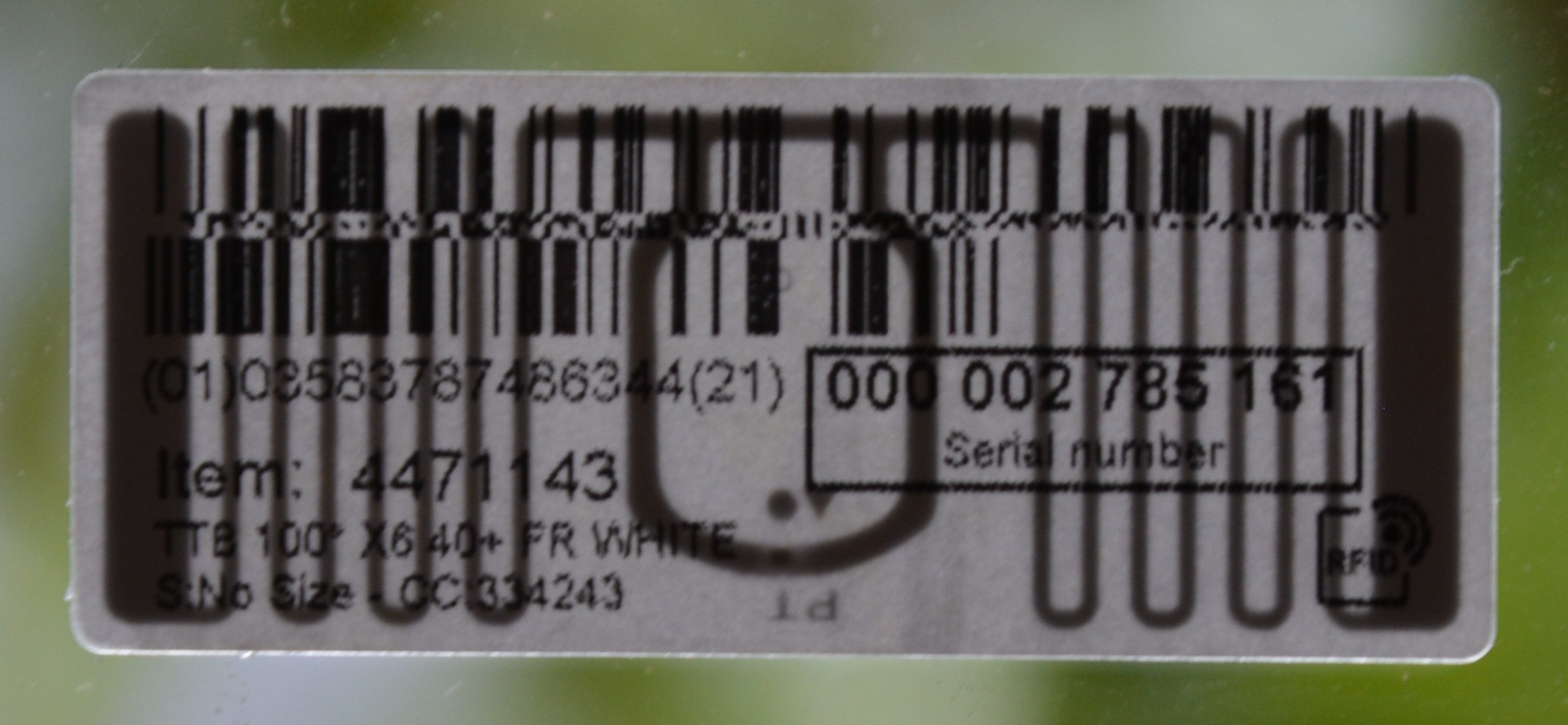
Adhesive labels or hard tags (zip-tie, hang-tag). The tag is where the RFID business case lives or dies: ten cents sounds cheap until you use 5 million a year. That's why RFID still belongs to high-value, loss-prone, frequently-counted categories — ordinary consumer goods can't justify it yet.
Price range: $0.08–$0.50 per tag at volume.
8. Industrial Label Printer
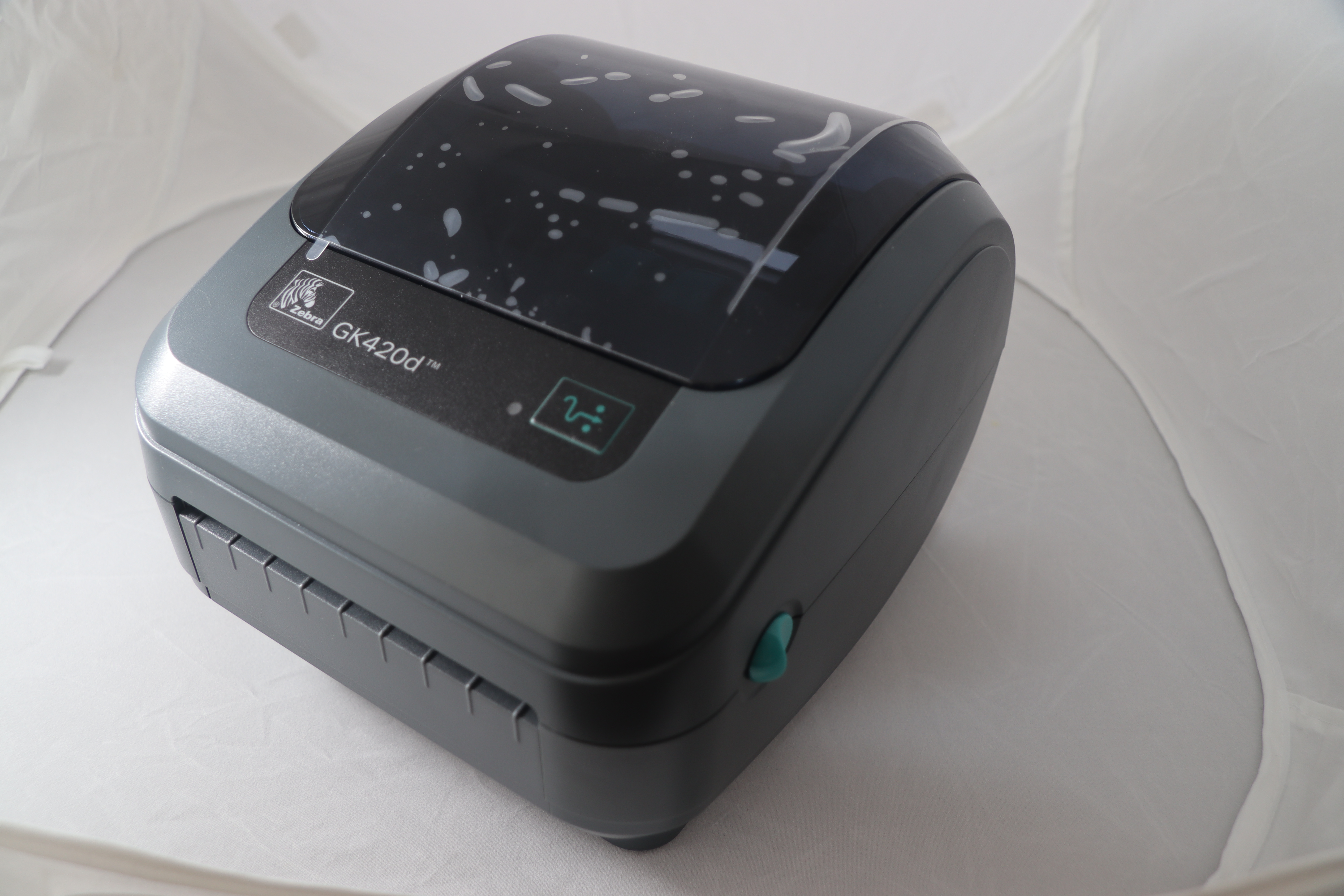
Prints carton labels, pallet placards, and location labels. The difference from an office printer: 24/7 duty cycle, long-life printheads, wide format support. Factor consumables (labels + ribbon) into the decision — don't just look at the machine price.
Price range: $800–$3,000 per unit.
9. Print and Apply
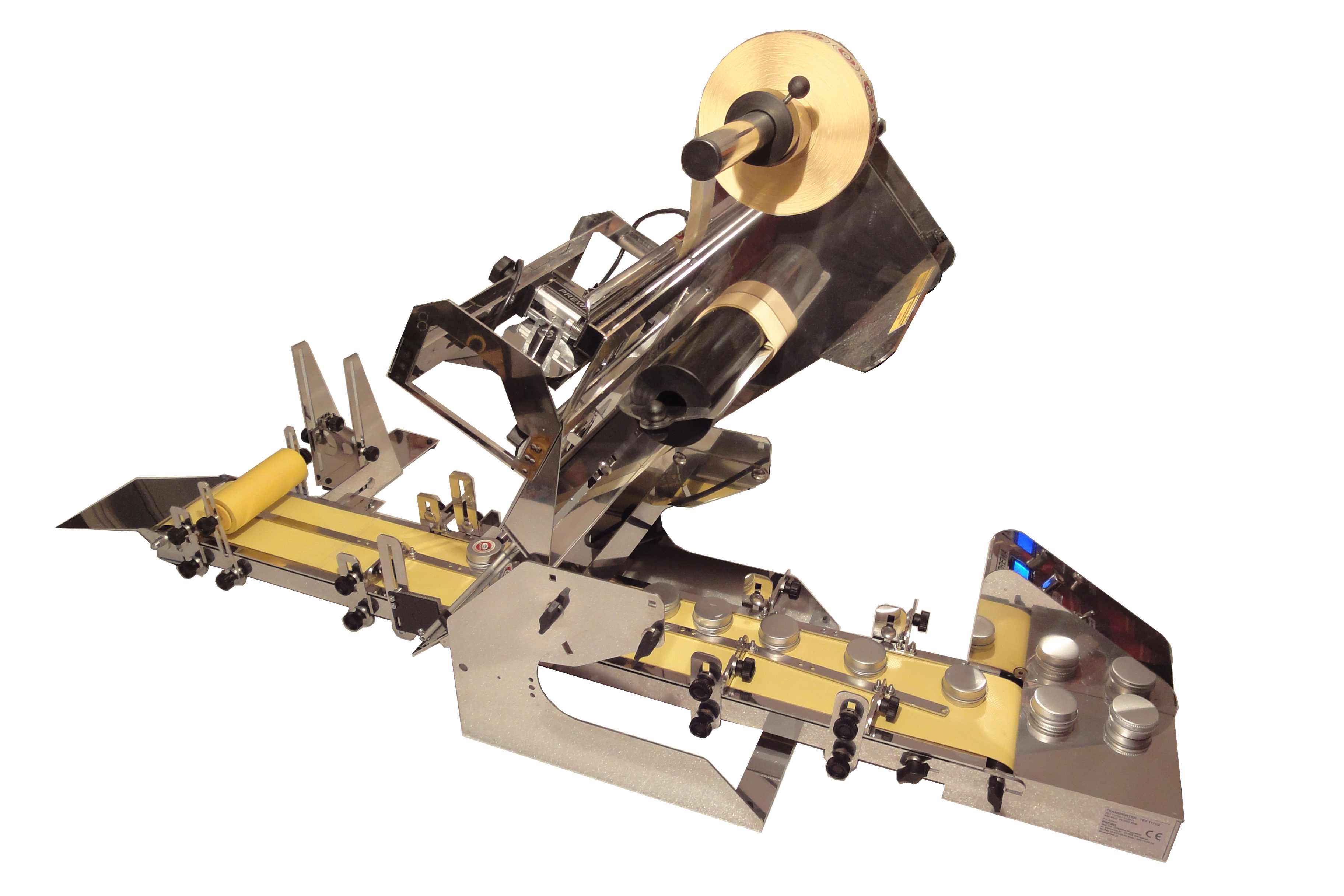
Prints a label and mechanically applies it to the carton or pallet — fully automatic. Standard on e-commerce outbound lines and pallet-placard stations. A worker hand-labeling thousands of cartons a day will wreck their wrist; the machine does 20–30 per minute, perfectly straight. Practically mandatory where SSCC pallet-label compliance is required.
Price range: $8,000–$25,000 per unit.
10. Mobile Workstation
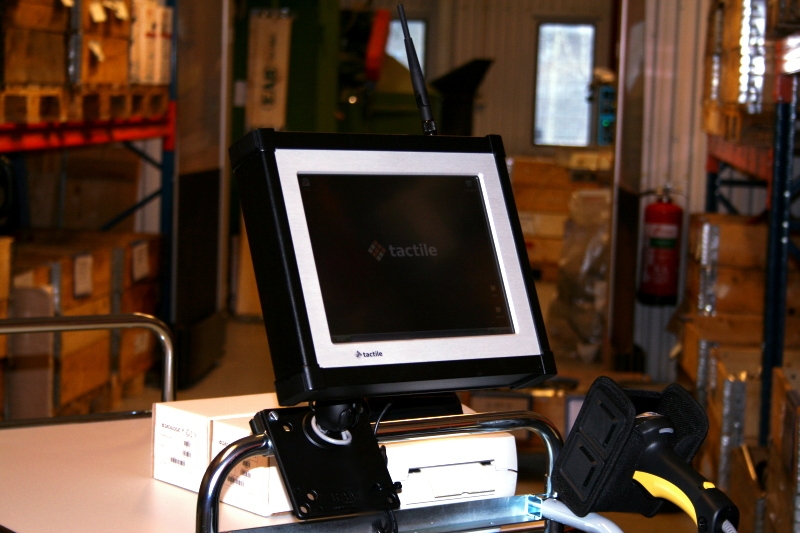
A battery-powered cart with a computer and printer you push to the work. Receiving and QC areas need it most — scan, weigh, and label right at the rack instead of walking back to a fixed station. Two to four per warehouse lifts receiving productivity immediately, for modest money.
Price range: $2,000–$9,000 per unit.
11. Location Signs & Labels
The location codes on rack beams. Don't underestimate these — the Ontario 3PL I mentioned in the intro, where pickers walked an extra 3 km a day, traced back to chaotic location coding. Signs must be big, reflective, and readable from the forklift aisle. Magnetic, hanging, and adhesive types all exist; beam labels are typically 3–6 inches tall.
Price range: $1–$8 per label.
2. Weighing & Measuring: Where Money and Compliance Start
12. Floor Scale / Bench Scale
Weighs inbound receipts and verifies outbound shipments. Bench scales for e-commerce parcels, 5×5 ft floor scales for pallets. Two specs matter: accuracy and capacity — parcels need gram precision, pallets only need pounds. Buy units with RS232/USB that feed your WMS directly; a display-only scale wastes labor.
Price range: $300–$1,200 for bench scales; $1,500–$6,000 for floor scales.
13. DWS Dimensioner
DWS = Dimension + Weigh + Scan. A parcel passes through and you capture dimensions, weight, and barcode in one shot. Parcel billing disputes and WMS master-data accuracy both depend on it. Above ~5,000 orders a day, manual cubing is impossible — and bad dims mean the "dimensional weight" line on your carrier invoice quietly costs you hundreds of thousands a year.
Price range: $20,000–$60,000 per system.
3. Storage: The Skeleton of the Warehouse
14. Selective Pallet Rack
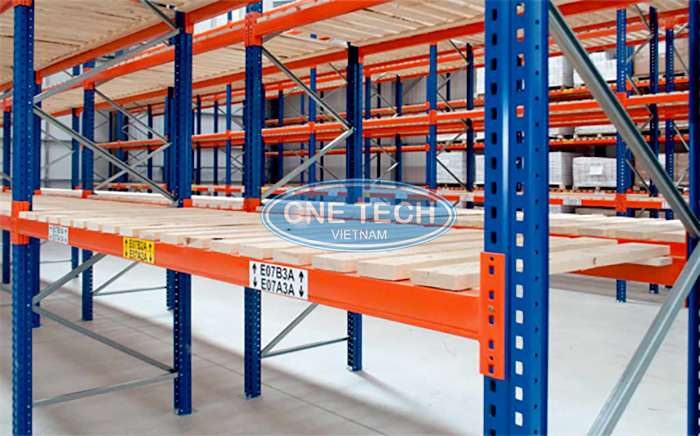
The most universal racking — every pallet position directly accessible, ideal for high-SKU, fast-moving operations. The trade-off is aisle space: net storage utilization runs around 40%. If you're planning a new warehouse and don't know where to start, start with selective. You won't go wrong.
Price range: $50–$90 per pallet position, installed.
15. Drive-in Rack
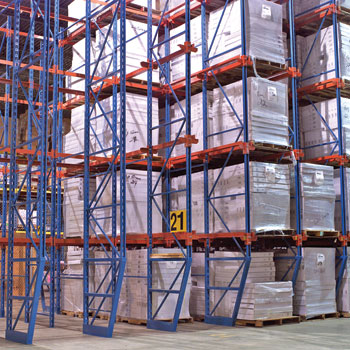
Forklifts drive directly into the rack to store and retrieve — aisles shrunk to the minimum. Built for few SKUs in big batches (beverages, paper products). The downside is obvious: LIFO, so the pallets in back are unreachable and pick efficiency suffers. Cold storage loves it — every square foot of freezer space is expensive, and saved space is money.
Price range: $80–$140 per pallet position.
16. Carton Flow / Pallet Flow Rack
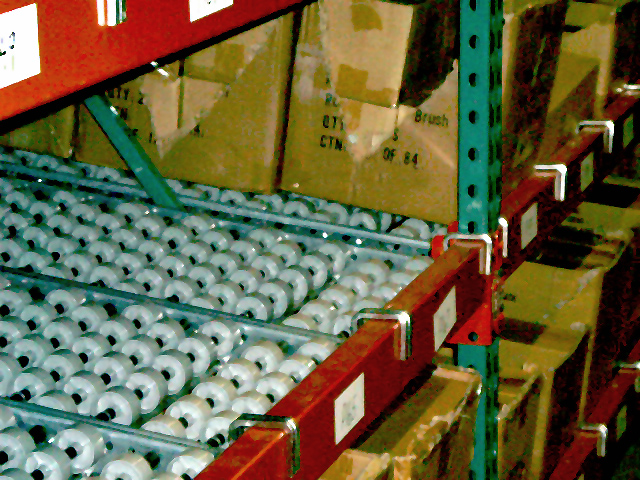
Roller tracks let product glide from the high end to the low end — FIFO, with replenishment and picking on opposite sides so they never interfere. The standard for each-picking: a flow-rack pick face in an e-commerce small-parts warehouse lets one person pick thousands of units a day. Clean the rollers regularly — one jammed roller kills the whole lane.
Price range: $350–$800 per pallet position (carton flow is usually priced per foot).
17. Cantilever Rack
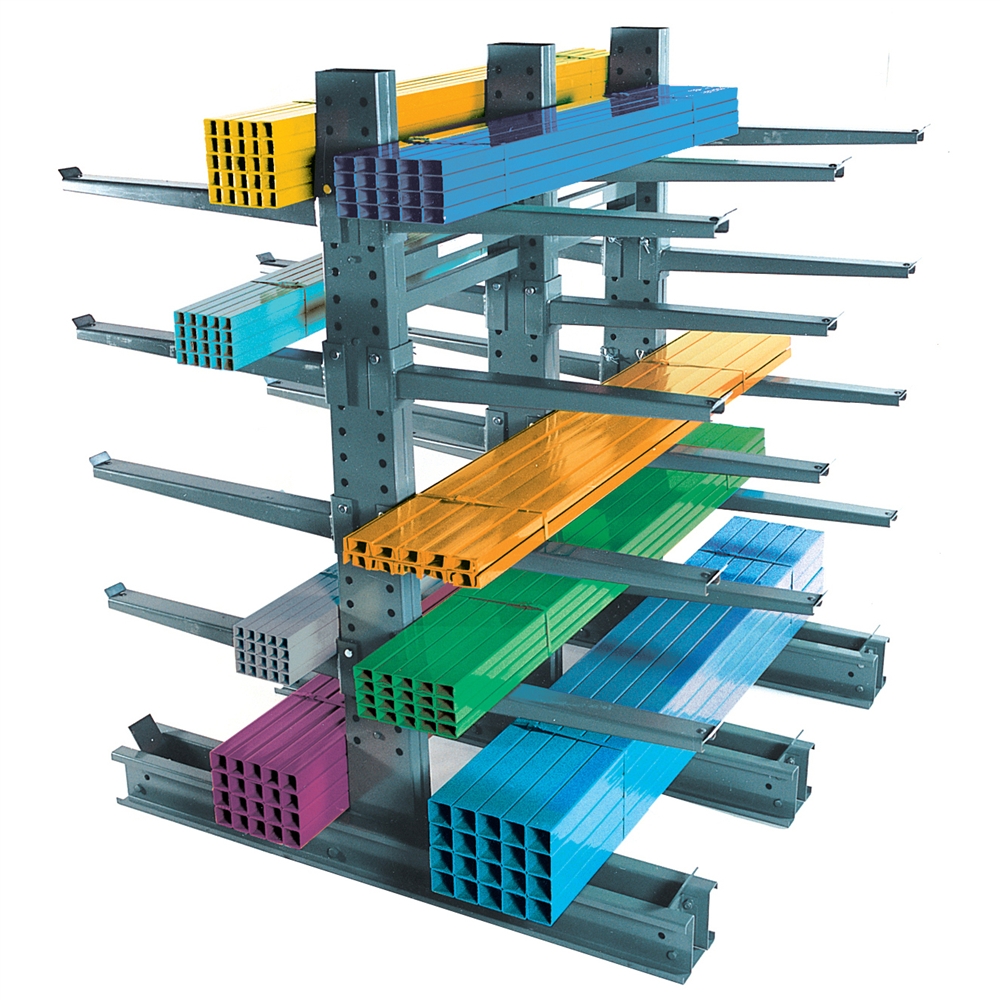
Built for long products: pipe, lumber, extrusions, furniture panels. Adjustable arms, no front columns blocking access — forklifts pull straight from the side. Standard in building-materials and home-furnishing supply chains. Watch the load rating — it's calculated per arm. Overload it and a collapse is no joke.
Price range: $300–$800 per section.
18. Mezzanine
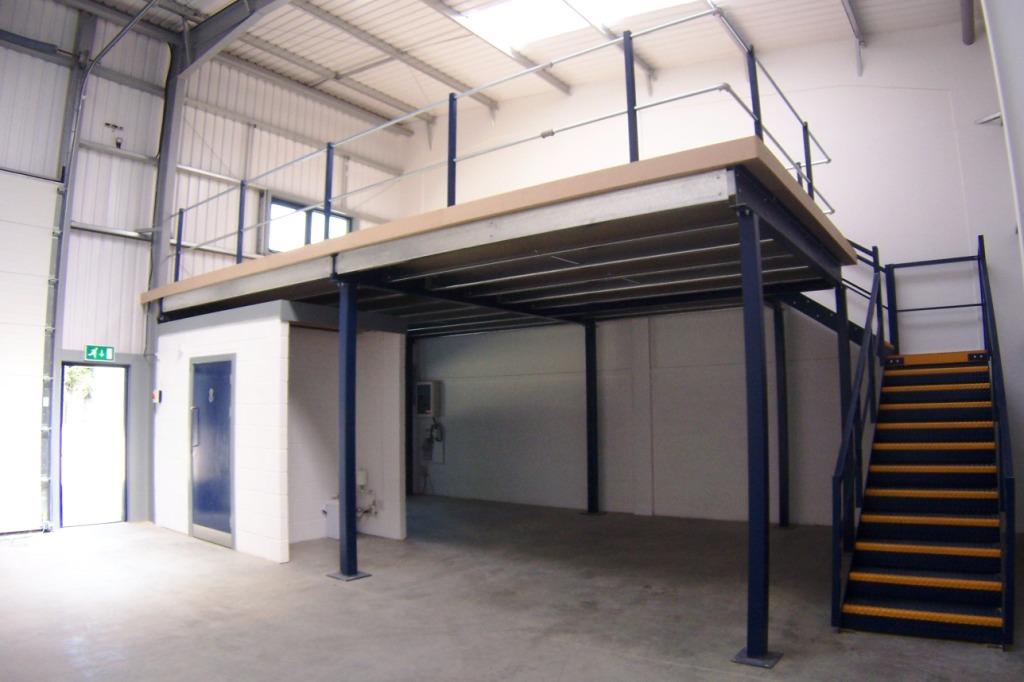
A second floor inside your warehouse. Where rent is high and clear height allows (28+ ft), a mezzanine effectively halves your rent. Light goods, offices, and QC upstairs; picking below. Fire and structural permits are the hurdle — confirm with the landlord and fire marshal before building, not after.
Price range: $25–$45 per sq ft, installed with stairs.
19. Totes / Bins
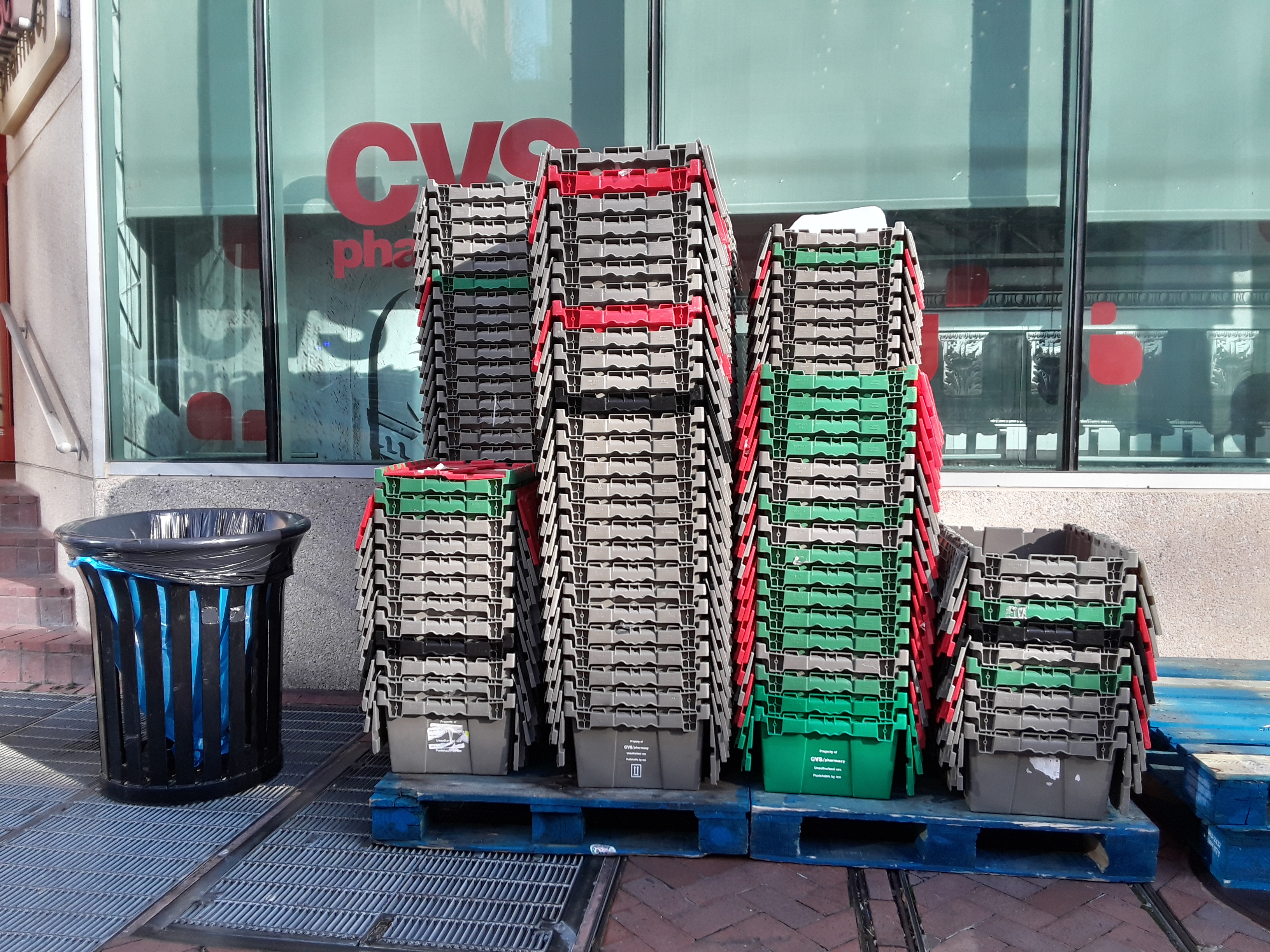
Plastic containers for small parts — e-commerce, 3PL, and auto-parts warehouses consume them by the thousands. Three things to check: nestability (empty totes must save space), conveyor compatibility (flat bottoms), and drop durability. Color-code by category or client — one color per 3PL client keeps management clean.
Price range: $6–$25 each, depending on size and material.
20. Tote Carts / Picking Carts
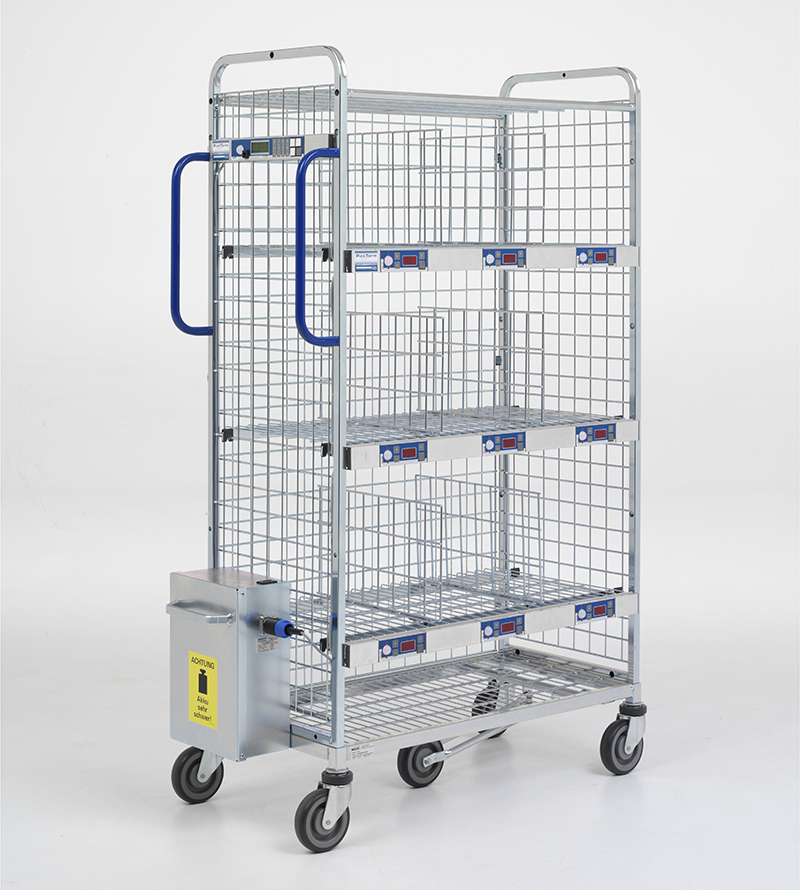
Carts that hold several totes for pick runs. Don't dismiss it — 30% of pick efficiency lives in the cart's design: sensible shelf spacing, easy pushing, a spot for the PDA and scanner. A well-designed ergonomic cart means workers finish the day less exhausted, which even nudges turnover down.
Price range: $200–$1,000 each.
21. Wood Pallets
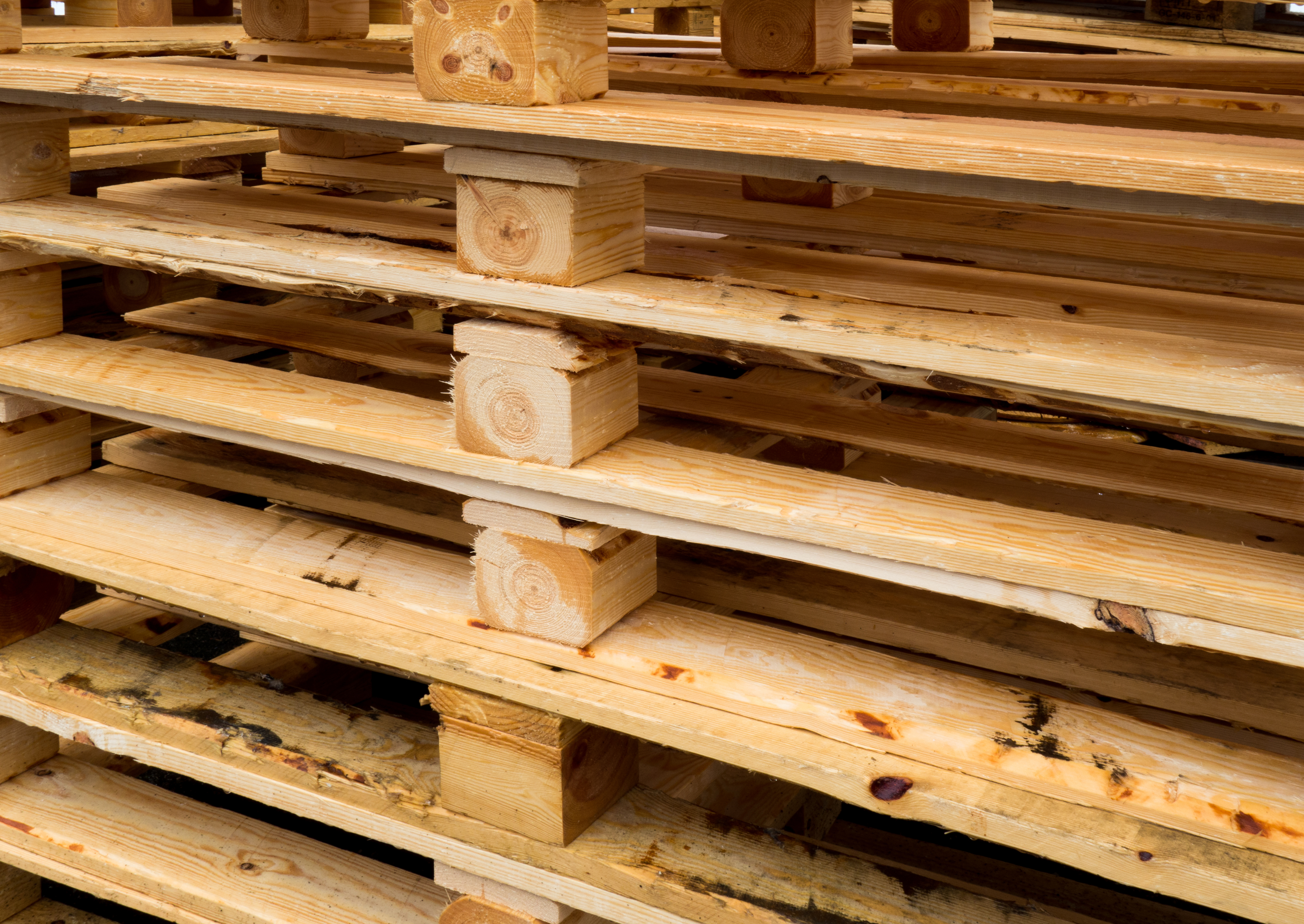
The ubiquitous 48×40" GMA pallet. Cheap, repairable, available everywhere — but vulnerable to moisture and pests, and exports need heat treatment (ISPM 15). Amazon FBA has explicit pallet requirements; non-compliant pallets get rejected. Treat wood pallets as consumables and replace damaged ones promptly — a collapsed stack costs far more than the pallet.
Price range: $12–$28 each, new.
22. Plastic Pallets
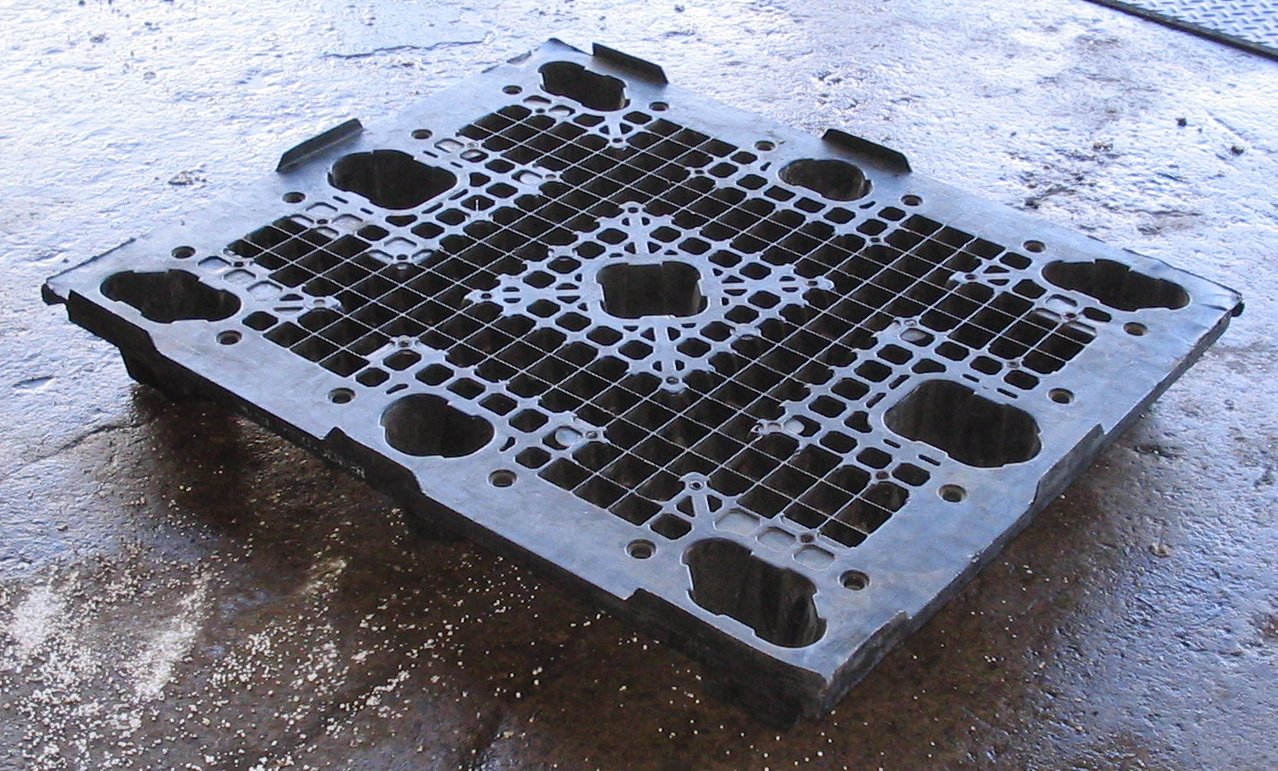
The choice for food, pharma, and cold chain: washable, mold-free, pest-free, FDA-friendly. Styles include picture-frame (4-way entry, most flexible), 3-runner (cheap and strong), and 9-leg (lightest, 2-way entry only). Color-code by use — blue for finished goods, red for QA hold — and it's readable at a glance.
Price range: $35–$90 each.
4. Handling Equipment: The Legs of the Warehouse
23. Manual Pallet Jack
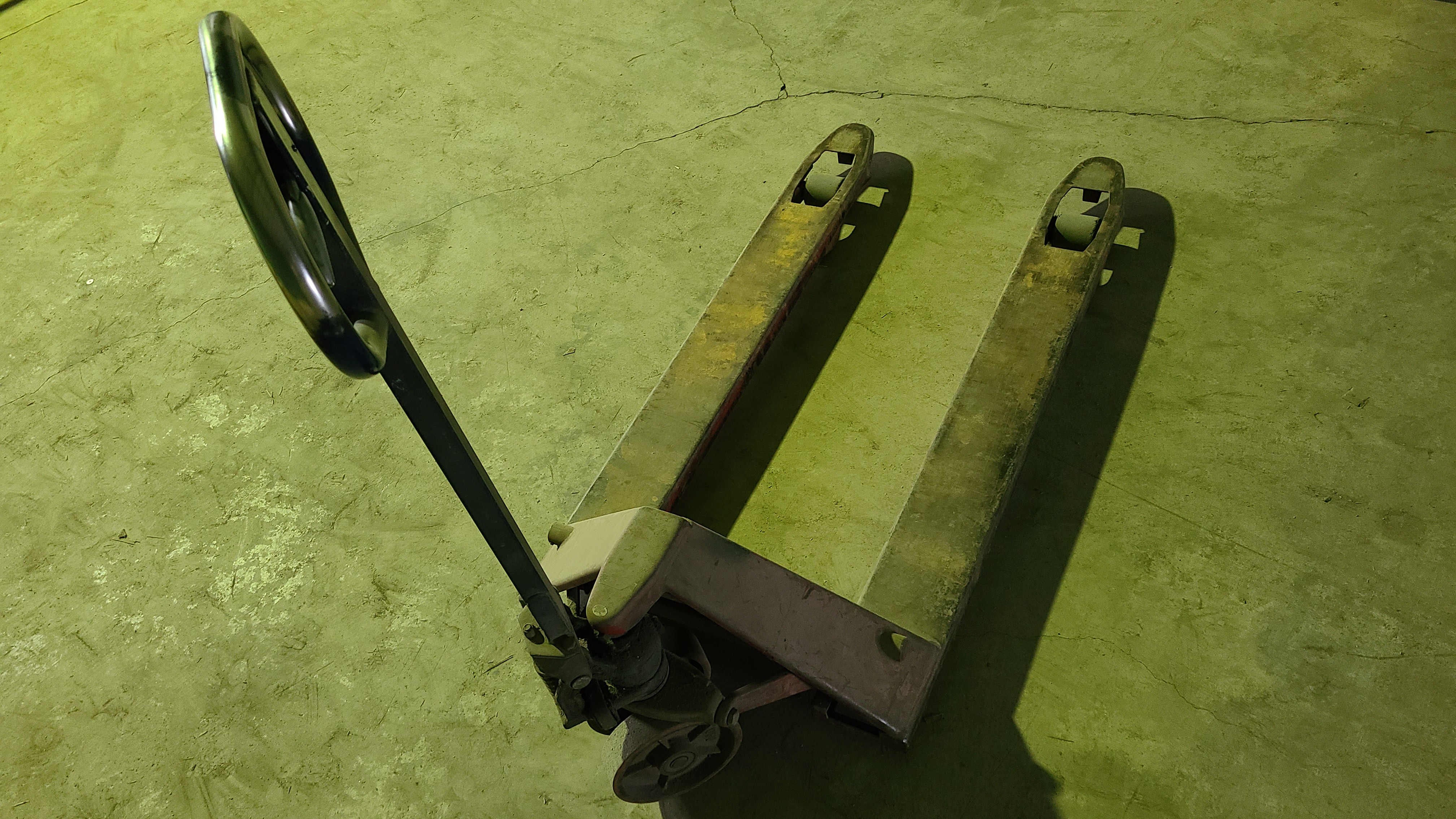
The "pallet mule" every warehouse owns. Pump the handle a few times and drag a pallet across short distances. Cheap and indestructible, but pure manual labor — drag a 2,000-lb pallet 150 feet and your arms are done tomorrow. Strictly for short distances and low frequency.
Price range: $300–$700 each.
24. Electric Pallet Jack
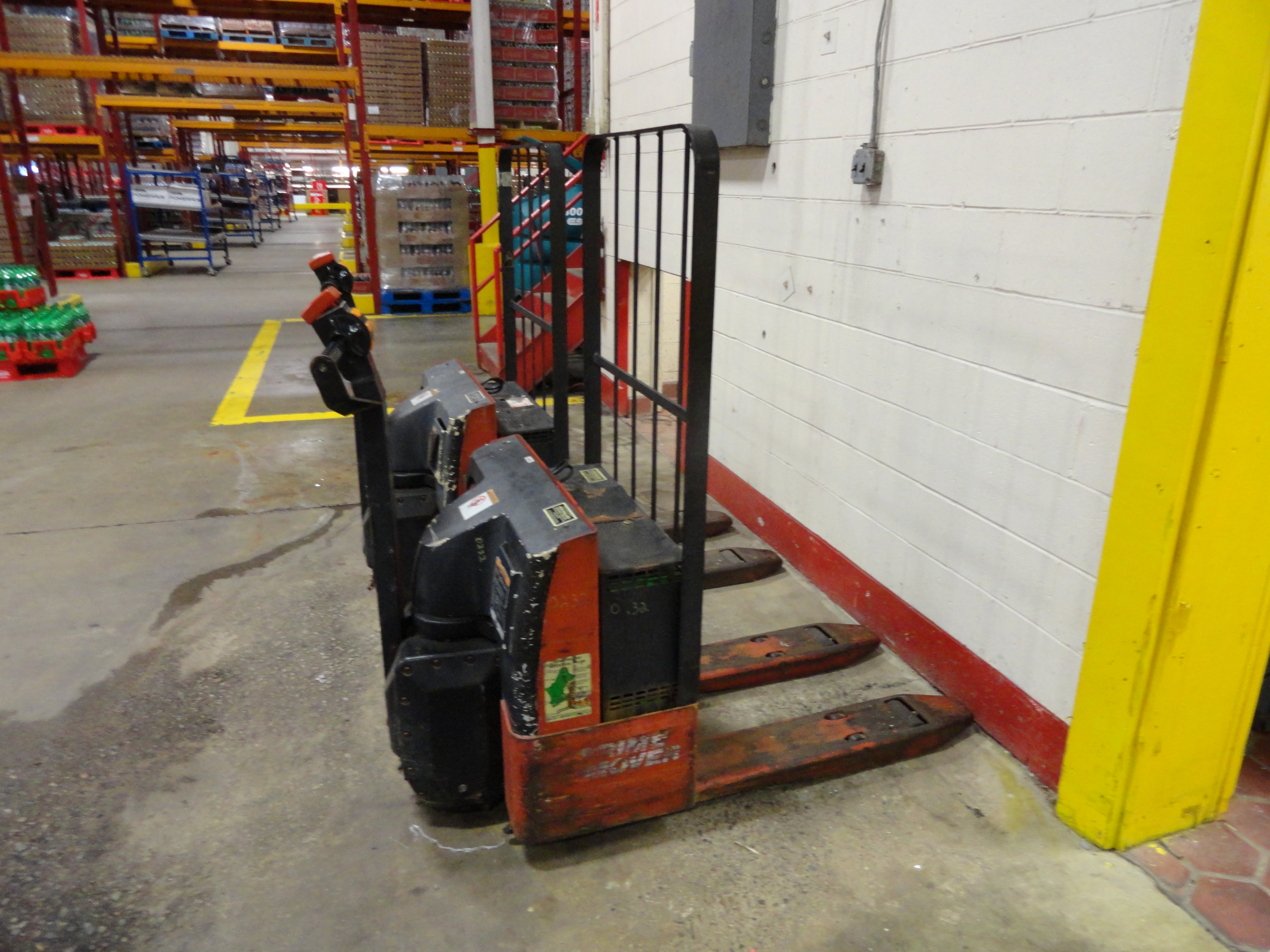
The powered version — the operator rides along. For dock-to-staging runs of a few dozen meters, an electric jack does a hundred trips a day where a manual one manages half before the operator gives out. Lithium-battery models charge fast and need no maintenance; that's what everyone buys now.
Price range: $3,500–$9,000 each.
25. Counterbalance Forklift
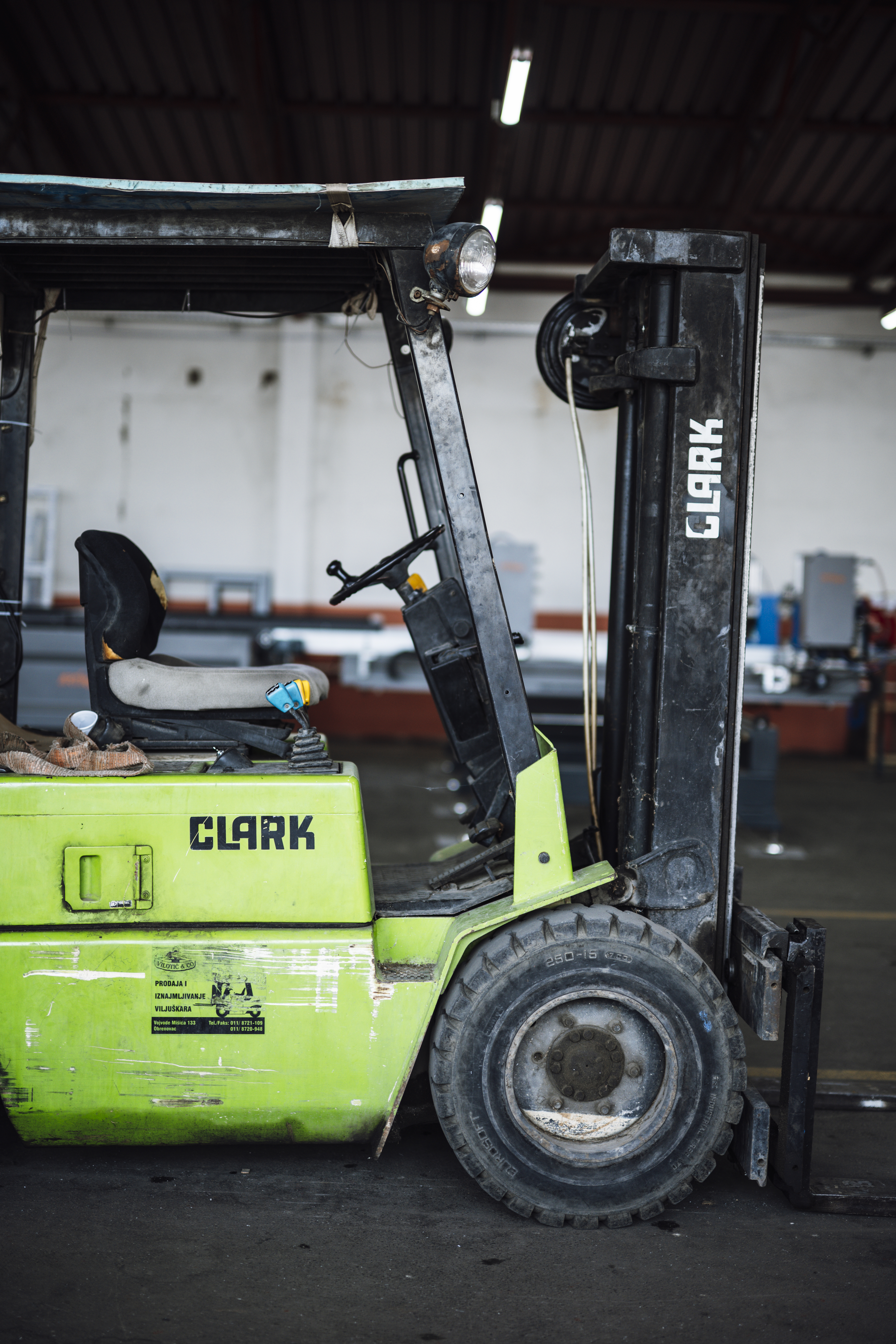
The most common forklift in any warehouse — moving, loading, and stacking. Electric is now the default: zero emissions, low noise, and indoor warehouses are basically all-electric. Don't just look at the truck price — the battery (lithium vs. lead-acid), charging infrastructure, and service contract are the real total cost. Drivers must be licensed; OSHA enforces this strictly.
Price range: $28,000–$65,000 each, electric.
26. Reach Truck
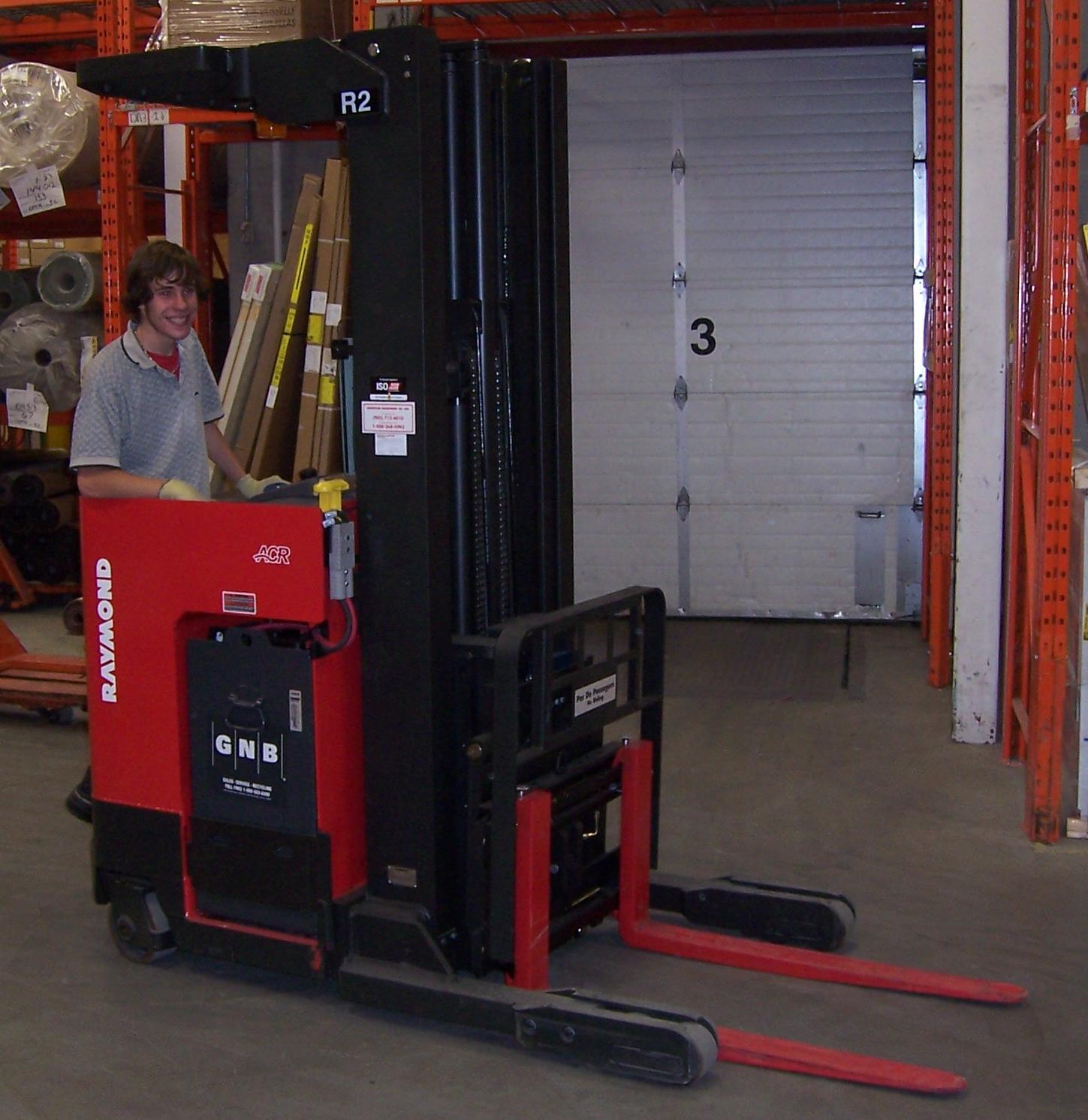
The mast extends forward, purpose-built for high racking up to 30+ feet. Nimble in narrow 8–9 ft aisles, it delivers much higher storage density than a counterbalance truck. Standard in the high-bay zones of e-commerce DCs and 3PLs. Visibility isn't as good as a counterbalance — train drivers properly.
Price range: $40,000–$75,000 each.
27. Order Picker / Cherry Picker
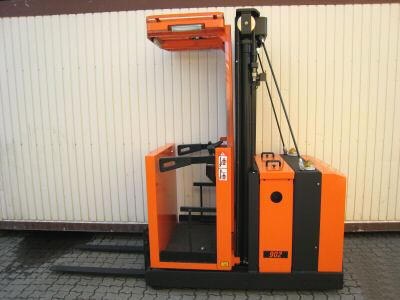
The operator rides a platform up the rack to pick at height. High-bay each-picking is impossible without it — with tens of thousands of SKUs up high, someone has to go up there. Platforms have guardrails and harness anchor points; OSHA inspects these closely, so don't skip annual inspections.
Price range: $45,000–$85,000 each.
28. VNA Truck (Very Narrow Aisle / Turret Truck)
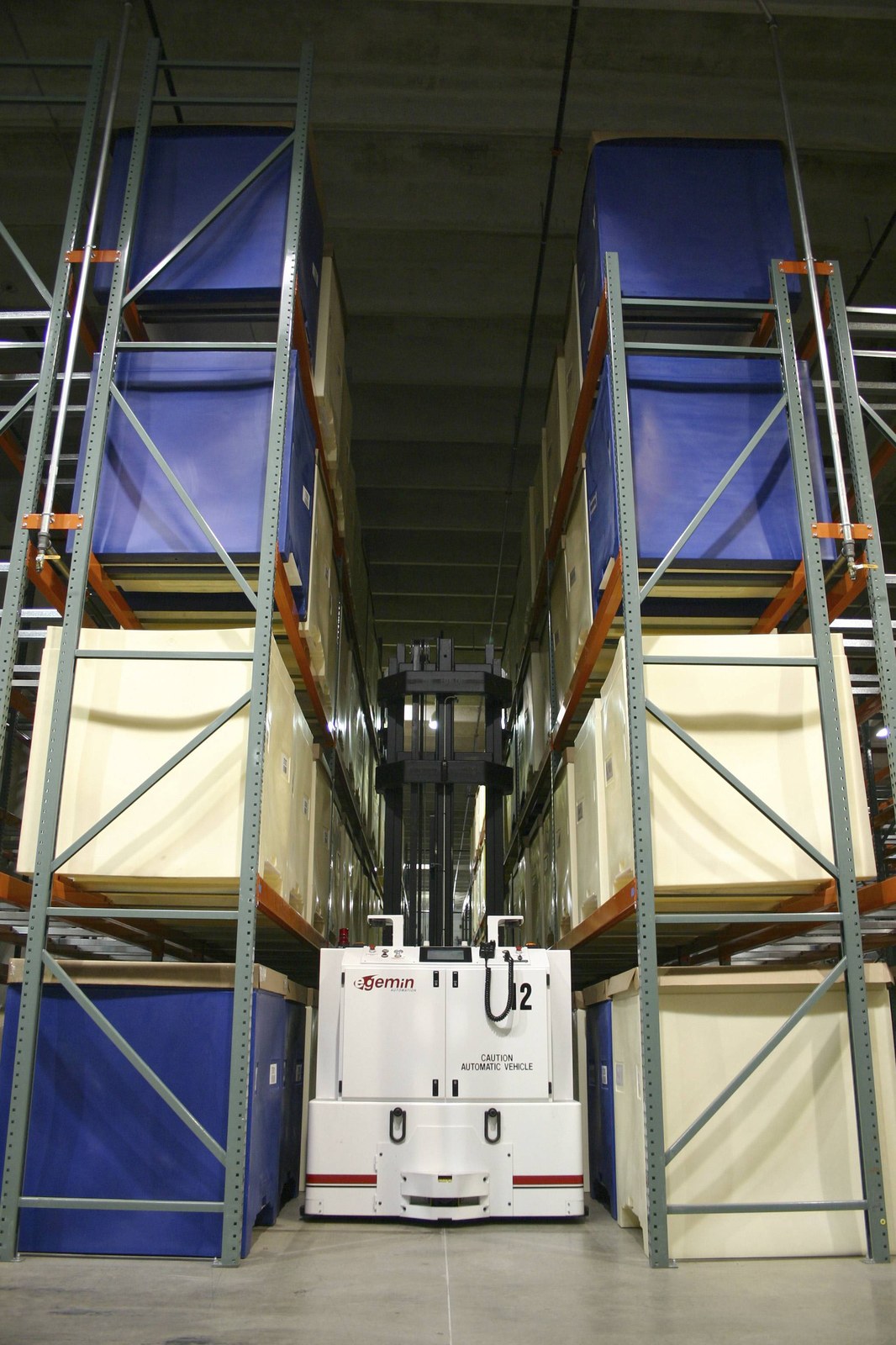
Aisles down to 6 feet, racking past 40 feet — storage density pushed to the limit. The operator rides up and the turret head stacks in three directions; one truck does the work of two. The price: it's expensive and demands extremely flat floors (FM2 spec) — an uneven floor makes the truck sway. Best for high-SKU, high-rent, stable long-term operations.
Price range: $120,000–$200,000 each.
5. Conveyance & Sortation: The Blood Vessels
29. Belt Conveyor
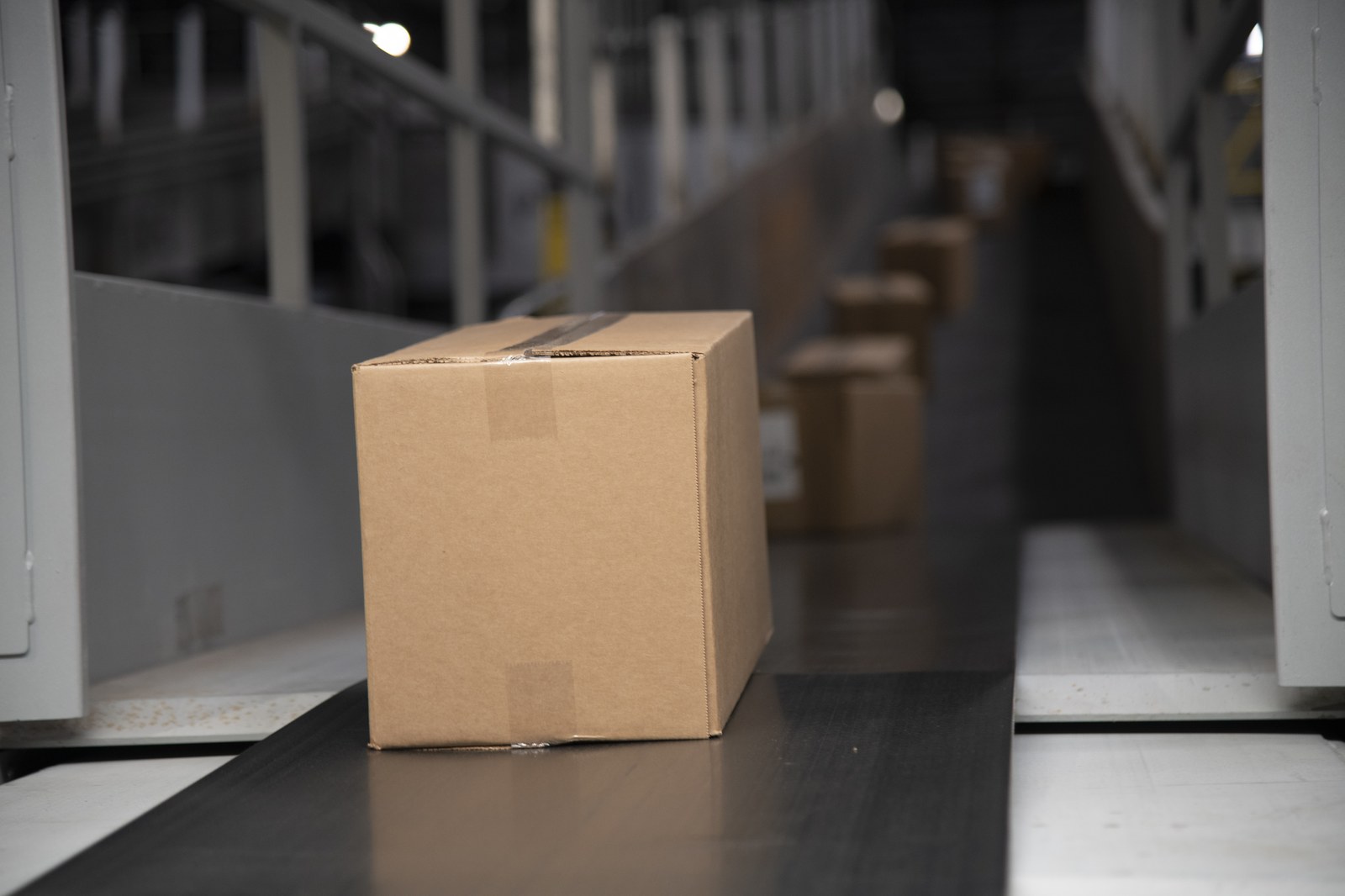
Cartons and parcels riding a belt — the workhorse of e-commerce outbound and sortation lines. Priced per linear foot; length, width, inclines, and curves all add cost. Ask about motor power and belt material — heavy loads slip on PVC belts; you need rubber.
Price range: $250–$600 per linear foot (turnkey systems with installation run about $1,500/ft).
30. Roller Conveyor
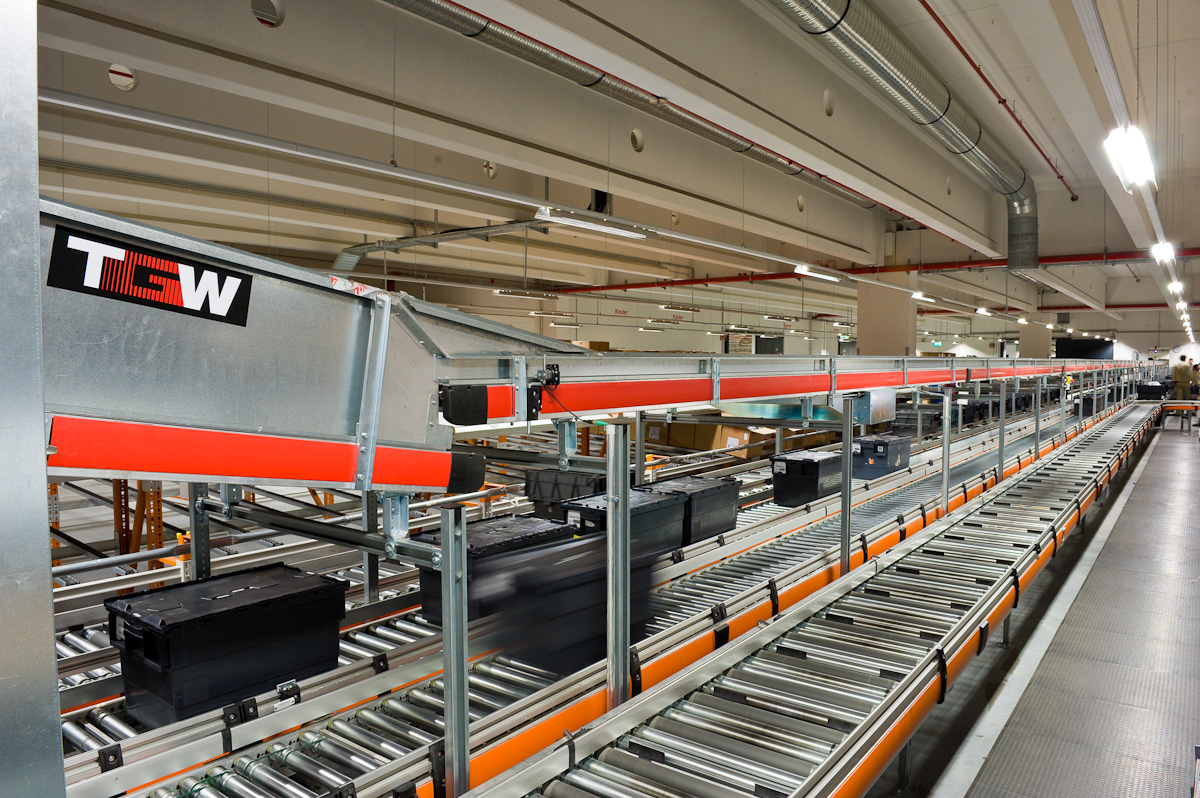
Roller-based lines, powered or gravity. Gravity roller is absurdly cheap — tens of dollars a foot. Line a few rows in loading and staging areas, give the carton a push, and it glides. The value king for small warehouses. Powered roller suits heavy goods and long runs.
Price range: $40–$120/ft gravity; $200–$500/ft powered.
31. Cross-belt Sorter
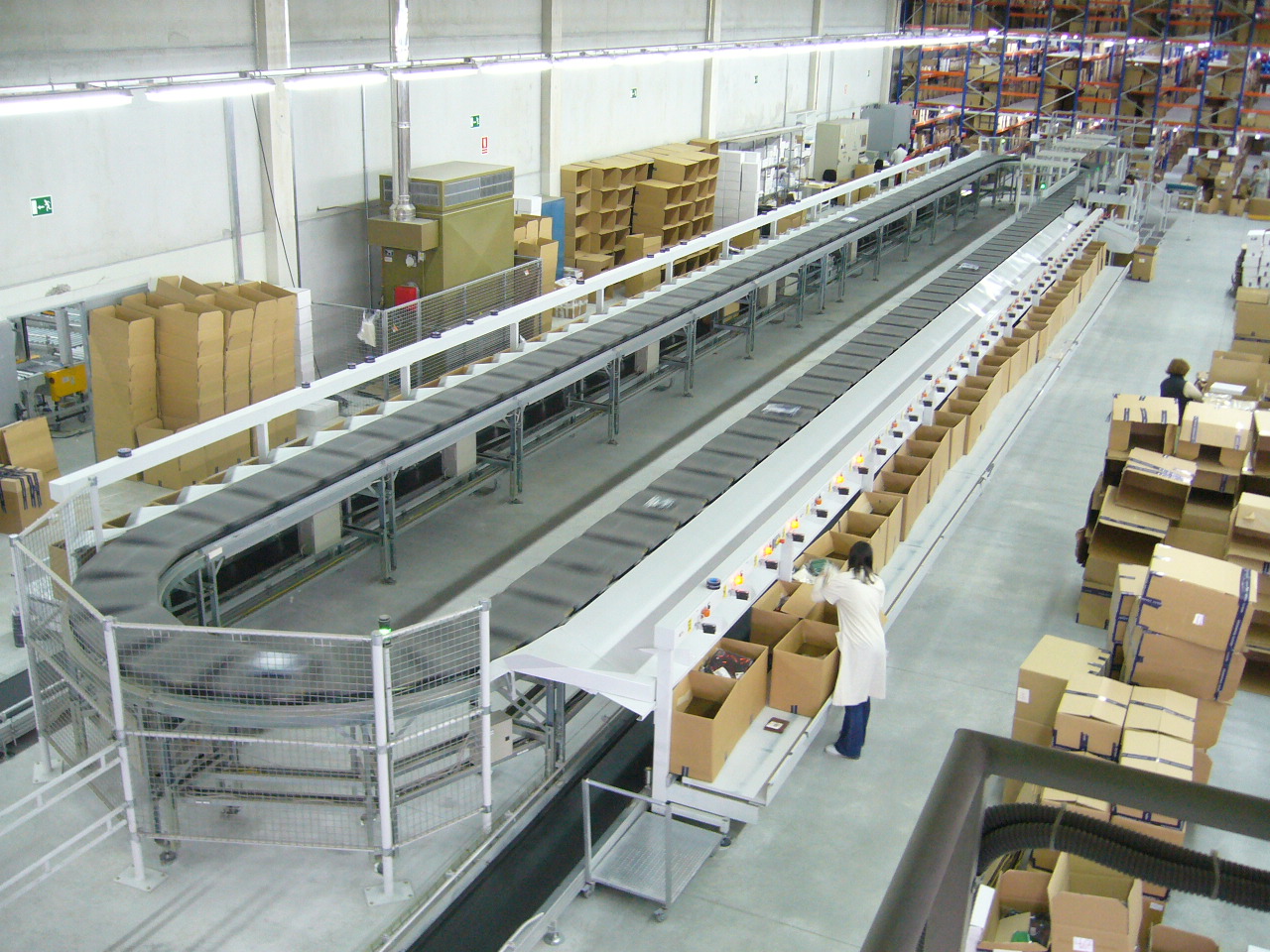
The "heart" of a large e-commerce DC — small carts carry parcels around the loop, and at the right chute the cart's belt fires sideways, dropping the parcel precisely into its bag. Over 20,000 pieces an hour at 99.9% accuracy. But here's my verdict: under ~50,000 orders a day, don't touch it. The ROI doesn't work — floor space, power, and a maintenance crew are all prerequisites.
Price range: $800,000–$3,000,000+ for a full system (equipment + installation + commissioning).
32. Pick to Light (PTL)
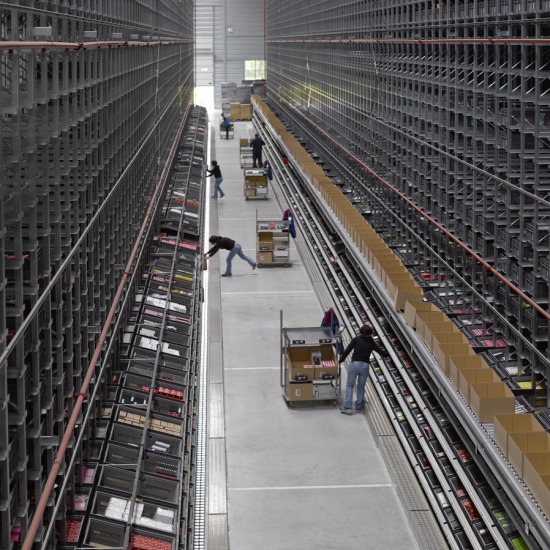
Every pick location gets a light. The light turns on, you pick from that slot, the quantity shows on the display, you press to confirm. Near-zero training — new hires are productive in half an hour, accuracy jumps past 99.5%. Huge in auto parts, pharma, and e-commerce each-picking. The catch is the upfront wiring; reconfiguring locations takes work.
Price range: $120–$300 per pick location.
6. Packing Equipment: The Last Step Before the Door
33. Stretch Wrapper
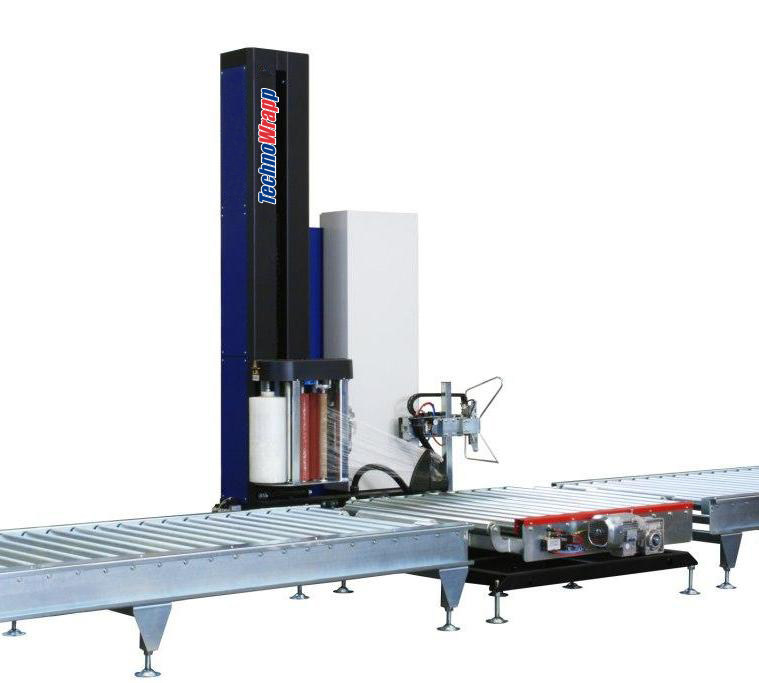
The machine that wraps pallets in film. Turntable models are most common: the pallet spins, the film carriage travels up and down, done in 30 seconds. Hand-wrapping takes 3–5 minutes per pallet and never gets as tight — one collapsed load in transit costs more than the machine. One of the fastest-payback machines in the building.
Price range: $6,000–$16,000 turntable; $25,000–$70,000 rotary-arm/fully automatic.
34. Case Erector / Case Sealer
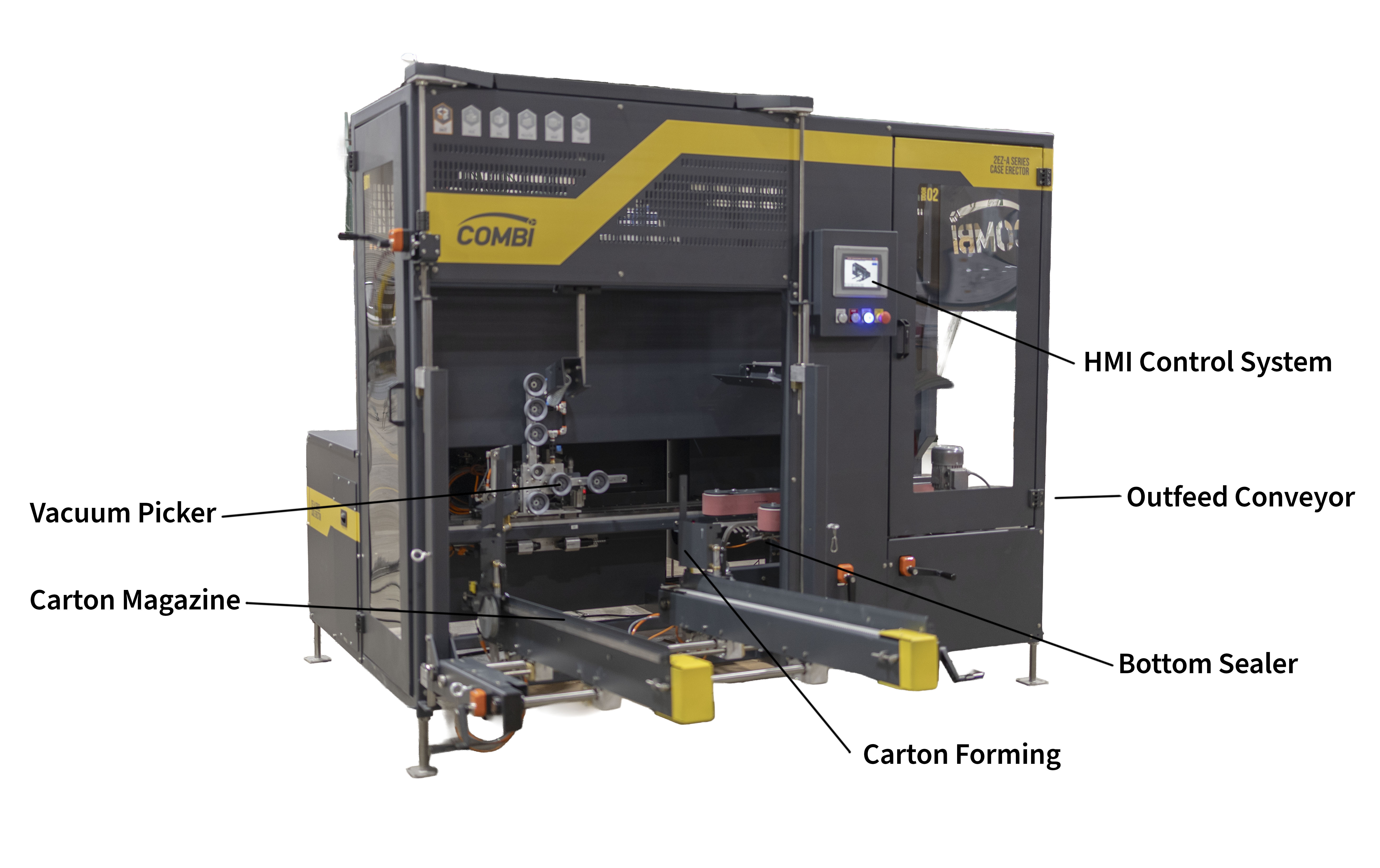
Erectors fold flat cartons into boxes and seal the bottom; sealers close the tops. Standard on e-commerce and 3PL pack lines — folding hundreds of cartons by hand destroys backs. If carton sizes change often, get an adjustable model; for a single size, fixed is cheaper and tougher.
Price range: $18,000–$55,000 erector; $6,000–$18,000 sealer.
35. Baler
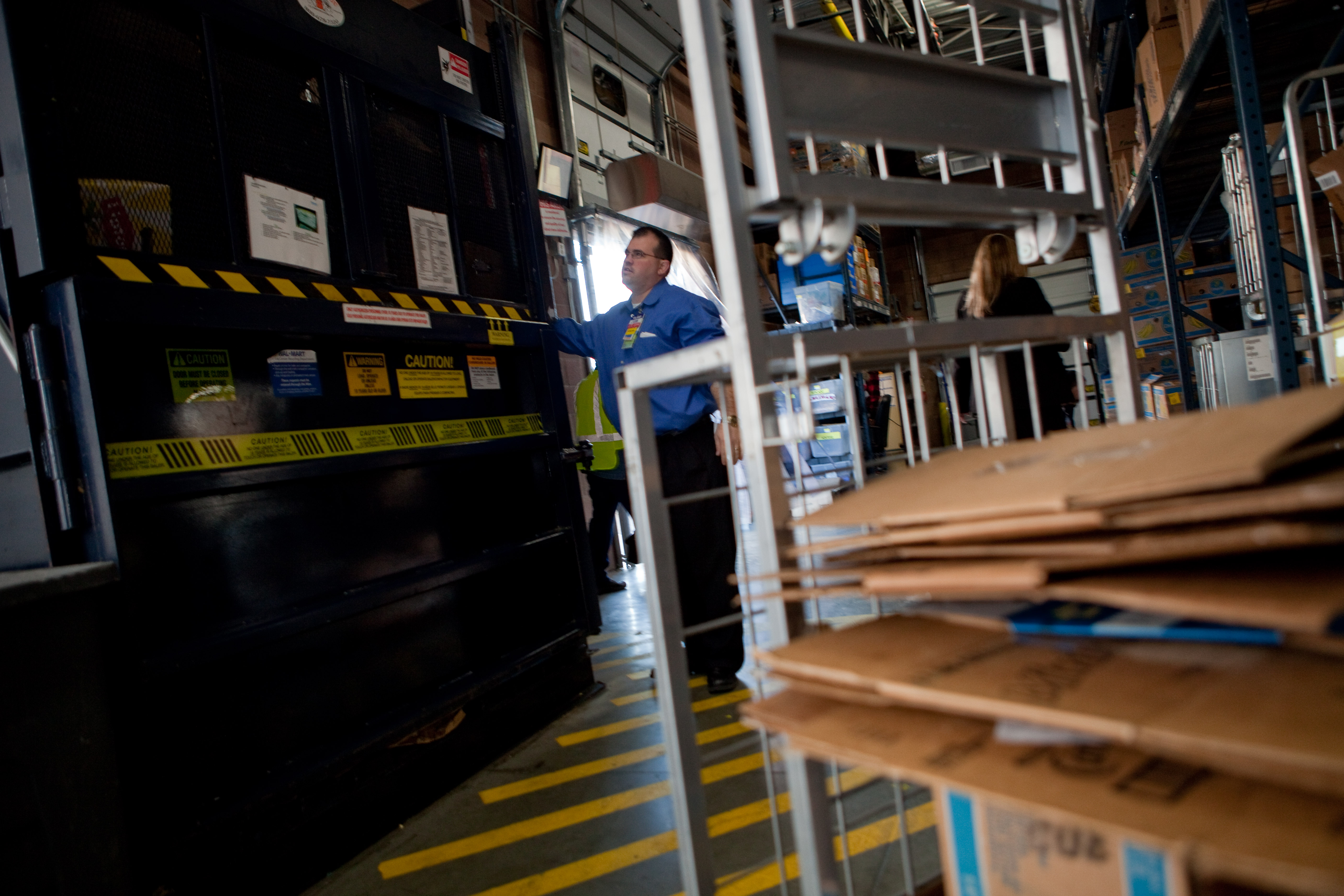
Compresses cardboard and film into bales you can sell. Don't underestimate it: a 10,000-order-a-day e-commerce warehouse generates a truckload of cardboard daily. Toss it loose and waste-hauling runs tens of thousands a year; bale it and the scrap itself earns money. Vertical balers are cheap and suit small sites; horizontal balers run continuously for large ones.
Price range: $6,000–$18,000 vertical; $40,000–$120,000 horizontal.
7. Automation: Expensive, But Worth It When the Math Works
36. AGV (Automated Guided Vehicle)
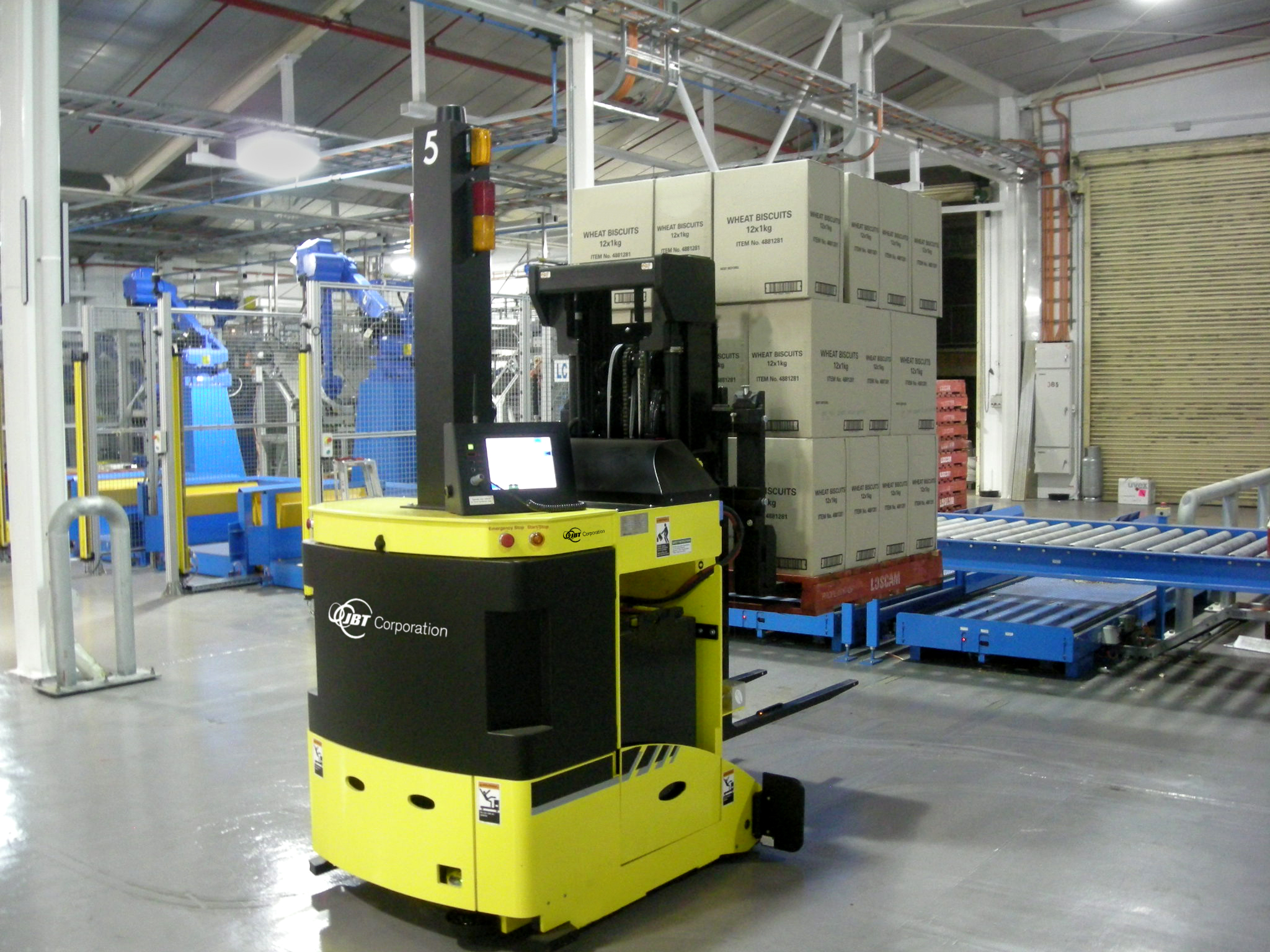
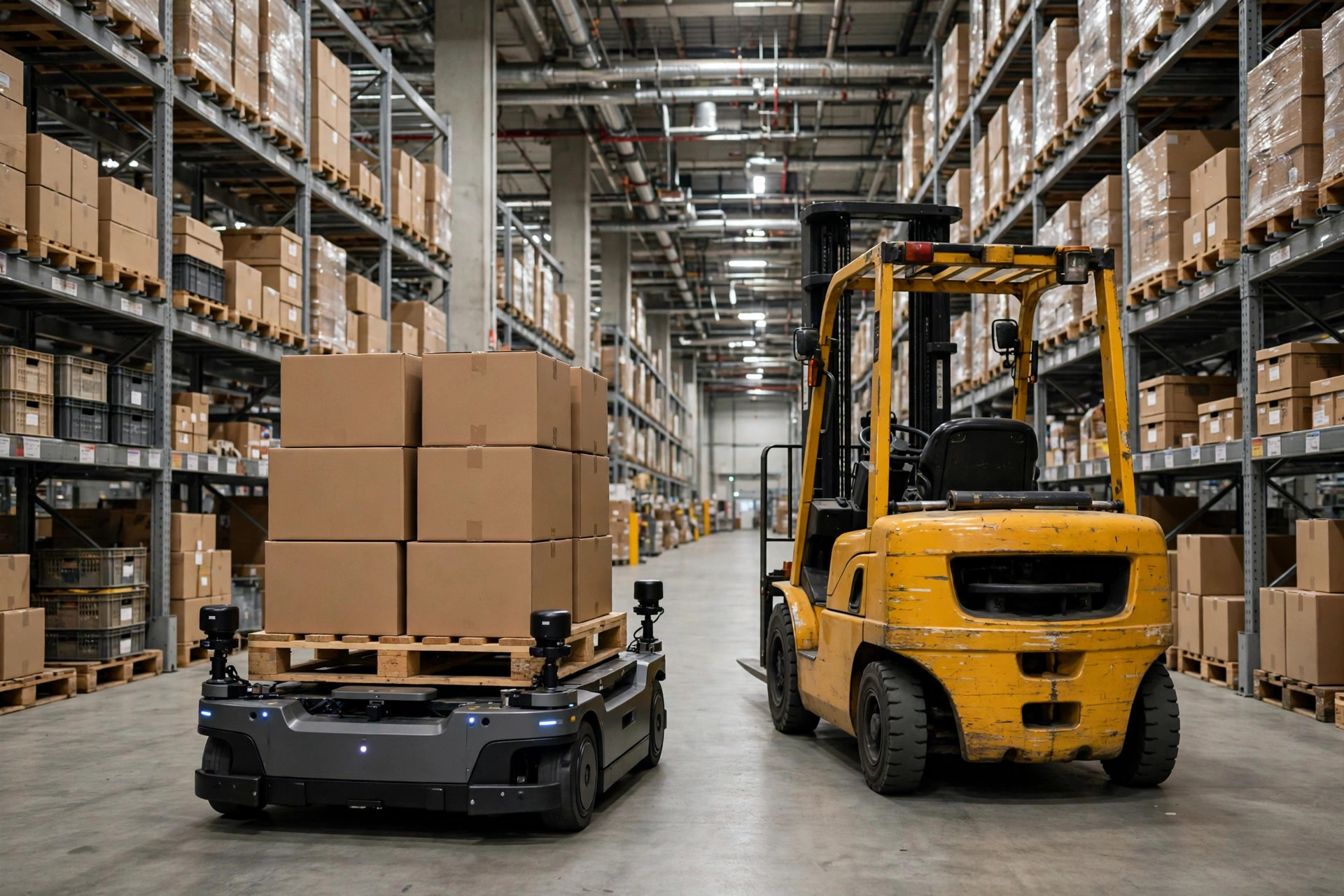
Driverless carts running fixed routes. Three flavors: unit-load (carrying racks or carts on its back), tugger (towing trains of carts), and forklift AGV (picks pallets, works racking). Forklift AGVs cost the most but can replace human forklifts on inter-zone moves. AGVs are obedient but rigid — fixed paths on floor QR codes or magnetic tape, best for stable, repetitive flows.
Price range: $30,000–$80,000 unit-load/tugger; $90,000–$220,000 forklift AGV.
37. AMR (Autonomous Mobile Robot)
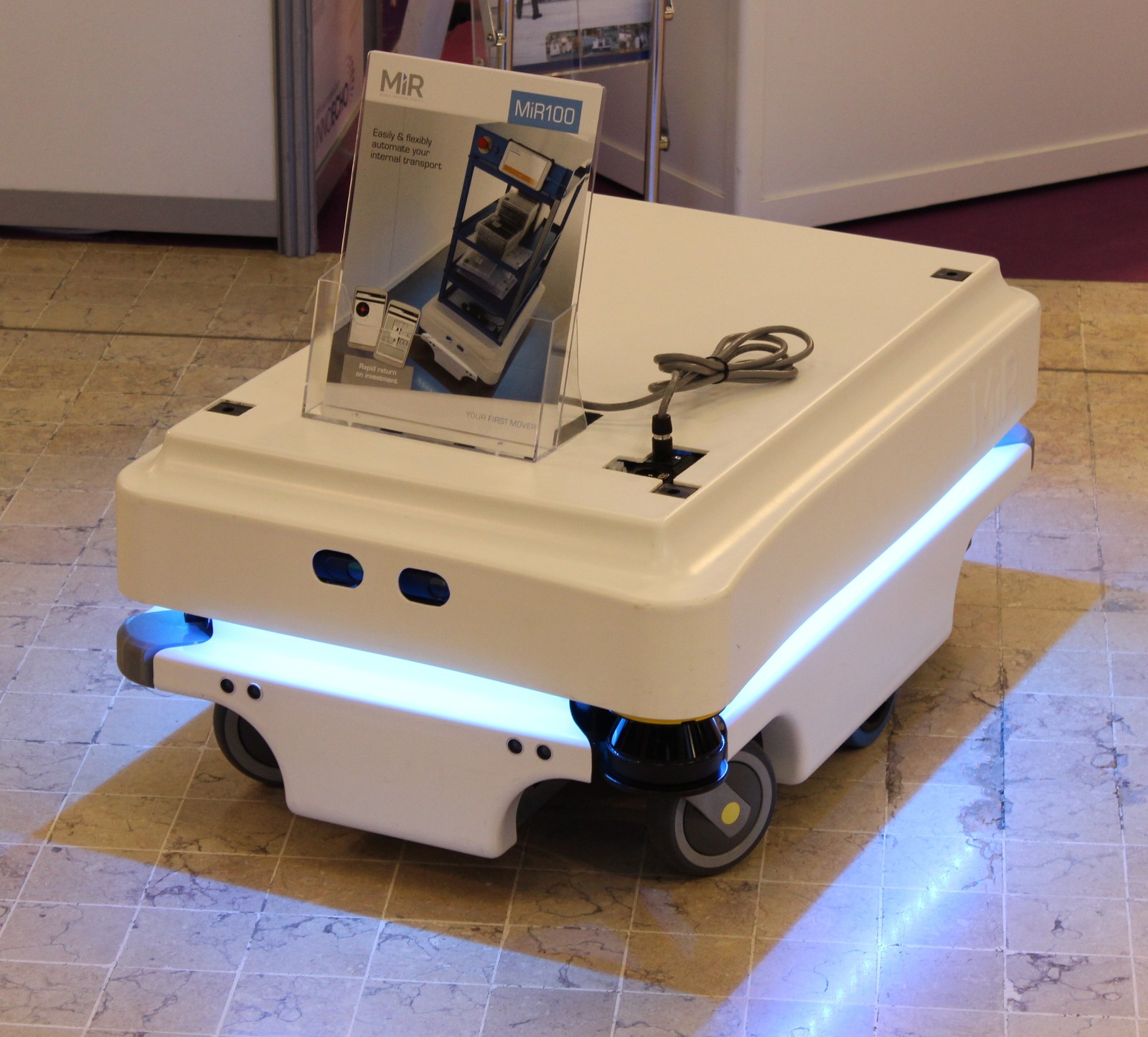
The AGV's smarter sibling — lidar vision, self-planned routes, obstacle avoidance on the fly. Goods-to-person fleets (Geek+) and material transport (MiR) are the classic plays. More flexible than AGV and faster to deploy (no floor tape), but pricier per unit with lighter payloads. Goods-to-person AMR pricing has dropped fast in recent years — mid-size warehouses can afford it now.
Price range: $25,000–$90,000 per robot.
38. Four-way Shuttle
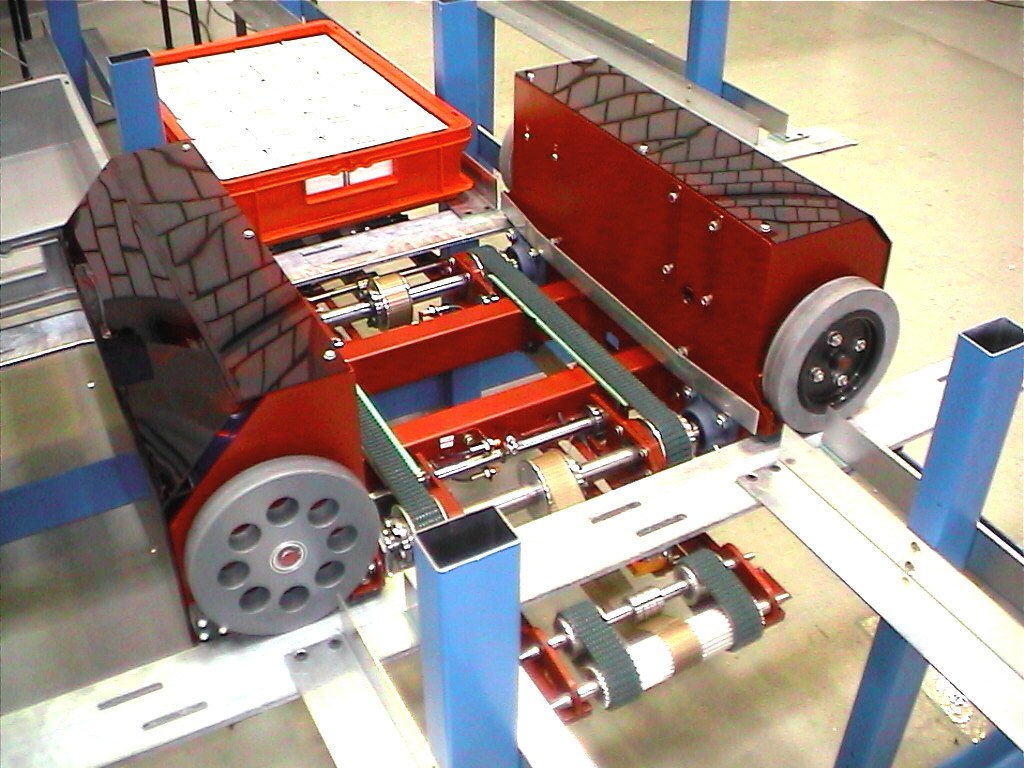
Small shuttles running on rack rails in all four directions, delivering totes or pallets to the aisle end. Dense storage plus solid throughput — growing fast in e-commerce, pharma, and cold chain. The shuttle itself isn't the expensive part; the system is: racking, rails, lifts, and WCS software add up. Right for high-SKU operations that need dense storage with real pick performance.
Price range: $18,000–$35,000 per shuttle; $600,000–$3,000,000 per system.
39. Stacker Crane (AS/RS)
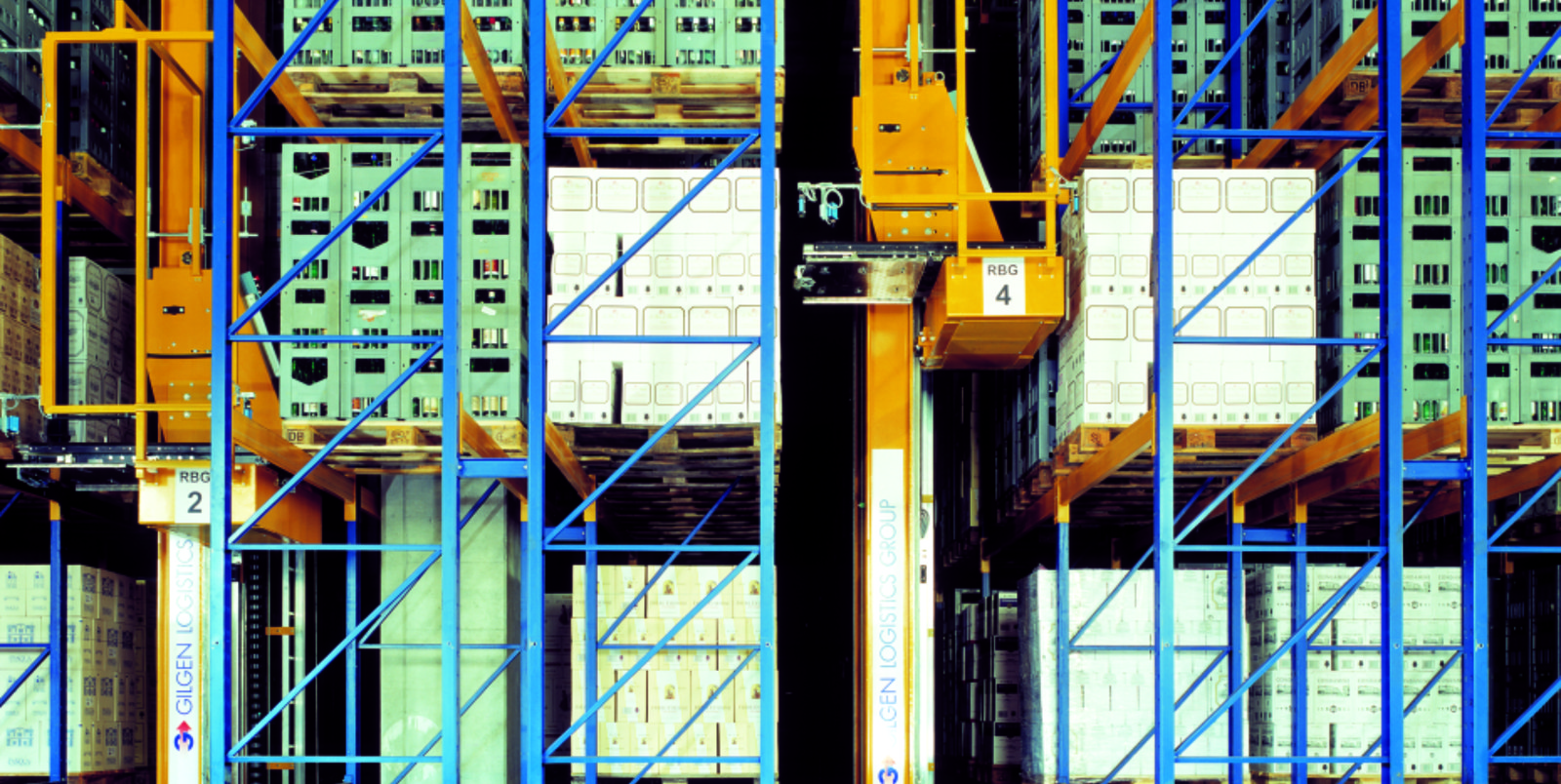
The big iron of automated storage — cranes running 50-foot aisles, storing and retrieving pallets around the clock. One crane per aisle, unbeatable density and accuracy. The downsides are the investment and the 1–2 year build cycle — and once it's built, the layout is set in stone, so think hard if your business changes fast.
Price range: $180,000–$450,000 per crane; systems from $1,000,000 up.
40. Vertical Lift Module (VLM)
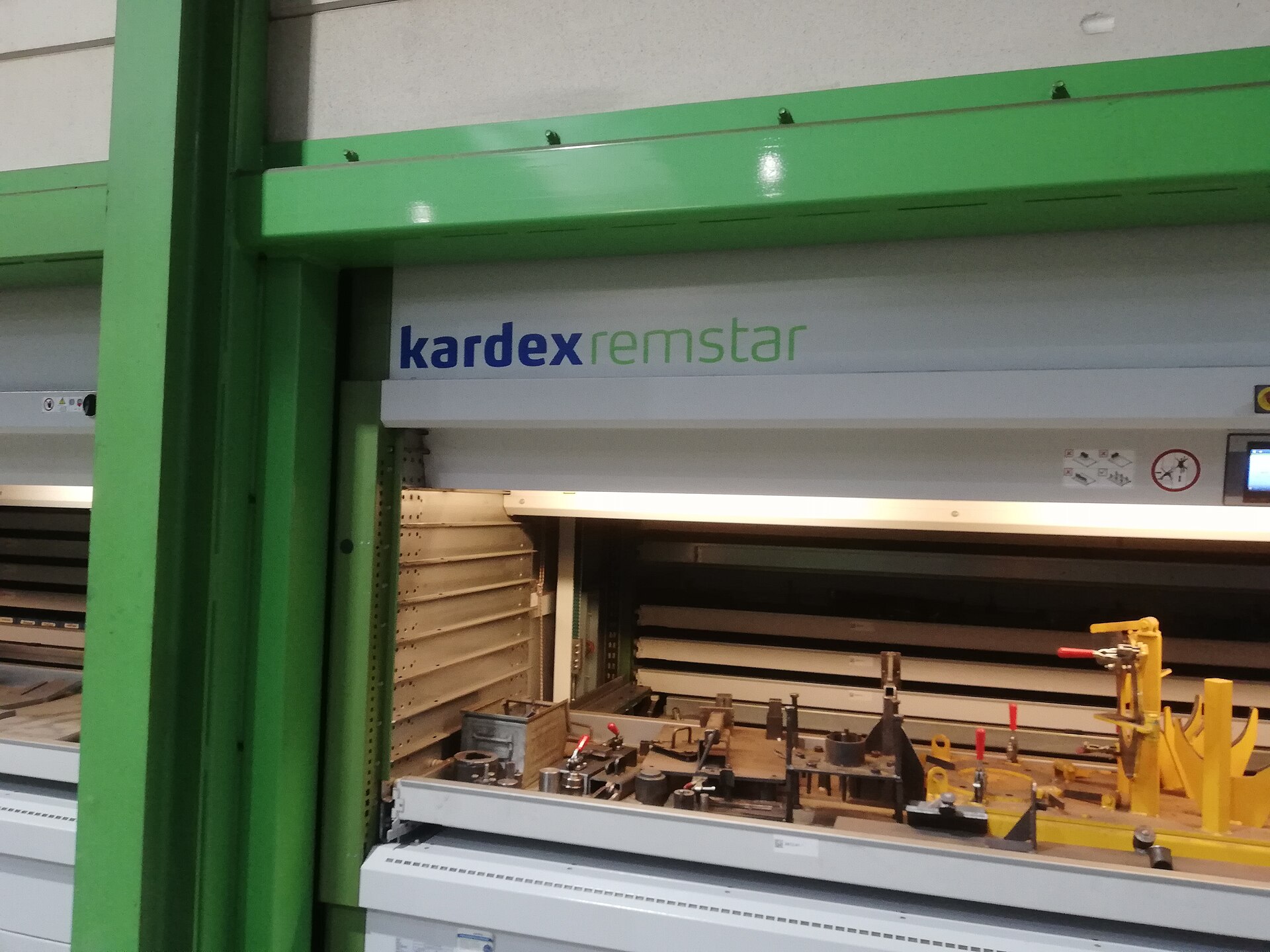
A giant cabinet where trays automatically rise and descend to the access window — goods-to-person in compact form. Tiny footprint (one VLM replaces dozens of shelving bays), ideal for small, high-value, high-SKU inventory: electronic components, pharma, MRO spares. Replacing 60–80% of shelving footprint with one unit is no exaggeration.
Price range: $90,000–$220,000 per unit.
41. Palletizing Robot
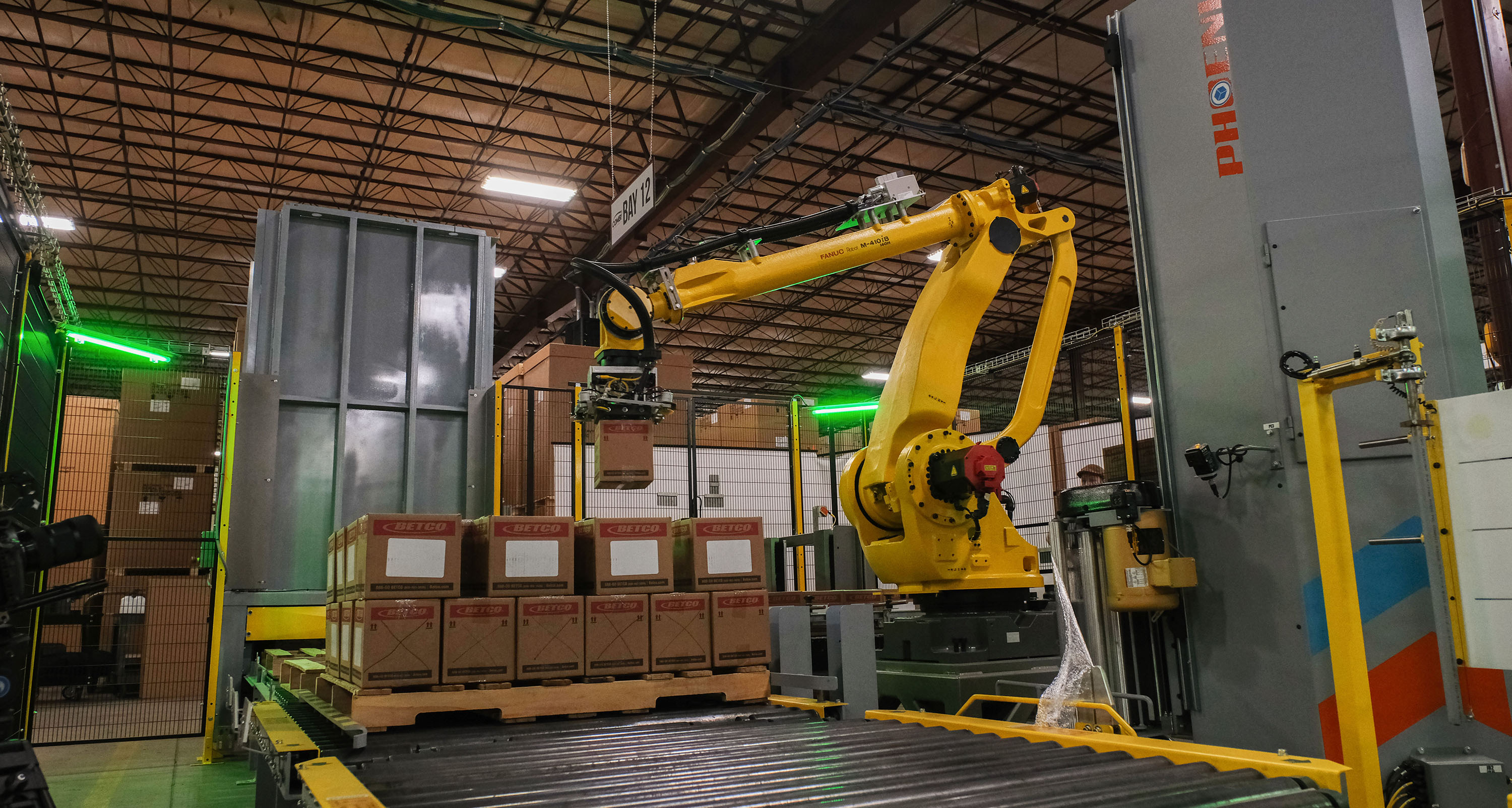
A robotic arm stacking cartons onto pallets layer by layer — neat patterns, 8–15 cases a minute. Manual palletizing destroys backs, hiring is hard, turnover is high; in heavy-goods warehouses (beverages, rice and flour) robotic palletizing is close to mandatory. Conventional gantry palletizers cost less; six-axis arms are more flexible.
Price range: $120,000–$350,000 per system.
42. Depalletizing Robot
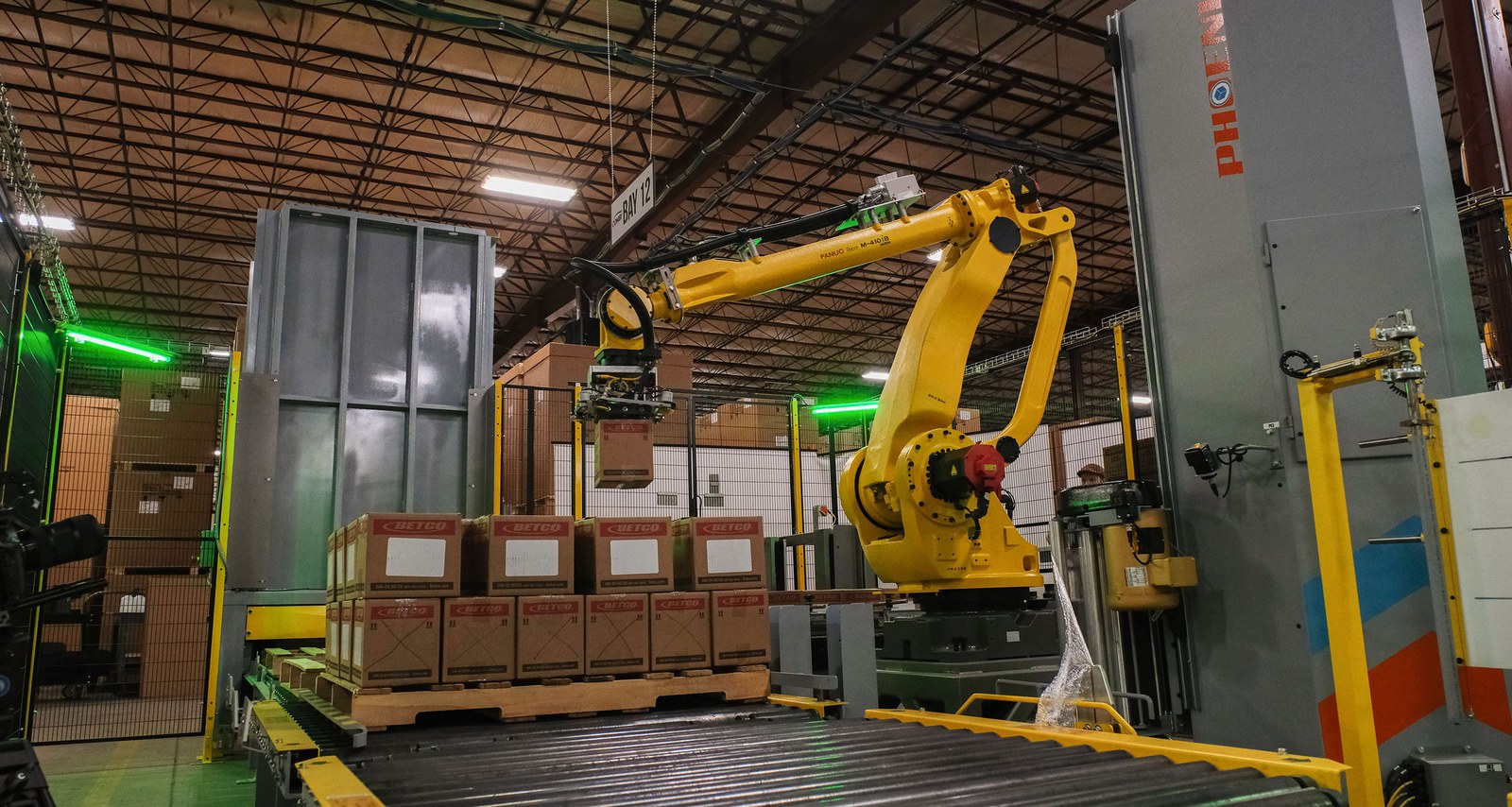
Palletizing in reverse: breaking full inbound pallets into single cartons onto a conveyor. With 3D vision locating each carton, even mixed pallets come apart. Popular in import DCs and high-volume 3PL receiving — ten minutes by hand becomes two by machine, with no fatigue. The vision system is the core; damaged cartons and reflective labels hurt recognition rates.
Price range: $180,000–$500,000 per system.
43. Floor Cleaning Robot
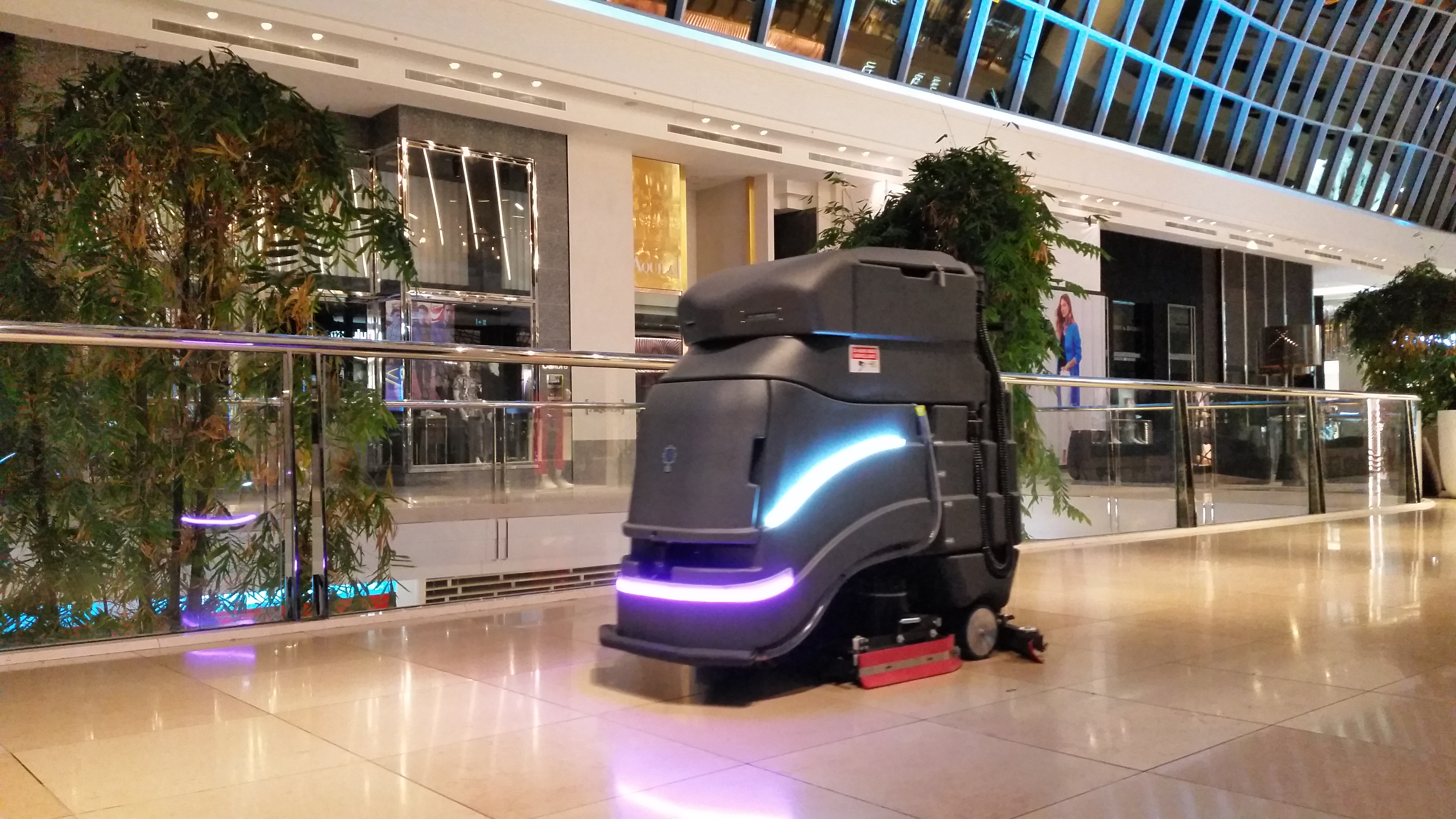
Autonomous scrubbers and sweepers that work the floor overnight. A 200,000 sq ft warehouse needs 2–3 janitors; one robot does it — and cleans better. Dust is the warehouse's silent enemy: it gets into scanners and conveyor motors and drives failure rates up. Money well spent.
Price range: $30,000–$70,000 per unit.
44. Quadruped Robot
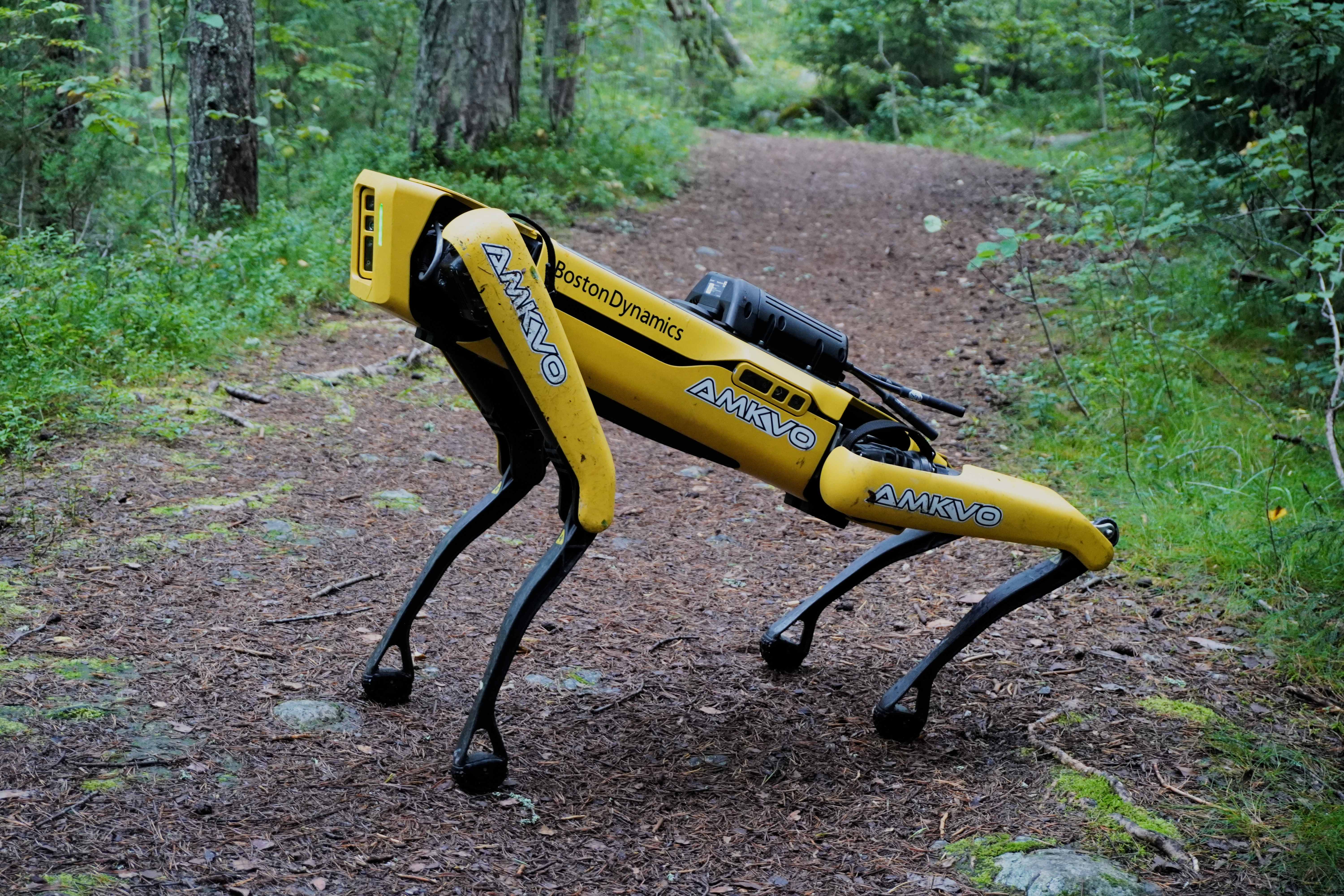
The four-legged robots — Boston Dynamics Spot and its peers — patrolling the yard, counting outdoor pallets, checking dock door status. Legs go where wheels can't. Still early days for real deployments, but operations with big yards and expensive manual patrols are already piloting them.
Price range: $75,000–$150,000 per unit with software.
8. Dock & Safety: Easy to Overlook, Expensive to Get Wrong
45. Dock Leveler
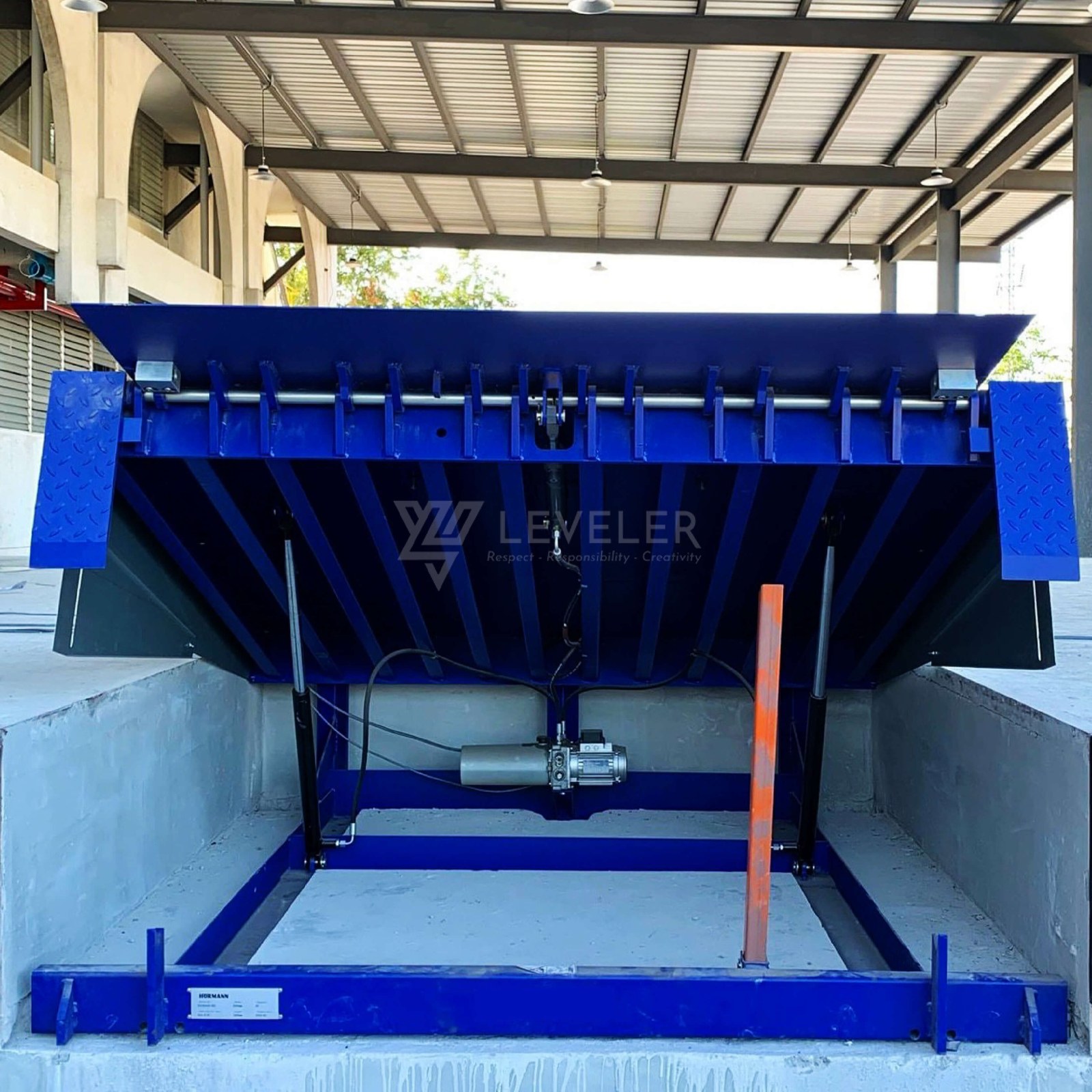
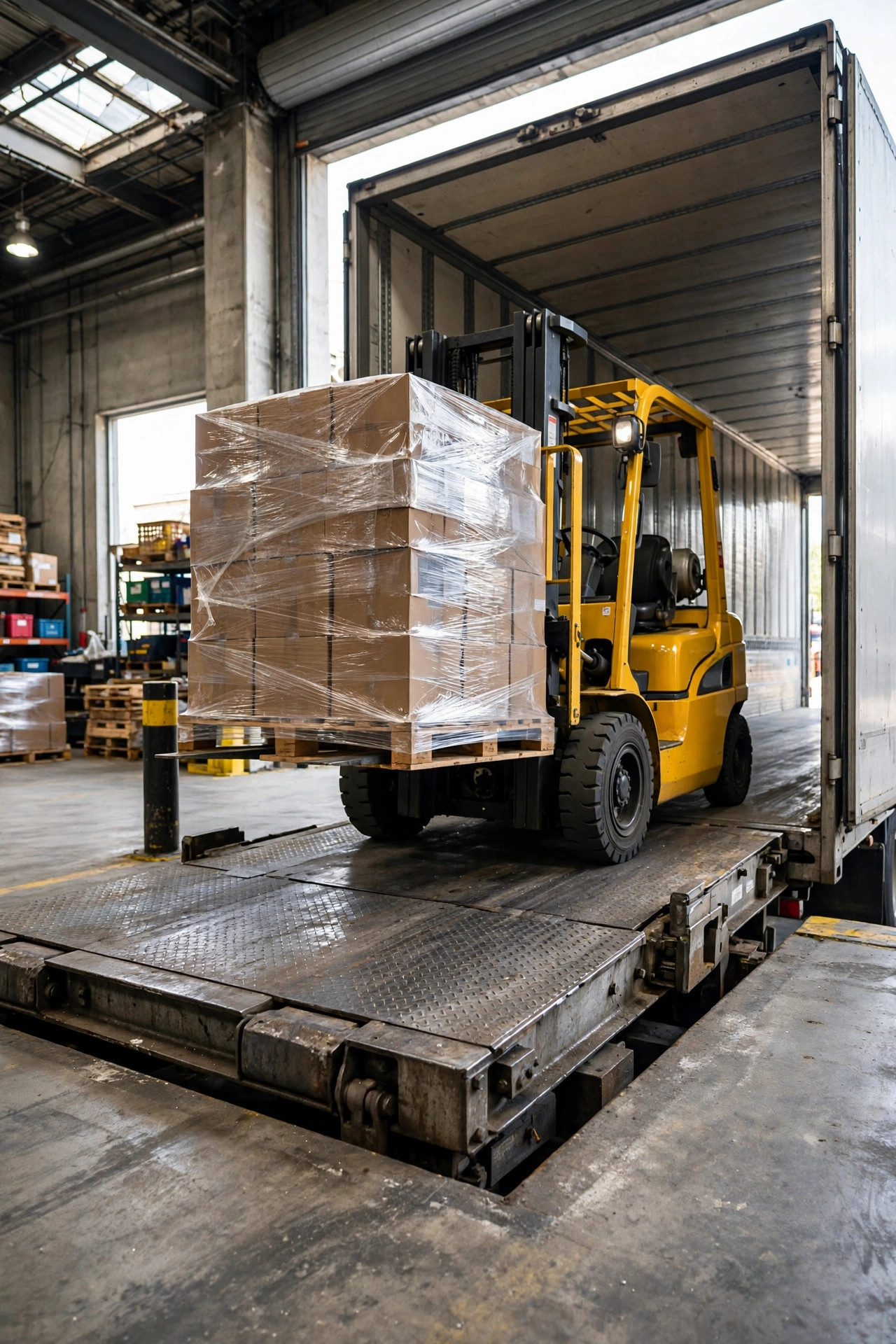
The bridge between the dock and the trailer — forklifts drive across it to load and unload. Hydraulic beats mechanical on effort and safety; 60,000-lb capacity is common. A dead leveler paralyzes the whole door — I once watched a warehouse's entire outbound plan slip a month over a leaking hydraulic cylinder nobody fixed. Maintain them; don't wait for failure.
Price range: $3,500–$9,000 each, installed.
46. Rack Protection & Safety
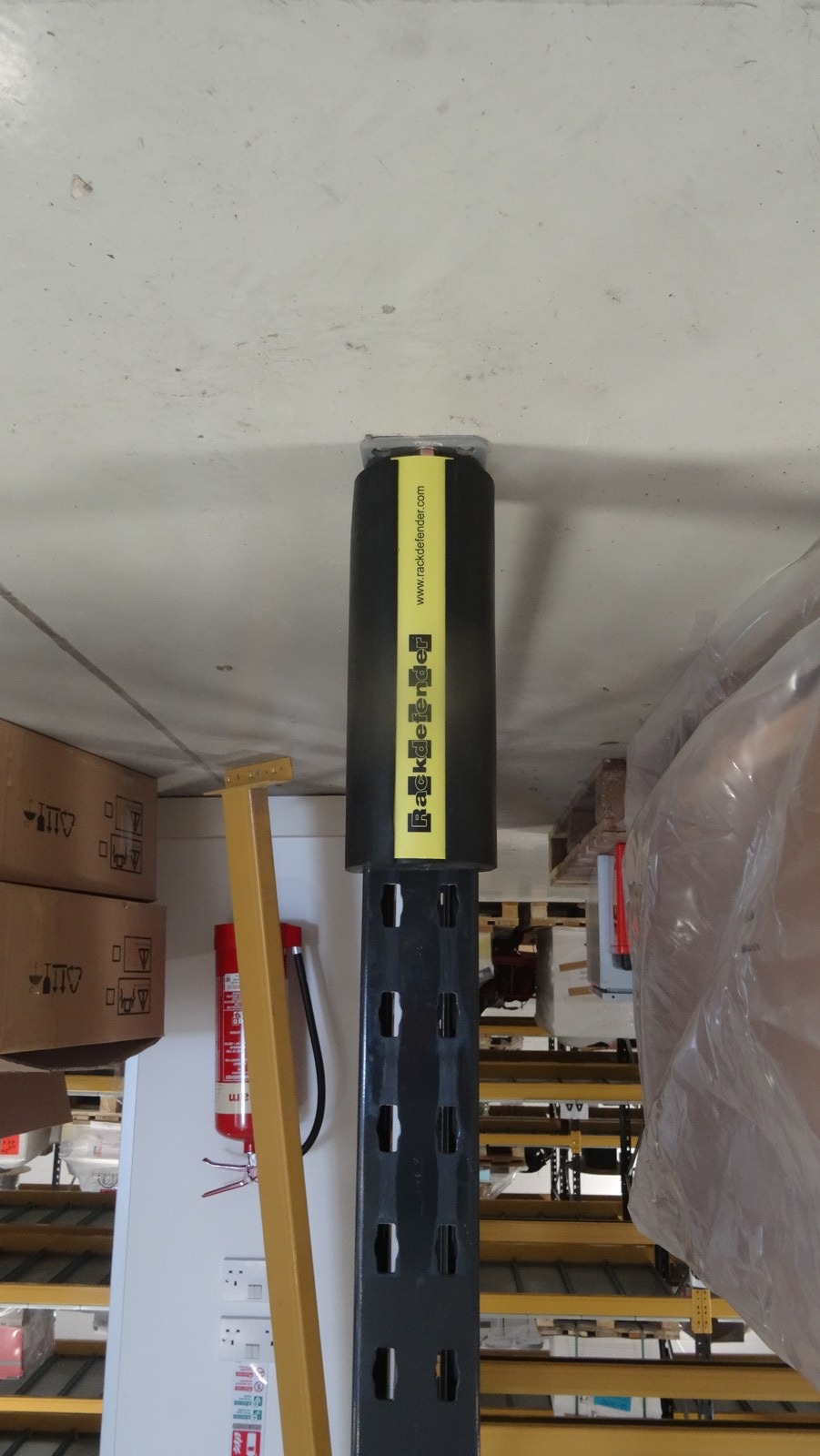
Rack guards, guardrails, bollards — one forklift kiss on an upright can compromise a whole bay. OSHA has explicit rack-safety requirements; this small money isn't worth saving. And a reminder: licensed drivers, safety training, and annual equipment inspections — the "soft equipment" — matter more than hardware. One accident costs more than a warehouse full of guards.
Price range: $50–$300 per protected spot.
Closing: Three Pieces of Advice for Your Next Build or Refresh
First, do the math before buying. For every machine, ask three questions: how much labor does it replace? Which step gets how much faster? What's the worst case if I don't buy it? Automation that can't pass the math is a toy.
Second, data-capture equipment before automation. Scanners, PDAs, labels, DWS — the "small money" — are the foundation of warehouse digitalization. Without a solid foundation, AGVs and shuttles are castles in the sand: if the system doesn't know where the goods are, fast robots don't help.
Third, leave room to grow. Conveyors, racking, AGV paths — plan 20% headroom. Future you, when the business doubles, will be grateful. Retrofitting a live warehouse costs triple what building it right costs.
These 46 cover essentially the full chain from receiving to shipping in a modern warehouse. Bookmark this one — walk through the checklist item by item next time you budget for equipment, and you'll miss far fewer line items.
Photo Credits
Thanks to the following photographers:
- CC BY-SA 4.0: Liangwei1362, MicroSYST Systemelectronic GmbH, Sraleppal, Frettie, Pregulek, Onetechvietnam, Logistikainsener, Zulu84, OnionBulb, Ktr101, Ingenieria-logistica, Killgore1138, Rexcornot, Gilgen Logistics AG, MrVollbrecht, Jonatan Holmgren, Blonder1984, LEVELER, Majh1999
- CC BY-SA 3.0: Axisadman, Johan Sand, Markj52, Normalisaverage, Dbenbenn, Tecnowey, Avatary 34, Dieter Arndt, AGVExpertJS
- CC BY-SA 3.0 de: Fraunhofer IML, Dortmund
- CC BY-SA 2.0: Blythwood
- CC BY 3.0: Yiddophile~commonswiki, TGWmechanics
- CC BY 2.0: Shixart1985, File Upload Bot (Magnus Manske)
- CC0: Pedalito, Ser Amantio di Nicolao, W.carter, Killgore1138
- Public domain: Wikipeder, Markj52, U.S. Department of Agriculture, AutoGuidedVehicles
If any image infringes your rights, please contact us and we will remove it.