A warehouse dock appointment late driver reschedule is the call nobody wants to make at 8:40 in the morning: the driver is two hours out, the door is already clear, three trucks are queued behind him, and the next wave releases in thirty minutes. Here is my conclusion up front: when a driver is two hours late, do not hold the door for him. An empty door does not cost you one truck's loading time. It costs you the rhythm of the whole morning.
There are two sides to this. On one side, the driver's problems are real: traffic on the interstate, the last shipper running long, a breakdown nobody planned. On the other side, the warehouse pays by the minute: the door sits empty, the crew stands around, picked freight piles up in staging. A late driver is not a moral failure. It is a planning problem. If the plan can move, two hours late is a small disruption. If it cannot, thirty minutes late can wreck the day. That is the real question behind every warehouse dock appointment late driver reschedule: not how to punish the delay, but how to keep the rest of the day moving.
The Ontario Morning a Dock Door Sat Empty for Two Hours
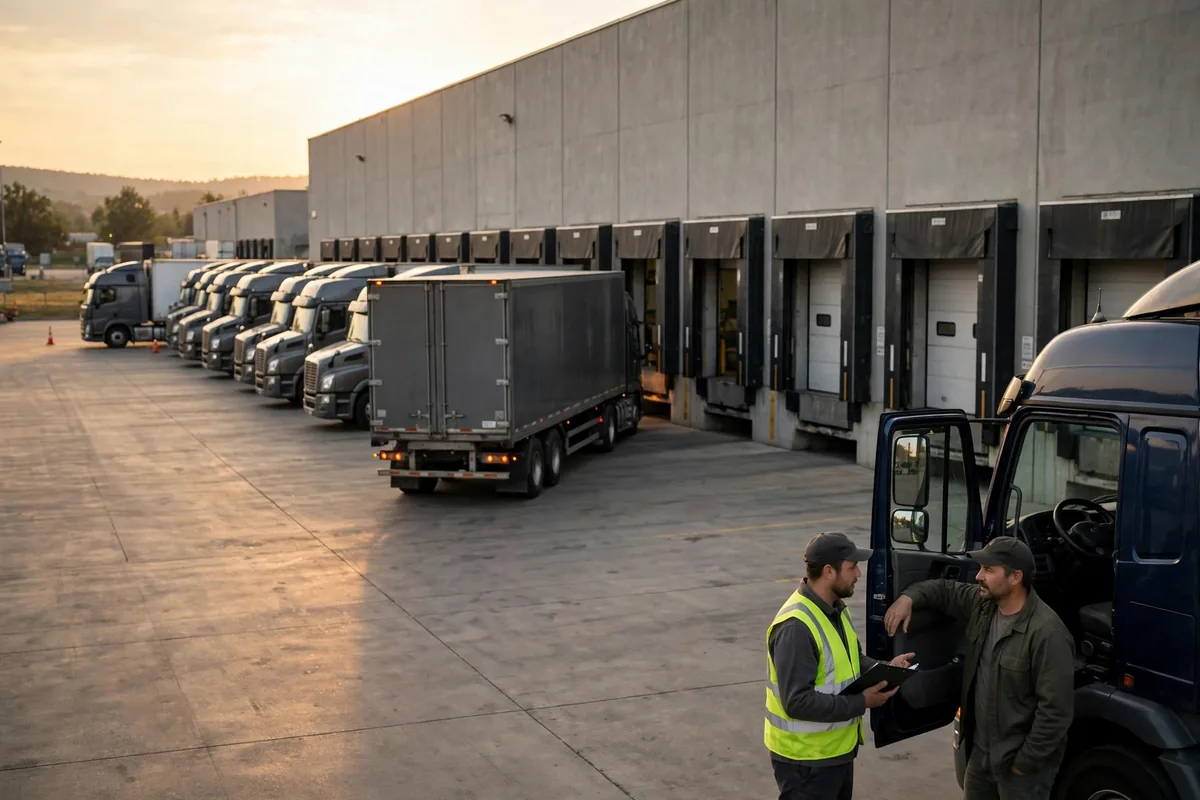
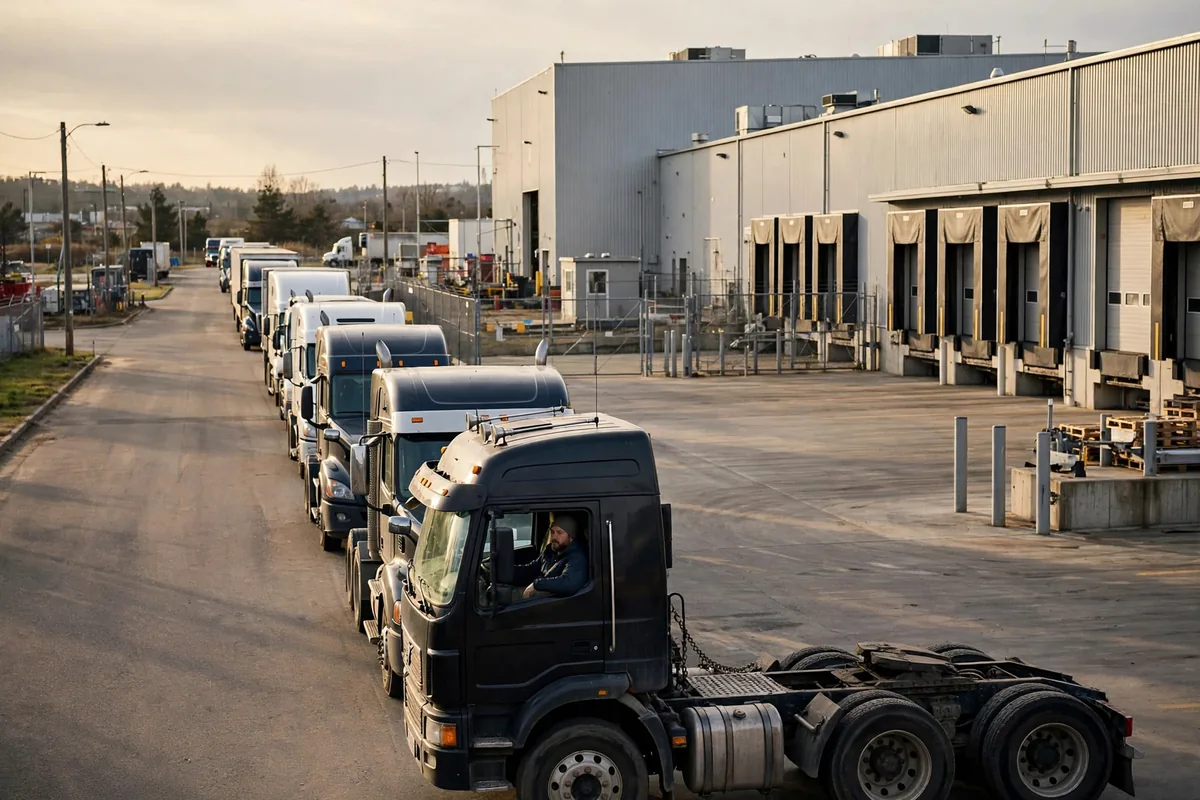
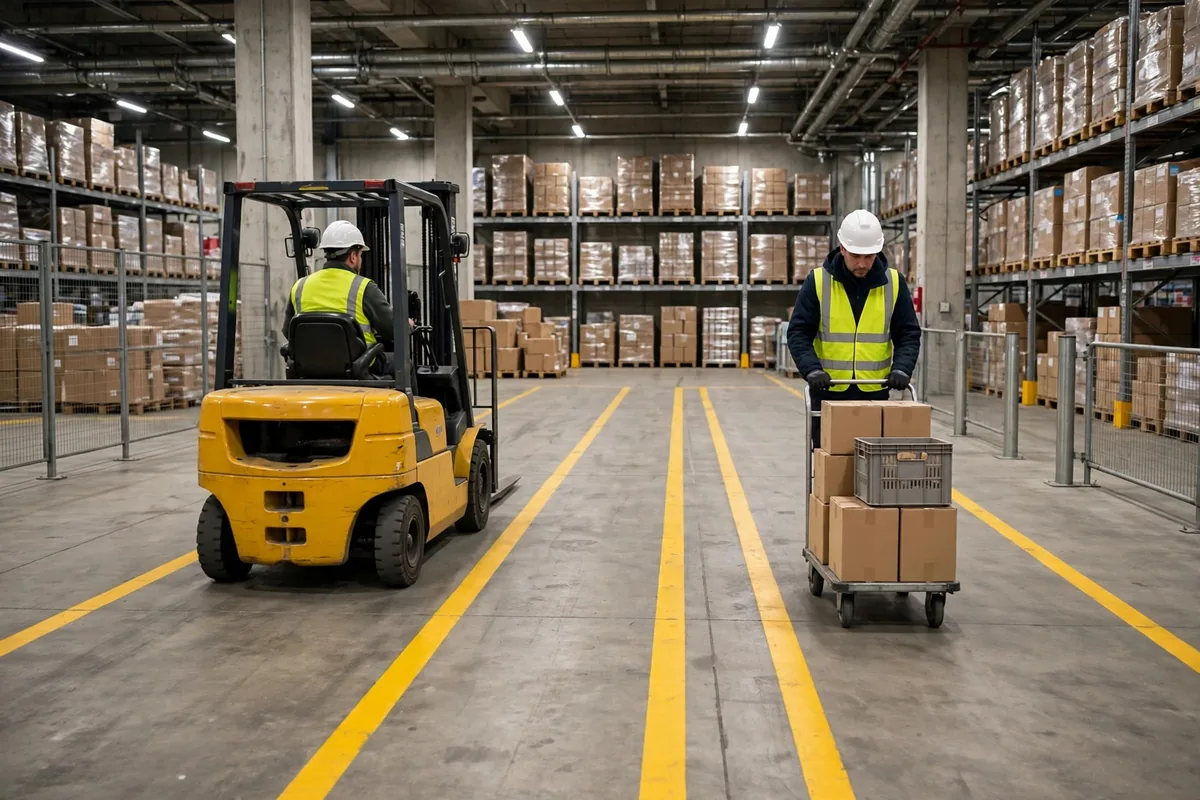
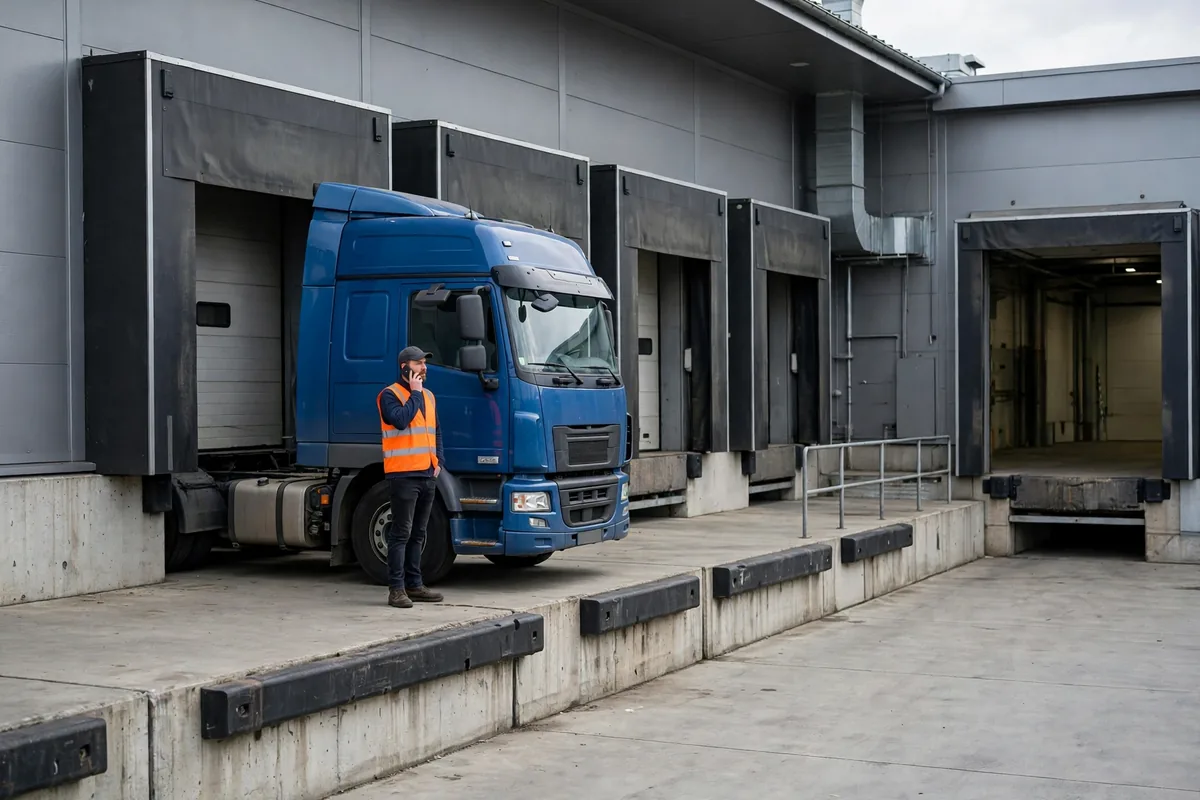
One Tuesday in July 2024, at a 3PL warehouse in Ontario, California — twelve doors, two shifts — a 53-foot dry van was booked for a 9:00 pickup. At 8:40 the driver called from Interstate 10: traffic, maybe 11:00. He actually rolled in at 11:07. The shift lead held Door 7 for him. For two hours, 9:00 to 11:00, four loaders waited by an empty door while more than 800 picked cartons sat in staging with nowhere to go. The 10:30 and 11:00 trucks waited outside the gate. The 11:00 outbound wave did not release until 1:20 p.m., and half the same-day orders slipped to the next day. The numbers below come from one project of mine, not an industry statistic: one truck short for the morning, three hours of night-shift overtime, and more than forty "where is my order" calls to customer service that day.
I understand why the lead held the door. It feels like the efficient move: the moment the driver arrives, loading starts. It is the most expensive kind of efficient. A truck can change its arrival time. A door cannot — every minute it sits empty is capacity thrown away. I have seen too many warehouses lose the day on this one decision. Not because the driver was late, but because they chose to wait.
A Late-Driver Triage: 30 Minutes, One Hour, Two Hours or More
How late the driver is should decide what you do. I keep a triage table taped to the dispatch desk so whoever is on shift follows the same calls instead of inventing them under pressure:
| How late | What happens to the door | Wave and labor | Who gets told |
|---|---|---|---|
| Under 30 minutes | Keep the door; loading crew starts 30 minutes late | Wave unchanged, picking continues | Dock lead only |
| 30–60 minutes | Hold the door 30 minutes past the booked time, then give it to the next truck | Wave can slip up to 30 minutes | Carrier and customer service |
| 1–2 hours | Free the door at once; rebook the late truck into the next open slot that day | Re-sequence the wave; release picks in the new order | Carrier, customer service, and the customer if the promise date moves |
| Over 2 hours | Treat it as a cancel-and-rebook; give the slot to a queued truck | Freight that cannot move today goes on the first wave tomorrow | Everyone involved, in writing |
Run the Ontario math. Two hours of an empty door cost one truck, 800-plus cartons half a day late, three hours of overtime, and forty-plus service calls — plus a wave that had to be rebuilt the next morning. A warehouse dock appointment late driver reschedule costs what? Ten minutes on the phone, two fields changed in the WMS, one appointment moved in the YMS. The cost was never in the reschedule. It was in the two hours spent deciding whether to reschedule.
I have seen too many warehouses reach for a fine first. Fine the driver once and he will still be late next time — only now he will not answer the phone, because no fine clears traffic. What actually works is appointment demotion: a carrier that runs late habitually gets off-peak slots only, and earns peak slots back after three months of on-time arrivals. And here is the counterintuitive part: when a driver is two hours late, the first thing to change is not the dock schedule. It is the wave release time. The dock board is the result. The wave is the cause. Move the dock and forget the wave, and the truck arrives on time to find freight that is not picked yet — an empty door all over again, with a truck parked in it.
How to Reschedule a Warehouse Dock Appointment Without Wrecking the Day
March 2025, another warehouse in the Inland Empire — four doors, six trucks booked for the day. Same scene: the 9:30 truck running two hours late. This time the dispatcher did not wait. The 10:00 truck took the door early, the late truck moved to a 1:00 opening, the wave shifted by twenty minutes, and not one outbound order was missed. The difference between the two warehouses was not luck. It was having a reschedule routine ready before the phone rang. A warehouse dock appointment late driver reschedule done well is boring: one phone call, two fields, no drama.
Make the driver report early. Get the driver's number at booking confirmation, and require a new ETA at least one hour ahead whenever the delay passes thirty minutes. Report early and there is something to negotiate: the door can move, the wave can shift. No report means the appointment is treated as cancelled, and the truck joins the queue when it arrives. The rule looks like it disciplines the driver. Its real purpose is buying the warehouse time to rework the plan.
Move the wave first, then the door. When the new ETA lands, change the wave release in the WMS first, re-sequence the picks, and only then move the appointment in the YMS. Get the order backwards and you get a truck at the door with freight still on the shelf — an empty door with a truck parked in it.
Tell everyone at once, and write it down. Carrier, customer service, customer — one round of calls, then a note in the system: who was late, by how long, moved to when. Next time that carrier runs late, the record tells you whether it is a one-off or a pattern. One more habit: keep one thirty-minute buffer slot per door per day during peak hours. It costs half a truck a day in scheduled capacity. It pays for itself the first time a two-hour delay does not force a full rebuild of the day. For a warehouse with fewer than six doors, that buffer is not optional.
Next time a driver calls and says "two more hours," what is your first question? Mine is: can the truck behind him take the door right now?
By Lao Mi, Supply Chain Veteran (20 yrs)