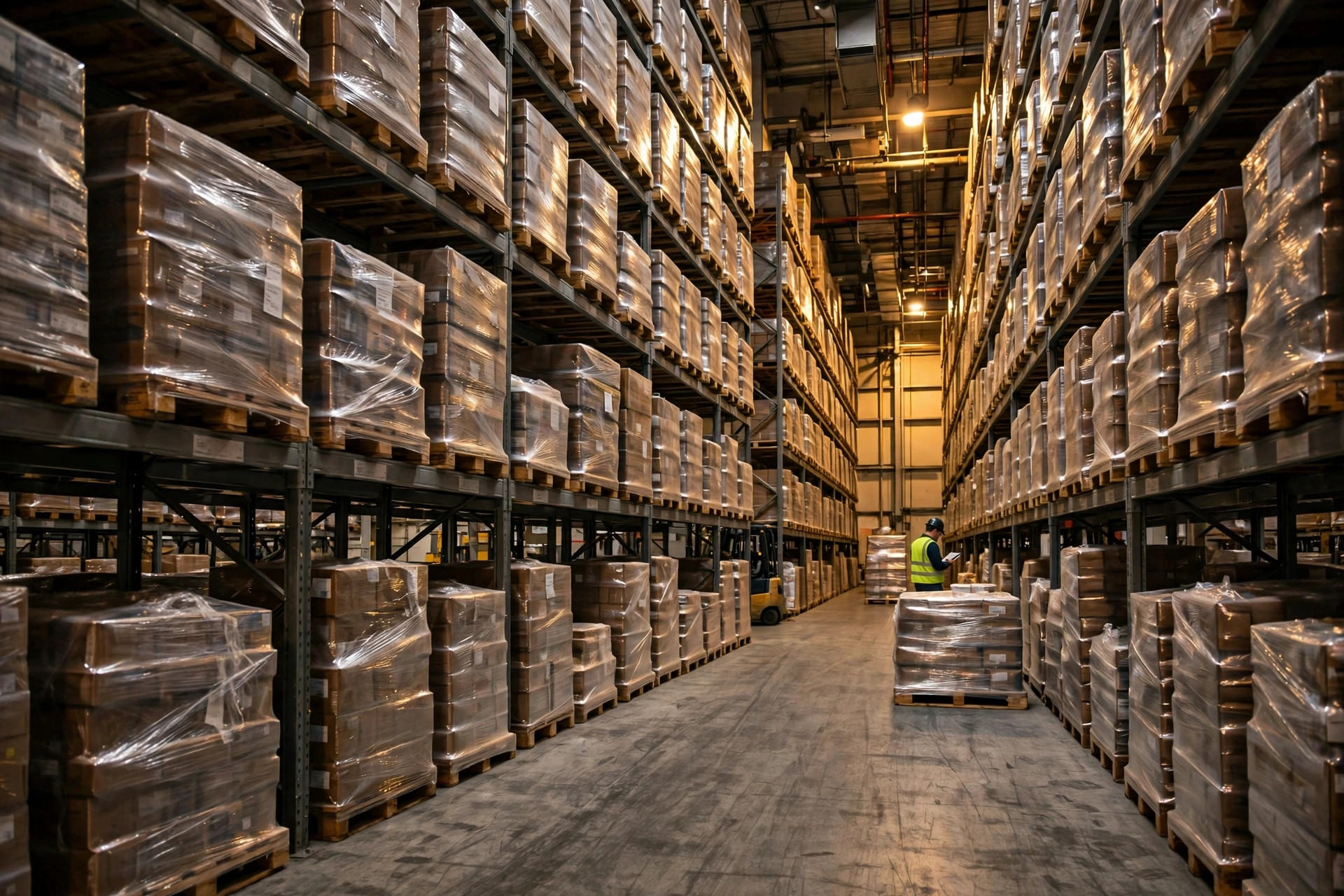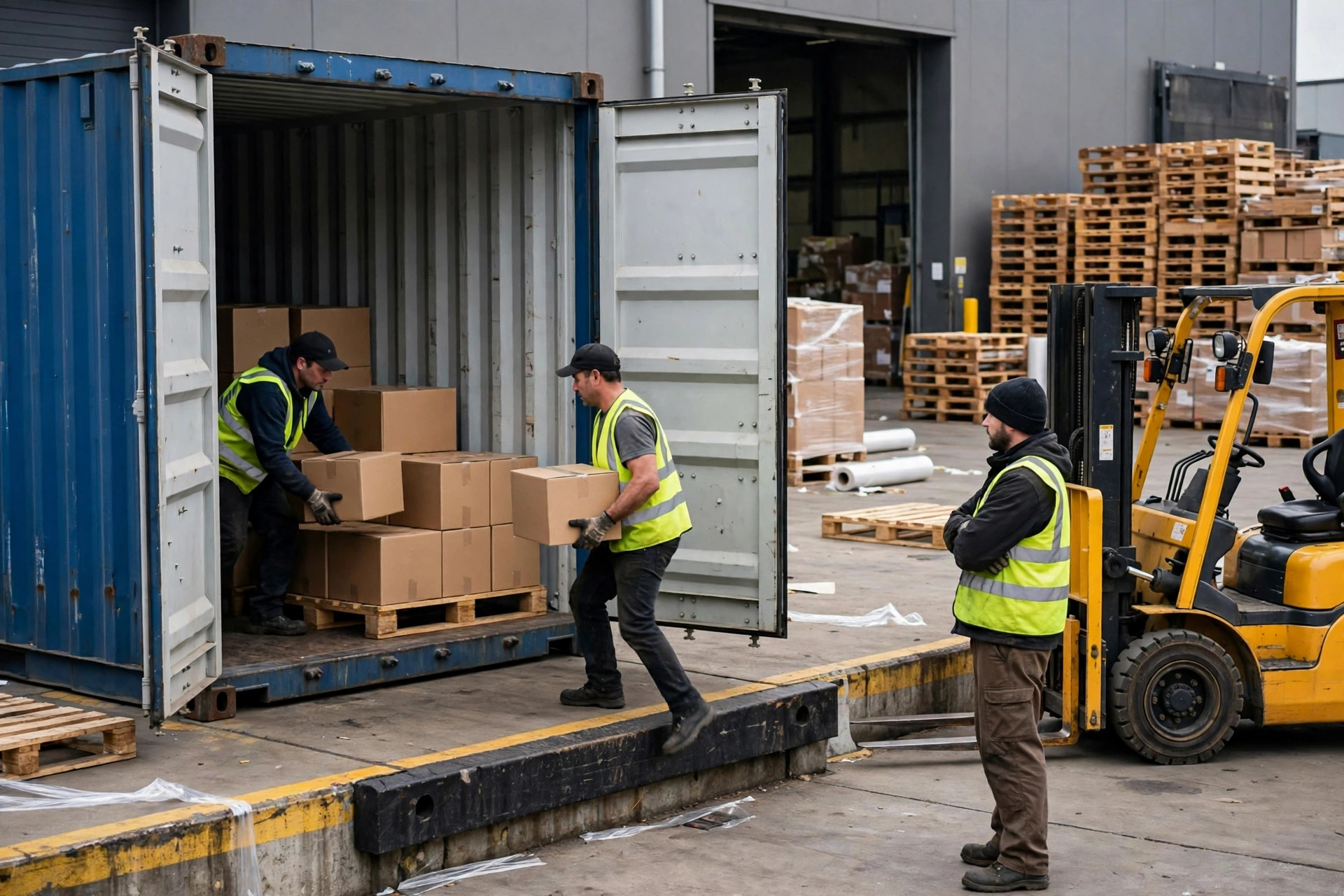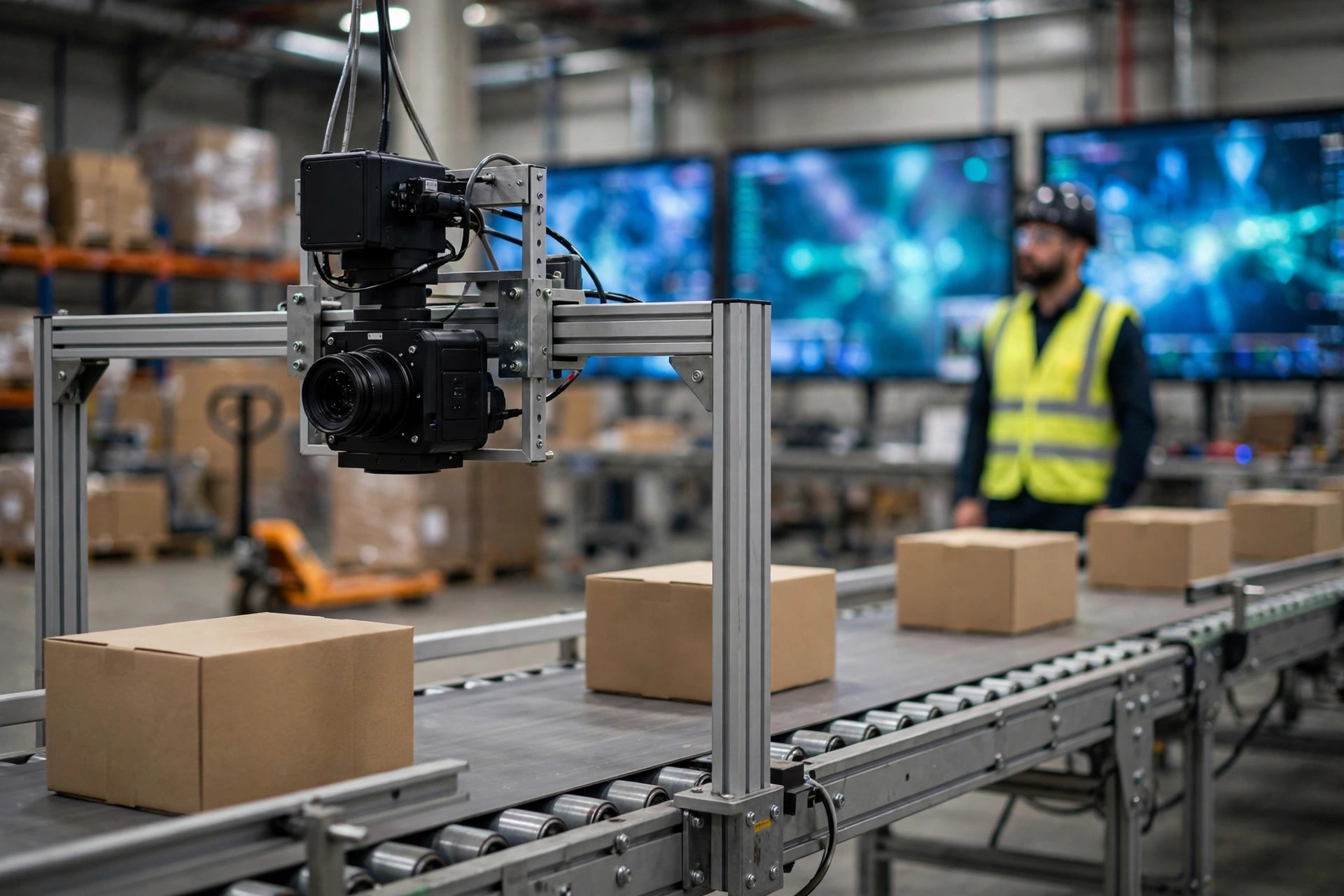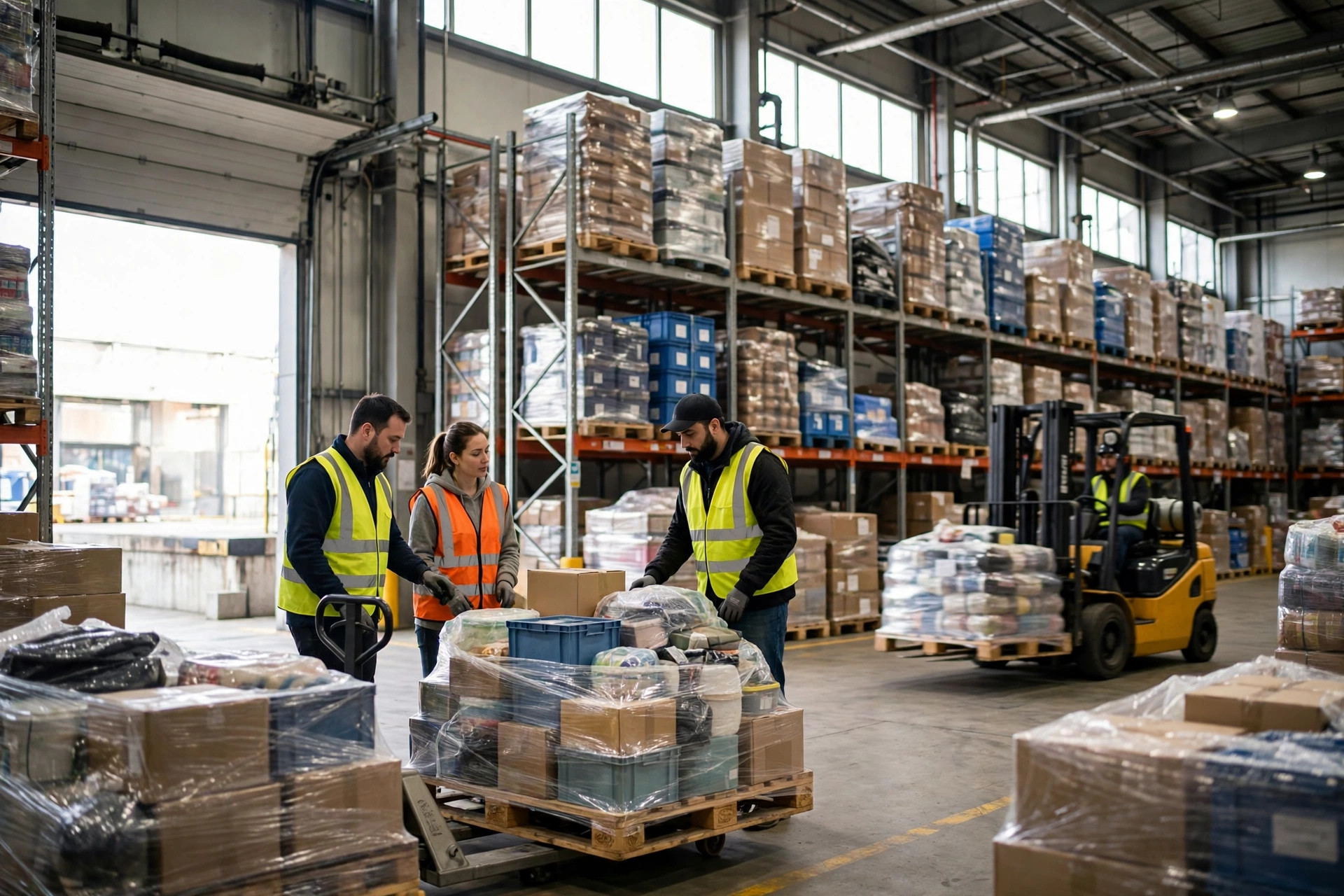
In October 2024, an outdoor-gear seller in California's Inland Empire called an on-demand warehousing provider with three weeks to go before Black Friday. His normal stock sat at 80 pallets. Peak-season buying pushed it to 240. His own leased building could not hold it, and a long lease could not be signed in time. The provider gave him 160 pallet positions within three days, along with picking labor and outbound handling, billed on the space he actually used. When peak ended, he stopped paying. The deal worked, but he later told me the closest call was not finding space at all. It was nearly negotiating a short-term deal with a long-term mindset: he almost fixated on pallet count and forgot to pin down picking capacity, returns handling, and payment terms. That is the shape of this whole topic. Space is the easy part. Everything around the space is where the money leaks.
The principle of on-demand warehousing: you rent elasticity, not floor area
Think of it like a backup generator. Most days you run on the grid. You fire up the generator only during the outage. A long lease buys certainty. Flex space buys the ability to absorb a surge. Under a long lease, your costs are fixed whether the racks are full or half empty: rent and a labor base keep burning. Under a flex arrangement, fixed cost turns into variable cost. More freight means more spend, less freight means less spend.
Before talking price, draw your volume curve. For the last twelve months, plot pallets on hand, order lines, and cartons shipped, week by week. The ratio between peak and trough is your volatility coefficient. If the ratio stays under 2, your demand is fairly flat, and a long lease plus a small overflow arrangement is usually the cheaper answer. If it spikes past 3 and the spike lasts only six to ten weeks, on-demand warehousing earns its keep. Without that curve, you cannot buy the right amount of elasticity.
A home-goods seller near Dallas, Texas, in spring 2025 is the cautionary tale. His stock hovered around 150 pallets all year and rose only to about 190 at peak. He had heard that flexibility saves money, so he moved even his base stock onto a flex arrangement. His off-season cost per pallet handled went up, not down. Every inbound load meant a fresh handoff, a fresh account setup, a fresh round of learning his products. The rent he saved went straight back into repeated onboarding. I am blunt about this kind of thing: demand that is not actually volatile is pseudo-demand. Buying flexibility for a flat profile just makes flexibility itself your biggest cost.
The selection dividing line: four lines, in writing, before you sign
A flex-space contract has to be judged on four lines, each with a number attached. Anything written as "handled flexibly" is not a term. It is a shrug.
The first line is volume: starting pallet count, the ceiling for expansion, and the notice period for adding space. Adding 100 pallets with two weeks' notice is a different job for the provider than adding 100 pallets with a month's notice, and you will get a different answer. Notice periods belong in the contract. A verbal promise is not a capacity plan.
The second line is work scope: receiving, storage, picking, packing, outbound, and returns. Which of these sit inside the base price, and which are billed per event? Most billing disputes live here. Storage may be priced per pallet, picking per order, returns per unit, and by month-end the invoice carries three charges nobody forecast. Before signing, take last month's actual activity detail and run it line by line against the tariff. For any specific rate, check the provider's current tariff rather than trusting a secondhand quote.
The third line is systems: can you see your own inventory in real time? Test it before signing. Send in a trial load and measure how long it takes before pallet counts and locations are accurate in the system. Then watch an outbound order and see whether picking progress comes back live. Flexibility you cannot see is a black box.
The fourth line is exit: when peak ends, how does your freight leave, how fast, and what happens to what is left behind? Exit terms deserve more detail than entry terms: notice period for withdrawal, handling of tail stock, and a handover checklist for data and documents.
| Dividing line | Numbers to pin down | Warning sign |
|---|---|---|
| Volume | Starting pallets, expansion ceiling, expansion notice period | "We will do our best," with no written ceiling |
| Work scope | Pricing basis for receiving, picking, packing, returns | A quote showing storage only, everything else "to be discussed" |
| Systems | Time from putaway to accurate system visibility, live outbound updates | Reconciliation by phone call or spreadsheet |
| Exit | Withdrawal notice period, tail-stock handling, data handover list | Exit covered in a single vague sentence |
Take the outdoor-gear seller and run the arithmetic to pallet and week precision. His baseline was 80 pallets, his peak 240, and the extra 160 pallets lasted about eight weeks. A long lease for those eight weeks would have meant paying for 44 empty weeks plus a labor base he did not need in the off-season. The flex deal carried a premium for elasticity, but it covered only the extra 160 pallets and eight weeks of handling. Both sides computed to the same granularity, and the cheaper answer was obvious. Without that granularity, words like "flexible" and "cost-saving" are just feelings.
Before signing, I also recommend walking the floor. Half a day on site beats any brochure. Check whether the aisles are wide enough for the forklifts and racking to work together smoothly. Check whether pallet specs are uniform, because mixed pallet types slow down putaway and cycle counts. Then make one small demand: pick three locations at random and ask the provider to show you the product, quantity, and receiving date for each, live in the system. If they can do it fast, the systems line holds. If they have to go away and dig through spreadsheets, you will repeat that conversation every peak season.
The pitfalls of on-demand warehousing show up after the signature
The first pitfall is mixed-pallet discipline. A multi-client building holds many customers' freight under one roof, so pallet labeling, lot separation, and first-in-first-out rules have to be set on day one. The outdoor-gear seller hit this during peak: two neighboring locations held similarly packaged goods, a picker grabbed the wrong pallet, and a full batch of orders shipped a day late. The postmortem did not blame the picker. Receiving had never forced a barcode scan to verify the pallet number.
The second pitfall is the labor surge. A flex provider's promise usually includes extra hands at peak, but the experience level of those hands matters enormously. New pickers make their most errors in the first week of peak, which is exactly when you can least afford errors. Before signing, ask where peak labor comes from, whether workers get trained on your product type, and what happens financially when the error rate crosses an agreed threshold. If error costs are not in the contract, you will absorb them.
The third pitfall is using flex space as your main warehouse. It was designed to shave peaks, not to run daily operations. Routing everyday orders through flex space means paying the elasticity premium every day and accepting cross-warehouse transfer delays on top. A healthy split is simple: the long lease carries the baseline, flex space takes only the volume above baseline, and it goes away when the peak passes.
Here is the contrarian judgment. Off-season freedom from carrying a warehouse sounds like pure upside, but for a seller with stable volume and a stable order profile, a flex arrangement can easily cost more than a lease. Elasticity is not free. The provider has to hold space, people, and system capacity against your uncertainty, and that cost eventually lands on your invoice. Flex space fits the seller whose peak is steep, short, and measurable from a real volume curve, not the seller who simply dislikes commitment.
So is the money worth it? Look at one number: during peak, the all-in cost per pallet from receiving through outbound, including the storage share, versus the all-in cost of signing a lease, staffing up, and carrying empty space through the off-season for the same freight. Compute that number honestly, and the decision on flex space makes itself.
By Da Liu, Automation Engineer