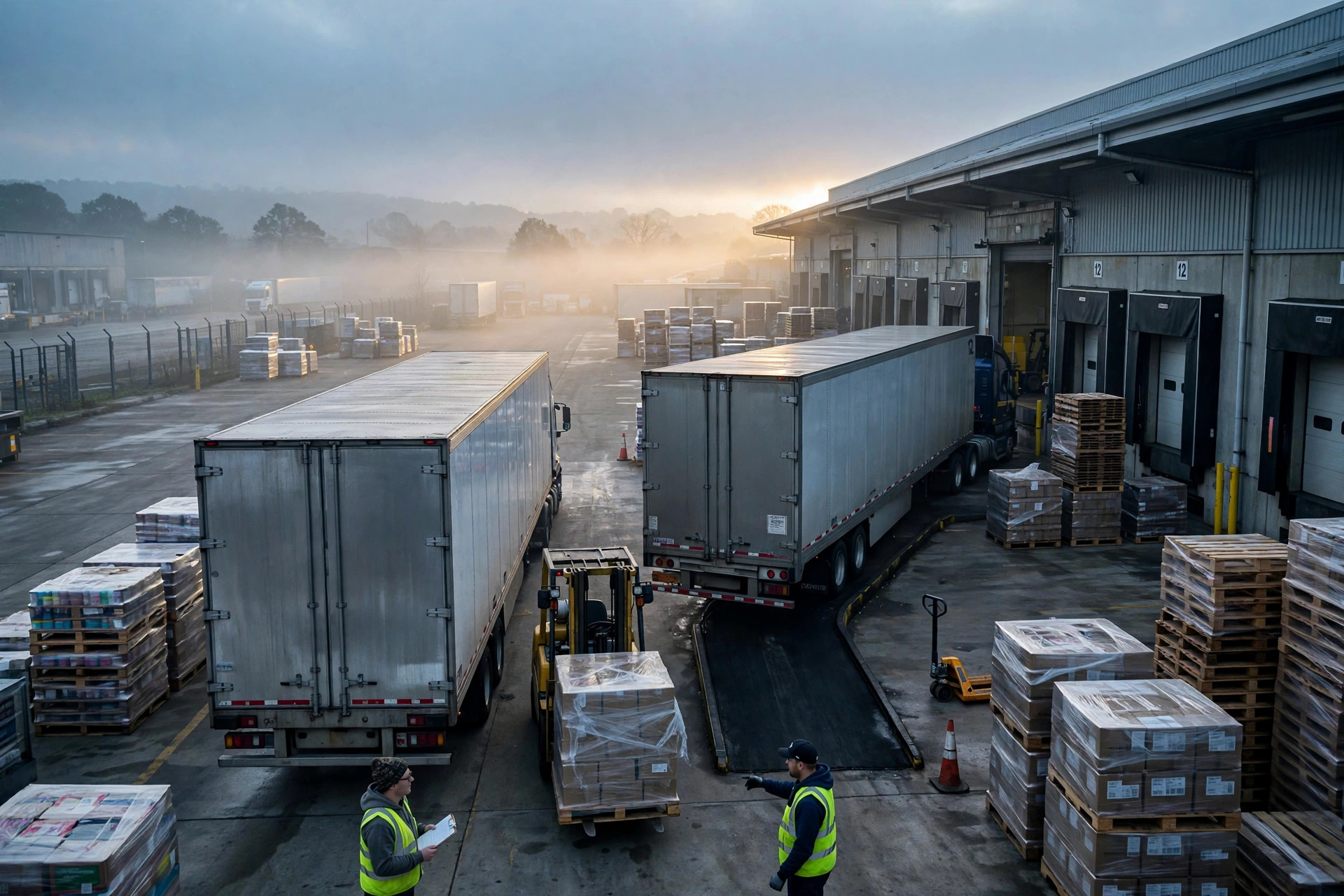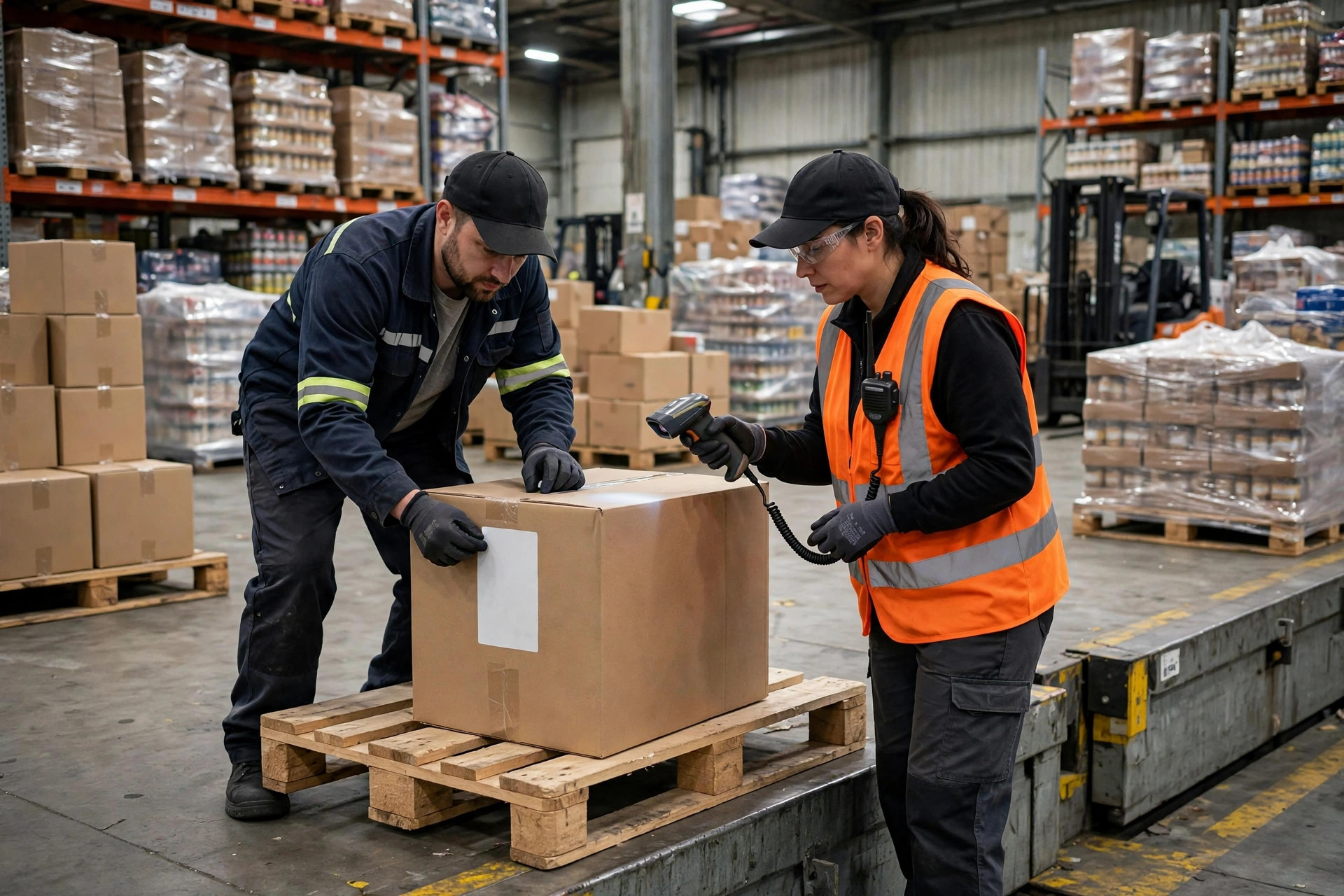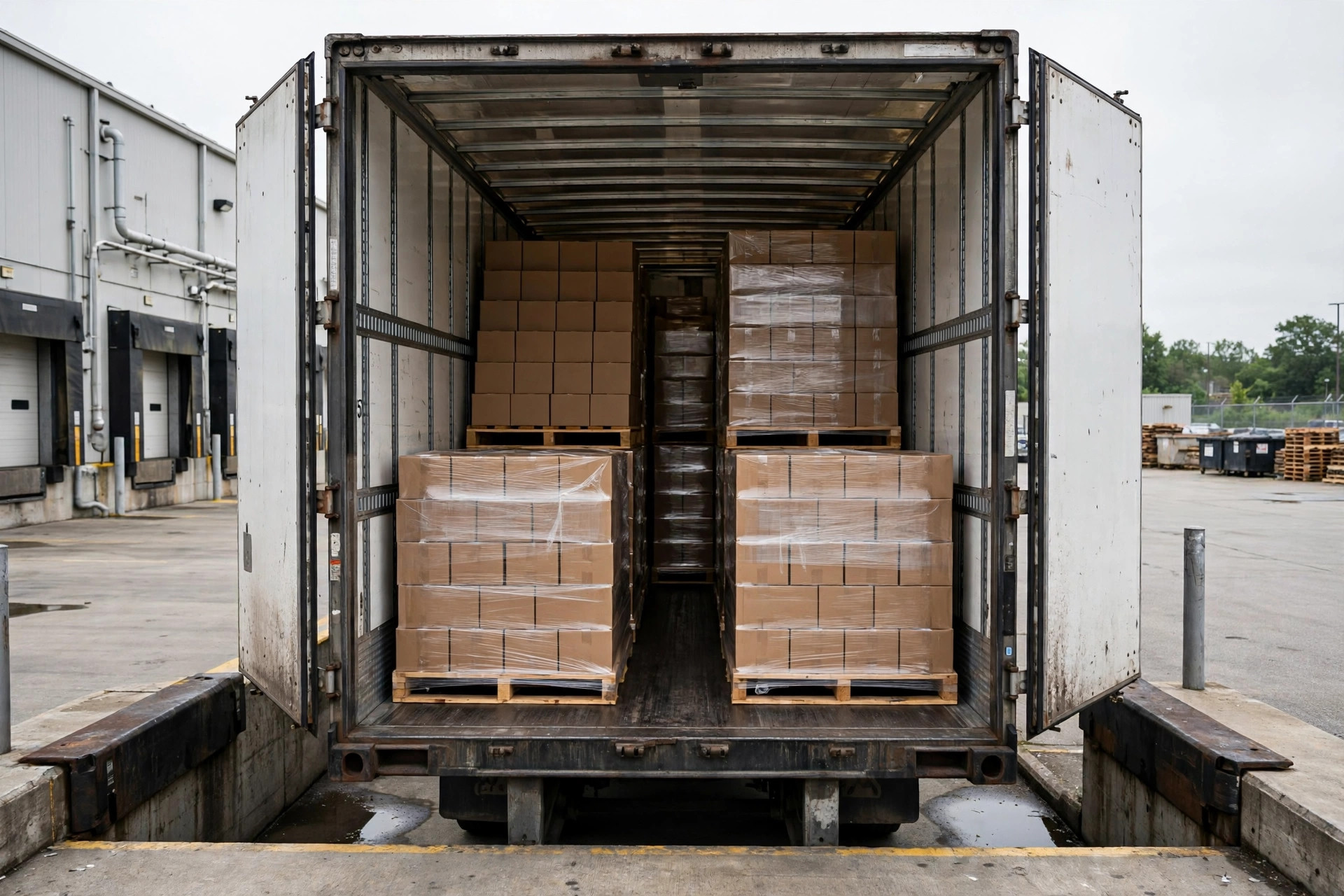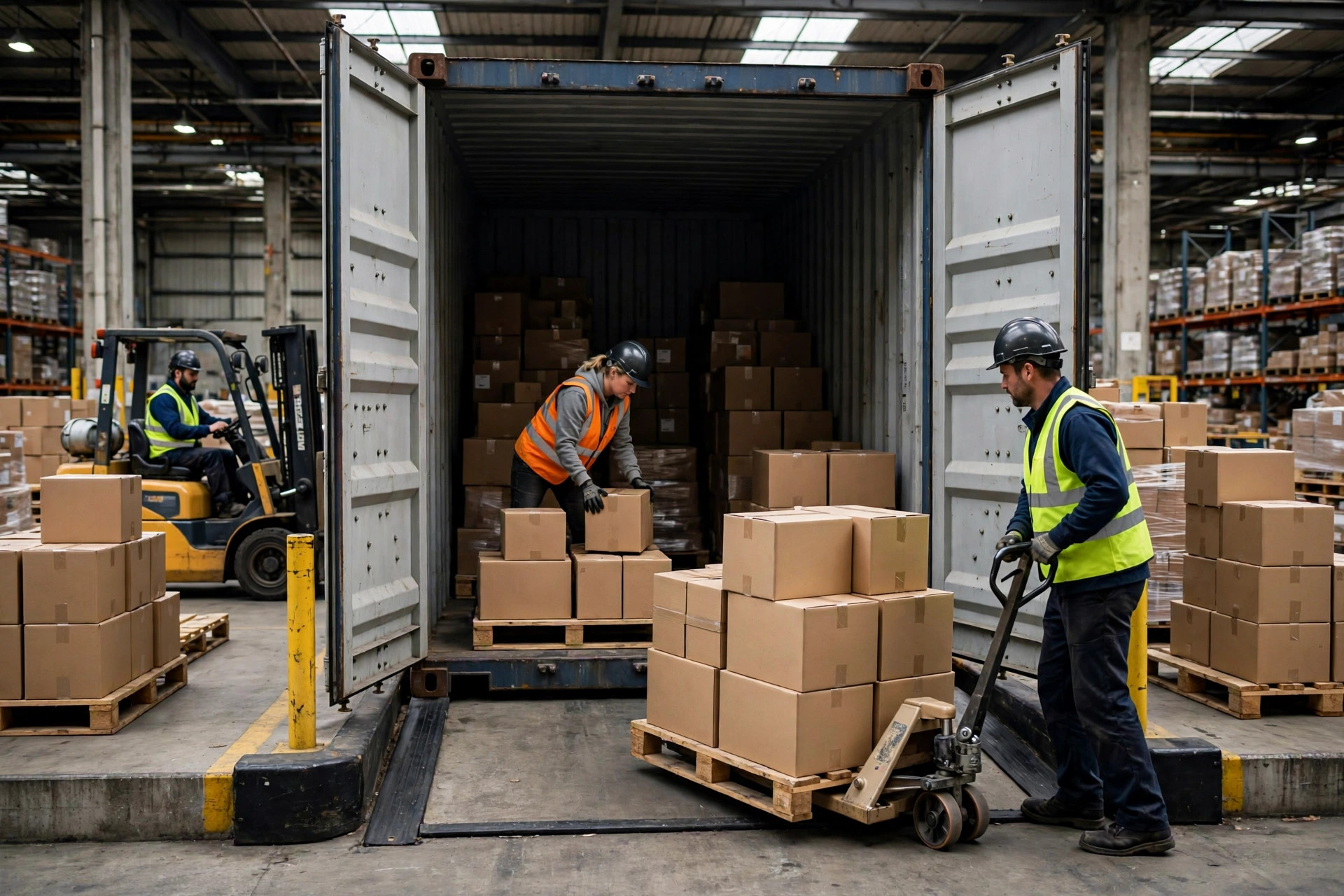
Let me tell you what I watched last month outside a public warehouse near the Port of Long Beach. A drayage driver dropped a 40-foot box at 8 a.m.; by noon it still hadn't been touched. The driver was fuming — his free time at the port was running out, and every extra day costs real money. The receiving crew had their own story: four people, two boxes already waiting ahead of his. I stood there watching and thought: nobody's really at fault here. The fault is that nobody did the math on how long container devanning actually takes.
After fifteen years behind the wheel, I've seen this movie a hundred times. Devanning is the first hurdle in warehouse receiving, and the one most likely to start a shouting match. So let me lay it out plain: how long one box takes, how to staff the crew, and who pays when cargo gets hurt.
How Long Does Devanning One Box Take? Some Honest Numbers
Forget the one-size-fits-all "two hours a box" talk. The same 40-footer can take five times longer depending on how it's loaded:
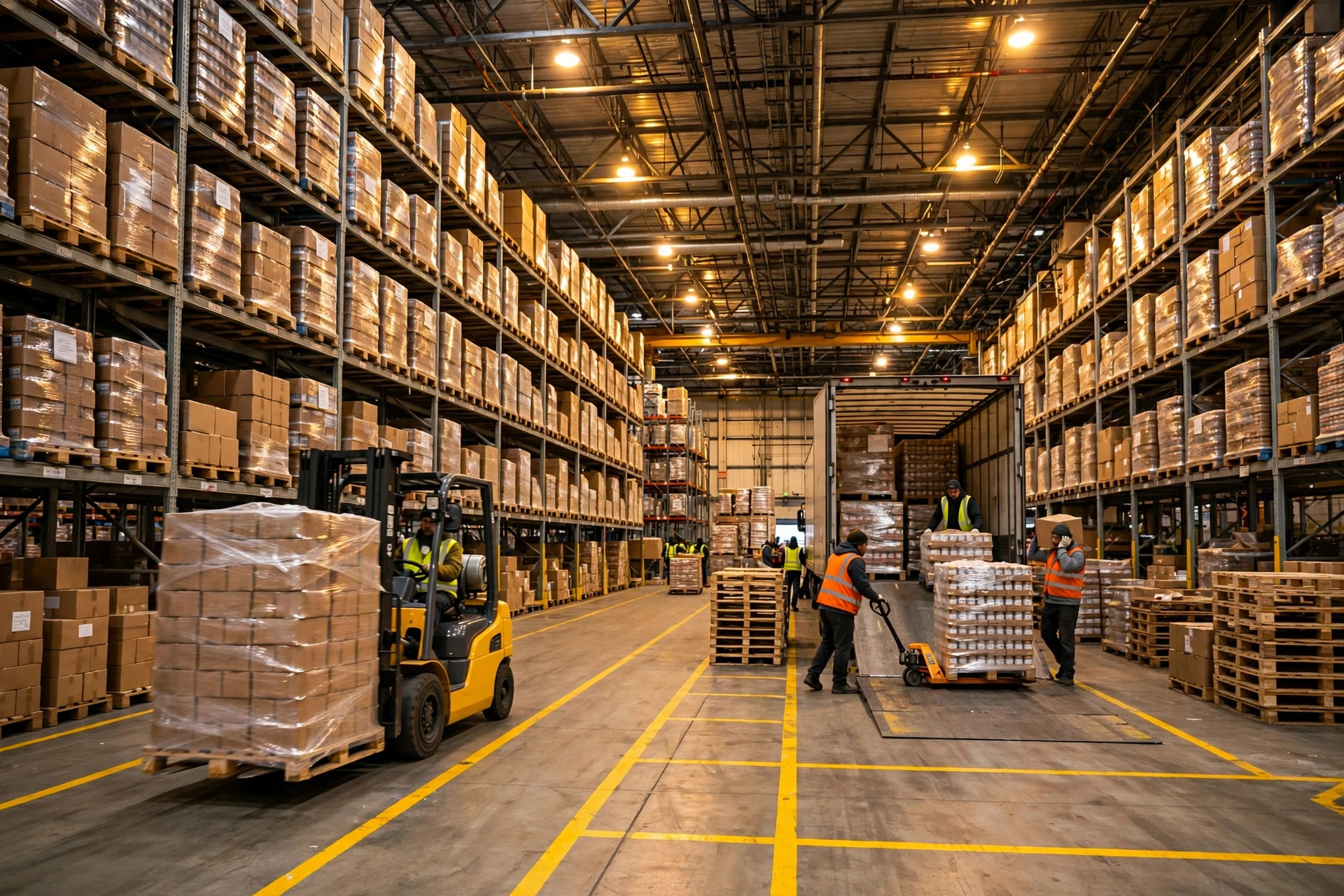
- 40-foot palletized container (around 20 pallets): 2 people, 30–50 minutes, counting included
- 40-foot floor-loaded container (hand-stacked, no pallets): 3 people, 2–3 hours minimum, depending on how messy the stow is
- 20-foot box: roughly half the time — but a floor-loaded 20-footer is still no picnic
- LCL consol: no honest answer possible; it depends on the number of shipments, and the more fragmented, the slower
So when you ask me how long a box takes, my first question is always: palletized or floor-loaded? That one question kills eighty percent of arguments before they start.
The Slowest Part of Container Devanning Is Never the Workers' Hands
I'll say something unpopular: when devanning is slow, nine times out of ten it's preparation and scheduling, not the crew. The three usual sins at the container door:
First, no pallets staged. The box arrives and the empty pallets are at the other end of the warehouse; two forklift round trips eat half an hour. Second, no count sheets printed. The packing list lives on an office computer while the crew unloads blind, asking about every pallet. Third, nobody checked for mixed SKUs in advance. Five or six SKUs in one box, discovered at the door, and the crew improvises on the spot.
Fall 2023, peak season — an Ontario 3PL left the deepest impression on me. Ten-plus 40-footers a day, all palletized furniture. They used to work first-come-first-served, drivers waited three to four hours at the gate, complaint calls never stopped. Then they changed three things: one, they pulled the bills of lading a day ahead and pre-slotted appointments by pallet count and stow type — short windows for palletized boxes, long ones for floor-loaded; two, the receiving team reviewed the day's packing lists every morning, with empty pallets and count sheets staged at the door before the first truck; three, they staggered appointments with the drayage company — no more "everybody at 8 a.m." Same four people, not one added. Driver wait times dropped under an hour.
Nothing changed except doing the math ahead of time. That's my point: container devanning isn't about muscle, it's about planning.
Scheduling Container Devanning the Low-Tech Way
Here's the no-cost playbook that actually works in the real world:
First, schedule off the bill of lading. Twenty-four hours before the box hits the port, the B/L and packing list are usually in hand. Palletized with few pallets: one-hour window. Floor-loaded or multi-SKU: three-hour window. Never slot a floor-loaded box and a palletized box into the same time block — that's digging your own hole.
Second, stagger the appointments. If every box is booked for 8 a.m., of course the gate clogs. Work it out with the dray carriers: two waves in the morning, two in the afternoon, half an hour of buffer between. Drivers like it too — nobody enjoys idling at a gate.
Third, bring temps on floor-load days. Floor-loaded boxes are pure manual labor; run your regular crew through a full day of them and the whole team is wrecked tomorrow. My rule: on floor-load days, book two or three temps in advance for the heavy boxes, keep the regulars on palletized work and counting. The regulars don't burn out, the temps get their hours.
Fourth, clear the door the moment the box is empty. Don't let an emptied container squat at the dock while the driver waits to return it. Count, sign, photograph, release — one smooth motion. Half the gate congestion I've seen isn't slow unloading; it's nobody managing what happens after the unloading.
Who Pays for Damage? Devanning Disputes in Practice
Now the main event. Cargo damage starts more fights than slow unloading ever did.
In 2022, a lighting importer told me his story: a 40-footer opened to reveal five cartons with water stains — condensation off the container roof had dripped onto the top layer. The forwarder said "it was loaded that way, not our problem"; the warehouse said "we just devan, it arrived like this." Three parties argued for two months. The importer ate half the loss himself.
What does that tell you? Damage disputes aren't won by the loudest voice. They're won by the evidence chain. Fifteen years on the road taught me three iron rules:
One, photograph before you touch anything. Container number, seal number, seal condition, and the first shot the moment the doors open — all four, no exceptions. Seal doesn't match the B/L? Stop and call. Don't unload another carton.
Two, the moment you spot a problem mid-unload, stop, photograph, and get witnesses. Keep the driver right there at the door. Plenty of warehouses shoo drivers away because "they slow things down" — dead wrong. A driver watching the whole thing is the best liability shield you can get. If it ever goes legal, "driver present, fully photographed" is worth its weight in gold.
Three, know the three segments of liability: damage in transit belongs to the carrier; damage from bad loading belongs to the shipper; damage during devanning belongs to the warehouse. The dividing line is the photos and seal record at the moment the doors open. Before the photos, the warehouse doesn't own it; after the photos, the warehouse can't dodge it.
Here's the counterintuitive one: plenty of warehouses think "less trouble is better" and unload a questionable box first, ask questions later. That's the most expensive habit in this business. A small problem, unloaded, becomes an unprovable problem. A small problem, stopped and photographed at the door, stays a small problem. In devanning, being fussy beats being fast.
Say the Ugly Things Up Front
There's an old saying where I come from: say the ugly things up front. Photograph at the door, verify the seal, stop at the first anomaly — do those three and the devanning books stay clean. Nobody can pin anything on you, and nobody needs to shout.
Next time boxes pile up at your warehouse gate, don't rush to add headcount. Ask three questions first: did anyone read today's bills of lading? Are the pallets staged? Are the windows staggered? Answer those three, and eighty percent of "slow devanning" explains itself.
By Shifu Zhao, Trucking Veteran (15 yrs)