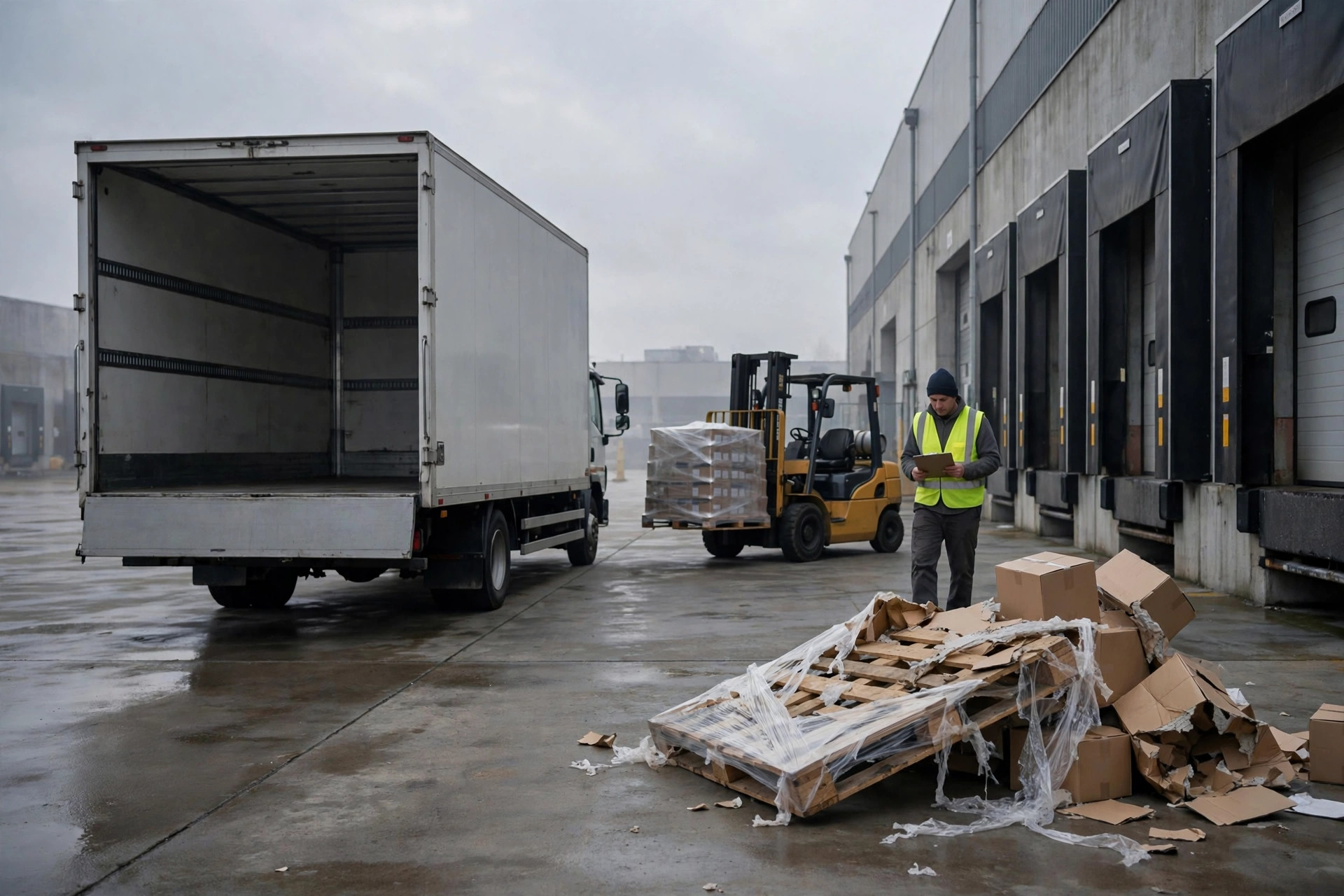
Let me tell you something: most freight claim carrier damage fights aren't lost on the highway. They're lost at the receiving dock, in the five minutes when somebody signs the paperwork.
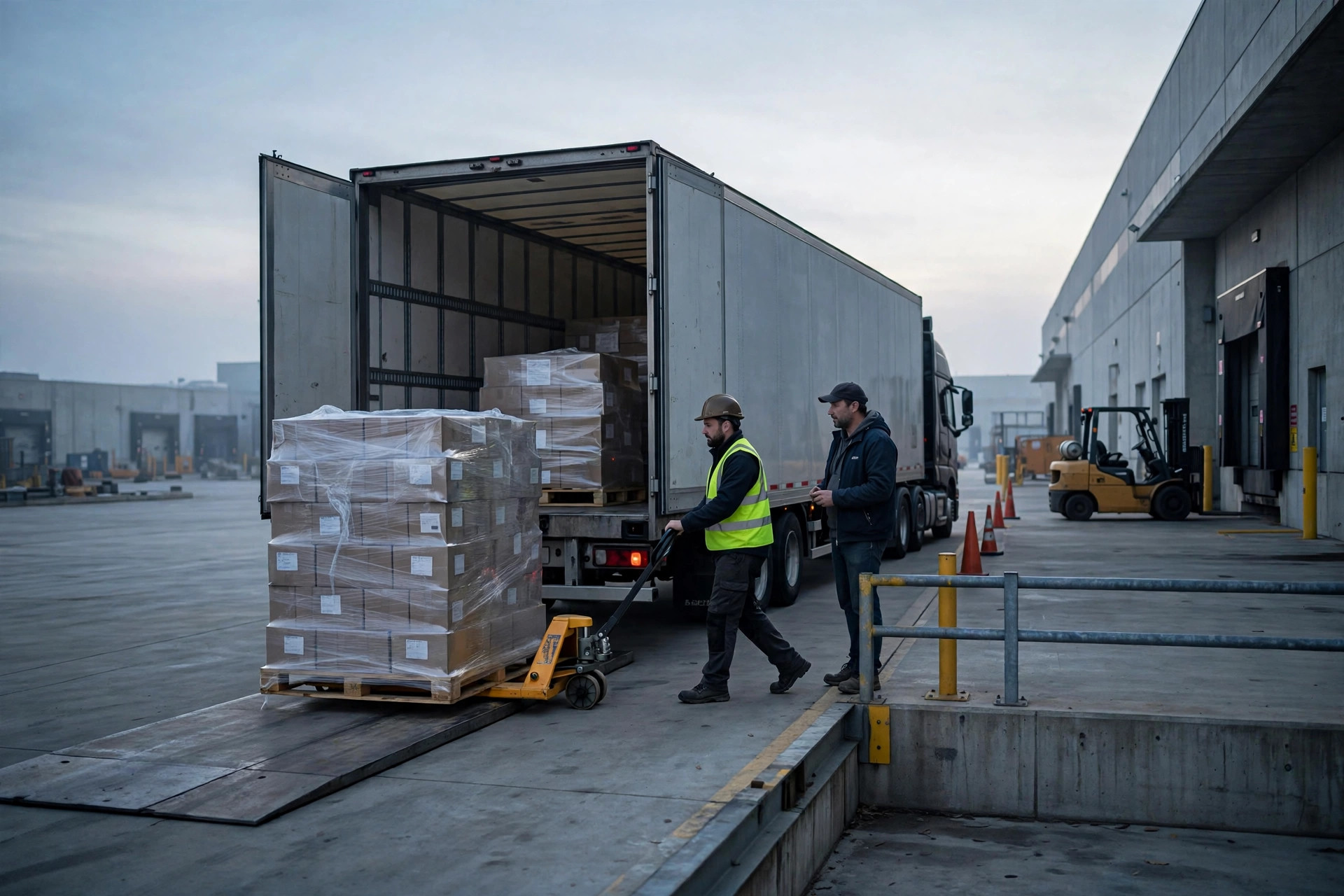
Last fall I hauled a load of electronics out of Los Angeles to a warehouse outside Phoenix. Twenty-four pallets, stacked neat. Halfway through unloading, a warehouse kid flagged me down: one pallet had a crushed corner and a split carton. I told him, write it down. Write which pallet, what it looks like, take two photos, and I'll sign next to it. He waved me off. Said no worries, they'd sort it out later, everything was insured anyway. So the POD went in clean. Not one word on it.
Three days later the shipper opened that pallet up: more than thirty cartons broken inside, over thirty thousand dollars' worth of goods. They filed a claim. The carrier pulled out the POD and pointed at it: signed clean, no exceptions noted. No photos. No note. Two months of arguing, and they got back a small fraction of the value, not even close to the real loss. That pallet was visibly crushed when it came off my truck, but on paper, it was perfect.
After fifteen years on the road, I've seen this story more times than I can count. Freight gets bounced around, rained on, clipped by a forklift — that's not the unusual part. The unusual part is how often nobody writes it down in the few minutes that actually matter.
What a Freight Claim Carrier Damage Fight Really Turns On
The Phoenix load wasn't even the worst one. The worst one was a couple of years back, near Chicago. I delivered twenty-six pallets of household goods to a cross-dock. The outer cartons looked fine, seals intact, so the receiver signed and moved on. A week later the shipper started opening boxes and found four pallets on the bottom layer soaked through. Condensation had built up inside the trailer over a cold run, and nobody caught it because nobody opened a box at receiving.
The shipper went after the carrier, and the carrier answered with the contract: concealed damage has to be reported within the notice window in the agreement, and that window had closed. Here's the thing most shippers don't realize — that window is not one number. It changes from one carrier contract to another. Some give you just a few days, some stretch it to around two weeks. Wait ten days or two weeks before you report, and a carrier can shut you down with a single sentence. That Chicago load cost the shipper over twenty thousand dollars. The carrier paid nothing, and the shipper's own insurance took a deductible out of the hide on top of it.
Both stories point to the same lesson. A damage claim isn't decided by who is right. It's decided by what you can prove. And the proof gets locked in at the moment of delivery. Everything after that is just talk.
Writing a POD Note the Carrier Can't Brush Off
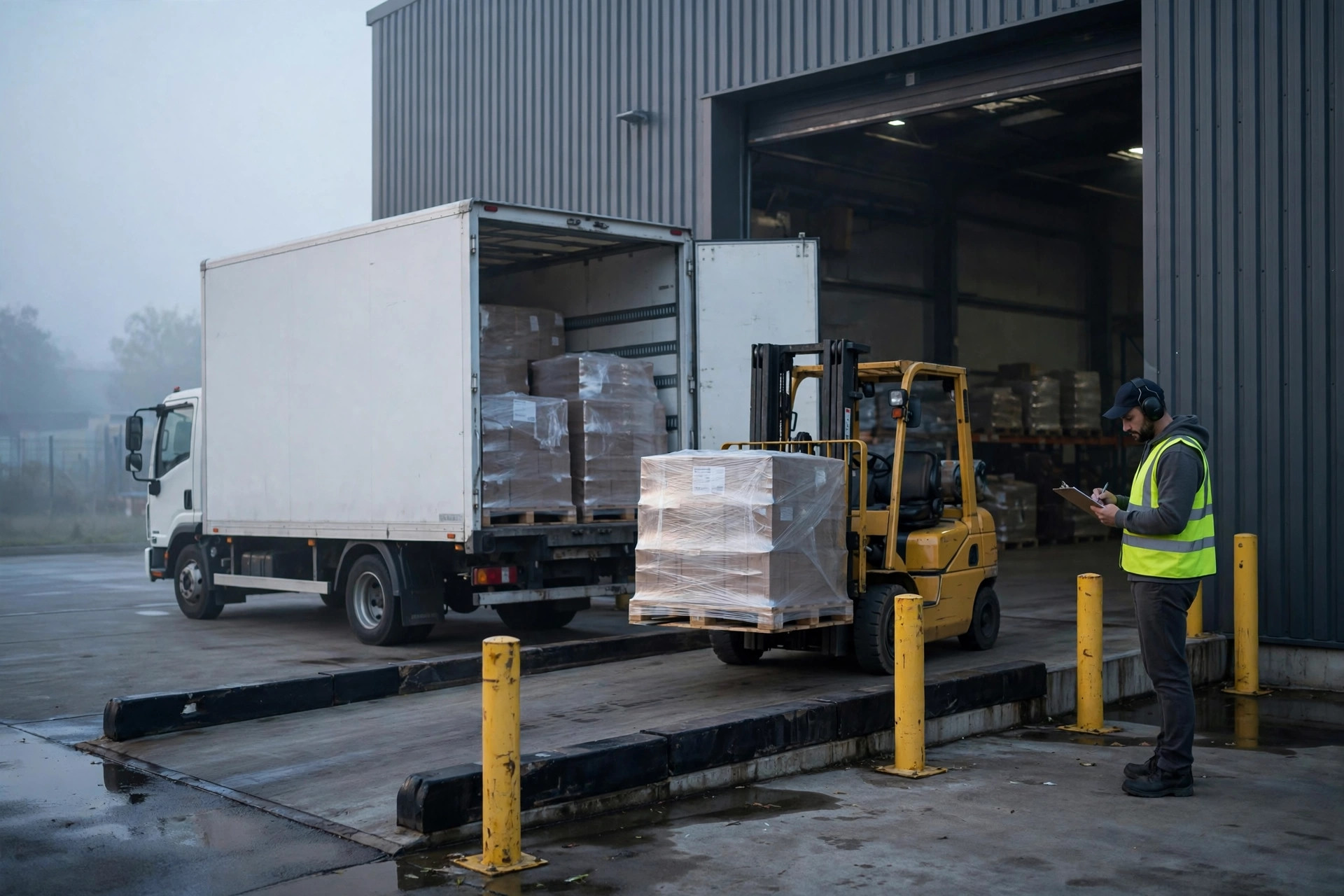
A lot of folks treat the POD like a formality, just a signature so the driver can leave. I'm telling you, the POD is the hardest piece of paper in a claim. It's the first thing a carrier looks at, and sometimes the only thing that matters. After all these years, here's how I tell receivers to write it:
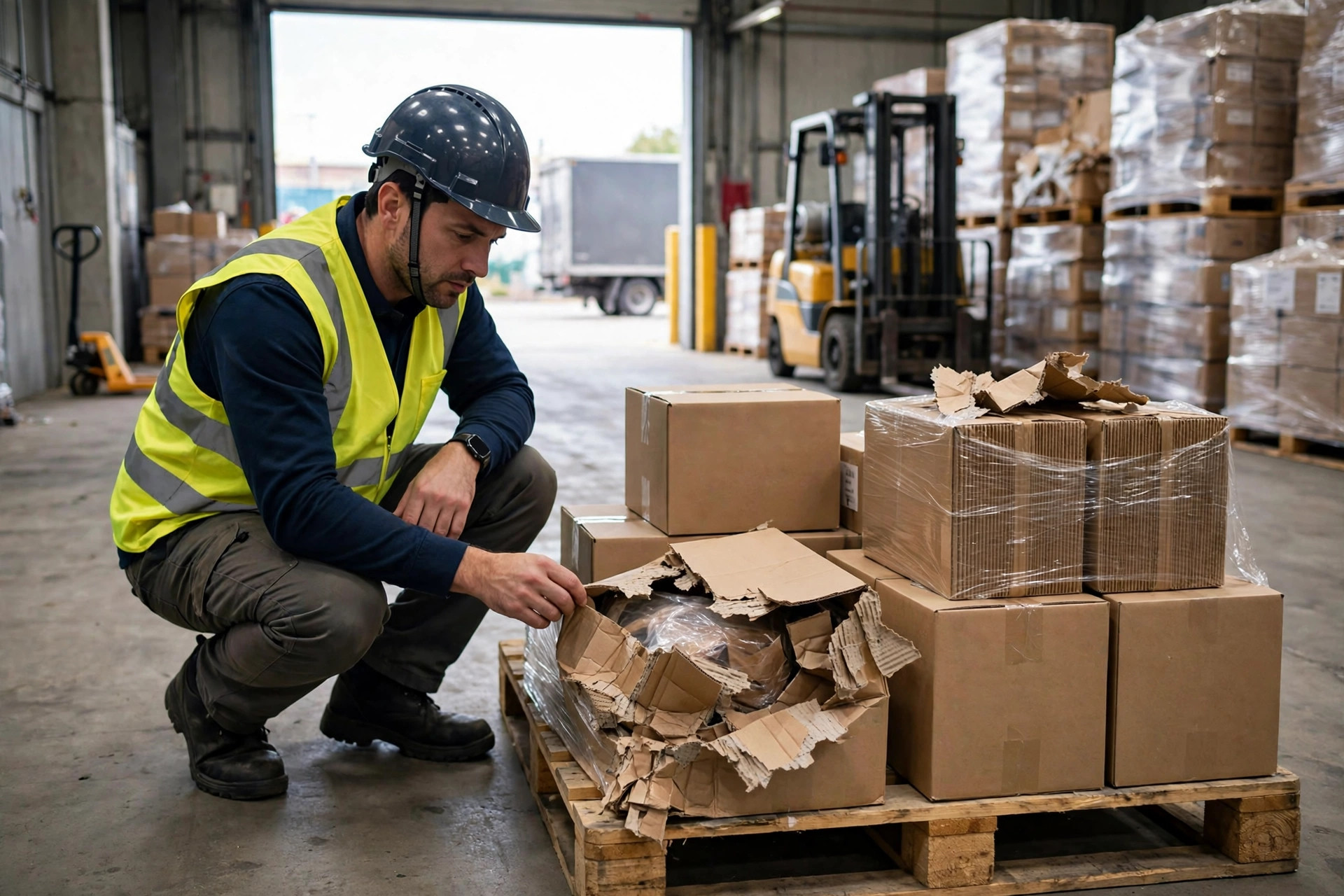
Be specific. Don't just write "damaged." Write which pallet, how many cartons, and what it looks like — something like "pallet 5, lower right corner crushed, outer carton split about a hand long, rattling inside." The more specific the note, the harder it is to argue with later.
Take photos, and take all three kinds: the whole pallet, a close-up of the damage, and the carton markings with the shipment number. Photos carry a timestamp, and if you take them while the driver is still standing there, nobody can say the damage happened after delivery. Then get the driver to sign next to your note — two signatures carry a completely different weight.
And don't be shy about writing it. Drivers understand. A receiver who notes damage on the POD isn't picking a fight — they're keeping the record straight for both sides. The drivers who push back on a note are usually the ones with something to hide. A straight driver signs without a fuss; the note protects them too.
One more warning: never sign "clean" just to keep things moving. Signing clean is you testifying for the carrier. Once you've done that, the burden of proof flips entirely onto you. Ten extra minutes writing it down beats two months of arguing about it, every single time.
Concealed Carrier Damage and the Clock in the Contract
Visible damage is the easy kind. The hard kind is the damage you can't see: cartons intact, seals intact, and inside everything is broken, wet, or crushed out of shape. This concealed damage is where most claims go to die.
My rule: open boxes and inspect as soon as you can after receiving, ideally the same day or the next day — not at putaway, not at cycle count. Keep a record of the inspection — what day, who checked, what they found — and photograph anything odd. The moment you find a problem, notify the carrier in writing — not a phone call, which leaves you nothing when they deny it later. An email or system ticket, in black and white, is what counts.
Now here's the counterintuitive part: having cargo insurance does not mean you'll come out whole in a freight claim carrier damage dispute. Insurance and carrier liability are two separate tracks. Whether insurance pays, and how much, depends on the policy terms and the deductible. Whether the carrier pays, and how much, depends on its liability and the contract cap. Both sides can pay only part of the loss, and the gap in the middle lands on the shipper. Insurance is not a magic shield. Evidence is.
That gap gets worse because carrier liability is often capped. Many contracts limit recovery by weight, and that's brutal for light, expensive freight. A pallet of electronics worth tens of thousands of dollars can come back at a fraction of its value once the weight cap does the math. Sort this out before you ship, not after: declare a higher value on precious loads, buy additional coverage where it makes sense, get it in the contract. Negotiating before a loss beats pounding the table after one, a hundred times over.
Your Evidence Kit: Every Missing Piece Costs You
When it's time to file, don't panic. Work down this list — every piece you skip costs you leverage:
| Evidence | How to capture it | Why it matters |
|---|---|---|
| POD notation | Written at receiving: pallet number, carton count, damage description, driver co-signature | Added later, it loses most of its force |
| Photos | Full pallet, damage close-up, carton markings and shipment number | Timestamped proof taken while the driver is present |
| Commercial invoice | From the shipper, proving the value of the goods | Your claim amount has to match it |
| Repair or salvage estimate | Repair quote if fixable, salvage value if unsellable | Inflated numbers hurt your credibility |
| Claim calculation | Goods value minus salvage, plus reasonable inspection and handling costs | Every dollar needs a document behind it |
| Written notice record | Email or system ticket stating when damage was found | A verbal report counts for nothing |
Keep deadlines in mind, too. For domestic US highway freight, people often talk about a nine-month claim window, but treat that as a rough guide only — always check the latest regulations and the carrier's own contract, because some contracts are stricter. My practice is to act fast regardless. Fresh evidence has no holes in it.
One last trade-off: when you find damage, do you refuse the whole shipment or accept it with a notation? Most of the time, I say accept with a notation. Refusing the whole load means stockouts, return charges, and reshipping costs somebody has to eat. Accepting with a notation keeps the goods flowing and keeps your evidence intact — you sell what you can and claim what you can't. The exception is when the whole shipment is truly unusable. Then refuse it and don't swallow a loss that isn't yours.
It comes down to the same rule that wins a freight claim carrier damage fight: look twice before something goes wrong, and you won't have to run yourself ragged after it does. At the dock, take the extra minutes. Write it down, photograph it, sign it. That's the cheapest insurance you'll ever buy.
By Shifu Zhao, Trucking Veteran (15 yrs)