Let me give you the conclusion first: warehouse AI visual damage detection at receiving is worth installing, but not for the reason in the sales deck. I have watched too many warehouses buy this the wrong way around. It does not mainly save you inspection labor. It saves you the weeks of arguing after something arrives damaged. If you buy it to cut headcount, you will be disappointed. If you buy it so that the next damage dispute comes with proof attached, the money is well spent. This one cuts both ways, and I have seen both sides up close.
I have seen too many dock-door disputes follow the same script. Goods arrive, the cartons look fine from outside, the damage only shows up after unpacking, and the receiving note says something vague like "outer carton OK, inner damage to be checked." The supplier answers that the goods left the factory in good condition. The carrier points at a clean signed delivery receipt with no exception noted. The warehouse and the customer then spend weeks deciding who absorbs the loss. In summer 2022, a home-goods warehouse in Los Angeles lived exactly that story. A shipment of 480 cartons of dining chairs arrived with only light carton dents, and the receiver, in a hurry, signed without photos. After unpacking, more than 60 cartons had dented or scuffed chair legs. The supplier insisted its factory inspection had passed, the carrier hid behind the clean receipt, and the warehouse and customer argued for three weeks before splitting the cost. The shipment value was not huge. The arguing cost more, in time and trust, than the chairs did.
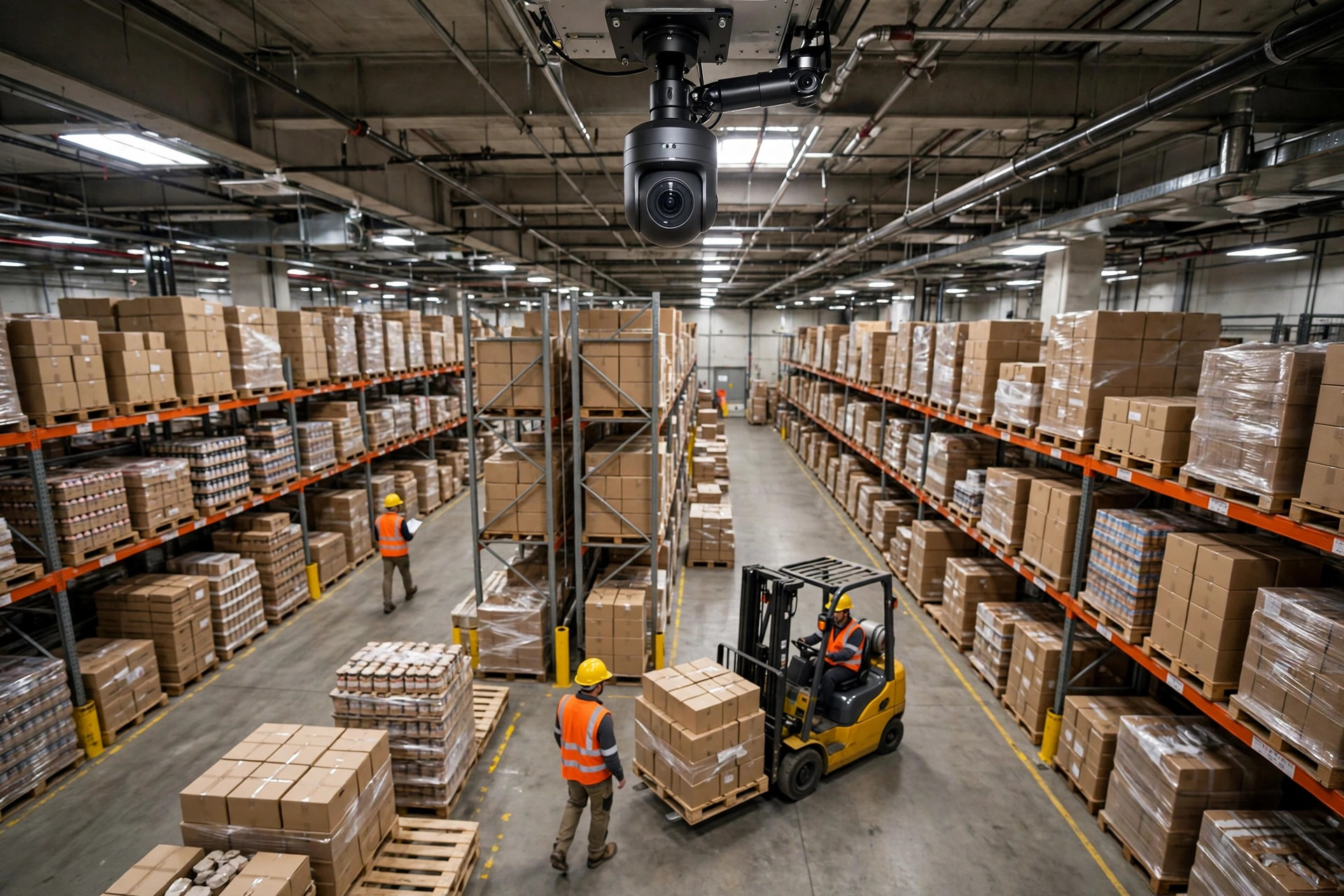
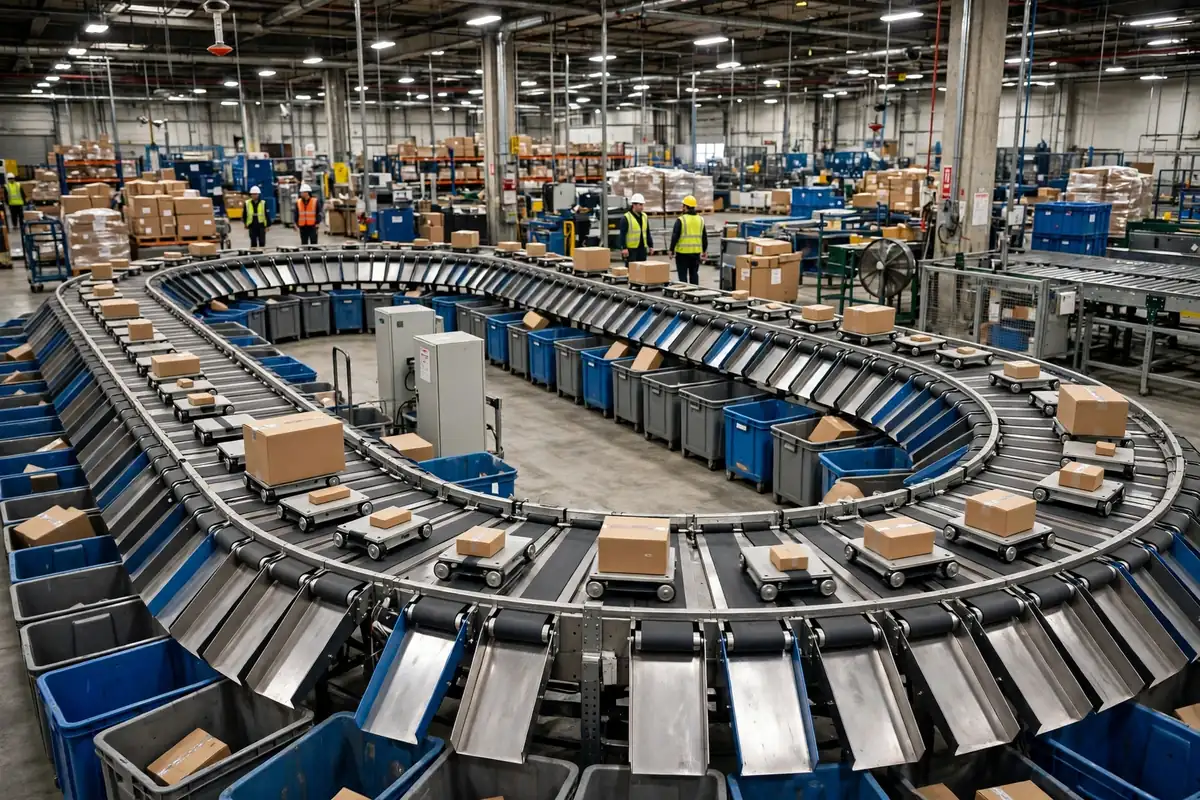
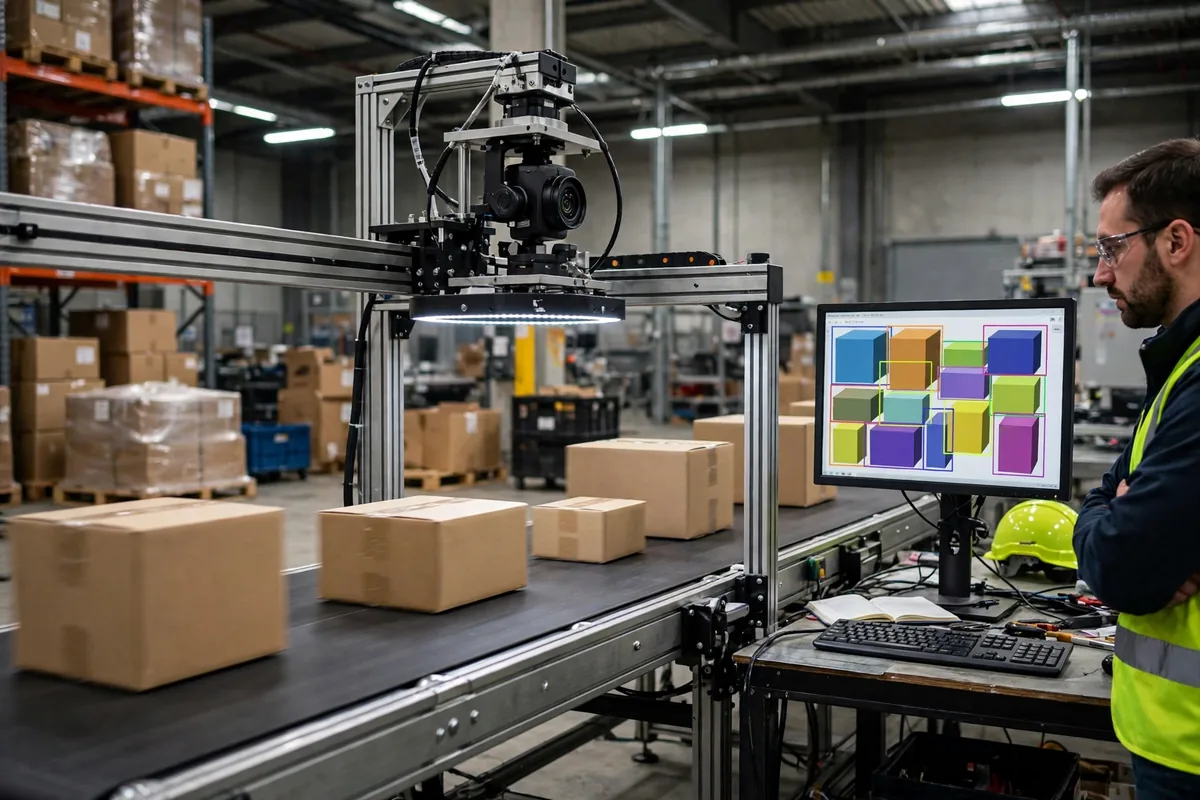
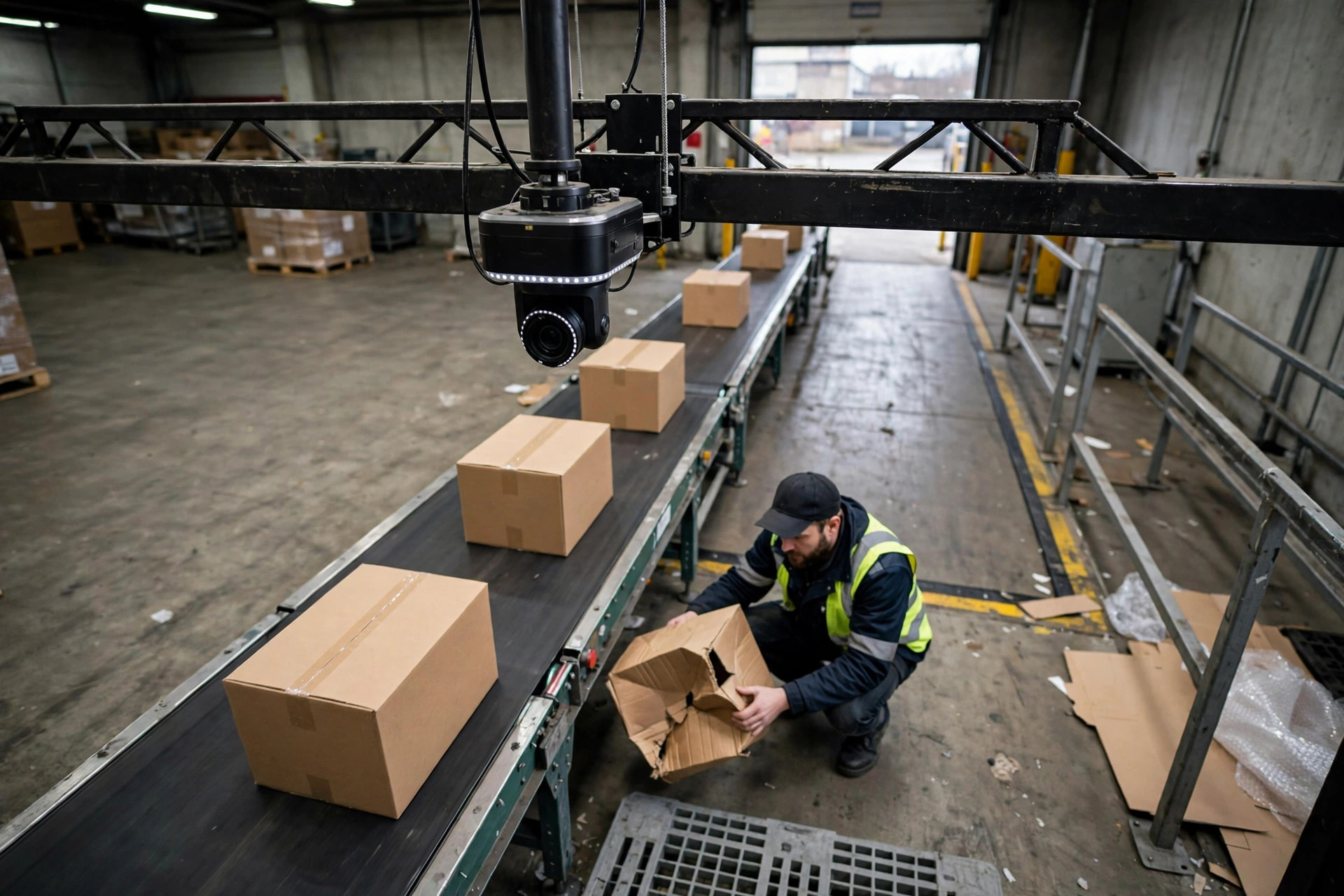
By late 2023, the same warehouse had changed one thing, and the change was not glamorous. Two cameras went up over the receiving conveyor. Every carton got photographed on its way through, photos were filed by pallet number, and cartons flagged as suspicious were diverted to a recheck area where a person opened them. After three months, the surprise was not how much damage the system caught. It was how short the claims got. A claim that used to take three or four rounds of email now went out as photos plus a timestamp plus a pallet number, and the supplier could see in one look whether to accept it. Recheck headcount did not drop much, because flagged cartons still needed a human to open them, but the dispute cycle shrank from weeks to days.
The trap I walked into: AI visual damage detection photographs cartons, not responsibility
Here is the trap, and I would rather you hear it before you install anything than after. A camera proves what goods looked like when they reached you. It does not prove whose hands damaged them. A dent could have happened on the truck, on your forklift during unloading, or at the supplier's dock before loading. A photo timestamps the arrival condition, but it does not assign blame by itself. Treat photos as automatic verdicts and the supplier will be the first to push back, the carrier the second, and you will still end up reconstructing a timeline by hand: arrival time, unload time, which station took the photo, which pallet held the damaged carton.
Lighting and angles are the second trap. Dock light changes through the day and the year. A dent looks deep in low winter evening light and shallow in direct summer sun through the door. Mount the camera too low and you miss the top face. Mount it too high and the side markings blur. Run the conveyor too fast and the image smears. Plenty of warehouses love the system in week one, then discover missed shots and blurry frames in week two and send staff back to re-photograph by hand, which adds a step instead of removing one. I know one warehouse where the recheck area held more cartons after installation than before, because the threshold was set so tight that every minor crease got flagged, and manual rechecks doubled.
So get the positioning right before anything else. Warehouse AI visual damage detection at receiving does evidence plus triage, not automatic damage assessment. It preserves the arrival condition of every shipment and pulls the suspicious cartons aside. Judging how bad the damage is, who bears it, and whether a claim stands still takes a person reading the contract and the transport record alongside the photo. Get that positioning wrong and everything downstream disappoints. Get it right and it is a thoroughly practical tool.
Setting up AI visual damage detection without stepping on the usual rakes
My advice is to build it in three stages, and to resist the urge to jump to full automation. Stage one is photo evidence only, with no automatic judgment. Cartons pass, photos are filed by order number, pallet number, and time, and anyone can pull them up later. That stage costs the least and pays back the fastest, because the next claim already carries evidence. Stage two adds suspicious-carton triage, with humans rechecking flagged cartons and feeding the results back to tune the threshold. That staged approach is how warehouse AI visual damage detection at receiving earns trust, one month of clean evidence at a time. Stage three, only after two or three stable months of triage with falling false alarms, connects the flow to claims and quality inspection. Warehouses that skip the first two stages and start at stage three are the ones I keep seeing redo the work.
| Approach | What it saves | What it costs |
|---|---|---|
| Photo evidence only | Dispute time, because a claim says its case in one attachment | Cameras and storage, plus the habit change of retrieving photos |
| Photos plus triage | Full unboxing checks, since only suspect cartons get opened | Two or three months of threshold tuning, with heavy false alarms early |
| Fully automatic judgment and claims | In theory, the most labor | Verdicts suppliers and carriers will not accept, and the most expensive rework |
Count the full cost of warehouse AI visual damage detection, not just the camera price. Cameras are the cheap part. The expensive parts are storage, because photos tied to orders must be kept for months; dock work, because the station needs added lighting, fixed camera positions, and a conveyor speed that matches image capture; and threshold tuning, because the first couple of months need weekly review of false flags. Set the threshold loose and you miss damage. Set it tight and rechecks pile up. Those three costs together usually exceed the camera budget, and a business case built on cameras alone will run over halfway through.
There is one more trade-off people miss. The fuller the photographic record, the fewer the disputes, but the tighter the data handling has to be. Photos can capture customer information on shipping labels and suppliers' internal markings. Access needs separation: a customer sees only its own goods, an operator sees only the current shift's orders, and retention periods belong in the contract. Evidence kept well is an asset. Evidence kept carelessly is a new problem.
As for the receiving inspector's job, my view is blunt. You will not eliminate it soon, and in a warehouse with mixed categories and inconsistent packaging, you should not try. The job changes instead of disappearing. Instead of looking at every carton, the inspector looks at the ones the system flags, plus a sample of the ones it did not flag. That sample matters, because if unflagged cartons keep turning up damaged, the threshold or the camera angle has drifted, and sampling is how you catch the drift. Removing inspectors entirely and trusting the camera alone is a move I would not make, at least not where packaging varies widely and human judgment still earns its keep.
So here is my parting question, and I mean it as practical advice, not a slogan. Before you put a camera at the receiving dock, ask yourself what problem you are actually solving: is receiving too slow, or is damage too hard to prove? If it is speed, fix your receiving flow and staffing first, because a camera will not help much there. If it is proof, the camera is the right medicine. Start with photo evidence, and build from there.
By Lao Mi, Supply Chain Veteran (20 yrs)