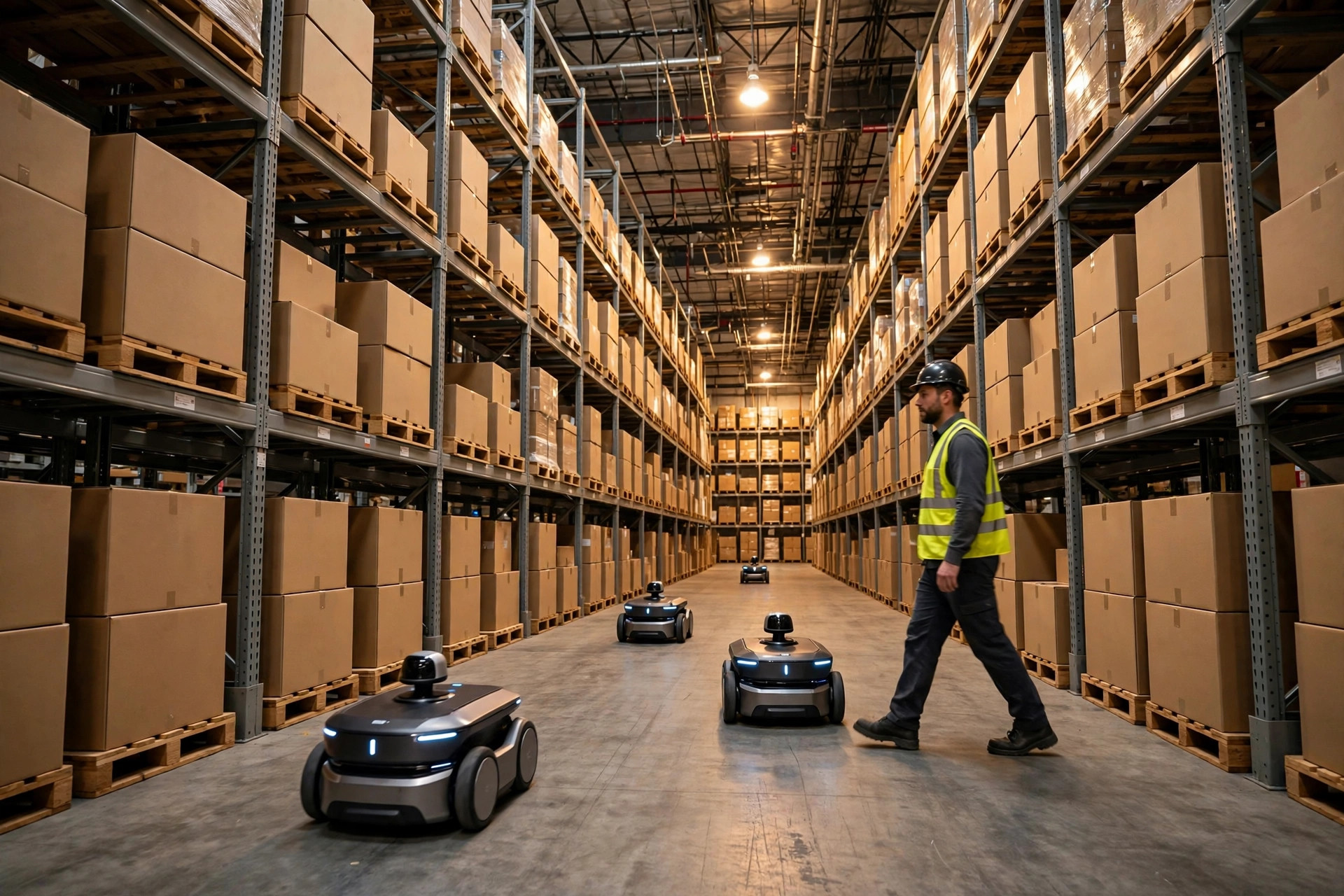
Let me save you a few pitch decks. I've sat through dozens of warehouse AI demos over the last two years, and the pattern never changes: beautiful slides, heroic numbers, and — once you visit the actual site — a much smaller story.
Here's the one data point that matters to me. In June 2025, Amazon announced it had deployed its one-millionth warehouse robot, spread across more than 300 facilities worldwide. The same year it rolled out DeepFleet, an AI model built to orchestrate its robot fleet, which Amazon says improves fleet travel efficiency by about 10 percent. That's Amazon's number, not an independent audit. But the scale tells you something important: in warehouses, AI lands first where the math is cleanest.
The three bets I'd actually fund
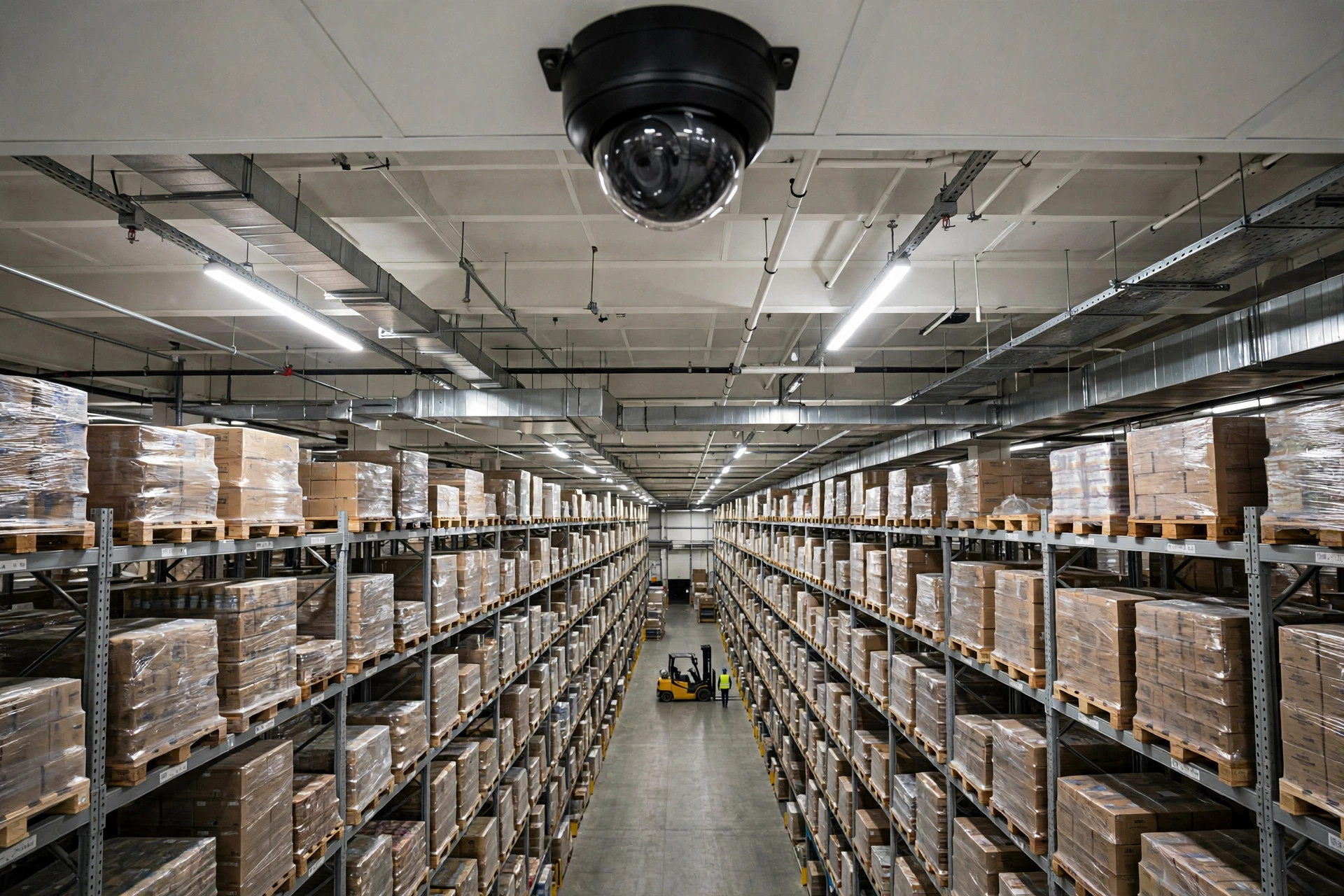
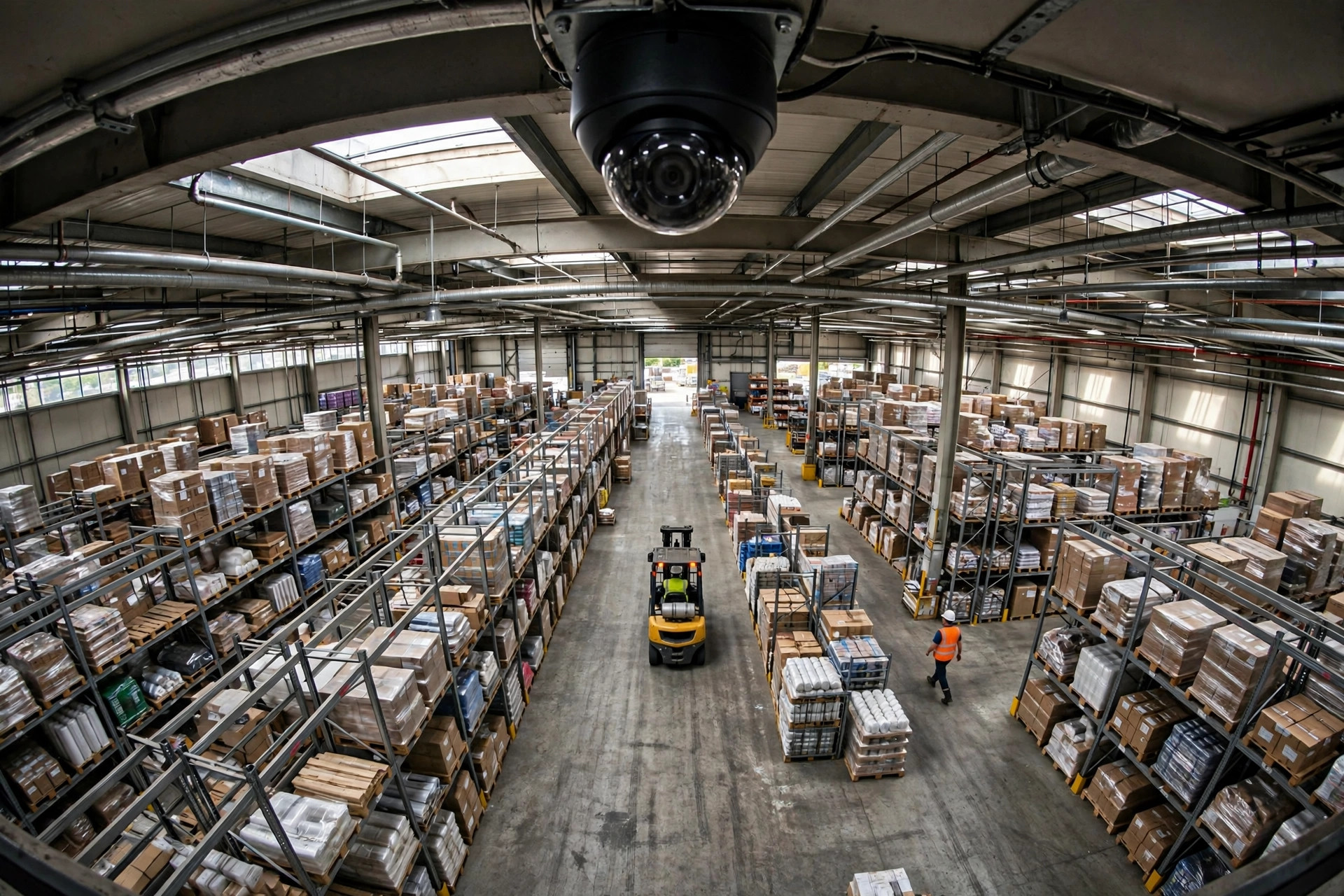
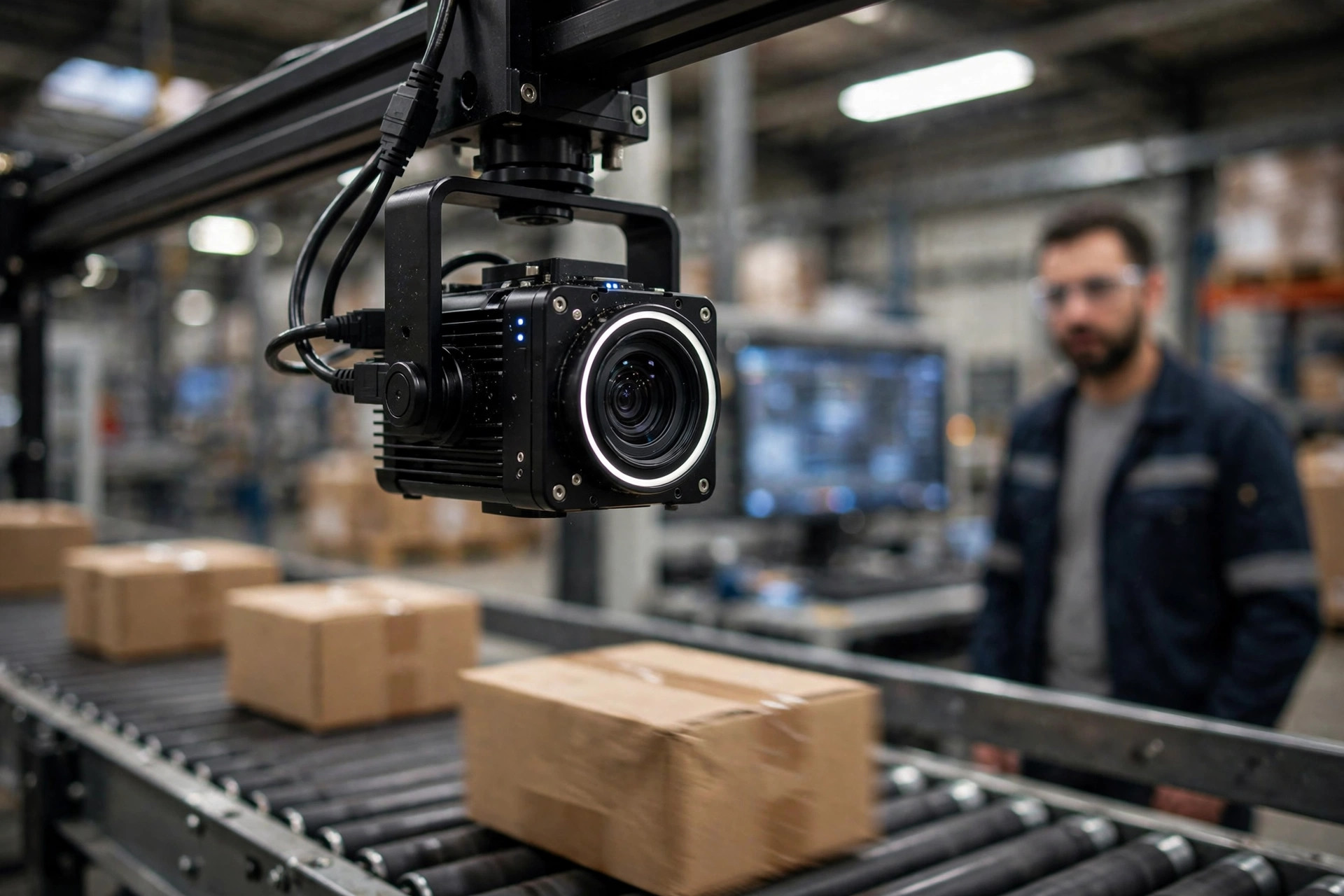
Bet one: vision-based quality inspection and exception detection. Inbound verification, outbound audit, damage detection on the pack line. Why does it pay back first? The loop is short. A camera sits over the conveyor, every parcel gets photographed, the model flags damage, wrong labels, and count mismatches. Humans only touch the exceptions. The data already exists — warehouses photograph parcels for claims anyway. And the ROI is legible: fewer audit labor hours, fewer mis-ships, fewer returns.
This category is past the storytelling phase. Vendors sell 360-degree camera arrays that scan a full pallet in one pass, inbound and outbound. Some claim multi-fold gains in pallet processing speed — vendor numbers always run hot, so I discount the magnitude, not the direction. A human audits a pallet in minutes; a camera array does it in seconds. Even at half the claimed gain, the math works.
Bet two: demand forecasting and labor planning. Labor is the biggest line item in warehouse operating cost. Forecast badly and you either pay people to stand around or blow up the shift with overtime. AI's value here isn't mystical accuracy — it's absorbing planning variance. A facility shipping tens of thousands of orders a day loses real money on a few points of scheduling error, every single month. And the data requirement is friendly: historical outbound volume, promo calendars, seasonality. Nothing you don't already have.
One more thing about forecasting: it doesn't need to be perfect. It needs to beat the schedule your planner builds on gut feel on a Sunday night. Most warehouses still plan labor off experience and last week's numbers. A model that cuts your forecast error in half is already worth paying for — and it doesn't need a data lake, it needs three clean years of outbound history.
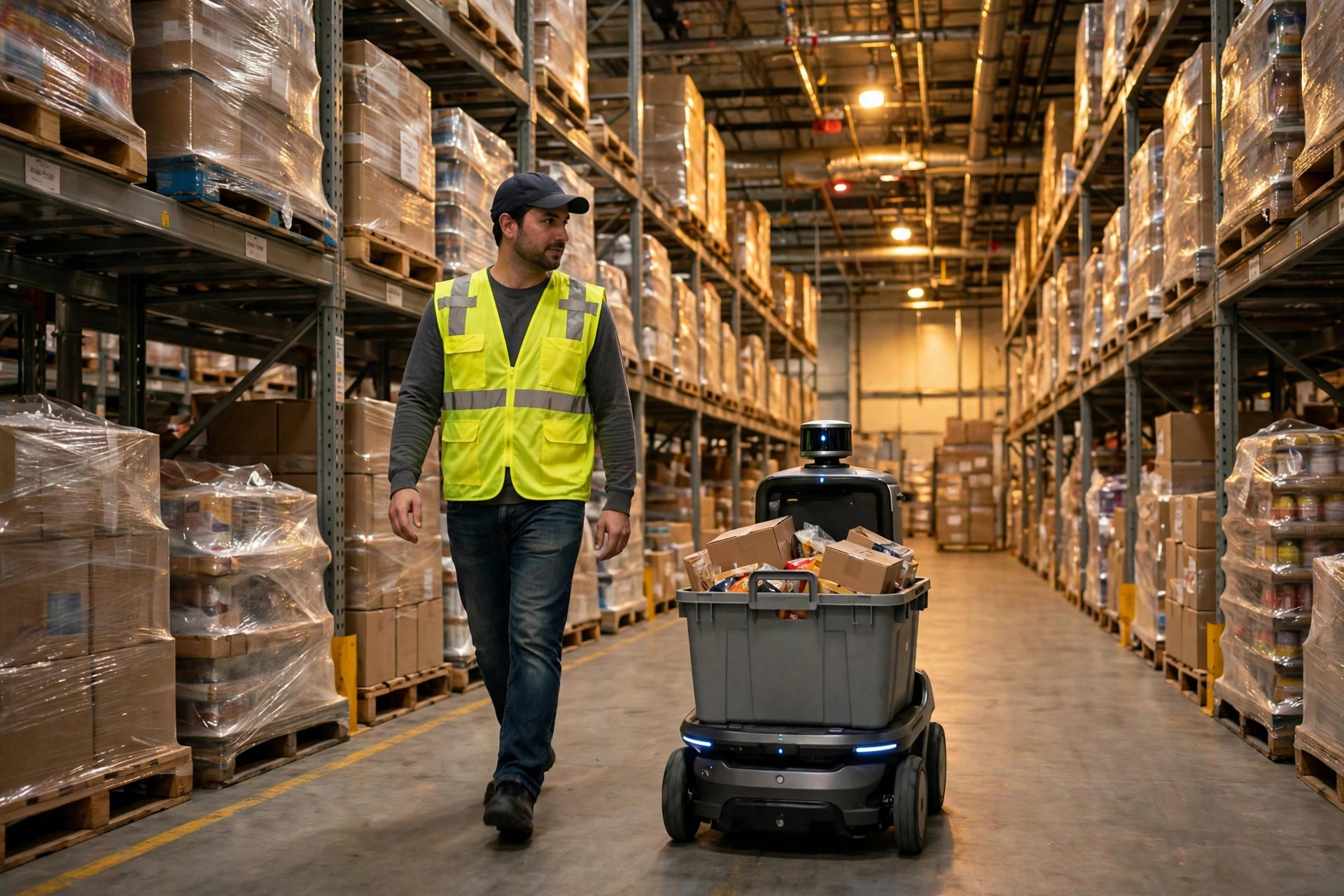
Bet three: AMR fleet orchestration. One AMR is cheap; the value is in forty of them not blocking each other in the aisles. Routing is a pure math problem, which is exactly what AI is good at. The DeepFleet example is instructive: a million robots, roughly 10 percent better travel efficiency, multiplied across that scale — that's serious money. A smaller fleet won't see Amazon's numbers, but the principle holds: the more vehicles, the higher the marginal return on smarter dispatch.
The common thread, in one sentence: bounded tasks, existing data, quantifiable payoff. AI as a tool, not a story.
If you want to move, don't roll out site-wide on day one. Pilot on one conveyor or one audit station, run it for two months, measure the exception-catch rate and the labor hours saved, then decide whether to expand. A pilot costs little and buys you real data.
The two traps
Trap one: generic "AI customer service" or Q&A assistants for warehouse operations. Warehouse problems are not Q&A problems. When a client asks "where is my freight," the answer isn't in a knowledge base — it's in your systems data. Two wrong answers from the bot and the client demands a human, who then starts the lookup from scratch. I watched a 3PL deploy an AI service agent and quietly retire it six months later. The service manager's verdict: "It answers everything, just never correctly."
Notice what the vendors always demo: "what are your receiving hours." Notice what they never demo: "why is PO 4471 short two cartons" — the question your team actually answers fifty times a week. That one needs live data, judgment, and a phone call. A chatbot has none of the three.
The deeper issue: these tools promise to eliminate repetitive questions, but repetitive questions in a warehouse are signals of broken processes. Wrapping the signal in AI doesn't fix the process. It just adds a subscription fee.
Trap two: predictive analytics on garbage data. Inventory accuracy is a mess, location data hasn't been updated in months, and someone wants AI to forecast replenishment? The model's output looks sophisticated and is entirely wrong. AI's ceiling is your data quality, and so is its floor. Garbage in, garbage out — and in the AI era the garbage moves faster, because now the wrong order gets placed automatically, with confidence.
My rule is simple: if an AI project can't state its payoff as "labor hours saved" or "mis-ships and returns reduced," don't sign. Anything sold on vibes, treat as a trap.
My 2027 timeline
First: by the end of 2027, vision inspection becomes standard equipment in mid-size and larger warehouses — the way barcode scanning is today. Not because the technology is magical, but because cameras and compute keep getting cheaper, and the math keeps getting easier.
Second: forecasting and orchestration keep diverging. Warehouses with solid data foundations get compounding returns; warehouses without them keep losing money on pilots. There will be a wave of "AI forecasting project fails" headlines in 2027. Don't be surprised — come back and re-read this piece.
Third: AI service agents and general-purpose assistants remain supporting actors in warehouse operations through 2027. Warehouses need execution, not conversation. Fix the process first, then talk about intelligence.
One honest question to close: what's your inventory accuracy right now? If it's under 95 percent, skip the AI conversation and have the cycle-count conversation instead. In a warehouse where the data doesn't hold up, AI is just a more expensive way to be wrong faster.