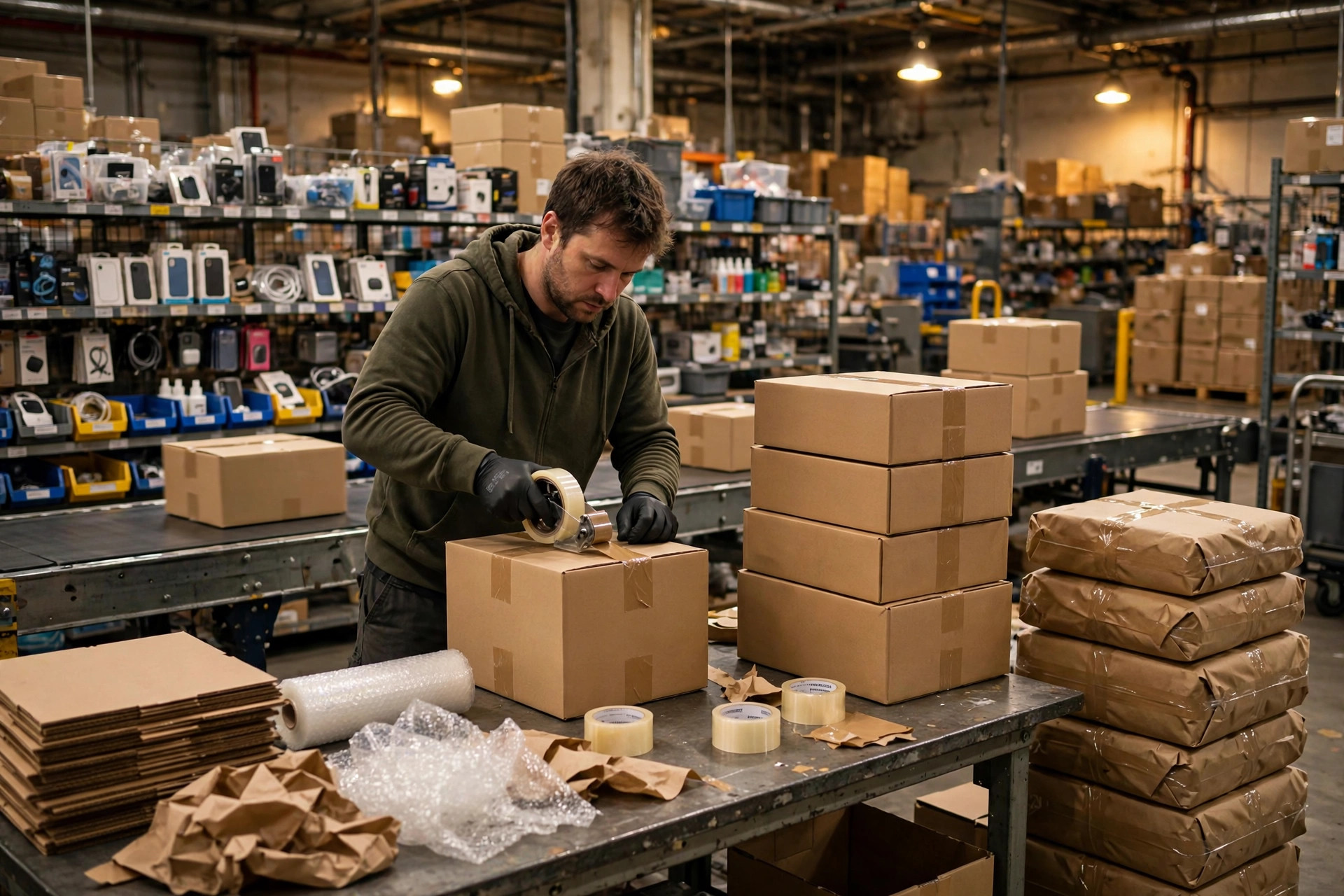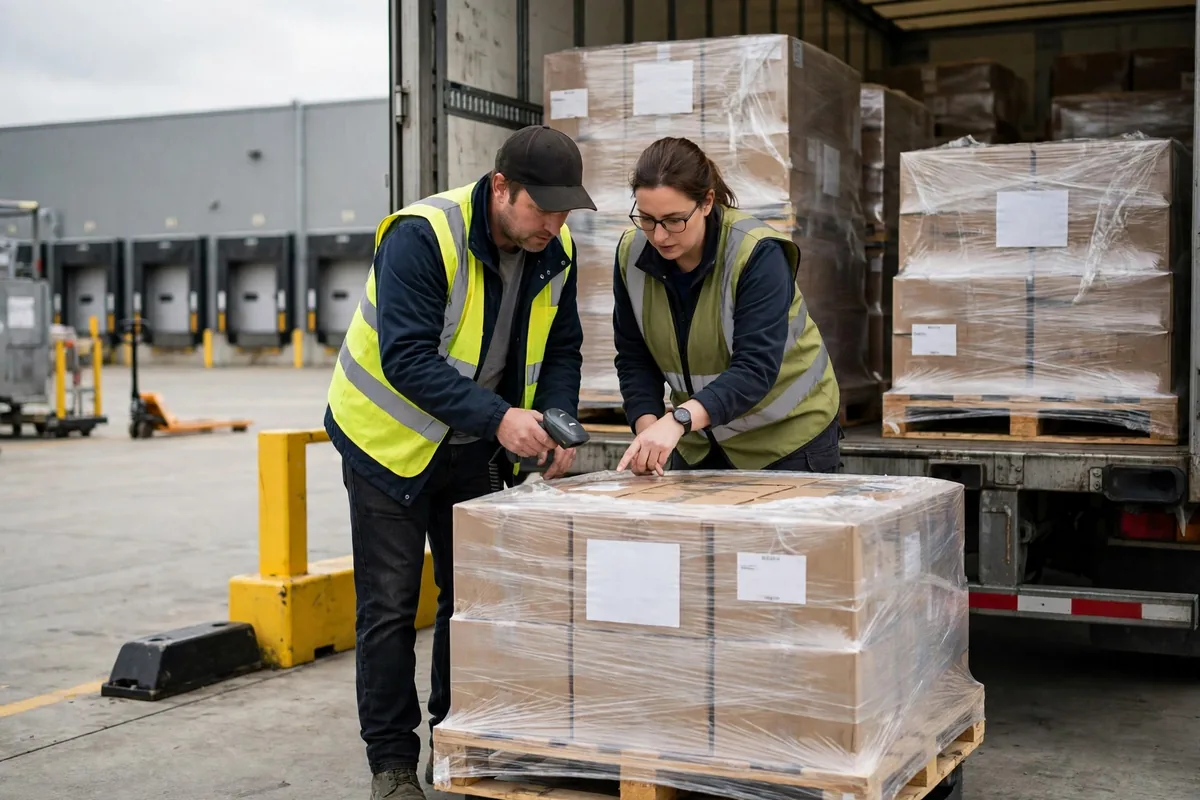
Let me tell you about a load I will not forget. July 2024, near San Bernardino, California, hot enough that the cab felt like a steamer. I was hauling a full trailer of small appliances to a WFS warehouse. My appointment was good, I rolled in twenty minutes early, handed over the paperwork, and watched the receiving clerk walk around the trailer, crouch down by the pallets, and study the labels. Then he stood up and said the words no driver wants to hear: these labels do not match, we cannot take this load today. Just like that, a full trailer had nowhere to go. The seller was overseas, the warehouse was right in front of me, and I was the man stuck in the middle under that sun. That day taught me what walmart wfs inbound defect charges really are. Most of those defects are not created inside the warehouse. They are loaded onto the truck, sometimes days earlier, and the dock door is just where they get discovered.
Sellers tend to think inbound defects are the warehouse being picky. Drivers tend to think it is none of their business, that the job ends with a signature. Both ideas will cost you. The inbound check looks at plain, practical things: did the truck arrive inside its appointment window, are the pallets built solid, are the labels and carton markings readable and correct, did the load show up early or late. Every one of those passes through the driver's hands. And if a defect gets logged, whatever fees or consequences follow are governed by the latest policy in Walmart Seller Center, so check there for current figures rather than trusting any number somebody quotes you on the dock. What I can tell you from fifteen years on the road is this: when a defect is disputed later, the argument is won by whoever kept evidence, and the only person who can collect that evidence is the person standing at the dock.
walmart wfs dock reality: most defects start at loading
Start with the appointment. A WFS facility runs on scheduled windows, not on whenever you happen to arrive. Show up far too early and there may be no door for you, just a line outside and a long wait that muddies the record of when you actually arrived. Show up late and your door has gone to somebody else. I learned the value of records on a Dallas run in the winter of 2022. Ice shut down a stretch of highway, the delay was out of my hands, and the seller kept calling me to drive faster. I told him plainly: a life is worth more than a load, this truck goes as fast as the ice allows. Because I had saved the appointment confirmation and photographed the closed road along the way, the warehouse rescheduled my window on the spot and logged no defect. Same late arrival, two different endings. The paperwork made the difference.
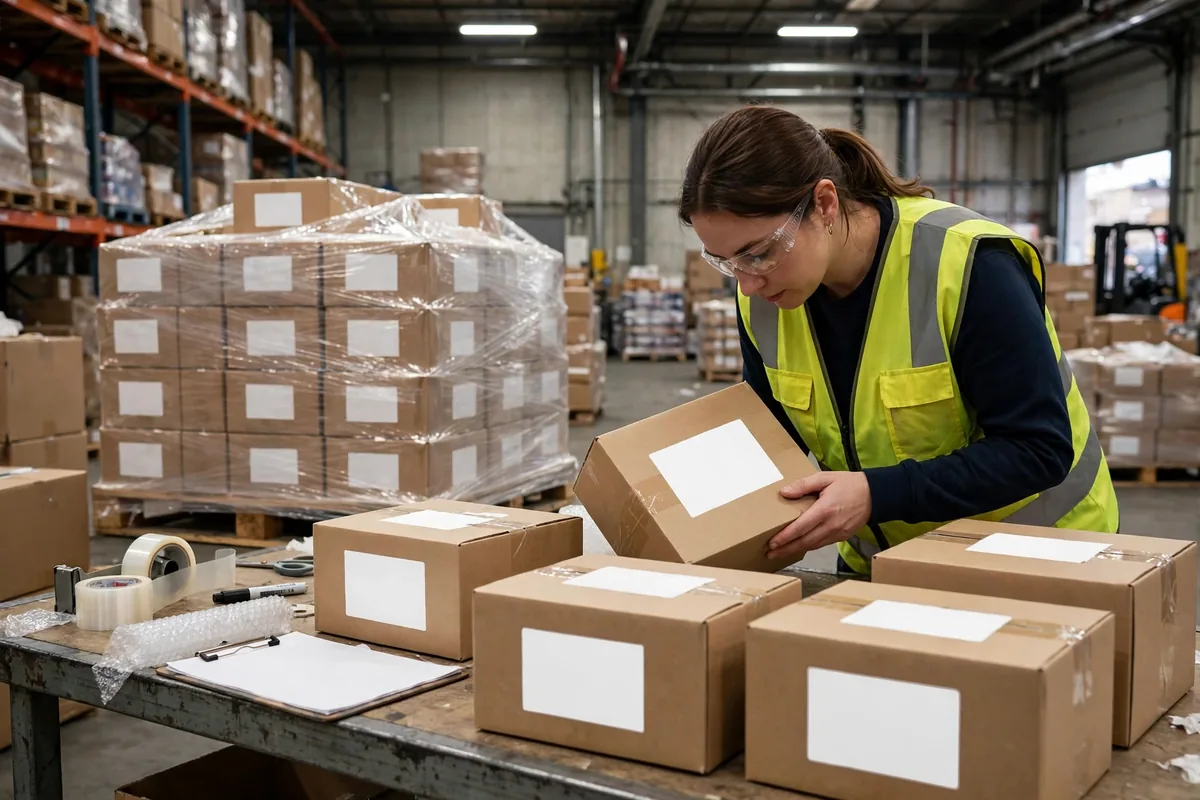
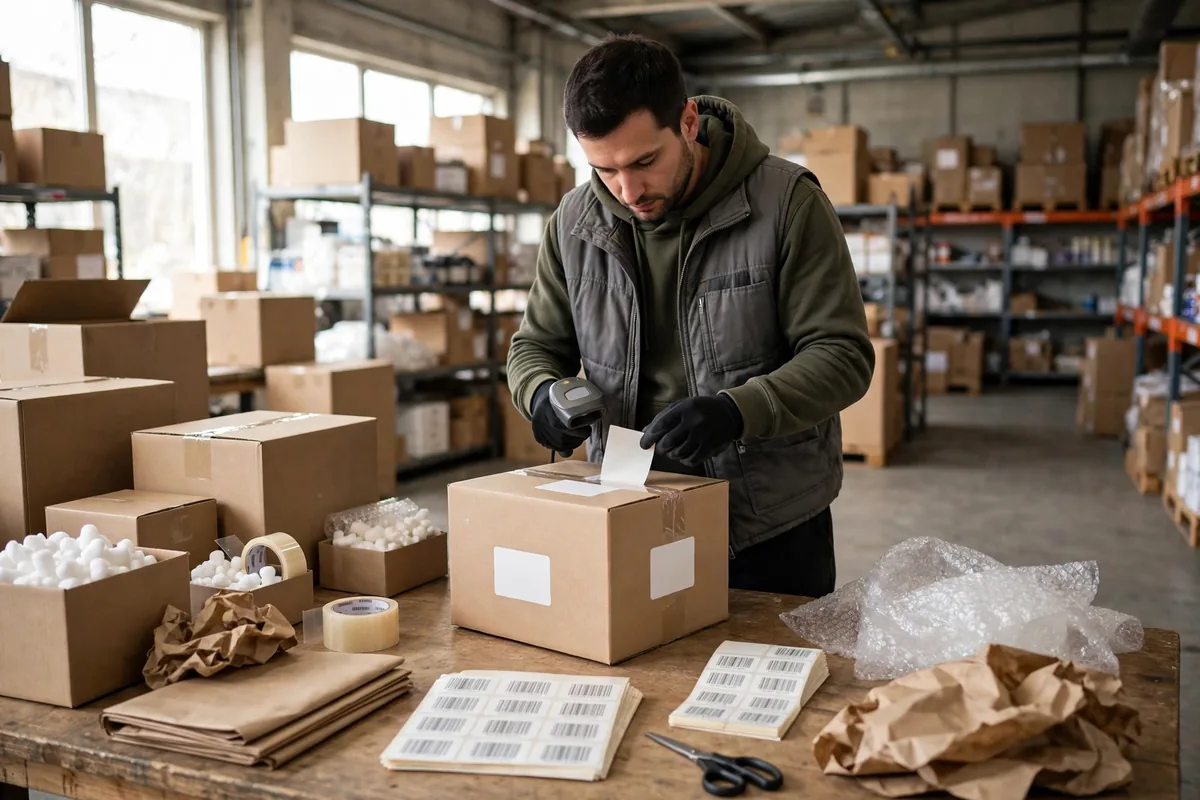
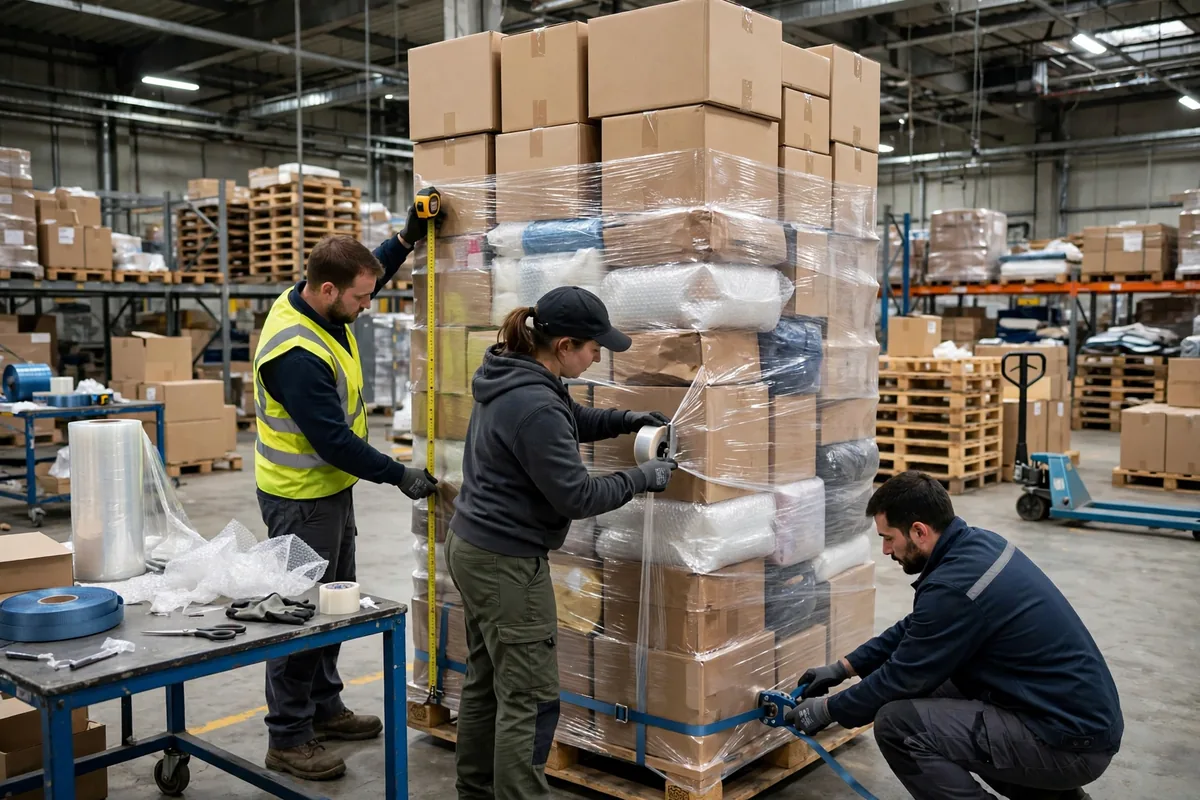
Pallets and labels are where dock rejections really pile up. A pallet built crooked, with loose stretch wrap, falls apart the moment a forklift touches it, and no receiving crew wants to inherit that mess. Labels are quieter killers. Placed on the top instead of the side, facing inward, missing on some cartons, or mismatched with the carton markings, they stop the scan, and I have watched whole pallets get pushed back for relabeling while the driver burned his whole day. Here is the part nobody at the shipping end wants to hear: every one of those problems takes ten minutes to catch at the loading dock and a full day to fix at the receiving dock. Preventing walmart wfs inbound defect charges is mostly not about the receiving warehouse at all. It is about the loading warehouse looking once, carefully, before the doors close.
inbound defect handover checklist: walk it before you check in
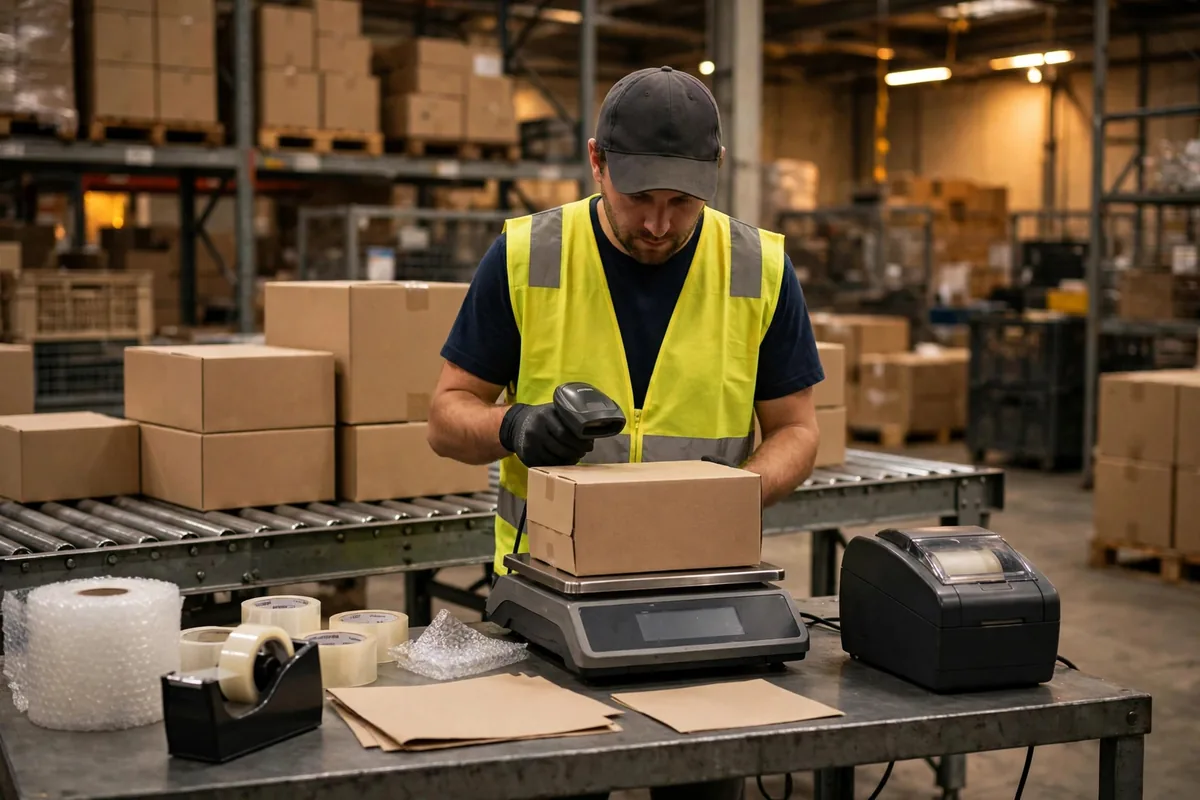
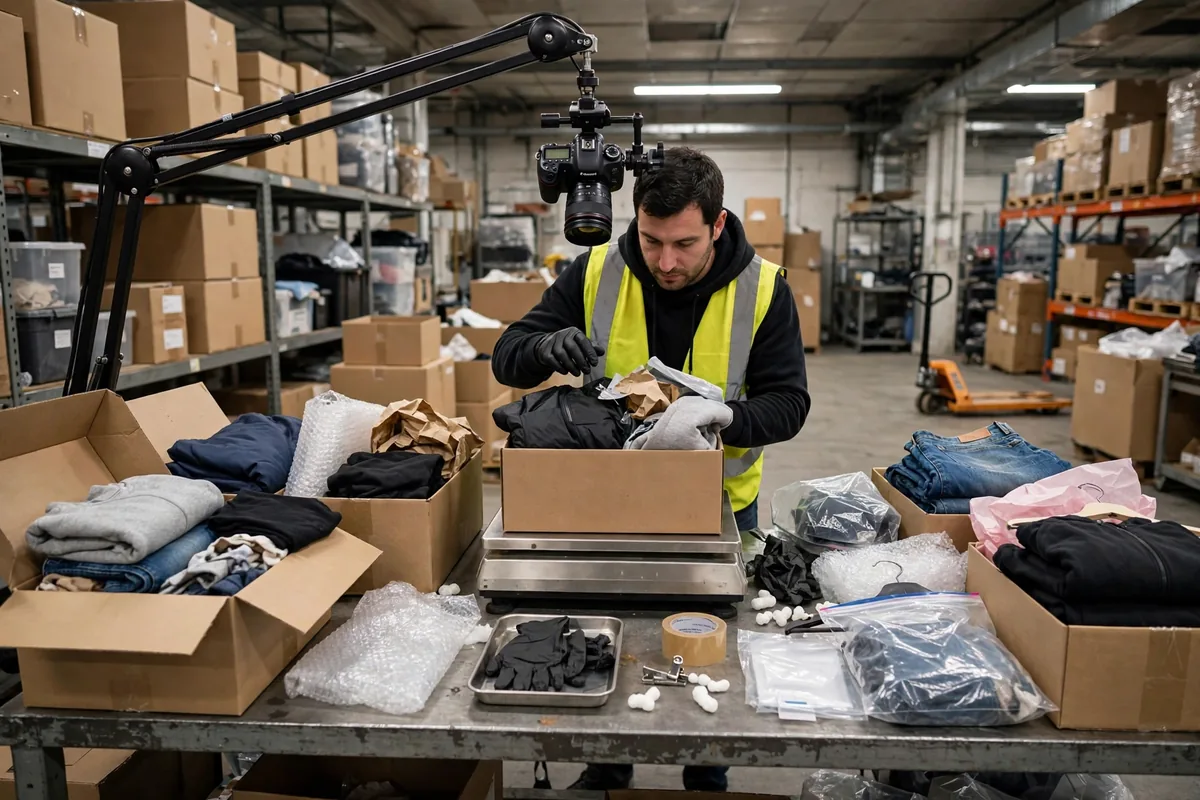
Over the years I built myself a habit. When I arrive, before I even shut the engine off, I run the handover list in my head. Do I have the appointment confirmation, and does the window on it match this delivery? Are the pallets upright and tight, or is anything leaning and loose? I spot-check a few cartons: labels present, facing the right way, carton markings matching the product and count on the delivery papers. Is anything in the trailer tipped over or crushed, and if a carton is damaged, have I photographed it before unloading starts, so nobody can argue later about when it happened? Only when that walk is done do I take the paperwork to the window. Five minutes of looking saves hours of explaining.
Then there is the delivery receipt, which too many drivers treat like a bus ticket. Read what the warehouse wrote before you leave. Count confirmed, exceptions noted, anything marked refused or partially received, understand every word of it on the spot and ask about anything unclear before you sign and roll. I knew a driver who unloaded, grabbed his papers, and drove off, only to learn back home that the receipt noted crushed cartons, and when the seller came asking questions he had nothing to show. That receipt is the driver's last piece of protection. If it is clean, your work is clean. If something is written on it, you had better know what it says.
Time is evidence too. When I arrived at the gate, when unloading started, when I pulled away, I note it in my phone and take a time-stamped photo of the warehouse entrance. It feels like fuss until the day someone claims you arrived outside your window. The warehouse system keeps its record, you keep yours, and when the two line up, most arguments end right there.
charges disputes are won with photos, not volume
If a defect does get logged and a dispute follows, here is what actually helps the seller's case, and most of it comes from the driver. The appointment confirmation, proving the truck was scheduled for that window. Arrival and departure records with site photos, proving the truck was neither wildly early nor late. Photos of the load at loading and before unloading, proving the goods and labels were in proper shape when the warehouse took them. The signed delivery receipt, original or a clear photo, showing what receiving noted at handover. And if the road threw something at you, photos of the closure, the weather, the official notice. Assemble that package and an appeal has legs. How defects are assessed, what they cost, and how appeals and deadlines work must all be checked against the latest policy in Walmart Seller Center, because those details change and nobody on a dock can promise you otherwise.
One more thing, driver to seller and seller to driver. When something goes wrong, the ugliest outcome is the circle of finger-pointing: the seller blames a late driver, the driver blames a slow warehouse, the warehouse blames the freight. When nobody kept records, walmart wfs inbound defect charges tend to land on whoever can explain themselves the least. So keep the photos, keep the times, keep the papers. It protects the seller's appeal, and just as much, it protects you.
My parting advice is simple. If a load gets flagged at the door, do not start by arguing with the warehouse. Photograph everything, read the receipt twice, write down your times, then turn the truck around. Out on the road, winning the shouting match means nothing. Having the proof in your hand means you sleep fine that night.
By Shifu Zhao, Trucking Veteran (15 yrs)