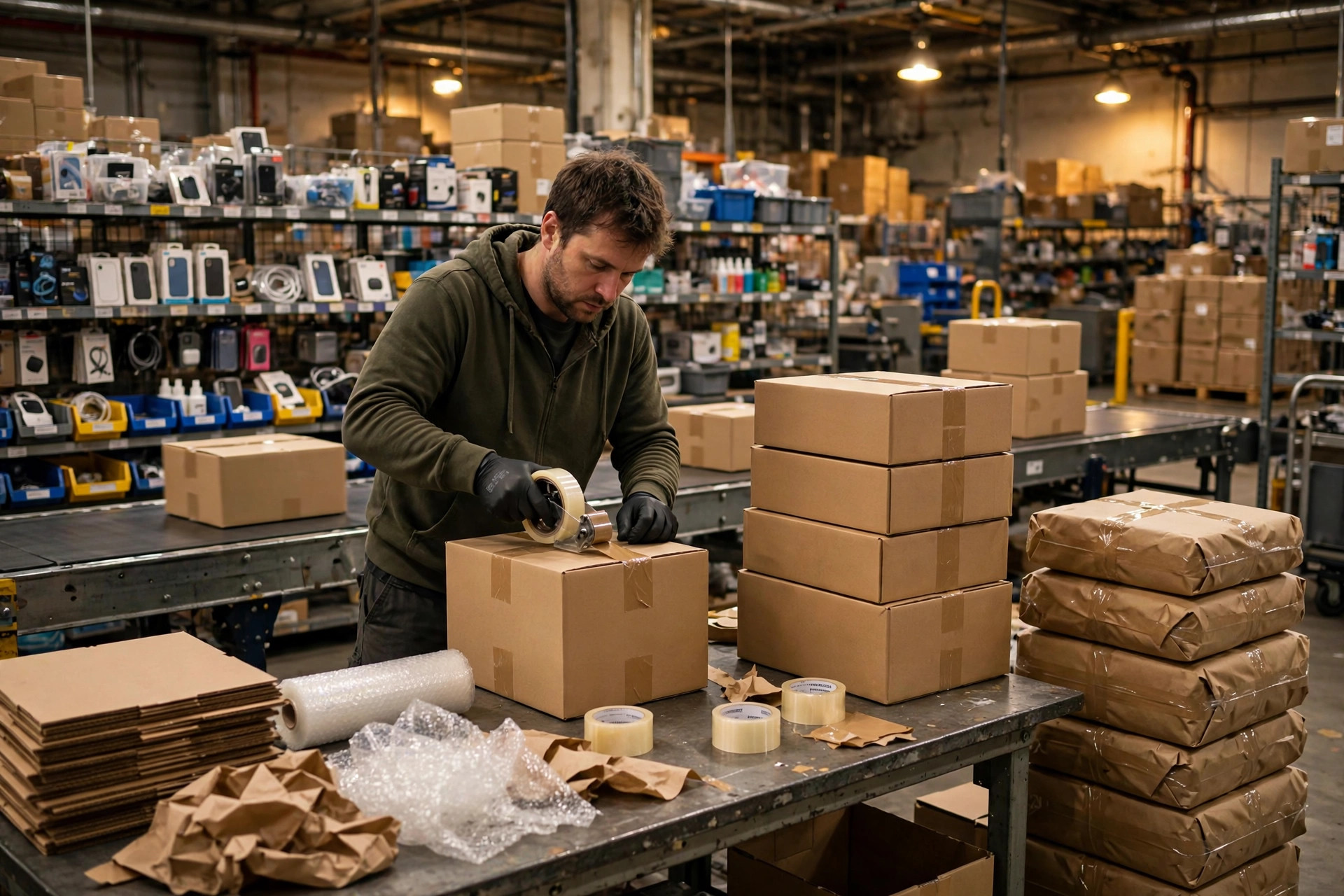
Let me start with the ugly truth: getting a full pallet turned away at the door hurts more than a slow-selling product. The first time amazon fba oversize pallet rejection warehouse became my problem, I blamed bad luck. Then I looked at the pattern. Most rejected pallets are not rejected because the products are wrong. They are rejected because nobody at the warehouse treated the pallet itself as part of the shipment: the size, the stack height, the wrap, the labels. Miss one, and the whole pallet rides back to you.
My First Rejection: amazon fba oversize pallet rejection warehouse in Peak Season
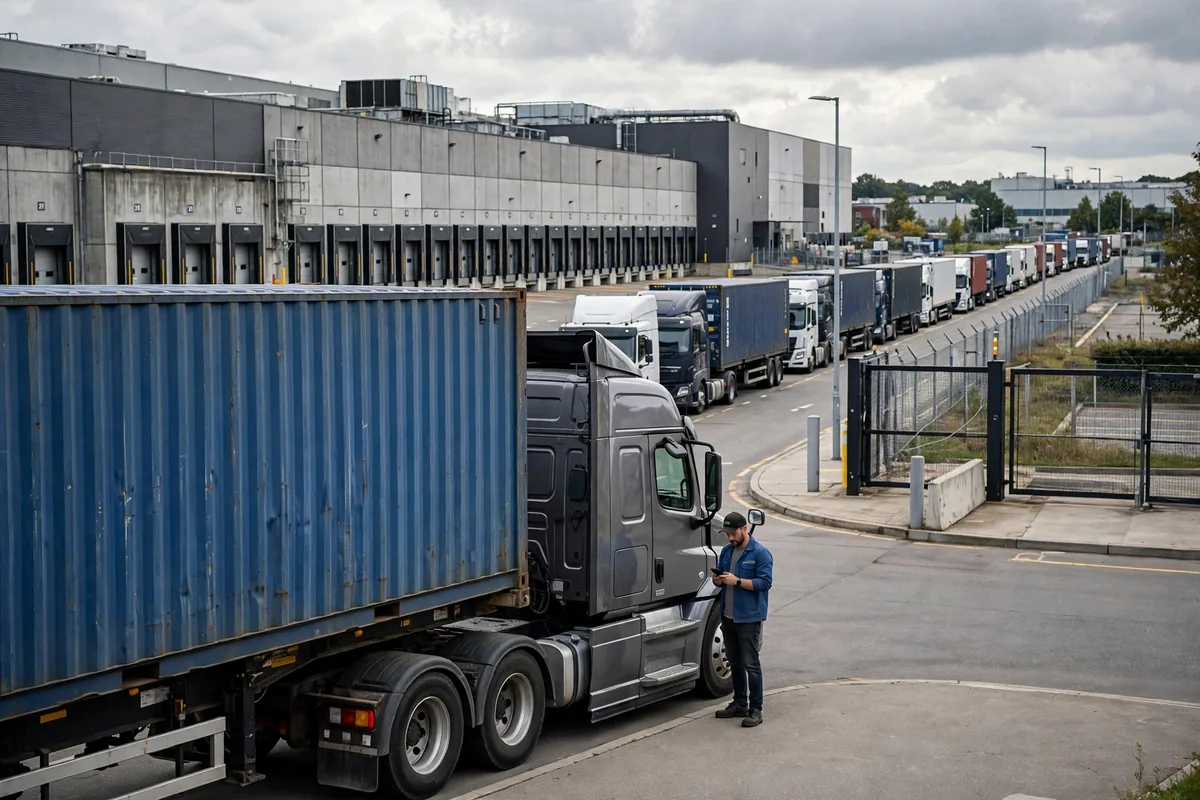
It was October last year, right in the middle of peak-season stocking. I had three pallets, more than 120 cartons, coming out of a partner warehouse in California, timed so the products would be live for the big shopping weeks. The truck arrived, the receiving staff walked around the pallets with a tape, and shook their heads. The stacks were too tall. The top layer leaned out past the pallet edge. The wrap was loose enough that a gentle push made the whole stack sway. The truck left with everything still on it.
I still remember that week clearly. Two days lost on the round trip. Then two workers spent most of a day breaking the pallets down, restacking, rewrapping, and relabeling. By the time the second delivery was accepted and the products went live, we were five days behind plan. In peak season, five days is not five days. It is watching competitors take the spots you stocked up for. We paid for freight twice, occupied warehouse space twice, and burned the most valuable selling window of the year. For the current acceptance rules and any related charges, check Amazon's latest policy in Seller Central; what I can teach you is how to stop the rejection before the truck ever leaves.
The second story is not mine, which almost makes it worse. A friend who sells home goods built his pallets neatly, cartons squared, labels clean. What he never looked at was the pallet itself: a patched-up old pallet with a cracked runner. Receiving judged it unstable and turned the whole load away. He told me afterwards that he had checked his products and his carton labels three times, and the pallet zero times. That sentence is the whole lesson.
The Warehouse Checklist: amazon fba oversize pallet rejection warehouse Prevention
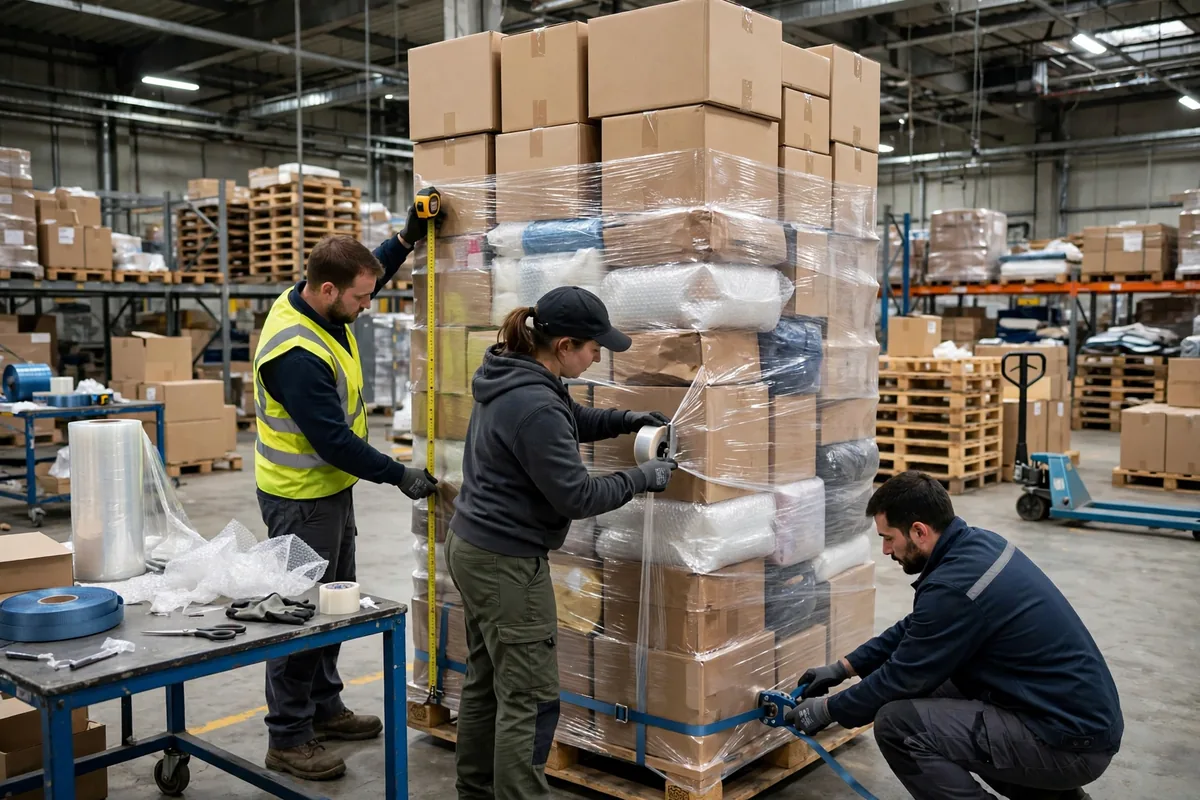
After that October, I made my warehouse run a fixed pre-departure check on every pallet, with photos, no verbal "looks fine." Four things get checked, every time.
| Check | What we do before the truck is booked | Where people usually fail |
|---|---|---|
| Pallet condition | Sound, complete pallets only; boards and runners inspected one by one; cracked or patched pallets are swapped out | Grabbing any old pallet from the corner because it is there |
| Stack height and overhang | Total height measured; nothing hangs past the pallet edge; heavy cartons low, weight spread evenly | Squeezing extra layers on to save one pallet, top layer leaning out |
| Wrap | Film wrapped from the pallet base upward so pallet and cartons move as one unit; push test before loading | Wrapping the cartons only, so the load shifts on the road |
| Labels | Carton labels clear and uncovered; pallet label placed where it can be scanned; a scan check before departure | Labels buried under wrap or pasted over carton seams |
Two details deserve emphasis. First, the wrap has to capture the pallet itself, not just the cartons. If the film starts above the pallet base, a forklift lift and a bumpy road will walk the load sideways no matter how tidy the stack looked. Second, overhang is not a rounding error. From the receiving side, an overhanging stack means crush risk and unstable stacking in their building, so they will not make an exception for "just a little."
Here is the part sellers resist hearing: amazon fba oversize pallet rejection warehouse decisions are usually predictable from your own dock. If your outbound process has no pallet step in it — if the last hands on your freight belong to whoever happened to be free that afternoon — then a rejection is not an accident waiting to happen. It is already scheduled.
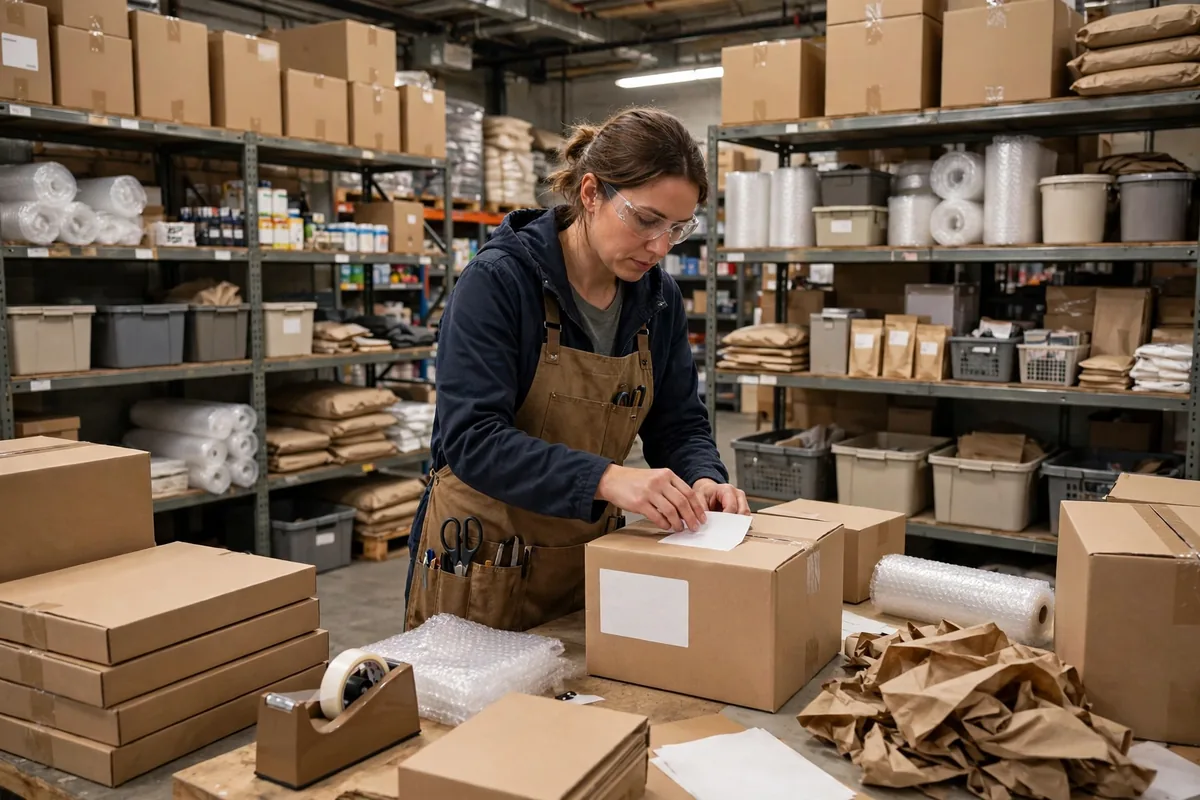
Labels deserve their own paragraph, because this is the dumbest way to lose a day. Print quality matters: a smudged label that a scanner struggles with is a problem you created in your own office. Placement matters just as much. Keep labels off carton seams, keep them flat, and after wrapping, walk the pallet and confirm the pallet label is still visible and readable. I once watched a shipment sit at a door for half a day because the wrap had sealed the pallet label inside it. The freight was perfect. The paperwork was perfect. Nobody could scan the label, so nobody would take the freight. We now do a final scan test with a handheld scanner on every pallet before it is loaded; if our scanner hesitates, theirs will too.
Pallet choice is the other quiet trap. Warehouses accumulate pallets of every origin: some with a missing deck board, some with a runner slightly out of level, some that have clearly been repaired twice. For internal moves, nobody cares. For an outbound shipment that will be lifted, stacked, and judged by strangers, those flaws get amplified by every mile of road. I keep a small pool of inspected, outbound-only pallets, marked and stored separately, and my agreement with the warehouse is that nothing else gets used for these shipments, even when the yard is busy and the good pallets are at the back. It costs a little storage space and a little discipline. It has saved me at least two rejections that I know of.
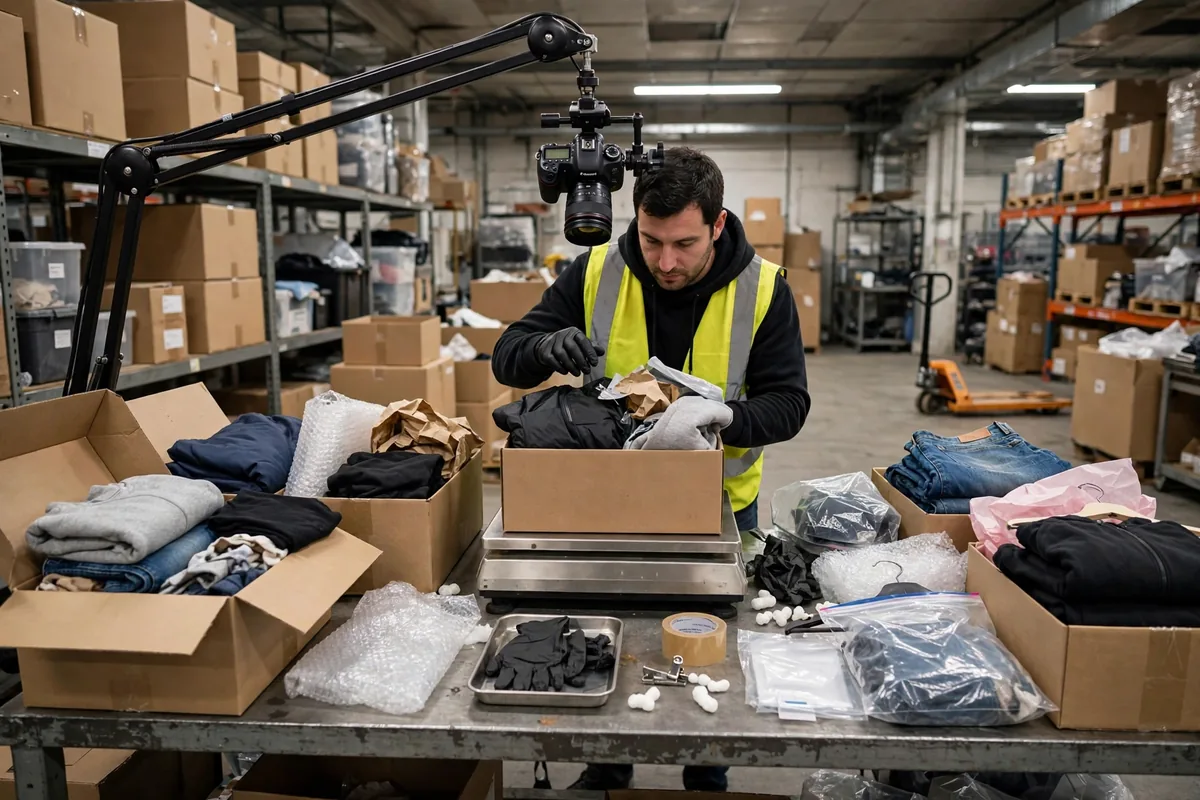
My routine now is simple. Pallets get checked and photographed a day before pickup in peak season: four sides plus one shot from above. The person who stacks is never the person who checks. The truck is booked only after the photos are approved. Yes, the freight sits one extra day. Compare that with five or six days lost to a return, a rebuild, and a second appointment, and the math is not close.
If It Still Gets Turned Away
When a rejection happens, do not waste the first hour arguing or rebooking blindly. Do three things in order. First, get the exact reason and photograph it: dimensions, weight, pallet damage, or labels each mean a different amount of rework. Second, rebuild properly back at the warehouse — swap the pallet, lower the stack, rewrap from the base. Patching the same pallet fools nobody; the second inspection is usually stricter than the first. Third, run the full checklist again and send yourself the photos before the truck is rebooked.
One last habit: requirements change, and marketplace pages get updated. Before every shipment, I have the warehouse re-check the current published requirements instead of working from last year's memory. Twenty minutes of checking on your own dock is the cheapest insurance in this business. This routine is tested, not theoretical — since we put the checklist in place, I have not had a single full pallet turned away.
By Ah K, E-commerce Seller (5 yrs)