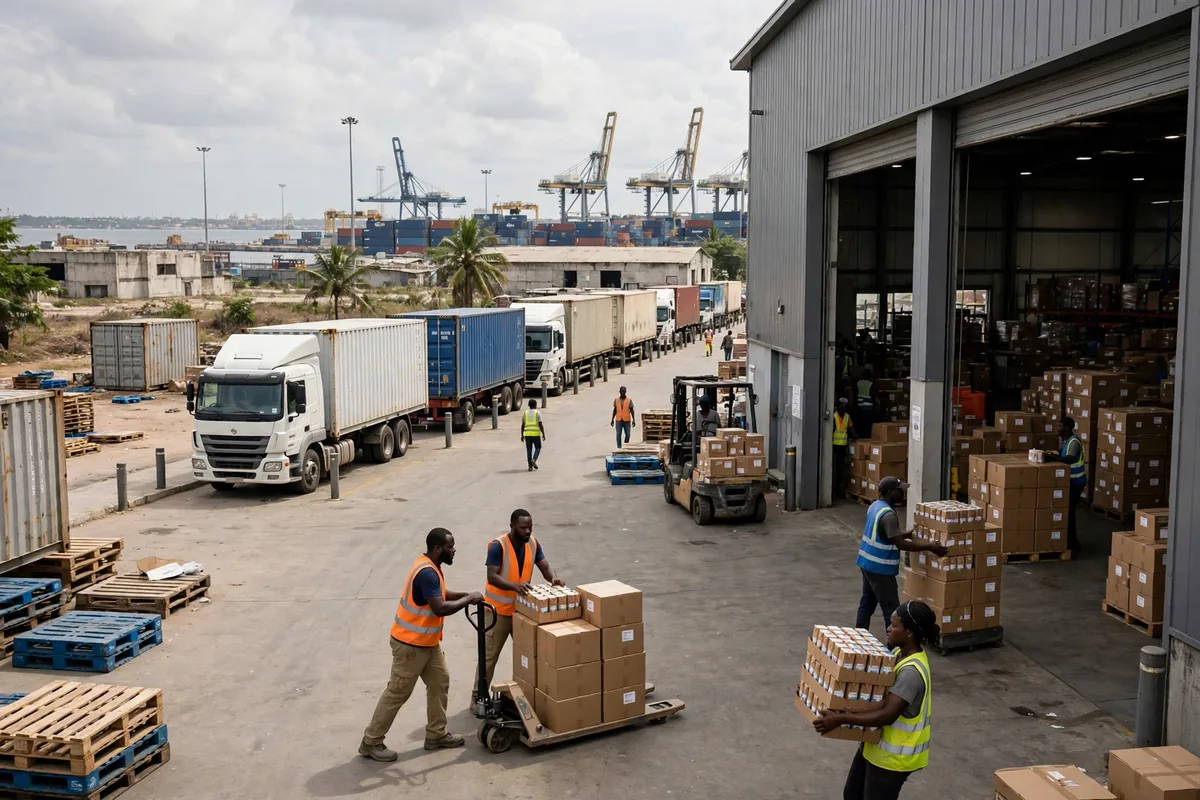
Let me tell you how I learned vitoria brazil warehouse logistics: not from a map, but from sitting in a cab outside a port gate, engine idling, watching the clock eat the day. Vitoria, in Espirito Santo, looks easy on paper. The port complex is right there, the warehouses are close, and the freight seems one short hop from being on its way inland. Fifteen years of running trucks taught me the opposite lesson. The shorter the leg looks, the more money it hides. The drayage between the port and the warehouse door is where schedules quietly fall apart.
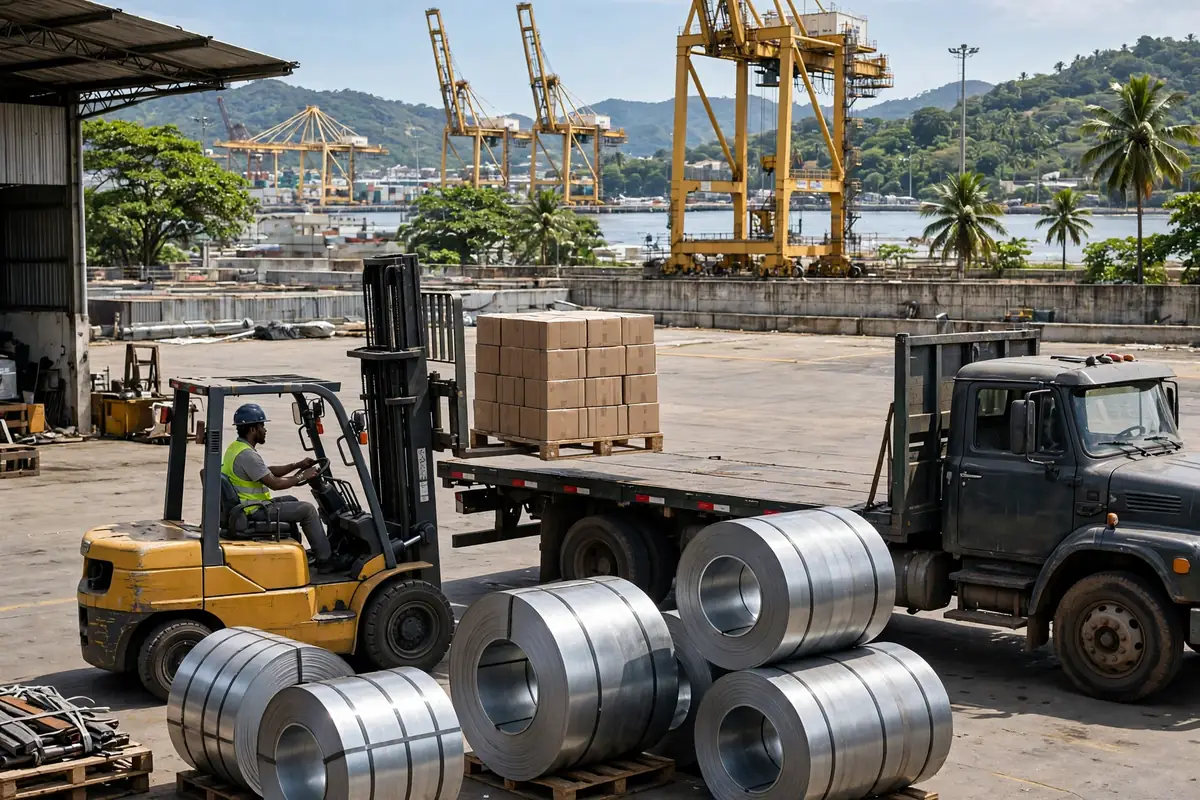
Picture a load of steel products I still think about. The cargo owner was in a hurry, the truck was booked, and the plan was simple: pick up, unload at the warehouse, reload, and head inland. Then one detail on the paperwork did not match, the release stalled, and by the time the box actually came out, the booked unloading slot at the warehouse was gone. Nobody had done anything reckless. The failure was dumber than that: nobody owned the sequence. Release, drayage, and receiving were treated as three separate errands instead of one chain. Since then, my first question on any port job is always the same: who watches the release status, and does the truck roll before or after the freight is actually free to move?
The Short Haul Decides: brazil warehouse receiving is a clock game
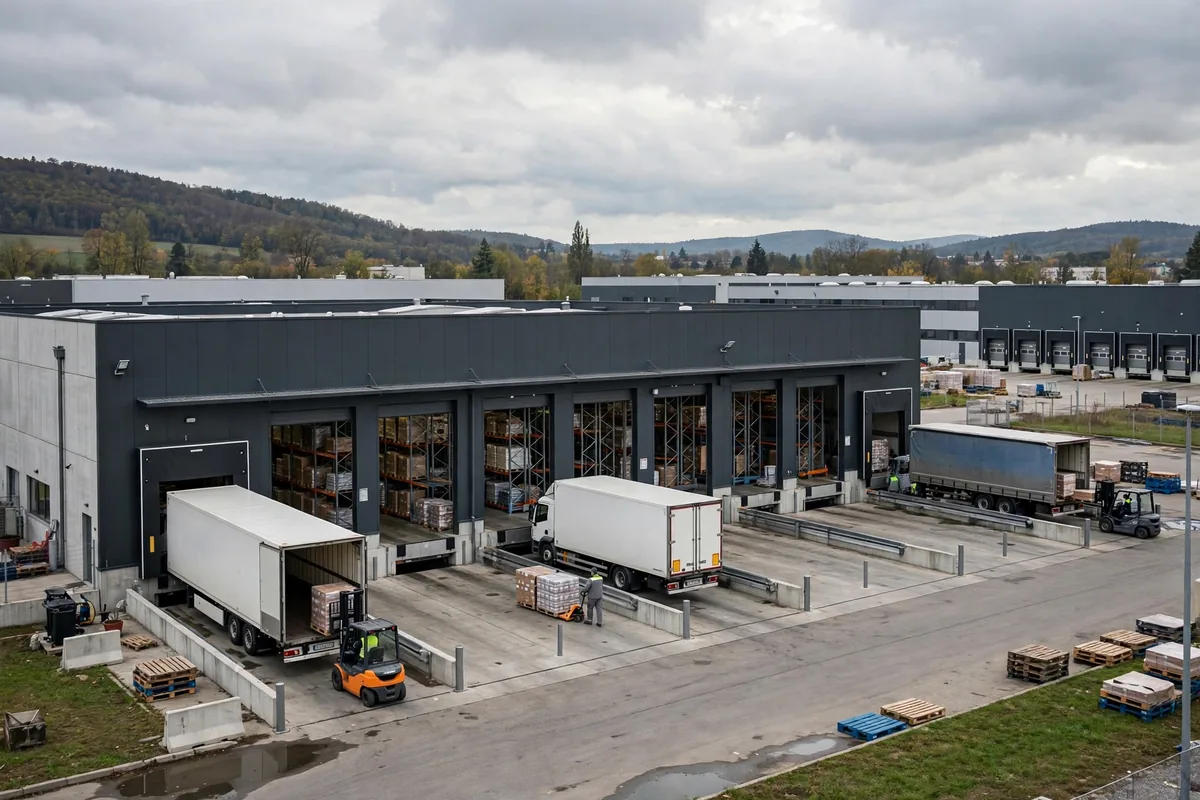
A warehouse near the port earns its keep in one specific way: it is close to trouble. When a container needs to be stripped quickly, when part of the freight stays local and part moves inland, when damaged packaging needs sorting before anything else happens, a short drayage leg means you can react the same day. I once watched a distribution load get opened up and reveal far more moisture damage than anyone expected. The warehouse had to add an inspection step and repack part of the freight, and every outbound booking shifted. Because the warehouse sat close to the port, returning the empty and isolating the problem freight stayed manageable. The day was messy, but the inland plan survived.
The trade is just as clear. Port-side space comes with tight appointment windows and little forgiveness for late changes. If your freight does not need handling, if it simply waits intact for a full truck and a departure window, that closeness buys you nothing. You are paying for flexibility you never use. My rule from the road is plain. If the freight gets worked on in the warehouse, stay close to the port. If the freight mostly waits, judge the warehouse by its waiting cost and its position relative to the inland highway, not by its distance from the gate. Bonded storage enters the conversation when freight must sit under customs control before its paperwork is settled; whether it fits your case depends on current local rules, so confirm that with a qualified local advisor rather than anyone's verbal promise.
One more habit worth stealing: price the drayage leg on its own line. Do not bury it inside the linehaul rate. When drayage stands alone on the bill, waiting time, empty repositioning, and missed appointments become visible, and visible costs get managed. Buried costs just get argued about.
Inland Legs and Empty Miles: warehouse logistics is a round-trip business
From Vitoria, outbound freight commonly heads toward Sao Paulo, toward Rio de Janeiro, or toward Belo Horizonte. Each direction has its own terrain, its own rhythm, and, most importantly, its own chances of finding freight for the trip back. I will not quote you distances or transit promises here; check those against current road conditions and a carrier's real schedule, because stale numbers on paper are how budgets die. What I can give you is the judgment that matters: a lane is not cheap because the outbound rate looks low. A lane is cheap when the truck does not come back empty.
Here is an illustrative example, with made-up round numbers, just to show the arithmetic. Suppose an outbound trip is negotiated at one flat price, and the truck returns completely empty. Every cost of that return — fuel, tolls, and the driver's time — lands on the single outbound load. Now suppose the return picks up even a modest backhaul load at a fraction of the outbound price. The effective cost of the round trip drops at once, without the outbound rate changing at all. That is why I negotiate lanes as round trips: a fair outbound rate plus first claim on return freight usually beats the lowest one-way quote. This is the part of vitoria brazil warehouse logistics that office planning misses most often. Where the warehouse sits decides where trucks start from, and where trucks start from decides how hard the backhaul is to find. The warehouse decision and the trucking bill are the same decision.
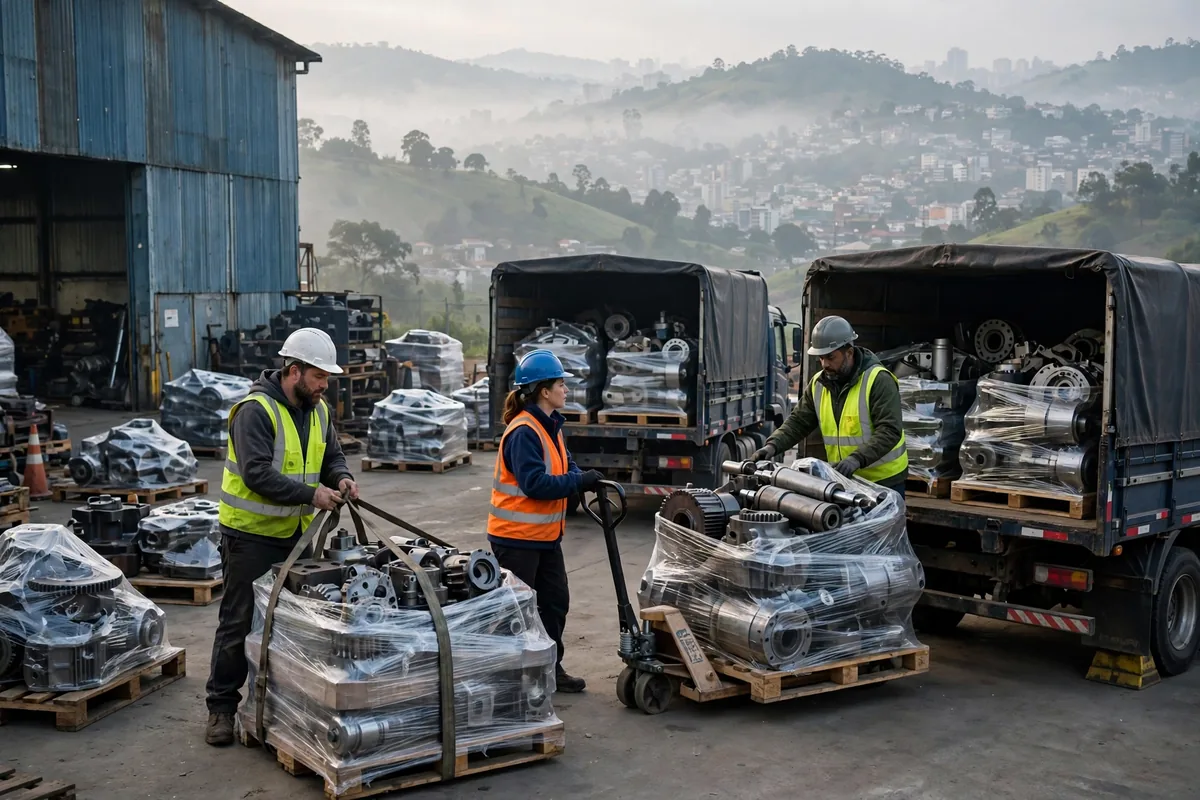
Heavy freight deserves its own warning. Steel and mining-related cargo is a fact of life around Vitoria, and it punishes warehouses that were chosen for general cargo. Before heavy freight enters a building, walk the route on paper: which door it enters, which floor zone holds it, whether the forklifts on site are rated for the unit weights, and how it leaves without being handled twice. Every extra touch of a heavy unit is cost and risk at the same time. If the paper route does not work, the real one will work worse.
And here is the judgment that surprises people: leaving earlier is not always better. A truck dispatched before the load is consolidated, before the backhaul is arranged, and before the receiver's dock window is confirmed may simply arrive a day early and wait a day at someone else's gate. Waiting away from home is the most expensive waiting there is. Two phone calls before departure are cheaper than one day of a truck sitting idle in another city.
Paperwork, Patience, and an Old Driver's Rule
Brazilian tax and documentation requirements are famously layered, and I am a driver, not a tax consultant, so treat specifics as a matter for current local rules and professional advice. From the road, though, three habits save real money. Never send a truck to wait at a gate before the documentation status is confirmed. Align every document needed for an interstate move before departure, not from a rest stop halfway there. And keep a written handover record at the warehouse — who handed what to whom, and when — so that when something goes wrong, you check the record before you start an argument.
An old saying from the road closes it for me: seven parts of any trip are decided before the wheels turn, and only three parts at the steering wheel. Choose the warehouse like a driver, price the round trip like an owner, and respect the paperwork like it can stop your truck — because it can. That, in one breath, is vitoria brazil warehouse logistics as the road teaches it.
By Shifu Zhao, Trucking Veteran (15 yrs)