We have a client who sells small home appliances. Last year he thumped the table and told me West Africa was taking off, so he wanted a regional warehouse in Accra: freight in through Tema Port, stock on shelves, and from there he would supply several countries at once. I poured him a glass of water before I answered. I have heard this opening many times in my years selling 3PL services. accra ghana warehouse logistics can work. It is just not the regional warehouse most owners picture in that first excited meeting. Today I will say in public what I usually say behind a closed door.
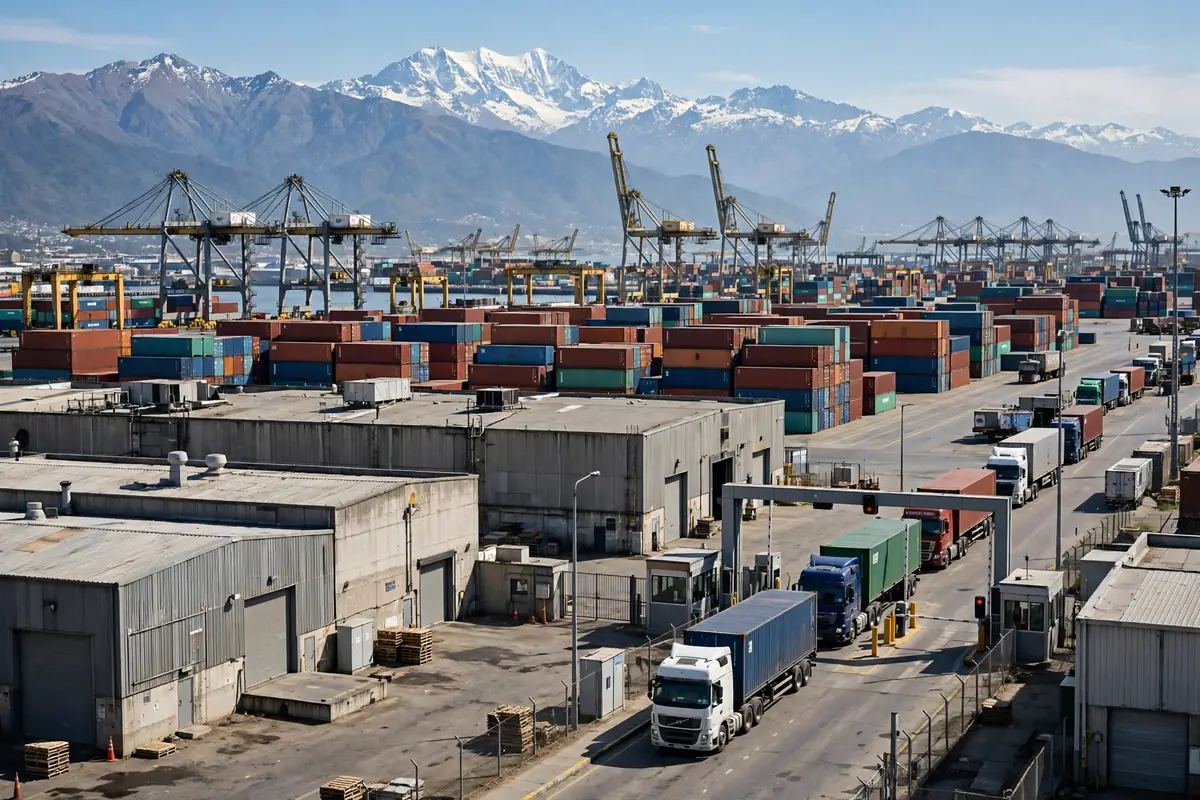
Accra is Ghana's capital. Freight enters through Tema Port, which looks close to the city's warehouse districts on a map. The city has real spending power, shopping centers, and wholesale markets, and a fair share of stock gets sold locally. That part is true. But a regional warehouse means freight keeps moving: inland, and across borders. That onward leg is exactly where nobody honest will promise you a tidy lead time. So I told my client plainly: build the Accra site as a Ghana warehouse first and do the math on that basis. Treat regional reach as a bonus. If it grows, great. If not, the operation still stands on its own numbers. Pinning expectations down early is the first lesson West Africa taught me.
The Real Boundary of an accra warehouse: Port to Shelf
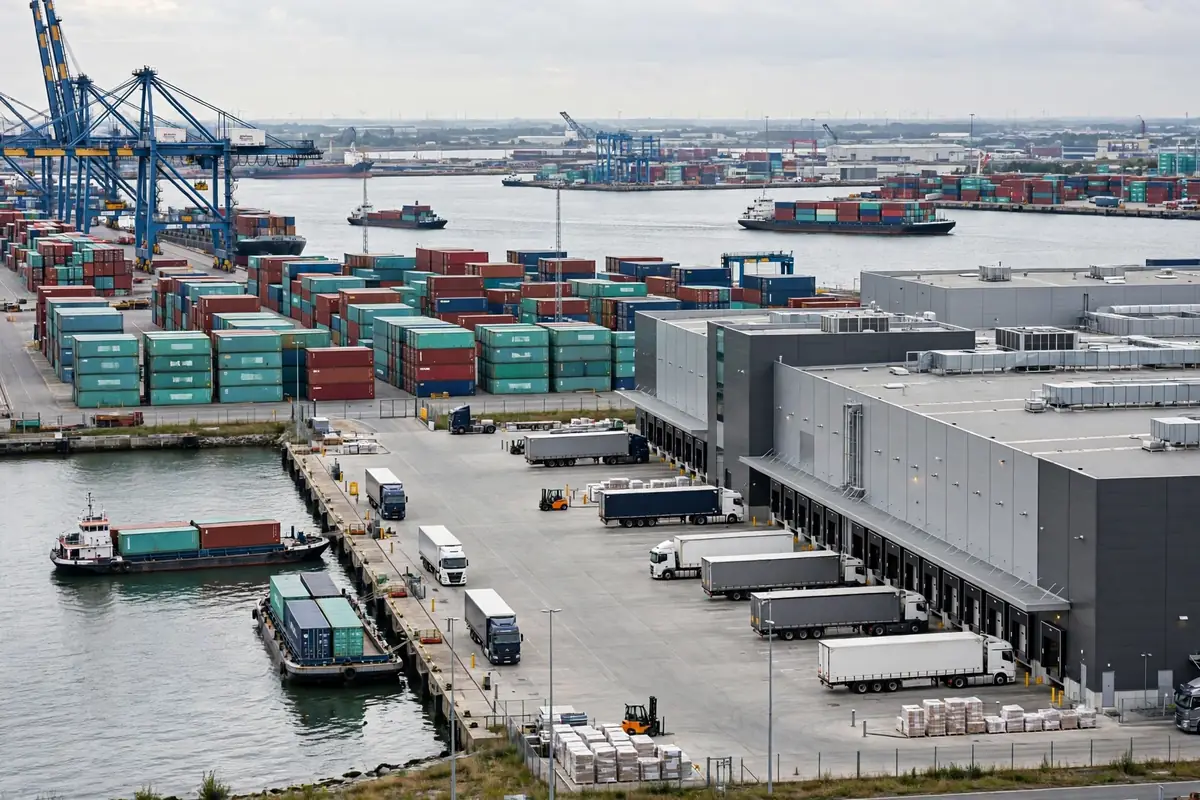
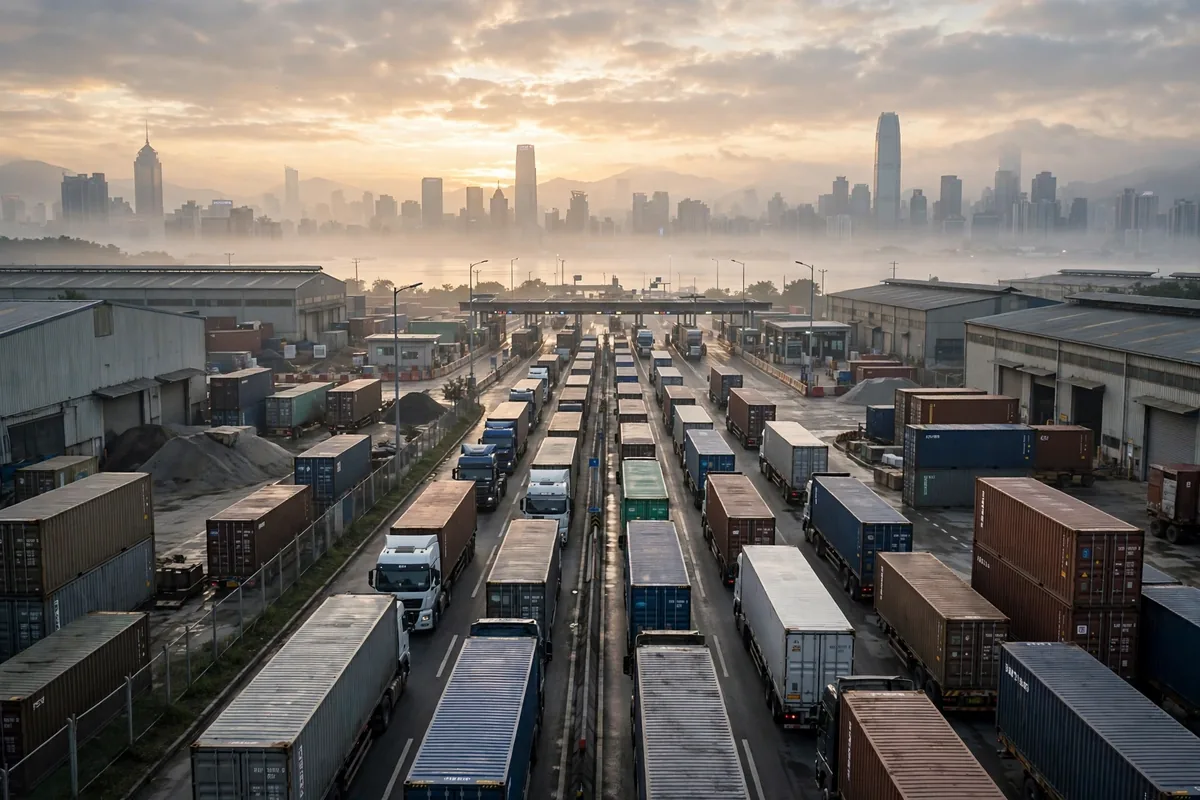
Start with the port leg. A couple of years ago, a client's shipment arrived at Tema with a small detail in the documents out of line. The paperwork went back and forth, the freight sat longer than planned, and the crew and trucks we had scheduled waited with nothing to unload. By the time the goods reached the shelves, part of the peak selling window had closed. The owner was on the phone, frustrated, and all I could tell him was the truth: clearance timelines there swing widely. Documents, timing, and local conditions all stretch or shorten the wait, and the current rules are whatever the local authorities and your broker say they are this month. I will not print a guaranteed number of days here. Anyone who does is chasing your signature, not protecting your freight.
After that episode, our proposals for West African clients carry one dull rule: plan arrival windows wide, not ideal. Receiving rosters, delivery promises, and the dates your sales team gives distributors all get built on the wide number. Freight arriving early and resting on a shelf for two days is cheap. A whole chain holding its breath for one late shipment is expensive. Documents also travel ahead of freight, twice: names, quantities, and packaging details get checked with the broker before dispatch, then once more before the vessel sails. Two rounds of checking cost little. Idle crews cost a great deal.
A second client taught the mirror-image lesson. In 2023 a consumer goods client of ours started small in Accra, supplying local supermarkets. The local numbers looked good, the owner got excited, and he hung a distributor in a neighboring country onto the same warehouse. Within two months the problems were all beyond the city limits: half-empty trucks, empty return legs, unfamiliar receiving habits, and volumes too thin for a fixed route. The per-unit delivery cost on that leg ended up far above the local business. We pulled that country back to its old arrangement, let Accra serve Ghana properly, and the numbers recovered almost immediately. A warehouse is a fixed asset. Routes are alive. Whether a site can act as a regional hub depends on the density of each outbound route and whether trucks come back loaded, not on the building itself.
Power and Parks in ghana logistics: Ask What the Brochure Skips
Now the building itself. I have toured two industrial parks around Accra with clients. The presentations were polished: clear height, dock doors, fire systems, all present. I asked three extra questions. First, power: how stable is the supply, what backup generation exists, and what happens to temperature-controlled space during an outage. Second, roads: what do the park entrance and the drive into the city look like in heavy rain, and are truck movements restricted at certain hours. Third, people: how easy is it to hire loaders and drivers nearby, and can the operation add hands in peak season.
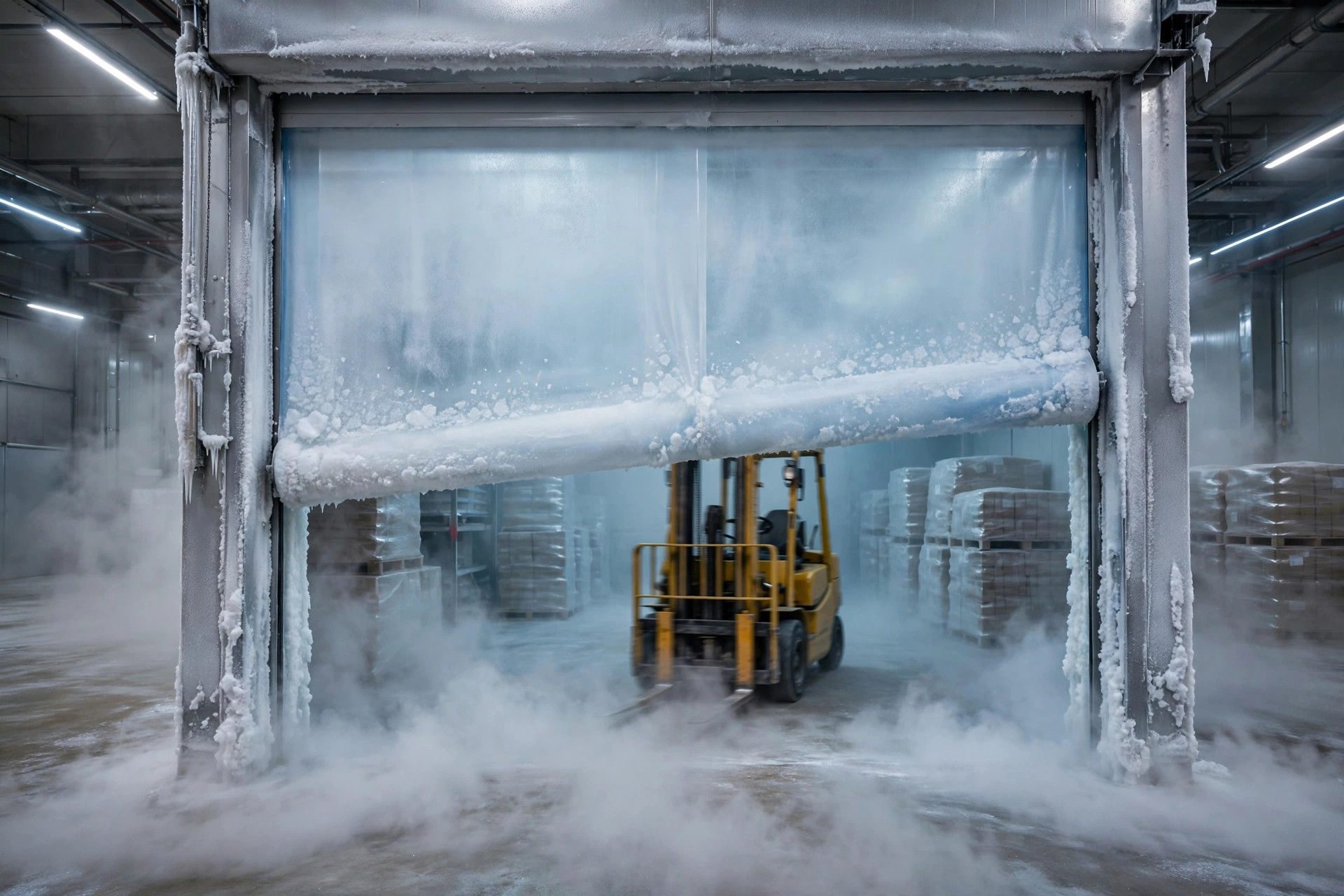
Why does power come first? We once worked with a frozen food distributor there. During a stretch of unstable supply, the temperature control suffered and a batch of goods was lost. The argument over responsibility dragged on for months, precisely because nothing precise had been written down. Since then, every contract I advise on spells out temperature-controlled storage in black and white: who provides backup power, who logs temperatures, and how losses are settled when the lights go out. Verbal assurances are worth nothing on the day something melts. Hardware quality varies a lot between parks, and pricing is a local, current-quote matter, so I endorse nobody's brochure here. My method is unglamorous: tour once in the daytime, then go back at dusk. Traffic, lighting, and the real rhythm of a park show themselves in the early evening.
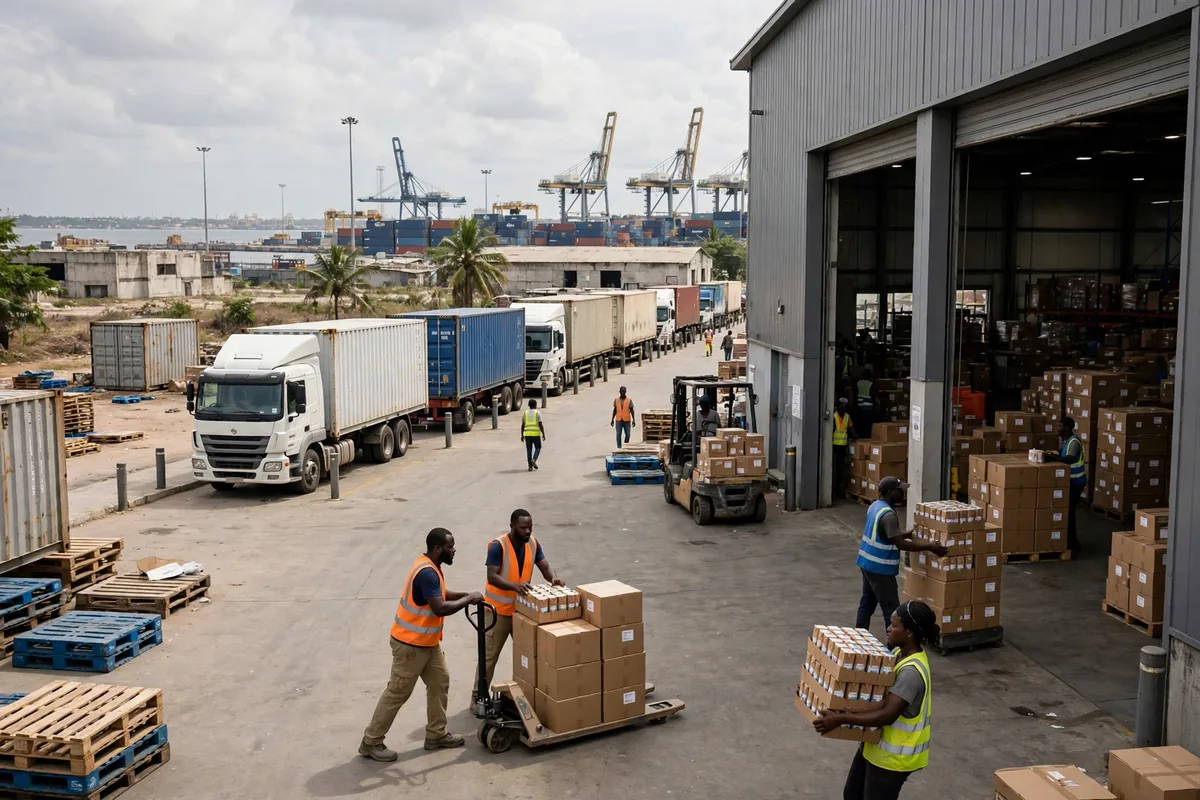
Break accra ghana warehouse logistics apart and the warehouse work itself is not the hard part. Receiving, putaway, picking, packing: a decent team can stand those processes up. The hard part sits outside the four walls. Port timing swings. Power needs a backup plan. City delivery depends on local drivers who know which road floods and which market unloads fast. If those topics are not on the table before signing, they become the arguments after signing.
What Belongs in accra and What Does Not: A warehouse Selection Table
I once built this table for a client. Here it is, unchanged.
| Type of goods | Keep in Accra? | My reasoning |
|---|---|---|
| Fast-moving daily goods and small appliances for the local market | Yes | The city consumes quickly; the warehouse earns its keep on fast replenishment |
| Spare parts and after-sales stock | Yes | One stockout can cost you a dealer; this freight is about never running dry |
| Small, high-value items | Some, in small quantities | Security and insurance must keep up; volume multiplies risk |
| Temperature-sensitive frozen goods | Not until the power terms are signed | One long outage can cost you the channel's trust, not just one shipment |
| Bulk stock bought purely to feed several countries | Not on that assumption | Prove the local business first; regional reach has to be earned route by route |
Underneath the table sits the judgment I repeat to every client, against instinct: the most valuable stock in Accra is not your best seller. It is the stock you are most afraid of running out of. Best sellers have volume, and volume always has someone watching the pipeline. The quiet spare part nobody thinks about is the one whose absence costs you a dealer's confidence. A regional warehouse sounds grand. Its real value is smaller and better: in one market, you stop running dry.
Three contract points before I close. Never fix a bare number of days for lead times; write the basis instead: when the clock starts, how clearance and weather delays extend it, and how delays get communicated. Split warehousing and handling fees into separate lines rather than one blended figure, and agree in advance how peak-season extra labor gets charged. And write the exit while everyone is still friendly: how the operation winds down, what happens to remaining stock, and how much notice each side gives. Have local counsel and your broker review the wording, because practice differs by country.
So no, accra ghana warehouse logistics is not a bad idea. It is a bad idea done the way people imagine a domestic hub. Pin expectations down, choose freight honestly, and write the uncomfortable clauses while the relationship is still warm, and the site can earn its keep. Next time you negotiate a contract, remember to ask these three questions: how are lead times calculated when clearance slips, whose equipment and whose liability is it when the power fails, and who pays for extra hands in peak season, at what rate.
By Susan, 3PL Sales Director