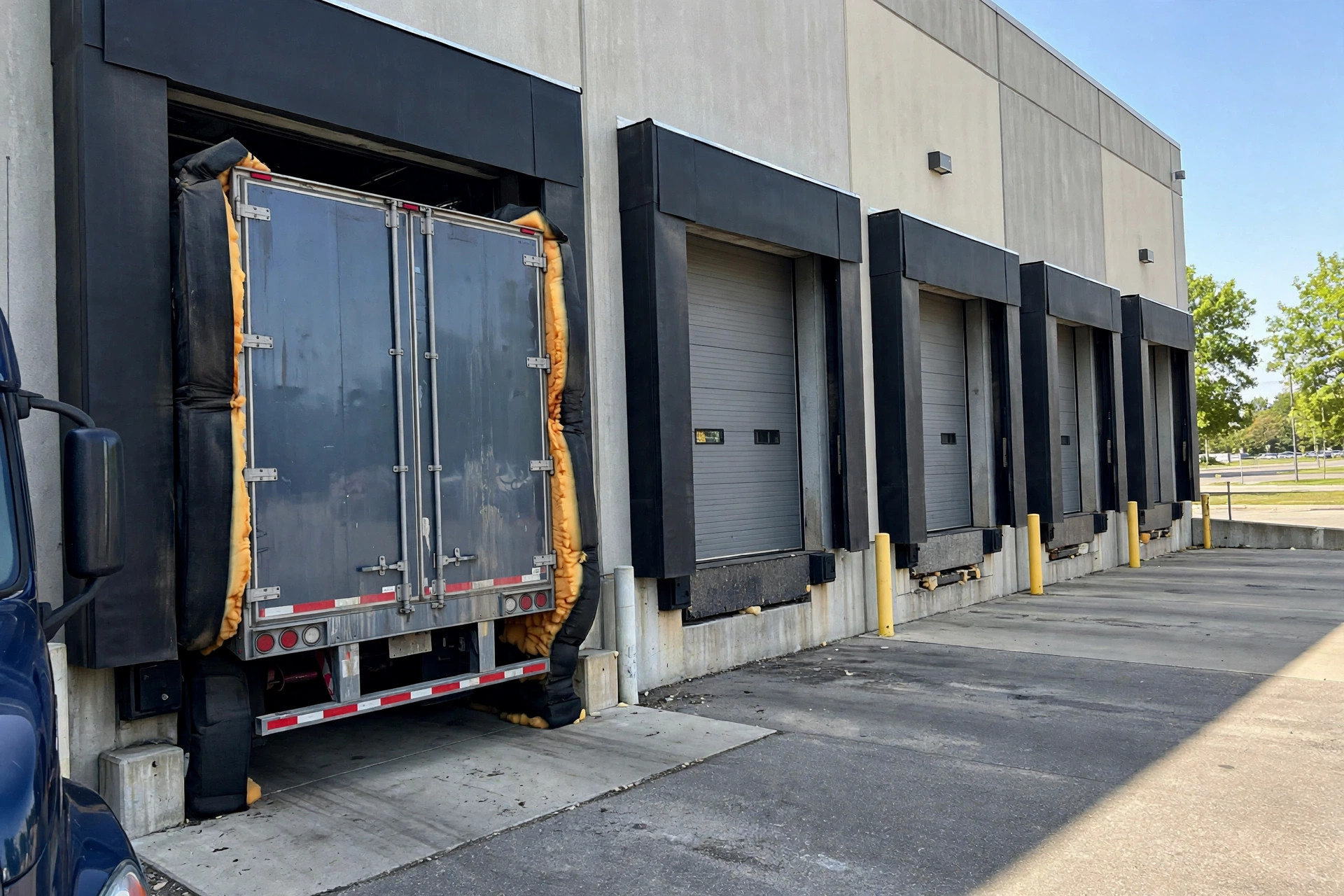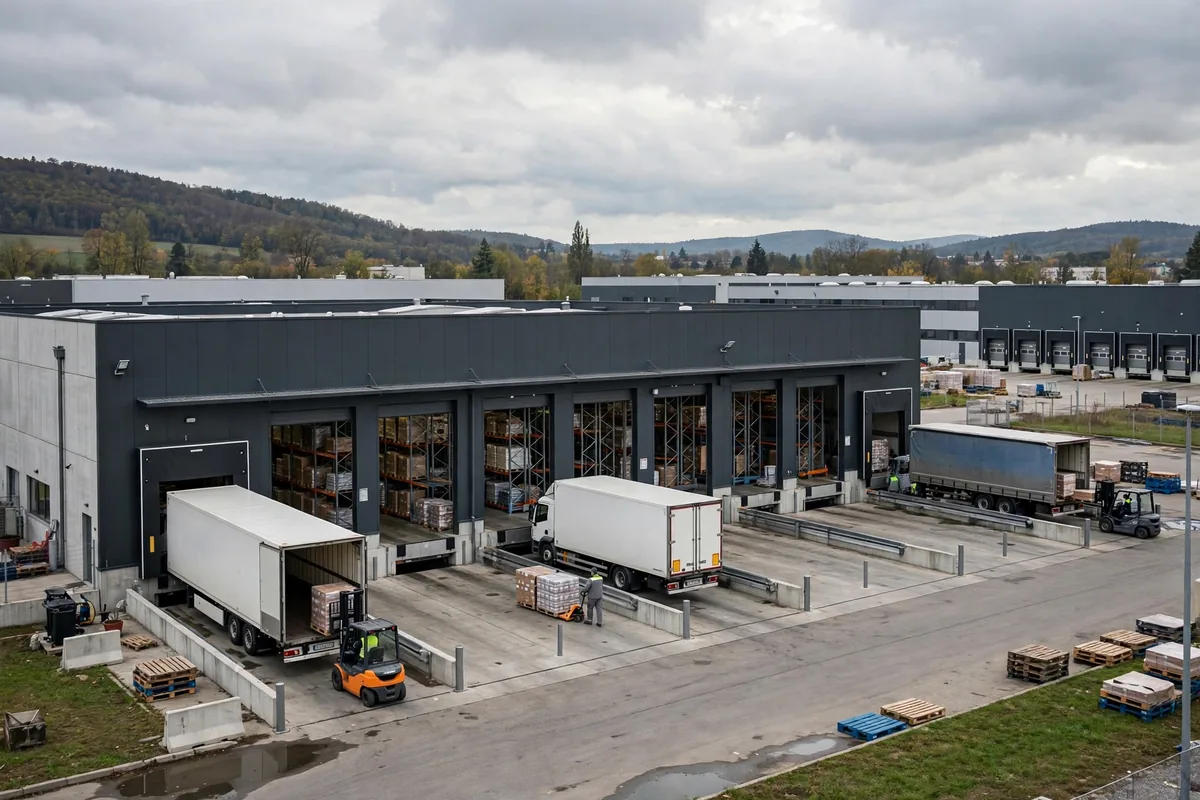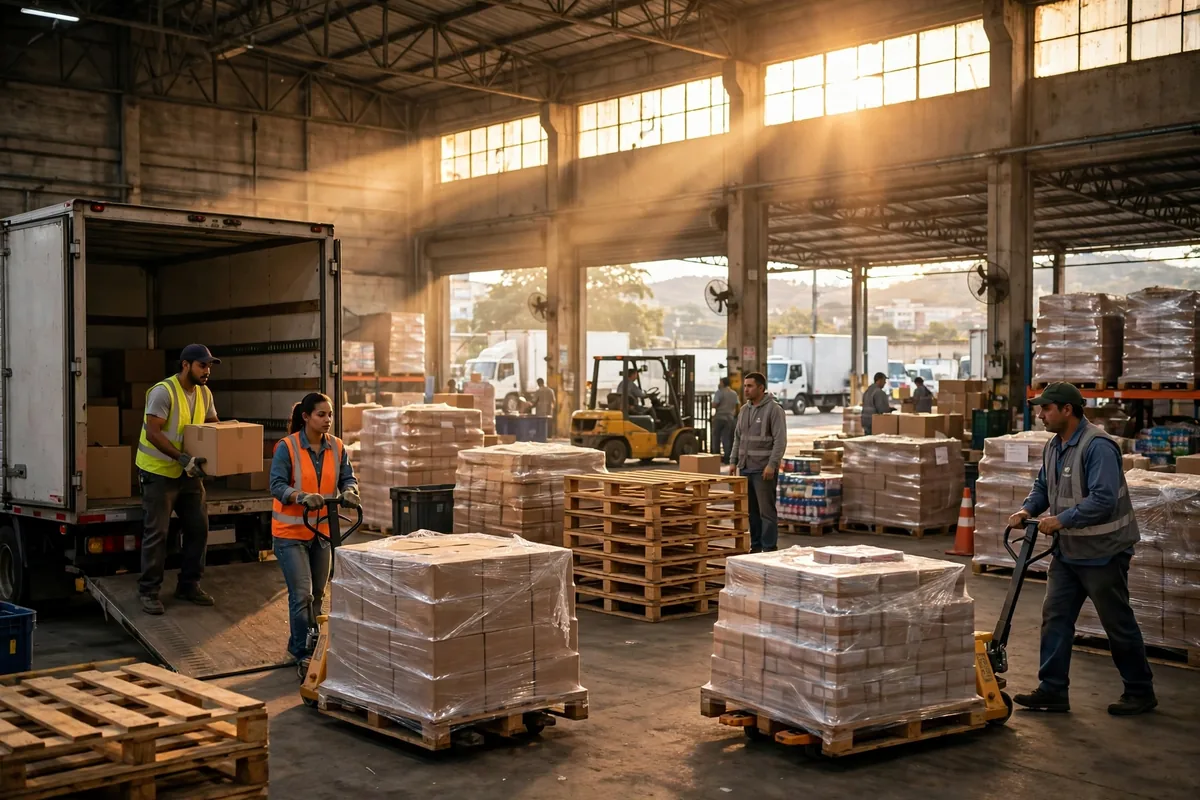
At 6:40 in the morning I was standing on a dock outside Belo Horizonte, coffee burning my hand, watching the night shift unload a truck. Let me be straight with you. When people ask me about belo horizonte brazil warehouse logistics, I do not start with a map, and I do not start with the industrial park sales pitch. I start with the dock. Are the doors busy? Can a truck turn in without three attempts? Is the floor level? Warehouses all look good on drawings. The money is made or lost in details nobody puts in a brochure.
Belo Horizonte is the capital of Minas Gerais, an inland state with serious mining activity and millions of consumers. Highways link it to Sao Paulo and Rio de Janeiro; the drives are not short, but trucks run them daily. Many owners shake their heads at an inland location. Too far from the ports, too far from the biggest market. I spent two days walking floors there and came away thinking the opposite. The distance from Sao Paulo is exactly why the city works as a regional node. If one big Sao Paulo warehouse tries to serve all of Minas Gerais directly, trucks spend too long on the road, delivery times drift, and driver schedules fall apart. Move the steady sellers closer, let Sao Paulo keep the big orders and the urgent ones, and both buildings breathe easier.
Start With the Dock: What a belo horizonte warehouse Floor Tells You
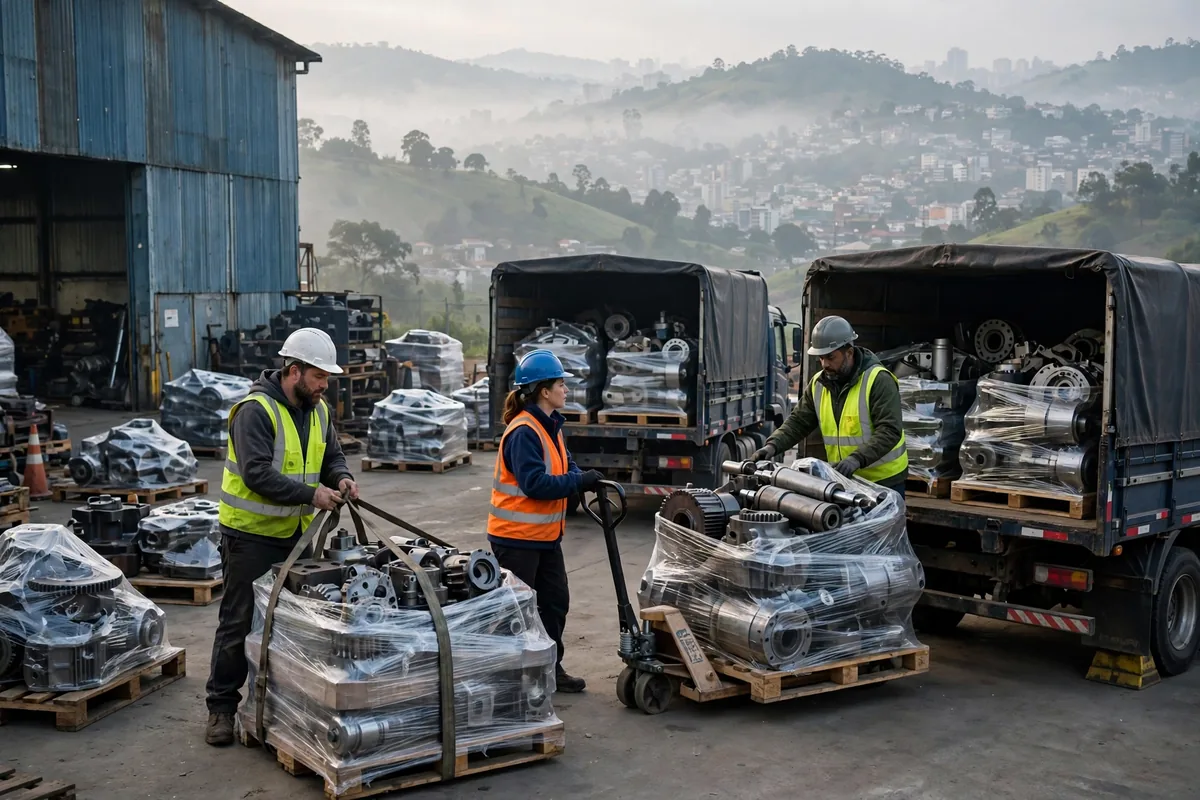
In the second half of 2023, I helped a friend who sells mining equipment parts tour warehouses in the area. His freight is awkward: heavy pieces, mixed sizes, some pallets carrying a single component that needs gentle forklift handling. We looked at three parks. Walking in, I did not ask about rent. I did three things. I counted dock doors and checked whether two trucks could work at once, and whether the canopy kept rain off the freight. I asked the park to run a loaded forklift down the main aisle, because a floor with bad joints announces itself the moment a heavy pallet starts to sway. Then, and only then, I looked at clear height and column spacing. Height lets racking climb one more level, which is free space. Tight columns chop a picking route into pieces.
The mid-priced park was the one we crossed off. Its yard was too tight, and a big truck needed two attempts to back in. Add a peak week and the whole receiving side would jam. The building we picked was not the cheapest per square meter. It had a wide dock, a solid floor, and clean column spacing. Three months after go-live, my friend told me receiving had not jammed once. That alone paid back the rent difference. I believe him. Our warehouse back home runs the same rule: walk the truck path, the freight path, and the people path first. Rent is the last conversation, not the first.
Here is the counter-intuitive part. For mining customers, the closest warehouse to the mine is usually the wrong warehouse. Mining orders are infrequent, heavy, and suddenly urgent. Put the building next to the mines and your daily consumer goods distribution dies; people and trucks sit idle between mining orders. Put it in a hub like Belo Horizonte and the same crew serves both flows: mining freight out on the highways, consumer goods turning around the city and nearby towns. A warehouse does not fear distance. It fears a day split between rush and nothing, with people and equipment idling in between.
The Paperwork Side of brazil logistics: Documents Before Trucks
In Brazil there is a second warehouse, and it is made of paper. Freight checks in against documents, checks out with documents, and a transfer to another state starts the whole matching process again. The document types and rules are more layered than what most foreign operators expect, and they are not identical from state to state. I will not print a single tax rate or filing rule here. Treat every one of those numbers as subject to local rules that change, and confirm them in person with a local accountant and customs broker before you budget anything. Anyone who quotes you a confident rate in an article is selling you trouble.
What I can give you is the dull method we use at home, and it travels well. Give documents one owner. Do not let receivers handle paperwork on the side and shippers issue documents between picks; on a busy day it will tangle. My friend's warehouse keeps one local employee on document flow. Paperwork reaches him before the truck does. Product names, quantities, and batches get checked early, and a mismatch gets stopped at his desk instead of argued about on the dock. Second rule: the dispatch rhythm follows the document rhythm. If the documents are not complete, the truck does not move, even if the loading crew is ready. A late departure costs hours. A truck that left ahead of its paperwork costs days of corrections. Half a year in, their transfers bounced for document mismatches were visibly fewer than at peer operations. I will not invent a percentage. Run it for a month and you will see your own number.
Strip belo horizonte brazil warehouse logistics down and the warehouse work itself is familiar anywhere: receiving, putaway, picking, checking, loading. The gap between a good site and a bad one is documents and scheduling. Get those two right and the building stands. Get them wrong and cheap rent is just a cheaper hole.
Rainy Season Rosters: Running a logistics warehouse Inland
Now the people side. During the rainy season in 2024 I worked a week of night shifts at my friend's warehouse. Inland rain arrives fast in the afternoon, some roads outside the city flood, and truck arrival times slide. Three days that week, trucks planned for the early evening rolled in after ten at night. Run a rigid roster against that and people either stand idle or get stretched into unplanned long shifts. A few weeks of that and morale walks out the door.
Their fixed answer is a split roster. The day shift handles work that can be done ahead: putaway, picking, staging freight in the shipping area. The evening shift carries a flexible arrival window. If a truck is late, the crew cycles into counting and housekeeping instead of standing idle. The roster marks the rainy months in advance and plans arrival times one notch wider for that stretch. Honestly, there is no secret to scheduling. The secret is refusing to run rainy-season work on a dry-season timetable. They also fixed the small things: meals on nights and a shuttle when shifts end late, because getting home from an industrial park at midnight in the rain is genuinely hard. People who are not worrying about the trip home tend to stay. Steady people make steady work.
One illustrative example, with made-up numbers, to show the shape of the math. Say you send a hundred truckloads a month into Minas Gerais, all from one Sao Paulo building. Each load spends most of an extra day on the road, drivers rest an extra night, and customers receive one to two days later. Now move sixty percent of the steady volume into Belo Horizonte and keep the urgent and bulk orders in Sao Paulo. You add one rent bill and a small crew; you save the long-haul cost on most loads and a pile of late-delivery complaints. Whether it wins depends on your margins and how picky your customers are about timing. Run your own volumes through it.
My verdict is simple. Belo Horizonte will not make your sales explode. It will make one large region boringly reliable, and in distribution, boring and reliable is where the money is. If you are evaluating belo horizonte brazil warehouse logistics, spend less time in the presentation room and more time on a dock at seven in the morning. Watch the trucks come in, the freight come down, and how the roster bends when rain arrives. You will know.
By Chen Feng, Warehouse Operations Manager