Let me embarrass myself first. My warehouse is small, my team is smaller, and my first instinct on any purchase is to ask whether a cheaper option exists. That instinct is exactly why I studied a proper used pallet rack buying guide before my second purchase, because my first one taught me that a bargain rack can quietly charge you twice.
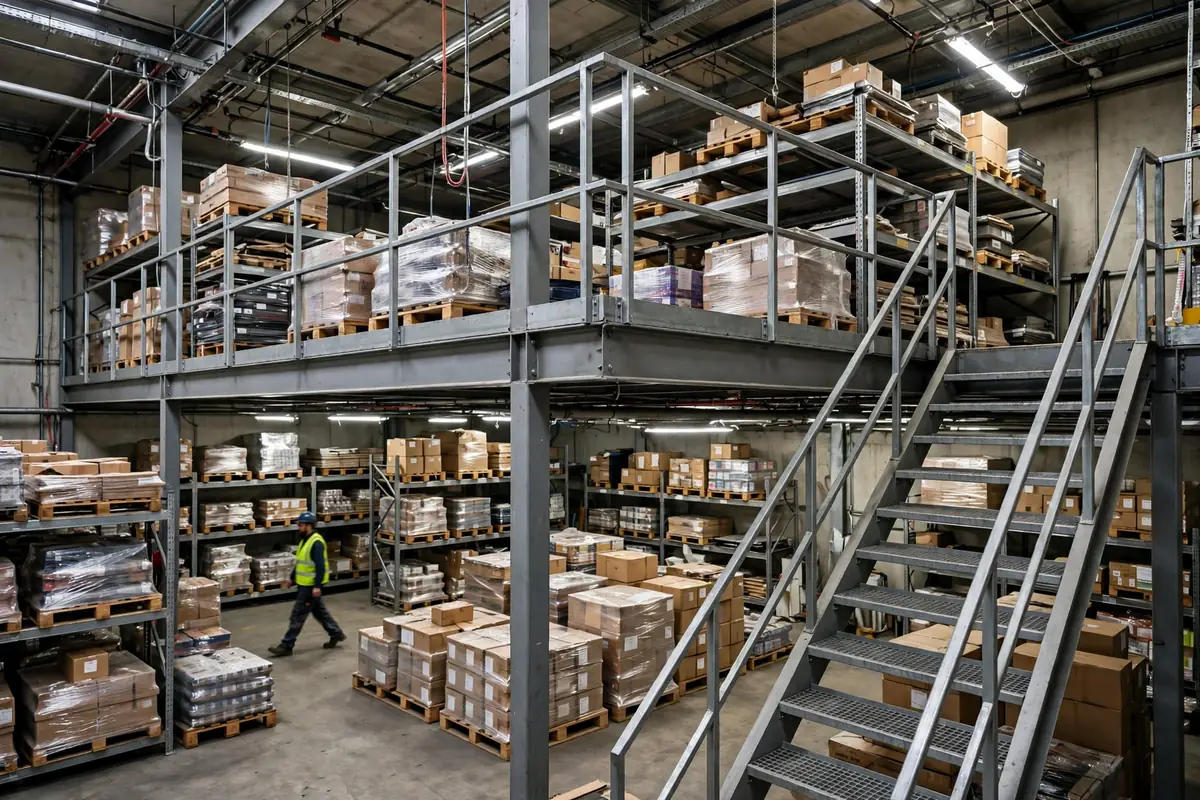
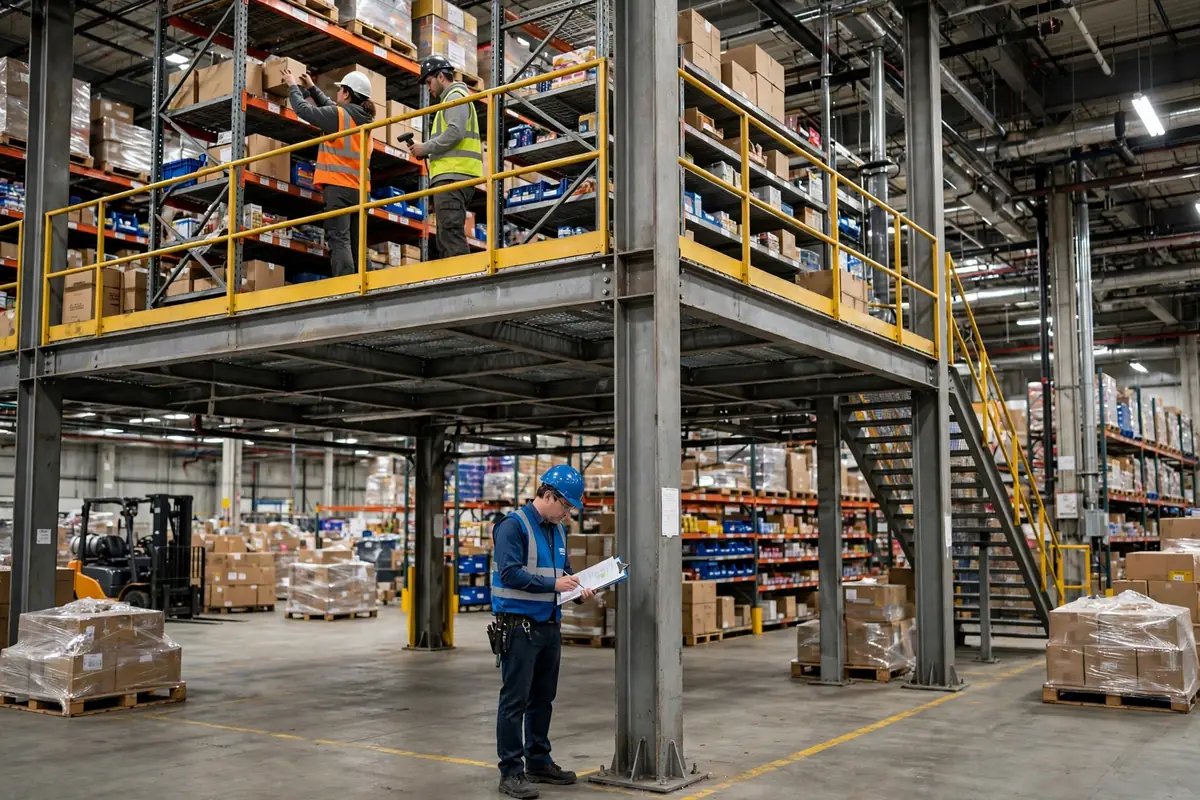
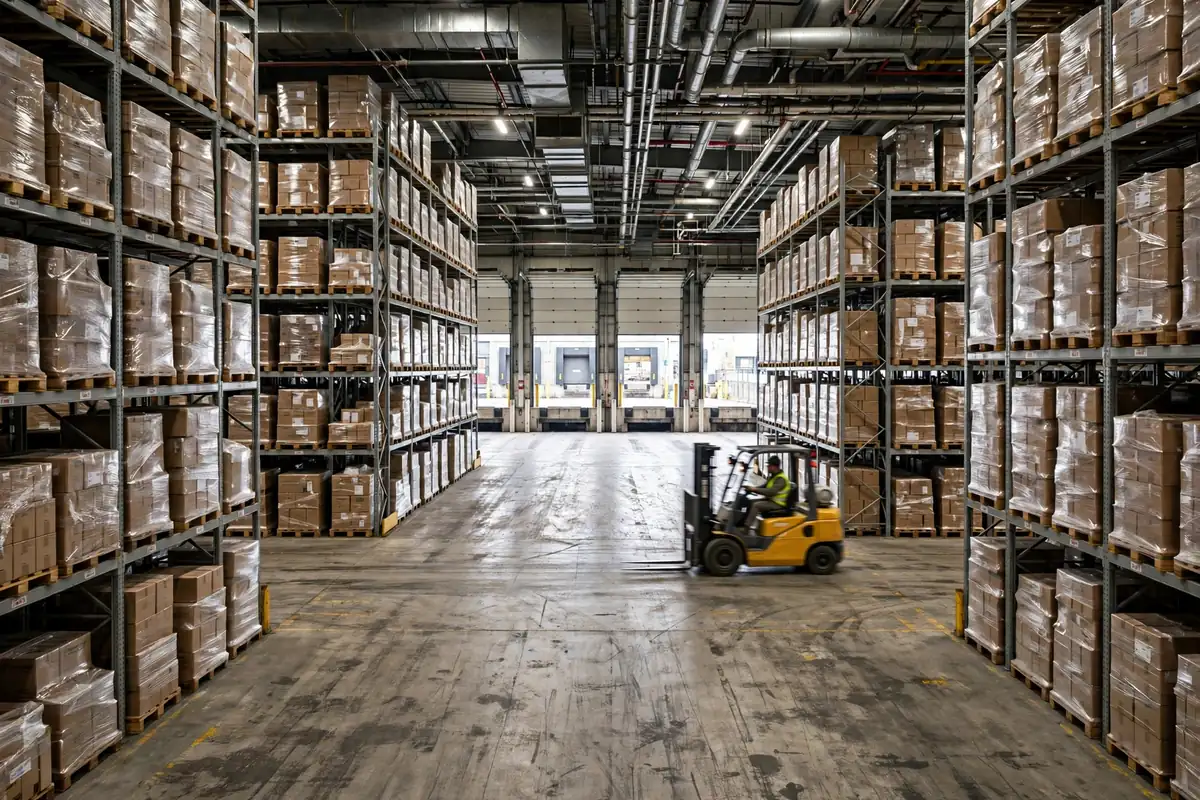
My building holds a few thousand pallet positions at most, and honestly far fewer than that. A full set of brand-new heavy racking would eat a painful share of a year of profit, so used racking was never a vanity choice. It was the only realistic way to stop stacking pallets on the floor, where picking was slow and damage kept creeping up. Over two purchases I learned the same lesson from both sides: one batch served us well for years, the other nearly became expensive scrap. The difference was one slow afternoon of inspection.
used pallet rack inspection starts with the uprights
The first batch came from a local distributor that was relocating one spring. The seller kept saying other buyers were circling and I should decide fast. The paint looked fresh, the rows looked straight from the aisle, and I paid a deposit the same day. The problems showed up during installation. A few uprights had a slight bend near the base, hidden behind pallets in the seller's building. Several beams were missing their safety clips. Two frames had no data plate at all, which meant nobody could tell me what load they were originally rated for. My installer looked at me and said those frames should not go high or heavy. That sentence cost me real money.
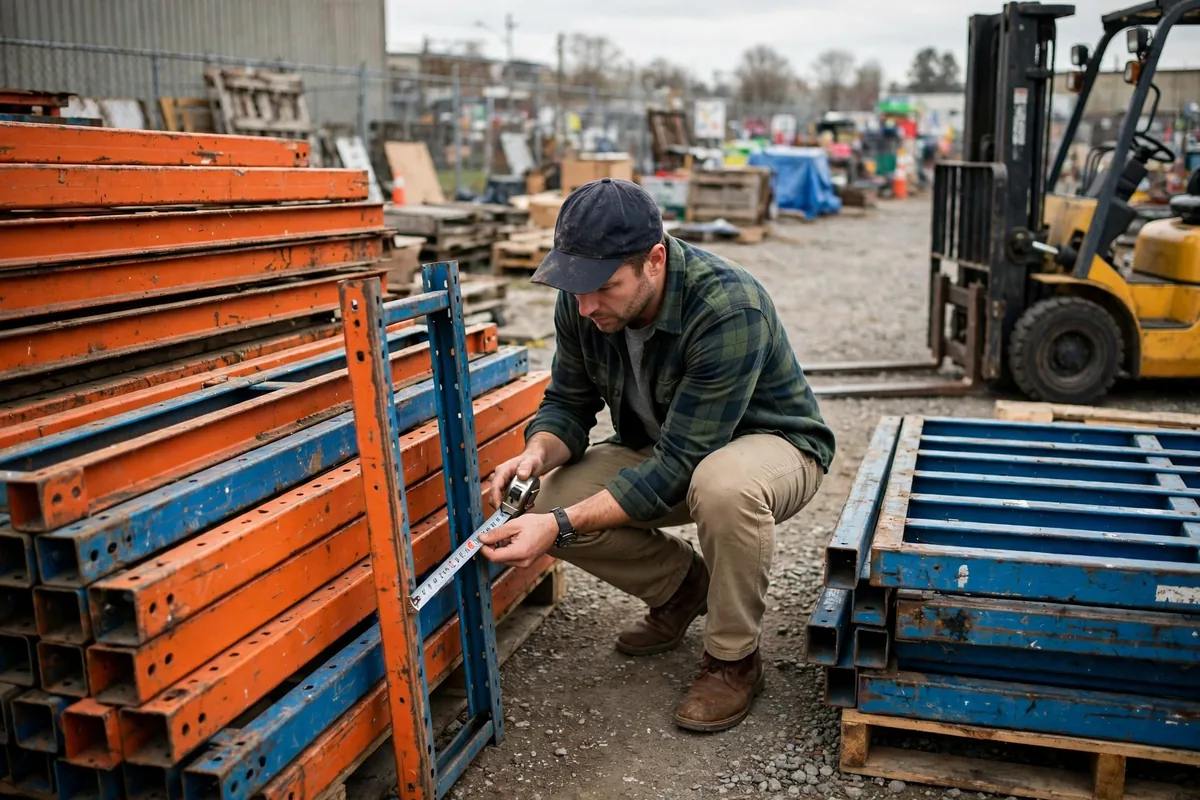
The second batch came from a retired e-commerce warehouse in a neighboring city the following autumn. This time I brought a tape measure, a flashlight, and an installer with twenty years of scar tissue. We spent the whole afternoon going frame by frame. Uprights first, from the base upward, feeling for dents and bends, especially the kind of crease a forklift leaves behind. Beams next, checking the end connectors and safety clips, because a beam with missing or damaged locking hardware is not a discount, it is a question mark hanging over every pallet above the floor. Then welds and surface rust. Light surface rust wipes off and means little. Rust that flakes at a weld, or paint bubbling over corroded steel, tells you the rack spent years in damp air, and nobody can promise how much strength is left.
Here is the counterintuitive rule I now live by: paint is the least important thing on a used rack, and the data plate is the most important. Paint can be sprayed over in an afternoon. A bent upright cannot be sprayed straight, and a missing plate cannot be sprayed back into existence. Without a plate you are guessing at capacity, and guessing at capacity is how small warehouses end up in incident reports. My simple rule is conservative on purpose. If the plate is missing or unreadable, that rack gets light duty only or it does not come home with me. For anything beyond that, follow the manufacturer's documentation and the latest local requirements instead of a seller's confident shrug.
That afternoon rewired how I shop. A used pallet rack buying guide is not really about finding cheap steel; it is about sorting honest steel from tired steel before money changes hands. My pocket checklist, the one I actually carry, looks like this.
| Checkpoint | How I check it | If it fails |
|---|---|---|
| Uprights | Sight down each post, feel for bends and dents | Reject the frame, no discount fixes it |
| Beam connectors | Check end plates and safety clips on every beam | Reject beams with missing hardware |
| Welds and rust | Flashlight on welds, scratch-test flaking spots | Reject anything flaking at a weld |
| Data plate | Plate present, text readable | Light duty only, or walk away |
buying guide math nobody shows you at the yard
Most sellers quote one number, the purchase price, and it always looks irresistible next to new racking. Run the full account before you celebrate. Here is an example with stated assumptions, so replace them with your own quotes: assume a used set costs roughly forty percent of the new price. Now add dismantling, transport, and installation, which are rarely bundled the way new-rack suppliers bundle them. Add the cost of adapting bays when beam lengths or frame depths do not quite match your layout. Add replacement beams and clips for the pieces that fail inspection. Add your own time, or a professional's fee, for checking and sign-off. In my second purchase the honest total landed somewhere around sixty to seventy percent of new, still a saving, but a very different saving from the headline.
| Cost item | Used racking | New racking |
|---|---|---|
| Purchase price | Low, around 40% of new in my example | High, paid once |
| Transport and install | Separate, easy to underestimate | Often bundled |
| Cutting and spare parts | Common, charged piece by piece | Near zero, made to your layout |
| Documentation and sign-off | Your problem, your time | Supplied by the manufacturer |
Used racking wins when the set is one batch from one source, the sizes match your building, and the inspection passes cleanly. It loses when you mix frames from three different yards and spend weekends hunting compatible beams. I also learned to negotiate by sorting the lot into three piles before talking money: clean and ready, minor flaws I can accept, and rejects the seller removes at their cost. Paying for the reject pile means paying to haul away someone else's scrap.
Dismantling deserves its own warning. On my second deal I almost let the seller's crew tear the rack down unsupervised to save a fee. A neighboring warehouse owner stopped me, and he was right. Crews in a hurry throw beams and frames into mixed piles, and the bolts and clips vanish into the dust. Show up, label each bay with a marker, photograph the layout, and keep each set of frames and beams together like a married couple. Reassembly from labeled sets took us half the time of the first chaotic batch.
Every used pallet rack buying guide should end with a walk-away list, so here is mine. When do I refuse used and buy new without a debate? Three situations. Tall racking, because height magnifies every small flaw in an upright and the fall zone gets serious. Heavy loads, especially when the original rating paperwork is gone, because new racking arrives with documents that end arguments. And any installation that has to pass a formal inspection or satisfy an insurer, because mystery racking with no history is a conversation you will lose. Our heavy bay at home is new for exactly those reasons. It cost more and I sleep better, which is also a line item, just not one accountants track.
A good used pallet rack buying guide is really a discipline: inspect first, price second, and let the rejects stay behind. Follow that order and used racking is one of the best savings a small warehouse can make. Skip the inspection and you are not saving money, you are renting risk at a discount. Small warehouses survive by being careful, not by being brave. That afternoon with a flashlight is the cheapest insurance I buy all year.
By Xiao Ma, Small Warehouse Owner