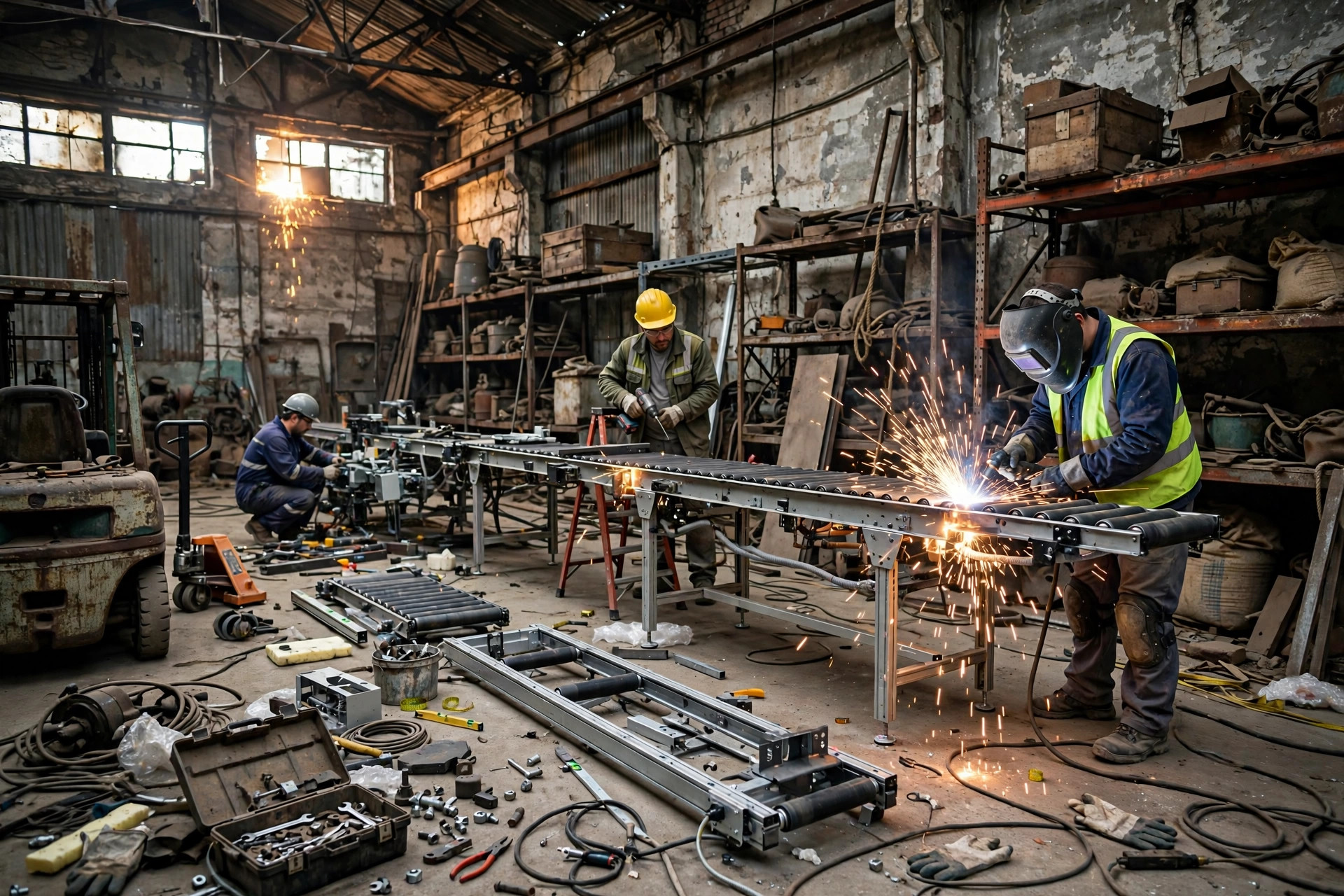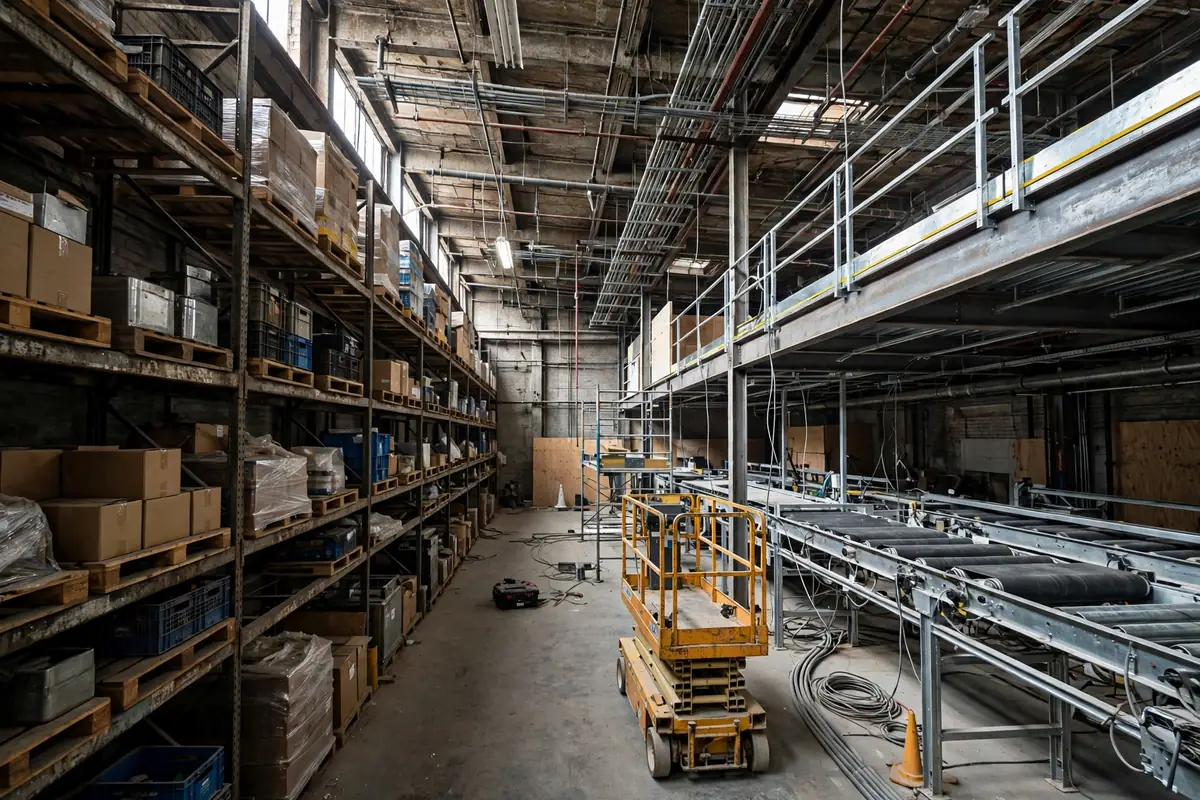
Used warehouse automation equipment buying talks me out of more deals than it talks me into. Every year I inspect machines for buyers who think they are shopping for a used truck: check the paint, listen to the motor, haggle, haul it home. Automation does not work like that. The steel frame is almost never the expensive part. The expensive parts are the control system, the spare parts pipeline, and the cost of tearing the machine down and standing it up again in your building. Think of it like buying an old server. A clean case means nothing if the motherboard is discontinued and nobody can find a driver. The day you power it on could be the day it becomes scrap.
I will give you a real inspection. In August 2023, an apparel warehouse in eastern China was chasing a dismantled cross-belt sorter. The seller said it had run for only three years, and the asking price was under half the cost of a new machine. On the floor it looked clean. Then I made them run it at full speed under power. The trolley belts were aged and noisy, which was fixable. The fatal problem sat in the cabinet: the controller belonged to a previous generation, the manufacturer had already issued an end-of-life notice, and spare boards only existed as cannibalized parts. They walked away. Six months later I heard the eventual buyer waited six weeks for one communications board after installation, and the line sat dead through a promotion peak.
Used warehouse automation equipment buying starts with controls and spares
My inspection order is deliberately backwards. Electronics first, mechanics second.
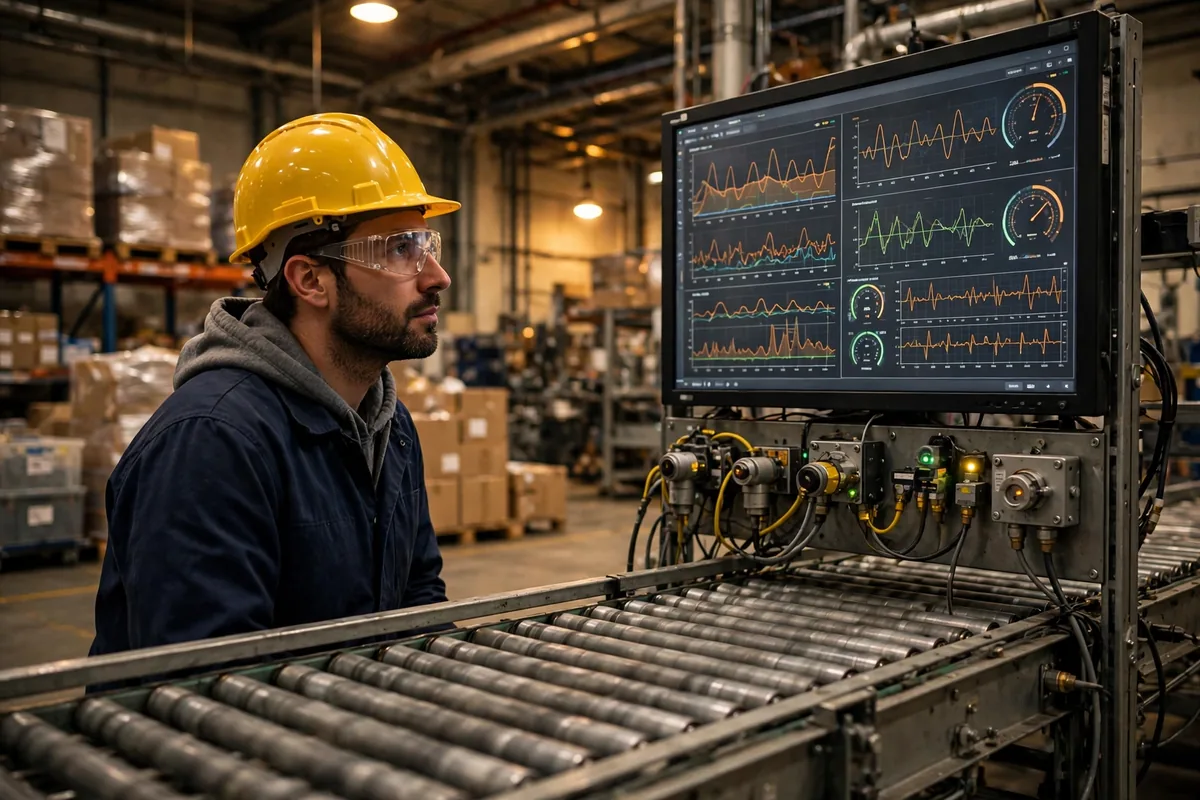
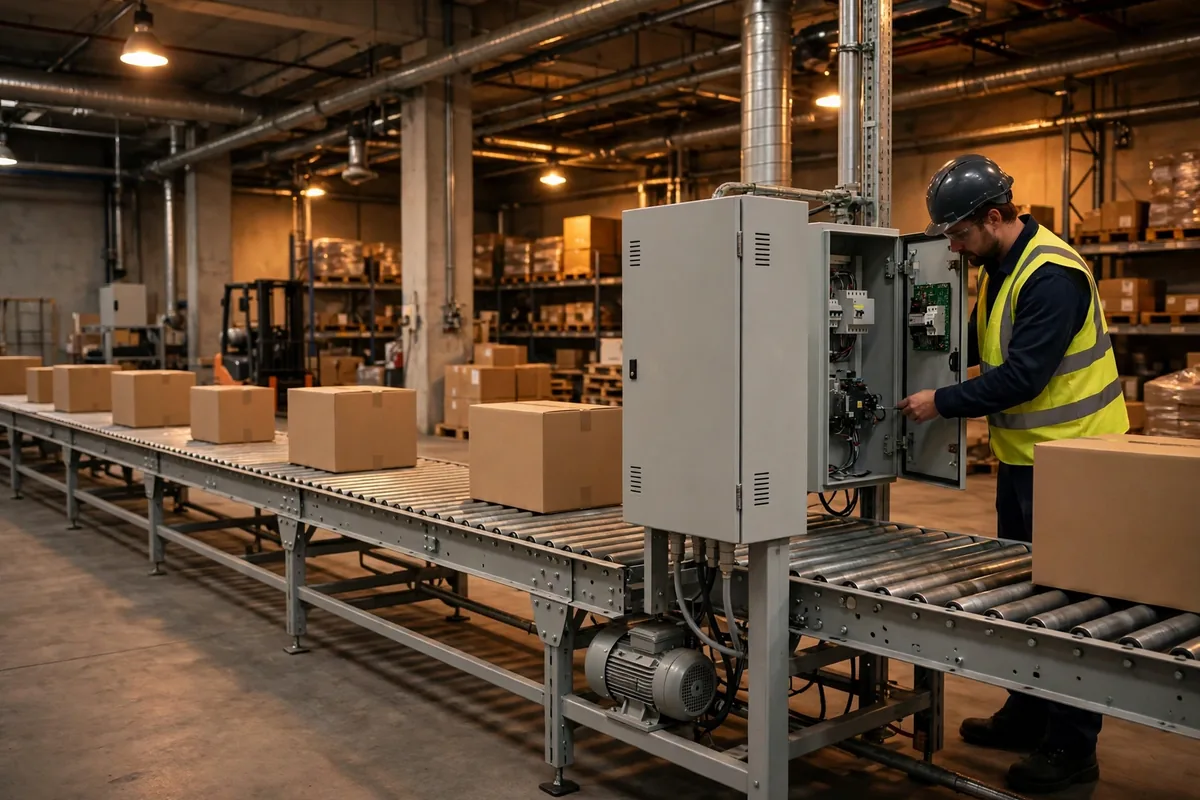
First, record every control component: the PLC, the servo drives, the scanning cameras. Write down each model number and check it against the manufacturer. Is it still in production, and for how many more years will spares be supplied? You can think of this as checking whether the machine still has a legal identity. The seller saying "it will run for years" is marketing. An end-of-life notice is a fact.
Second, confirm the software can legally and technically move with the machine. Sorter controls, the warehouse control system and stacker crane scheduling software are often licensed per site. If the previous owner shuts the license down, you have bought a pile of iron that happens to move. The purchase contract must name the license transfer, delivery of parameter backups or source access, and a complete set of electrical drawings. Missing any one of those means a lower price or no deal.
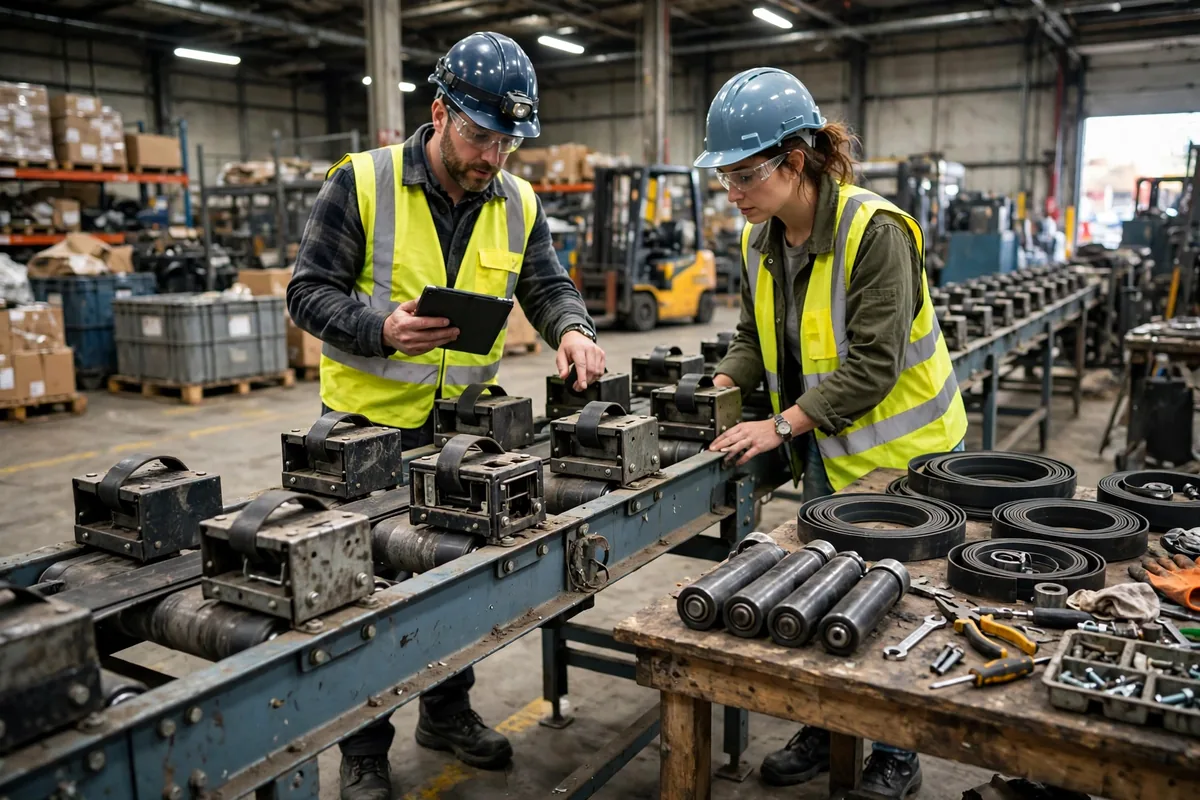
Third, count the wear parts on site. Belts, rollers, bearings, photoelectric sensors, scan heads. Separate the generic items from the proprietary ones, then ask how long proprietary spares take to arrive. In May 2024, I inspected a conveyor line in northern China with sound mechanics and one quiet trap: its narrow belt was a custom specification with no domestic stock, and reordering meant waiting weeks. A warehouse line has to turn every day. It cannot wait weeks for a belt.
Here is the judgment most buyers get backwards. Mechanical wear is usually the cheapest problem on a used machine. Belts and rollers carry price tags you can read. What actually kills you is one discontinued drive, or one control board whose parameters nobody backed up. In used warehouse automation equipment buying, you secure survival first and argue about cosmetics later.
Test the throughput yourself, and ignore the nameplate
Every throughput figure a seller quotes you was measured at original acceptance, with standard cartons, in ideal conditions. Your freight is not ideal. Your carton mix, weights and label quality are different, so expect a discount on that number, sometimes a large one.
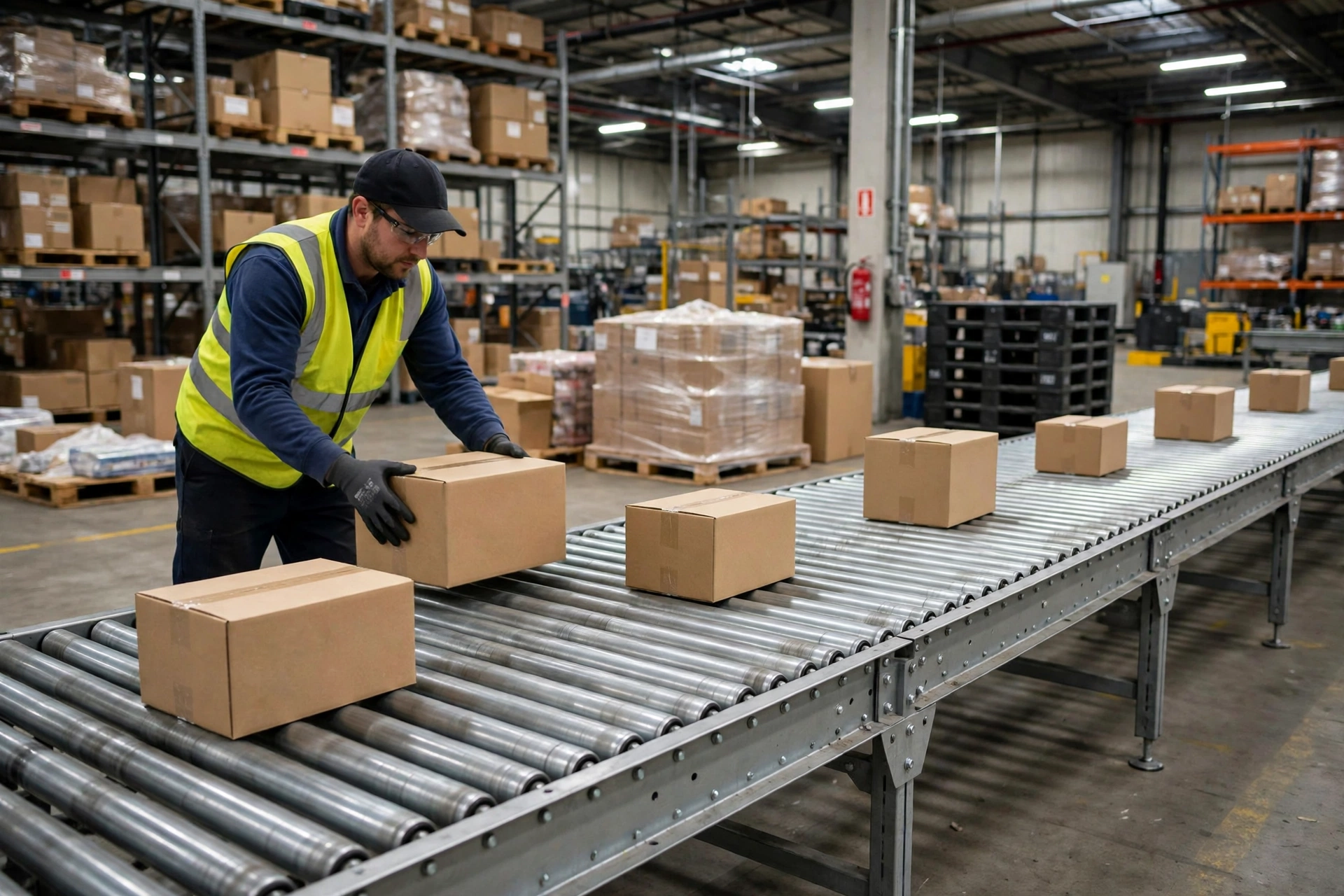
My test method is crude and it works. Bring your own freight, at least three kinds: your most common carton, your heaviest, and the one most likely to tumble. Run the machine continuously for a full hour. Count what actually passes, and log every jam, every failed barcode read and every abnormal reject. Do not accept a ten-minute demo. Plenty of faults only appear once the machine is warm: motors heating up, belts slipping, cameras losing read rate under harsh light. An hour of heat tells you the truth.
| Check | How to test it | Walk-away signal |
|---|---|---|
| Real throughput | Your freight, one full hour, counted by hand | More than thirty percent below nameplate |
| Barcode read rate | Mix in worn labels and skewed labels | Repeated misses with no backup read point |
| Noise and vibration | Stand beside it at full speed, touch the frame | Rhythmic knocking or visible frame resonance |
| Emergency stop and safety | Trigger stops and light curtains section by section | Long stopping distance or bypassed safety circuits |
| Stacker crane positioning | Run loaded and unloaded positioning cycles | Drift or sway under full load |
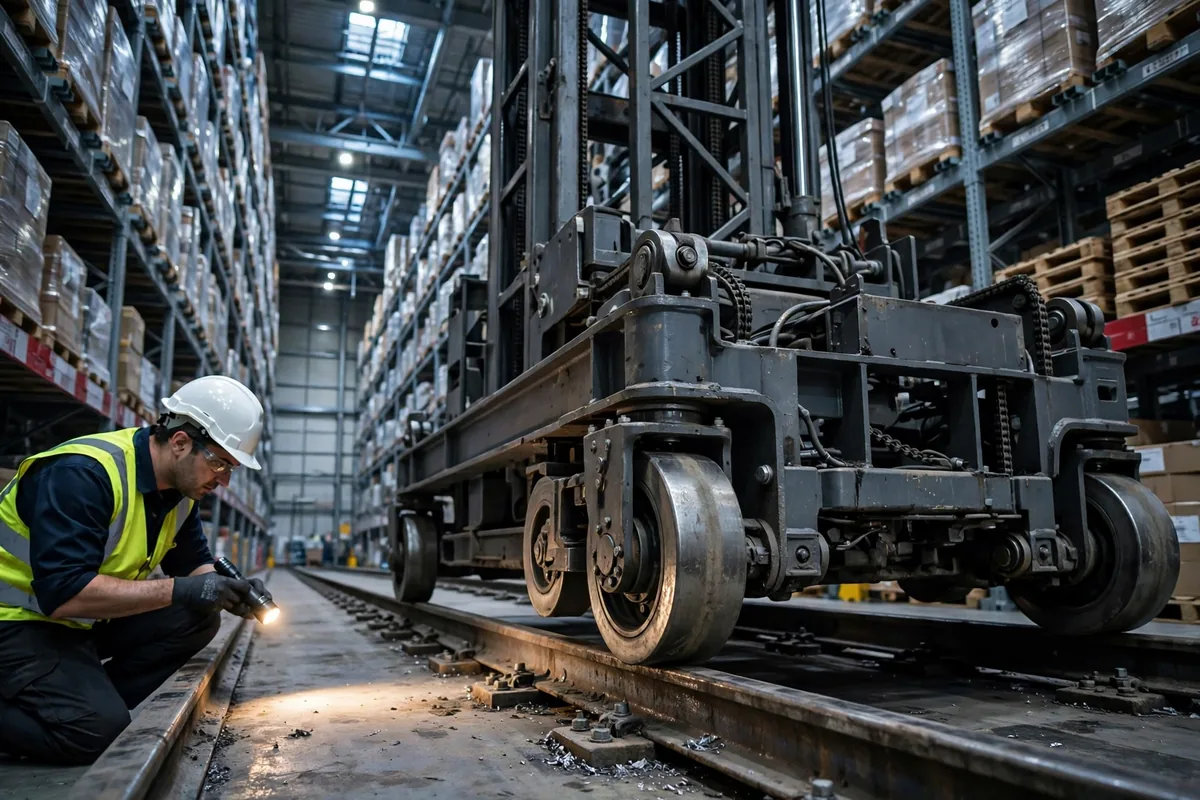
A stacker crane needs two extra checks: whether the rails and mast are straight, and whether it sways under load. This is like checking the load-bearing wall of an old house. If the wall leans, no coat of paint saves the building. In November 2022, I helped a buyer inspect a used stacker crane that ran beautifully empty. With a pallet close to its rated load, the top of the mast swung visibly. The cause turned out to be settled floor rails combined with loosened structural connections. Cheap or not, that machine stays on the seller's floor. Rail repair would have eaten the entire saving.
Removal, freight and reinstallation are the hidden half of the price
Most buyers budget only the purchase price, so let me break down an illustrative example. The structure is real; the figures are assumptions for the math. Say a used sorting system costs forty percent of new. That looks like a bargain until you add the rest: labor to dismantle, label and pack it properly, long-haul transport, floor preparation at your site, reinstallation and commissioning, the interface work to connect it to your existing WMS, and the manual fallback labor you will need during trial runs. Those lines routinely consume half the purchase price again, sometimes more. Your landed total lands around sixty to seventy percent of new, except your machine has no full warranty and part of its service life is already spent.
So my decision rule has one line. If the landed total exceeds seventy percent of new, buy new. Between fifty and seventy percent, buy only if the spares pipeline and the software license are both clean. Below fifty percent, with controls still in production and drawings complete, you have found a genuine bargain.
| Machine type | Buy used? | Non-negotiable condition |
|---|---|---|
| Standard roller or belt conveyor | Yes | Motors and drives still in production, generic specs |
| Modular sorter | Carefully | Transferable license, traceable spares |
| Stacker crane | Carefully | Straight rails and mast, stable under full load |
| Full line on a discontinued control platform | Never | No replacement path for the controller |
| Any machine with altered safety circuits | Never | Bypassed stops or light curtains end the conversation |
Finally, the machines I will never sign off on. A control system that is discontinued with no domestic substitute path: no. No electrical drawings and no program backup: no. Safety circuits that somebody has modified or jumpered: no. A seller who refuses a loaded test with your own freight: no. One strike on that list and I walk out, and I do not care how good the price sounds. A wrong machine does not cost you a return shipment. It costs you a peak season, standing still next to a line that will not run.
Whether this money is well spent comes down to one number: the landed total as a share of the new price. Add removal, freight, installation, commissioning and integration first, then divide. Above seventy percent, do not look back, whatever the paint looks like.
By Da Liu, Automation Engineer