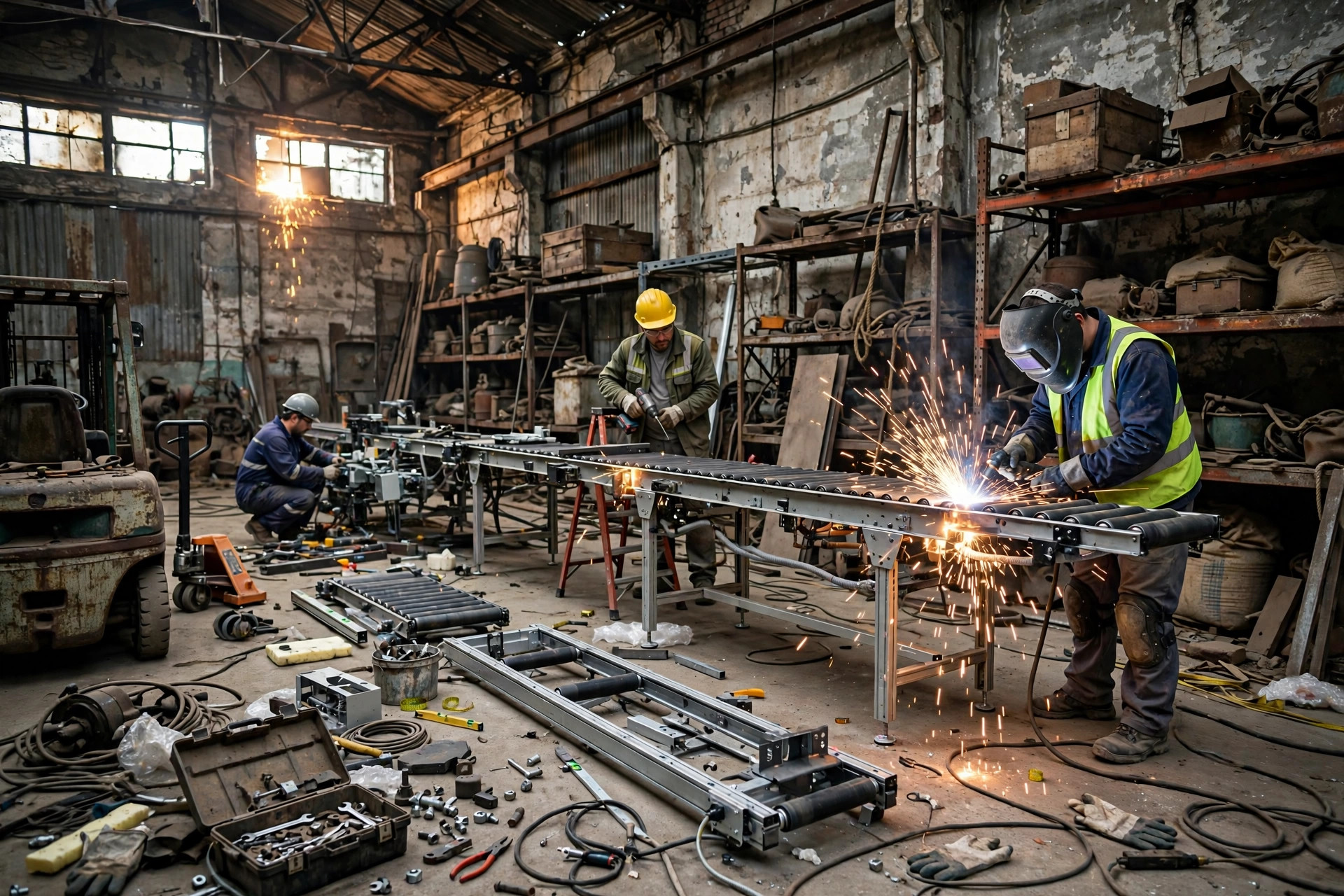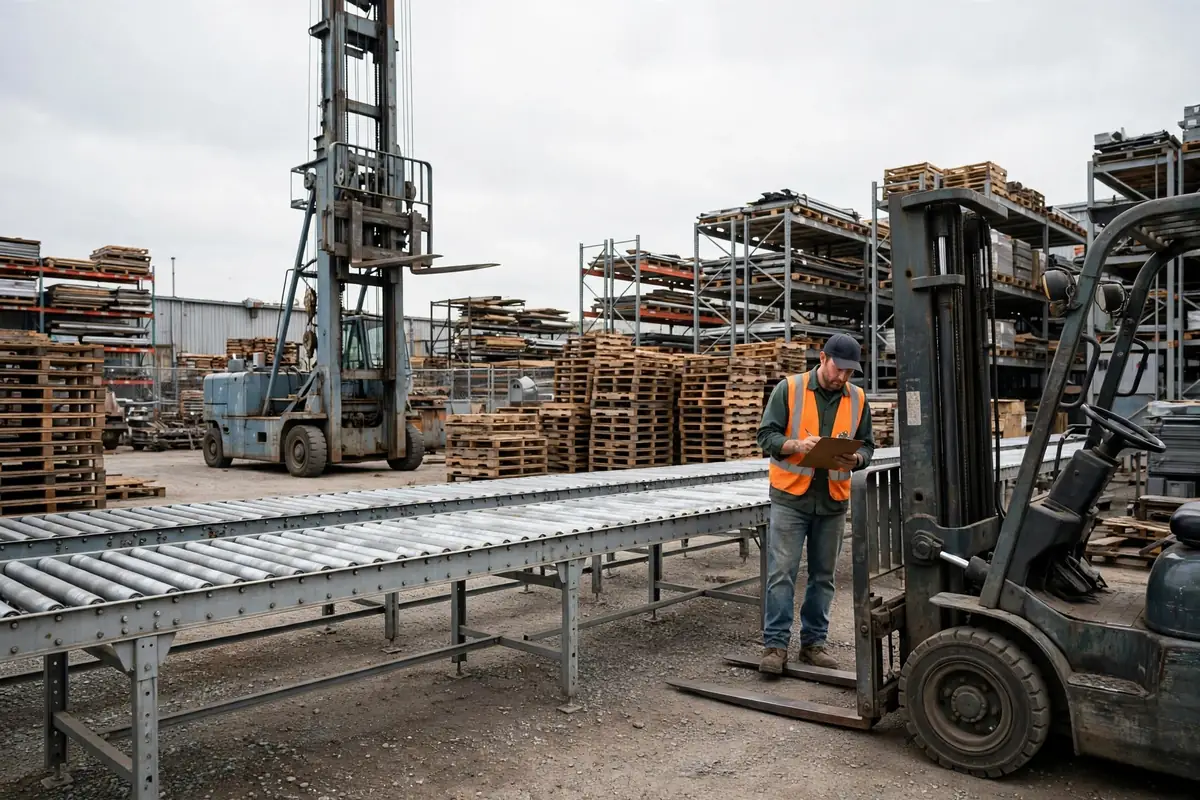
A used sortation loop listed at $380,000 against more than $920,000 new looks like money saved — until a used automation equipment pre-purchase inspection shows what that discount is really buying. I watched a home-goods warehouse learn this the expensive way: three months after installation, the main drive motor burned out, parts and two weeks of downtime followed, and the peak-season orders had to be pushed through by hand. The overtime, the error corrections, and the late shipments together cost more than the discount they had celebrated on purchase day. That was not bad luck. It was a purchase made without a total-cost calculation.
Start With Total Cost, Not the Price Tag
The price on the quote is only the first line of the real bill. Over the next three years, motors, belts, sensors, and controller cards will reach the end of their lives, often in clusters rather than one at a time. Downtime is the larger cost and the one most buyers underestimate. When a sortation line stops for half a day, the backlog does not wait politely; manual fallback runs at a fraction of machine throughput, error rates climb, and expedited shipping eats margin that was already thin. My working formula is blunt: an acceptable used price equals the new price multiplied by the verified remaining-life share, minus three years of expected repair and spares spending, minus a provision for one unplanned outage. If that number comes out close to the new price, or below zero, walk away no matter how persuasive the seller sounds. There is also a labor cost hiding inside the transition. Operators must relearn screens, alarms, and fault routines, and maintenance technicians must learn the quirks of a machine they did not grow up with. That learning curve shows up as slower shifts and avoidable mistakes in the first months, and it belongs in the first-year cost, not in a footnote.
| Cost item | How to estimate it | What buyers usually miss |
|---|---|---|
| Purchase price | Seller quote | Dismantling, transport, reinstallation, and commissioning |
| Major component replacement | Remaining life from run hours and manufacturer life data | Batch replacement of motors, gearboxes, and key controller cards |
| Routine repair and spares | Seller repair history for the last two years | Price premiums and lead times for discontinued parts |
| Downtime | Order volume multiplied by manual fallback cost | Peak-season penalties and lost customers |
Used Automation Equipment Pre-Purchase Inspection in the Field
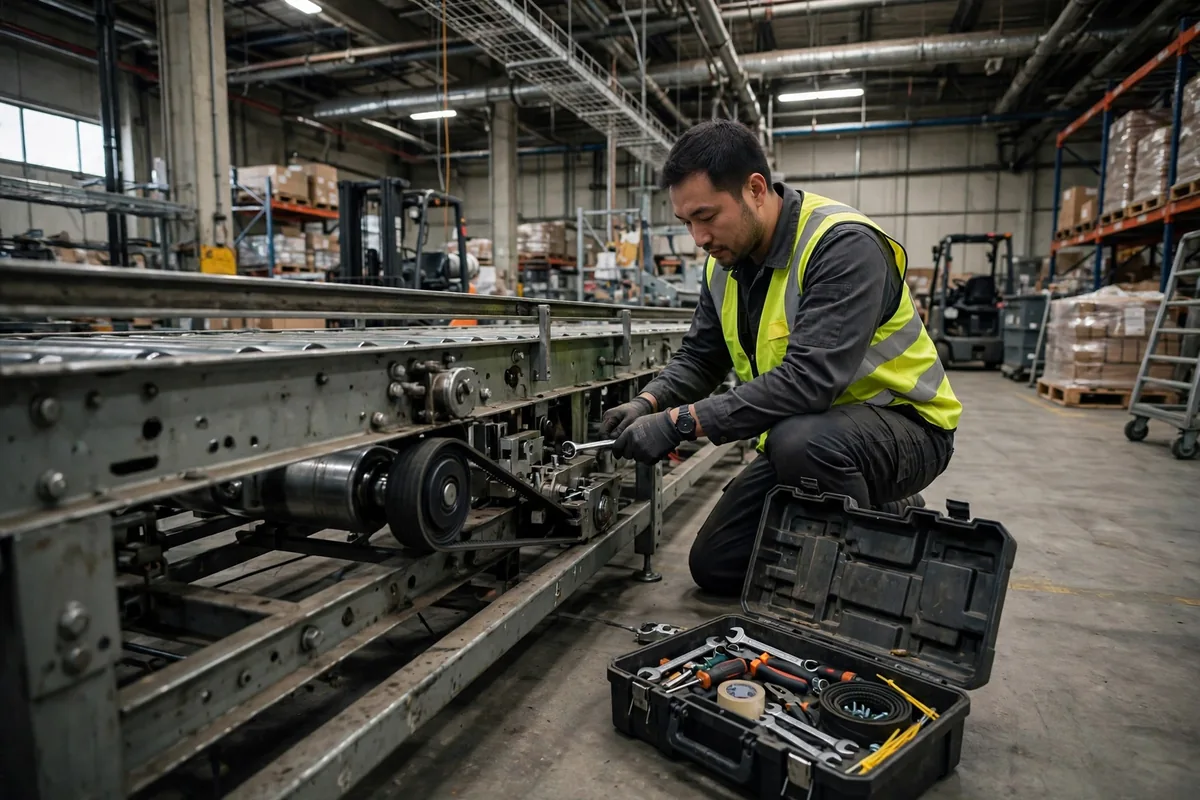
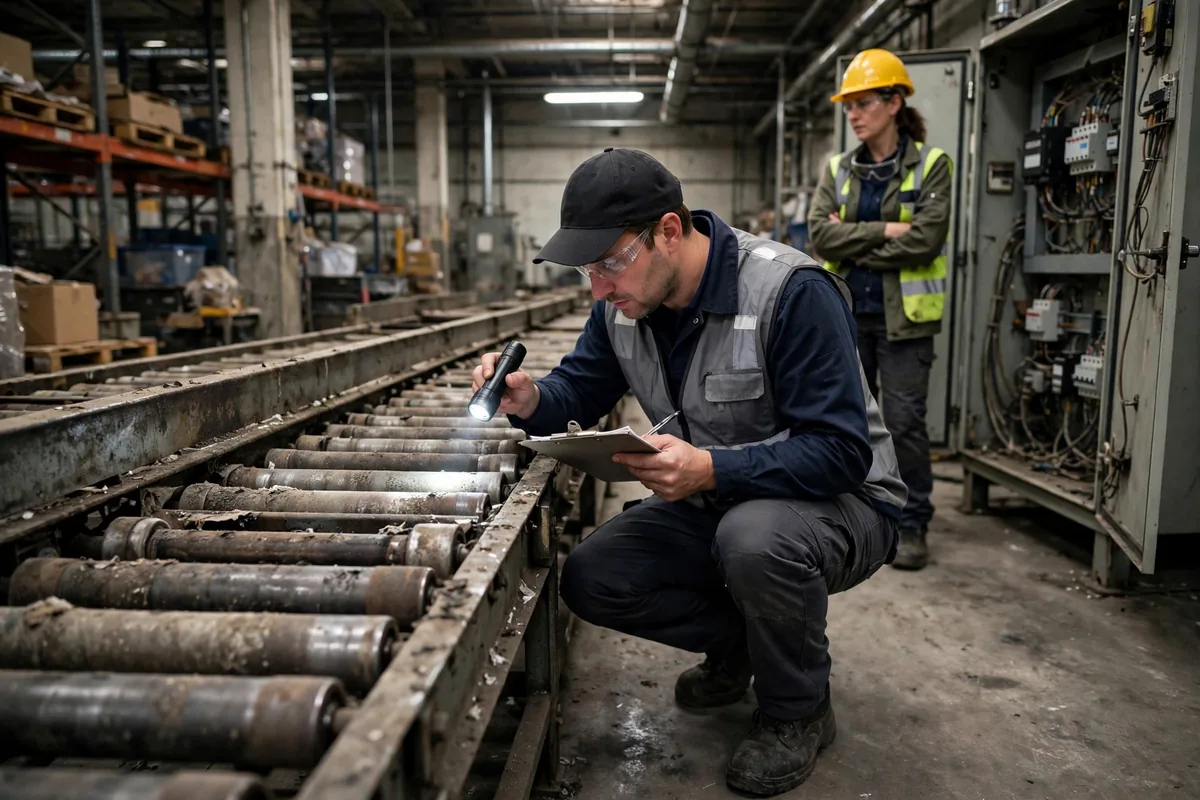
A machine sitting idle and spinning for a demonstration proves almost nothing. Insist on running it at full load for at least half an hour, and watch throughput, mis-sort rate, noise, and temperature. I once inspected a lift that looked nearly new; twenty minutes into a loaded run, a bearing started running hot. The seller blamed the weather. Opened up, the grease had dried out and the bearing race was already pitted — damage that stays invisible at low speed and appears the moment real volume hits it. Open the control cabinet too. Look for reworked cards, rewired harnesses, and software versions the original manufacturer no longer supports. A control system discontinued more than five years ago may force you to live on salvaged parts, and that risk should be priced directly into the offer. Software integration is another quiet trap. An older machine may not talk cleanly to a current warehouse system, leaving you with a separate integration project or manual data transfers. Nobody credits you for that work at negotiation time, but you will pay for it after installation.
Used Automation Equipment Pre-Purchase Inspection Records Tell the Truth
Run hours can be adjusted; a two-year repair history is much harder to fake cleanly. Ask for work orders, parts replacements, and downtime logs, and look for patterns rather than single incidents. A fashion warehouse I advised bought a used shuttle that the seller described as lightly used, yet the records showed the same sensor replaced three times. That was not a sensor problem; it was a track or positioning problem expressing itself through the sensor. They used that finding to renegotiate, then spent the first money after purchase on track recalibration — the one fix that actually addressed the cause. A machine with no maintenance records at all deserves even more caution, not less. Blank history means you must assume the worst case for wear, because there is no evidence that anyone ever looked after it.
Here is the counterintuitive part: the cheapest used machine is often the most expensive one you can buy. A low asking price usually means one of two things — a seller clearing stock quickly, or a machine entering the years when major components fail together. The first is a genuine bargain; the second is someone else's replacement bill with your name on it. The difference is not discovered across a negotiating table. It is discovered in repair records and in a loaded test run. A related point surprises buyers too: buying used does not mean accepting gradual decay. Replacing wear parts as a batch right after purchase is usually cheaper than repairing failures one by one, because piecemeal repair spreads the cost thin enough to ignore until the year-end total shocks you. There is a third hidden bill as well. Money saved on a machine and spent elsewhere is still money spent on reliability; if peak season then exposes the machine, no healthy cash flow elsewhere will recover the customers lost in that week. Save on negotiation and spares strategy, never on reliability itself.
The real levers for saving money are only three. First, negotiate from evidence, not instinct: present the repair list and the remaining-life calculation item by item, and sellers concede far more readily than they do to a round-number haggle. Second, settle spares before you sign: confirm sources and prices for critical parts, and for discontinued models secure a batch of salvaged parts or a tested substitute before failure forces a panicked search. Third, write acceptance into the contract: define the loaded-run standard, what happens if the machine misses it, and hold back part of the payment until the machine has run for a full month after go-live. Those three disciplines are what make a used machine genuinely cheaper than a new one.
Run the break-even test in reverse as a final check. Add the used price, installation and commissioning, and three years of repair spending, divide by three, and compare that annual figure with the same calculation for a new machine. If the used route is only about ten percent cheaper per year, it is not worth it, because older equipment fails less predictably and one unplanned outage can consume that thin margin. Only when the used route is more than thirty percent cheaper per year, with critical spares already secured, does it clearly beat new. That thirty percent is the buffer for everything you cannot yet see.
The conclusion can be stated as arithmetic, not opinion. Take the new-machine price, multiply by the remaining-life share you verified yourself, subtract the three-year repair and spares budget, and subtract the expected cost of one unplanned outage. The result is what that used machine is actually worth to your operation. Pay more than that, and you are paying for someone else's wear. Pay less, and only then start arguing about transport, installation, and acceptance terms. A machine does not offer a discount out of kindness; a clear calculation before payment is the cheapest insurance in the used market.
By Lao Zhou, Logistics Cost Analyst