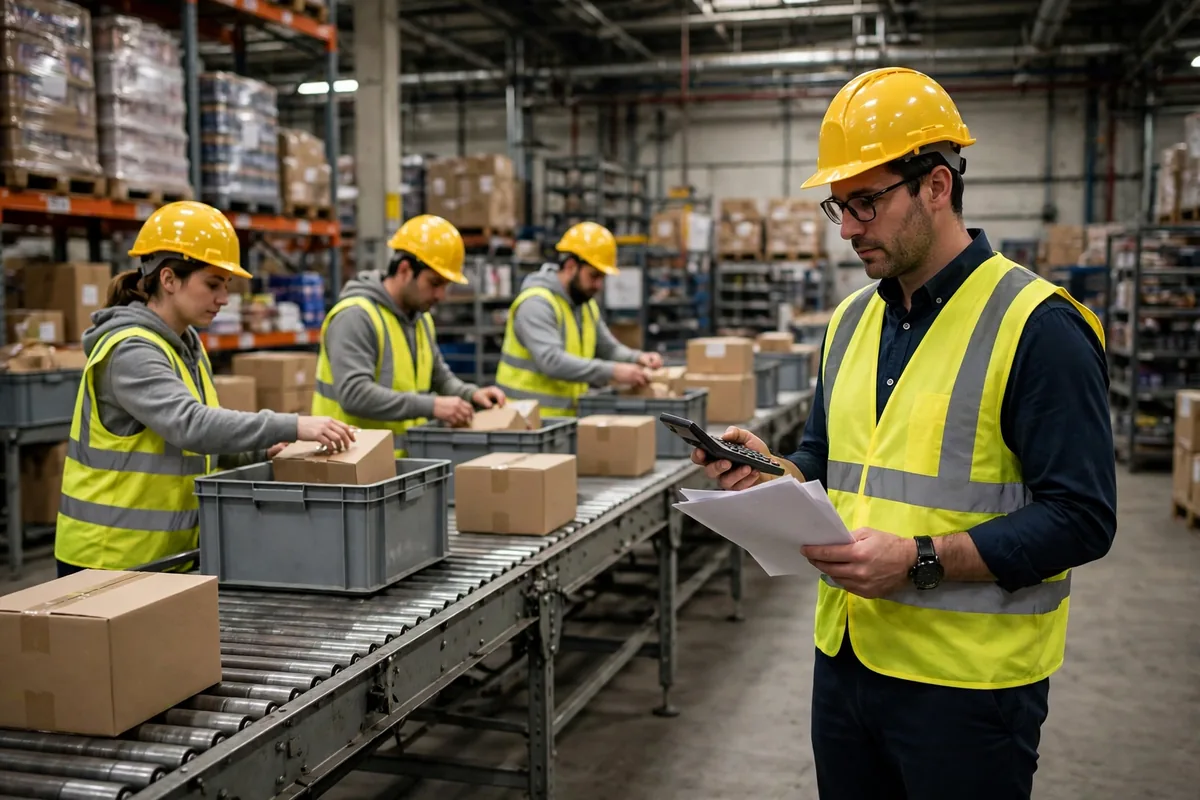
Our little warehouse cannot afford to burn money on used warehouse automation equipment. Three thousand square meters, a few hundred orders a day in peak season, and hiring is hard enough — so I started hunting for other people's cast-offs that might be exactly right for us: conveyors, forklifts, and the odd bargain. The first trip taught me a lesson: a used conveyor line priced at forty percent of a new one looked like the deal of the year, until we hauled it back and found the supports didn't match our rack height and the motors were a discontinued model. Three days of a dead line, and every dollar we saved went straight into the fix. One note before we go on: the two cases below are illustrative scenarios drawn from situations small warehouses run into all the time; the numbers are hypothetical, the lesson is real.
Used warehouse automation equipment: can you actually get a bargain?
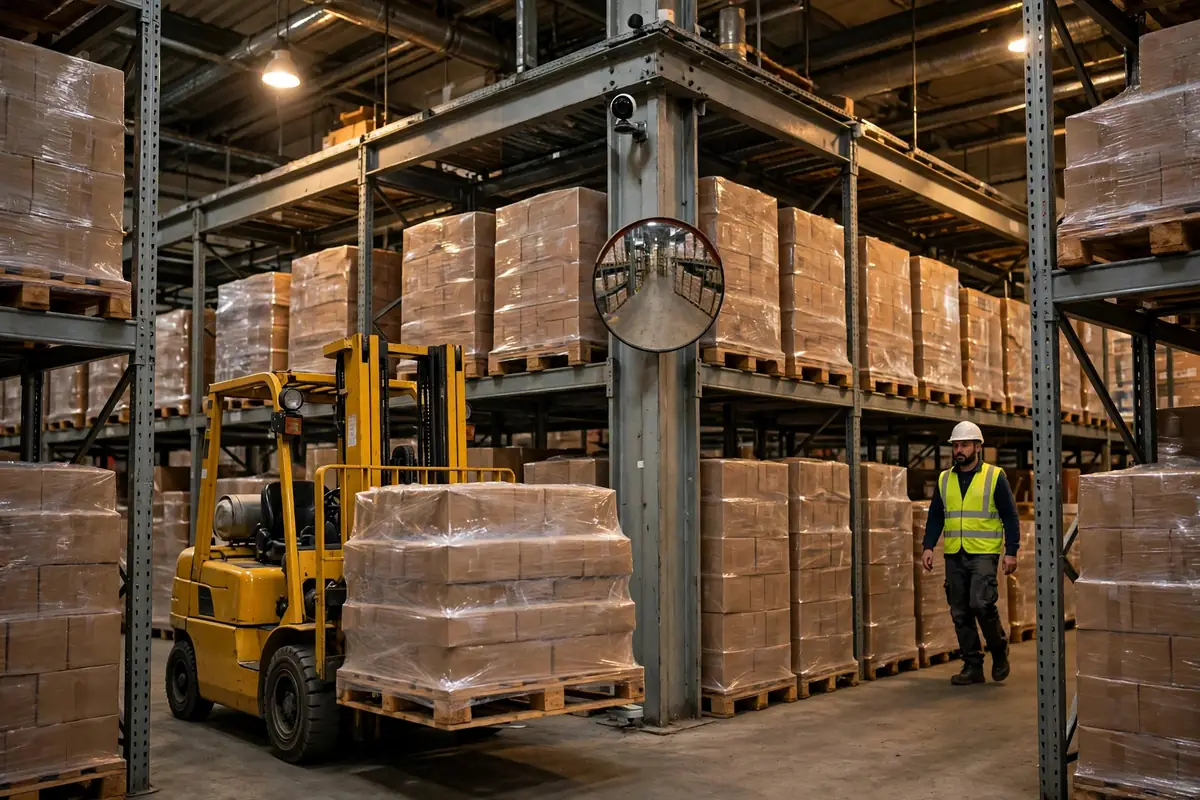
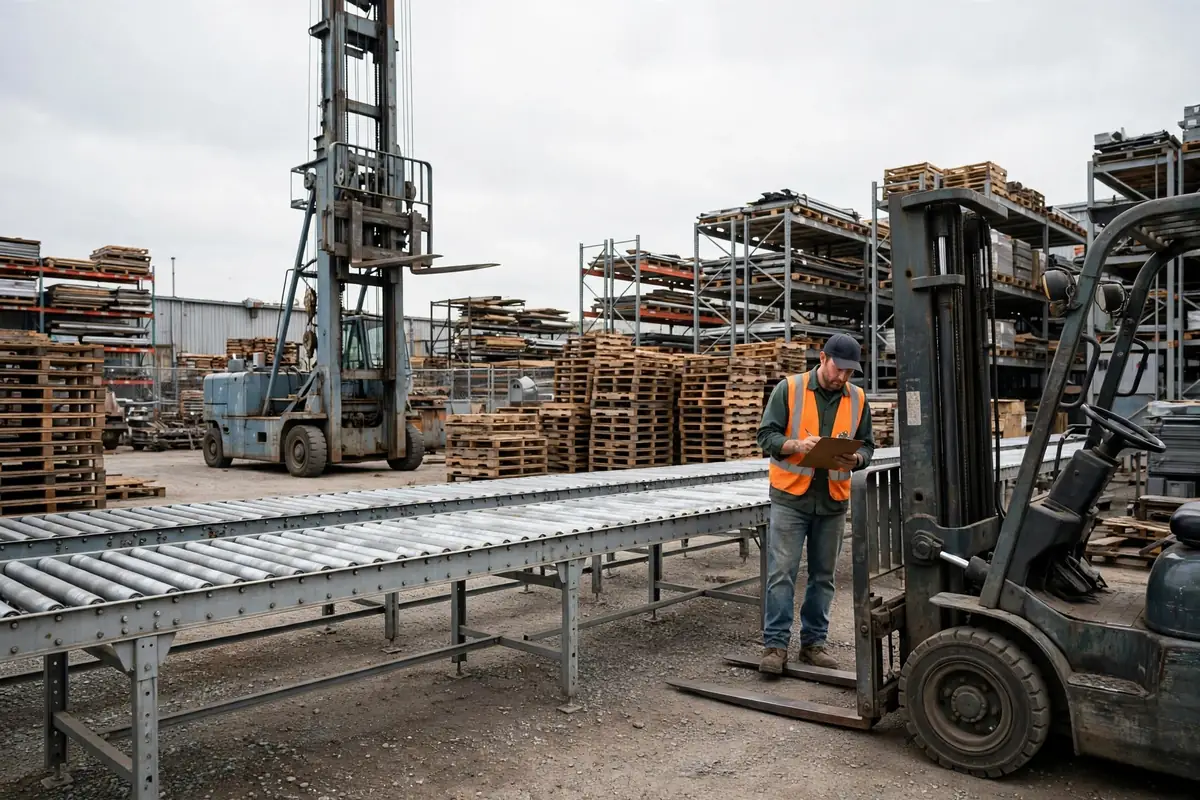
Yes — but a bargain is something you calculate, not something you stumble into. A used forklift is the best place for a small warehouse to start: simple structure, generic parts everywhere, and every mechanic knows how to fix one. With a used forklift, check the hour meter before you check the year. The industry tiers are brutally honest: under 5,000 hours is premium, 5,001 to 9,500 is solid mid-life, and past 9,500 you should budget for a major overhaul. A forklift's working life generally runs 8,000 to 12,000 hours, and a machine over ten years old typically keeps only 15% to 25% of its original value. Batteries deserve their own line in the budget: a lead-acid battery lasts roughly 1,000 to 1,500 charge cycles, a lithium-ion pack 2,000 to 3,000. How many cycles are left when you buy decides whether you are about to pay for a new battery on top of the truck.
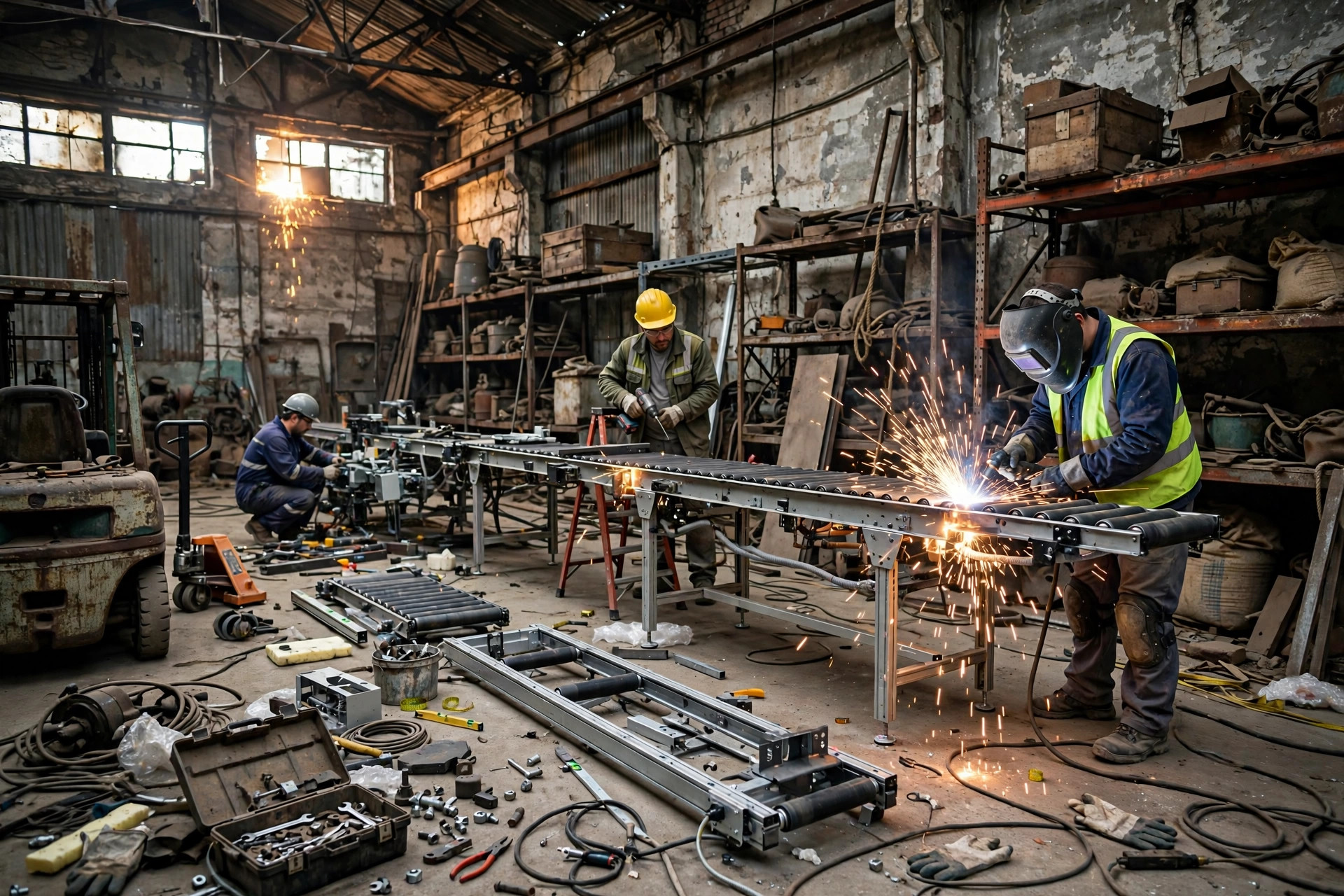
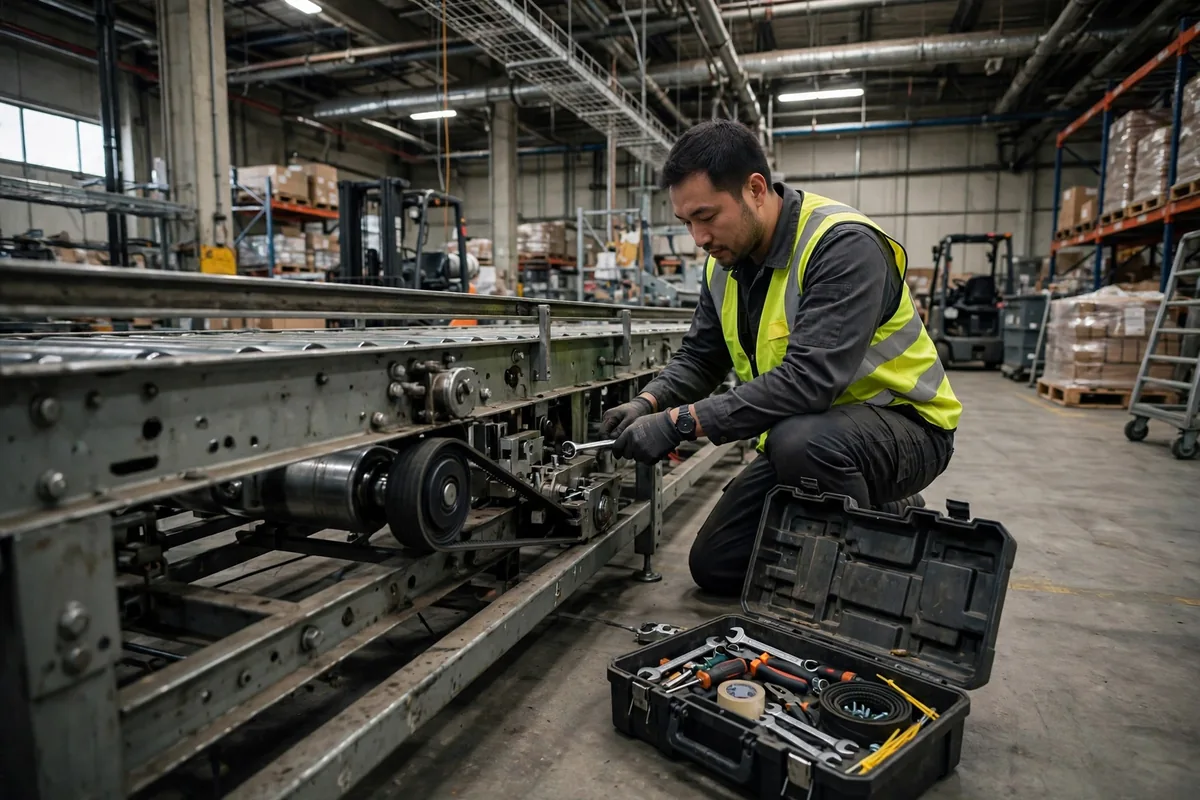
Conveyors are a different animal. Picture the scenario: the seller says "unbolt it and it runs," you measure on arrival, and the legs are a dozen centimeters off your rack height while the motors have been out of production for years. A conveyor is not just a machine — you buy the previous warehouse's layout along with it. Dismantling, shipping, installing, tuning: every step costs money, and it still might not run smoothly. If the layout doesn't match, the bargain turns into a hole in the ground.
So here is the counterintuitive part: with used warehouse automation equipment, the most expensive part is not the purchase price, it is the downtime. A used forklift down for half a day in peak season means hundreds of orders that don't ship, plus complaints and overtime — easily more than a new truck would have cost. Buy cheap and pay dear: that is the most expensive decision in the room.
Before you buy anything, check parts availability. Send the model number to two or three parts suppliers and ask what common spares cost and how fast they ship. A discontinued model with no spares is a decoration, not a machine. A friend of mine bought a discontinued stacker crane cheap; one sensor failed and he waited six weeks for the part while the line sat dead.
Then there is the seller. Used gear comes from three places: dealer refurbishment, private sale, and liquidation auction. Dealer-refurbished costs the most but usually comes with an inspection report and a short warranty. Private sales are cheapest and depend entirely on the seller's honesty. Auctions can be shockingly cheap, but the equipment often sells in bulk lots with no picking and no test runs — you find out about the missing parts after you pay. My rule for small warehouses: stick to the first two and leave auctions to the big operations with their own repair teams.
Before buying used warehouse automation equipment, run these three sums
Don't listen to the bare sticker price. Write three sums on a piece of paper before you decide. Hypothetical example, for a 3,000 lb electric forklift:
| New | Used, premium (under 5,000 hrs) | Used, bargain bin (over 10,000 hrs) | |
|---|---|---|---|
| Purchase price | about $25,000–$30,000 | about $12,000–$18,000 | about $8,000 (assumed) |
| Refurbishment and setup | $0 | about $1,000–$2,000 (assumed) | about $3,000–$5,000 (assumed) |
| First-two-years repairs plus downtime losses | Low | Medium | High, possibly more than the purchase price |
| Resale value | High | Medium | Near zero |
The new and premium-used price ranges above are supported by published market pricing; the bargain-bin and refurbishment figures are hypothetical. The three sums are: purchase price, setup cost, and two years of repairs plus downtime losses. Plenty of small warehouse owners count only the first one. The second two decide whether you win or lose. My rough rule: if a premium used truck's price plus setup passes sixty percent of a new one, walk away. If a bargain-bin truck's price plus setup plus a year of repair reserve passes the premium used price, walk away too. The numbers are rigid, the rule is flexible, and the point is one line — never let a cheap machine hold your whole peak season hostage.
Inspecting the machine has its own street-smart method. Don't stare at how fresh the paint looks. Check three things: the hour meter, the maintenance records, and the battery cycle count. A truck with no maintenance records is a no at any price. An hour meter that doesn't match the service history means you turn around and leave. If the seller can't produce all three, that bargain belongs to somebody else.
The small warehouse way to buy
My order of operations: buy generic gear like forklifts first and learn on those. Don't start by chewing on a conveyor line. A forklift breaks, you can rent one, borrow one, or get a mechanic the same day. A conveyor goes down and the whole line waits for parts. Once order volume and headcount are steady, then think about a complete used line — and make the seller cover installation, tuning, and three months of warranty in the contract. A verbal promise doesn't count.
There is also a scrappy trick: split the purchase with a neighboring small warehouse. Two of us buy one used line together, take turns in peak season, split the time in slow season, and share the setup cost and the spare-parts shelf. The daily-goods warehouse next door to me does exactly this — one side provides the floor space, the other the labor, three years running without a single argument. It works, provided both owners are reasonable people.
And read the contract word by word. How many months of warranty, does it cover on-site visits, who pays freight, and can you return it within seven days if a hidden fault shows up — all four need to be in writing. I learned that one the hard way: a seller promised everything on the phone, the motor rattled on arrival, and suddenly his phone went unanswered and "used is used" was the whole warranty. Since then my contracts carry one more line: failed acceptance, full refund, freight on the seller. It makes the quote slightly higher, and it lets me sleep at night.
Small warehouses have their own way of surviving. Big companies buy new gear for peace of mind; we buy used to stay alive. Whether the bargain is real has nothing to do with the sticker price and everything to do with those three sums. Run them before you pay, and your peak season won't grind to a halt.
By Xiao Ma, Small Warehouse Owner