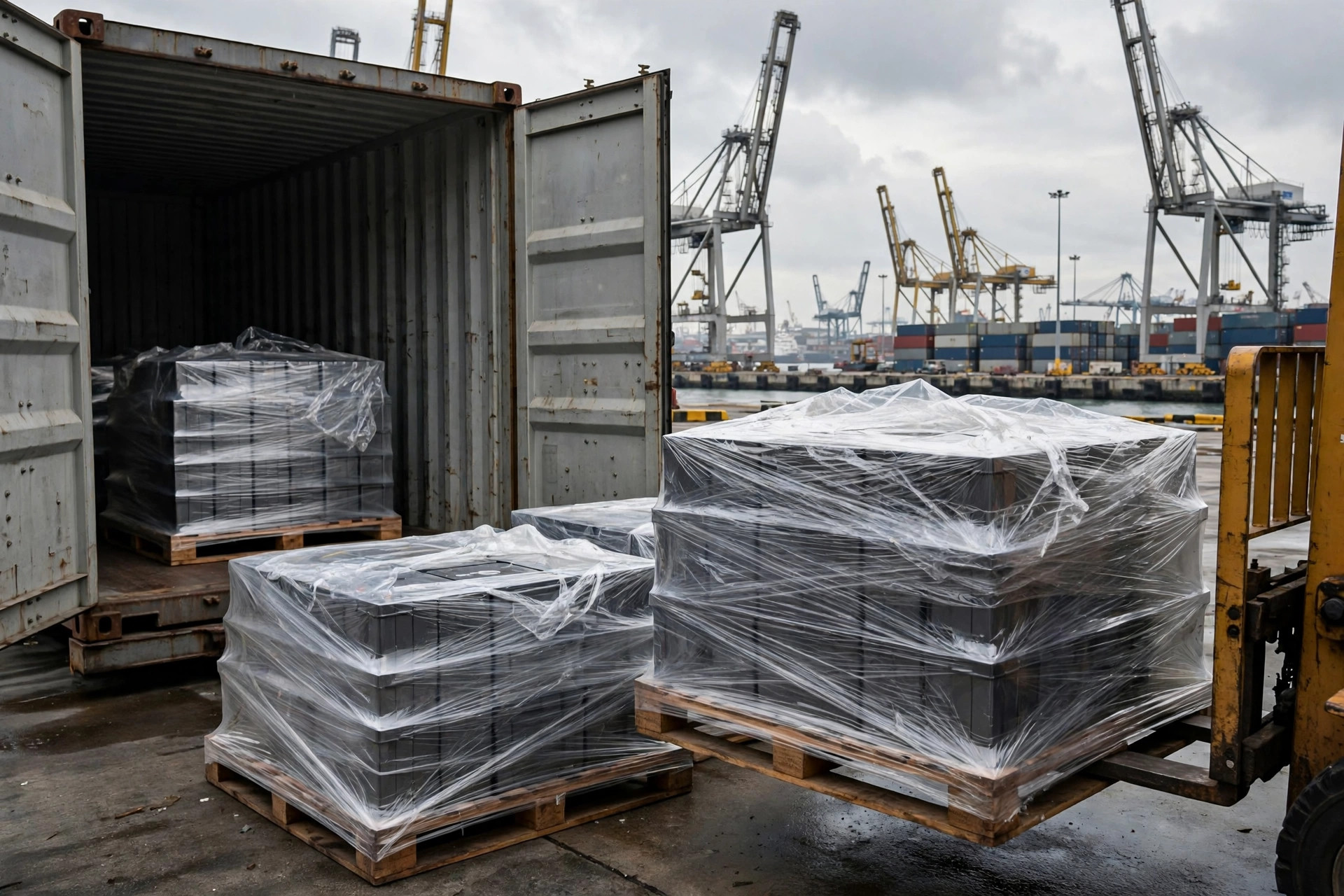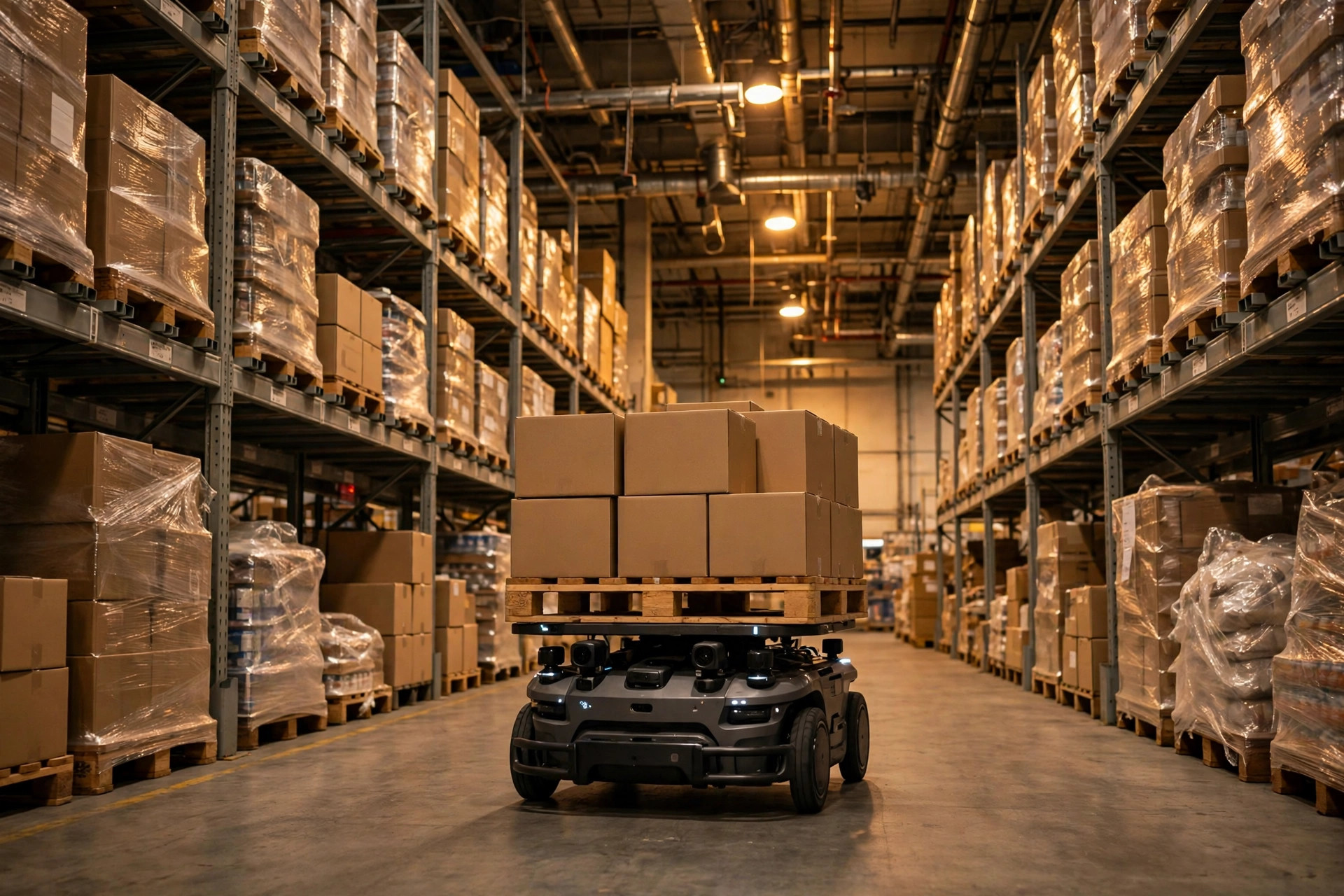
Last fall, a friend in Shenzhen who builds AMRs called me, sounding defeated. His first demo unit had crossed the ocean to a customer's warehouse in California — and the customer's insurer asked exactly one question: "Do you have a UL listing?" No. The machine sat in the receiving area for three months, waiting on certification.
Here's my verdict up front: for automation equipment entering the US, UL isn't a bonus — it's the ticket in. And it's not one door. It's four or five doors in a row. Most manufacturers trip because they only prepared paperwork for one of them.
First, a common misconception to clear up: no US law says "thou shalt get UL." What OSHA actually requires is that electrical equipment used in the workplace be certified and listed by a Nationally Recognized Testing Laboratory (NRTL). UL just happens to be the oldest and most widely recognized of those labs. That's why customers, insurers, and the fire marshal (the AHJ) all ask for UL — a UL listing mark is shorthand for "compliant."
Door one: figure out which standard actually applies to your machine
UL standard numbers are assigned by equipment type, not by company. Before you ship anything, map your product to its number:
AMRs and AGVs as complete machines fall under UL 3100. Published in 2018, it covers the electrical system safety of driverless industrial vehicles end to end — batteries, charging systems, electric shock protection, fire protection, enclosure strength, functional safety, the whole package. If you can't explain what UL 3100 is, the customer's EHS manager will see through you in the first meeting.
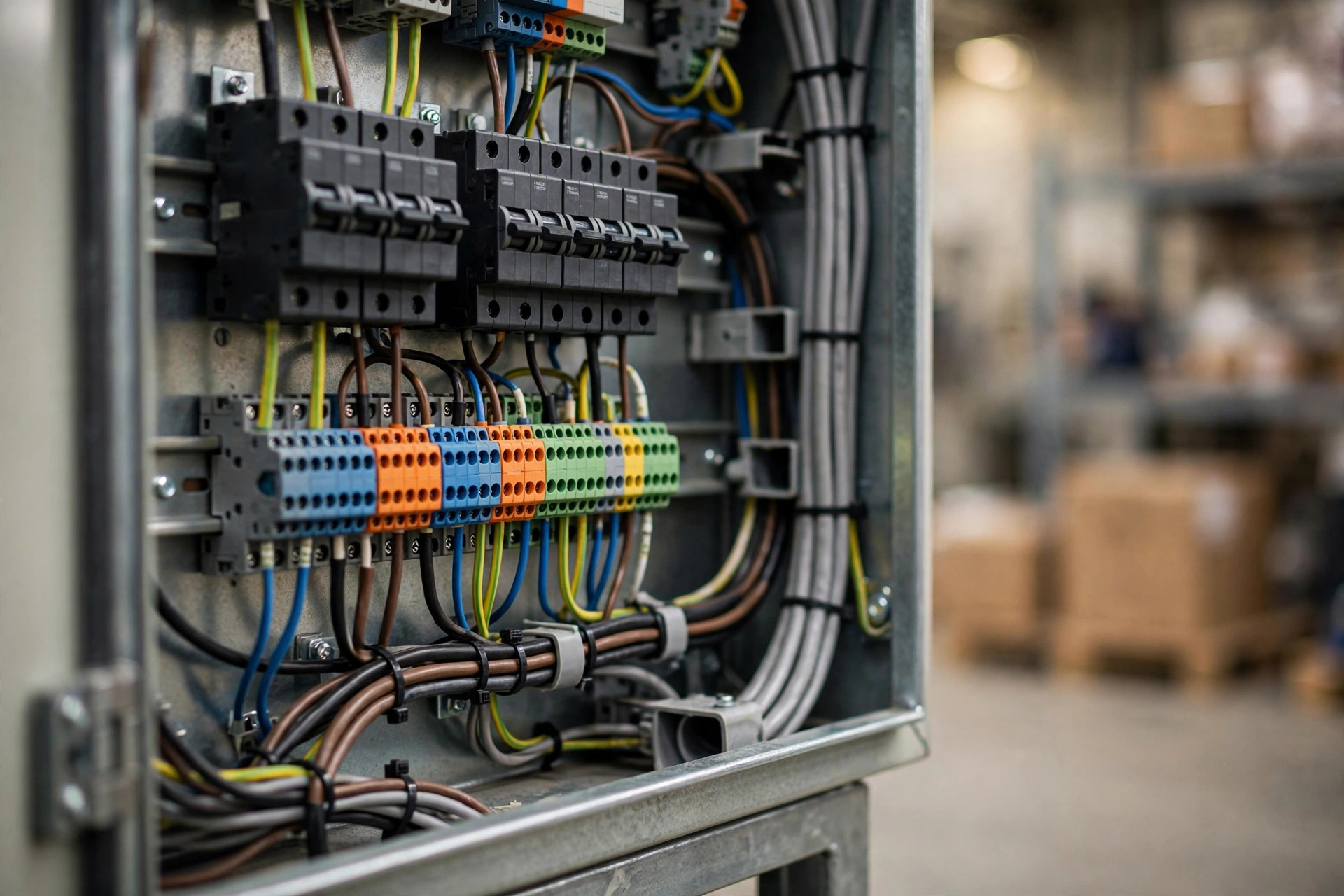
Electric forklifts and automated forklifts go through UL 583. Conveyors and sorters — factory automation equipment — map to UL 2011. The control cabinet inside your machine gets its own look under UL 508A, and this is the door most people miss. Machine builders assume "the whole machine passed, so we're fine," but on a US site, cabinet wiring, components, and labeling are exactly where inspectors love to find faults.
The lithium battery pack needs its own certification — UL 1973 or UL 2580. Don't assume it rides along with the machine listing. If the machine has wireless modules for navigation, telemetry, or Wi-Fi, add FCC Part 15. That's not UL, but it's normally done alongside the machine certification so you don't make two trips.
One more thing that isn't a certification but that customers will absolutely ask about: ANSI/RIA R15.08, the safety requirements for industrial mobile robots. The EHS manager may not know the difference between UL 3100 and R15.08, but he will ask "how do you handle safety?" Have the answer ready.
My take: spend half a day aligning on standard numbers at the kickoff meeting. It's ten times cheaper than fixing it after the prototype is built.
Door two: listing, field evaluation, or data transfer — pick the right path
There are three routes through UL. Pick the wrong one and you've burned the money.
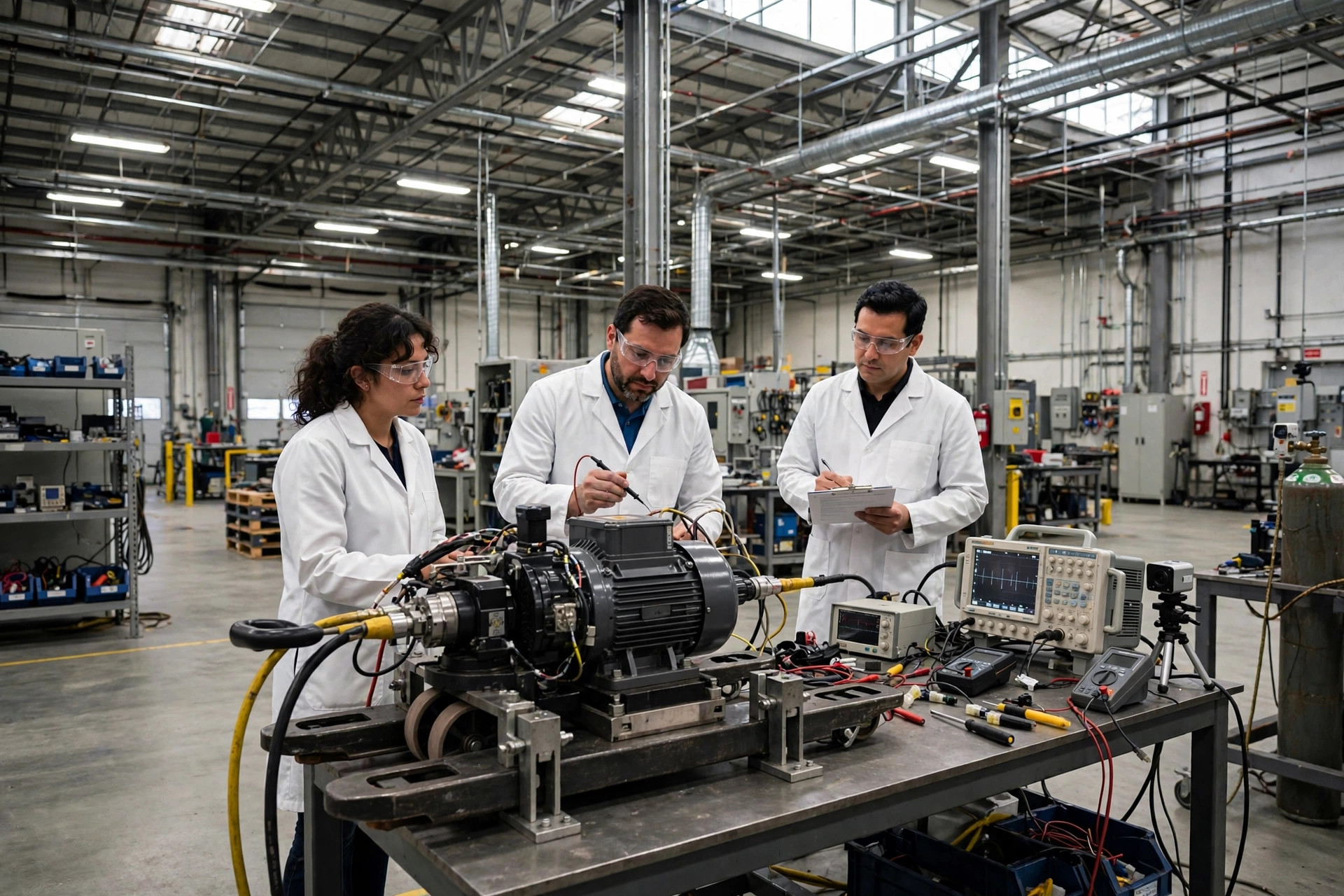
Full machine listing is the proper route: certified by model, and once it passes, that model sells freely. The price is time — six to twelve months is normal — and cost in the tens to low hundreds of thousands of dollars; get a current quote from the lab, because numbers move. This is for equipment that's design-frozen and headed for volume production.
Field evaluation is the fast route: inspected unit by unit, with an engineer coming on site. You get a field evaluation label, not a listing mark. It takes weeks, not months, and runs a few thousand to low tens of thousands per unit. Good for a first demo unit when delivery can't wait. But watch out: some insurers and fire marshals only accept the listing mark. A field label doesn't fly with them — so confirm with the customer what they'll accept before you sign the contract.
Data transfer is what many Chinese manufacturers hope for: "we have CE, can the test data transfer over?" Partially. UL and IEC emphasize different things — UL leans harder on fire protection, IEC on electric shock protection — so the test items often don't line up. Don't count on swapping CE for UL. You'll still repeat a chunk of testing.
My recommendation: run the first unit through field evaluation so you can deliver, get on site, and get paid; start the full listing process six months before volume production. Walk on two legs. Don't hang everything on one path.
Door three: the punch list of common findings — dodge them in advance
Lab findings are the same greatest hits every time. Self-audit against this list and you'll save yourself a rework cycle:
Wiring. The US recognizes AWM wire under UL 758. The CCC wire commonly used in China isn't recognized. Plenty of builders finish the whole harness before discovering the wire is wrong — then it's tear-down-the-machine rework. You'll want to cry.
Components. Breakers, contactors, power supplies — every one of them needs to be a UL-listed model. Write "UL listed" into the selection criteria on day one of the BOM.
Grounding. Continuity of the protective ground, grounding marks, ground wire colors — US inspectors check them one by one with a meter. Don't cut corners here.
Batteries. As I said, the pack needs its own certification. And the fire protection design of the charging system has dedicated clauses in UL 3100 — design against them from the start.
Labels and manuals. English warning labels, rating nameplates — one missing item can trigger a finding. Don't show up for testing with a Chinese manual.
E-stop and safety circuits. Safety-related controls must meet functional safety requirements. The lab will check the e-stop button, enabling devices, and safety PLC configuration item by item.
The money-and-time math: schedule it so nothing slips
Taking one AMR from submittal to listing: six to twelve months, tens to low hundreds of thousands of dollars — the usual industry range; confirm with the lab's current pricing. Field evaluation is far quicker: weeks, a few thousand to low tens of thousands per unit. But the most expensive line item is never the certification fee. It's rework. Ignore UL 508A wiring requirements at the design stage, tear the prototype apart afterward, and you've burned three months and a full harness.
So work the schedule backwards: start the listing application twelve months before volume production; before design freeze, ask the lab for a pre-assessment — most labs offer it, it doesn't cost much, and it surfaces the big traps early; run first-unit delivery and certification in parallel. Don't wait for the certificate to ship — use field evaluation to get the machine on site.
One last honest word: UL certification isn't a technology contest. It's a preparation contest. Standard alignment, component selection, wiring and grounding — all of it is decided at the design stage. One extra week on the drawings saves three months in certification. Treat fee and timeline figures as moving targets and check each lab's current published policy; don't build a budget on a two-year-old quote.