We have a client in Ukraine sunflower seed export warehouse storage whose business looks simple on paper: take in the seed, fill the silos, wait for the vessel, load out. In his first year, he tripped over none of the things he had worried about. The rent was fine. The vessel slot was booked. What caught him was the seed itself: it started heating up inside the silo. When the buyer's inspector raised an eyebrow at the port, the warehouse team had to ventilate, turn the lot, and re-sample in a hurry, nearly missing the sailing. The shipment survived, but the client told me something I have heard many times since: the storage fee is the cheap part. The expensive part is the scramble when something goes wrong.
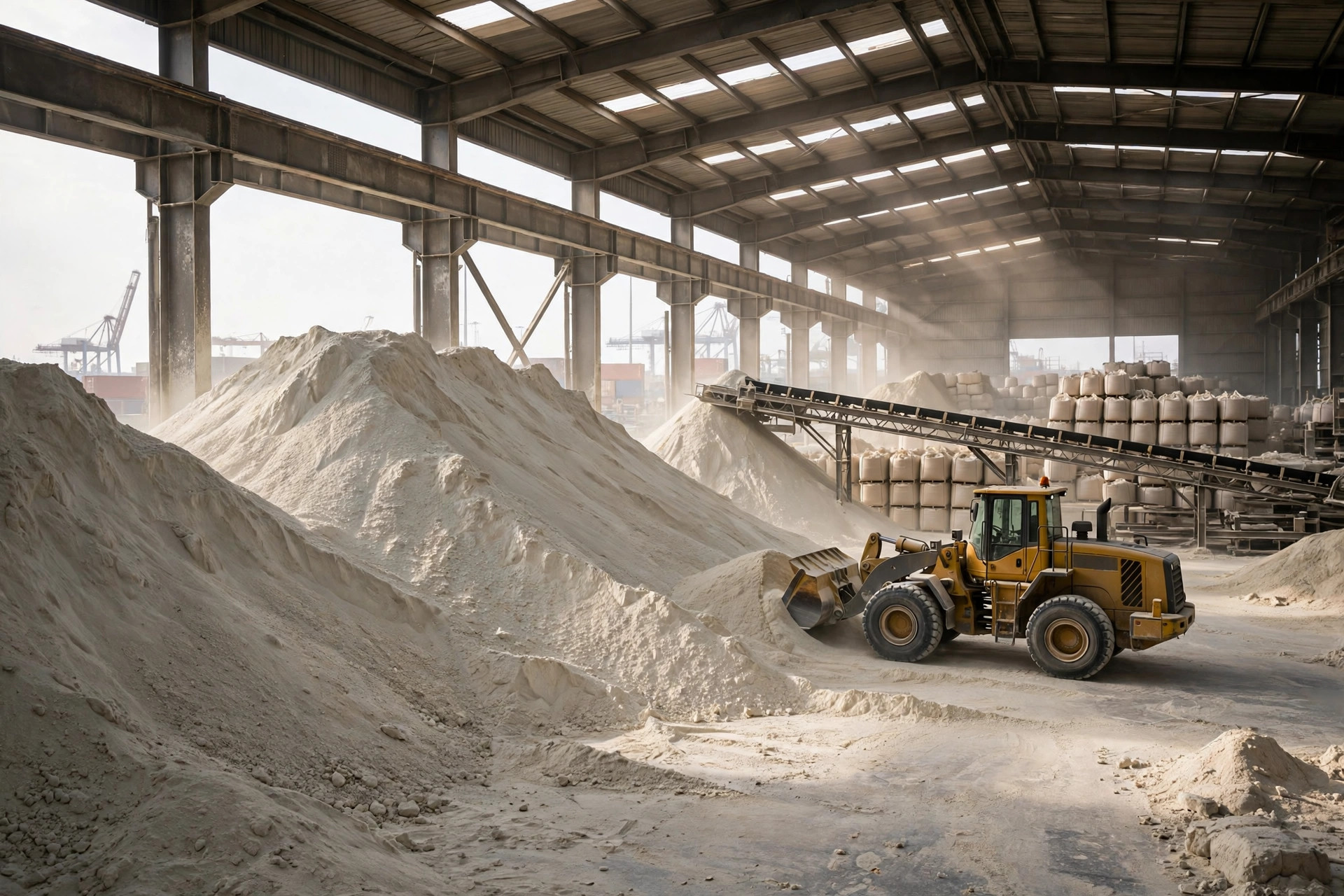
That is the first thing to understand about oilseeds. Sunflower seed is alive. It breathes, and inside a silo it slowly accumulates heat. If moisture is uneven, or if fine particles settle in one spot, the heat has nowhere to go. From the outside, the silo looks perfectly quiet while the temperature inside climbs day by day. By the time you smell it or find caked lumps, you are already late. So the real ledger for this cargo is not just rent and handling. It includes the people, the monitoring, and the risk of nobody watching closely enough.
Ukraine Sunflower Seed Export Storage: Self-Heating in the Silo
Take the example of one warehouse near the Black Sea coast that our client used. A summer intake was split across several silos. The intake samples looked fine, and temperature checks were done as a matter of routine. The trouble was exactly that word: routine. The checks were done, but nobody watched the trend. The probe readings sat in a spreadsheet, a little higher today than yesterday, a little higher again tomorrow, and nobody treated that slope as a signal. Only when one layer jumped sharply did the team rush to ventilate and turn the grain, losing several days of calm work to emergency work.
The warehouse later changed its rules, and the new routine is not complicated. First, read temperature for trend, not for single points: record every layer at the same time each day, and treat a steady climb as the alarm, not just a sudden spike. Second, keep moisture and impurities as separate problems at intake: seed with uneven moisture should not go into the same silo, and zones with a lot of fine particles deserve extra attention, because that is where heat pockets form. Third, ventilate with judgment, not on autopilot: pushing warm, humid outside air through the silo in muggy weather just adds moisture to the seed. These sound like common sense, and they are. Most warehouses fail on them not because they do not know, but because they do not keep doing them.
Here is a counterintuitive point worth putting in front of any warehouse negotiation: the most dangerous moment in a silo is usually not the hottest day, but the days when nobody is looking. A temperature curve is dangerous not because it is high, but because it is climbing without anyone responding. What a warehouse really sells is not cubic meters of silo space. It sells someone watching that curve every day. That sentence belongs in the contract.
Turning the grain is also a cost that should be negotiated in advance. Turning releases heat and breaks up hot spots, but turning too often creates more broken kernels and consumes labor and equipment time. So turning should be a planned response to a rising trend, not a rescue operation after the fact. When a warehouse lists turning as a separate, priced service, shippers often feel better, not worse, because the cost boundary is clear. The worst version is a vague quote that hides turning, then adds a surprise charge in the middle of a crisis, when every price feels like extortion. In Ukraine sunflower seed export warehouse storage, the cheapest quote is rarely the cheapest outcome, because the operations nobody priced are exactly the ones that show up in a crisis.
Ukraine Sunflower Seed Export Warehouse Storage: The Outbound Ledger
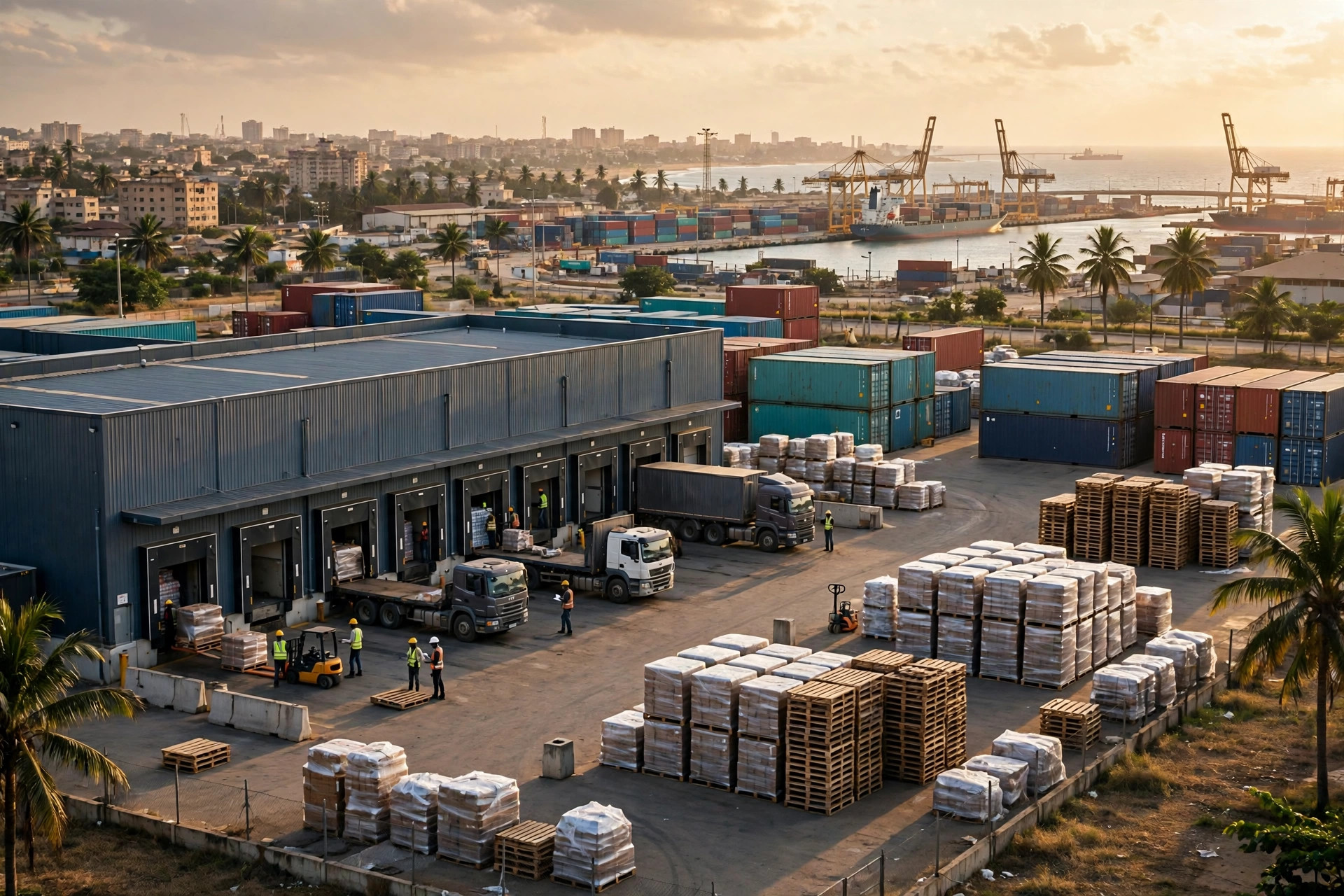
The second story is about load-out. Another client's seed had stored beautifully, but the outbound stage created a dispute: different lots were mixed during load-out, and the port sample no longer matched the intake lot data. The buyer pushed back, the warehouse and the shipper pointed at each other, and the vessel waited at the berth, with every extra day costing money. The lesson is that the outbound ledger starts on intake day, not on loading day.
We advise clients to align on an outbound checklist in the contract and then follow it without improvisation:
| Outbound check | What to verify | If it fails |
|---|---|---|
| Lot separation | Lots stored separately, load-out order written down | Stop mixing, sort it out first, do not chase the vessel |
| Sampling and retention | Samples taken per lot, retention samples sealed | Without a retention sample, nobody can settle a dispute, fix the procedure before loading |
| Temperature and moisture records | Final readings complete before load-out | Missing data means re-testing, and a questionable lot gets handled separately |
| Transport handover | Trucks, loading order, and port handover timing aligned | If the handover slips, change the plan rather than leaving seed sitting in trucks |
The real value of this table is not the table itself. It is the agreement behind it. Most disputes are not technical problems; they are unwritten rules. Whose sample counts at load-out? Who bears responsibility if lots get mixed? Who owns quality changes while the cargo waits at the port? Settling those questions at signing costs one sentence. Settling them beside a waiting vessel costs a shipment.
In Ukraine sunflower seed export warehouse storage, waiting itself is an underpriced cost. Trucks arrive, the vessel slips, or port handover queues build up, and the seed spends extra days in storage or in vehicles while temperature and moisture keep changing. If the contract never set a checking frequency or a responsibility rule for waiting periods, the argument writes itself. Build slack into the warehouse-to-port plan. A schedule with no room for error is not efficient; it is fragile. In this business, a little slack is often worth more than a slightly lower storage rate.
Export documents and inspection requirements should always be checked against the latest official guidance, not copied from the last shipment. Requirements can differ by buyer and destination, and the warehouse's job is to keep lot data, temperature records, and load-out samples complete so the paperwork has something solid to stand on.
The Three Lines Most Contracts Miss
Go back to our first client. When he renewed his warehouse contract, he added three lines: who owns temperature monitoring and how fast the warehouse must respond to an alarm; how extra operations like ventilation and turning are charged; and who owns quality changes during port waiting time. The next year, when the temperature curve started climbing again, the warehouse moved the same day, and nobody argued. Warehouse contracts rarely fail because they are too long. They fail because the decisive moment has no clause to point to.
So I will close the way I usually do. Next time you negotiate a contract, ask these three questions: first, who watches the temperature curve every day, and how fast must they act when it climbs? Second, are extra operations like turning and ventilation included in the rent, or charged separately? Third, whose sample counts at load-out, and who owns quality changes while the cargo waits at the port? Get those three answers in writing, and whether the storage rate is a little high or a little low becomes a small matter. The big money in this business is always in the trouble that never happens.
By Susan, 3PL Sales Director