Conclusion first: Brazil cashew export warehouse storage comes down to two lines in the ledger. Get grading wrong, and the value of a whole container collapses at the last mile. Leave rancidity out of the plan, and everything done before it is wasted. I am not a food scientist. I implement warehouse systems, and I have seen this failure three times, always with the same script: good product, messy ledger.
Why the cashew export storage ledger has only two lines: grading and rancidity
Brazil's cashew country is the Northeast: Ceará, Rio Grande do Norte, and Piauí do most of the work. The chain runs from orchard to processing plant, then from the plant to the port. Fruit is harvested, the nut is taken out, dried, trucked to the plant, steamed, shelled, dried again, graded, packed, stored, and shipped. Every step either leaves evidence for the next one or leaves trouble for it.
Value leaks in two places. First, mixed grades. Buyers pay by grade, and if the share of lower-grade kernels in a lot passes what was agreed, the whole lot can be repriced downward or held up for discussion. Grading is not a beauty contest; it is the basis of settlement. Second, rancidity is irreversible. Once oil oxidation is noticeable, there is no rework that brings the kernels back. The only move is downgrading. That is why the rancidity plan has to be written before receiving, not after a complaint.
There is one handover that gets ignored more than any other: the handoff from orchard to plant. Whether the nuts arrived dry enough, whether any bags were torn, whether anything got rained on in transit — if these questions surface only at the plant gate, the rework starts before processing even begins. The receiving note should record lot, bag count, and damage, signed by both sides before unloading. That note is the starting point of every later dispute. Without it, nobody can prove anything.
Brazil cashew export warehouse storage starts with grading to the buyer's spec, not to the eye
The first step of grading is not picking kernels up. It is opening the buyer's specification and confirming the version. Specs change year to year, and the same lot can be graded differently for different buyers. If the spec version is wrong, careful grading afterwards is still wrong.
The working sequence looks like this:
- At receiving, check the spec version and the lot number together. The lot number goes into the system and onto the physical label. A lot number written only on the outer carton is the same as no lot number once the carton is opened.
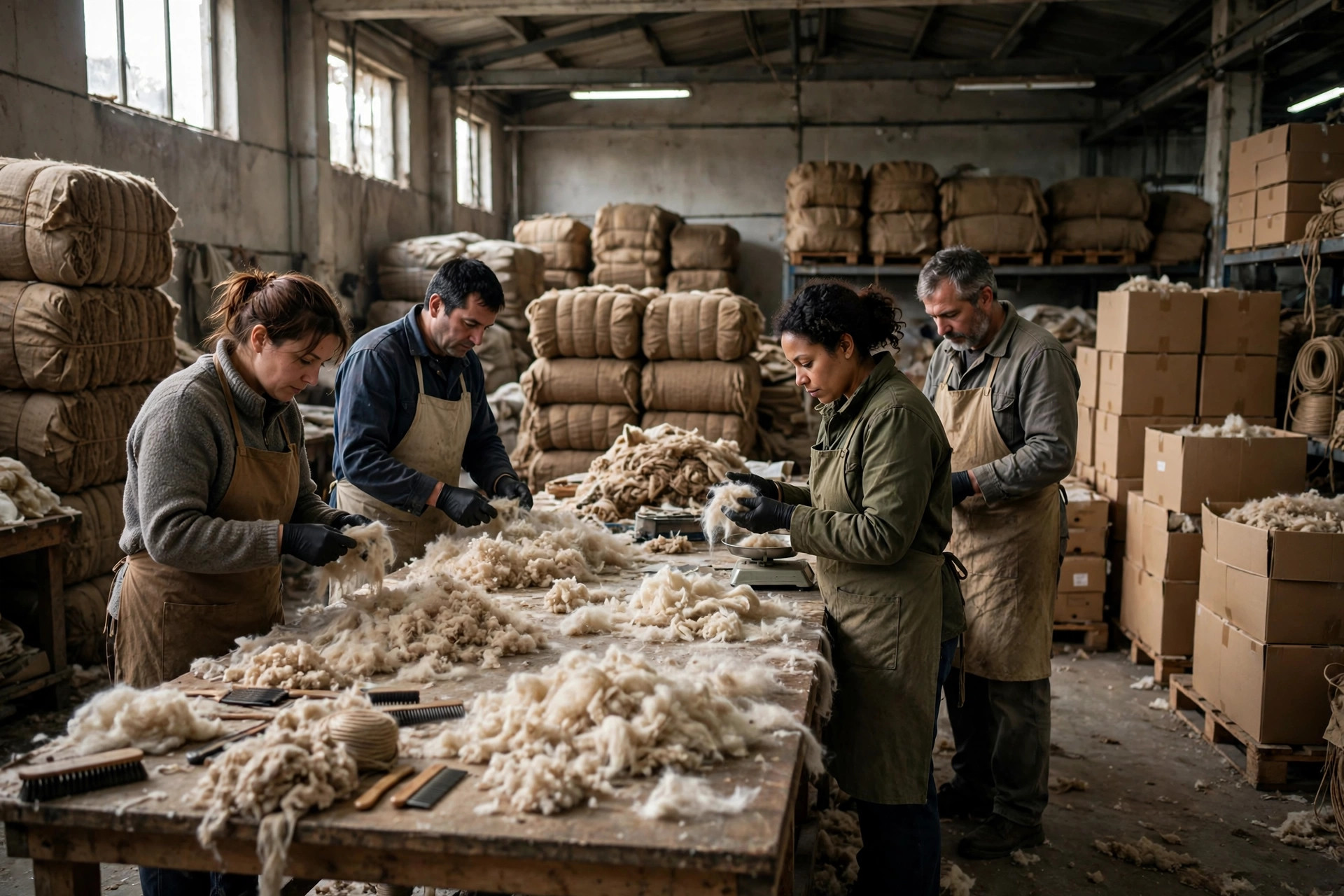
- Grade to the buyer's spec, using the standard concepts of whole kernels, broken kernels, and size bands. Keep grades physically apart. Broken pieces drift into the whole-kernel pile more easily than anyone admits, so put a separate bin on each side of the sorting table and make the split a reflex.
- Seal a retained sample from every grade, marked with lot, date, and the name of the grader. When a complaint arrives, check the sample first instead of arguing from memory.
- Enter grading results into the system the same day: grade quantities, lot, and storage location must match before the shift ends. Numbers entered the next morning never reconcile.
Two years ago in September, a mid-size plant in Ceará shipped a lot where whole and broken kernels had not been fully separated. At the buyer's warehouse, sampling found the broken share above the agreed limit, and the lot sat for four days while the two sides argued. The fix was re-sorting by hand, which cost labor and nearly cost the sailing. The review found the real cause: the sorting table had a single bin, so sorters tipped broken pieces into the whole pile without thinking. The problem was the workstation design, not the people.
A grading ledger posted beside the sorting table keeps this honest: one row per grade, the spec written as an executable action (sieve or hand-pick), quantities counted by bag, and location down to the pallet. If that row is vague, receiving, picking, shipping, and complaint handling all turn into a search exercise.
Three gates against rancidity: moisture, oxygen, temperature
Rancidity control has three gates: moisture, oxygen, and temperature. Hold two of them well and you have already won most of the battle.
Moisture is the first gate. Moisture limits for cashew kernels follow the buyer's specification, so do not guess them from experience. Measure at receiving, then measure again before bagging, and enter both results into the system. A single measurement is barely better than none, because moisture keeps moving through drying and storage.
Oxygen is the second gate. Bag seals need sampling inspection, not just a green light on the sealing machine. The low-tech check works: pull a few bags at random, squeeze, and look at the seal line for wrinkles and gaps. Bags opened for inspection get marked separately and never quietly slip back into the lot.
Temperature is the third gate, and here is the counterintuitive part: the worst damage often comes not from heat but from temperature swings. Last year, a cooperative in Rio Grande do Norte moved goods straight from cold storage into ambient-temperature container loading, and condensation formed inside the bags. Days later the kernels smelled off. The cold room was not at fault; the missing step was a buffer period. The fix is simple: after leaving cold storage, hold the goods in a shaded, ventilated area long enough for bag temperature to approach ambient before loading, and avoid opening cartons mid-route.
One trade-off has to be settled in advance. Finer grading gives cleaner price bands but costs more labor and time; tighter sealing protects against rancidity but makes inspection and rework harder. There is no perfect answer, only a choice fitted to the buyer's requirements and the value of the goods. For high-value grades, spending labor on finer grading pays. For volume grades, grading that is good enough is fine, and the effort belongs in sealing and first-in-first-out discipline.
The night-before checklist: 48 hours before shipment
Before every system go-live I run a night-before checklist, and shipping deserves the same treatment. In Brazil cashew export warehouse storage, the shipment stage is won not by effort but by whether each item on this list gets ticked off 48 hours before loading:
- Buyer spec version confirmed, and grading bands match it.
- Retained samples sealed, with sample records in the system.
- Lot numbers identical in the system, on physical labels, and on outer cartons.
- First-in-first-out verified, so earlier lots ship before later ones.
- Seal sampling inspection done, and inspected bags marked separately.
- Both moisture results entered, with off-spec lots isolated.
- Temperature and humidity records continuous, with no gaps, and buffer time after cold storage reserved.
- Pallets, locations, and loading order planned, so nobody hunts for stock during loading.
Three classic failures deserve one more mention: lot numbers written only on cartons, which vanish when cartons are opened; first-in-first-out written on a wall chart instead of in the system, which means the nearest pallet ships first whenever things get busy; and gaps in temperature records, which leave you with no evidence when something goes wrong, and the liability lands on you.
Keep the ledger straight and the goods keep their value. Grading is the floor of settlement, and rancidity control is the roof that protects it. When both lines hold, the export run holds too. Next time a Brazilian lot comes up, ask three questions before talking about sailing dates: is the spec version right, are samples sealed, and is buffer time reserved? If all three have clear answers, the shipment is ready to move.
By Lin Xiao, WMS Implementation Consultant