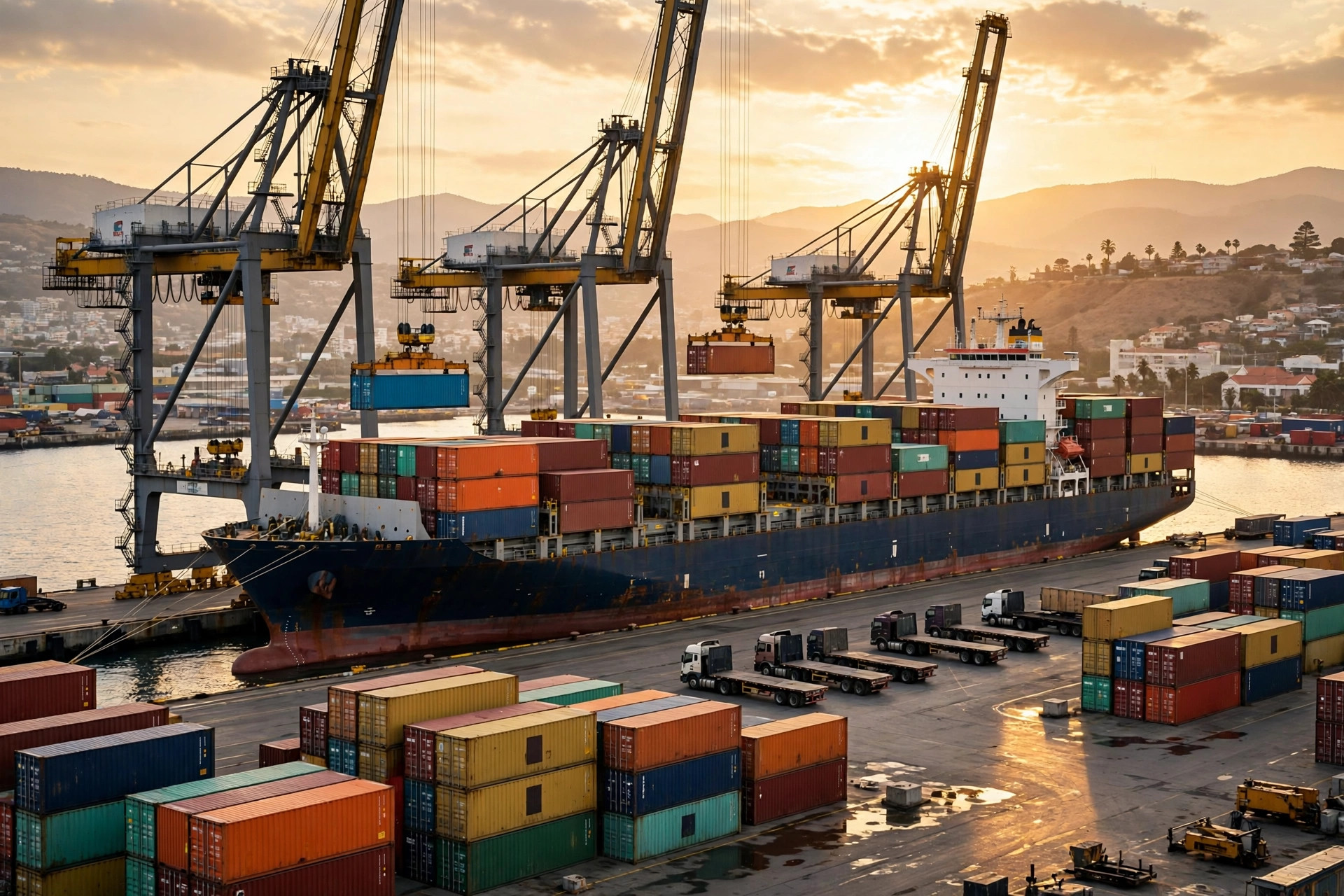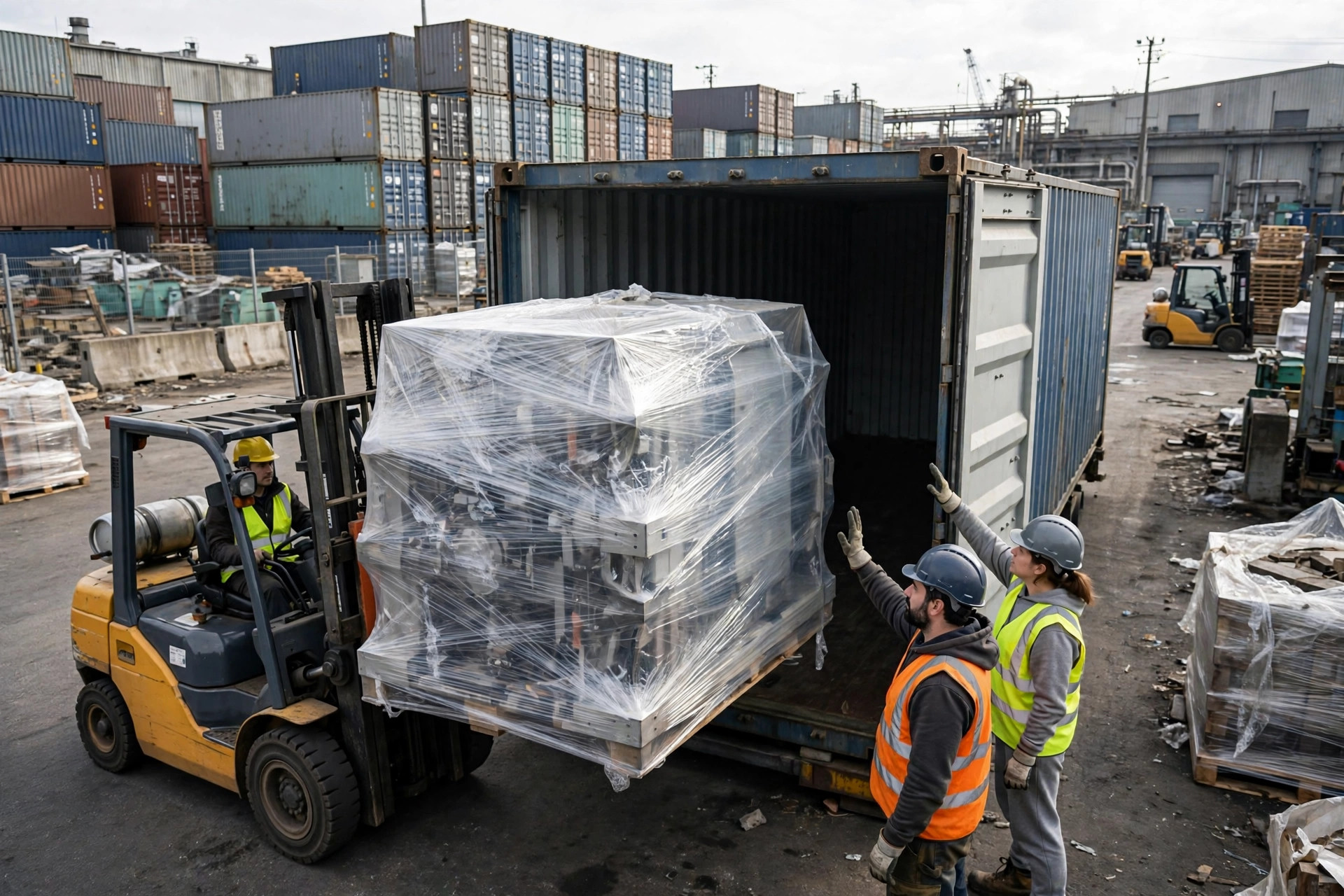
In 2021, a client — an auto parts distributor warehousing in Chino — signed a $460,000 contract for a four-way shuttle system from a Chinese factory. The factory wanted 50% down by TT wire, balance due before the ship sailed. I talked him into renegotiating: 30% down, a mid-term payment after pre-shipment inspection, and the final 20% held until the container landed at the Port of Los Angeles and passed his own inspection. Two years later that factory nearly shut down over cash flow problems. My client still tells people: thank god the balance wasn't paid up front.
Every year I still watch someone lose money on payment terms. TT, LC, DAP — forwarders and factories throw these terms around daily, but at signing time plenty of buyers realize they've never answered three questions: when does the money leave, when does the risk transfer, and who do you call when things go wrong.
TT: The Deposit Percentage Is the Easy Part
TT wire is the most common payment method and the one with the most traps. The industry norm is 30% deposit, 70% balance, with the balance due before shipment or against a copy of the bill of lading. Most factories quote exactly these terms on a first order. Note the word "quote" — it's an opening position, not a law of nature.
The percentage isn't the point. What matters is what leverage you hold after the money is gone. Between a 50% and a 30% deposit, the real difference isn't twenty points — it's how the factory treats you once paid. The more they've collected, the less power you have in a quality dispute. That's human nature, not a contract problem.
The structure I negotiate for clients usually breaks into three: 30% down to place the order, 40% after pre-shipment inspection passes, and the final 30% after the container arrives and clears receiving inspection. Factories balk at first, but order volume and a long-term relationship move most of them. Can't get all the way there? Hold the fallback line: balance against a copy of the bill of lading. With the B/L in hand, the goods are yours.
Two practical details. Split large orders into multiple shipments — a $400,000 system in two $200,000 lots halves your exposure. And don't let a few dozen dollars in wire fees warp your payment rhythm; split the payments the way the schedule demands.
The biggest enemy of TT is full prepayment. However convincing the pitch, wiring 100% up front to a factory you've never worked with is gambling. The worst case I saw: a buyer paid in full, the factory changed owners, the new owner disowned the old contract. The goods never shipped, and it took two years to recover half the money.
Is a Letter of Credit Worth the Money?
Big amount, new supplier, or a gut feeling about the factory — that's when a letter of credit earns its keep. The logic is simple: the bank stands in the middle and only releases money against compliant documents. No proper shipping documents, no payment.
You apply to your issuing bank, the bank sends the credit to the advising bank on the factory's side, the factory produces, ships, and presents documents, and the bank pays if they check out. Everything runs under UCP 600, the ICC's documentary-credit rulebook. Remember: banks deal in documents, not goods.
Cost is the hesitation point. Issuing fees generally run from a fraction of a percent to a little over one percent of the credit amount, most banks set a minimum of a few hundred dollars — check your issuing bank's current schedule. Each amendment starts around a hundred dollars, plus cable and advising fees. Under $100,000, an LC eats an ugly share of the deal; TT wins. My rule of thumb: equipment orders above $500,000, or a first big order with a new supplier — the LC money is well spent.
Two traps cost more than the fees. First, "soft clauses": the factory slips in documentary requirements you can't meet — a named vessel loading on a specific date, say. The sailing slips, documents don't comply, the bank refuses to pay, and the factory uses that to pressure you onto TT. Read every clause at the advising stage; have your bank's document checker review anything uncertain. Second, time: the credit opens in one to three business days, but amendments, presentation, and examination stretch the chain — budget at least two extra weeks.
Bottom line: a letter of credit swaps bank credit for commercial credit. Pricey, but for a first big order with an unproven supplier, don't skip it.
EXW, FOB, DAP, DDP: Where the Line Falls, the Risk Lands
Trade terms draw the line for responsibility and risk — not price. Get it wrong and freight savings come back double elsewhere.
EXW, ex works: the seller does the minimum. Goods change hands at the factory gate; booking, export clearance, transport, insurance — all yours. The quote looks cheapest, but you need a reliable forwarder in China to catch every ball.
FOB, free on board: risk transfers the moment goods load onto the vessel. Two reminders: FOB is ocean freight only, and "on board" means mid-ocean loss or water damage is yours. Factories quote FOB cheerfully because their risk ended early.
CIF, cost insurance freight: the seller arranges transport to the destination port and buys insurance — typically minimum coverage, with risk transferring at the same point as FOB. Don't let "insurance included" lull you.
DAP, delivered at place: the seller delivers to your named destination and risk transfers only there. Worry-free in feel, premium in price. What DAP excludes is import clearance and duties — when the box hits Los Angeles, customs clearance, duty payment, and container pickup remain your job.
DDP, delivered duty paid: the seller covers even the import duties — the true turnkey. Two problems: the seller usually isn't a U.S. importer, so clearance runs under your name or an agent's, and tangled paperwork means finger-pointing when things break. Worse, duty hinges on your importer credentials and classification — a seller chasing a pretty quote may game the HTS code, and customs audits the importer of record. That's you. I recommend DDP only for small, standardized shipments with simple duty — never for big equipment orders.
My field ranking: with a forwarder you trust, take FOB and control transport and insurance yourself. If you'd rather not manage logistics, take DAP — give the seller the linehaul, keep clearance yourself. EXW only with people on the ground in China. DDP with caution. One iron rule: whoever controls a leg of the journey best should own that leg. Don't hand risk to the wrong party to shave a few thousand off a quote.
Insurance and Inspection: Small Money, Big Peace of Mind
CIF-bundled insurance is usually bare minimum. Lose a container and the payout barely covers your tears. FOB or CIF alike, buy your own all-risks cargo insurance, priced per your insurer's current rates. On a six-figure equipment order, it's the best-value money in the deal.
Three details decide whether the policy pays. Name yourself as the insured, not the factory — one fewer layer at claim time. Photograph everything at unboxing and notify forwarder and insurer at the first sign of damage, ideally within 48 hours — miss the window and the claim can be denied. Declare the full contract value. Under-declaring to trim premium means proportional payouts when disaster hits. You lose.
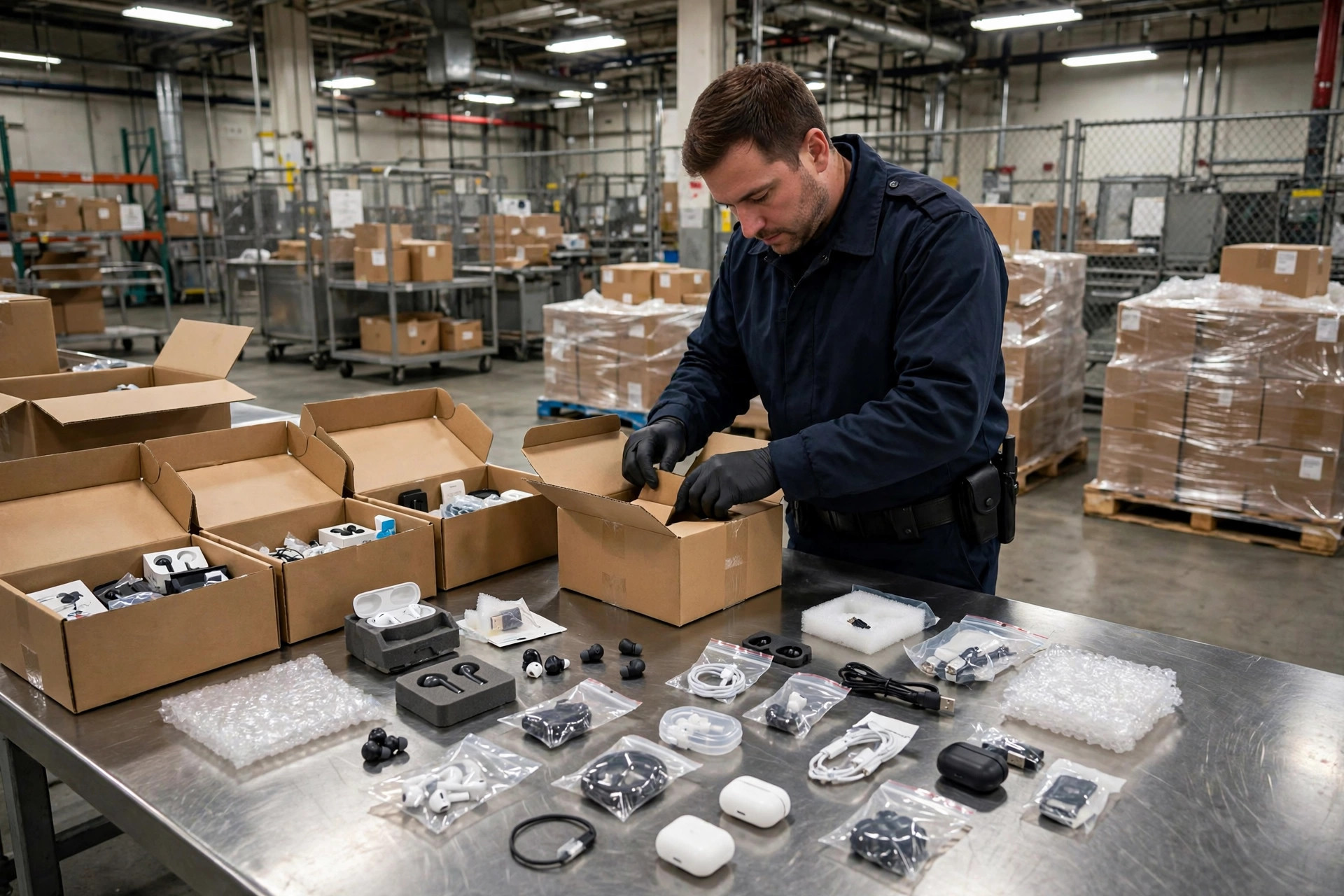
Inspection money works the same way. Third-party inspectors in China run roughly three to four hundred dollars per man-day; a pre-shipment inspection takes one to two days. Against a six-figure order, that's nearly free. Tie the report to milestones: mid-term payment only on a clean report, final balance only after your receiving inspection passes. Once a factory knows the gate exists, their own pre-shipment checks get serious.
One red line — the legal boundary. People ask: can the factory under-declare value to cut duties, or route through a third country to "wash" origin? Always no. Caught under-declaring, you face fines and seized cargo at best; a customs blacklist and revoked importer privileges at worst. Origin fraud via transshipment is a federal matter. Legitimate duty savings exist: correct HTS classification, tariff engineering at the design stage, foreign trade zones for deferral, compliant duty drawback. I'll cover those separately. Each starts from truthful documents and honest declarations. Getting creative with payment and trade terms is fair game. Getting creative with the truth on a customs declaration is not.
Next time you negotiate an import contract, reorder the battle: payment milestones and balance percentage first, trade terms second, price last. A supplier who won't move on payment terms isn't worth chasing on price — because what costs you in the end is never the number on the quote. It's having no cards left after the money is gone.