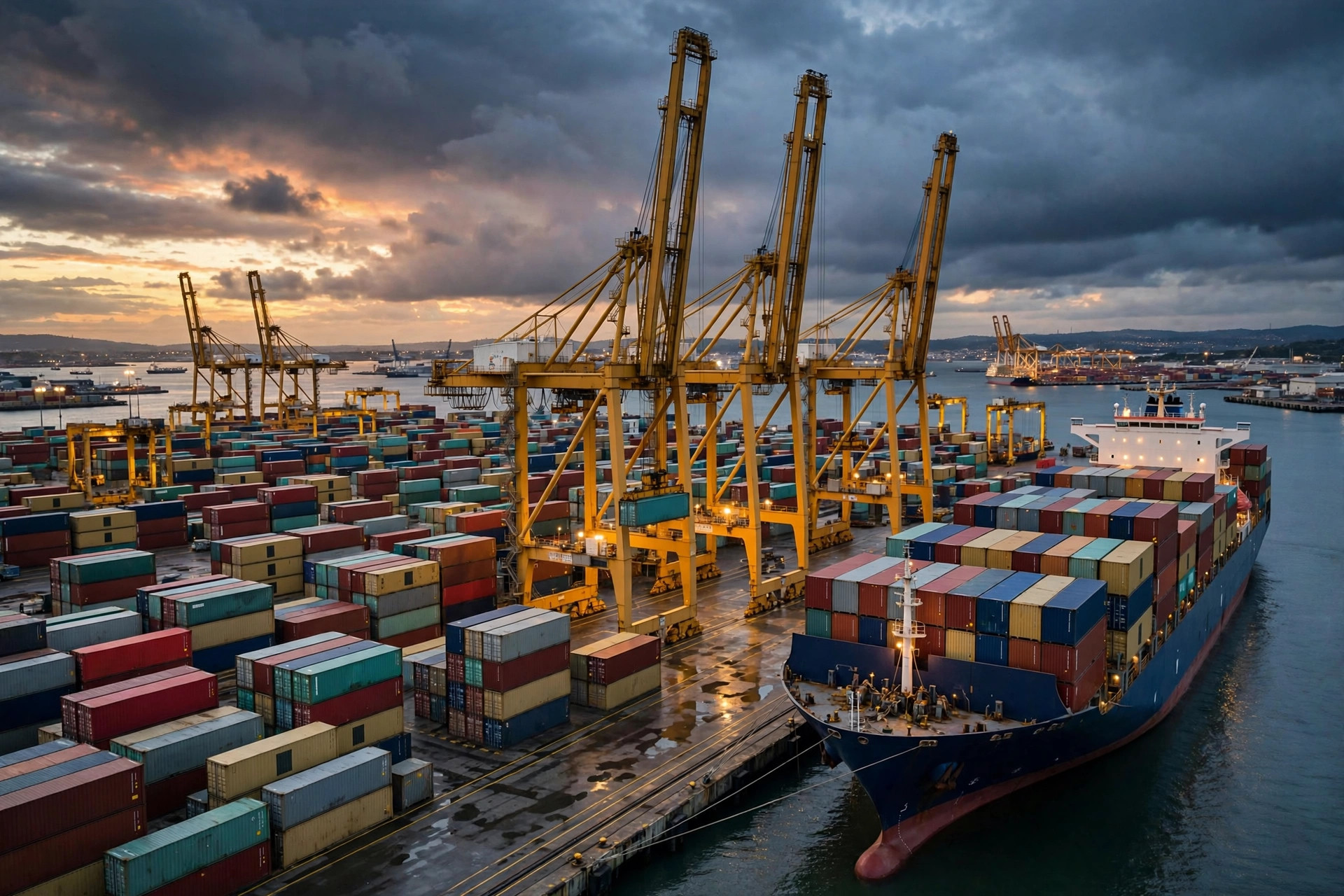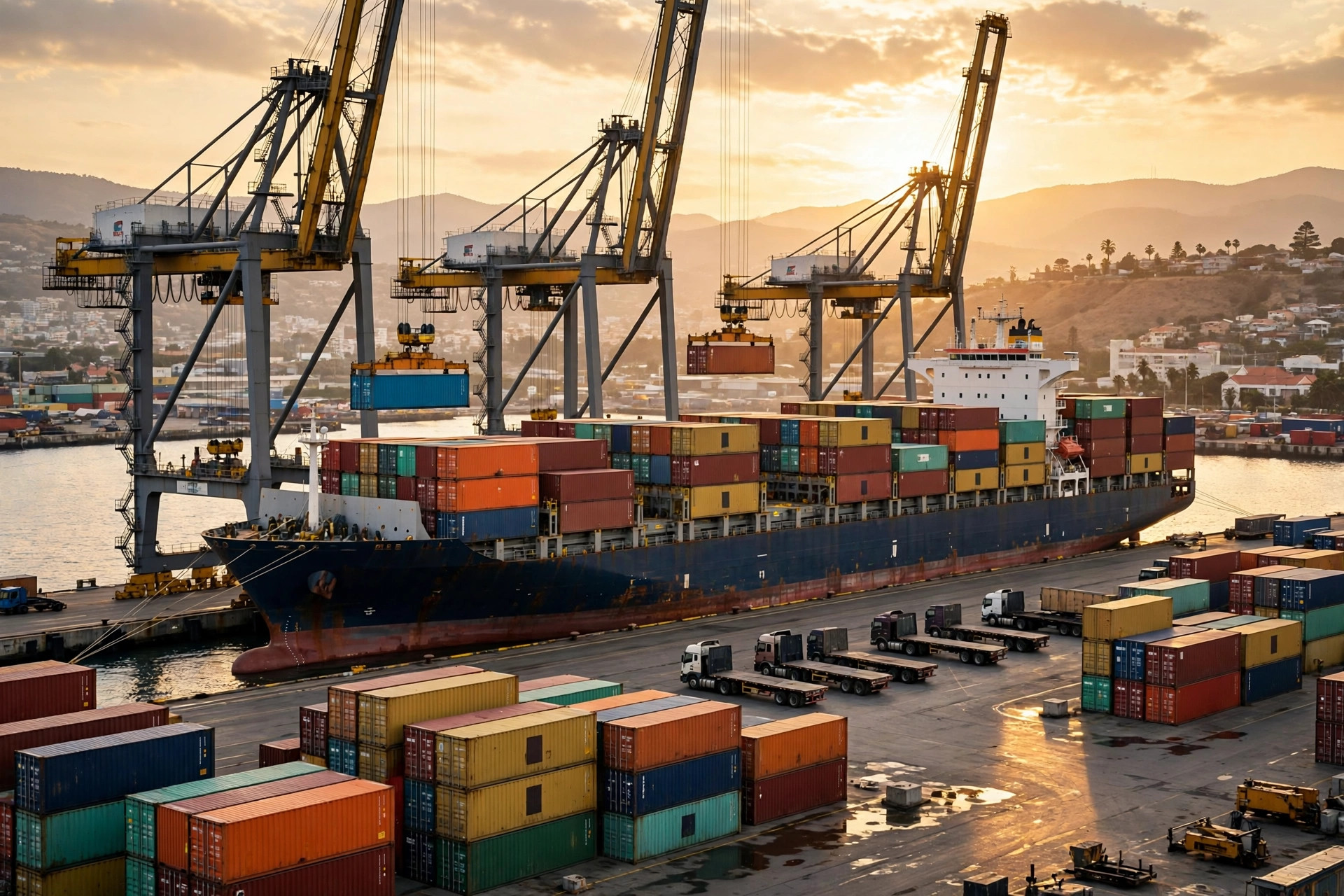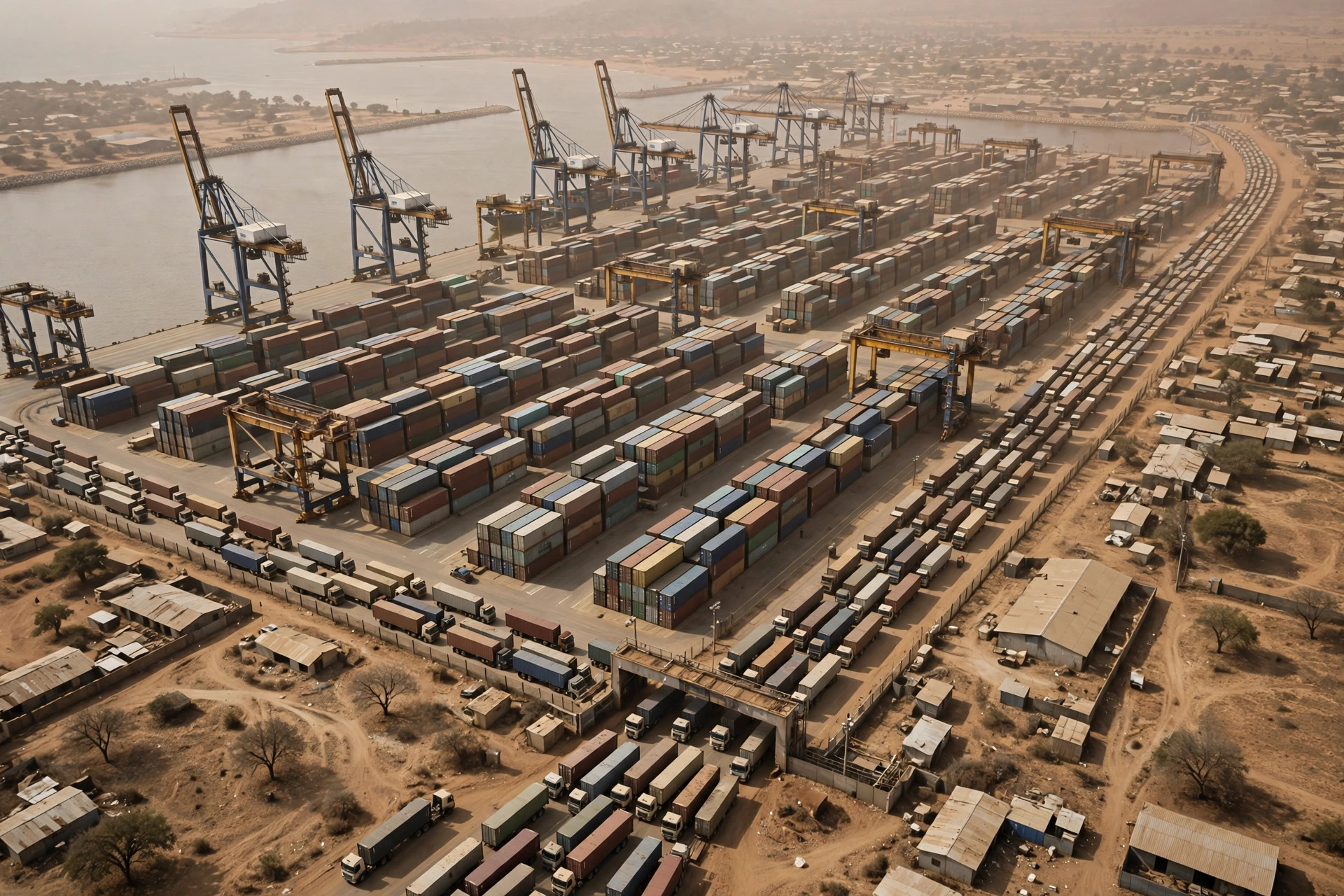
Let me save you the suspense: the transshipment playbook is dying in 2026, and it's dying loudly.
This July, U.S. Customs and Border Protection announced it had uncovered more than $1 billion in evaded duties under EAPA — the Enforce and Protect Act — in a single year. That's a first in the program's ten-year history, running 300% above its annual average. The same announcement listed 14 notices of determination issued in 2026, spanning solar cells, pipes, wooden furniture, tow-behind lawn groomers, xanthan gum, and metal lockers. CBP investigators flew to Mexico, Thailand, India, New Zealand, and the United Kingdom to walk factory floors.
Translation: CBP didn't start enforcing this year. It just started enforcing at a scale nobody can ignore.
How they actually catch you
I've watched this game from the warehouse floor for twenty years. The enforcement toolkit has four layers, and each one has gotten sharper.
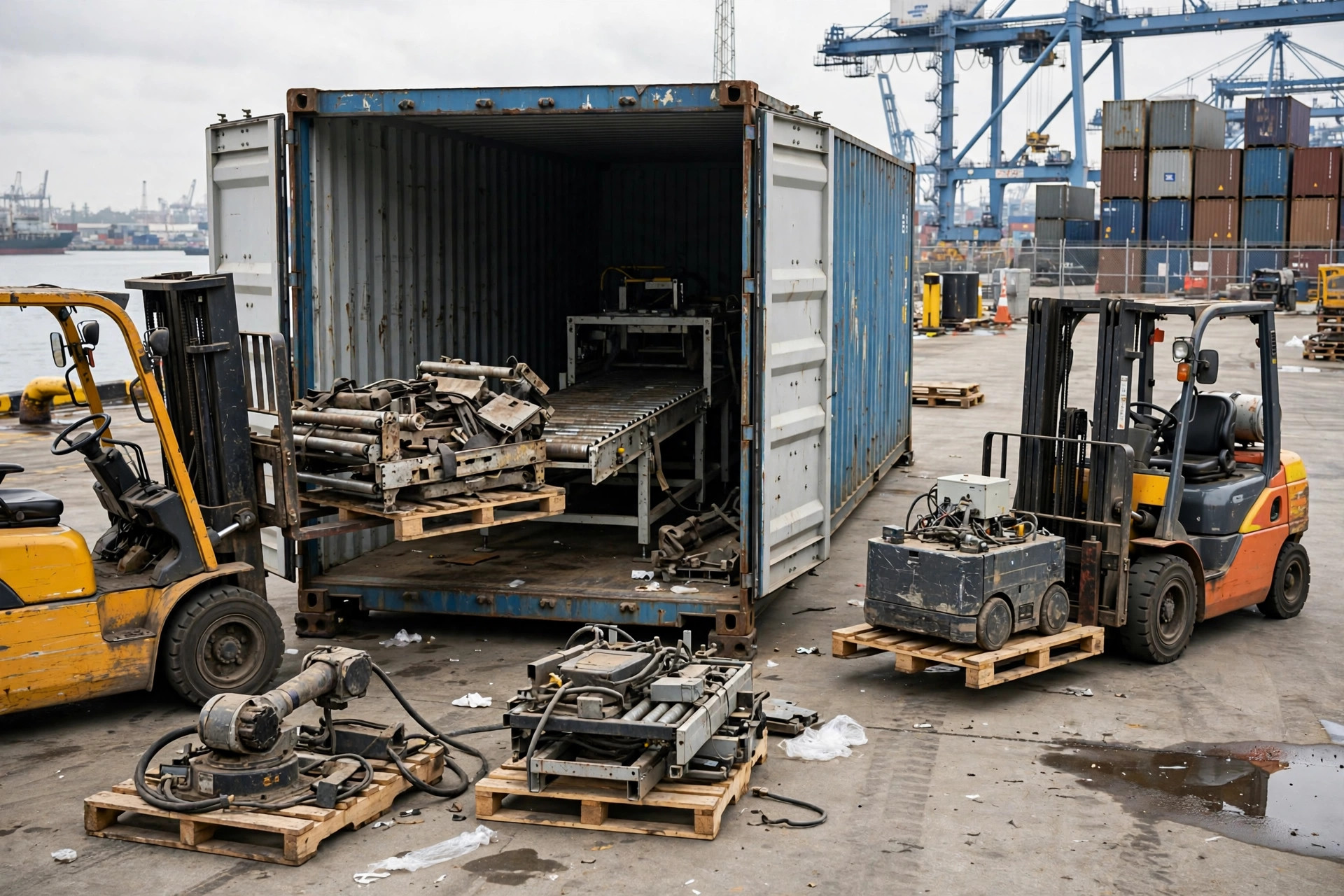
The first is data. Your entry filings, bills of lading, certificates of origin, and commercial invoices all feed CBP's targeting systems. When a country with no history of producing automated forklifts suddenly ships a surge of them to Long Beach, the system flags it. Then comes the part importers underestimate: CBP can demand production records — electricity consumption, headcount, raw material purchases. A real factory and a relabeling warehouse look nothing alike on paper.
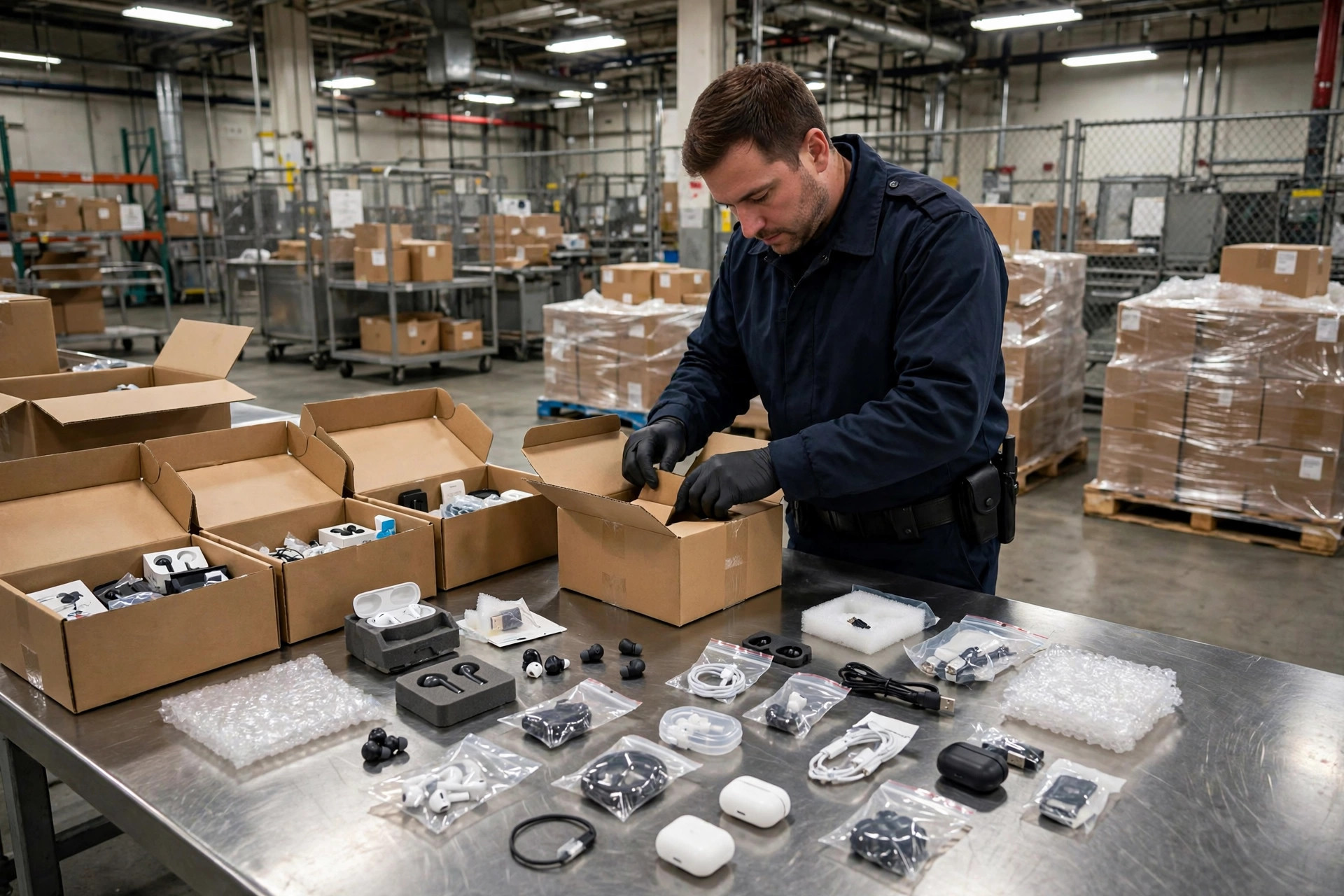
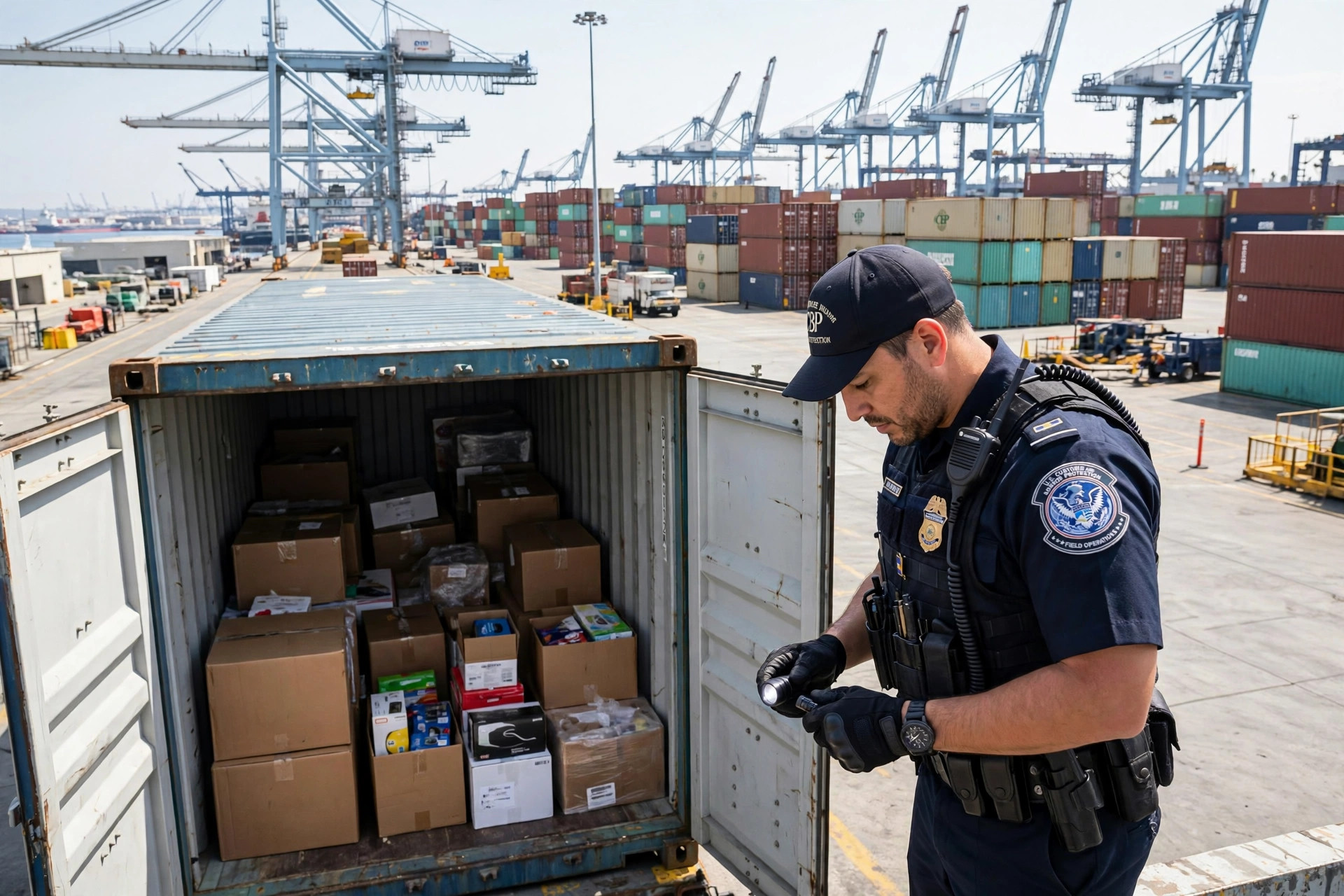
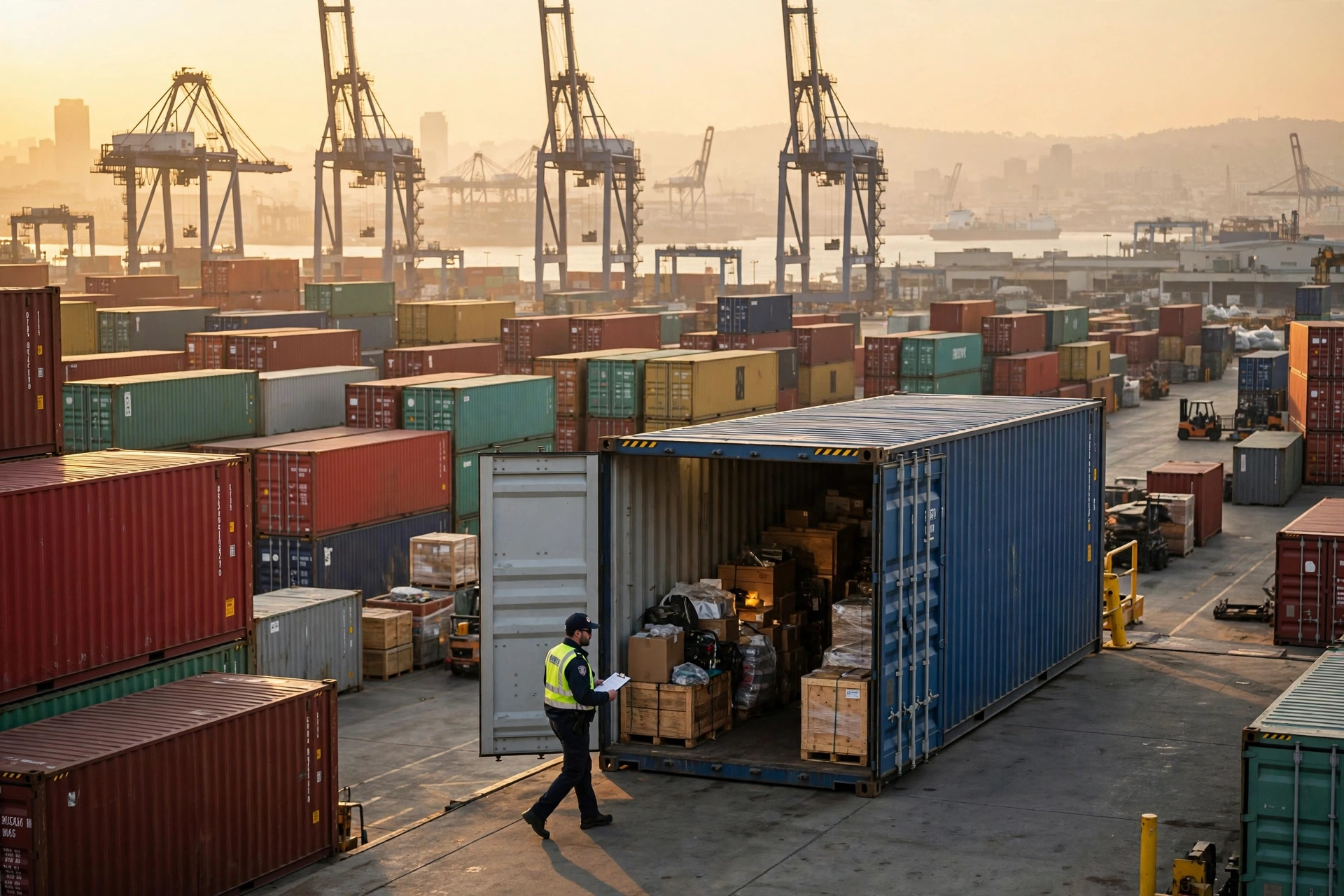
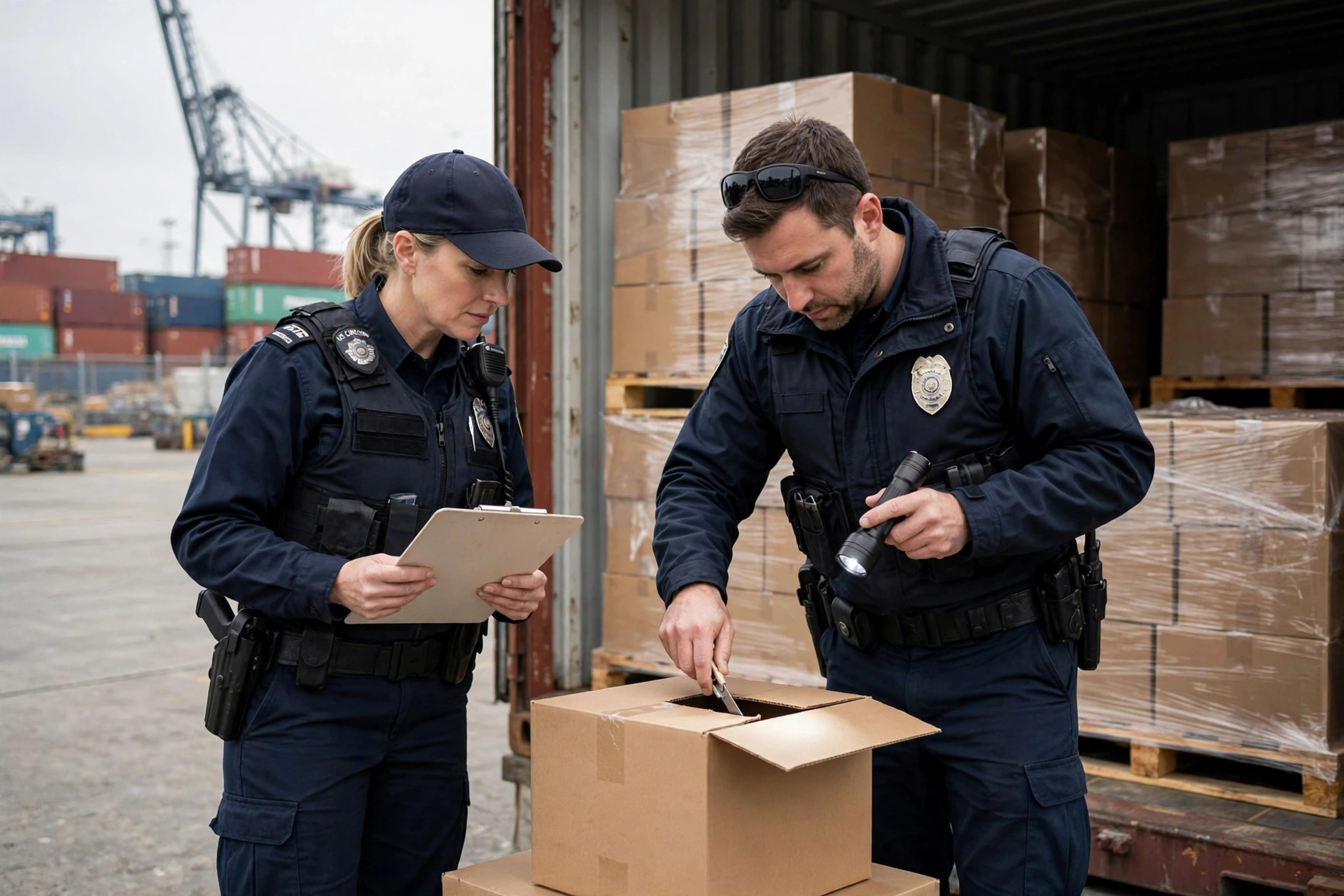
The second is the physical exam. At ports like Los Angeles and Long Beach, containers get pulled for X-ray and devanning every day. Officers don't just glance inside; they check markings, packaging, and product specs against the declaration. I've seen entries fall apart over a motor nameplate that still carried the original manufacturer's Chinese characters on goods declared as Thai origin. An earlier EAPA allegation followed the same script with Chinese-origin xanthan gum routed through Turkey and declared as Turkish.
The third is the overseas visit — the one that keeps transshipment operators up at night. EAPA gives CBP authority to send investigators to the declared country of origin and inspect the actual production facility. In 2026 alone, those visits covered Mexico, Thailand, India, New Zealand, and the UK. A building that only swaps cartons and labels does not survive a walkthrough.
The fourth is people. EAPA lets any interested party — including your U.S. competitors — file an evasion allegation, and the bar isn't high: the materials only need to reasonably suggest evasion is occurring. Add whistleblowers to that. In September 2026, an LED manufacturer paid $5.15 million to settle transshipment allegations brought to light by an insider. Your forwarder, your broker, your former employee — any of them can be the source.
What happens after they catch you
The EAPA clock is statutory, which means CBP can't slow-walk it and neither can you. Once an allegation lands, CBP has 15 business days to decide whether to open an investigation. Within 90 days of initiation, if there's reasonable suspicion, interim measures kick in — suspension of liquidation, single-entry bonds, cash deposits. A final determination is due within 300 calendar days, extendable by 60 in extraordinarily complicated cases. Note the nasty detail: during the interim-measures phase, there's no public notice. The case is already moving while you're still in the dark.
Then come the penalties, and this is where the math turns brutal. Under 19 U.S.C. 1592, CBP classifies violations into three tiers, with maximums set out in 19 CFR 162.73: fraud tops out at the domestic value of the merchandise — not the duties you dodged, the value of the entire shipment. Gross negligence caps at the lesser of the domestic value or four times the lost duties. Negligence caps at the lesser of the domestic value or twice the lost duties.
Run the numbers on a container of AGVs worth $500,000 with $200,000 in evaded duties. A fraud finding puts the penalty ceiling at $500,000 — and you still owe the duties. That's the real price of the scheme: you're betting the whole shipment to save a fraction of it.
Two things make 2026 worse than any prior year. First, the Trade Fraud Task Force. Launched jointly by DOJ and DHS on August 29, 2025, it runs civil and criminal enforcement in parallel and topped $1 billion in recoveries, penalties, and forfeitures before its first birthday. In April 2026, DOJ stood up a dedicated Global Trade and Commerce Enforcement Section for criminal customs fraud. Your case file may now sit on a criminal prosecutor's desk, not just a CBP officer's. The 2026 settlement docket backs that up: $53 million against one U.S. company for misclassifying Chinese automotive components, $12.4 million against another that declared quartz products as marble. Origin isn't the only thing in the crosshairs — classification and description are too.
Second, non-cooperation backfires by design. EAPA requires parties to respond to CBP questionnaires; refuse, and CBP may draw an adverse inference — deciding the facts against you. Hand over the documents and you might expose the scheme; withhold them and you lose by default. It's a rigged choice, which is exactly why the only winning move is not to play.
There is one escape hatch, and it has a deadline: prior disclosure. Come forward before CBP opens a formal investigation, pay what you owe, and the penalty collapses — fraud drops to one times the lost duties; negligence and gross negligence drop to interest only. Finding the problem yourself and sitting on it is the most expensive option on the menu.
The legal ways to pay less
Let me be clear about where I stand: I don't teach evasion. But duties are real money, and there are legitimate ways to lower the bill.
Start with HTS classification. A surprising number of companies overpay simply because the product was classified wrong. An AGV with an integrated navigation module and a plain electric pallet jack can sit in completely different tariff headings. A good customs broker who takes the product apart — function, construction, materials — and reclassifies from scratch is the cheapest duty-reduction project you'll ever run.
Then there's tariff engineering. Design the product with the tariff schedule in mind: change a component, swap a material, adjust the feature set so the finished good legitimately lands in a lower-duty heading. Big importers do this as routine product development. It's fully legal; it just requires the product team and the compliance team to talk to each other early.
Understand the substantial-transformation boundary. The law does allow origin to change when goods undergo genuine, substantial manufacturing in another country. The operative word is substantial: swapping cartons, relabeling, and light assembly don't count. CBP polices this line aggressively, so don't freestyle it — get a ruling or a legal opinion before you bet a supply chain on it.
Finally, turn compliance into an asset. C-TPAT certification, complete supply-chain records, and a long-term working relationship with your broker all count as mitigation if something goes wrong, and they lower your exam rate when nothing does. CBP's resources are finite; targeting skews toward high-risk importers. A clean compliance record is the closest thing to an invisibility cloak this system offers.
Here's the question I'd take back to your office tomorrow: pull every bill of lading from the last twelve months and check whether the declared country of origin matches where your supplier actually manufactures. If anything doesn't line up, don't panic — get your broker and counsel to run an internal audit. Finding it yourself and having CBP find it are two very different price tags.