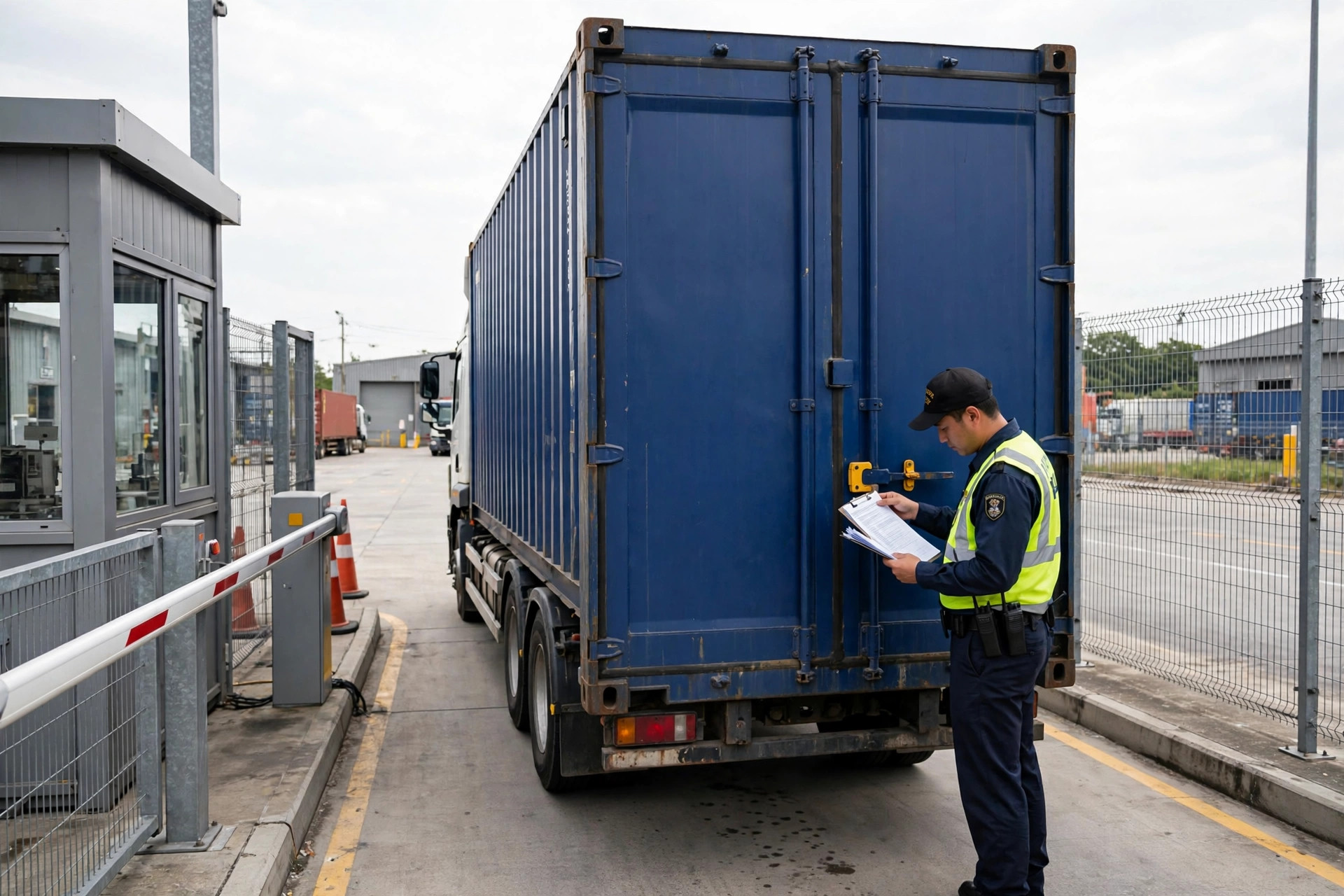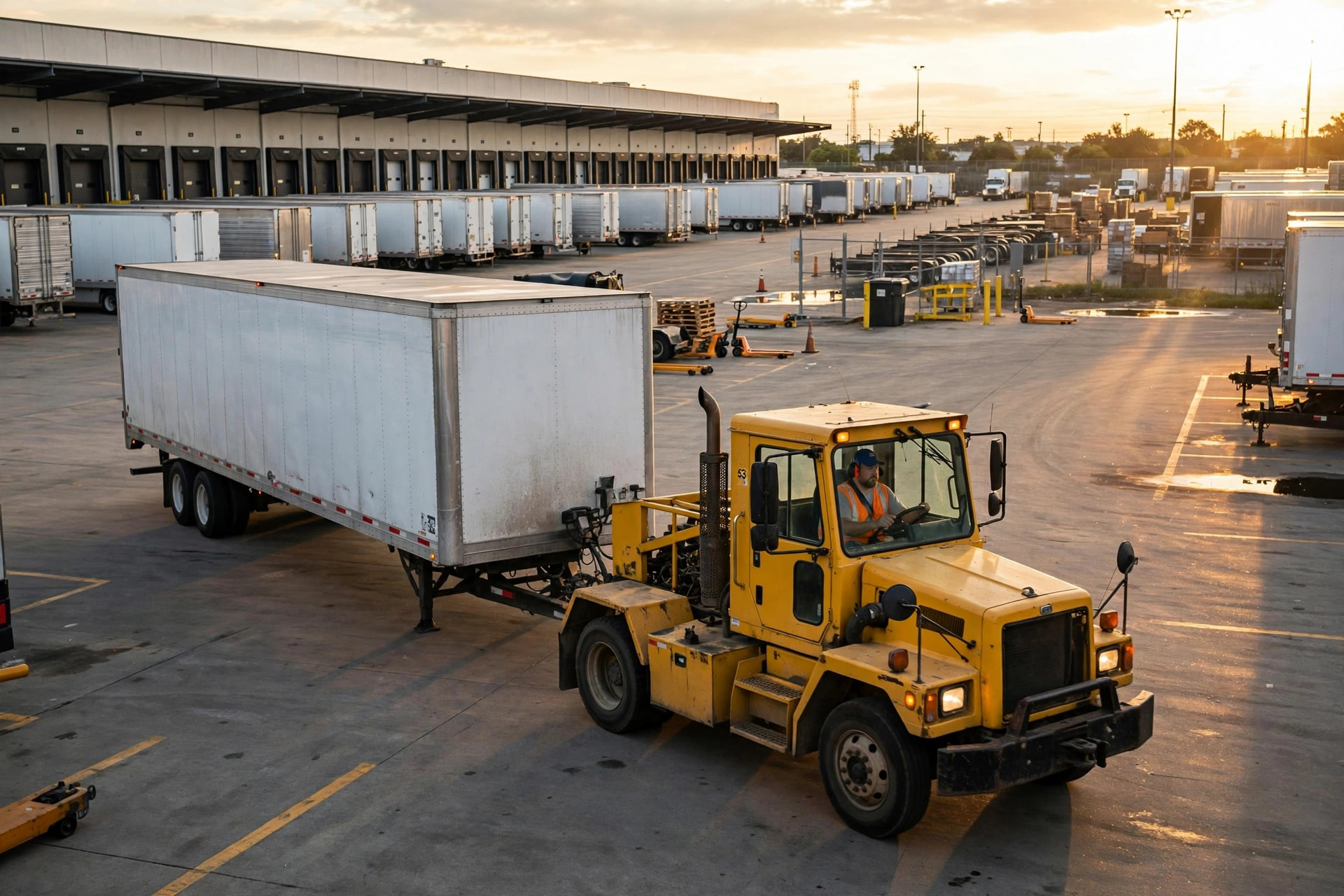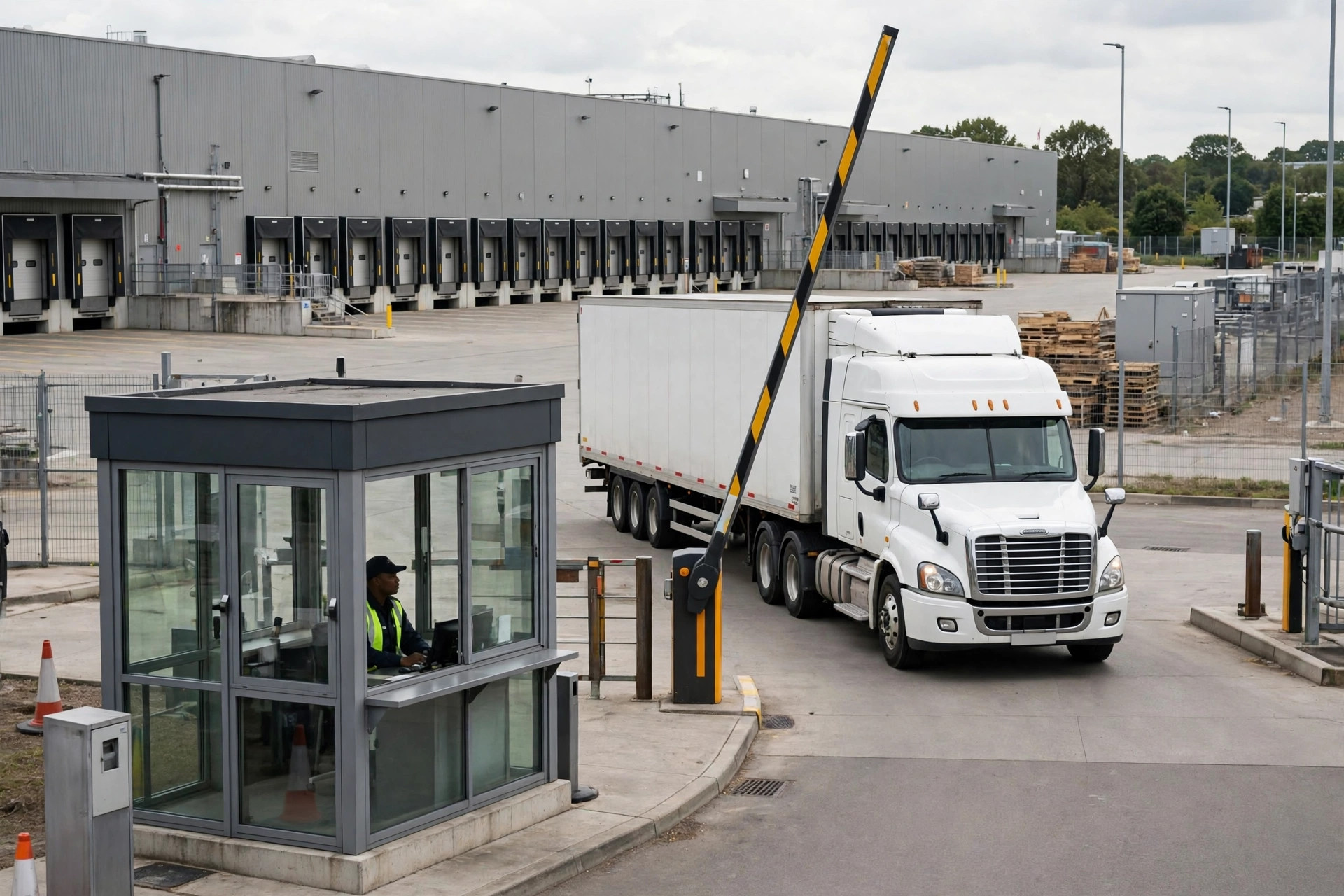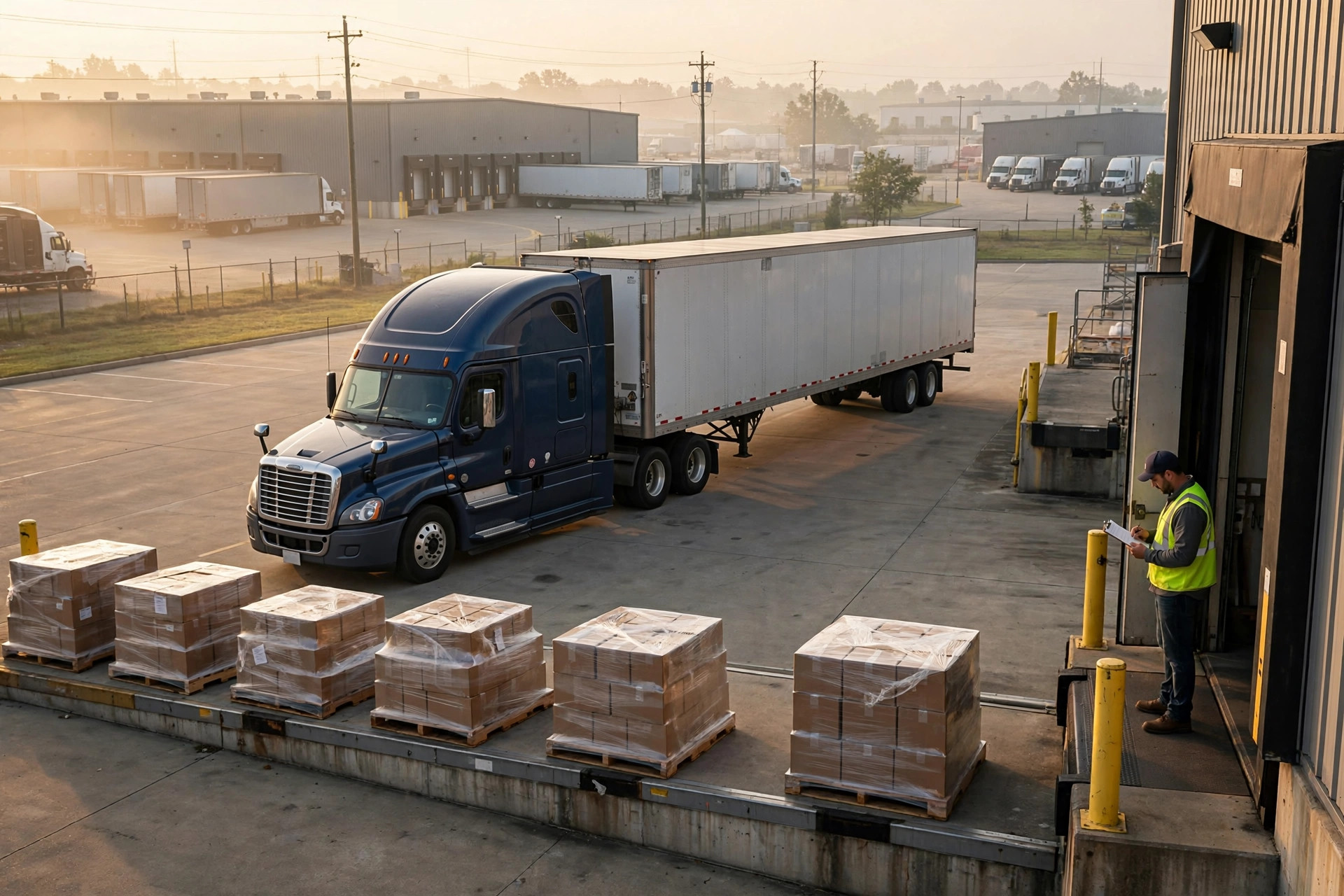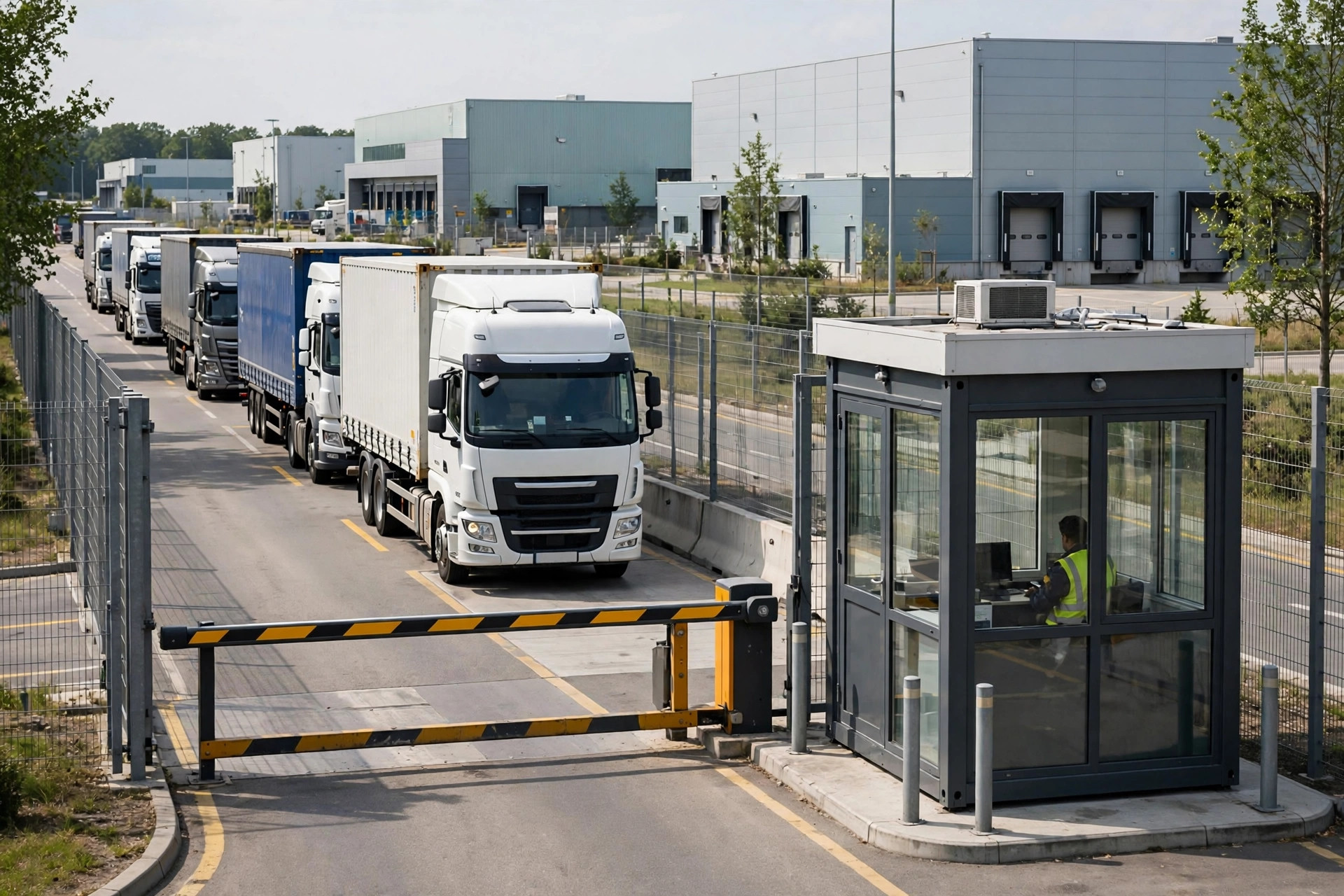
"Lao Mi, we lost a 53-footer in the south yard."
"Which one?"
"The one we unloaded yesterday. Plate ends in 77. Driver's been waiting at the gate for almost an hour."
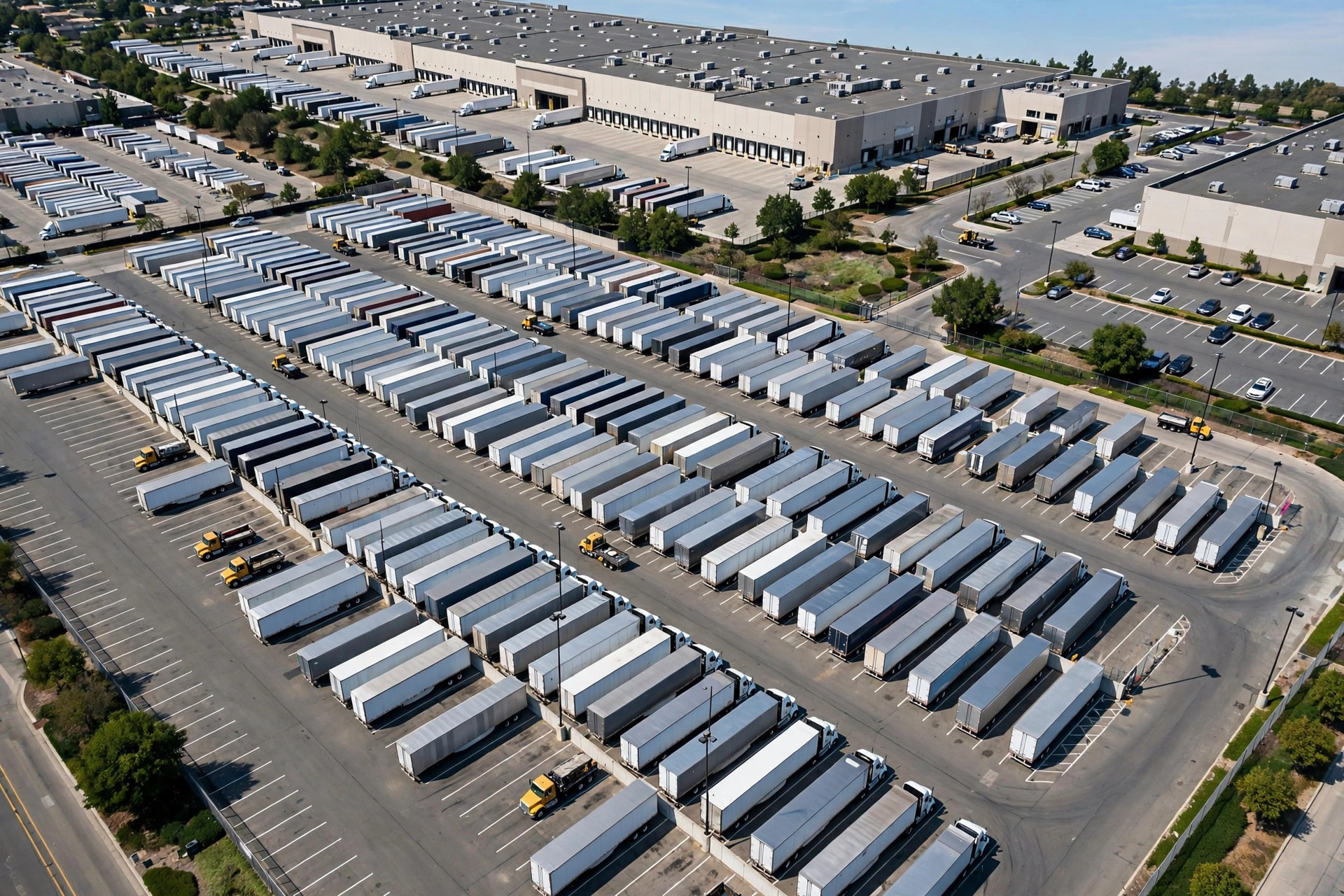
Two years ago I was on a project at a 3PL in Fontana, California. More than 150 trailers sat in the yard, and the dispatcher ran the whole operation off a printed spreadsheet. I heard some version of that radio conversation at least ten times in a single month.
The drill was always the same: grab the paper sheet, walk the yard, squint at license plates one by one. Find it, and everybody cheers. Don't find it, and you're standing in the sun calling the night-shift driver: "Where exactly did you drop it yesterday?"
That company eventually bought a yard management system, and trailer lookups went from 40 minutes to 40 seconds. But I'm not here to sell you on software today. I want to start with the manual way, because it isn't useless. The real question is: at what scale does it still work, and when does it have to go?
How does the manual way actually work?
Strip it down and it's three things: a person, a paper sheet, and a radio.
Twice a day, someone — usually the dispatcher or the gate guard — walks the yard and logs every trailer: plate number, parking spot, status. Loaded, empty, needs repair, waiting to load — one box per trailer on a printed form. Back at the desk, the paper gets keyed into a spreadsheet, and that's the yard record for the day. Dispatch runs on the radio during the day: trailer comes in, the guard calls it out; a driver needs an outbound trailer, the dispatcher hunts through the spreadsheet for a spot.
Crude, sure. But it has virtues: it costs nothing, needs no training, and works on day one. And it works on exactly three conditions: a small fleet, a veteran who knows every plate by sight, and slow turnover. Few enough trailers that a walk-through takes half an hour. A dispatcher who glances at a plate and knows whose carrier it belongs to. Fifteen to twenty moves a day, slow enough that the spreadsheet keeps up with reality.
I've seen the manual way done well. A small warehouse in Riverside, under 30 trailers, dispatcher with seven years on the job. His sheet matched the yard almost every single day. The owner asked me whether he needed a system. I told him: not yet. Run this to its limit first.
At what scale does it break down?
My rule of thumb is blunt: 50 trailers is the line.
Under 50 trailers and no more than three gates, one veteran with a clipboard can hold it together. Above that, three problems come for you in turn.
The first is people. The yard-walker calls in sick, a substitute covers the shift, and the substitute doesn't know the plates. The spreadsheet starts drifting from reality on the first handoff. A system held together by one person's memory falls apart the moment that person isn't there.
The second is peak season. Twenty moves a day in February, and the spreadsheet keeps up. Fifty moves a day in October, and the sheet is permanently half a day behind. The dispatcher is directing traffic from stale data while drivers park wherever reality puts them. The worst case I saw: a dispatcher sent a driver to pick up a trailer at spot B, and the spot was empty — another dispatcher had moved the trailer half an hour earlier and nobody wrote it down.
The third is accountability. Trailers get shuffled constantly: dropped after unloading, towed out for repair, empties pulled back in. In the manual world, nobody truly owns location accuracy, so the spot on the sheet and the spot in the yard disagree as a matter of routine. A lost trailer is a small problem — until it's a loaded one, and the customer's shipment misses its window, and the penalty is real money.
That Fontana 3PL, with 120 trailers, ran the manual way for two years and paid for the lesson the hard way: a loaded trailer sat in a far corner of the yard for 11 days before anyone noticed. The customer's freight was 11 days late, and the penalty payment was painful. They bought a system the next month. Honestly, that one penalty would have covered several years of software.
What does a trailer check look like once you have a YMS?
Let me be clear: a YMS doesn't make your yard accurate by itself. It's a tool. Making it work takes three things, and all three are non-negotiable.
First, spot assignment. Every trailer gets a spot at the gate, logged in the system. Who moved it and when — recorded. Half of location accuracy is process discipline, and the other half is this single act of assignment. I've seen companies go live on a YMS while drivers kept parking wherever they felt like it. That's not digital transformation. That's a spreadsheet with a nicer screen.
Second, automated gate data. Gate cameras, plate recognition, GPS pings — the system records which gate the trailer entered, where it parked, how long it's been sitting, with nobody writing anything down. This is where the software earns its keep: not a prettier interface, but replacing human memory with machine memory. The fewer things a person has to remember, the fewer things go wrong.
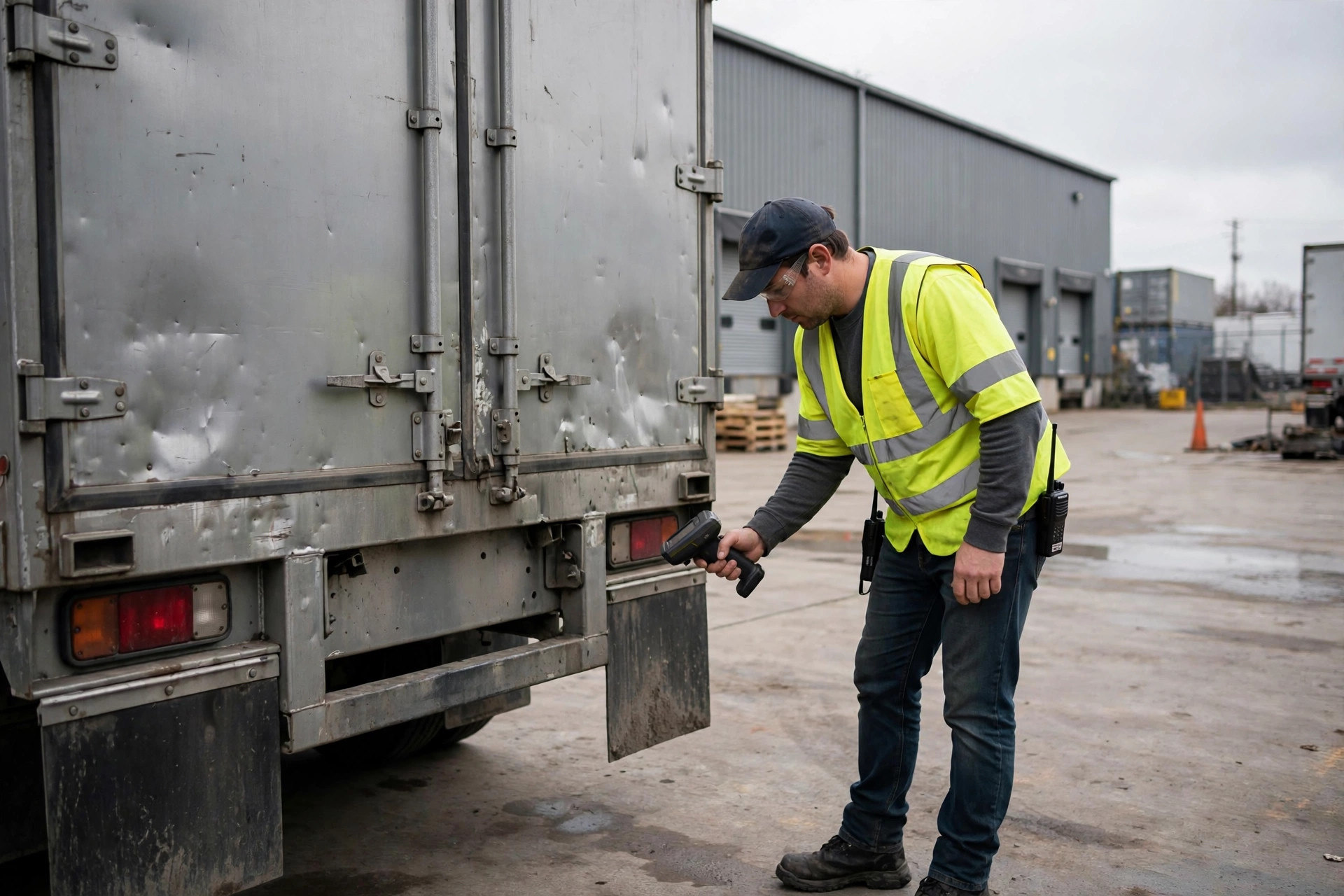
Third, tiered check frequency. Nobody walks the entire yard every day — that's neither necessary nor realistic. My recommendation: loaded trailers get checked daily, empties and repair-holds every two or three days. Prioritize the checks and the workload drops while the important spots actually get more accurate. And the check itself isn't a clipboard exercise anymore: scan the yard with a handheld, the system flags discrepancies on the spot.
One warning: a lot of companies go live and the first thing they build is a beautiful yard map dashboard. The map is for looking at. Accurate data is for running the business. Get to 95 percent on "every trailer has a location, every location has a status" before you touch anything else. The dashboard can wait three months. The sky won't fall. Bad data, on the other hand, turns the system into expensive decoration.
Do the math yourself
Let's do a rough calculation. Plug in your own numbers.
The manual way: one person spends two hours a day walking the yard. At around $20 an hour, over 260 working days, that's a little over $10,000 a year in labor alone. That doesn't count the hours lost hunting for trailers, the rework when dispatchers work off wrong sheets, or the penalty risk — and remember the Fontana case, where one penalty would have paid for several years of a manual crew.
The system: a yard management platform is priced by scale, but for a small-to-mid yard you're typically looking at low tens of thousands of dollars, plus implementation and training. Call the first-year total somewhere in that ballpark — get a real quote from the vendor before you budget.
So the math is simple. Under 50 trailers: manual costs you a bit over $10k a year in labor; the system amortizes to $20-30k a year. The clipboard is cheaper — as long as you can live with occasionally losing a trailer and the spreadsheet drifting during peak season. Over 100 trailers: the manual side needs more people and overtime, and the cost of delayed shipments from lost trailers piles up. The system wins easily.
The awkward zone is 50 to 100 trailers. My advice: squeeze the manual way dry first. Fixed walk times, one named owner, the sheet reconciled the same day, no exceptions. If it's still a mess at that point, buy the system. Money should go where it hurts. A system isn't better the earlier you buy it — it's better bought at the exact moment the manual way can't hold anymore.
I've done my version of the math. The rest is yours: how many trailers sit in your yard, how many moves a day, how long does one lost trailer cost you on average. Fill in the blanks, and the answer fills itself in.