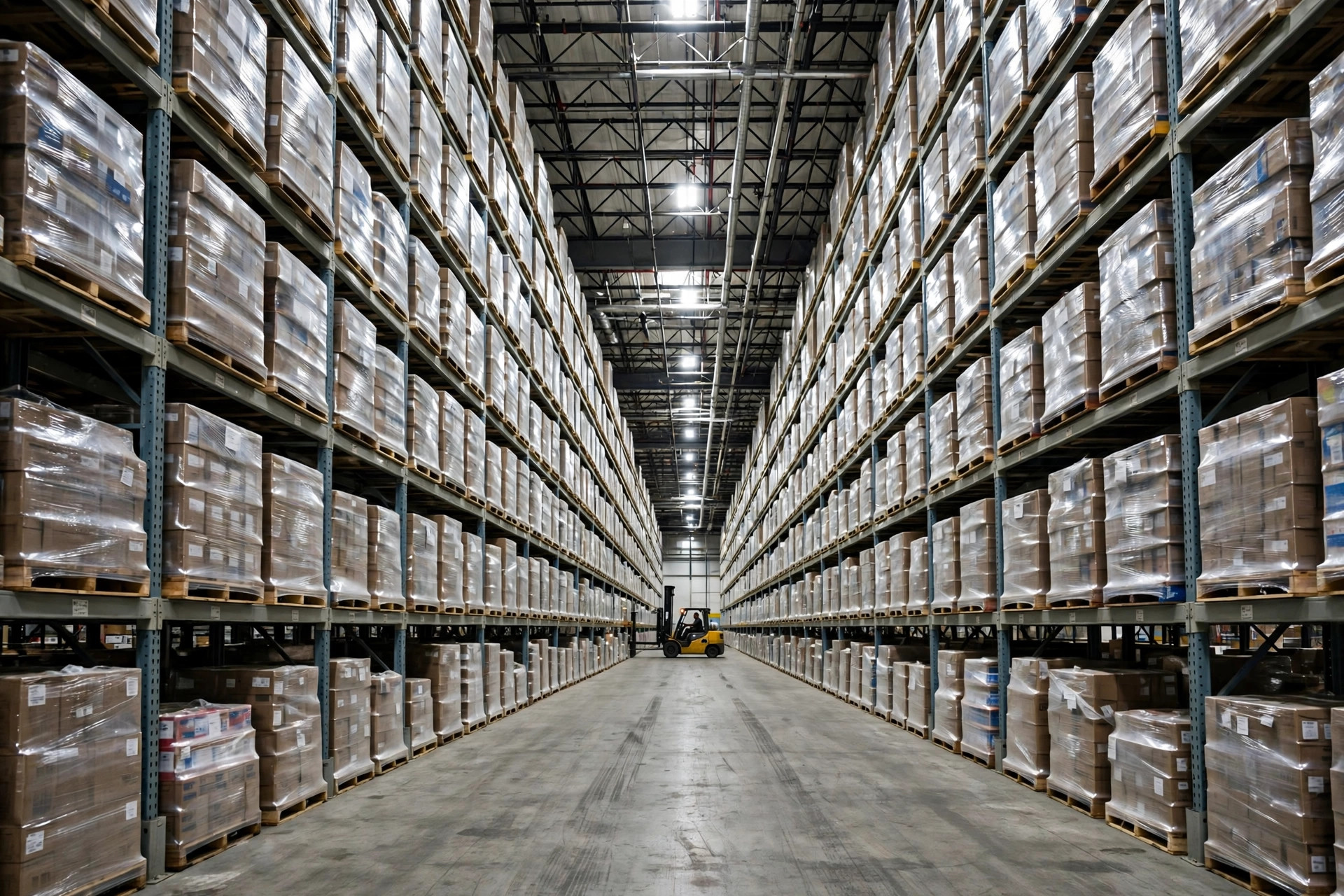
Eight in the morning. Four people from the client's audit team, laptops in hand, standing at our warehouse gate right on time. The lead opened with: "Manager Chen, we are looking at three things today: bin accuracy, fire safety, and whether anyone actually supervises the floor workers."
To be honest, being audited feels awful. But after that day I finally got it: with 3PL warehouse audits, if you do not audit before signing, everything afterward is a fight. I have managed warehouses for years — I have been audited, and I have audited others. Today I am pouring out lessons from both sides. Brothers, take this and use it.
Our Time Being Audited: We Nearly Lost a Big Client
June 2024. An e-commerce client shipping 2 million orders a year wanted to expand with us and sent an audit team. Day one went fine. Day two, they spent two hours in the returns area, and their faces went dark: returns piled up for half a month untouched, good stock mixed with defective, 3,000 units "pending QC" in the system that nobody was actually inspecting.
They sent a corrective-action letter the week after: fix it in 30 days or lose 40% of the volume. It took us three weeks — clearing the returns area, rebuilding the process, sending photo reports daily — to keep them. Lesson one from that ordeal: auditors do not care how pretty your PowerPoint is. They look at your messiest corner.
One more detail: the audit team deliberately showed up for the night shift, unannounced. The day shift floor was spotless; the night shift had crooked pallets and a forklift driver on his phone. After that we wised up: night shift holds the same standard as day shift, the shift lead walks the floor hourly and posts photos to the group chat. Do not wait for auditors to remember the night shift exists.
What to Audit Before Signing: One Checklist
Later, when we outsourced some volume and had to audit 3PLs ourselves, my pre-signing checklist was these 10 items:
- Bin accuracy: randomly count 50 bins on the spot. Below 98%, walk away.
- Fire safety: sprinklers, smoke detectors, extinguishers, fire lanes — one failure is a veto.
- Returns area: any backlog? Two-plus weeks of backlog means the process is broken.
- Systems: will they give you a read-only WMS login? If not, the data probably has ghosts.
- People: ask three floor workers "what is your KPI?" Blank stares mean mushy management.
- Temperature/humidity logs (for food/pharma): any gaps in the records?
- Dock: visit at peak. Trucks queued over 2 hours means bad scheduling.
- Insurance: show me the policy. Does coverage match your goods' value?
- Contract: are loss, mispick, and delay penalties written in? Not written, not signed.
- References: get two clients with 2+ years of history. Call them.

Item 4 matters most. To be honest, out of ten 3PLs, maybe three will hand you a read-only login. But the ones who do are almost certainly running clean books. The ones who stall and dodge — you can draw your own conclusions.
Item 10 embarrasses a lot of people; it feels like a background check. Let me tell you, it is the most valuable one. Three questions on the call: how many years together? What was the biggest incident? Would you renew? Three sentences, and you basically know that 3PL's true colors.
How Often to Audit During the Partnership: My Rhythm
One pre-signing audit is not enough. My rhythm during the partnership:
- Quarterly "light" audit: our own people, half a day, bin accuracy and returns area, no advance notice.
- Annual "heavy" audit: the full 10-item checklist, one week's notice.
- Anytime audit: loss rate over target two weeks running — we go that day.
The unannounced light audit works best. An announced audit only shows you the "prepared" version. Brothers, crude words, but true.
The Counterintuitive Part: Finding Problems Is Not the Point
I have audited seven or eight 3PLs, and there is a pattern: the first audit always finds problems. What separates them is the second visit — did they fix last time's findings?
One warehouse had 12 findings the first time; on the second visit, 11 were fixed. I would pay 5% more to work with them. Another had 8 findings, fixed zero, and added 3 new ones. That one I would drop no matter how cheap the quote.
So an audit verdict is never "are there problems." It is "do they fix them." A 3PL that does not fix things is not worth your audit time.
Three Reminders for Fellow Operators
- Always audit on-site. A video audit is no audit — the truth lives where the camera does not point.
- Bring someone who knows the trade. If you do not, hire a consultant for half a day. It costs less than one lost shipment.
- Get the other side to sign the audit report. No signature, no accountability when things go wrong.
To be honest, a 3PL warehouse audit is insurance against "what if." You will not need it most days. But the one day you do, it pays for all the effort. Brothers, take the checklist — next time you audit a warehouse, do not walk in blind.
By Chen Feng, Warehouse Operations Manager
The Three Spots Audits Always Miss
After all these years, I have learned that audits always miss the same three spots.
First, the charging area. Where forklift batteries charge, hydrogen accumulates — is ventilation enough, are no-smoking signs posted, are extinguishers in place? Many warehouses tuck the charging area into a forgotten corner that nobody thinks to inspect. But if something blows, it blows here first.
Second, fire separation between offices and storage. Plenty of small warehouses build the office right inside the warehouse with only a steel panel in between. Code requires a rated firewall between office and storage areas. This one catches almost everyone — eight out of ten small 3PLs fail it.
Third, do not only interview management. Management's answers are rehearsed. Ask the forklift driver: "When was your last safety training?" Ask the picker: "Do you know where the extinguisher is?" Floor workers' answers are the warehouse's true level. Brothers, remember this: paperwork can be faked. Workers' mouths cannot.