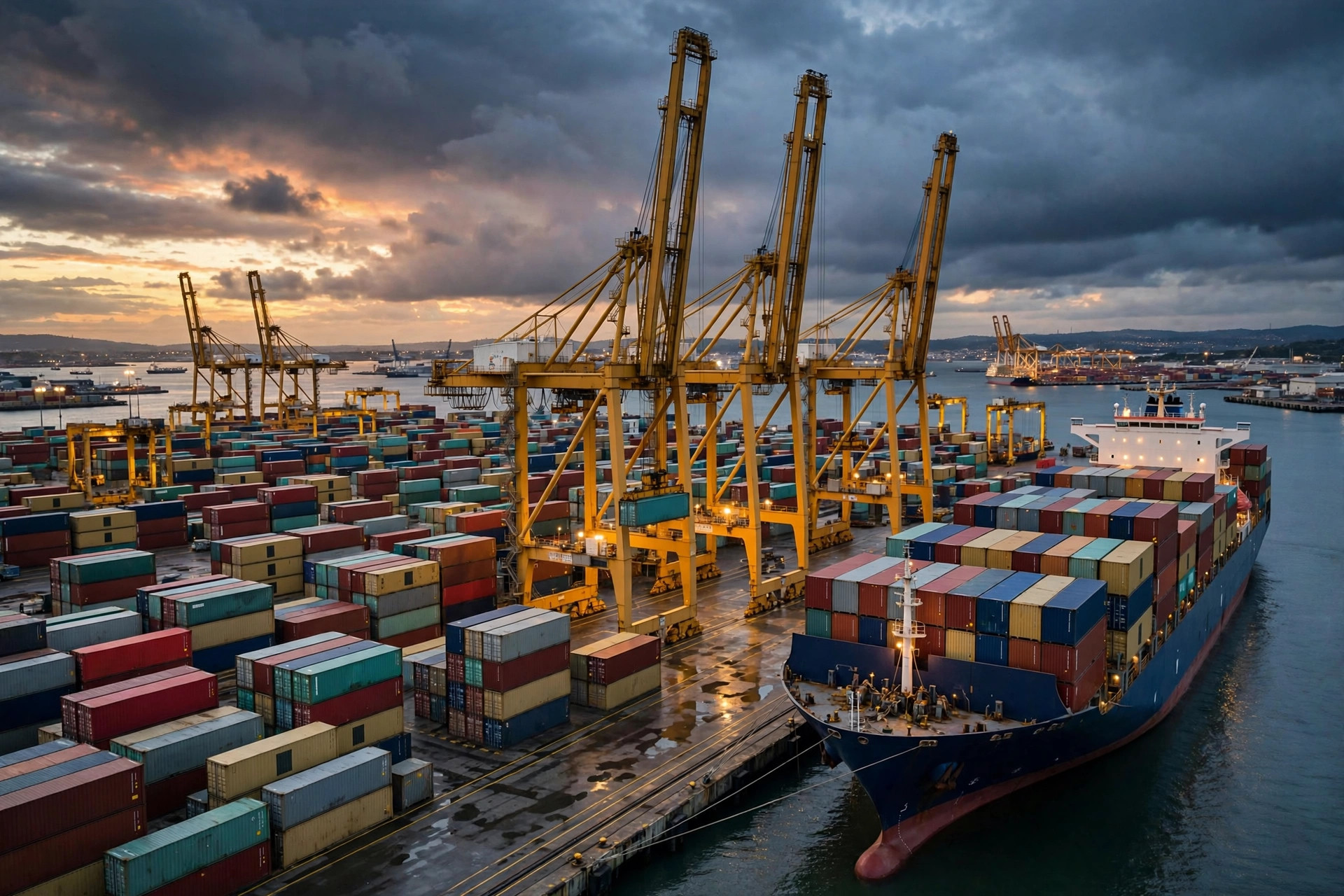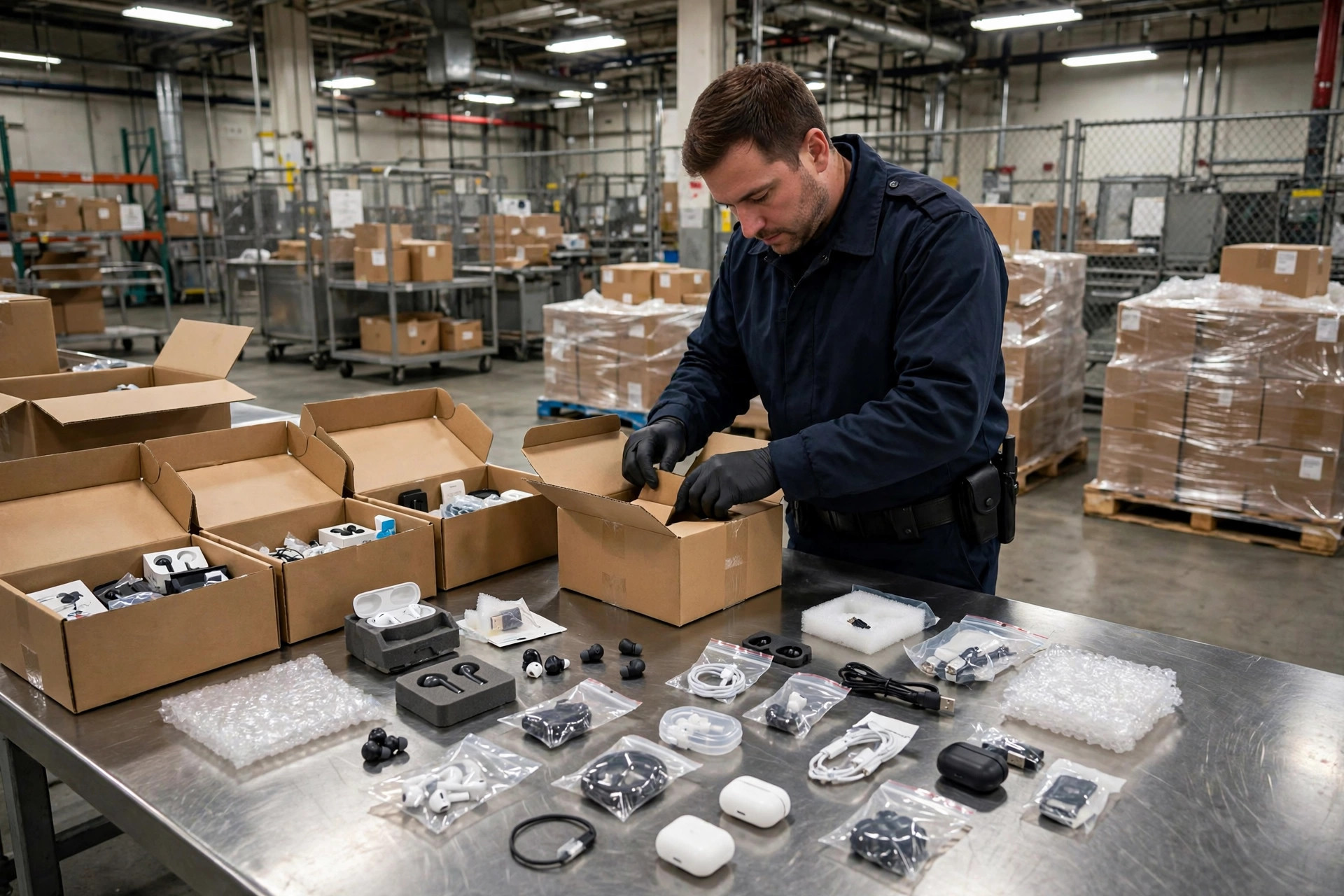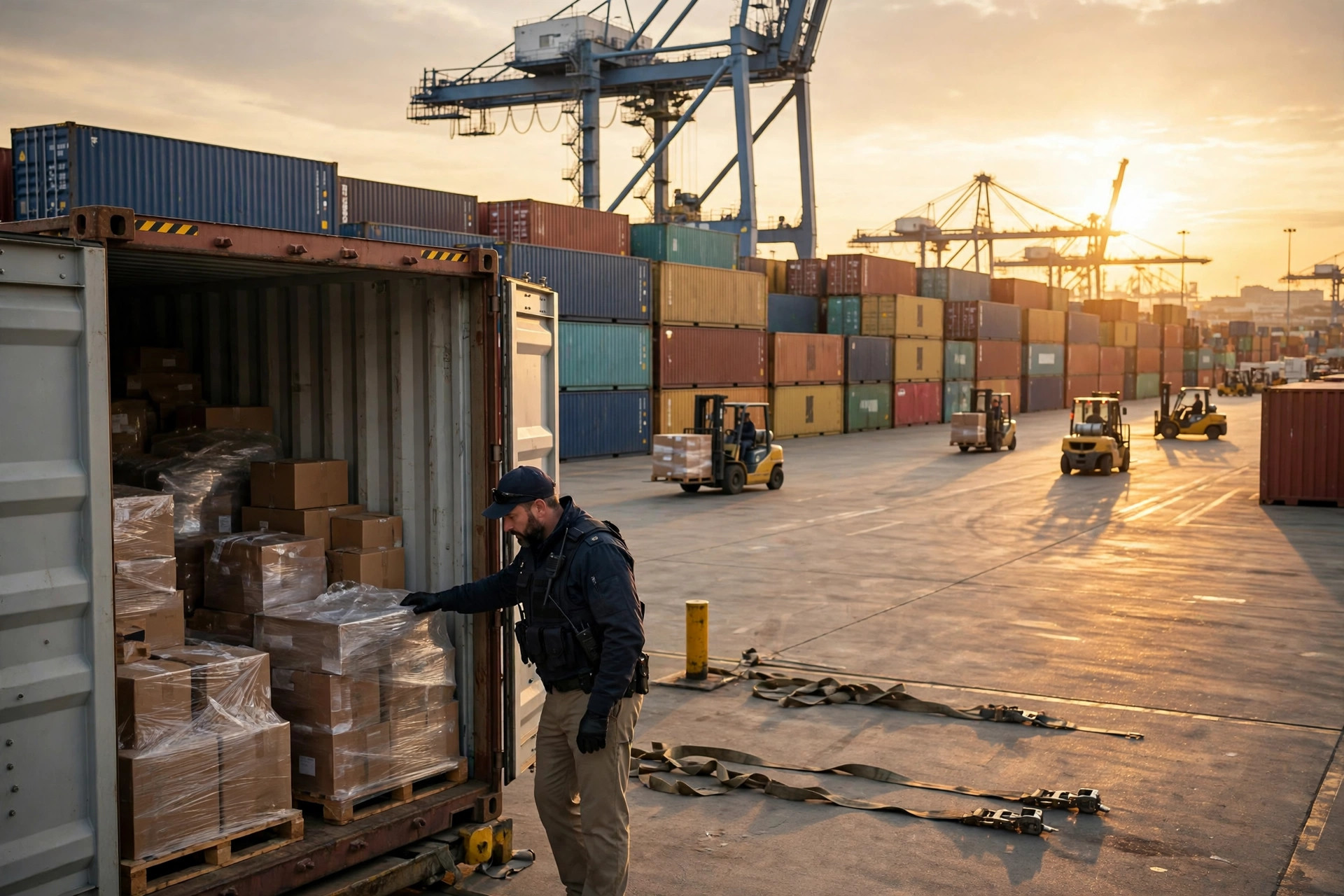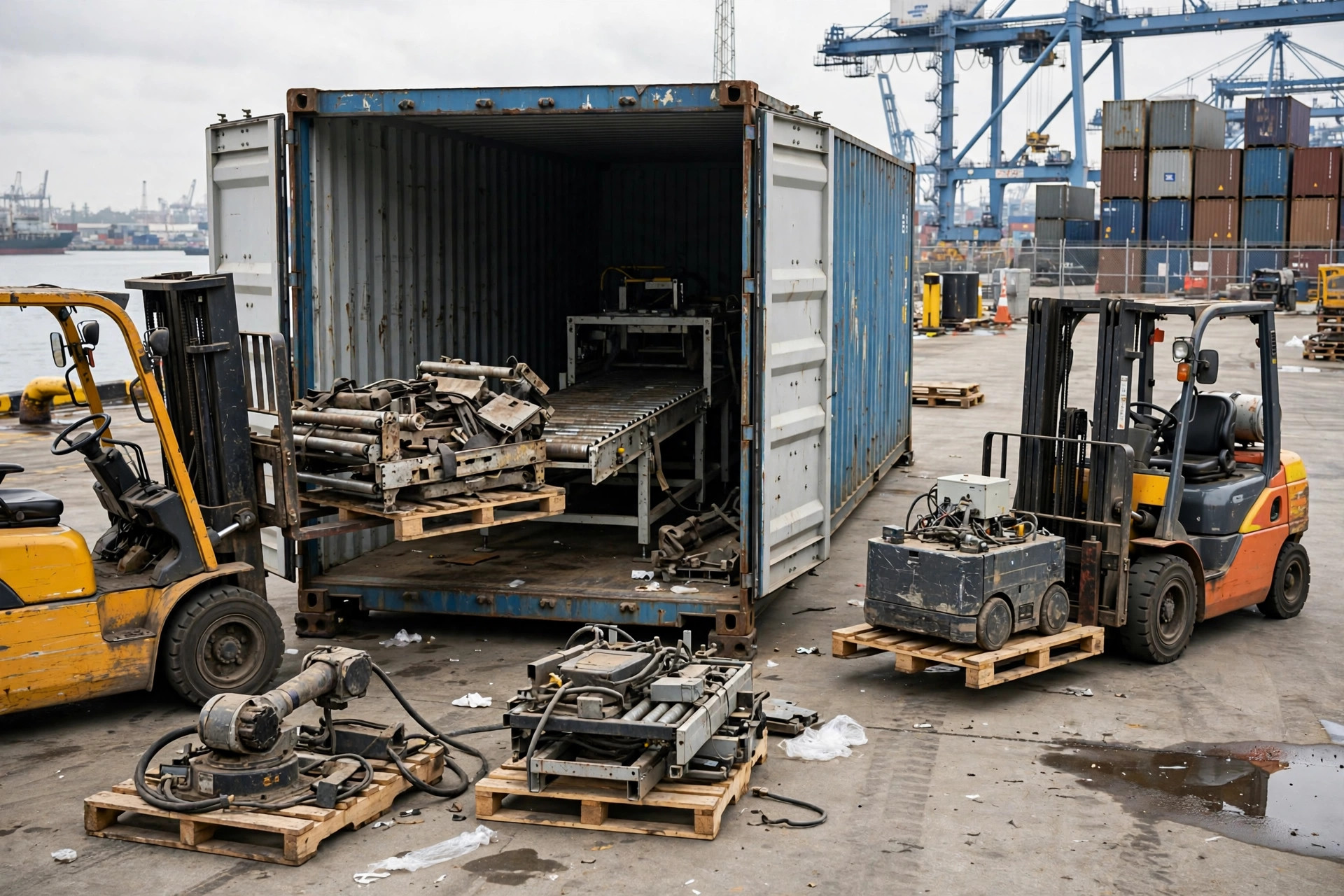
Last fall, a friend who exports pallet racking called me, voice shaking. An entire container of his racking had been held at a U.S. West Coast port.
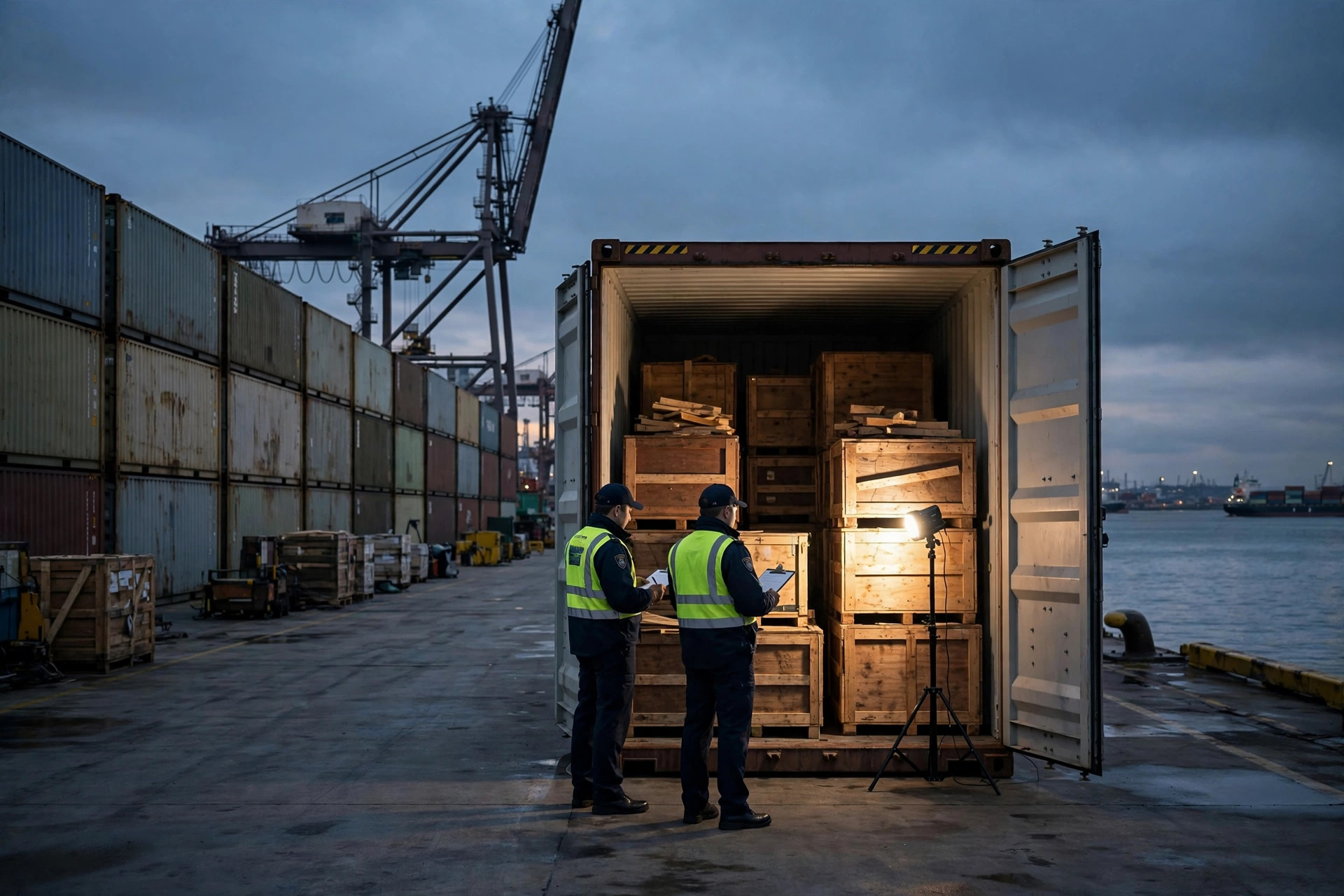
Here's what happened. With Section 301 tariffs eating his margins on Chinese-made racking, someone offered him a "route": ship the goods to Southeast Asia first, repackage and re-palletize them in a local warehouse, swap in a new certificate of origin, then ship to the U.S. declared as local product. The duty savings added up to real money over a year. He ran it for over a year without a problem — until last fall, when CBP opened his container at the port of discharge and went through the paperwork line by line: which Chinese factory the goods came from, who got paid for the ocean freight, whether the "factory" in Southeast Asia had any real assembly capability at all. The verdict was blunt: the so-called local processing was just a new outer carton. The country of origin was still China. Every cent of the 301 duties was owed, plus back taxes and penalties, and the container sat at the port for weeks while storage and demurrage charges piled on.
That's what this piece is about: which parts of the third-country assembly route are legal, and where exactly the line into illegality sits. The short version up front: routing goods through a third country is not illegal in itself. What's illegal is using a false origin to dodge duties. Everything after that sentence is detail — but it's detail that decides whether you save money or lose your business.
Repackaging Is Not a New Nationality
The U.S. determines country of origin using a standard called "substantial transformation." It sounds technical, but it asks one plain question: did the processing turn the goods into a new and different commercial product?
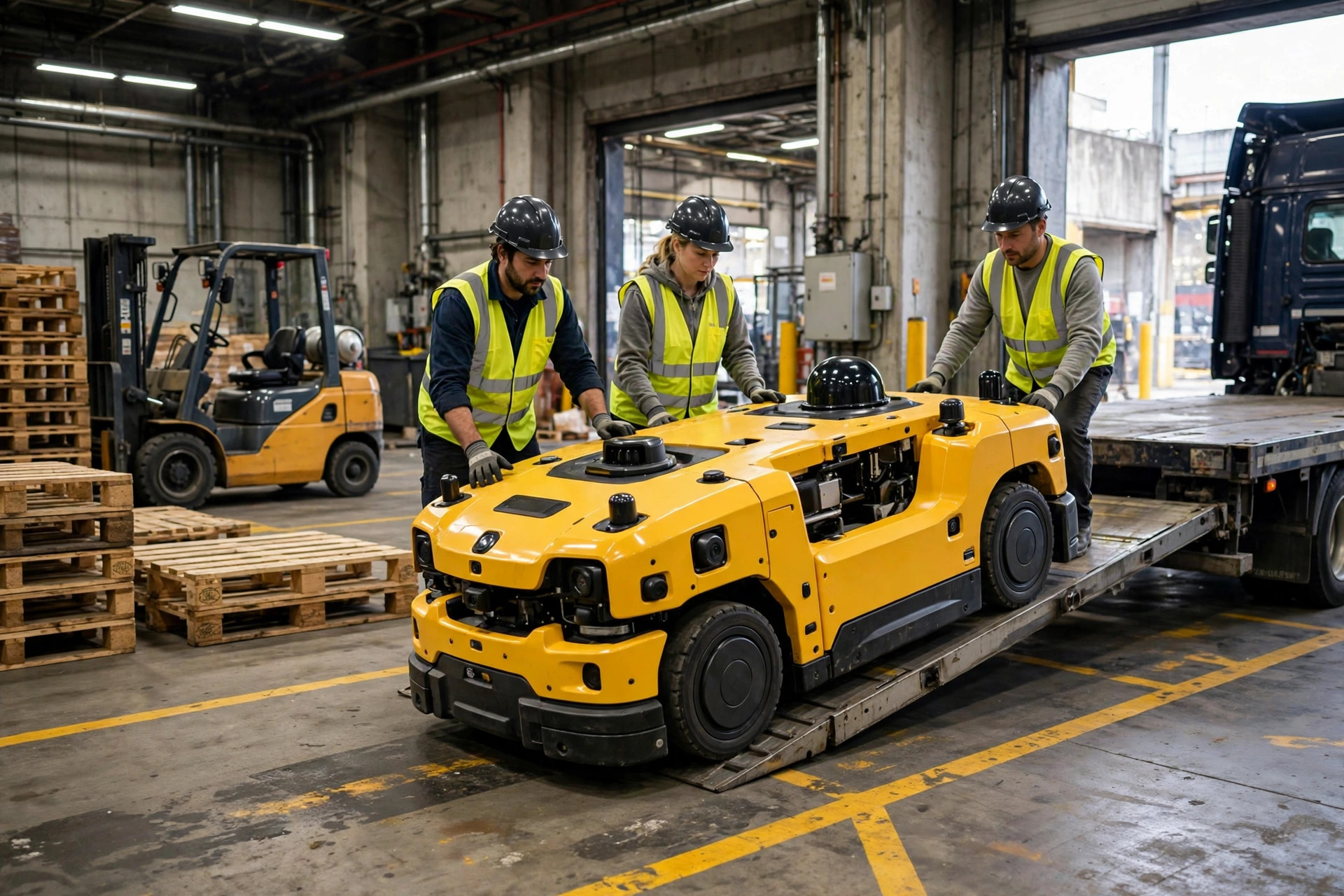
Take automation equipment. Shipping an AGV to Vietnam in pieces and bolting it back together doesn't count — what comes out is still the same AGV, same name, same use, same commercial identity. But shipping Chinese racking uprights and beams to Mexico, cutting, welding, and powder-coating them there, and assembling finished racking for export — that can qualify, because the raw materials and the finished product are commercially two different things.
CBP and the courts look at the nature and complexity of the processing, not how much money you spent or how many people you hired. A decades-old court test still rules today: after processing, did the product's name, character, and use fundamentally change? Simple assembly — "screwdriver assembly," bolting components into a finished unit — has never counted. The closer your third-country operation gets to tightening the last few screws, the less likely it is to be recognized as substantial transformation.
One practical detail most people miss: the burden of proof sits with whoever claims substantial transformation. When CBP questions your origin, you'd better have complete production records, process descriptions, and bills of materials ready. If you can't produce them, the call goes against you by default. So if you're genuinely doing substantial manufacturing in a third country, keep records from day one as if someone will audit them later — because they might.
My verdict is blunt: trying to save duties with a relabeling-style reroute is self-deception. CBP doesn't care what your certificate of origin says. It cares where the goods actually were, who handled them, and what work was actually done. All three leave trails in documents and money flows. You can't hide them.
Why Mexico Is Harder Than It Looks
A lot of importers pin their hopes on Mexico: close to the U.S., and the USMCA trade agreement sounds beautiful. But USMCA tariff benefits only apply to goods that genuinely meet its rules of origin — regional value content, tariff classification changes, hard requirements that have to be documented. "Passing through Mexico" gets you none of that. Haul a Chinese-built AGV into Mexico, swap the packaging, and ship it north: no USMCA benefit applies, and the 301 duties are owed in full.
Setting up a real factory in Mexico and doing genuine, substantial manufacturing there — that route is open, and the rules welcome it. But do the trade-off math honestly: plant investment, supplier base, workforce training, compliance costs. None of it is free. Mexico's industrial ecosystem has grown real muscle in recent years, but for automation equipment, the core components will likely still come from China or elsewhere, and whether you clear the regional value content thresholds has to be calculated order by order. Gut feel doesn't cut it.
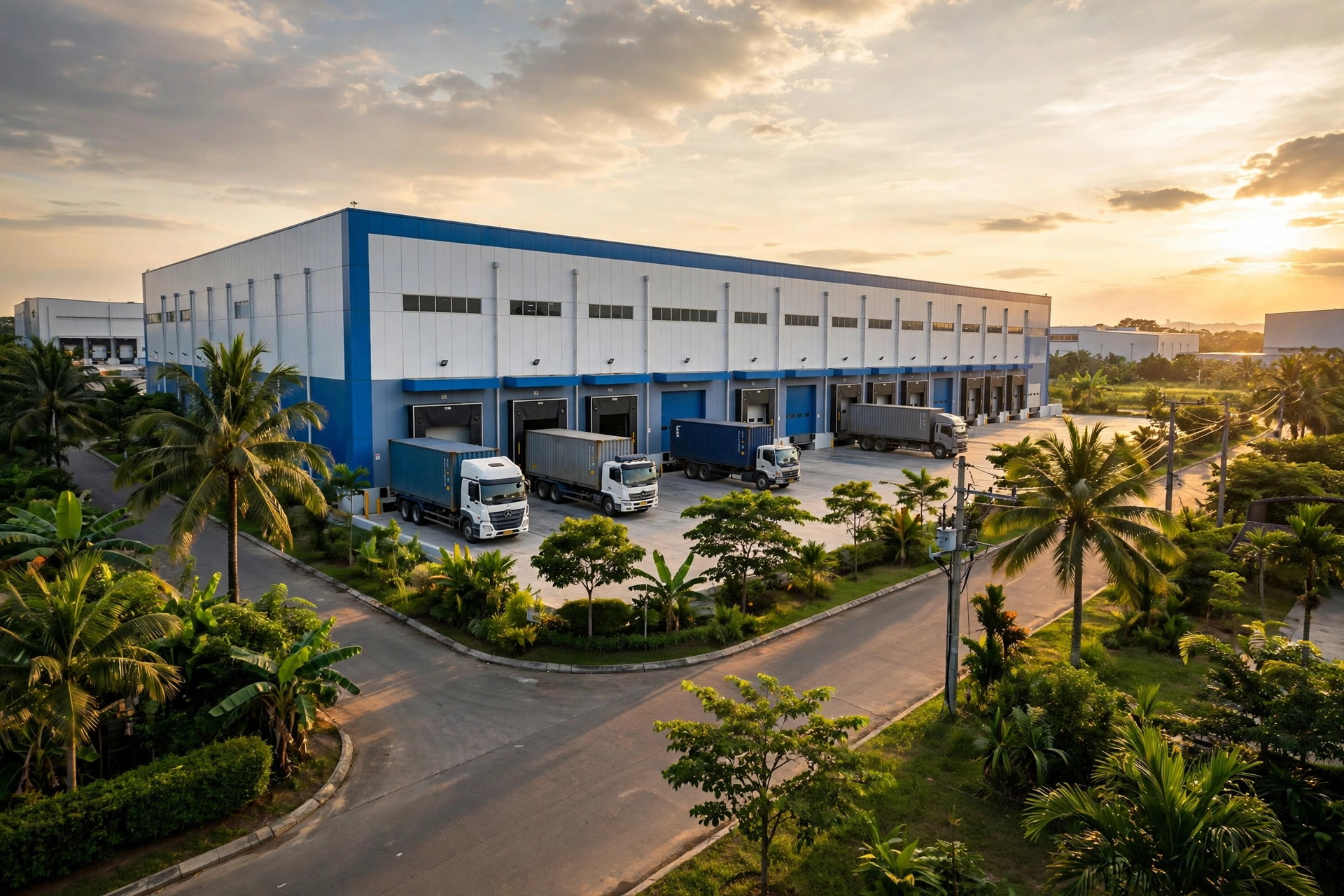
Southeast Asia is no different. Vietnam, Thailand, and Malaysia have absorbed plenty of relocated capacity in recent years — and CBP watches Chinese goods routed through Southeast Asia closely, with inspection rates to match. Whether your local site is a real factory or a repackaging warehouse is something customs already has a view on. Don't count on slipping through.
My take: Mexico and Southeast Asia are for companies that genuinely go there to manufacture, not for companies that go there hoping to reroute. The latter group usually ends up spending the money, saving none of the duties, and carrying a pile of compliance risk home. Before you sign a plant lease, work through the rules of origin line by line. That matters more than square footage.
How CBP Catches It — and What It Costs
CBP has a full public toolkit for hunting transshipment-based duty evasion. The best known is e-Allegations: anyone can file an online report of suspected trade violations with CBP. Your U.S. competitors, a former employee, even someone in your own industry can be the tipster. The Enforce and Protect Act of 2015 (EAPA) gave CBP dedicated authority to investigate duty evasion, including opening formal investigations against importers that dig through the entire chain.
The examination methods are more granular than most people expect: physical inspection, document review, money-flow tracing. CBP cross-checks bills of lading, cargo manifests, actual factory capacity, and payment paths. A "factory" registered a few months ago with a handful of employees claiming to have assembled hundreds of four-way shuttles simply doesn't add up. And the data is all connected now — CBP can pull which Chinese plant your goods left and who got paid for the ocean booking.
The cost comes in three layers. The unavoidable one is back duties — the 301 tariffs you skipped, plus interest. Then false declarations can trigger civil penalties under 19 U.S.C. § 1592, and serious cases can go criminal. I won't quote penalty figures here; check the latest official schedules. But the scale is never pocket change. The third layer is the one most people miss: once you're on CBP's radar, every future shipment can get pulled for inspection. Your lead times fall apart, your customers walk. That hidden cost hurts more than the fine.
Do the math this way: the duties you saved, versus back taxes plus penalties plus detained cargo plus lawyers, plus years of heightened scrutiny. The expected value is negative. Shady-route money follows a simple rule — win once, lose three times.
Before You Get the Idea, Run This Checklist
Third-country assembly isn't off-limits — it's conditional. Before you act on the idea, run through this list:
- Does the local processing amount to substantial transformation? Can you articulate exactly what makes the output a "new product"? If not, don't do it.
- Do you have a written origin opinion from a lawyer who knows U.S. customs law? "A friend said it's fine" doesn't count.
- If you're counting on USMCA benefits, have you worked through the rules of origin item by item? Does the regional value content actually clear the bar?
- Do the money flows, shipping documents, and real factory capacity line up? Would they survive being traced backward?
- Have you done the full math? Plant or site costs, compliance costs, risk costs — after all of that, are the duty savings still worth it?
- Have you exhausted the legal ways to cut duty costs? HTS classification review, lawful product-design adjustments (tariff engineering), duty exclusion requests — that's the legitimate path.
Duties are a cost. Compliance is the floor. I've said that for twenty years. Saying it again today.