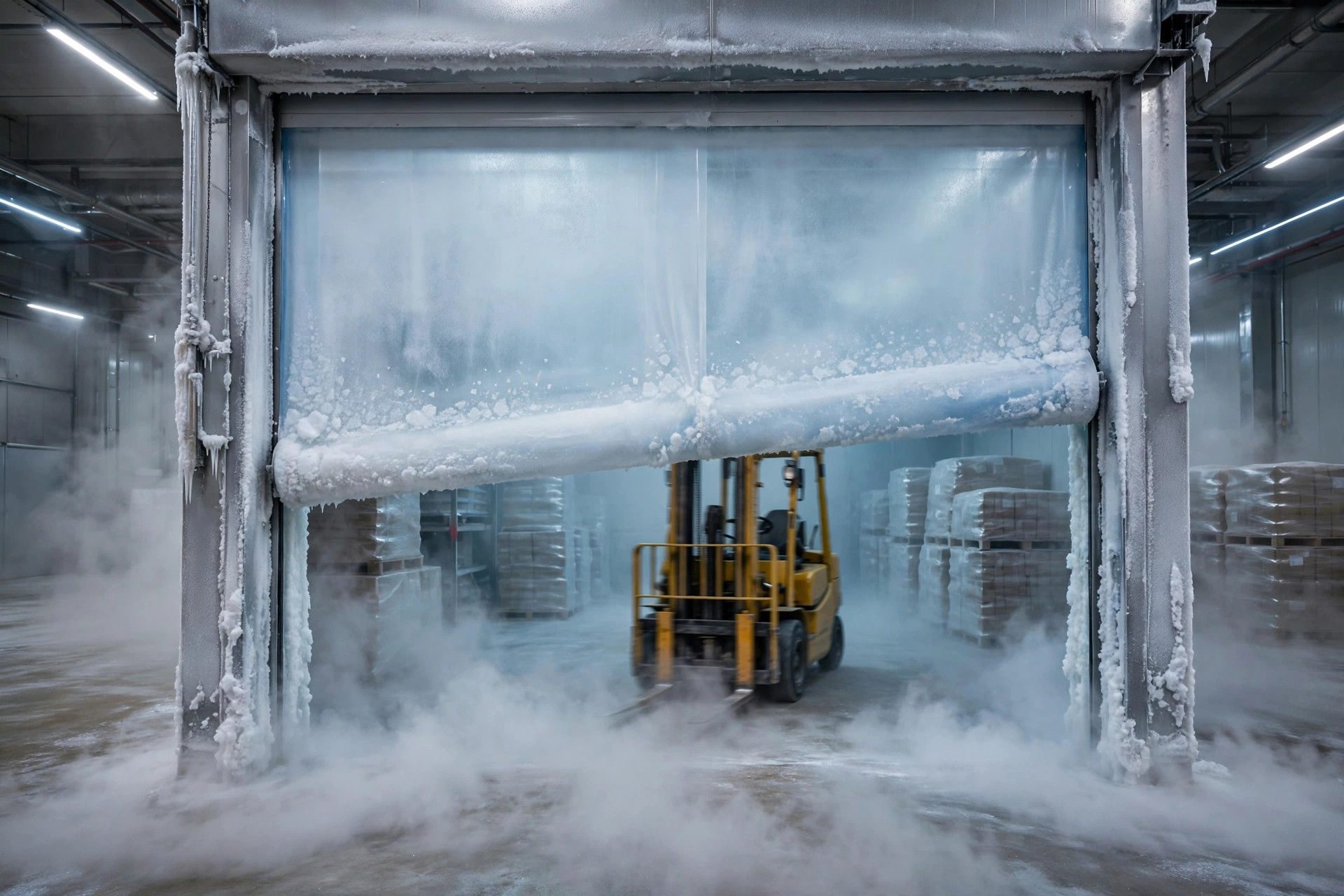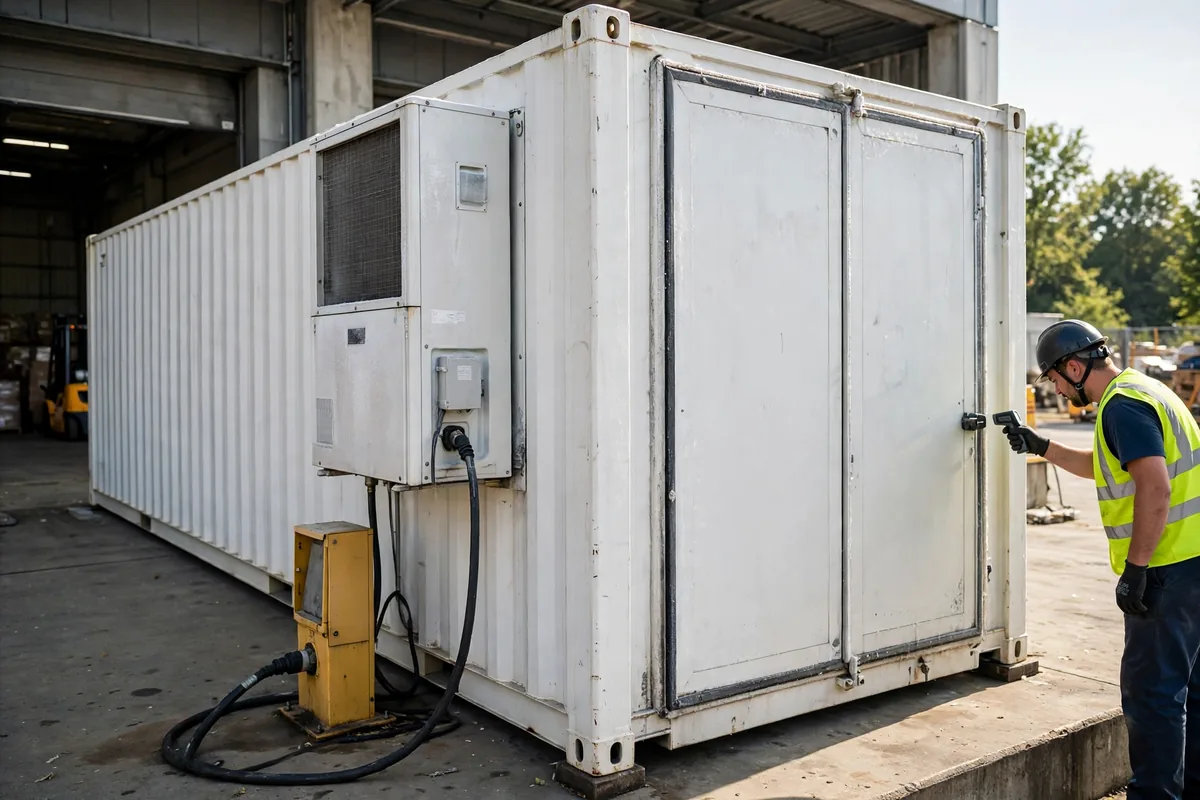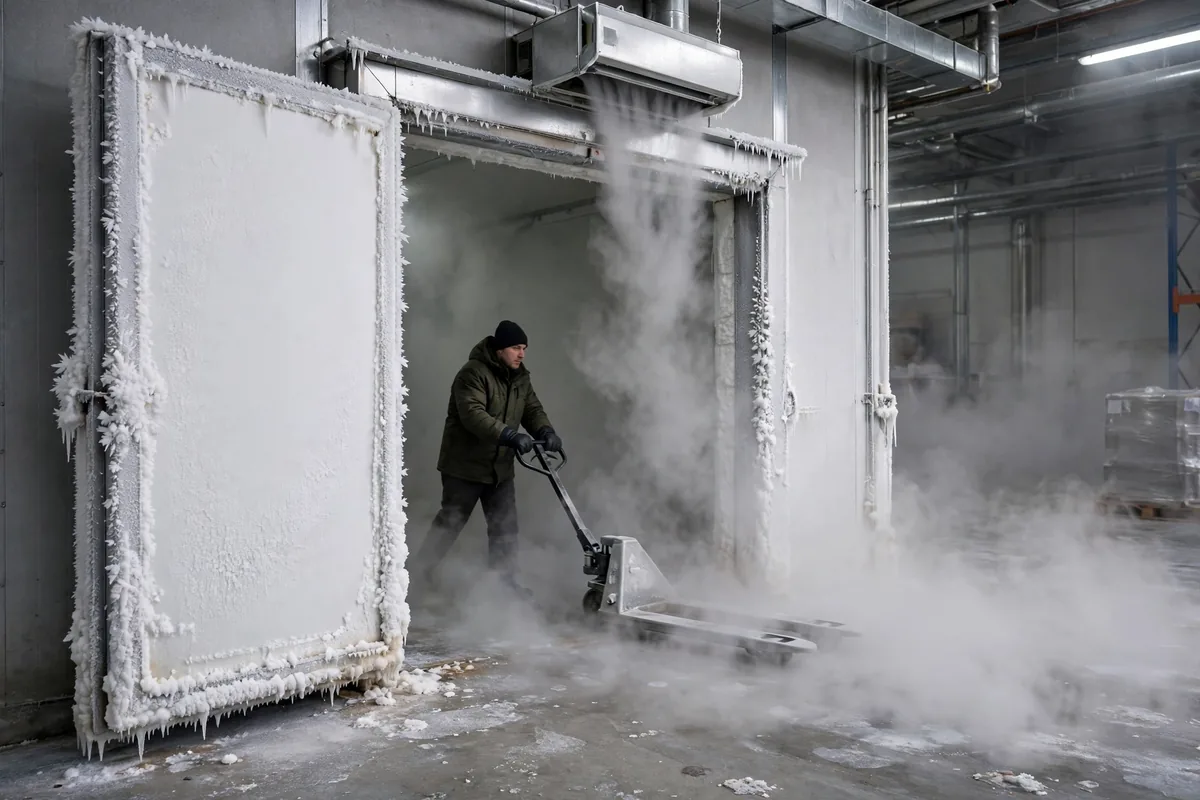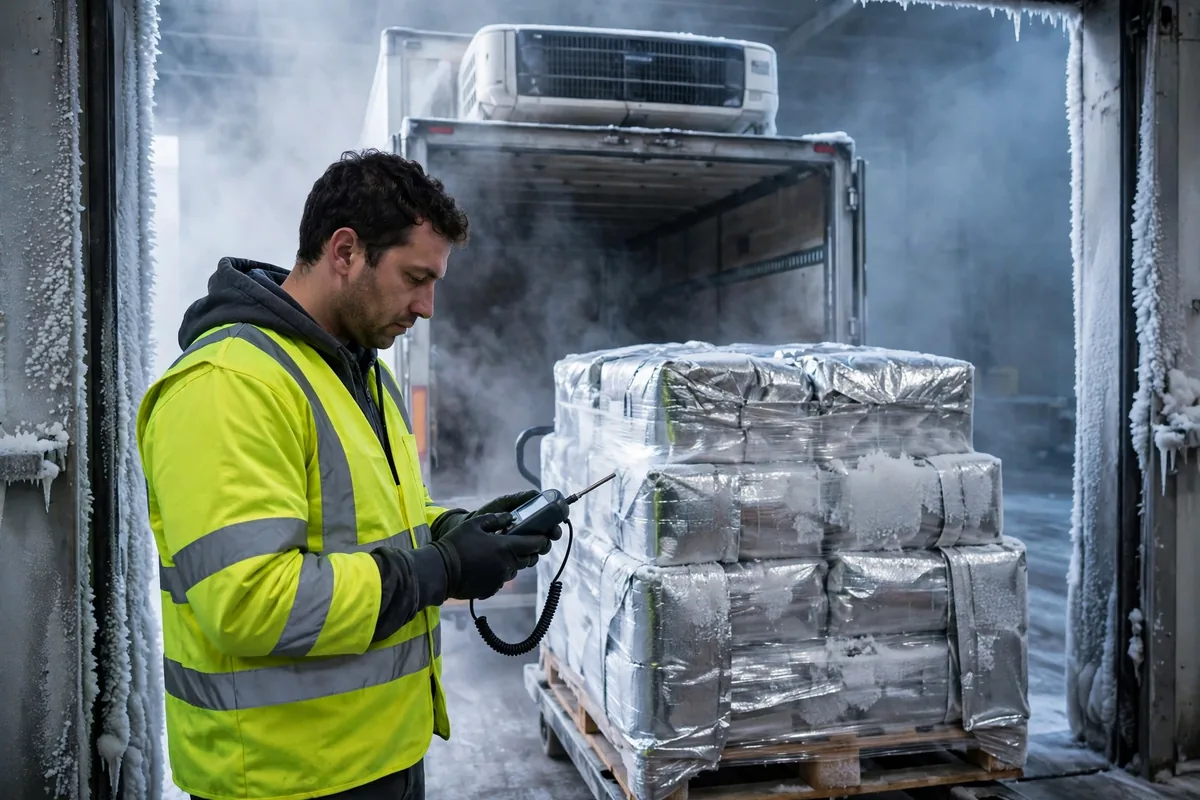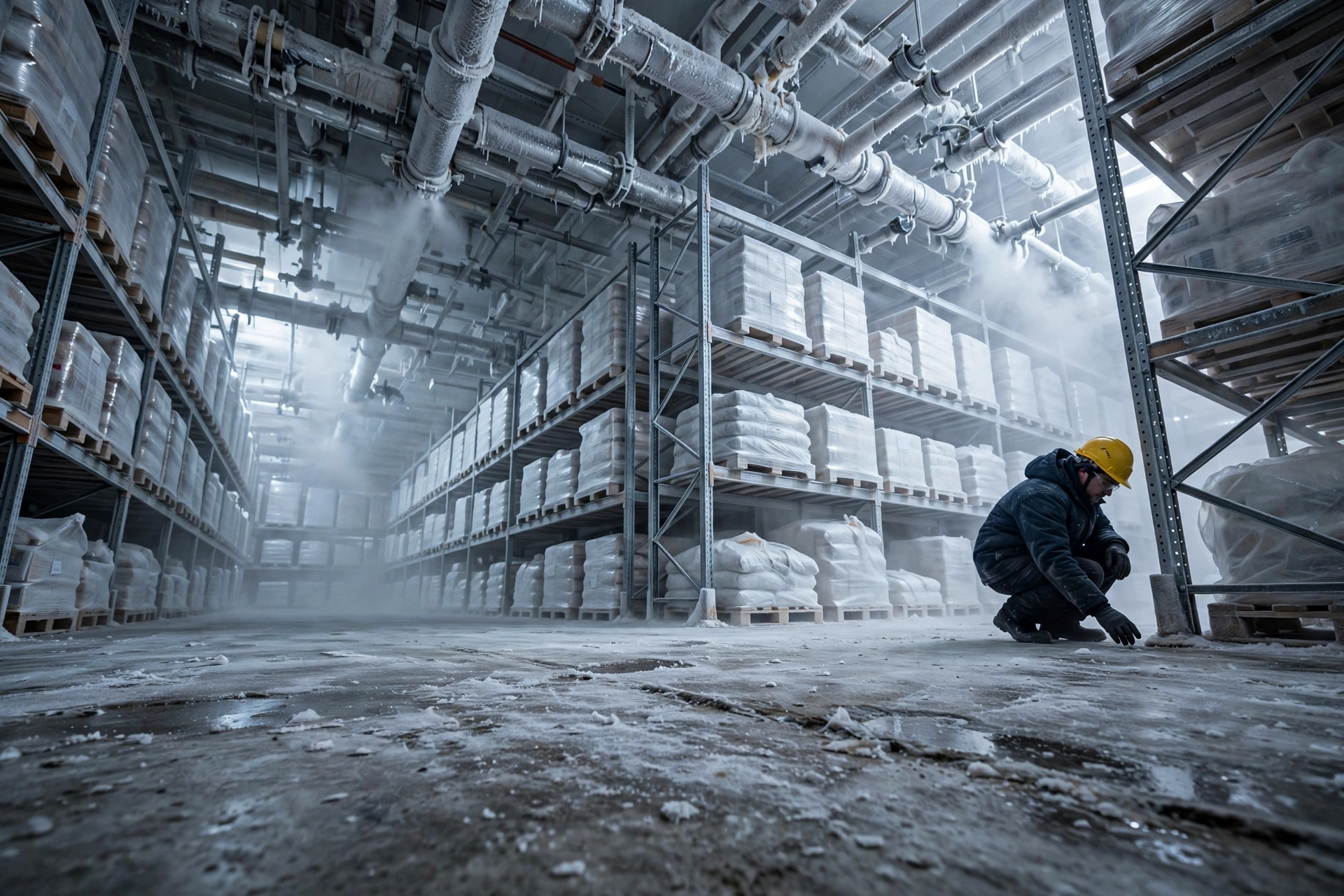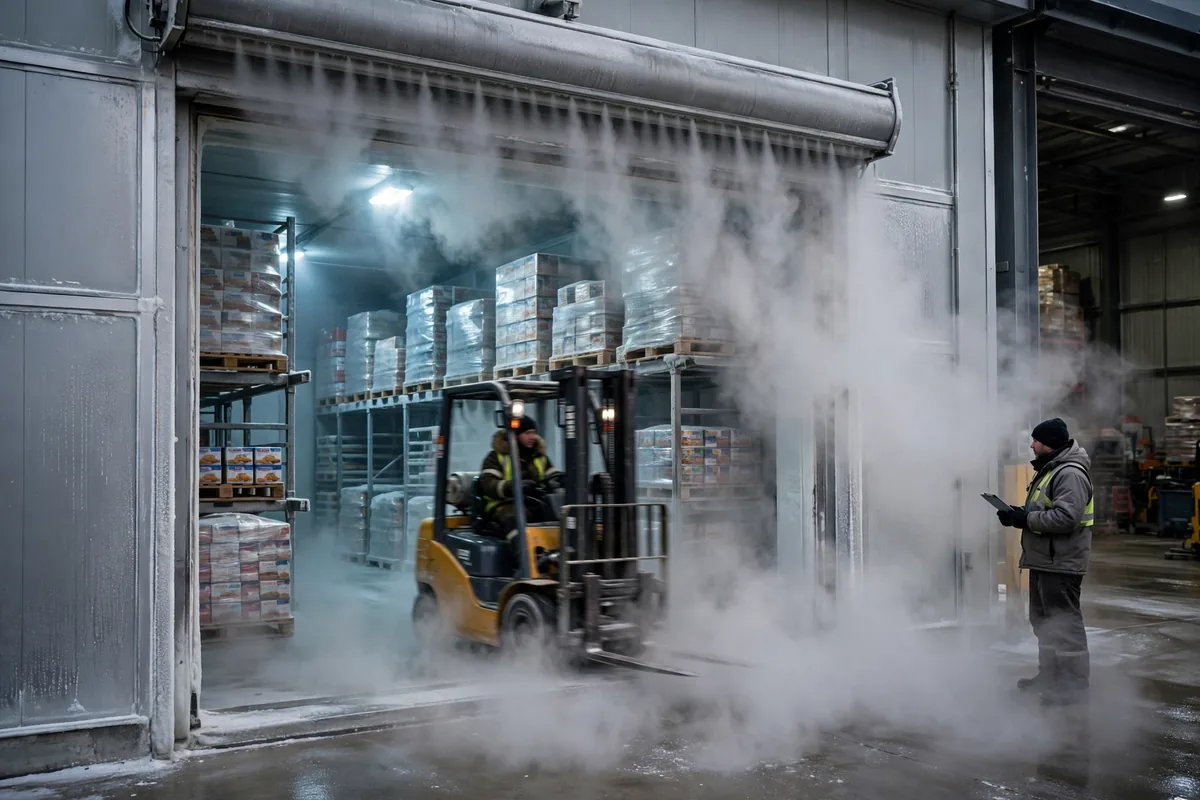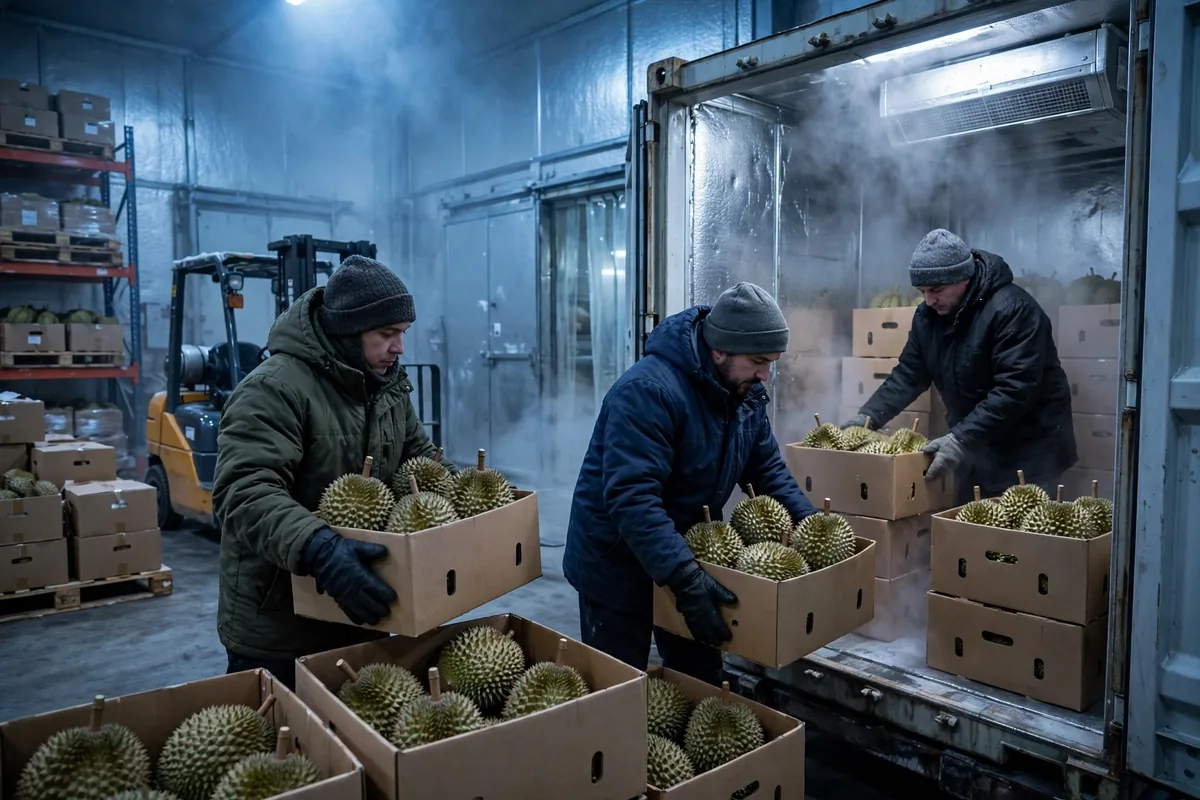
It was 3:30 in the morning on May 14, 2026, and my phone rang. Our Kunming night supervisor whispered: three reefers of Thai durian had arrived, and one temperature logger told a bad story. We opened the doors and spotted blackened stems at a glance. That container held more than 20 tons, and once the fruit looks tired, the price follows. That night I told the supervisor one thing: with durian, the cold chain does not break on the road. It breaks in people's hands.
The thailand durian export cold chain warehouse business starts with the numbers, because the numbers tell you how much is at stake. In 2024, China imported about 1.56 million tons of durian worth $6.99 billion — a record. Thailand supplied $4.01 billion of that, a 57.4% share, down from 68% in 2023, while Vietnam jumped to $2.94 billion, about 42%. On the Thai side, roughly 833,000 tons went to China in 2024, worth about $3.7 billion — 97.4% of Thailand's total durian exports. Thai durian is grown for the Chinese market, and Vietnam is right behind.
Pre-Cooling First: Where the Thailand Durian Export Cold Chain Warehouse Battle Is Won
Many think cold chain means making the container as cold as possible. Wrong — durian's enemy is not heat, it is temperature swings. After the all-rail cold chain service launched in March 2026, the public reports spelled it out: a closed loop holding a steady 13°C from loading to unloading. Around 13°C, durian breathes slowest, avoiding both chilling injury and fruit that ripens too fast. Blast it to 4°C and the flesh can turn bitter by the time the customer cuts it open.
Here is how we do it now. Fruit goes into the pre-cooling room first; nobody loads until core temperature hits target. When we load, one door opens at a time: one person stacks inside, one passes boxes from outside. One layer stacked, one temperature check. Leave a container open in hot air for half an hour and you throw away every hour of pre-cooling before it. Night shifts are where this falls apart, because tired people cut corners. So no back-to-back loading shifts at night, and every night crew gets a day-shift veteran whose only job is watching the thermometer and calling a stop.
The fruit itself is another trap. In one batch, ripeness is never uniform, and riper fruit breathes harder and throws off more heat. Stack it mixed and the middle layers warm up — we learned that the hard way. In the peak season of May 2025, a batch from Chanthaburi was harvested on a rainy day, came in wet, and we cut pre-cooling short by two hours to make the train. In Kunming the middle layers had blackened stems, and the buyer knocked the price down. Since then, our rule is simple: if rain hits harvest day, we delay loading by a day rather than chase a train or a sailing. A day late beats a container of damaged fruit.
The Rail Lane: The Fastest Leg in the Thailand Durian Export Cold Chain Warehouse Playbook
The China-Laos Railway opened December 3, 2021, running 1,035 kilometers from Kunming to Vientiane. For durian, it turned transit from weeks into days. Thai durian used to take 5 to 7 days to reach Kunming; the cold chain trains now do it in about 3. On the Lancang-Mekong Express, Vientiane South to Kunming takes as little as 26 hours; in July 2024 a 108-ton batch made it in 29 hours.
One train is worth remembering. On June 12, 2023, the first China-Laos-Thailand cold chain durian train reached Chongqing: 28 forty-foot reefers, about 500 tons of fruit, orchard to station in 88 hours door-to-station. The Vientiane South to Chongqing leg alone took just 52 hours. Eighty-eight hours. No ocean service comes close.
The pinch point on this lane is Mohan, the rail port on the China-Laos border. It now runs a green channel for fruit, with documents pre-checked and declarations filed in advance, and cross-border clearance is down to under five hours. Every extra hour at the border is an hour of temperature risk. We start the paperwork while the fruit is still in the orchard, so declarations are complete before the train reaches Mohan. It never sleeps at the border.
But rail has a temper: peak-season reefer slots are tight, and without a booking you do not move, however good the fruit. Reefers have to be positioned in advance, and if you miss one train, the next is anyone's guess. So we tell customers: rail is for the early market and festival windows, for high-value fruit where speed pays.
The Ocean Lane: Laem Chabang to Nansha in 4 Days, Cheap but Patient
The ocean lane runs through Laem Chabang Port. Eastern Thai orchards reach it by road, usually within five hours, and a direct sailing to Nansha takes about 4 days. In April 2025, one line launched a direct Laem Chabang–Nansha service for peak season, with 100 to 150 reefer plugs aboard, enough for 3,000 to 4,000 tons in one sailing. That scale is something rail cannot match yet.
Ocean freight is cheap, moves volume, and sailings are easier to book. But its weak points sit at both ends: before loading and after discharge. Laem Chabang has several terminals, and each sailing has its own cut-off. Miss the cut-off and your booking rolls to the next sailing while a loaded reefer burns money in the yard. At the other end, Nansha is South China's biggest fruit hub, and cargo has to be broken down the moment it lands. If the distribution warehouse cannot take it, the fruit waits in the reefer at the terminal, plugged in and burning power.
So ocean freight suits big volumes and uniform ripeness, cargo that need not catch the first wave. Our rule: the most uniform part of a batch goes by sea, the uneven part that must catch the price goes by rail. Two lanes, and no single sailing holds your price hostage.
After Arrival: The Fight Is Only Half Over in Kunming
Many think the cold chain ends when cargo reaches Kunming. It does not — the fight is only half over. Rail takes about 3 days to Kunming, ocean about 4 days to Nansha, and then the fruit still needs another day or two to reach second-tier markets. That last stretch is where things go wrong: a warm cold room, a crew propping a reefer door open for half an hour.
Here is what our warehouse does now, three rules, no exceptions. First, check the logger before unloading. A break in the curve gets photographed before a single box moves, so responsibility is clear. Second, unload and distribute the same day. Whatever can leave, leaves today. Third, photograph the reefer temperature display before any truck leaves and post it in the group chat, so driver, warehouse and customer all see the same number. Since we put these rules in place, customer complaints about arrival quality have dropped by more than half.
Here is the framework we use with customers picking a lane. Figures are a scenario illustration / hypothetical example, not a quotation; actual costs follow the latest carrier and port policies:
| Factor | China-Laos Railway cold chain train | Ocean freight (Laem Chabang–Nansha) |
|---|---|---|
| Line-haul time | About 3 days to Kunming | About 4 days port to port |
| Batch size | Dozens per train, slots depend on schedule | Thousands of tons per sailing |
| Temperature | Closed loop, steady 13°C throughout | Depends on the ship's reefer plugs |
| Best for | Early market, festivals, high-value fruit | Large volumes, uniform ripeness |
| Biggest risk | No reefer slots in peak season | Cut-off missed, warehouse cannot receive |
| Cost feel | Higher per container, lower spoilage | Lower per container, higher time cost |
Here is the counterintuitive part: in durian cold chain, faster is not always better, and colder is not always better. Stability wins. Three days to Kunming is wonderful, but fruit that skipped pre-cooling and arrives in 3 days can be worse than fruit that arrives in 4 days properly cooled. A steady 13°C beats a hard freeze at 4°C every time. What this business fears most is not slow. It fears stop-start, hot-cold-hot. One container passes through five pairs of hands: pre-cooling, loading, the border, the line-haul, distribution. Four good handoffs mean nothing if the fifth lets go.
One warning before peak season: check your pre-cooling room and loggers now — batteries, probes, calibration dates. You cannot control train slots and sailing schedules. You can control pre-cooling and loading — get your own part right first. When the customer cuts the fruit open and it is good, everything else is easy. When it is bad, nobody applauds how fast it got there.
By Chen Feng, Warehouse Operations Manager