One shipment. The logger read 8.2°C — 0.2 over the limit. The customer refused the load, and the claim letter showed up the next day. If you have ever typed cold chain temperature excursion claim warehouse into a search bar, you already know what comes back: lawyers and insurers. Nobody tells the seller how the fight actually plays out.
Here is the part that stings. Most sellers spend everything on freight and packaging, then walk into a dispute with nothing to prove their case. A temperature logger costs next to nothing. Skimp on it, and the entire shipment's innocence hangs on a few lines of data you may not even have. That is not bad luck. That is a broken process.
How 0.2°C Turns Into a Temperature Excursion Claim
October 2024. A shipment of biologics, Shanghai to Los Angeles, refrigerated at 2–8°C. That range is not something a warehouse made up. It is defined by the US Pharmacopeia and referenced by the FDA — 2–8°C, or 36–46°F — and once it is written into the contract, it is a hard line.
The vessel waited two days outside the Port of Los Angeles. When we pulled the logger, the case temperature had climbed above 11°C and stayed there for about six hours. All figures below are illustrative examples: the load was worth roughly €180,000, and the customer's claim came in at around $220,000.
Was the product actually ruined? Nobody tested efficacy. The customer did not have to. All they had to prove was that the temperature left the approved range — the deviation itself is the failure. The claim stands on that alone.
That is the first counterintuitive truth: a temperature excursion is not the same as spoiled product, but the claim holds anyway. Cold chain claims are not argued over whether the medicine still works. They are argued over whether the range was respected. Argue efficacy and you are fighting in the wrong arena.
The dispute dragged on for three months. The carrier blamed port congestion. The insurer pointed at the policy wording. The warehouse said the goods had not entered its facility yet. In the end the cost was split under the terms of the policy — the exact split is governed by the policy wording. My payment froze for three months, the next shipment stalled, and the customer relationship went cold. The price of a claim is never just the number on the settlement line.
The Logger Talks, and Everyone Else Goes Quiet
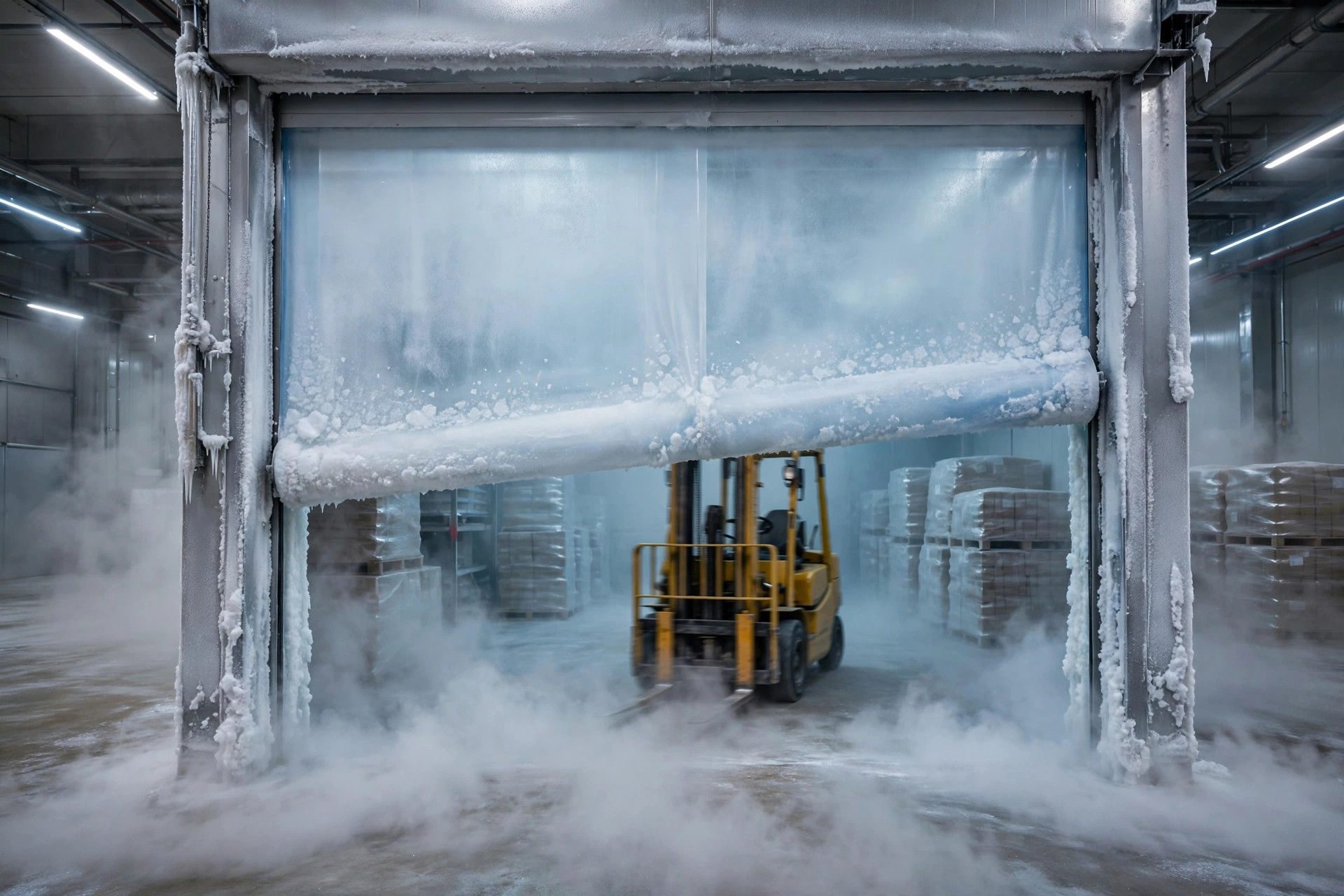
The second case annoyed me even more. July 2023, Houston, a third-party warehouse. The reefer pulled up to the dock, waited to unload, doors open, no refrigerated transition zone on the dock. The logger showed the handover stretch spiking to 14°C for about 40 minutes. All figures below are illustrative examples.
The warehouse blamed the driver for leaving the doors open. The carrier blamed the warehouse for slow unloading. The shipper sat in the middle while both sides denied everything. What settled it? The logger's timestamps. The excursion happened in the window after the truck had parked and shut down but before the goods entered the building — the handover gap. Timestamps on the table, the warehouse took the main share of the blame.
So a logger is not a "have one and forget it" item. Search cold chain temperature excursion claim warehouse cases and the pattern repeats: the side with the timestamps wins. Three things I learned the hard way:
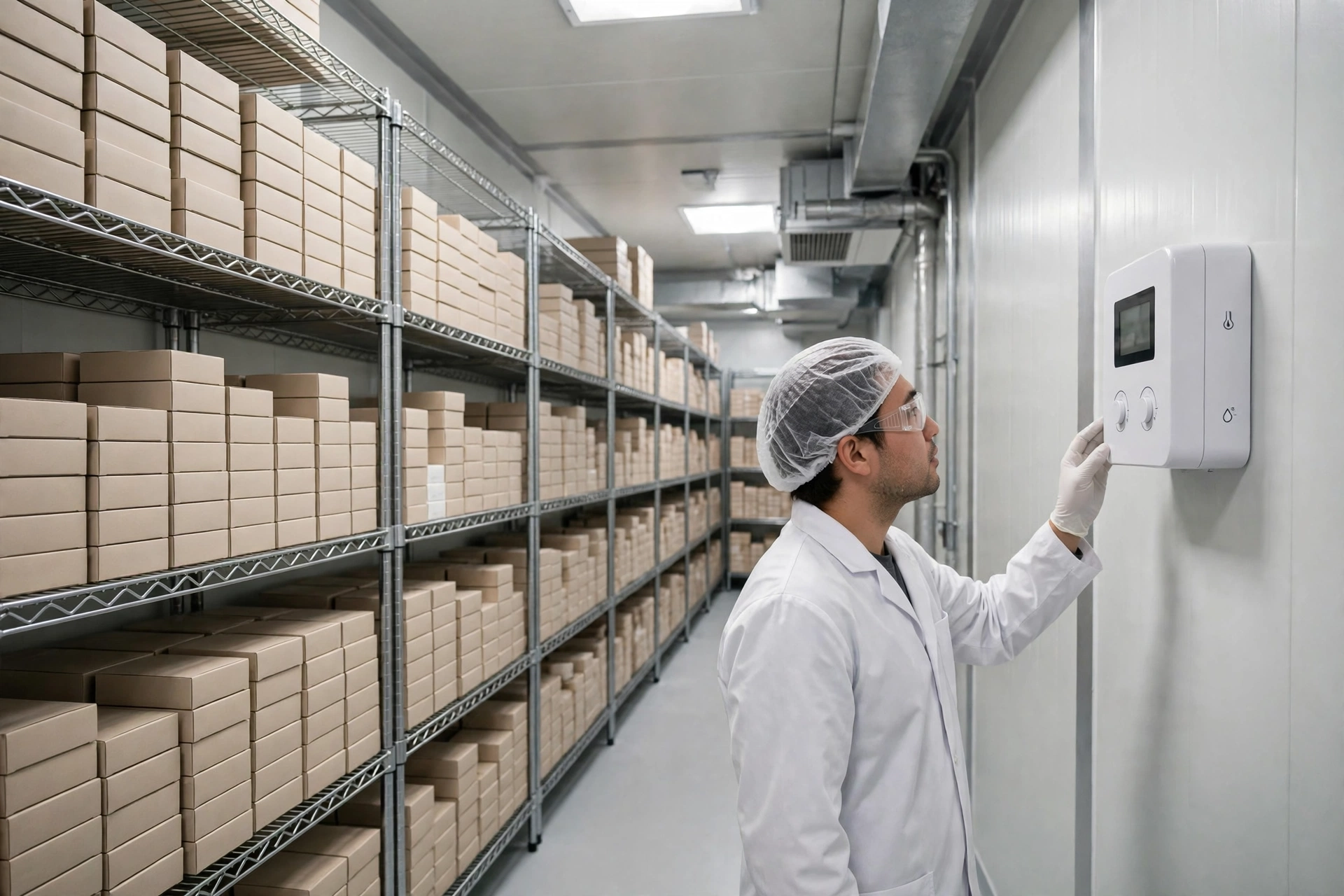
Do not get lazy about sampling intervals. Common industry practice is a reading every 15–30 minutes; cold storage often runs 10–15 minutes, and the CDC requires 15 minutes or less for vaccine loggers. I now set everything to 15 minutes or shorter. Set the interval too long and the peak of an excursion can fall neatly between two readings — leaving you with data that "looks fine" and is worth nothing at the claims table.
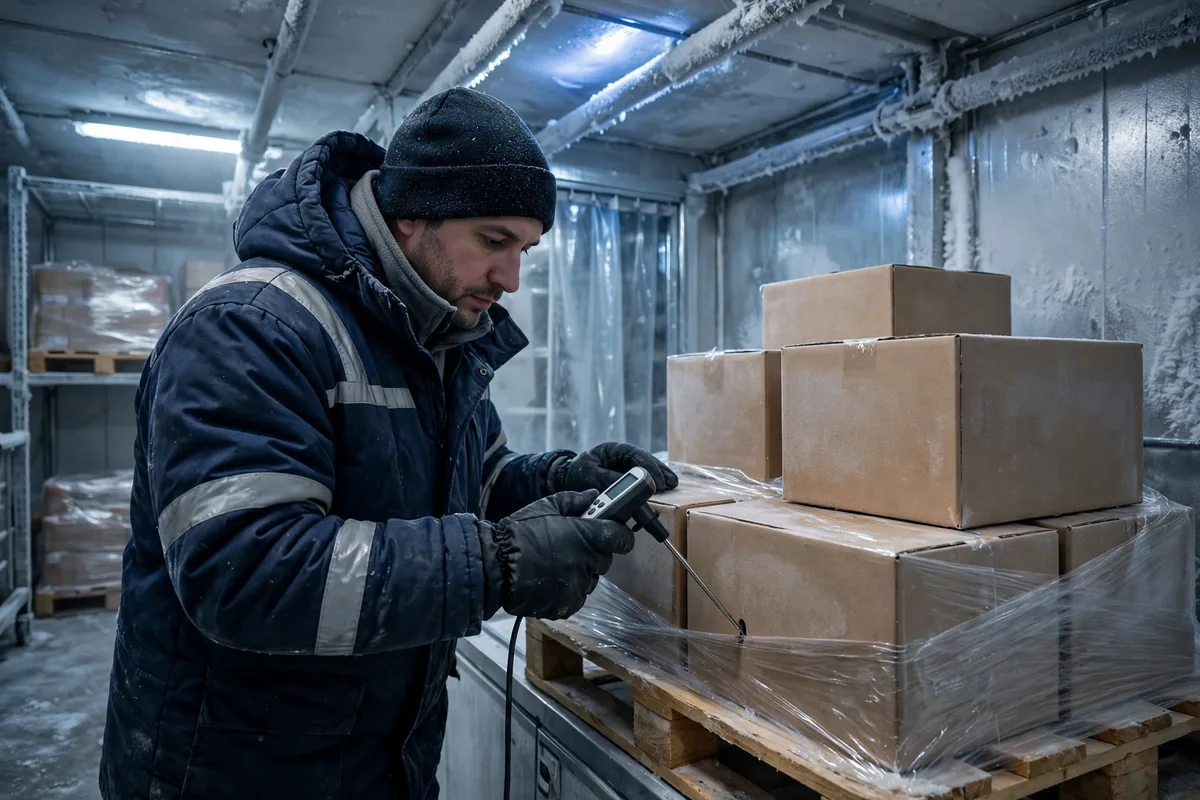
Put one logger inside the case and one outside it. With a single logger inside, the other side can question whether the device itself failed. Two loggers that corroborate each other make the data chain hold up. This one I have tested myself — on two later shipments, the matched readings from a pair of loggers are what split the blame cleanly.
Back the data up the moment it lands, not when you get around to it. Lose the logger, run the battery flat, fail to export the file, and at claim time it is the same as never having measured at all. My rule now: read the logger before unloading, screenshot the reading into the group chat, and keep a cloud copy. Five minutes of hassle saves three months of arguing.
And here is a trade-off most people get backwards: denser sampling is not automatically better. A 10-minute interval produces three times the data of a 30-minute one, and in a dispute the other side can pick more fluctuation points out of your own readings. What matters is an interval that meets the requirement and a chain with no gaps. A compliant 15 minutes beats a sloppy 5.
The Math: What a Temperature Excursion Claim Actually Costs
Do not look at the settlement figure alone. Look at the whole bill:
| Item | Amount / scale |
|---|---|
| Loss from one temperature incident on a single life-science cold chain shipment | $150,000–$750,000 (Tive) |
| Value of a single biologics shipment | €50,000–€250,000; oncology / specialty drugs up to €800,000 (TempSecure) |
| Annual losses from temperature excursions across the biopharma industry | About $35 billion (IQVIA estimate) |
| Time a single claim dispute eats up | Illustrative example: three months and counting, plus frozen payments and a damaged customer relationship |
| Prevention: dual loggers + read-before-unload + handover records | A fraction of one shipment's value |
Read that again. One incident starts at $150,000. Prevention costs a fraction of a single load. This is not a calculation you need to run twice. And that $35 billion industry figure breaks down to a simple reality for each seller: it is not a question of probability, it is a question of whether you have evidence on the day it happens to be your shipment.
Do not expect insurance to cover everything either. Deductibles and specific policy terms are governed by the policy wording — anyone quoting you exact numbers without reading your policy is guessing. My mistake: the fine print put the burden of proof on the shipper, and without data the insurer could stall indefinitely. Insurance pays for a proven loss, not for the mere fact that something went wrong.
The Warehouse Checklist That Stops the Break Before It Happens
The most dangerous stretch is not the road — it is the dock handover. On the road the reefer holds steady; at the dock, doors open, freight waits, and the temperature climbs. My checklist is taped to the handover area — six lines:
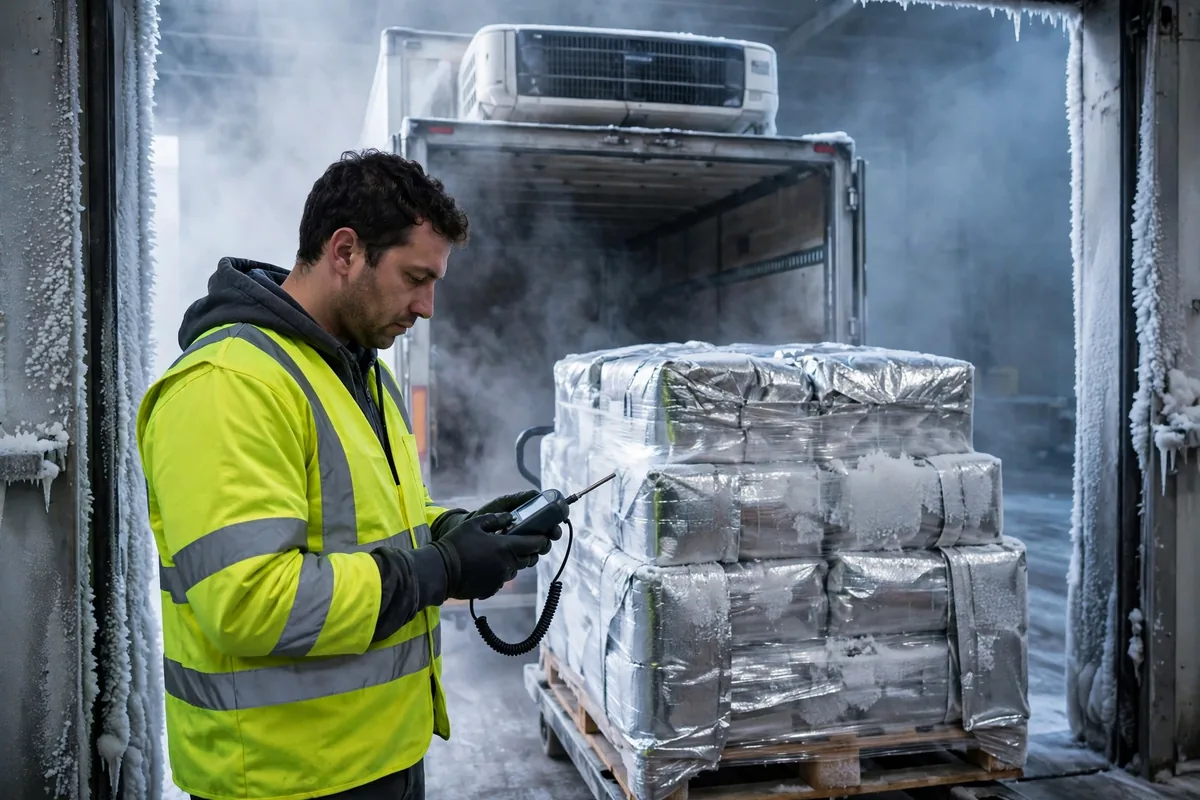
- Read the logger before unloading. Photograph the reading, drop it in the group chat where all three parties can see it, then move the freight. If the reading is off, hold the load and preserve the evidence first.
- Two loggers, one inside the case, one outside. Sampling interval of 15 minutes or less, data backed up to the cloud.
- Put a time limit on dock handovers. Get the reefer a slot as soon as it arrives — do not let it sit at the dock. Past half an hour of waiting, the temperature risk climbs steeply.
- Write the temperature reading on the handover note, signed by all three parties. A verbal "looks fine" is worth nothing. Paper with signatures counts.
- Photograph any temperature anomaly before moving the goods. What condition the freight entered and left in, photos plus timestamps, beats anyone's memory ten times over.
- Read the insurance policy before anything goes wrong. Know in advance who carries the burden of proof and what the deductible position is. Do not discover it when the claim letter arrives.
Two years running this routine, two shipments wobbled, and in both cases the logger and the handover note split responsibility the same day — neither reached a claim. A checklist is not there to pass an inspection. It is there so that on the day something goes wrong, you are holding cards.
In the end, a cold chain break is not decided by whose cold room is newest. It is decided by whose data is complete and whose handover leaves a trail — and that is what every cold chain temperature excursion claim warehouse dispute really comes down to. A logger costs next to nothing. A claim costs hundreds of thousands. I have done that math, and so should you.
By Ah K, E-commerce Seller (5 yrs)