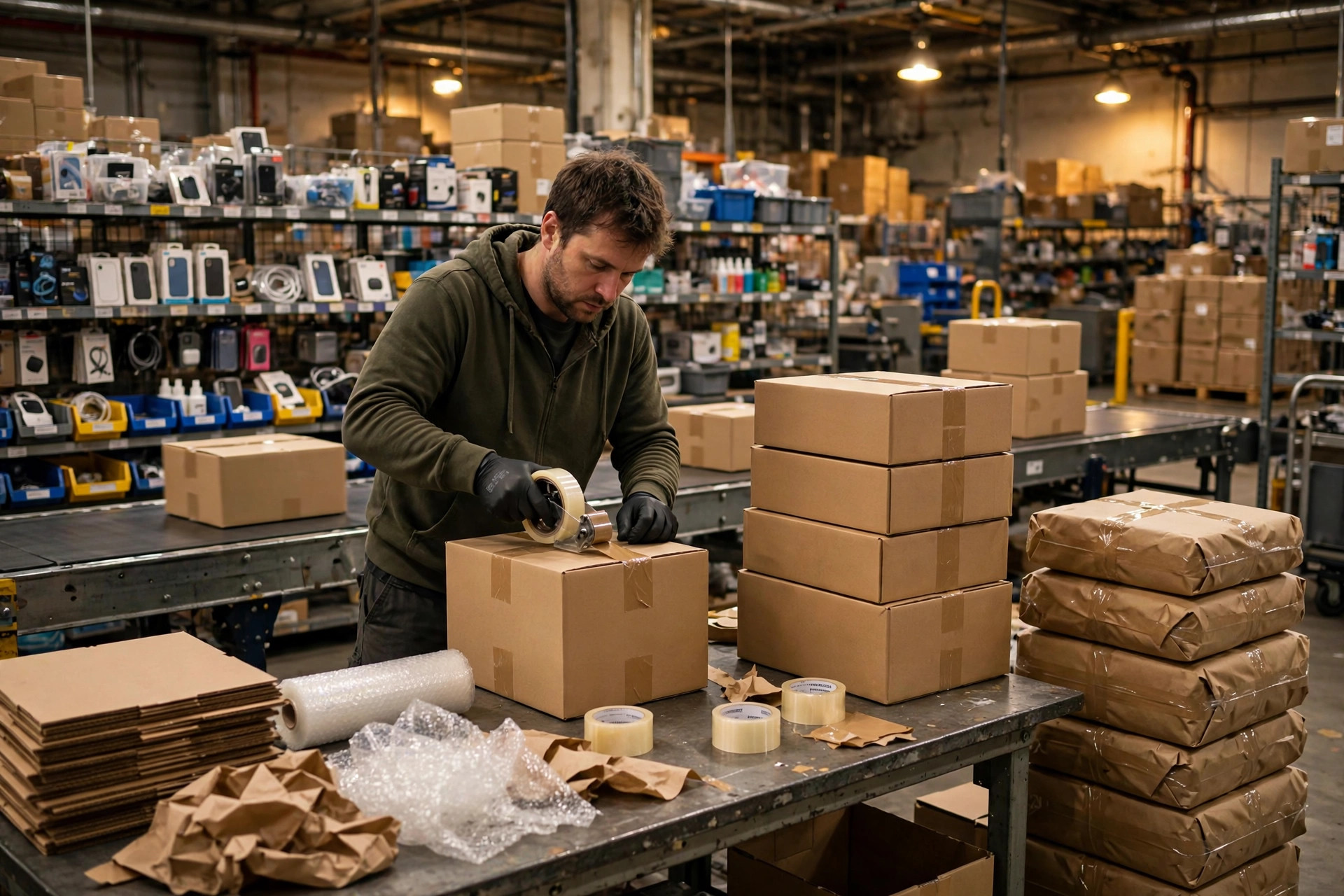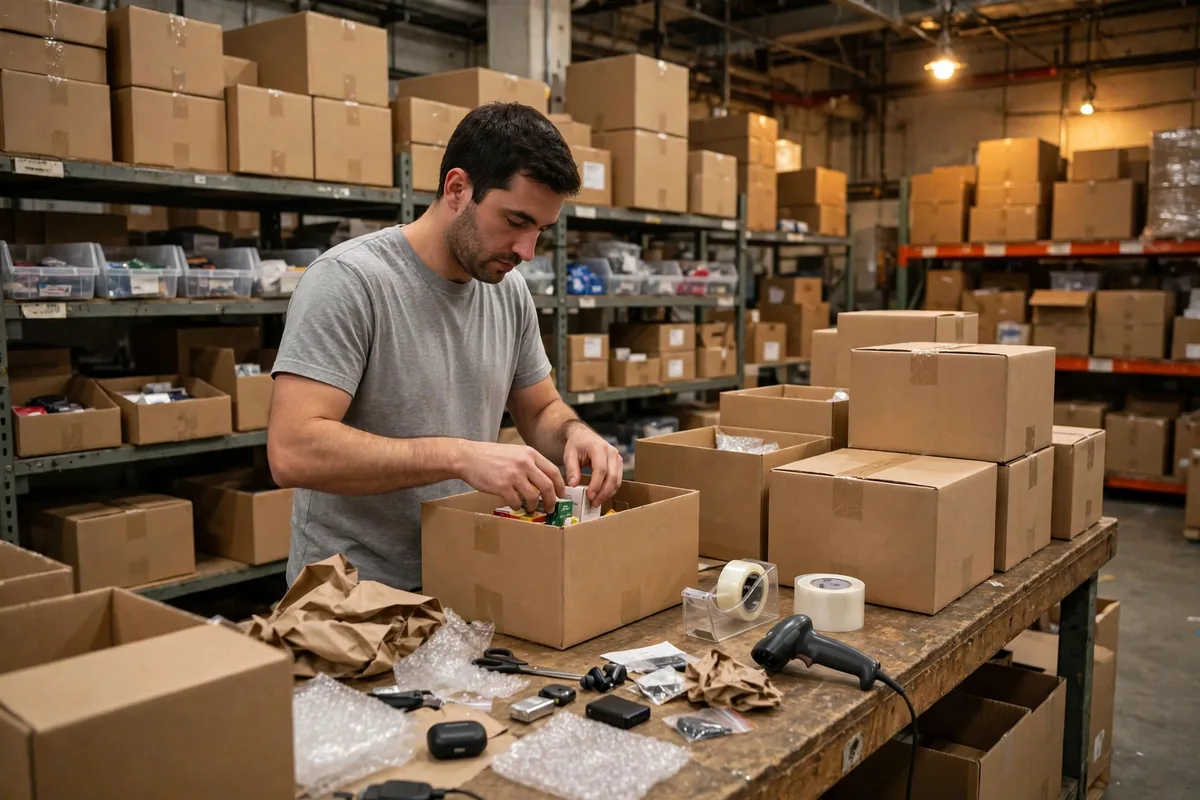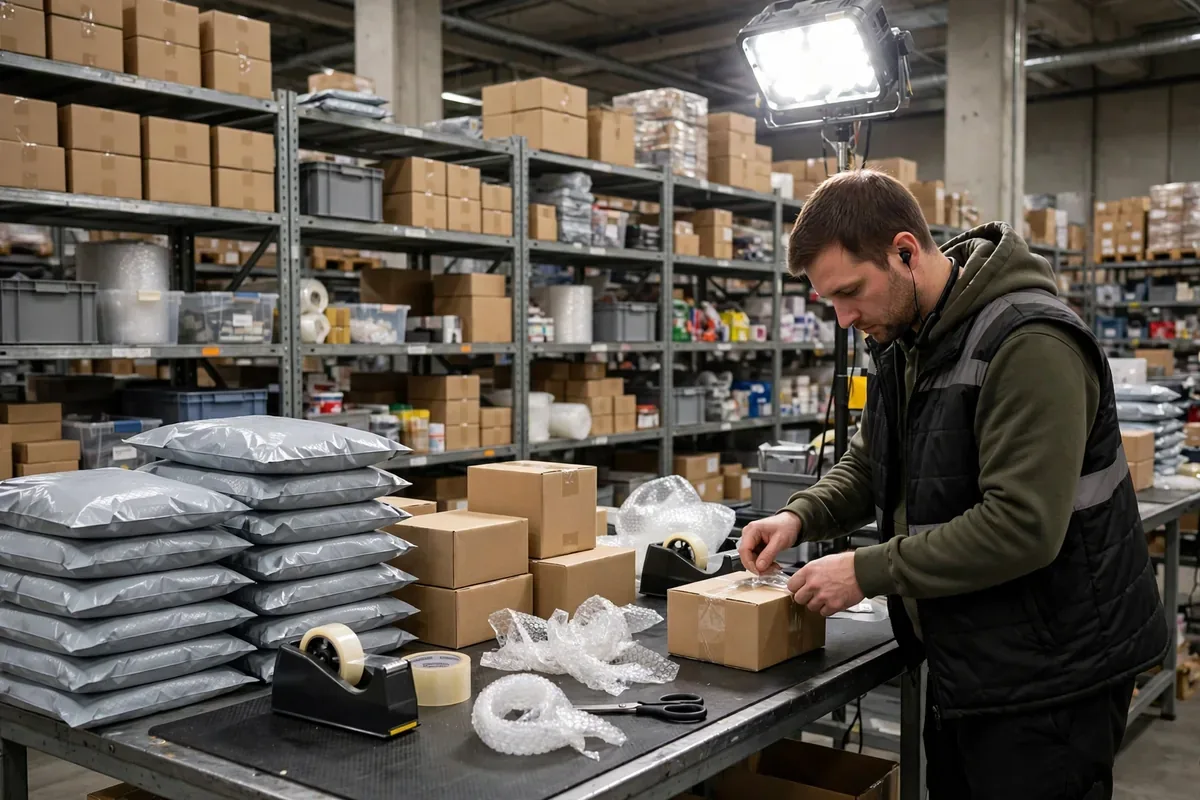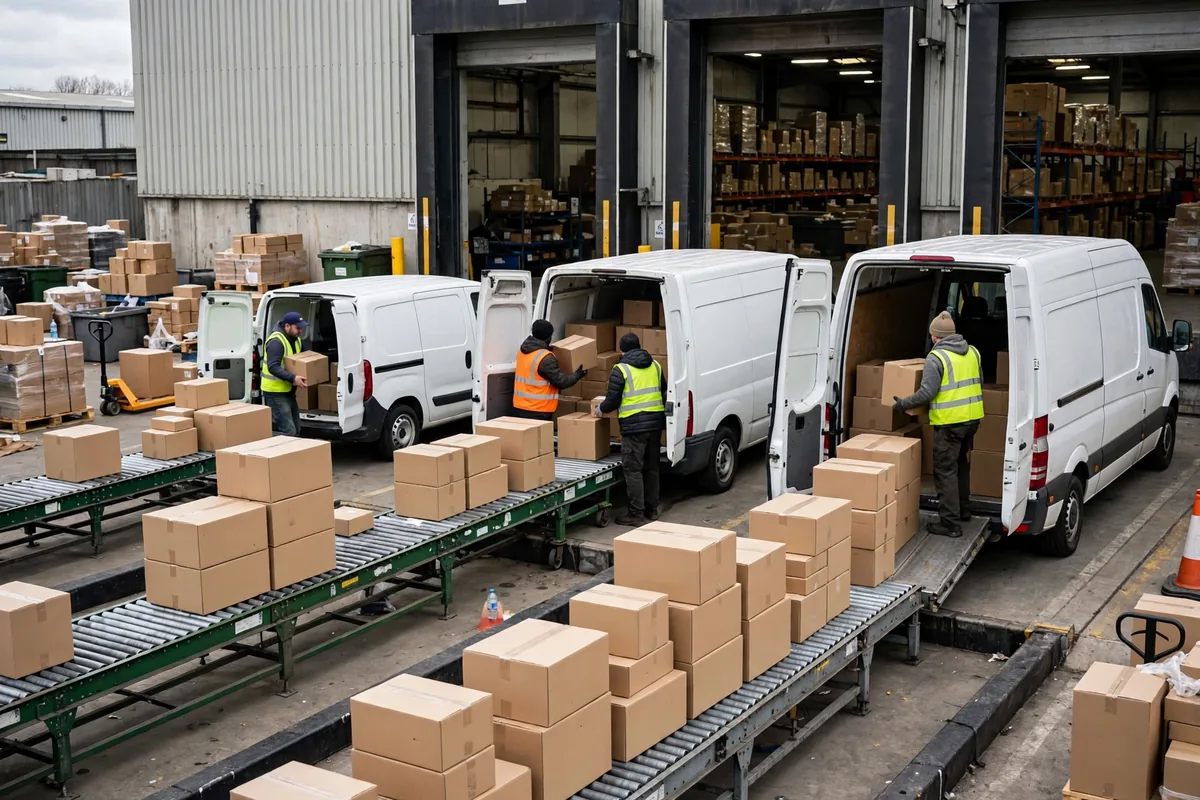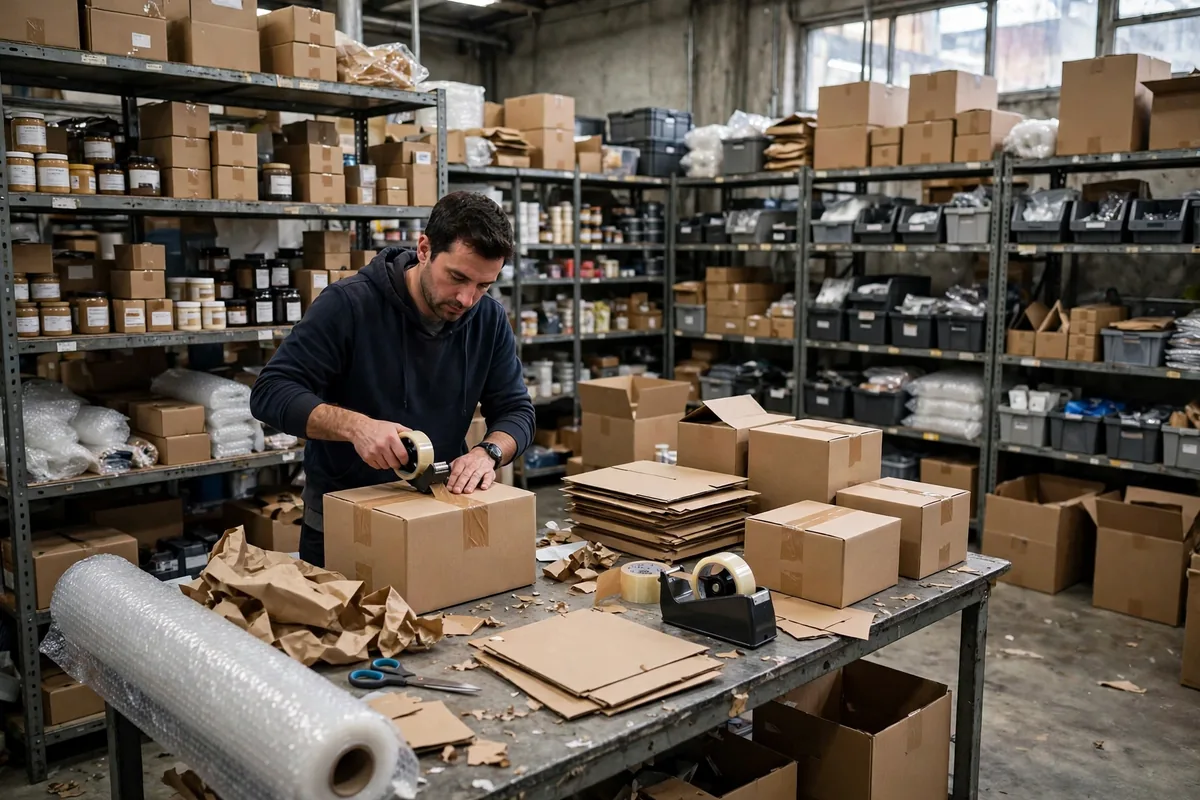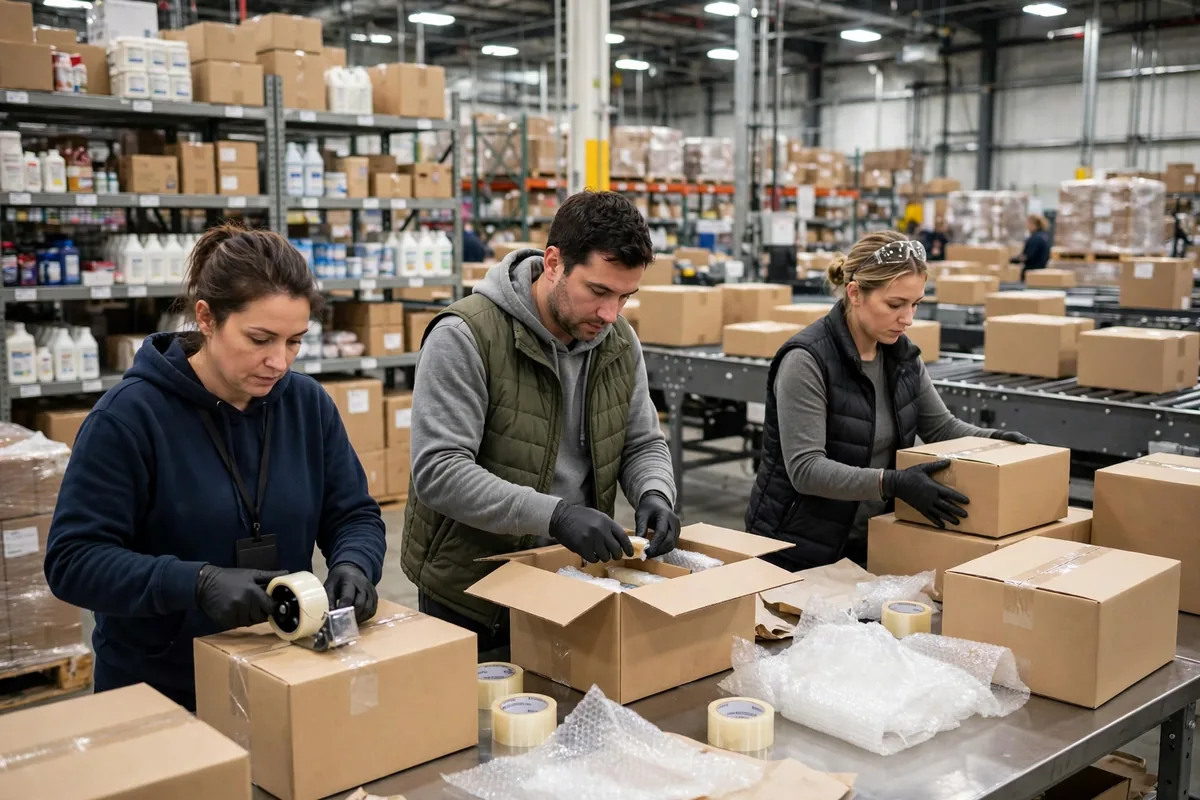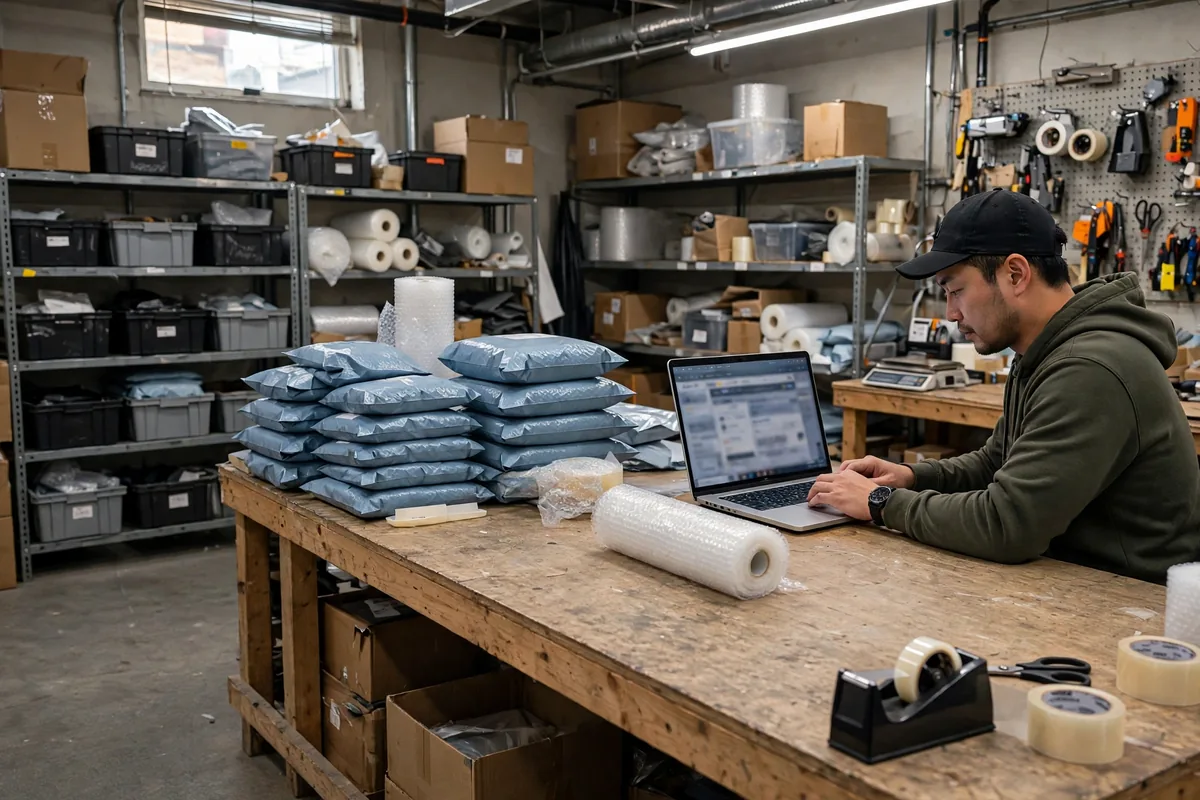
Temu semi managed warehouse fulfillment sounds simple until your first stockout: your goods sit in the US, orders come in, and you ship them yourself. That one sentence changes everything. Under fully managed, the platform handled the tail end. Under semi-managed, the warehouse, the picking, the carrier handoff and the returns pile are all yours, and the platform still judges you on speed.
I have sold cross-border for five years. Amazon taught me about inbound shipments and ad costs the hard way. Semi-managed taught me a different lesson: the trap is not product selection, it is fulfillment discipline.
Why temu semi managed warehouse fulfillment punishes thin stock first
Case one is mine. In March 2025 I used a small third-party warehouse in Ontario, California, for a home storage product. Based on my own experience estimate at the time, I stocked roughly two weeks of expected sales for the launch. A platform promotion hit, and by my own backend notes the sellable stock was gone in about three days.
The painful part was not the lost sales. It was the recovery. By the time the replenishment arrived and the listing regained momentum, I had lost close to another two weeks, again by my own rough estimate. One stockout scrambled a full month.
The lesson is blunt: do not stock to your average day, stock to your peak day. I now split inventory into three layers. A safety layer that never gets touched in normal planning, a rolling replenishment layer that moves every week, and a small flexible layer reserved only for proven winners. I will not give you a universal number of days here, because category velocity differs wildly and platform requirements change; check the current seller center guidance and treat official policy as final.
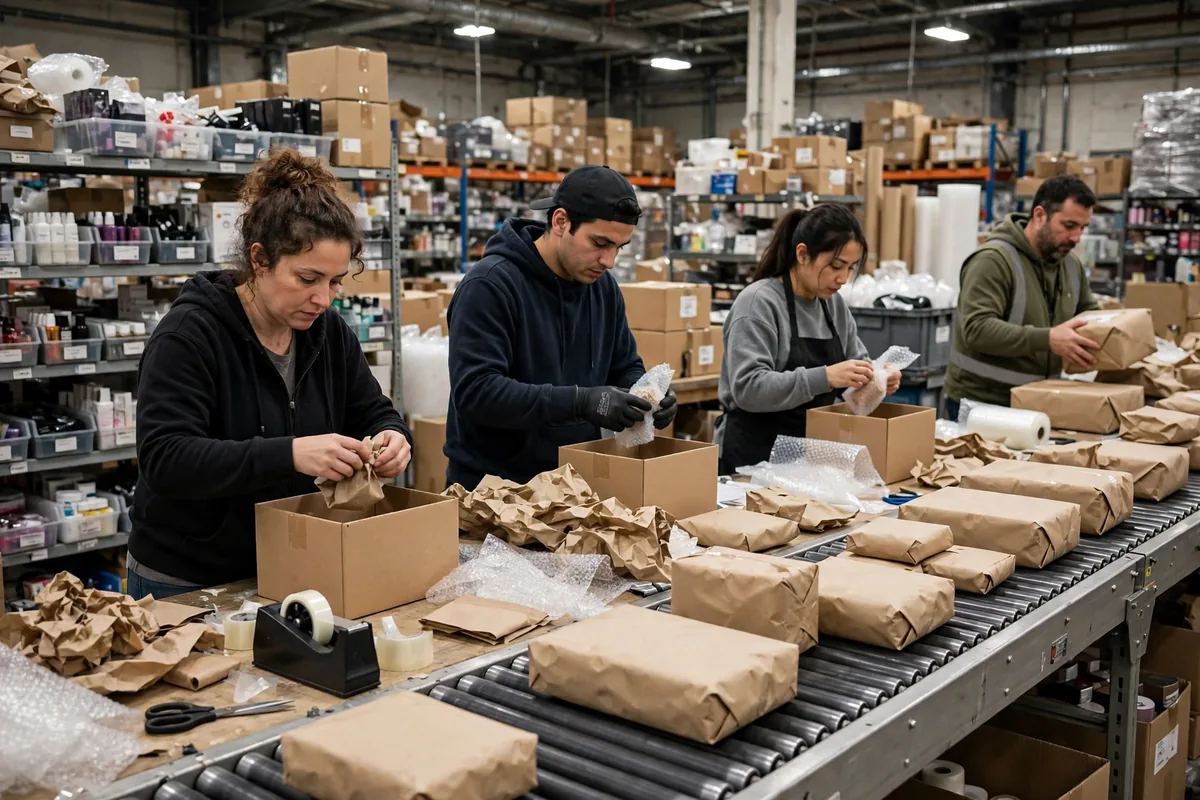
Case two belongs to a fellow seller in Houston, Texas, shared with his permission and rounded from his own account. During the November 2024 peak season, his small self-run warehouse handled small appliance accessories, and order volume, by his estimate, more than doubled. He hired two temporary workers, and returns exploded before shipping capacity did.
Why? Under pressure his team packed without a second check. Wrong items and missing items rose together, complaints followed, and returns and bad reviews arrived in the same week. His own post-mortem was simple: in peak season you should rehearse returns handling before picking speed. Who opens the parcel, who photographs it, who decides whether it can be resold? If nobody owns those steps in advance, peak profit leaks straight back out through the returns door.
Delivery speed in temu semi managed warehouse fulfillment is won inside the warehouse
Many sellers think speed means choosing a faster carrier. In my experience, the segment you fully control is the time between order arrival and carrier handoff, and that is where most avoidable delay hides.
My fixed routine has four parts. First, a hard cut-off agreed with the warehouse; orders after the cut-off do not get forced into the same day, because forced orders create errors. Second, pre-packing a portion of proven winners so peak orders only need a label. Third, sequencing pick lists by bin location so pickers stop walking loops around the building. Fourth, a daily sweep for stranded orders that have not moved within my own internal limit, pulled out and handled separately.
Here is the counterintuitive judgment: faster is not automatically better, stable beats fast. If you ship brilliantly on Monday and badly on Wednesday, buyers learn to expect Monday. One late order then costs you a review that ten fast orders cannot buy back. Aim for a pace you can repeat every day. For the platform's exact timeliness rules, how lateness is counted and what penalties apply, follow the latest official policy in the seller center rather than any article, including this one.
The math explains the stocking choice. The table below is a scenario calculation using my own experience assumptions, not platform fees; use your warehouse contract for real rent and freight figures.
| Stocking style | Sellable days (assumed) | Stockout risk | Cash and rent pressure | Verdict |
|---|---|---|---|---|
| Too lean | About 7 days | High | Low | Looks cheap, costs most |
| Balanced rhythm | About 18-25 days | Low | Medium | Best overall trade-off |
| Too aggressive | 45 days or more | Low | High | Only for proven winners |
The rent you save by stocking lean is small next to the orders you lose in a single stockout. That is the whole argument in one line.
Returns are where temu semi managed warehouse fulfillment margin hides
I used to dump returns in a corner and promise myself I would sort them later. Later never came, and the pile became unsellable. My current process has three steps on the day a return arrives: photograph it, grade it into three conditions, and move resellable units back to sellable stock fast while keeping damaged stock physically separate from good stock. The grading standard is yours to set, but the timing is not negotiable; every extra day a return sits in the warehouse is rent paid for a depreciating asset.
Record return reasons, too. Once I tracked them properly, I found many returns were not product failures at all. The size chart was unclear, or the packaging was too soft and crushed in transit. Fixing one product page was cheaper than processing a hundred returns. For who pays return shipping, return address setup and category-specific rules, check the latest official policy, because those details vary and change.
Before any replenishment, I ask four questions. Has this item sold steadily for the last two weeks? How long does replenishment actually take to reach the US warehouse? How many sellable days do I still hold? If a promotion lands tomorrow, do I have a flexible buffer? If I cannot answer one of them, I do not increase the order; I fix the data first.
Semi-managed rewards sellers who run a warehouse well and punishes sellers who run it like fully managed with a different label. Stock, speed and returns are now your job. Do them steadily and the margin is real. This approach worked in my own store, tested the slow way, one stockout at a time.
By Ah K, E-commerce Seller (5 yrs)