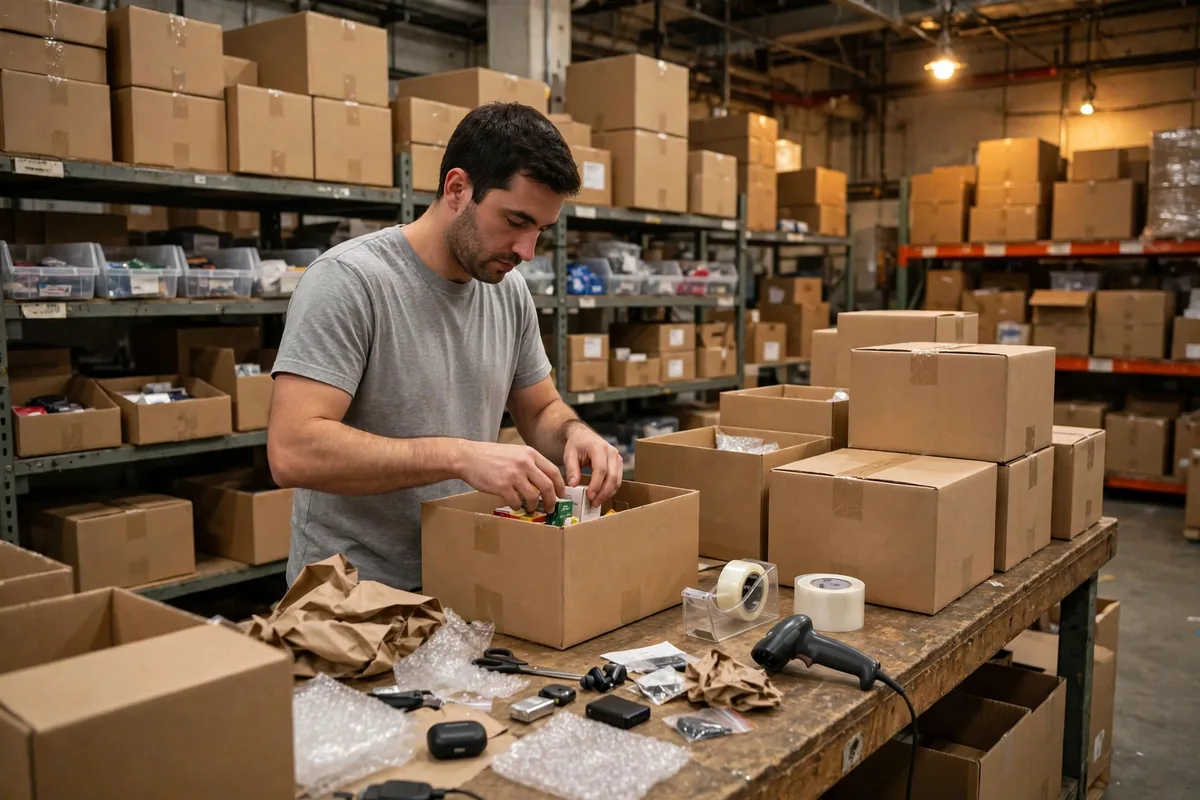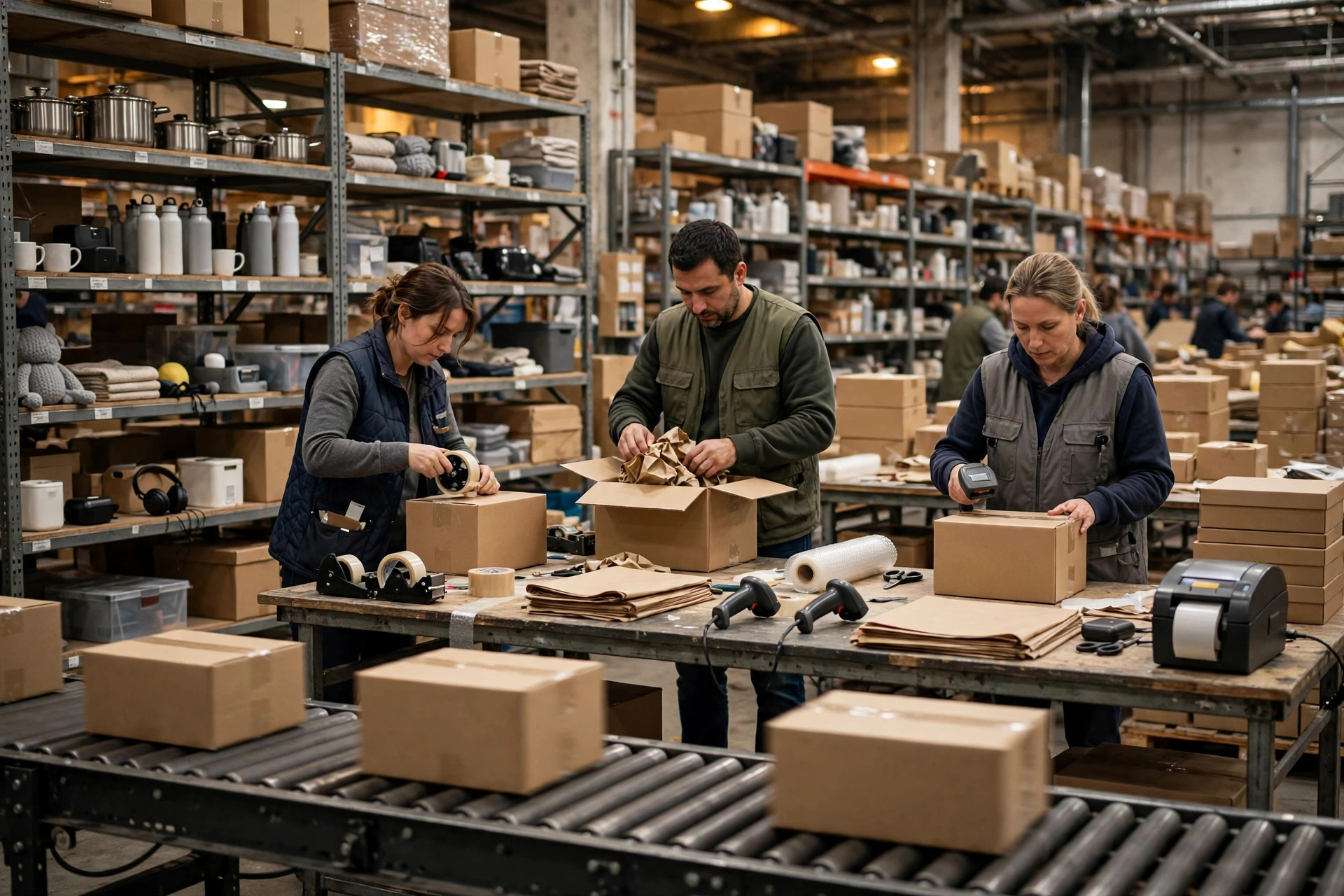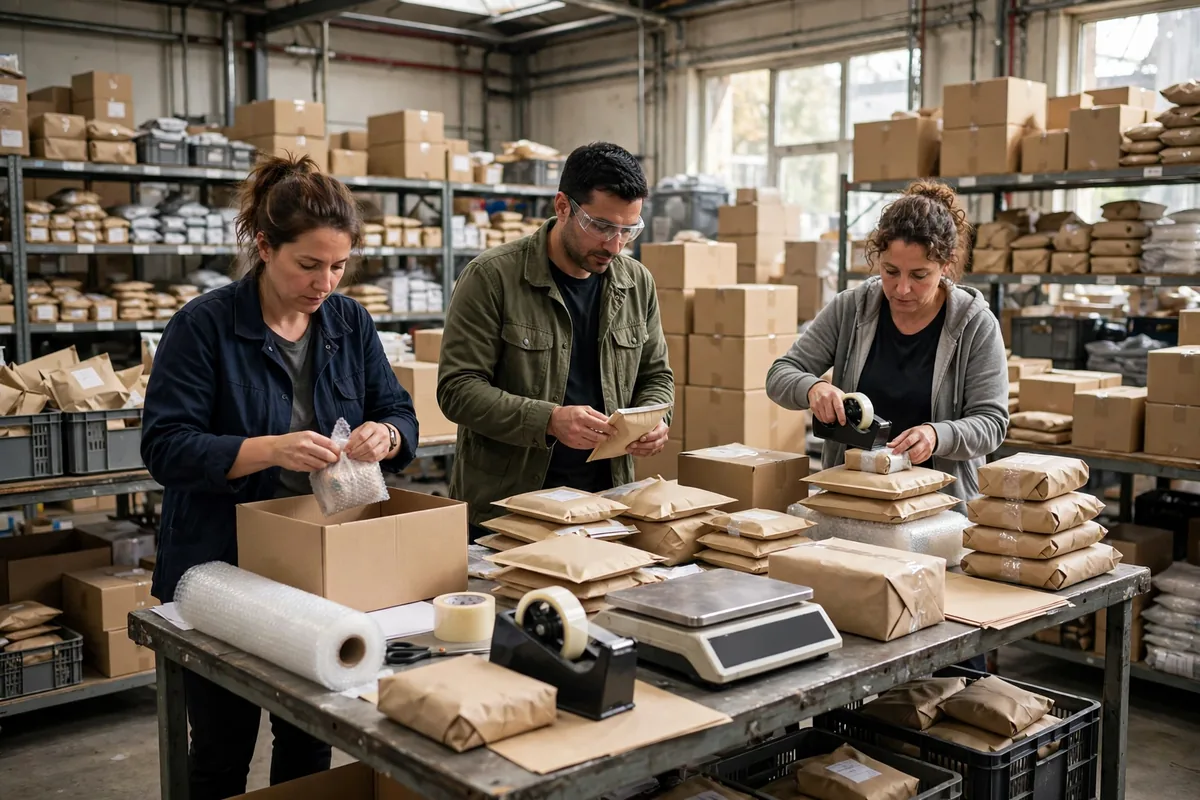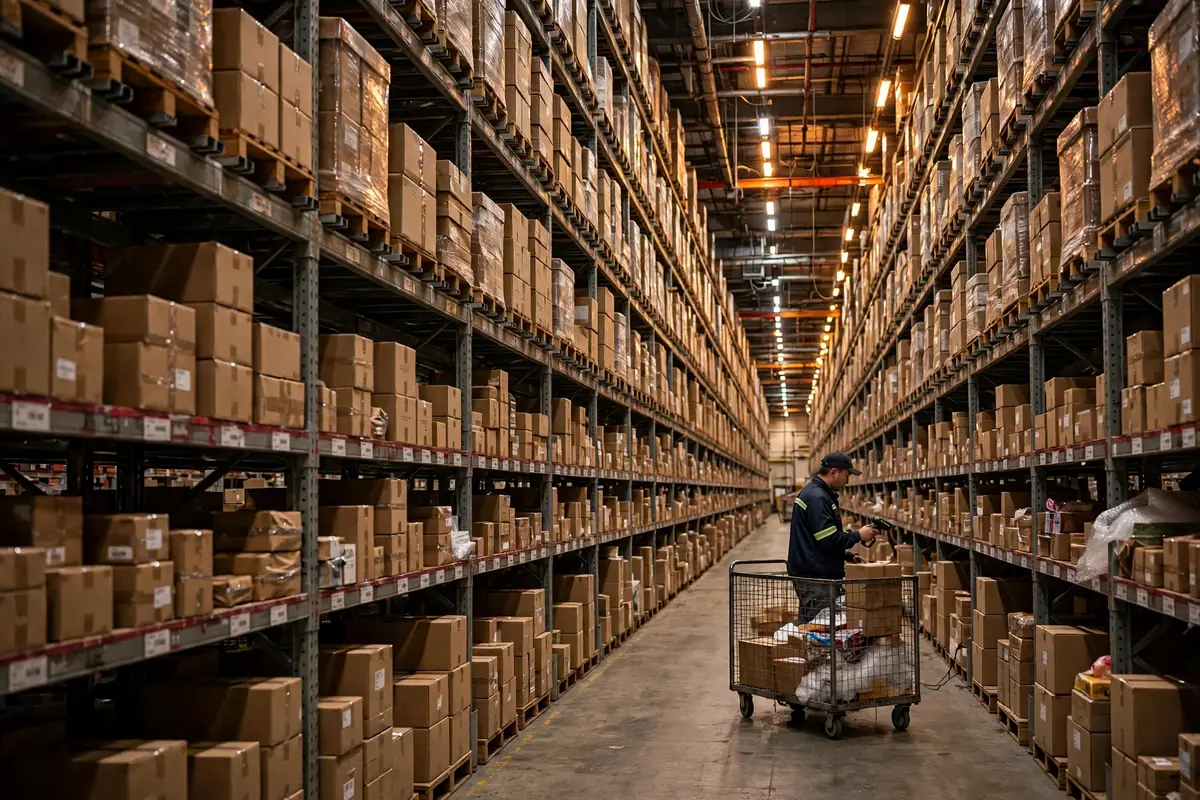
Temu semi-managed overseas warehouse stocking has cost me enough lessons to fill a page.
Last fall I listed a small home storage item under semi-managed, with stock sent to the overseas warehouse first and the platform handling delivery. For the first batch I followed my old habit and sent three months of stock, thinking one big shipment would save me trouble. The item sold slower than I expected. It sat in the overseas warehouse for almost two months before it really started moving. My money was stuck over there while I had no cash left at home to stock new products. And the warehouse charges storage by the day, so every day it sat there burned money. The batch did sell through in the end, but storage fees and the cost of tied-up cash ate a big chunk of the profit.
The same year, another item went the exact opposite way. A small kitchen gadget suddenly took off. I reordered on my usual rhythm, and the ocean freight took more than twenty days. The goods were still on the water when the overseas warehouse ran out. We were out of stock for about two weeks, and the listing lost its ranking. When the stock finally arrived, I had to burn another round of ad spend to climb back. The sales lost during those two weeks never came back.
Ship too early and your cash gets stuck. Ship too late and you stock out. Temu semi-managed overseas warehouse stocking is not about stocking more or stocking less. It is about rhythm.
Ship Early and Your Money Dies in the Overseas Warehouse
A lot of sellers plan stock by sales volume only. They never do the cash math. The day your goods land in the overseas warehouse, the money leaves your account and turns into a pile of products sitting in someone else's building. If it does not sell, it is inventory. If it sells slowly, it is storage fees burning by the day.
My own math is crude, but it works. Before I stock anything I work out three numbers: how many units this item sells per day, how many days a reorder takes from placing the order to being live on the shelf, and how much cash I can afford to have tied up. Selling 20 units a day with a 30-day reorder cycle means roughly 600 units in the overseas warehouse is the right zone. Stock 1,800 units and you have locked two months of cash in a warehouse abroad, while new products, ads, and cash flow all have to wait.
The other trap is the first-batch test quantity. For a new item going semi-managed, never stock the first batch like it is already a bestseller. My rule now is simple: the first batch covers only three to four weeks of sales, just enough to test whether it moves. If it sells, reordering is easy. If it does not, you only lose three weeks of stock. Sellers who send three months of stock for a new item are betting the item will be a hit. That is a big bet.
One more reality check: once goods are sitting in an overseas warehouse, moving them back or shifting them somewhere else costs real money and paperwork. Before every shipment, ask yourself one question. If this batch does not sell, do I accept that loss? If yes, ship it. If no, ship less.
Ship Late and a Stockout Costs More Than You Think
A stockout costs more than a few days of lost sales.
When a semi-managed listing goes out of stock, the platform pushes traffic to competitors who still have stock. By the time your goods arrive, the ranking has dropped, and climbing back means either burning ad spend or cutting price. Two weeks out of stock often takes a full month of promotion to recover from. A lot of sellers never do this math. They only count the sales lost during the stockout days. They never count the promotion cost for the month after.
After I got burned, I set my reorder trigger in stone: the moment available stock in the overseas warehouse drops to one full reorder cycle of sales, the order goes out. Selling 20 units a day with ocean freight, customs, inspection, and shelving taking 30 days means 600 units left is the red line. Not the point where you start thinking about it. The point where the order must already be on its way. Sellers who wait until stock is nearly gone before ordering are guaranteed to stock out during those twenty-plus days at sea.
Peak season needs an even earlier trigger. Before the year-end sales rush, ocean capacity gets tight and customs queues get longer. A cycle that normally takes 30 days can stretch to 40. That is the part of Temu semi-managed overseas warehouse stocking most sellers get wrong: they set one trigger and never move it. Before peak season I push the trigger up one notch and would rather hold one extra week of stock than stock out during the biggest sales event of the year. In the slow season I do the reverse and let the trigger sit lower, so less cash is tied up.
My Stocking Rhythm Table
This is the rhythm table I actually use now. Follow it and you avoid most of the traps:
| Stage | What to do | Quantity guide | | First batch for a new item | Stock only three to four weeks of sales to test sell-through | Estimated daily sales times three to four weeks | | Everyday stock | Keep about one full reorder cycle in the overseas warehouse | Daily sales times reorder lead time in days | | Reorder trigger | Order the moment available stock hits one reorder cycle of sales | Daily sales times reorder lead time in days | | Peak season | Push the trigger up one notch and stock early | About one extra week above the everyday level | | Slow movers | Cut price and clear anything that has not moved in two months | Stop the loss, do not let storage fees eat the margin |
The table is fixed. The numbers are not. Daily sales change, shipping times change, and platform rules change, so treat the exact figures as a guide based on your own sales data and the latest official platform policies. My advice is to check overseas stock and in-transit goods once a week. Do not wait for the system to warn you about a stockout. By the time it warns you, it is usually already too late.
Half an Hour a Week: My Temu Semi-Managed Stocking Check
Every Monday morning I spend half an hour on three things. First, how many days of available stock are left in the overseas warehouse, calculated from the last week's daily sales, not last month's average. When daily sales rise, the days of cover shrink fast. Second, where the in-transit goods are, whether the ocean schedule has slipped, and what stage customs clearance is at. Do not wait until the goods arrive to find out shelving takes another queue. Third, the sales trend for the past week: going up or going down. When the trend changes, the reorder quantity changes with it.
That half hour has saved me real money. One Monday I found a listing whose daily sales had jumped from 15 units to 25, with only about three weeks of overseas stock left. Ordering on the old rhythm would have meant a guaranteed stockout. I placed an urgent air freight top-up the same day. The air freight cost more, but it kept the listing in stock, and that cost was nothing compared with two weeks out of stock and a ranking drop. In stocking, the scary thing is not spending a little more on freight. It is not knowing you are about to run out.
Here is the counterintuitive part: the feeling of safety from a full warehouse is fake. Goods stacked in an overseas warehouse look reassuring, but they are just cash converted into products that may or may not sell. Real safety is turnover: goods moving, money coming back, reorders keeping up. What sellers should fear most is not an empty warehouse. It is cash locked in stock, unable to move at all. A small seller has limited cash. One wrong batch can leave you unable to pay next month's ad bill.
Temu semi-managed overseas warehouse stocking comes down to one line: test small on the first batch, follow up once sell-through proves out, lock in the reorder trigger, and push one notch early before peak season. Ship too early and your cash gets stuck. Ship too late and you stock out. Hit the point in the middle and the money keeps turning.
This one I tested myself, and it works.
By Ah K, E-commerce Seller (5 yrs)