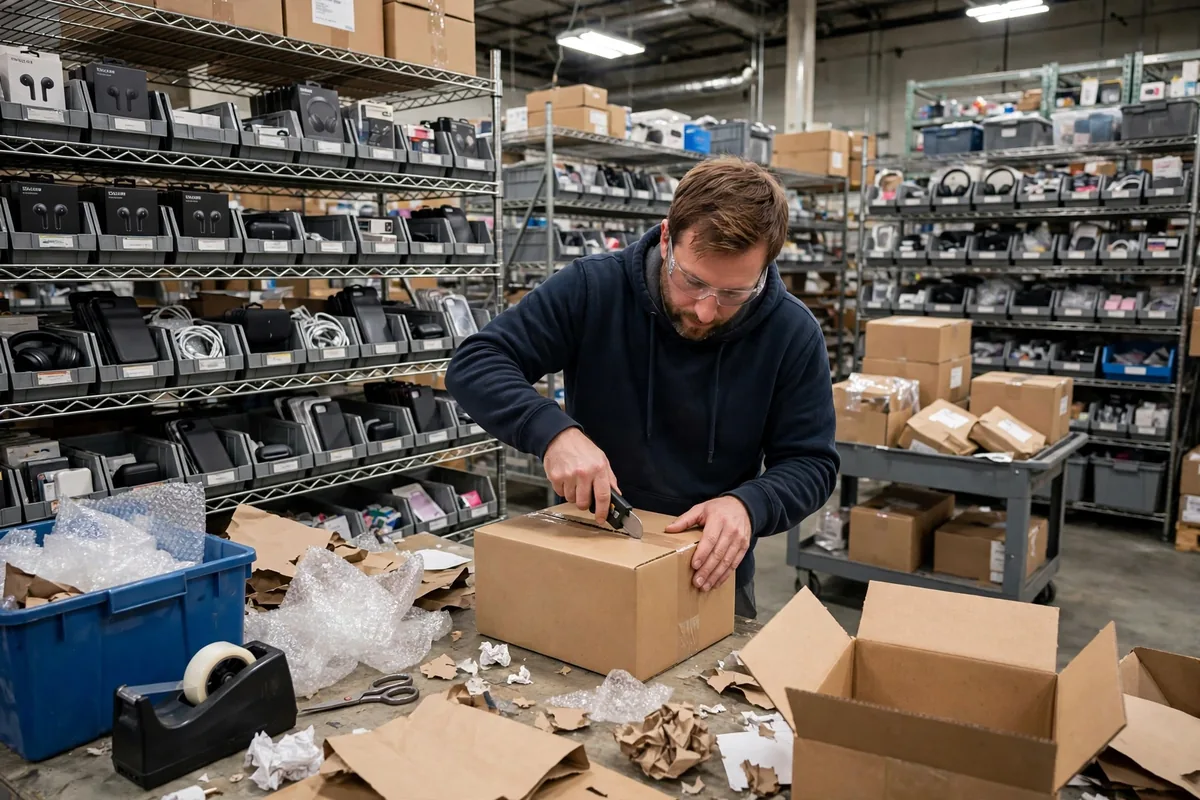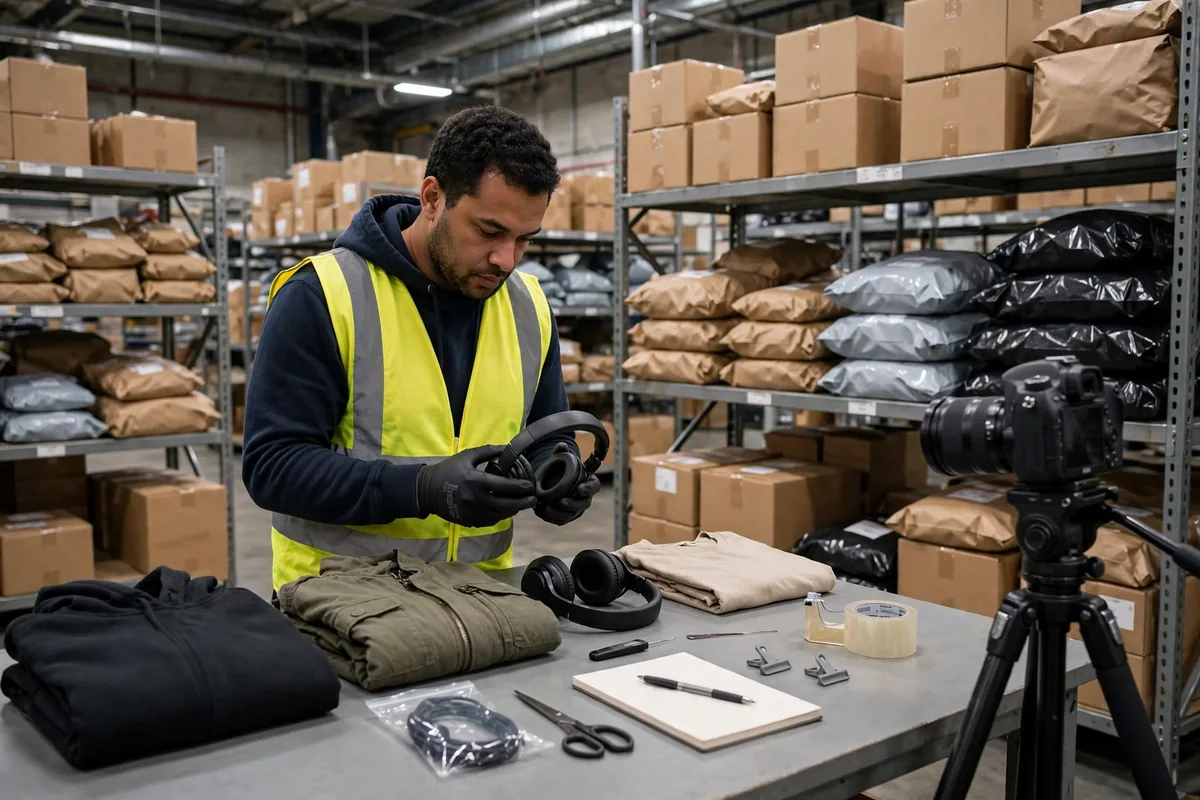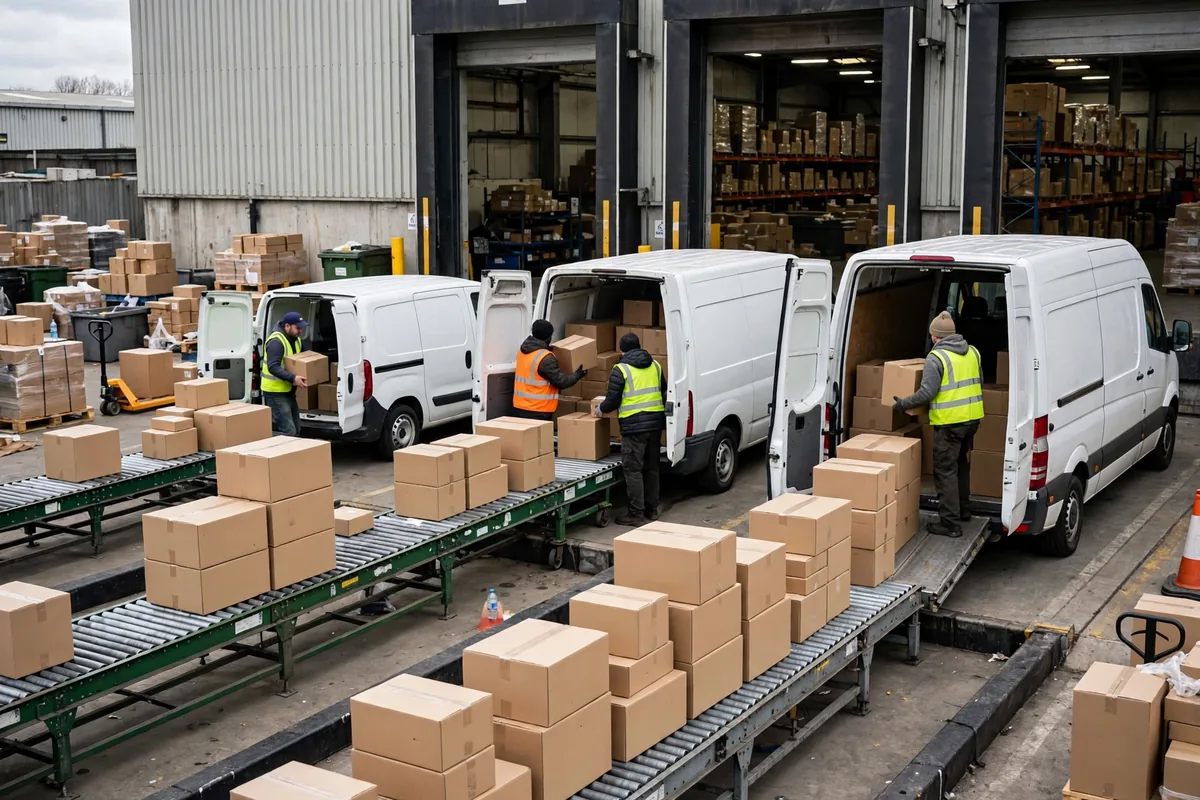
Let me complain first. If you sell in the US and you ship everything on the national networks, you know the pattern: the easy local orders subsidise the painful cross-country ones, the bill keeps climbing, and the tracking page still shows a package sitting two states away on day three. That was my store for two years. Then I tested regional parcel carriers ecommerce shipping on a slice of orders, and I stopped treating the big networks as the default for everything. Not all orders. A slice. That distinction is the whole game.
Regional parcel carriers ecommerce shipping only wins inside the region
A regional carrier does one thing the nationals cannot copy easily: density in a small footprint. Fewer handoffs, shorter linehauls, later pickup cutoffs in some markets, and delivery that can be next-day inside the zone without paying for an air product. Outside that footprint, the same carrier is useless to you. That sounds obvious, but sellers get burned by reading a cheap zone rate and assuming it applies everywhere.
My first test, March 2024, was deliberately boring. I sold lightweight home goods from a small warehouse outside Los Angeles. For two weeks I split only orders going to Southern California and nearby metro areas. Same product, same packaging, same warehouse cutoff. The regional option arrived a day faster on most of those local orders and, on illustrative numbers, cost meaningfully less per parcel than my national ground rate for the same weight. Orders outside the region stayed exactly where they were. Nothing dramatic happened, which is exactly what a good shipping test looks like. Check any carrier's current rates, zones, and service promises on its official site and your latest agreement before you budget anything; I am sharing magnitudes from my own tests, not a price list.
The trade-off is reach. A national network forgives sloppy routing because it goes everywhere. A regional setup punishes it. One wrong label, one order routed to a carrier that does not serve that ZIP, and you have a day lost relabelling in the warehouse and a customer email you did not want to write.
How I split orders for regional parcel carriers ecommerce shipping
My rule in the warehouse management system is simple enough for the packing team to follow without thinking about carriers at all.
| Order signal | Route to regional | Keep on national |
|---|---|---|
| Destination inside the carrier's confirmed service area | Yes, if weight and size fit its current rules | No |
| Time-sensitive order inside the region | Yes, regional speed is the point | Only if regional cutoff was missed |
| Remote, rural, PO Box, or unclear address | No | Yes, broader delivery coverage |
| High-value order needing the tracking experience your customers already know | Case by case | Usually yes |
| Return-heavy category | No, until the returns flow is tested | Yes |
Three practical points sit behind that table. First, validate the service area at ZIP level in your order system, not by state. Carrier coverage maps change, and a state-level rule will happily send parcels into dead zones. Confirm coverage against the carrier's latest published service area. Second, keep one national default for everything ambiguous. Splitting freight only works when the exception path is boring and automatic. Third, tell customers nothing fancy at checkout. I never promised a carrier name, only a delivery window I knew both options could hit. The moment you market a specific carrier, every exception becomes a broken promise.
In June 2025 I added a second region through a 3PL partner near Chicago, covering nearby Midwestern metros. The lesson repeated: inside the dense metro ring it was excellent, and out toward sparse rural routes the advantage vanished. So my split is not regional versus national as an identity. It is dense-and-near versus everything else, rechecked whenever the carrier redraws its map.
Now the ugly parts, because this is where sellers lose the savings.
Tracking coverage is thinner. Some regional carriers update scans less frequently, and marketplace platforms can be picky about which scan events they recognise for tracking validation. I learned this in November 2024 when a batch of perfectly delivered orders showed gaps in the tracking timeline and my support inbox filled up with where-is-my-order messages. The parcels arrived. The data looked late. Test this before peak season: ship, watch every scan event land in your store and marketplace dashboards, and only then scale volume. Verify current platform tracking requirements on the official seller documentation, as they change.
Returns are the second pitfall. A cheap outbound label means nothing if the customer return has to travel on a different network at full price, or if the carrier's return service does not cover the customer's address. For return-prone categories like apparel sizing, I kept the national carrier until I had run a small return test end to end, including how the refund timeline felt to the customer.
Third, claims and support. With a national account you know the claims maze by heart. With a smaller carrier the process may be simpler or may be slower; you only find out on your first lost parcel. File a small test claim early, on purpose, with a low-value shipment if your process allows it, and time the response. Boring work. Saves real money later.
My current split, for what it is worth, sends roughly a third of orders regionally in the months when both warehouses are stocked, and less when inventory sits in only one location. That ratio is not a target. It is just what the ZIP codes do. Sellers who force a ratio end up shipping regional parcels from the wrong warehouse and paying twice in freight and time.
So, is it worth it? If a meaningful share of your orders lands within a few hundred miles of your warehouse or 3PL, yes, test regional parcel carriers ecommerce shipping on that slice for two weeks, measure delivered cost and delivery days side by side, and watch the tracking data as closely as the invoice. If your orders scatter evenly across the whole country, the honest answer is skip it and negotiate harder where you already are. This trick works because it is narrow. I tested it myself, on my own orders, and the narrow version is the one that pays.
By Ah K, E-commerce Seller (5 yrs)