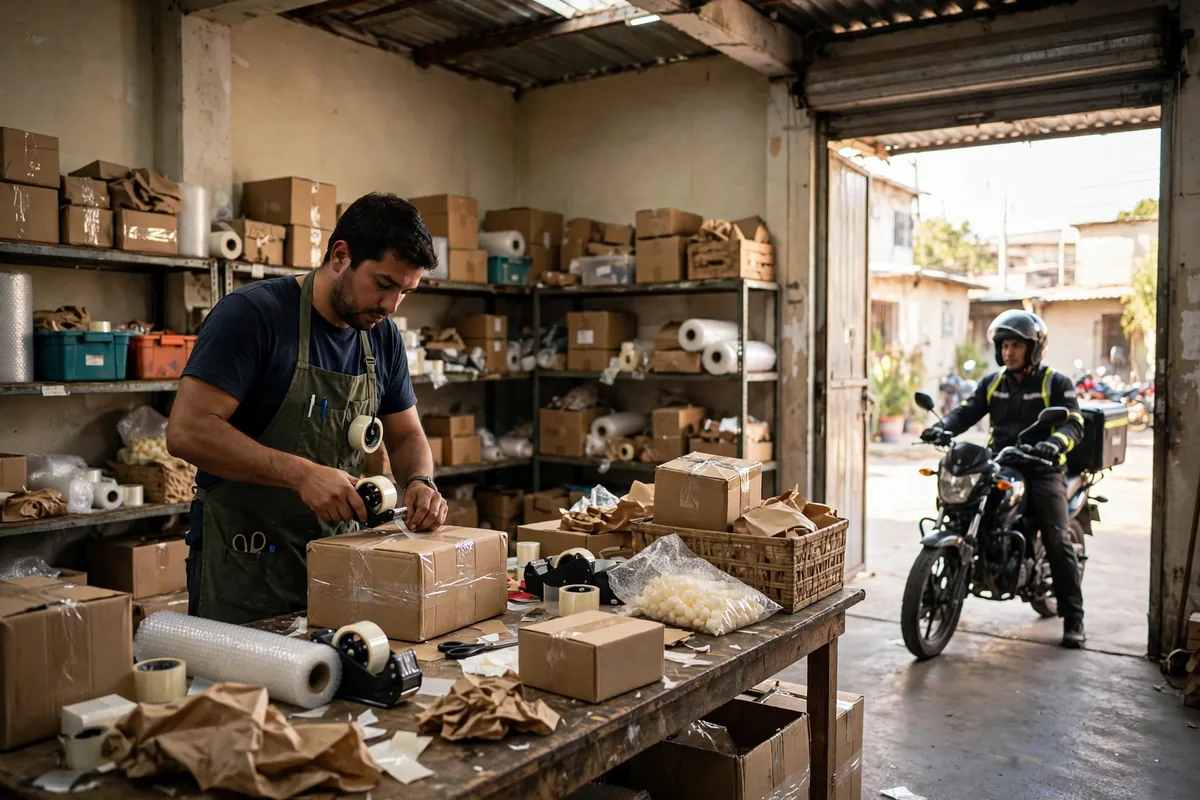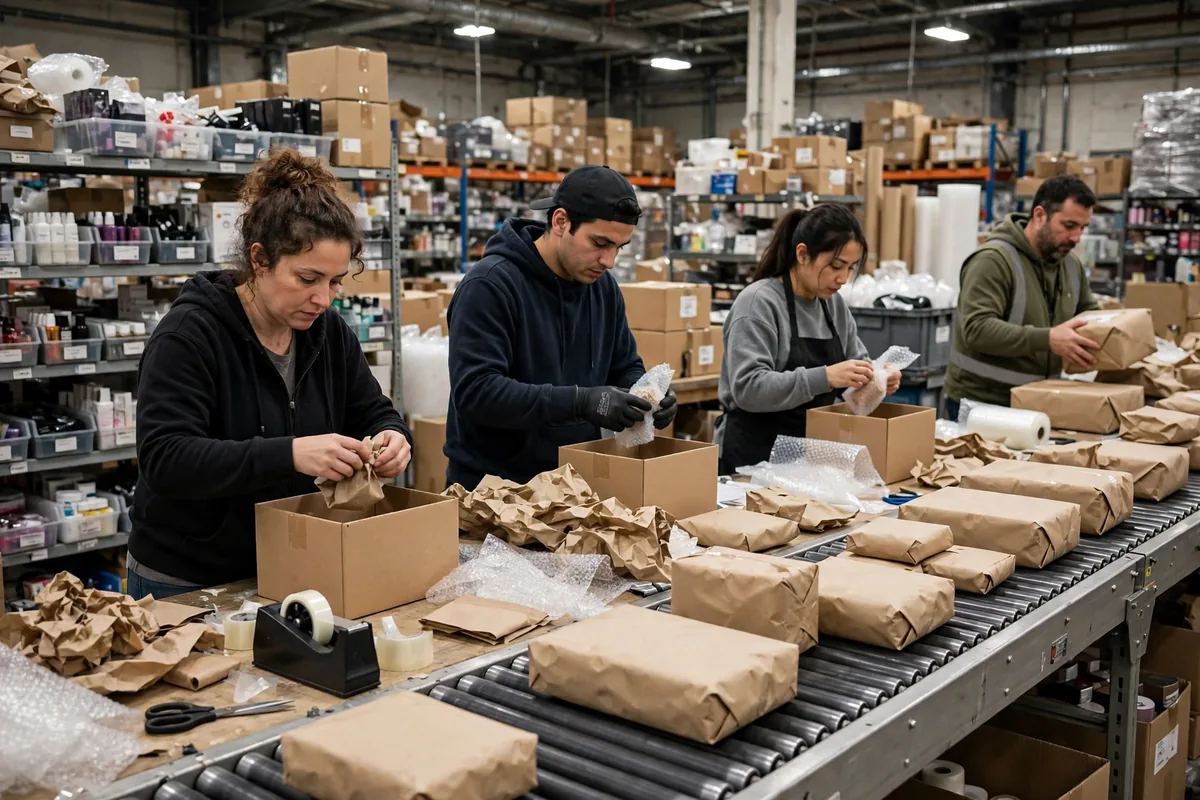
Let me complain first, because it is earned: most sellers only start thinking seriously about tiktok shop warehouse fulfillment on the night a video goes viral. On a normal day you ship a few dozen orders, two people pack at a relaxed pace, life is good. Then one livestream dumps thousands of orders on you in a few hours, the warehouse drowns, parcels pile up, and your dispatch clock starts bleeding. The platform does enforce dispatch timeliness and fulfillment performance, but the specific deadlines, measurement rules, and penalties change — always check the official latest policy instead of trusting numbers in seller group chats, including mine. What I can give you is the playbook that survives those nights.
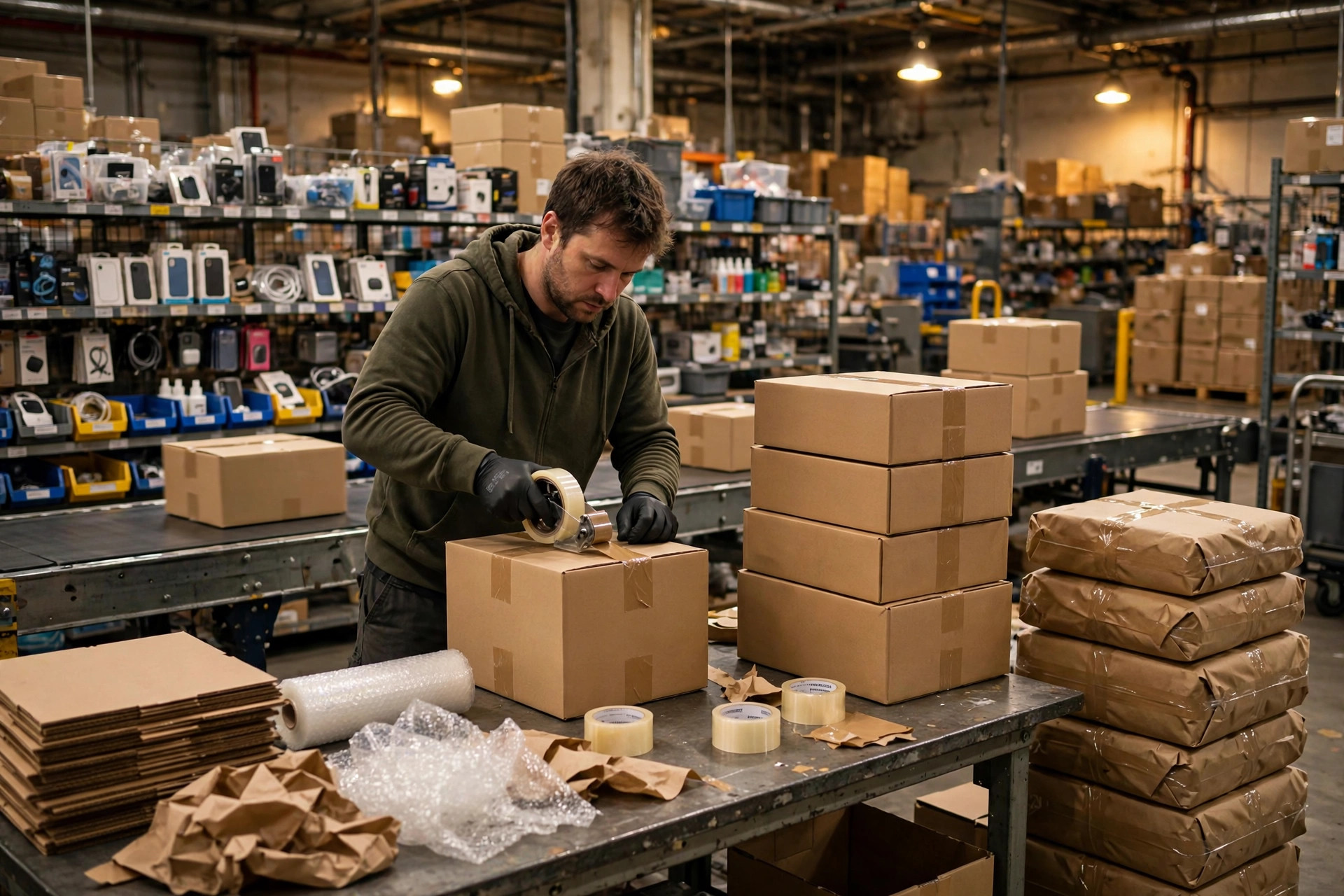
My own scar tissue first. In 2023 I was selling small home appliances out of Shenzhen into the US TikTok Shop, stocked at a third-party warehouse on the US West Coast. Normal volume was a few hundred orders a day and everything felt smooth. Then a creator's livestream blew up one product, and orders multiplied more than tenfold overnight. The stock was there. The rhythm was not. The warehouse worked strictly first-in, first-out at its usual pace, so by the time the livestream orders got packed, the best dispatch window had passed, tracking stayed silent, fulfillment metrics slid in plain sight, and customer service got buried under "where is my order" messages. Most of that night's profit later went into recovery and apologies.
TikTok shop warehouse fulfillment runs on waves, not on a queue
Short-video and live traffic does not look like a flat line. It looks like spikes. A video takes off, orders pour in over a few hours, then volume collapses back to normal. So your warehouse cannot staff and pace itself like an eight-hour factory shift spread evenly across the day. It has to work in waves matched to the spikes.
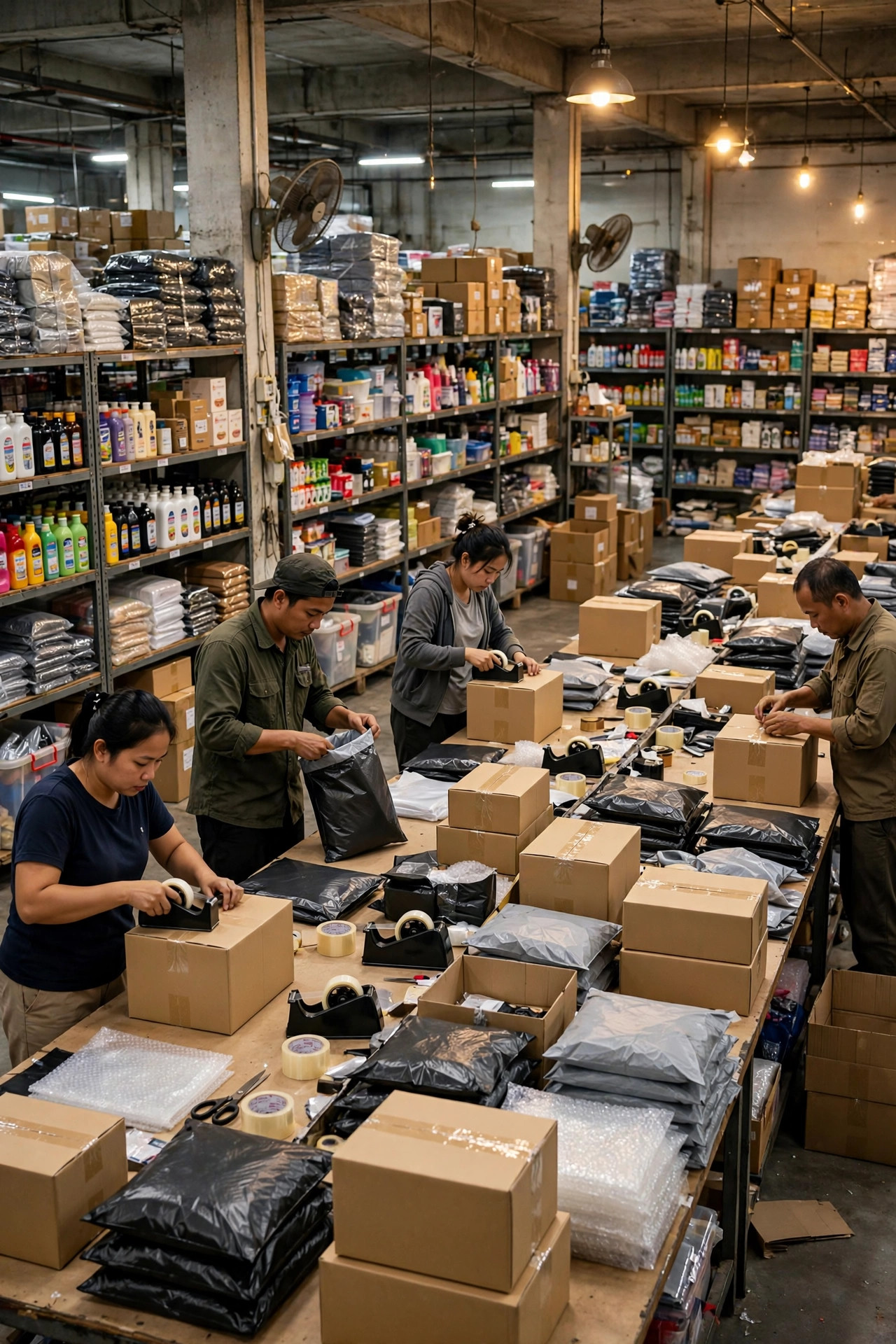
Here is how I run it now. Known spikes — scheduled creator livestreams, big promotions — get synced to the warehouse in advance, and the warehouse keeps an evening wave on livestream nights dedicated to that day's orders. Unpredictable spikes from short videos get caught by an early-morning wave that clears last night's backlog before touching the new day's orders. One rule sits underneath all of it: backlog never sleeps over. Every hour a spike order sits unpicked, your dispatch position gets uglier.
In 2024 I switched to a sharper operation near Los Angeles, and before signing I put three numbers into the agreement: maximum daily processing capacity during a spike, how fast temporary labour can be added, and the returns workflow with its turnaround. It sounds like a demanding customer move. On promotion night, those numbers are your life. That season, one night brought in five to six times normal volume, and the warehouse burned it down within two days on pre-agreed flex labour while dispatch stayed on time. Flex labour is not free, by the way — agree the pricing before you need it, because emergency staffing is always the most expensive staffing.
Here is the counter-intuitive part: distance to port and cheap rent are not the top criteria for choosing a warehouse. Elasticity is. Short-video commerce produces pulse-shaped demand, and one rigid, cheap warehouse can lose you more in a single blown viral night than a year of rent savings. I would rather pay a bit more per order to a warehouse that can stretch.
Returns are not trash — they are eating your repeat purchases
US returns are unavoidable, especially in apparel and home categories. Too many sellers treat returns as "warehouse, deal with it," and the returned units sit in a corner for months — nobody knows what can be resold, nobody analyses why they came back. My standing rules now look like this:
| Step | Practice | Why |
|---|---|---|
| Receiving | Log every return item by item, never bulk-book | Records match the money |
| Grading | Sort on the spot: resellable, refurbish, scrap | Good units get back on the shelf fast |
| Reason coding | Weekly return-reason summary to the product team | Cuts returns at the source |
| Restocking | Resellable units top up viral-item stock first | Extra live inventory during spikes |
The reason-coding step pays back the most. One product kept coming back with "wrong size" returns, and when we finally looked, the size chart on the listing had a conversion error. Fixing one table dropped that product's returns noticeably. That is money the warehouse can hand you — but only if anyone bothers to report it.
Stock rhythm deserves the same honesty. Ocean freight takes weeks, and when a viral item sells out mid-surge, all you can do is watch the traffic die. I now split inventory into two layers: a working layer in the US warehouse sized at a multiple of normal daily sales to absorb everyday spikes, and a fast top-up layer back home that flies small batches in when a spike punches through. Yes, air freight costs more per unit. Compare it against the orders and listing momentum you lose while out of stock, not against the ocean rate. And do the labelling and retail packaging at origin before the goods ship — US warehouse labour is expensive, and asking the warehouse to label during a spike night is slow and error-prone. Every error is a chain of after-sales tickets.
One last operational habit that costs nothing: hold a fifteen-minute weekly call with your warehouse, even in quiet weeks, and review three numbers together — orders shipped late, backlog carried overnight, and returns waiting to be graded. Sellers skip this call when volume is calm, then wonder why the relationship is cold when a spike hits. In my experience, tiktok shop warehouse fulfillment failures are rarely about effort. The warehouse usually worked hard on the bad night too. They fail on alignment that was never built in the calm weeks, when building it was cheap.
Copy this framework if you want: choose the warehouse on elasticity first — spike capacity, labour response, returns workflow. Set the calendar-sync habit for livestreams and promotions before the first order. Run daily work in waves that eat spikes. Review returns weekly. And for dispatch deadlines, late-shipment definitions, and penalty details, read the platform's official latest policy yourself — that document is the only one that counts. This approach genuinely works for me: train the warehouse rhythm to stretch first, then go chase the traffic. Otherwise a viral night is not a celebration. It is an incident.
By Ah K, E-commerce Seller (5 yrs)