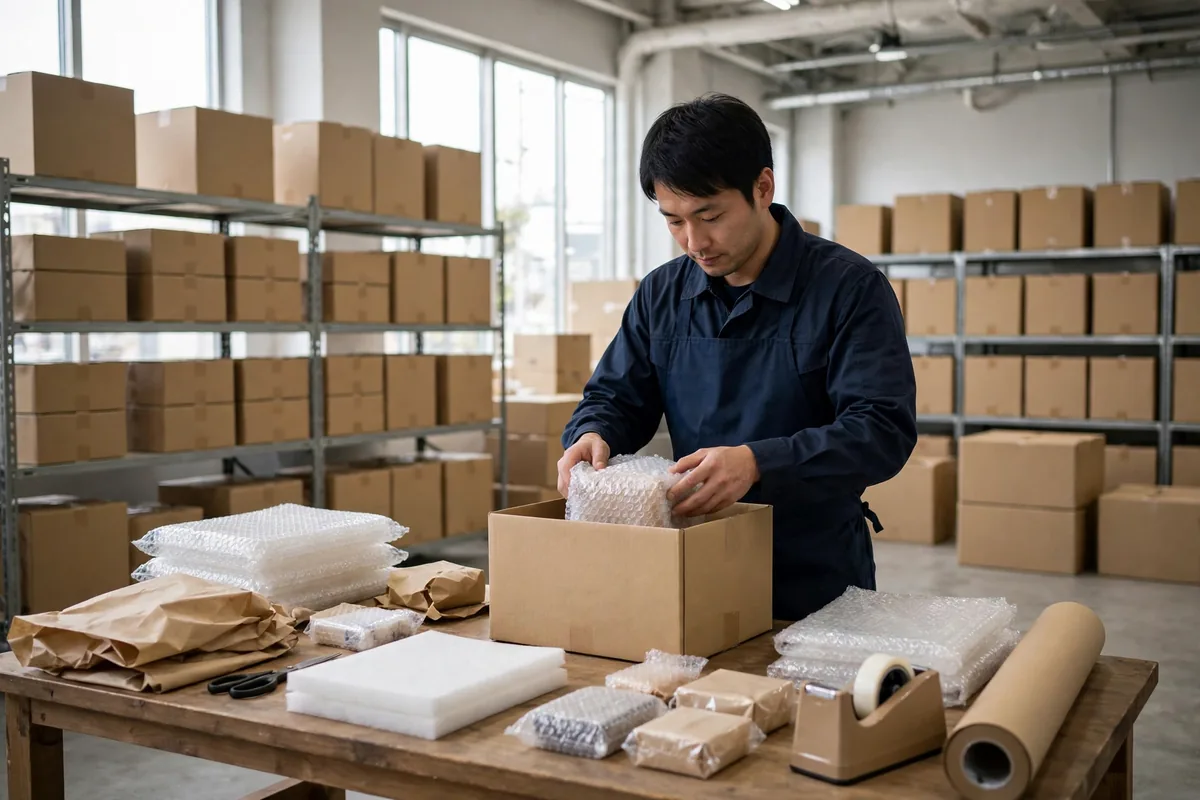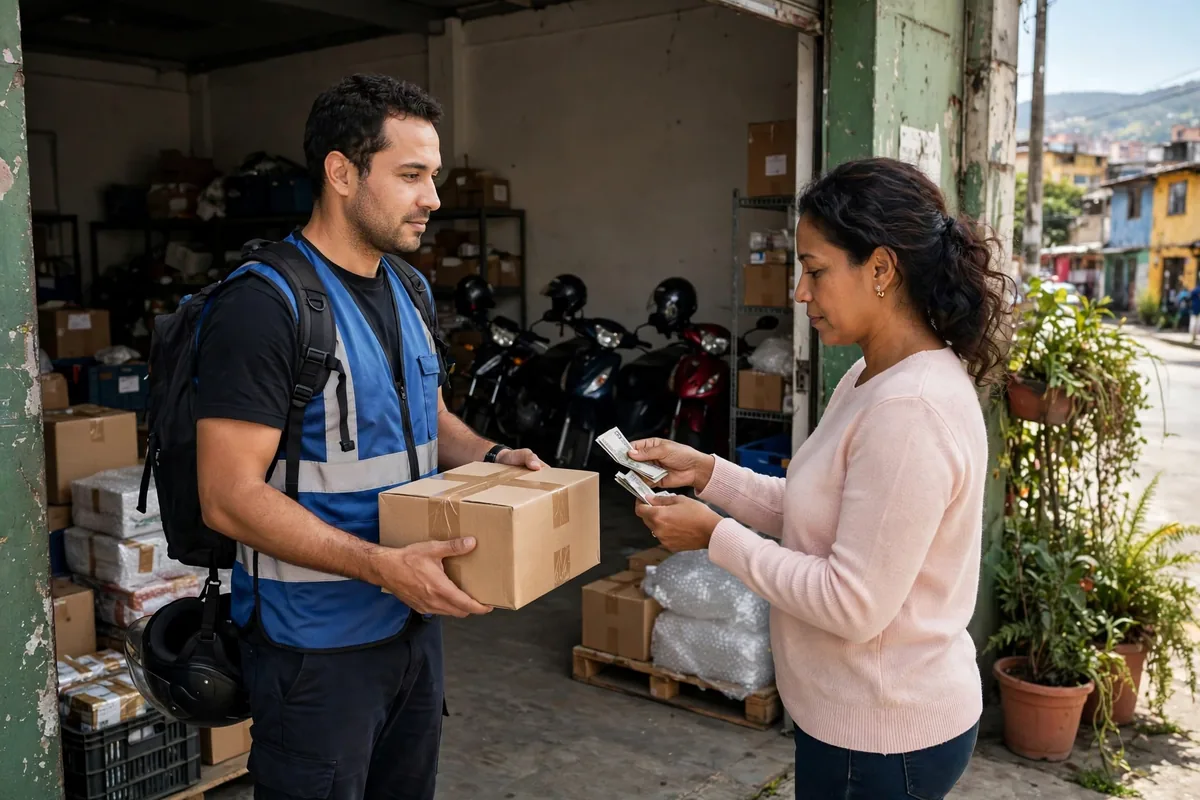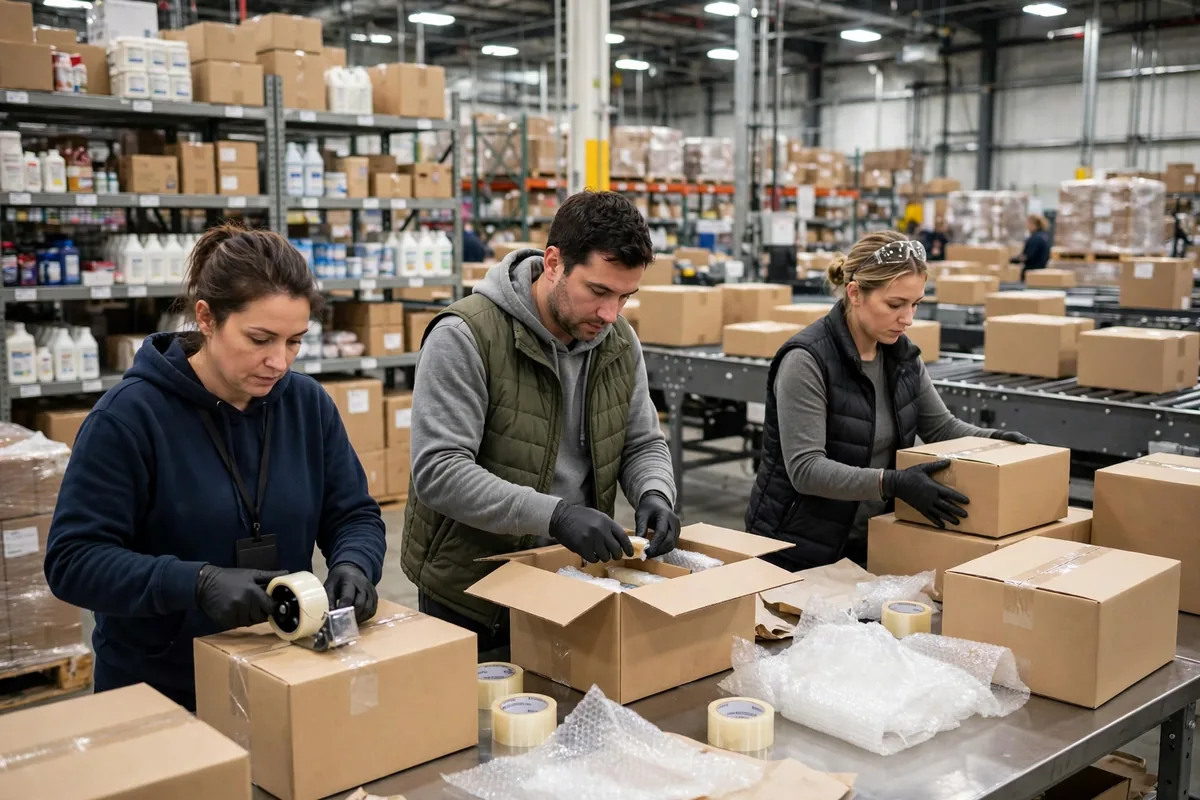
Let me complain first, because somebody has to. This year every seller group chat I am in has the same chant: semi-managed is the future, stock locally, shipping is fast, life is good. Maybe. All I know is that some of the first sellers who rushed pallets into US warehouses are already quietly discounting that stock to get rid of it. Temu semi-managed local warehouse fulfillment hands you traffic and a real say in pricing — and hands you the warehouse, the delivery clock, and the returns pile along with it. Whether that trade makes you money depends entirely on the math you do before the stock ships.
I started testing semi-managed last year, putting a batch of goods into a third-party warehouse on the US West Coast. My conclusion up front: semi-managed is not an upgraded version of fully-managed. It is a different business. Under fully-managed, you hand over the goods and the platform runs the show. Under semi-managed, you stock locally, you own the fulfillment, and the platform gives you traffic and rules. More freedom, and every bit of the risk lands back on your side of the table.
Temu Semi-Managed vs Fully-Managed: Who Actually Does the Warehouse Work
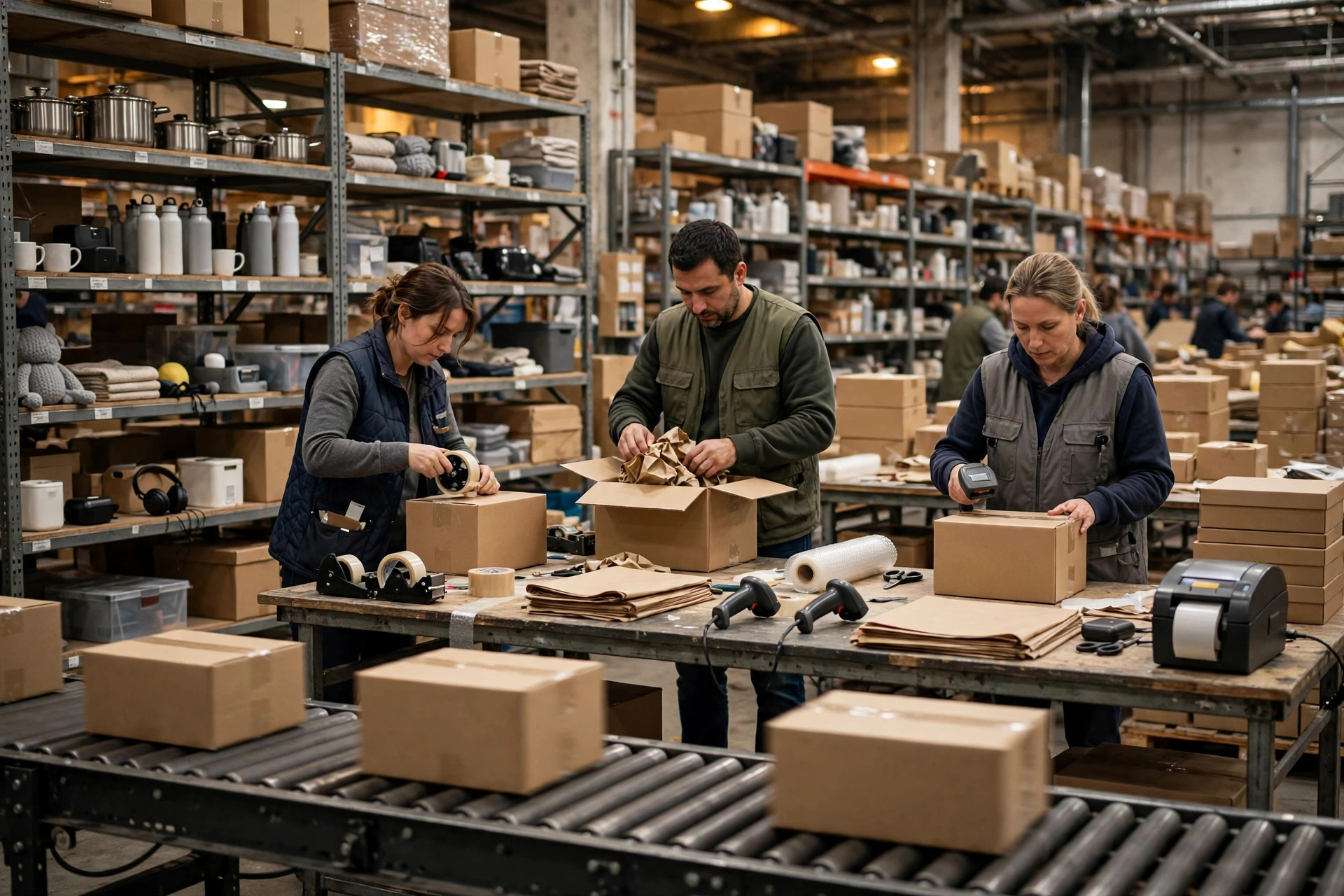
The most common beginner mistake is assuming semi-managed means "fully-managed plus a local warehouse." The warehouse-side split is completely different:
| Step | Fully-managed | Semi-managed (local warehouse) |
|---|---|---|
| Stocking location | Platform warehouses | Seller stocks a local warehouse |
| Pricing and listing say | Mostly platform-led | Seller has much more say |
| Order fulfillment | Platform warehouse ships | Local warehouse picks, packs, ships by cutoff |
| Delivery-time pressure | Mostly on the platform | On the seller and the warehouse |
| Returns handling | Inside platform processes | Mostly lands back at the local warehouse |
| Inventory risk | Relatively spread out | Seller carries unsold stock |
I am deliberately not printing specific cutoff times, delivery windows, or penalty figures here. The rules change fast, and everything in this area is governed by the latest policy in the Temu seller backend — check the current version yourself before you stock anything. Skipping that read is the most expensive shortcut in this business.
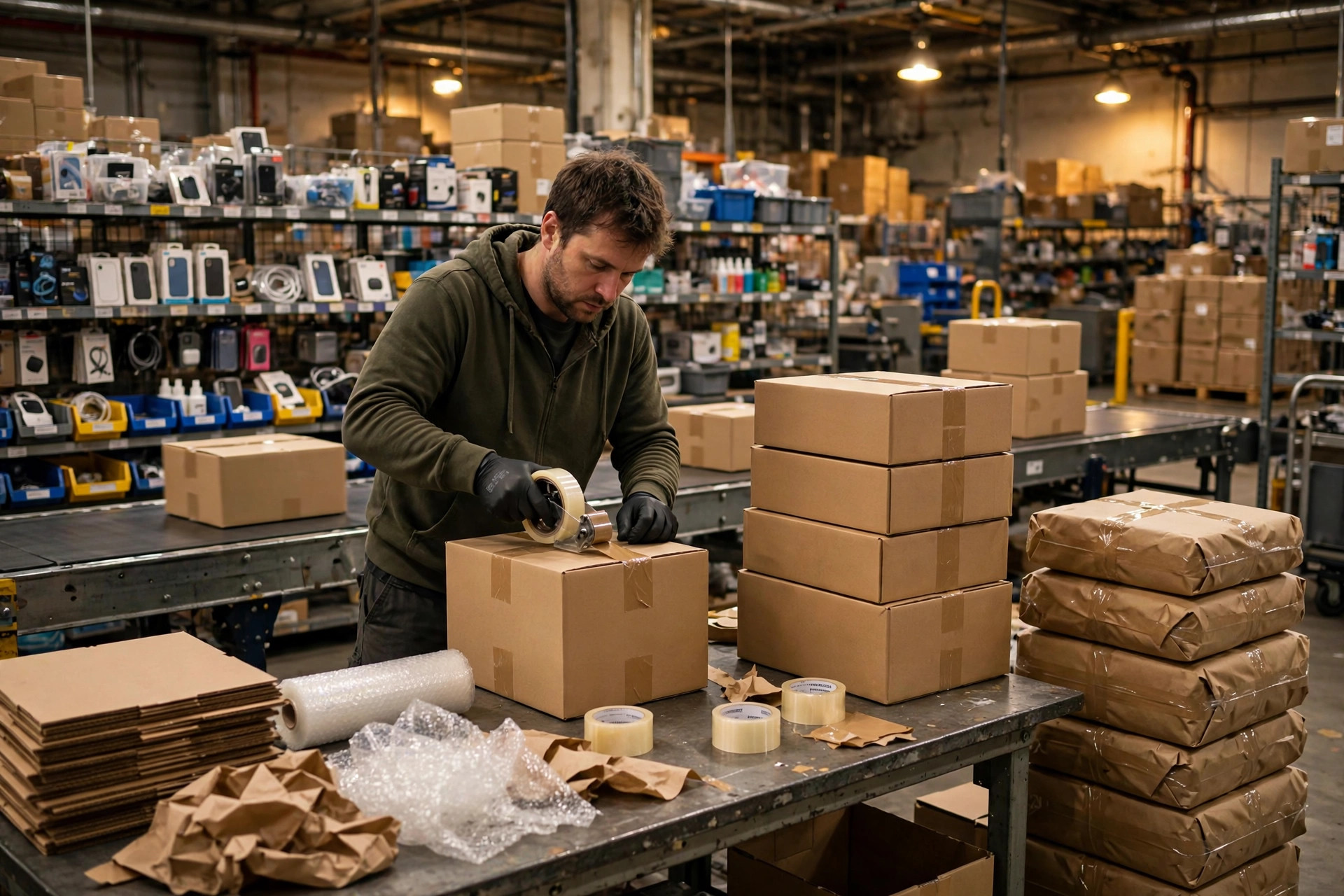
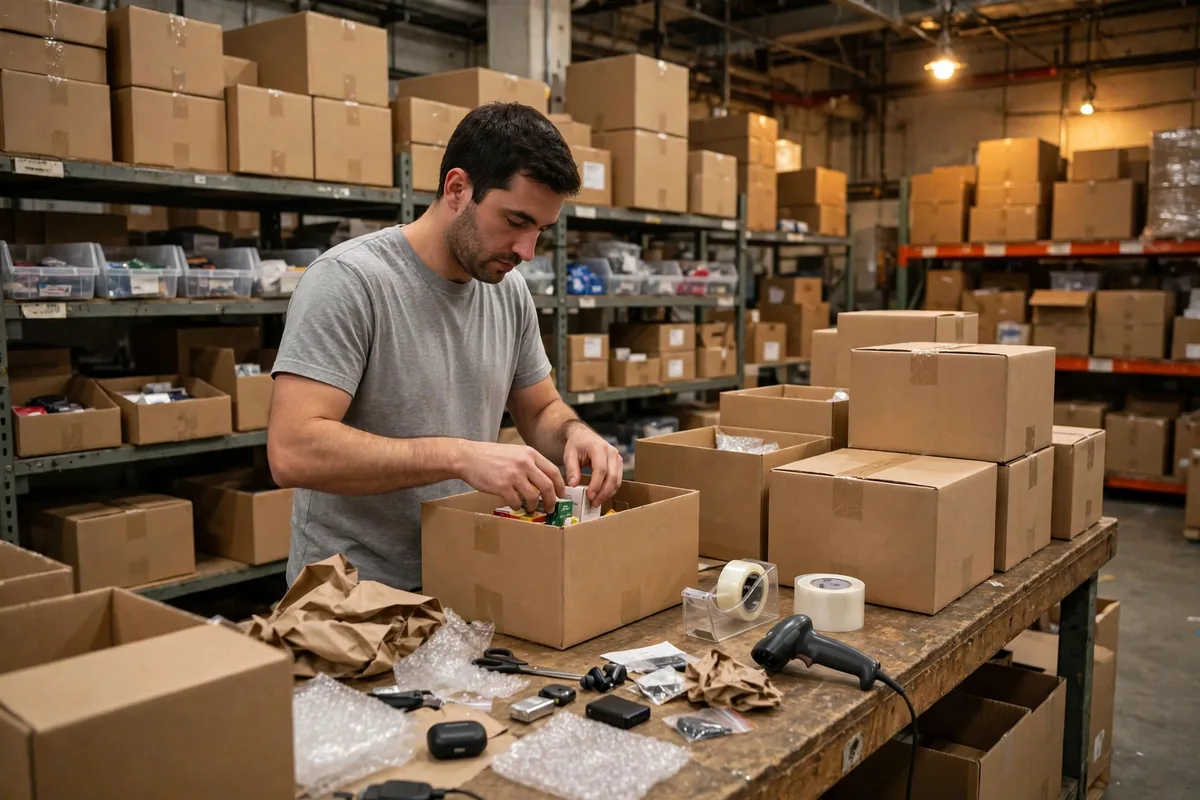
Now my own first lesson. My first batch was small home goods, and the spreadsheet looked beautiful: local stock, short delivery times, conversion should follow. Reality arrived in week one. Orders under semi-managed do not flow in evenly — they surge when the platform pushes traffic. On the two peak days, my warehouse simply could not pack fast enough, and I was in group chats at midnight looking for backup capacity. That is the first truth of temu semi-managed local warehouse fulfillment: the time pressure is not about whether stock reached the warehouse. It is about whether your warehouse can survive your best sales days. Before stocking, ask your warehouse three questions: what is your real daily capacity in peak season, can you flex before cutoff, and what is the backup plan when orders double? A warehouse that cannot answer does not get your main SKUs, however cheap it is.
The Hidden Ledger of Local Warehouse Fulfillment: Returns Hurt the Most
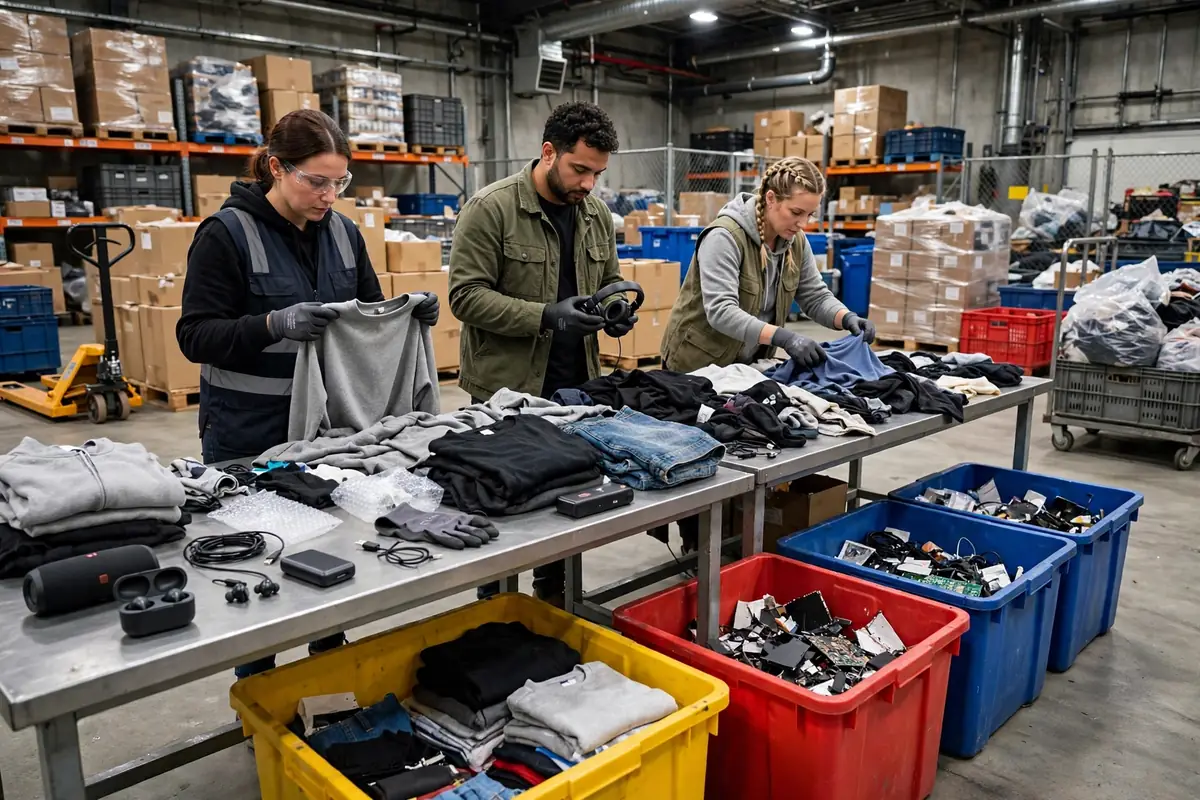
Case two is a friend of mine who sells bulkier home products. He saw the semi-managed traffic, stocked a batch into an East Coast local warehouse, and the sales genuinely came. Then the returns came. Big items cost real money to ship back, inspection and refurbishment eat labor, a share of returned units can never go back on the shelf at full price, and the rest gets cleared at a discount. When he added it up, returns handling had eaten a serious chunk of the margin that batch was supposed to make. His words: under fully-managed, returns were the platform's headache; under semi-managed, returns are my monthly payment.
So run the returns math per category before you stock, not after. My rough method has three steps. First, look at the category's natural return tendency — sizing-sensitive apparel and bulky home goods start life with a handicap compared with small standardized items. Second, get your warehouse's returns pricing in writing: receiving, inspection, photos, repacking, disposal — every step can be billed separately, and anything not in the contract becomes an argument later. Third, load the returns cost into your per-unit model and only then decide stocking depth. If the unit does not make money after returns, no amount of traffic saves it. All fees follow your warehouse contract and the latest policy in the Temu seller backend — never a verbal promise.
Then there is the quiet cost nobody posts about: dead stock. In semi-managed, inventory sits on your books, and every unsold day is storage rent burning. My rule for myself: first batch of any new category stays small, replenish only after sell-through proves itself. I would rather stock out for three days than sit on three months of unsold stock. That rule has saved me at least twice.
Which Categories Should Go Semi-Managed First
From my own testing and a few sellers around me, the categories that work share a profile: light and small, standardized, low natural returns, fast turnover, and time-sensitive — the kind of everyday item where a buyer will not wait for overseas shipping, so local speed converts directly into orders. Be careful with the opposite profile: bulky items where freight dominates the price, categories with structurally high returns, strongly seasonal bets where one wrong call strands the whole batch, and ultra-cheap items whose margin cannot even absorb one returns-handling fee.
Here is the counterintuitive part. A local warehouse being close to your buyer does not put you close to profit. The real dividing line in temu semi-managed local warehouse fulfillment is not delivery speed — the platform has already engineered that part. It is returns and inventory turnover, and those are entirely yours.
My working order, if you want it: read the current semi-managed rules on timing, assessment, and returns in the seller backend, end to end, and screenshot them for your records — the latest policy in the Temu seller backend is the only version that counts. Then rebuild your per-unit model for each candidate SKU with returns, storage, and fulfillment fees included. Then stock small into one reliable local warehouse and run a full cycle — one traffic surge, one returns wave — before you scale anything. I am still on this road and I have stepped in most of the holes on it, but once the math was honest, it became my steadiest growth line this year. This playbook is tested and it works — just run your own categories through it before you copy it, or you will copy your way straight into dead stock.
By Ah K, E-commerce Seller (5 yrs)